- Home
- China Guide
- Travel Articles
- Travel China with “Romance of the Three Kingdoms”
Travel China with "Romance of the Three Kingdoms”
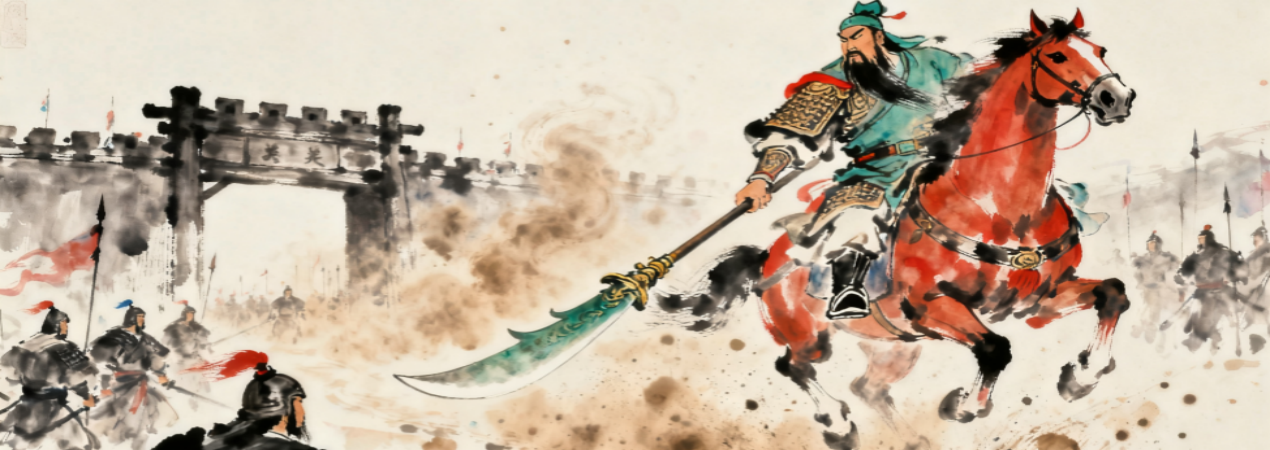
Romance of the Three Kingdoms is one of the "Four Great Classical Novels" in Chinese classical literature. With the century-long history from the late Eastern Han Dynasty to the early Western Jin Dynasty as the background, and the rivalry among the three kingdoms of Wei, Shu and Wu as the main thread, Luo Guanzhong depicts countless thrilling battle scenes and complex political maneuvers, and creates hundreds of vivid heroic characters with distinct personalities, such as Liu Bei, Zhuge Liang, Cao Cao, Guan Yu and Sun Quan. It presents brilliant stories including the loyalty and righteousness in "the Oath of the Peach Garden", the victory of the few over the many in "the Battle of Red Cliffs", and the wise game in "the Empty Fort Strategy". This work not only embodies Chinese historical culture, but also reflects the Chinese people's ultimate yearning for loyalty, wisdom and courage.
As a leader in Chinese thematic educational travel, China Educational Tours is well aware that a true cultural journey is not just about sightseeing and taking photos, but about an immersive cultural experience and a dialogue across time and space. When you travel around China with Romance of the Three Kingdoms as your guide, you will step into ancient city walls, ancient battlefields and hometowns of historical celebrities, understand the spiritual core of "righteousness" and "wisdom" in traditional Chinese culture, and follow in the footsteps of the heroes described in the novel.
Nanjing: The Capital Memory of the Eastern Wu Regime
Nanjing, known as "Jianye" in ancient times, was the political center of the Eastern Wu Regime in the later period depicted in Romance of the Three Kingdoms and also the place where the tripartite confrontation pattern of the Three Kingdoms (Wei, Shu, Wu) was formally formed. Today, scenic spots in Nanjing such as Stone City, Ming Xiaoling Mausoleum, and the Eastern Wu Museum still retain traces of the Eastern Wu Regime.
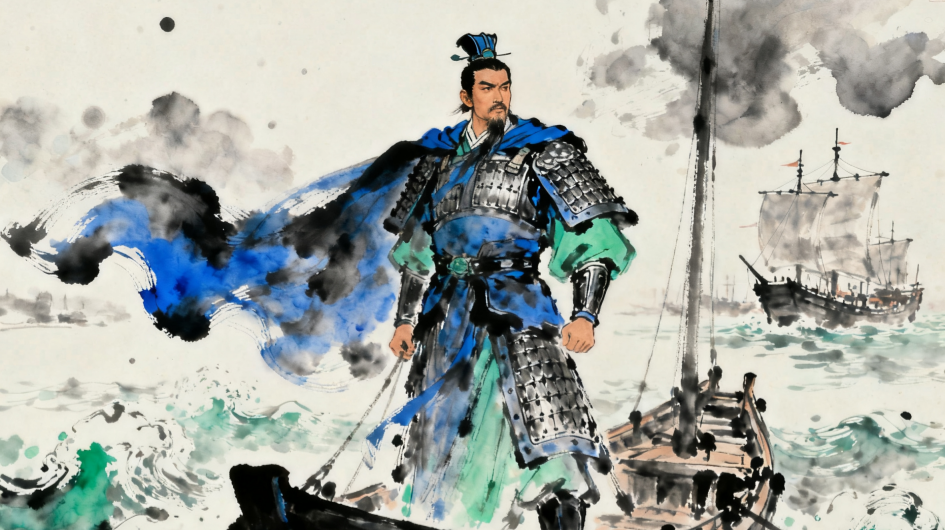 Sun Quan
Stone City Ruins Park is the city built by Sun Quan on Stone Mountain (now Qingliang Mountain) to resist the army of the Cao Wei Regime. The city walls were constructed with hard local rocks, boasting the capability to "repel enemies with its height and defend the state with its strategic location", hence the name "Stone City". Today, Stone City Ruins Park still preserves a remaining section of the ancient city wall approximately 300 meters long. The city wall was built along the mountain, with its outer side adjacent to the estuary where the Qinhuai River flows into the Yangtze River. Standing on the city wall, one can clearly overlook the magnificent scenery at the confluence of the Qinhuai River and the Yangtze River. Led by professional cultural instructors, you can not only visit the remains of the city wall but also gain an in-depth understanding of the strategic wisdom behind Stone City.
In addition, you can also visit Sun Quan's Mausoleum in the Zhongshan Scenic Area, and then go to the Eastern Wu Emperor Sun Quan Memorial Hall to learn about Sun Quan's life story, the history and culture of the Eastern Wu Regime, and the changes of Nanjing as the capital of the Eastern Wu Regime, thus gaining a profound insight into the history of the Three Kingdoms.
Jingzhou: The "Strategic Heartland Under Heaven" for the Three Kingdoms' Struggle
In the story of Romance of the Three Kingdoms, the core battlefields where Liu Bei "borrowed Jingzhou" and "defended Jingzhou" are located in present-day Jingzhou. Inside the ancient city of Jingzhou, a large number of relics related to the Three Kingdoms still remain—each one allows you to feel the passion and regret depicted in the novel.
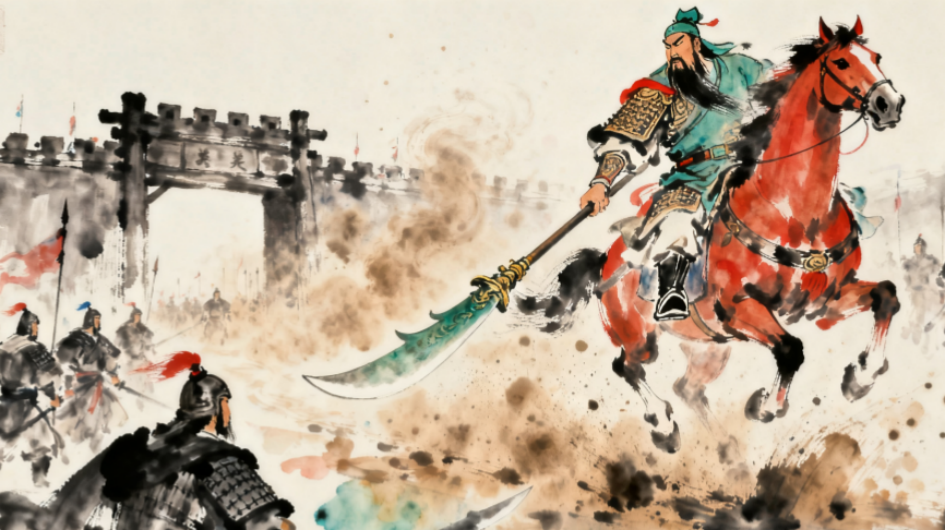 Guan Yu's Defense of Jingzhou
The Ancient City Wall of Jingzhou is the best-preserved southern city wall extant in China. In Romance of the Three Kingdoms, Guan Yu guarded this place for many years, and his brilliant achievements of repelling attacks from Eastern Wu and Cao Wei multiple times were closely linked to the defense system of this ancient city wall. Standing on the Binyang Tower of the ancient city wall, you can see the complete moat and city wall structure—a crucial barrier against enemy forces. You can also visit defensive facilities on the city wall, such as the barbican (a defensive outpost), watchtowers, artillery platforms, and soldier-hiding caves.
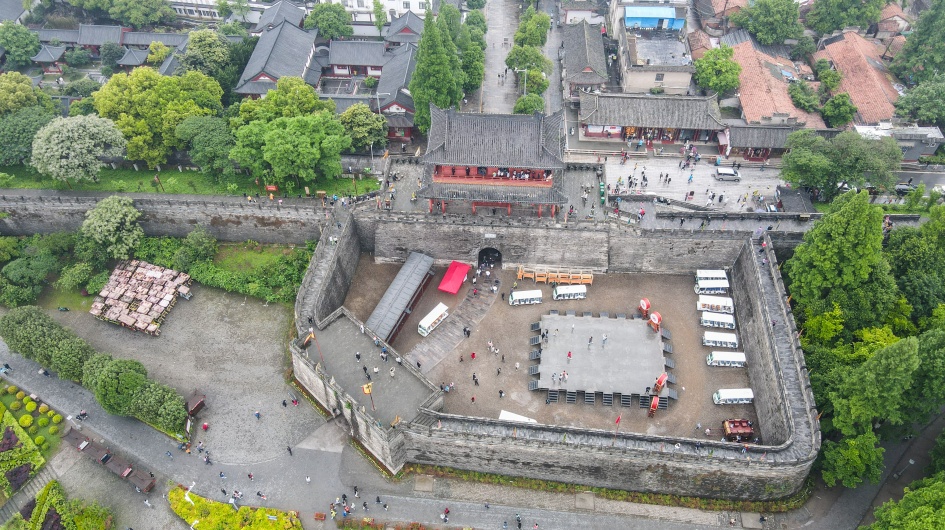 Jingzhou Ancient City
A visit to the Guan Di Temple in Jingzhou, located within the ancient city wall, is a must. Built to commemorate Guan Yu’s "loss of Jingzhou", it is one of the Four Great Guan Di Temples in China. Inside the temple, you can see the statue of Guan Yu reading The Spring and Autumn Annals at night, and feel his spiritual qualities of "loyalty and righteousness" and "courage"—values that have influenced China for nearly a thousand years.
Chengdu: Honoring Zhuge Liang's Loyalty and Righteousness
Chengdu was the core of the Shu Han Regime in Romance of the Three Kingdoms, the capital where Liu Bei established the "Han" state, and more importantly, the place where Zhuge Liang assisted Liu Bei’s son in his later years. The Wuhou Memorial Temple in Chengdu is an unmissable scenic spot for understanding Shu Han culture, and it is also a "sacred place" that fans of the Three Kingdoms must visit.
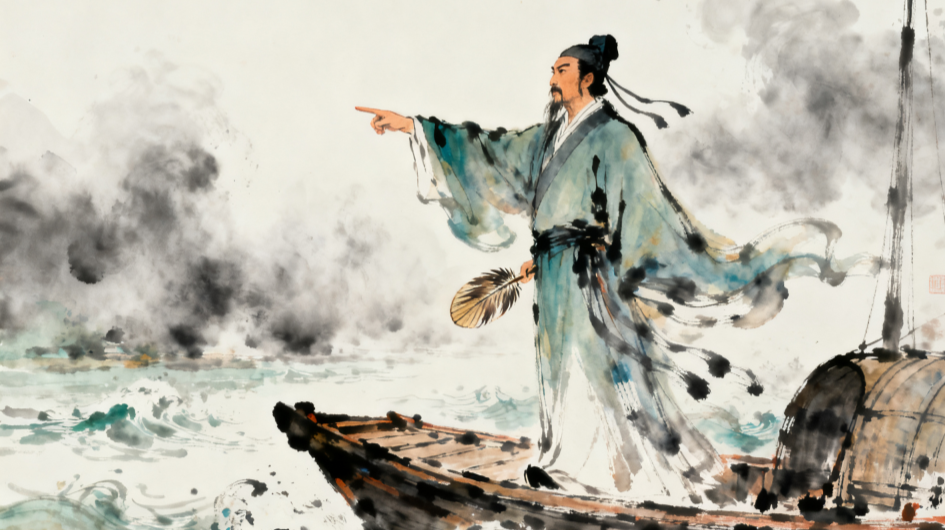 Zhuge Liang
Wuhou Memorial Temple is a memorial temple dedicated to Zhuge Liang, the prime minister of the Shu Han Regime during the Three Kingdoms period, and is known as the "Sacred Land of the Three Kingdoms". When you step into Wuhou Memorial Temple, the first things that catch your eye are the horizontal plaque inscribed with "Temple of Emperor Zhaolie of Han" and the statue of Zhuge Liang. The stone tablet carved with Chu Shi Biao (Memorial on Sending the Army) inside the shrine is a must-see cultural relic. The words "devote oneself to the cause until death" (literally "bend one’s back and exhaust one’s efforts, until the moment of death") on the tablet are not only a portrayal of Zhuge Liang’s life, but also the core of the "Marquis Wu Spirit" (the spirit of Zhuge Liang, who was granted the title "Marquis Wu") in Romance of the Three Kingdoms. Our cultural instructors will explain the couplets and statues in the shrine for you, helping you understand Zhuge Liang’s wisdom and strategies as depicted in Romance of the Three Kingdoms.
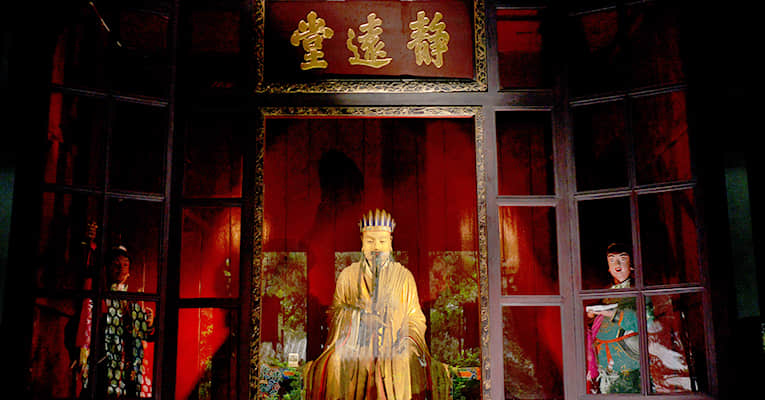 Wuhou Memorial Temple
The Jinli Ancient Street adjacent to Wuhou Memorial Temple recreates the market scene of Chengdu during the Three Kingdoms period. The description in Romance of the Three Kingdoms that "Chengdu was prosperous with merchants gathering" is vividly reproduced here. The ancient street is home to numerous teahouses, wine shops, and handcraft workshops. You can taste Sichuan’s characteristic cuisines here and experience the bustling atmosphere of Chengdu in the Three Kingdoms era. As evening falls, the lanterns in Jinli are lit up; wandering through the street, you will feel as if you have traveled back to the scene described in Romance of the Three Kingdoms where "the Shu region was peaceful and the people lived in harmony".
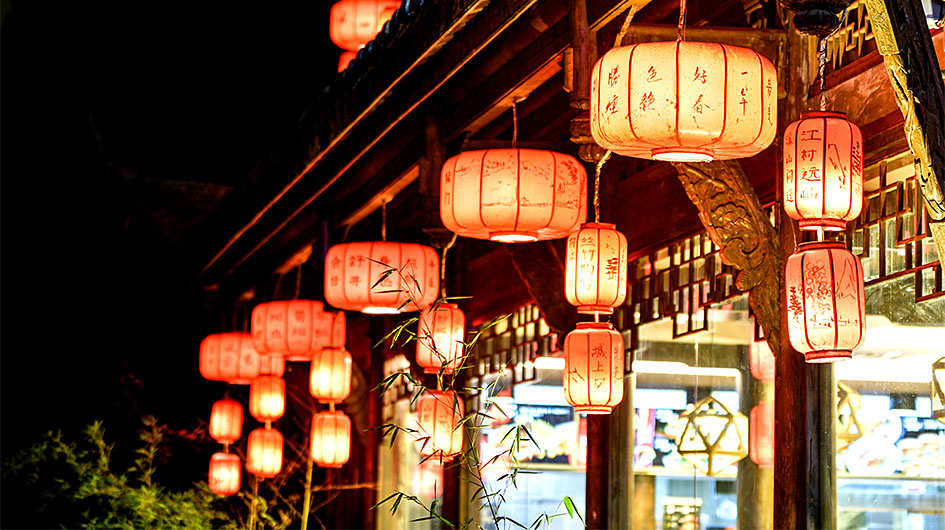 Jinli Pedestrian Street at Night
In addition to Wuhou Memorial Temple and Jinli, Huiling Mausoleum in Chengdu is also worth a visit. Huiling Mausoleum is the mausoleum of Liu Bei, adjacent to Wuhou Memorial Temple, reflecting the pattern of "monarch and minister staying together". The burial mound stands 12 meters high, presenting a magnificent spectacle. Instructors will tell you about the political situation of the Shu Han Regime after Liu Bei’s death, as well as the plot in Romance of the Three Kingdoms where "Zhuge Liang guarded Liu Bei’s mausoleum", allowing you to gain a deeper understanding of the "loyalty and righteousness" culture of the Shu Han Regime.
Luoyang: Turbulent Tales of the Three Kingdoms in the Former Capital of Han and Wei Dynasties
In Romance of the Three Kingdoms, Luoyang was the "central hub of the realm". Later, after Cao Pi, the son of Cao Cao, established the Wei State, he made Luoyang its capital. This city witnessed the fall of the Eastern Han Dynasty and the rise of the Cao Wei Regime, serving as a "critical turning point" in the history of the Three Kingdoms. Today, relics in Luoyang such as the Ruins of the Ancient Capital of Han and Wei Dynasties and Guanlin (the Sacred Grove of Guan Yu) still showcase the rise and fall, as well as the legends, of that era to visitors.
 Cao Cao
The Ruins of the Ancient Capital of Han and Wei Dynasties are the actual historical ruins of the Cao Wei capital. Within the ruins, visitors can see the remains of the imperial palace, palaces, and government offices from the Three Kingdoms period. Our cultural guides will take you to visit the Ruins Museum, where you can learn about the urban layout and daily life scenes of Luoyang during the Eastern Han Dynasty through unearthed cultural relics such as eave tiles, floor bricks, and bronze artifacts.
Cao Cao admired Guan Yu’s loyalty and righteousness, so he buried Guan Yu’s head in Guanlin. Guanlin is the only ancient classic building in China that integrates three types of memorials: a tomb, a temple, and a sacred grove. You can visit attractions in front of the temple, including the Hall of Peace, the Hall of The Spring and Autumn Annals, the stone archway, the Imperial Stele Pavilion, and Guan Yu’s Tomb Mound. With the help of our cultural instructors, who will tell you the stories of Cao Cao and Guan Yu, you will understand that behind the Chinese people’s worship of Guan Yu lies their reverence for the spirit of "loyalty and righteousness".
Xuchang: The Former Capital of Cao Wei – "Holding the Emperor to Command the Vassals"
In Romance of the Three Kingdoms, Xuchang was the birthplace and political center of the Cao Wei Regime, witnessing the critical journey of Cao Wei from its rise to prosperity. If you want to follow the traces of Cao Wei, you can visit the Cao Wei Ancient City and Baling Bridge in Xuchang.
The Cao Wei Ancient City is a reconstructed ancient city themed on the Three Kingdoms culture, allowing you to intuitively experience the style and features of Xuchang (then known as "Xu Capital") in that era. Inside the ancient city, there are imitation ancient buildings such as Cao Cao’s mansion and Chunqiu Tower (the residence of Guan Yu). Our cultural instructors will lead you on a walk through the ancient city; in front of Cao Cao’s mansion, they will tell the story of Cao Cao’s "discussion of heroes over a cup of boiled wine", helping you gain an in-depth understanding of Cao Cao’s great talent, strategic vision, and suspicious personality.
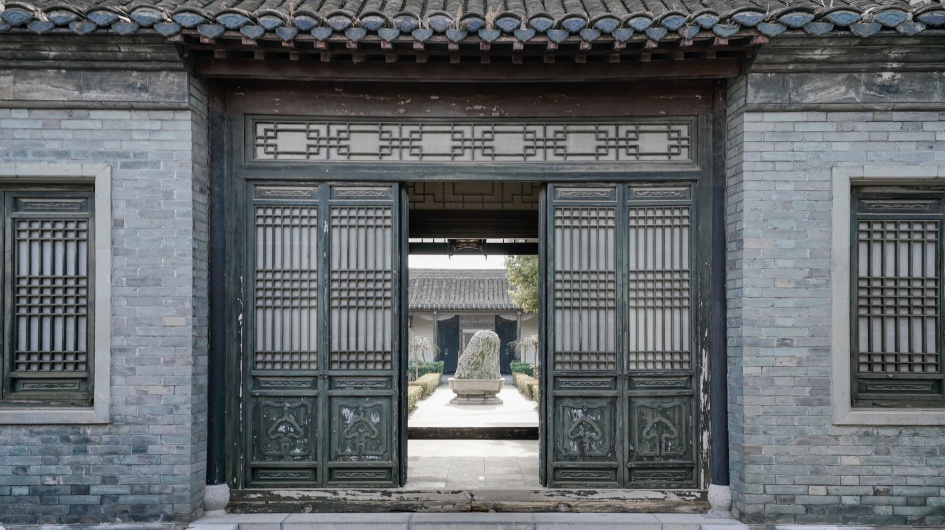 ao Cao’s Mansion
In addition, Baling Bridge in Xuchang is also closely related to the stories of the Three Kingdoms. This bridge was the place where Cao Cao saw Guan Yu off when Guan Yu left Xuchang, and it was here that the plot of "Cao Cao presenting a robe" in Romance of the Three Kingdoms took place. Today, on Baling Bridge, there is a "Tiaopao Pavilion" (Pavilion of Refusing the Robe); the murals inside the pavilion recreate the scene of that year. Standing on the bridge and looking out at Xuchang City in the distance, you will understand why Guan Yu chose to leave from here.
Suggestions for Travel Itinerary Planning
We are well aware that a journey themed on the Three Kingdoms is not merely a visit to historical relics, but more importantly, a pursuit of the heroic spirit. Therefore, we reject superficial "checklist-style" tours and exclusively tailor a cultural experience journey focusing on the three kingdoms of Wei, Shu, and Wu for you.
Day 1
Arrive in Beijing on the first day. In Romance of the Three Kingdoms, Beijing belonged to Youzhou. After the Battle of Guandu, Youzhou was incorporated into the territory of the Cao Wei Regime. Today, you can visit Beijing’s iconic attractions such as Tiananmen Square and the Palace Museum to immerse yourself in Beijing’s historical atmosphere.
Day 2
Start by visiting the Temple of Heaven, the largest existing ancient ritual complex in China. Then head to the Mutianyu Great Wall to admire the grandeur, steepness, and natural scenery of the Great Wall. Finally, visit innovative architectural landmarks like the Bird’s Nest (National Stadium) and Water Cube (National Aquatics Center).
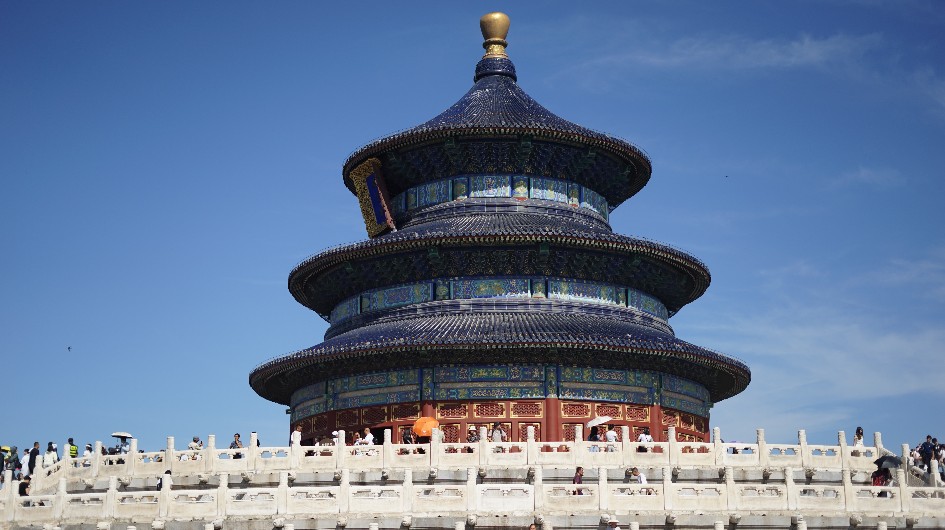 Temple of Heaven
Day 3
Visit Tiananmen Square, Beijing’s landmark. Then proceed to the Palace Museum to learn about the life of imperial families in ancient China. Next, go to Jingshan Park to take panoramic photos of the Palace Museum and explore Beijing’s characteristic neighborhoods—Hutongs (traditional alleyways). In the end, take a high-speed train to Xuchang.
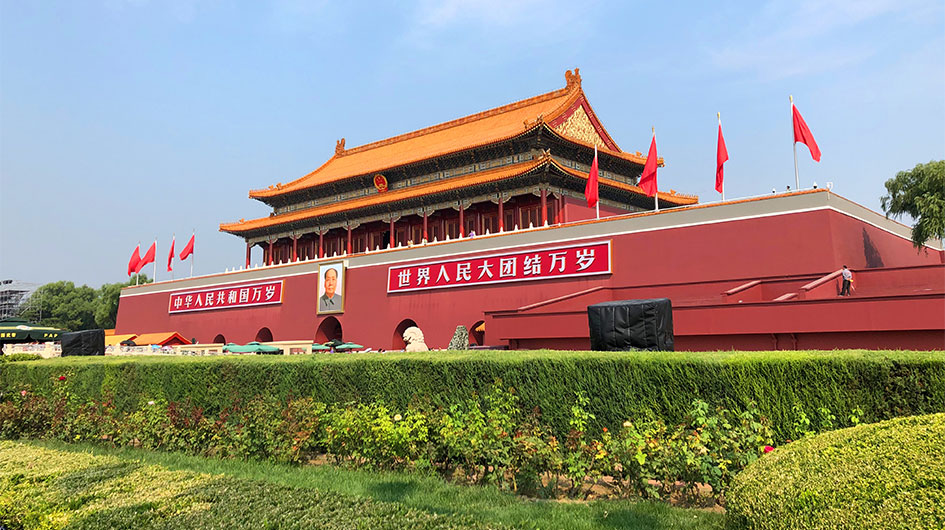 Tiananmen Square
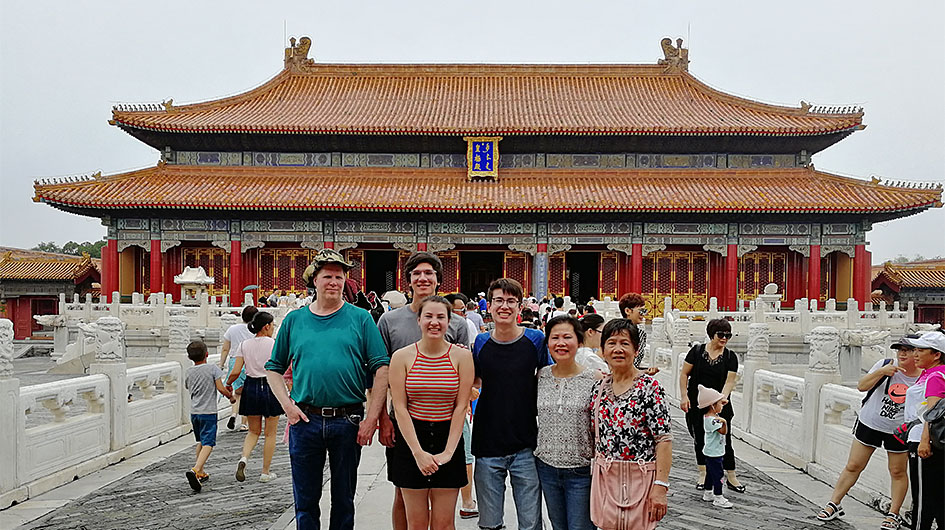 the Forbidden City
Day 4
The Cao Wei Ancient City in Xuchang features replica ancient buildings, including Cao Cao’s Mansion and Chunqiu Tower (Guan Yu’s former residence). Our cultural instructors will lead you on a walk through the ancient city to help you gain an in-depth understanding of Cao Cao’s life and deeds. Then visit the Baling Bridge Scenic Area and the Moat to continue exploring the culture of the Three Kingdoms.
Day 5
At the Xuchang Museum, view authentic cultural relics from the Three Kingdoms period. With explanations from cultural guides, you will learn about the economy and politics of that era. Next, go to Pangdonglai Angel City to savor local delicacies and purchase creative cultural and creative products themed on the Three Kingdoms. Finally, take a high-speed train to Zhengzhou.
Day 6
In the morning, head to Hulao Pass—the site where the famous "Three Heroes Fight Lü Bu" battle from Romance of the Three Kingdoms took place. Visit Hulao Pass Ruins Park and Sanyi Temple, then climb the Pass Tower to overlook the Yellow River Gorge and feel the grand momentum of the ancient battlefield. In the afternoon, go to the Heluo Confluence Scenic Viewing Platform, one of the birthplaces of Chinese civilization. Finally, return to Zhengzhou.
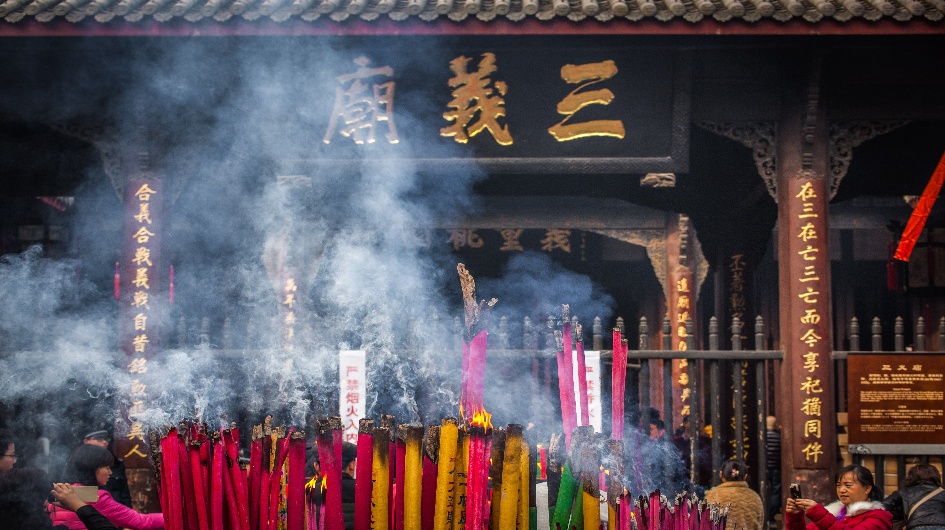 Sanyi Temple
Day 7
Visit the Henan Museum to view precious cultural relics and enrich your historical knowledge. You will also have the opportunity to participate in experiential activities such as clay replica making and rubbing (a traditional method of copying inscriptions). Finally, take a high-speed train to Luoyang.
Day 8
At the Ruins of the Ancient Capital of Han and Wei Dynasties, you can see the remains of the imperial palace, palaces, and government offices from the Three Kingdoms period. Our cultural guide will explain the urban layout of Luoyang during the Eastern Han Dynasty and the daily life scenes of that era. Then visit Guanlin to learn about the stories of Cao Cao and Guan Yu.
Day 9
In the morning, visit the Longmen Grottoes—one of China’s three major grotto complexes, along with the Mogao Grottoes in Dunhuang and the Yungang Grottoes. Then go to the Luoyang Museum to view cultural relics from the Three Kingdoms period; our cultural guide will tell you the Three Kingdoms stories behind these relics. After the visit, depart for Wuhan.
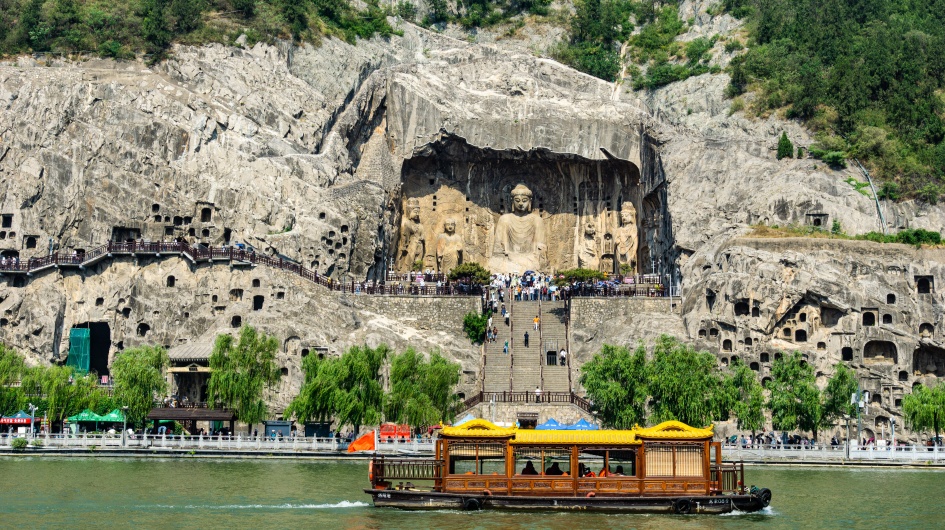 Longmen Grottoes
Day 10
The Yellow Crane Tower was originally a watchtower built by Sun Quan of Eastern Wu. Climb to the top to overlook the magnificent scenery of the Yangtze River Bridge, and you can also see Three Kingdoms-themed murals on the second floor. Next, explore Jūnshān Zhuge City—a place said to be where Zhuge Liang stationed his troops during the Battle of Red Cliffs. Finally, explore local cuisines on Jianghan Road Pedestrian Street.
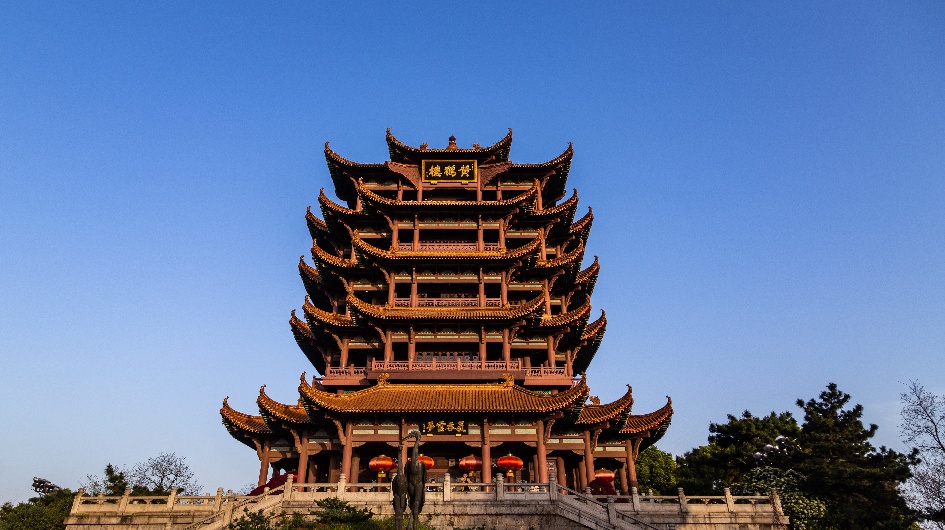 Yellow Crane Tower
Day 11
Arrive in Jingzhou, visit the Jingzhou Museum to learn about Jingzhou-related stories from The Romance of the Three Kingdoms. Then head to Jingzhou Ancient City, which is the place where Guan Yu defended Jingzhou as described in The Romance of the Three Kingdoms. A cultural guide will explain the defense system of the ancient city's city walls; visit the Guan Yu Shrine to feel Guan Yu's spiritual qualities of "loyalty" and "bravery". Depart for Yichang.
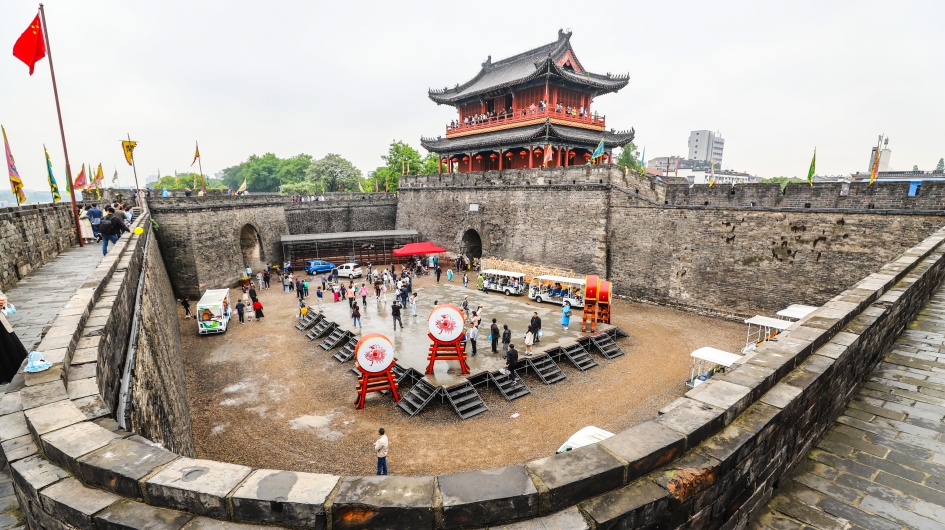 Jingzhou Ancient City
Day 12
Xiaoting Ancient Battlefield is the site of the story "Burning the Linked Camps for Seven Hundred Li" in The Romance of the Three Kingdoms, and it was also the main battlefield of the "Battle of Yiling" during the Three Kingdoms period. Later, experience the Three Gorges cruise ship.
Days 13,14,15
While enjoying the natural scenery on the Three Gorges cruise ship, listen to the cultural guide explain the strategic importance of Yichang in The Romance of the Three Kingdoms. On the 14th day, arrive at Baidi City, where Liu Bei entrusted his son to Zhuge Liang, leaving behind the eternal story of Zhuge Liang's pledge to "devote oneself to the cause until death".
 Three Gorges Cruise Ship
Day 16
Disembark at Chongqing Chaotianmen Wharf, then go to the Exploration Cabin Observation Deck of Raffles City Chongqing. Visit Longmenhao Old Street and Kuixing Tower, and in the evening, enjoy the beautiful night view at Hongyadong.
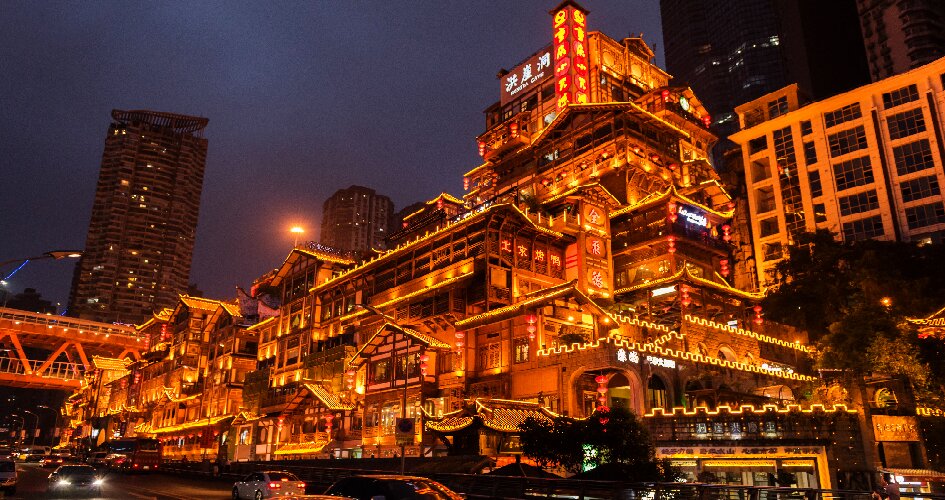 Hongyadong
Day 17
Visit the Three Gorges Museum to learn about the geographical changes of the Three Gorges. Then go to the People's Auditorium, which features architectural styles of the Ming and Qing dynasties' palaces, to experience its magnificent momentum. Head to Liziba Station and watch the moment when the light rail passes through the building at the observation platform. After the visit, depart for Chengdu.
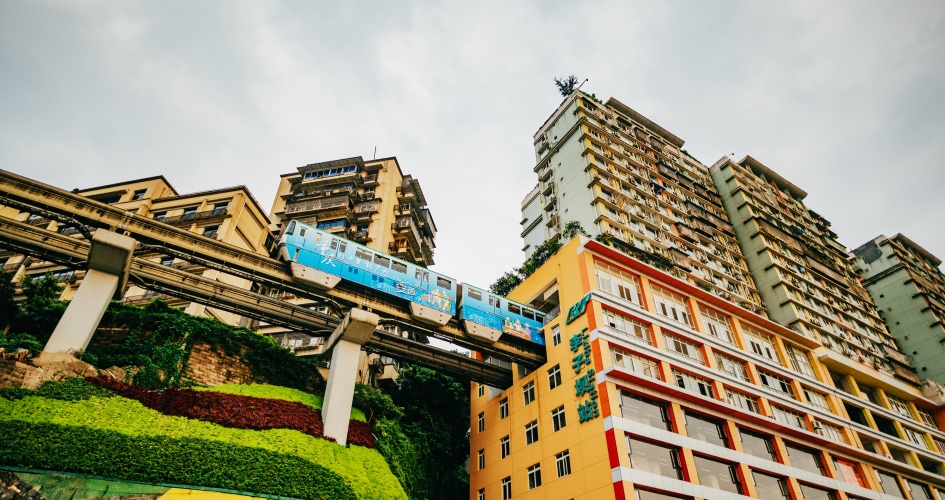 Liziba Light Rail Station
Day 18
In the morning, depart for the Chengdu Giant Panda Base and People's Park. Afterwards, head to Wuhou Memorial Temple, a memorial dedicated to Zhuge Liang. Within the shrine, the Hui Mausoleum (the tomb of Liu Bei) and the inscribed stone of Chu Shi Biao ("Memorial on Sending Out the Troops") are must-see attractions. A cultural guide will provide explanations to help you understand Zhuge Liang's wisdom and strategic acumen. Finally, wander through Jinli Ancient Street and watch Sichuan Opera, a traditional intangible cultural heritage performance.
 Visiting Giant Panda
Day 19
Visit Wenshu Monastery, a long-standing Buddhist sacred site. Here, you can experience activities such as copying Buddhist scriptures and tasting tea, immersing yourself in a serene, meditative lifestyle. Later, proceed to Chengdu Airport and take a flight to Nanjing.
Day 20
Stone City Ruins Park was a military fortress of the Eastern Wu Kingdom during the Three Kingdoms period. You can explore the beacon towers and ancient city walls here. Next, visit Laomendong Historical Block, Confucius Temple (Fuzimiao), and the Jiangnan Examination Hall (one of the largest imperial examination venues in ancient China). In the evening, go to the Qinhuai River Scenic Area, take a painted boat cruise on the Qinhuai River, and enjoy the night view of lights along both banks as well as traditional folk performances.
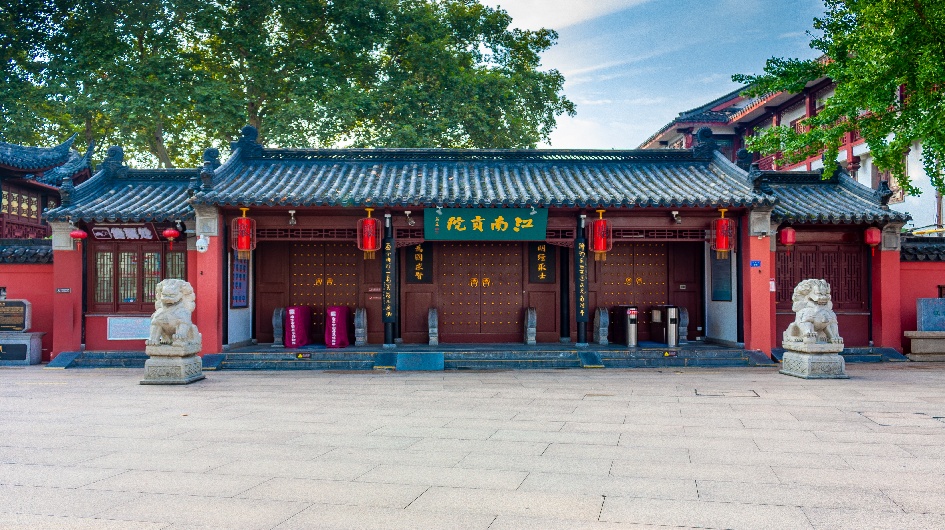 Jiangnan Examination Hall
Day 21
In the morning, visit Qingliangshan Park. According to legend, this is the place where Zhuge Liang advised Sun Quan on choosing Nanjing as the capital of the Eastern Wu Kingdom. Explore the "Zhuma Slope" (the slope where Zhuge Liang dismounted his horse) and the "Wuhou Memorial Temple" here to feel Zhuge Liang's wisdom and strategy. Then take a high-speed train to Zhenjiang, where you will visit Xijindu Ancient Street and Beigu Mountain. Explore the Three Kingdoms stories associated with Beigu Mountain and experience the heroic spirit of that era. Afterwards, take a high-speed train to Wuxi.
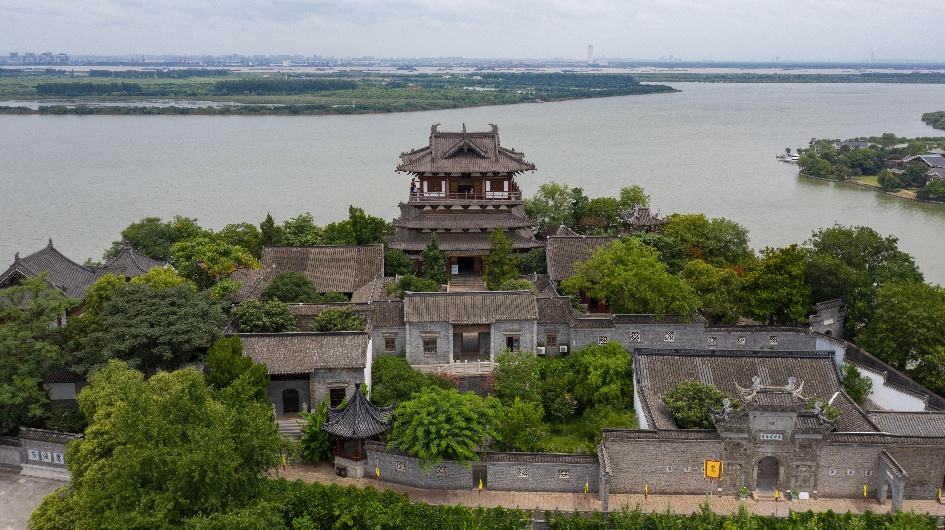 Beigu Mountain
Day 22
Wuxi Film and Television Base is the filming location for the TV series Romance of the Three Kingdoms. The magnificent architecture here makes people feel as if they have traveled back to the era of clashing spears and galloping horses. After the visit, depart for Suzhou.
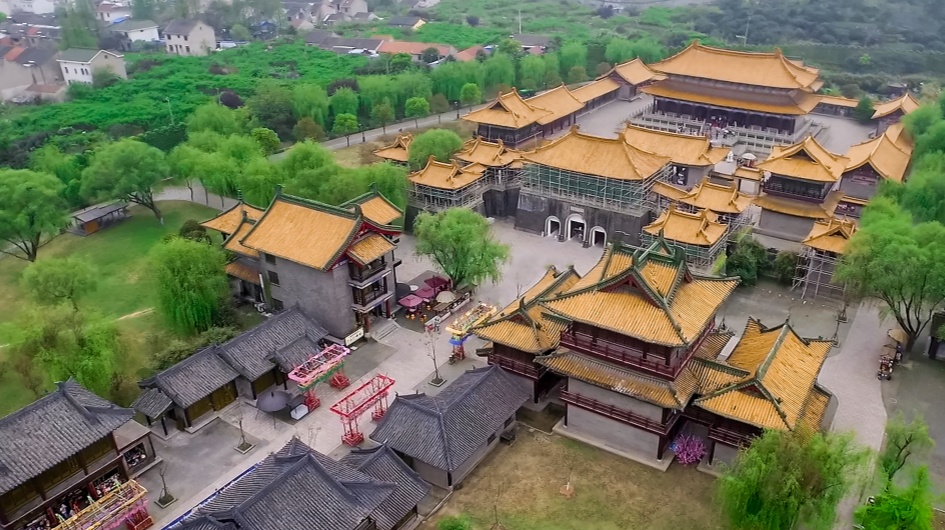 Wuxi Film and Television Base
Day 23
First, visit Xiaojia Lane—the former residence site of Zhou Yu, a famous general of the Eastern Wu. Although the original residence no longer exists, you can follow the cultural guide to learn about Zhou Yu’s legendary stories here. Next, visit Bao’en Temple (also known as Beita Temple) to gain insights into the life story of Sun Quan (the founding emperor of Eastern Wu). Later, tour the Humble Administrator’s Garden and Lion Grove Garden—two iconic classical gardens in the Jiangnan region (south of the Yangtze River) renowned for their delicate landscape designs and traditional Chinese aesthetic.
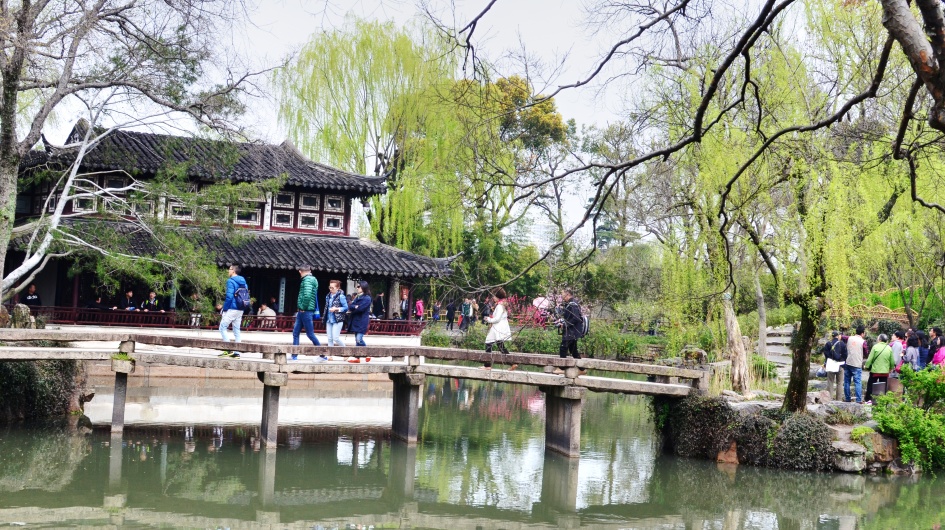 Visit the Humble Administrator's Garden to learn about the architectural features of Suzhou gardens
Day 24
In the morning, arrive at Tongli Water Town, where you can admire the unique scenery of Jiangnan water towns. You may take a paddle boat to cruise along the town’s waterways and enjoy the views on both banks. Then take a high-speed train to Shanghai.
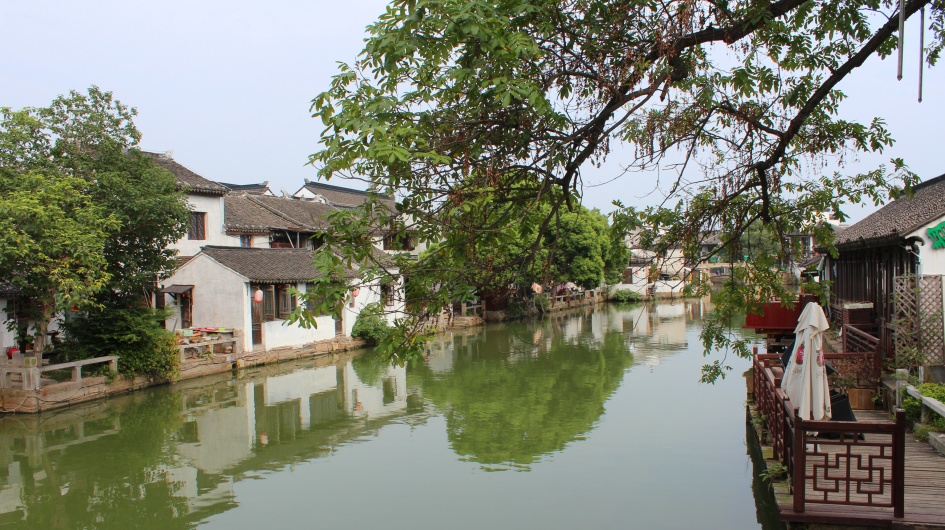 Appreciate the Water Town Characteristics of Tongli Ancient Town
Day 25
In the morning, visit the Shanghai Museum, which houses a collection of authentic cultural relics from the Three Kingdoms period; a cultural guide will provide explanations to help you understand the historical context of these artifacts. Afterward, head to Nanjing Road—one of Shanghai’s most bustling commercial streets—walk eastward to the Bund (a waterfront area with colonial-era buildings), and then you will have free time to explore the area independently.
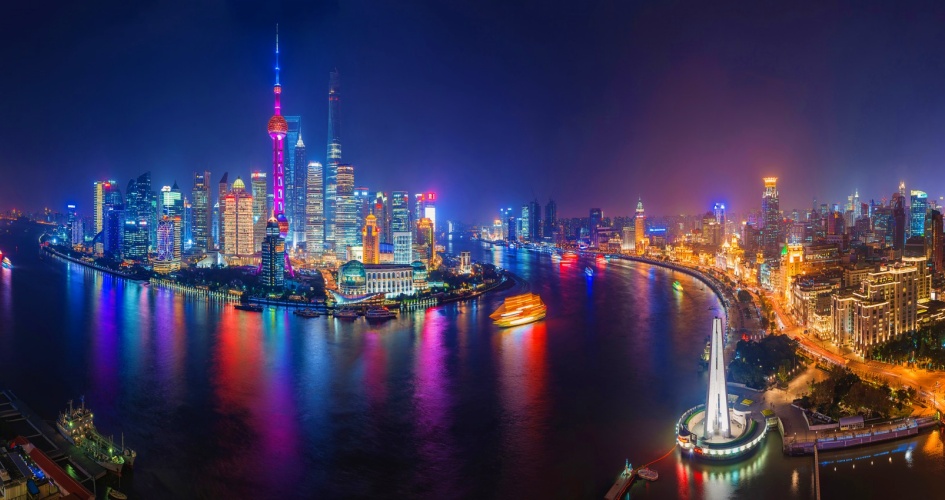 Panoramic view of The Bund
Day 26
Conclude the itinerary and leave Shanghai with a wealth of knowledge about the Three Kingdoms culture.
Why Choose the "Three Kingdoms Tour" by China Educational Tours?
Choosing China Educational Tours means you have selected a professional partner who "understands the Three Kingdoms, comprehends culture, and knows travel well". We not only plan routes for you, but also strive to make every historical site "tell its story" and fill every part of the journey with cultural warmth.
In-depth Thematic Customization: Your journey can be fully arranged according to your preferences and schedule. Whether you prefer Zhuge Liang’s "wisdom" or Guan Yu’s "loyalty and righteousness"; whether you want to focus on battles like the "Battle of Red Cliffs" or explore the food and costume culture of the Three Kingdoms period, just tell us your needs. We will adjust the route to create an exclusive Three Kingdoms tour for you.
Expert-led Cultural Guidance: The accompanying mentors we arrange for you are all Three Kingdoms history researchers or senior cultural lecturers, who will interpret historical relics and stories for you.
Exclusive Cultural Experiences: We go beyond "seeing" and focus more on "experiencing". You can participate in the "Zhuge Crossbow Making Workshop" at the Wuhou Memorial Temple to handcraft weapons from the Three Kingdoms period; or experience the "Fire Attack Strategy Deduction" at the ancient Battle of Red Cliffs site to feel the wisdom of ancient military strategists. These experiences allow you to fully immerse your five senses in the culture of the Three Kingdoms.
One-stop Journey Arrangements: We provide comprehensive and exquisite arrangements for transportation, accommodation, and catering. This ensures you can focus wholeheartedly on an immersive experience of the Three Kingdoms culture without distractions.
China Educational Tours sincerely invites you. With Romance of the Three Kingdoms as our guide, and professional and passionate services, we will take you into the era of the Three Kingdoms—an era of numerous heroes and turbulent changes. Let us embark on an unforgettable cultural journey of "dialoguing with heroes and resonating with history".
Drop us a line and we'll connect you with the top China expert in no time!