- Home
- China Culture
- Mid-Autumn Festival
- How do Ethnic Minorities Celebrate the Mid-Autumn
How do Ethnic Minorities Celebrate the Mid-Autumn?
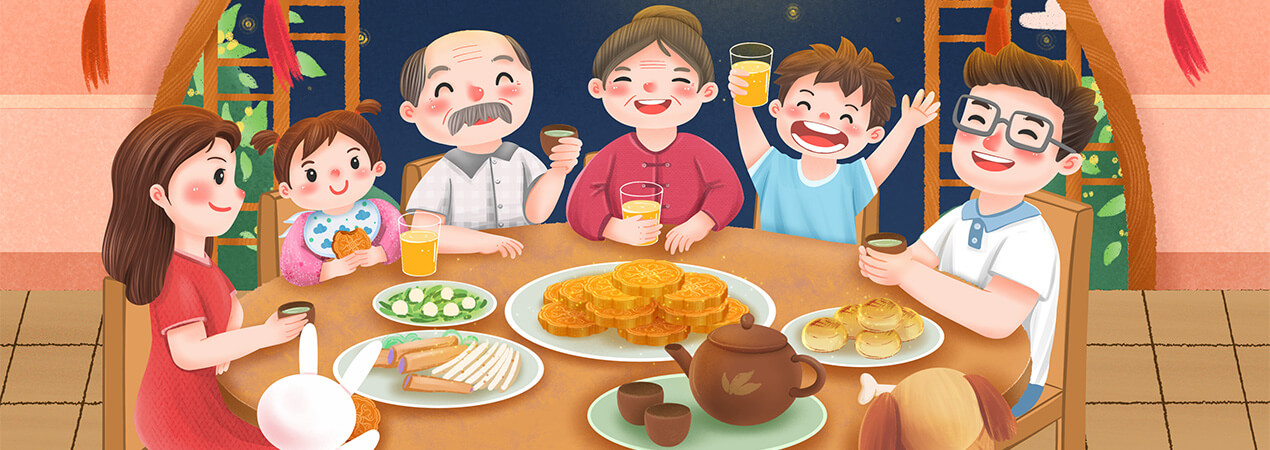
Except for some traditional and popular costumes, minority people still maintain some quaint old customs for celebration. In the absence of the law of nature, ancestors put reproduction at the first place in their miserable existence. It was considered that they could pass on magical power themselves by worshiping the moon to strengthen their ability.
Zhuang Nationality
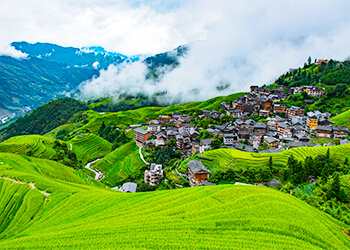 Ethnic Villages in Longji Terraces
The ceremony of moon worship is elaborate. People set a table at the entrance of the village, placing sacrificial offerings on it, an incense burner and a twig on the side. The ceremony includes greeting the moon god, singing between the god and a woman, inviting the god to fortune-telling and the seeing the god off. This program has preserved the part of the fairy tale about the moon.
Recommended Travel Destinations
Travelers who want to experience the Mid-Autumn Festival traditions and ethnic culture of the Zhuang people can visit Guilin, Longji Rice Terraces and Nanning in Guangxi. These areas are home to large Zhuang communities. Here you can appreciate unique ethnic architecture and gain an in-depth understanding of the Zhuang people's traditional festivals, folk culture and rural life.
Dong Nationality
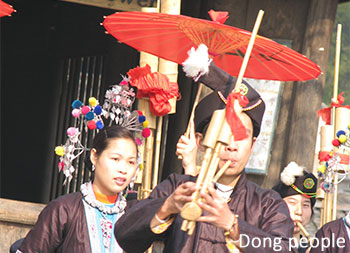 Playing the Lusheng and dancing
Walking in the moonlight is a custom enjoyed by Dong Nationality. Playing the Lusheng (wind instrument) and involving dancing teams from different villages, women go out for a walk together and visit adjoining villages, singing and dancing overnight.
Recommended Travel Destinations
Zhaoxing Dong Village and Liping in Guizhou, as well as Sanjiang in Guangxi, are ideal destinations to experience Dong culture. Well-preserved cultural heritages including distinctive drum towers, wind-and-rain bridges and the Grand Dong Songs can be found here. Visitors can immerse themselves in rich ethnic customs and a wide range of traditional festival activities.
For students and educational groups eager to explore Dong culture in depth, China Educational Tours can arrange activities such as intangible cultural heritage workshops, appreciation of the Grand Dong Songs, lusheng instrument lessons and participation in traditional village celebrations. These experiences allow visitors to discover the unique charm of Dong culture through hands-on practice.
Yi Nationality
Dancing under the moon is the traditional custom of Yi Nationality on the Mid-Autumn Festival. People of all ages are dressed well for this night’s dancing and singing activities, especially young men and women who show their affection by beautiful songs.
Recommended Travel Destinations
Liupanshui in Guizhou, Chuxiong and Shilin in Yunnan, as well as Liangshan in Sichuan, are prime destinations to explore Yi culture. Visitors can enjoy traditional Yi songs and dances, ethnic costumes and distinctive festival celebrations for an unforgettable cultural experience.
Gelao Nationality
The day before the festival, all of the people in the village dress up in new clothes, young men will adorn a yellow ox with red silk, and a patriarch will pray for a good harvest next year with sound of music and firecrackers. Then the yellow ox will be ritually slaughtered, its bovine heart will be kept until the Mid-Autumn Festival and then distributed to every household, meaning all of villagers are in unity. The patriarch will then lead the villagers to worship with little pigs, hens and geese under the tree. They will have a feast after all the ceremonies.
Recommended Travel Destinations
Zunyi and Wuchuan Gelao and Miao Autonomous County in Guizhou are top destinations to experience Gelao culture. Visitors can delve into local Gelao traditions, ethnic festivals and rural culture, and get a taste of the ethnic group's time-honored heritage.
Korean Minority in China
When a round moon rises in the sky, the Korean Minority people build a framework for viewing the moon and invite several old men climb on it and gaze at the moon. After finishing this activity, people will burn the frame, and play the tambourine and flute, with singing and dancing.
Recommended Travel Destinations
Yanji and Yanbian Korean Autonomous Prefecture in Jilin are popular destinations to experience Korean ethnic culture. Visitors can appreciate traditional songs, dances and architecture of the Korean people, taste local specialties and immerse themselves in the distinctive ethnic charm.
Li Nationality
The Li people celebrate by presenting moon cakes, sweet rice cake, silk scarves, colorful fans and vests to each other, and then have a barbecue, drinking rice wine. It is a right occasion for young men and women to find marriage partners.
Recommended Travel Destinations
Wuzhishan, Baoting and Sanya in Hainan are the ideal places to explore Li ethnic culture. Visitors can tour Li villages, experience the local food and festival traditions, and try intangible cultural heritage crafts including traditional brocade weaving, pottery making and rattan weaving.
Mongolian Nationality
Mongols like to play a game of chasing the moon. Under the moonlight, they ride horses on an area of open grassland toward west until moonset.
Recommended Travel Destinations
Hulunbuir Grassland, Xilingol Grassland and Hohhot in Inner Mongolia are popular destinations to experience Mongolian culture. On the vast grasslands, visitors can go horse riding, watch traditional equestrian shows and taste grassland delicacies to embrace the nomadic culture.
Zang Nationality
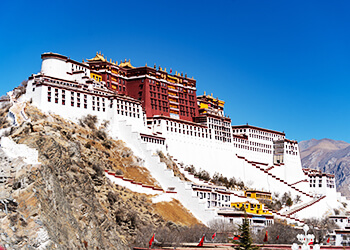 Potala Palace, a Sacred Site of Tibetan Buddhism
In the area of Tibet, people celebrate the festival by searching for the moon. They follow the inverted image of the moon in water, such as a river or lake and then have a family reunion.
Recommended Travel Destinations
Lhasa, Shigatse, and Namtso Lake are classic destinations to experience Tibetan culture and plateau customs. Visitors can admire the magnificent natural landscapes and gain an in-depth understanding of Tibetan Buddhism as well as local traditional festivals.
 Customs of Chinese New Year
  How Do Chinese Celebrate
  How do People Celebrate the Double Seventh Festival?
  China's National Day