Travel China with "Journey to the West"
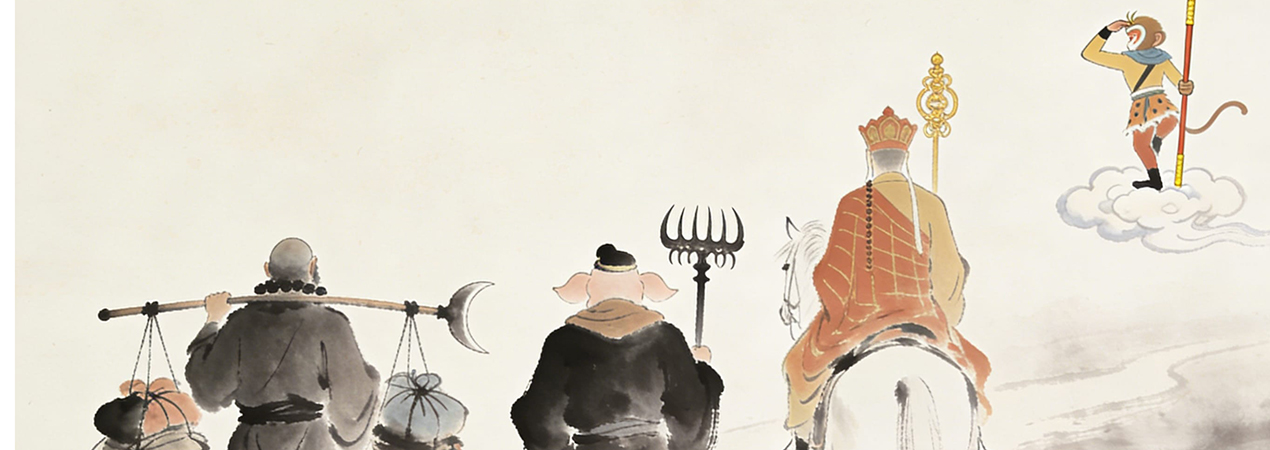
Journey to the West is a classic mythological novel written by Wu Cheng'en, a novelist of the Ming Dynasty. It is adapted from the historical fact of Xuanzang, a monk of the Tang Dynasty, traveling westward to fetch Buddhist scriptures. As one of the Four Great Classical Novels of Chinese literature, it tells the story of Tang Sanzang and his four disciples—Sun Wukong, Zhu Bajie, Sha Wujing and White Dragon Horse. They endure 81 hardships and finally reach the Great Thunderclap Temple on Spirit Mountain to obtain the true Buddhist scriptures. Blending adventure, mythology and moral edification, the novel embodies themes such as perseverance, friendship and the pursuit of enlightenment. It serves as a perfect primer for foreigners to learn about ancient Chinese mythology.
As a leader in China's educational and cultural tours, China Educational Tours will take you to travel across China following the footsteps of Journey to the West. You will explore the historical context and Silk Road civilization behind the myths, and gain a deep understanding of the core spirit of "courage, perseverance and kindness" in traditional Chinese culture..
Below are the recommended major destinations and a carefully designed itinerary for our "Journey to the West Footsteps Tour in China".
Xi'an: Tang's Buddhist Chants, the Origin of the Westward Pilgrimage
Xi'an, Shaanxi Province, known as Chang'an in the Tang Dynasty, is both the historical and narrative starting point of the westward journey in Journey to the West, perfectly aligning with the true story of Xuanzang's pilgrimage for Buddhist scriptures. In the original novel, Tang Sanzang received his title and the mission to fetch scriptures from Emperor Taizong in Chang'an. The historical prototypes of this scene are Hongfu Temple and Daci'en Temple in Tang-era Chang'an. Today, the Giant Wild Goose Pagoda stands tall in Daci'en Temple, serving as the very place where Xuanzang stored and translated Buddhist scriptures. As the capital of the Tang Dynasty, Chang'an was the center of Buddhist culture at that time. Xuanzang studied Buddhism here for many years before his westward trip, and the temple still preserves its scripture library and translation hall. In addition, as the starting point of the Silk Road, Chang'an's geographical role as a hub connecting the Central Plains and the Western Regions shaped the narrative rhythm of Journey to the West—"from a prosperous imperial capital to the deserts of the Western Regions", laying the groundwork for subsequent plots such as crossing the Gobi Desert and encountering various kingdoms in the Western Regions.
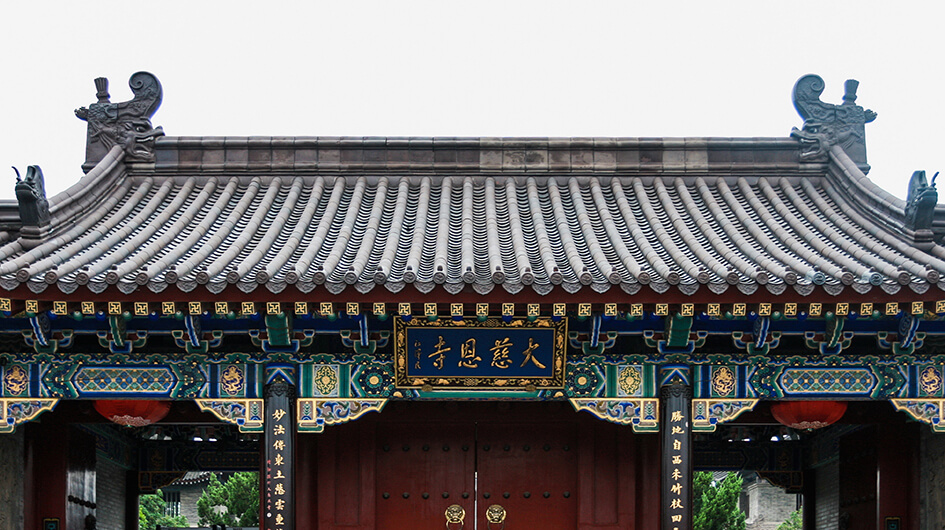 Daci'en Temple
Dunhuang: Silk Road Adventures on the Gobi Desert Trail
As the core section of the Hexi Corridor, Dunhuang is a real-life reflection of the "monster-infested path" on the scripture pilgrimage journey. The Mogaoyan Desert between Anxi and Hami is the historical prototype of the "Liusha River" in the original novel, and it is now part of the Kumtag Desert. The author Wu Cheng'en artistically transformed this Gobi desert into the "Liusha River" and added the plot of Sha Wujing becoming Tang Sanzang's disciple. Camel bones scattered across the Gobi and wind-eroded yardang landforms recreate the perilous environment before Sha Wujing's apprenticeship. In addition, the costumes, architecture and trade scenes of the Western Regions depicted in the Tang Dynasty murals of the Mogao Grottoes in Dunhuang correspond with the descriptions of "passing through small kingdoms in the Western Regions" in the novel. They restore the historical scene of "numerous Buddhist kingdoms and cultural integration" along the Silk Road, and also explain the plot setting in the original work that "most kingdoms in the Western Regions believe in Buddhism".
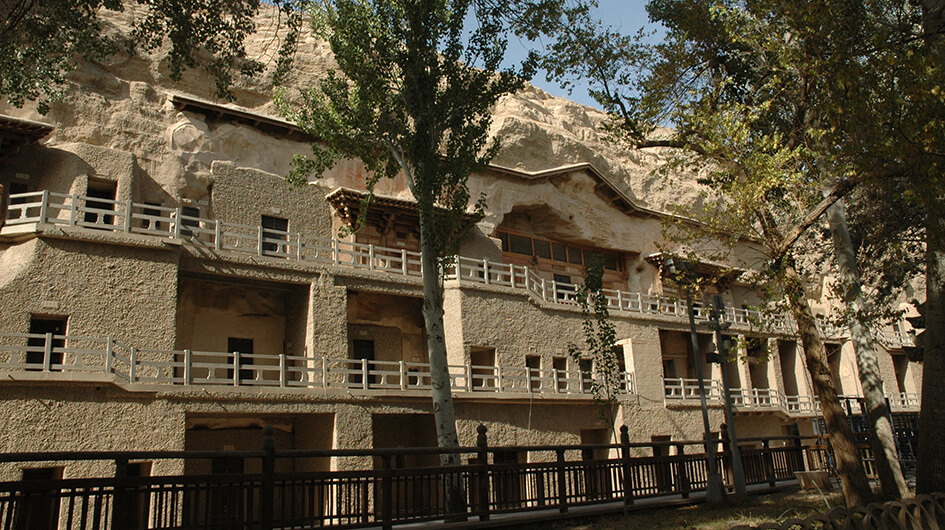 Mogao Cave
Turpan: A Mythological Arena of Ancient Western States
Xinjiang is the core prototype of the "Ten Kingdoms of the Western Regions" plot in Journey to the West. The Flaming Mountains in Turpan are the most iconic landmark, known as "Huoshan" or Fire Mountain in the Tang Dynasty. According to Journey to the West, the mountains are perpetually scorching and covered in flames because the embers from the alchemy furnace knocked over by Sun Wukong fell here, turning this natural wonder into a symbol of "hardships on the scripture pilgrimage". Jiaohe Ancient City in Turpan is the prototype of Chechi Kingdom. As the world's largest earthen building complex and the capital of the Jushi Kingdom in the Tang Dynasty, it once saw the prosperity of Buddhism mixed with witchcraft and Taoism. This historical fact echoes the novel's plot of "the Three Immortals of Chechi Kingdom advocating Taoism and suppressing Buddhism" in a fascinating way.
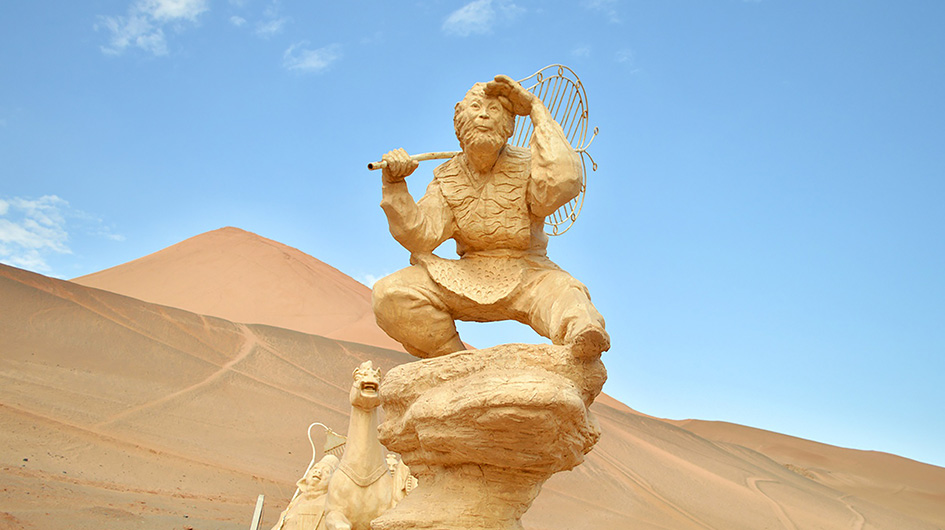 Turpan Sun Wukong Statue
Suggestions for Travel Itinerary Planning
For tourists who want a comprehensive understanding of Journey to the West culture and are interested in Chinese Buddhist culture, China Educational Tours have designed a Journey to the West themed travel route. The route combines the locations mentioned in the book and its derivative works such as films, TV shows and games. It will help you fully explore the cultural connotations and spirits of Journey to the West, while also learning about the history and culture of Chinese Buddhism. If you have any other ideas, China Educational Tours is ready to answer your questions and create a customized Journey to the West tour exclusively for you.
Day 1
Upon landing in Beijing, you can take a short break at your hotel first. As China’s capital in both ancient and modern times, Beijing boasts convenient transportation and is one of the best spots for foreign tourists to learn about China’s culture and history. In the afternoon, head to Tian’anmen. Built in 1417, it stands at the heart of Beijing as the main gate of the imperial city during the Ming and Qing dynasties. This national symbol of China has witnessed numerous major historical events. Then visit the Palace Museum(Forbidden City), the political center of China’s last imperial dynasty which houses a large collection of exquisite ancient artworks.
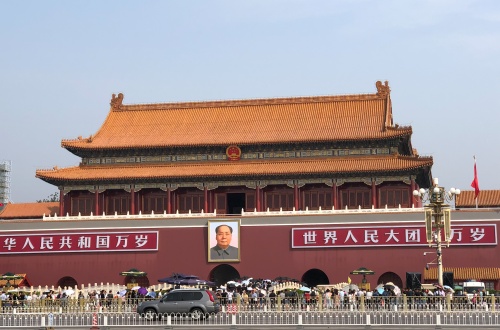 Tian’anmen
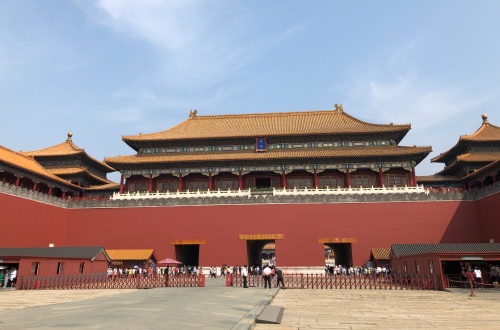 Palace Museum
Day 2
Take a cable car to Mutianyu Great Wall and start your hike there. Listen to your guide introduce the Great Wall’s history and cultural significance. In the afternoon, pay a visit to the Beijing Film Studio(Huairou District). An important player in China’s film history, it produced the famous movie Farewell My Concubine. You can learn about the development of China’s film industry here.
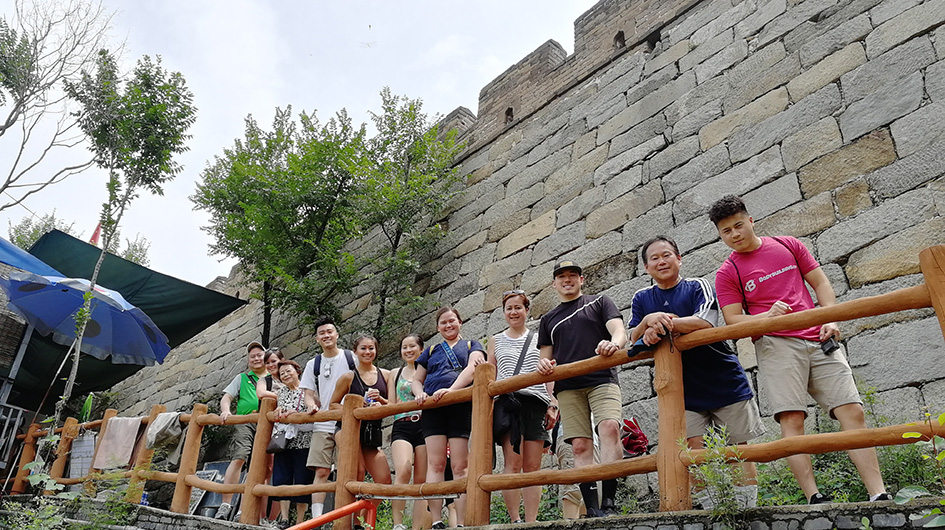 Mutianyu Great Wall
Day 3
Go to the Summer Palace. Famous worldwide for its clever blend of man-made structures and natural landscapes, this imperial garden represents the peak of China’s garden art. You can take a boat ride on the lake to enjoy the serene beauty in summer. After the tour, take a 3-hour high-speed train to Datong in Shanxi Province.
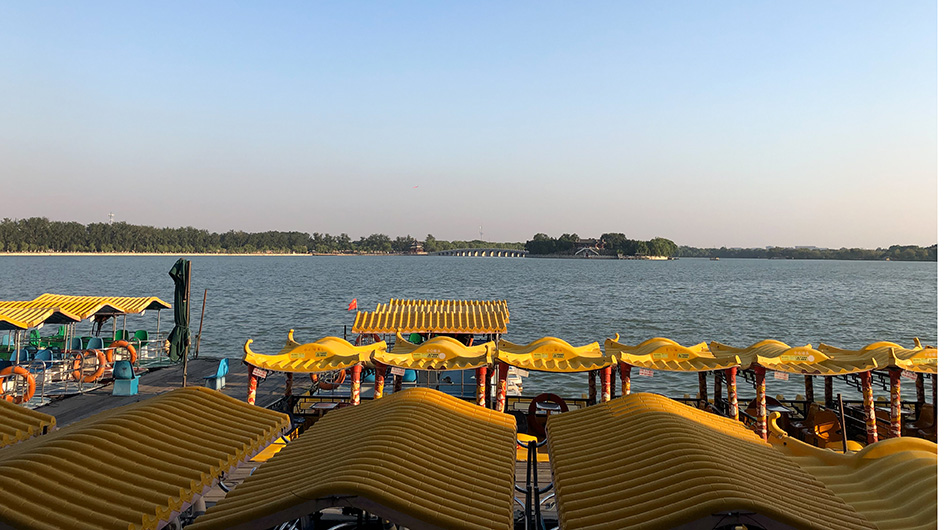 Summer Palace
Day 4
In the morning, head to Yungang Grottoes It is the first large-scale Buddhist grotto complex constructed under the auspices of royal nobles in China. As famous as the Mogao Grottoes in Dunhuang, it is a key site for understanding the development of Buddhism in China. It is also an important filming location for Journey to the West derivative works, including the 1986 TV series Journey to the West and the popular Chinese game Black Myth: Wukong.
In the afternoon, visit theHanging Monastery. Built on the cliffside, this temple complex integrates Confucianism, Buddhism and Taoism. Your tour guide will connect the Buddhist culture in Journey to the West with real historical culture to explain the relationship between the development of Buddhism and other religions in China.
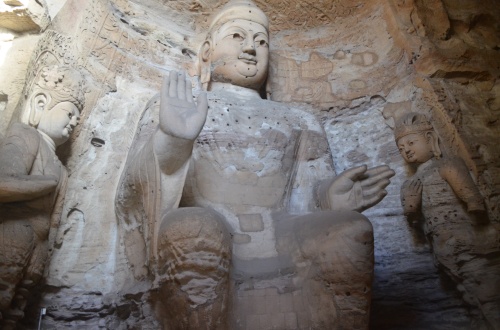 Yungang Grottoes
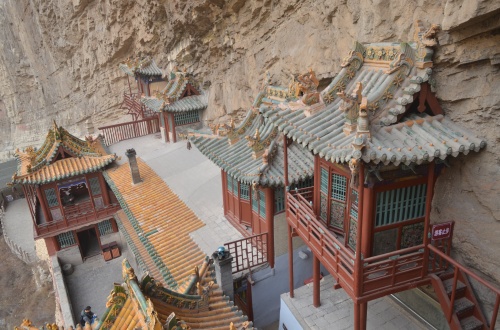 Hanging Monastery
Day 5
Take a high-speed train to Taiyuan in the morning. After arriving and taking a short rest at the hotel, go to the Jinci Temple. It is the earliest, largest and longest-standing royal sacrificial garden preserved in China. It also served as the prototype for the house that Sun Wukong transformed into to deceive Erlang Shen in the early Chinese animated version of Journey to the West. Even now, many young Chinese people visit Jinci Temple specifically for this classic scene.
In the afternoon, visit Yongzuo Temple, one of Taiyuan's landmarks. Also known as the Twin Pagoda Temple for its two Ming Dynasty brick pagodas, it should be noted that the two pagodas were not built at the same time. One is the Wenfeng Pagoda constructed by the government at that time, a structure believed in Chinese feng shui to enhance the local cultural fortune. The other is a Buddhist pagoda built later to house sariras as Buddhism flourished. These two pagodas, born from completely different cultural backgrounds, present a harmonious picture of cultural integration.
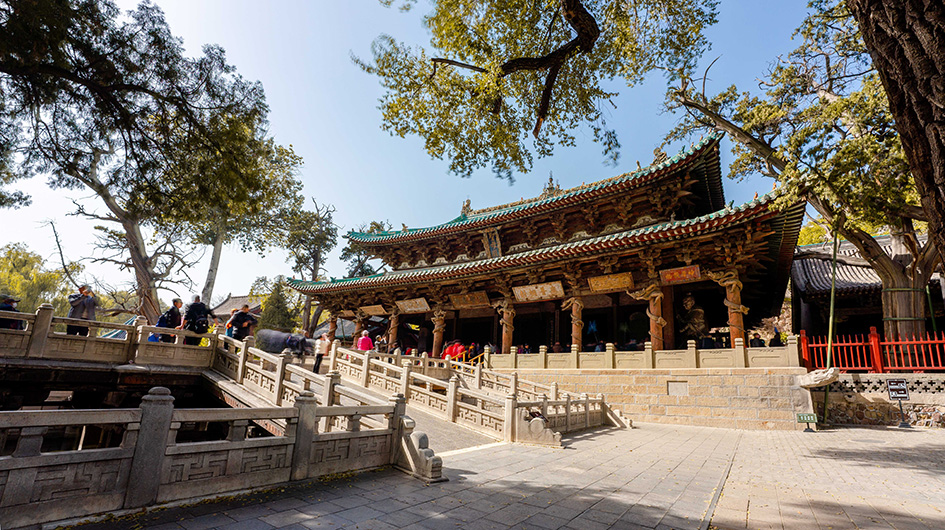 Jinci Temple
Day 6
Take a high-speed train to Pingyao Ancient City in the morning. It is the best-preserved ancient county town in China today. The entire city is shaped like a tortoise crawling southward, hence its nickname "Tortoise City". After visiting Pingyao Ancient City proceed to Shuanglin Temple. The temple houses a large number of colored sculptures and is hailed by UNESCO as the "Art Gallery of Oriental Colored Sculptures". It is also an important filming location for Black Myth: Wukong, the game inspired by Sun Wukong in Journey to the West. Many of the Buddhist statues and temple buildings in the game can find their prototypes here.
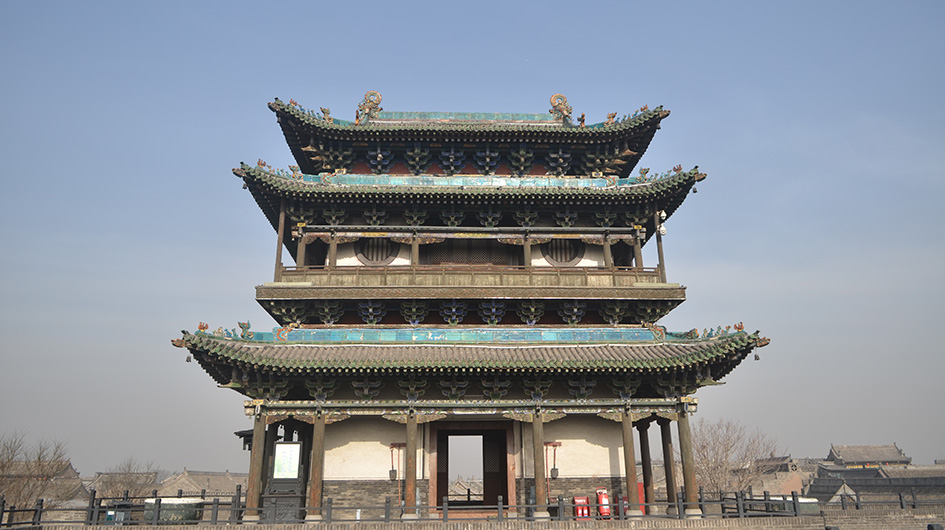 Pingyao Ancient City
Day 7
Travel to Mount Wutai for a visit. As the top of China's four great Buddhist mountains and one of the world's five major Buddhist sacred sites, it is said to be the Taoist abode of Manjushri Bodhisattva. Mount Wutai is the only Buddhist sacred site in China where Green Temples (residences for Han Buddhist monks) and Yellow Temples (residences for Mongolian and Tibetan lamas) coexist in harmony. It reached its peak of prosperity during the Tang Dynasty. There are 47 existing monasteries, including famous ones such as Xiantong Temple, Tayuan Temple, Pusading Temple and Dailuoding Temple.
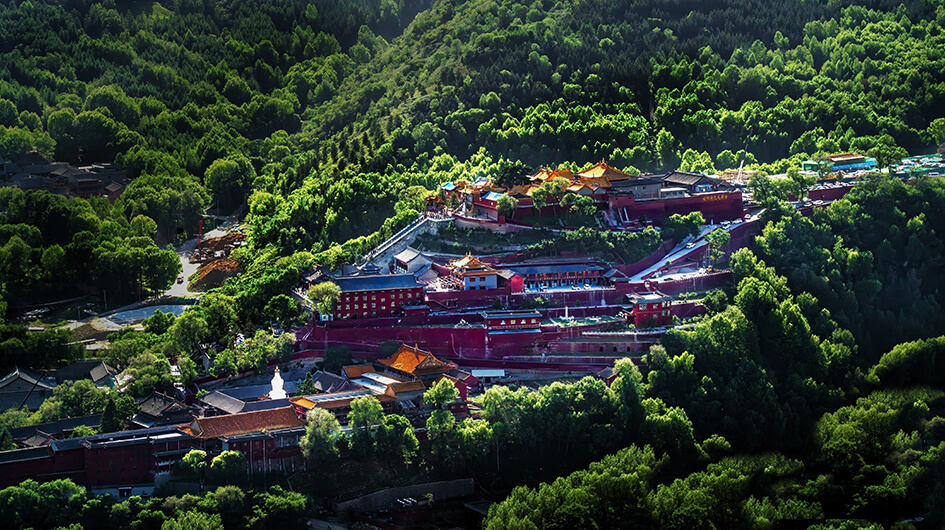 Mount Wutai
Day 8
Visit Foguang Temple in the morning. Its East Main Hall is the best-preserved Tang Dynasty wooden structure in China, hailed by Liang Sicheng as "China's No.1 National Treasure". The temple also preserves precious cultural relics such as Tang Dynasty colored sculptures and murals, which hold extremely high historical, artistic and scientific value. In the afternoon, take a high-speed train to the next destination: Xi'an.
Day 9
Head to Daci'en Temple and visit the ruins where Master Xuanzang translated and preached scriptures in ancient times. This place was his core residence after returning from his pilgrimage to the West for Buddhist scriptures. It is also an important activity site of the prototype of Tang Sanzang in Journey to the West. Climb the Big Wild Goose Pagoda to overlook the cityscape of Xi'an. Learn about the Buddhist scriptures, sarira and other cultural relics brought back by Xuanzang and enshrined in the pagoda. Deeply connect the "real story of scripture pilgrimage" with the mythical plot of Journey to the West, and feel the spread of Buddhist culture.
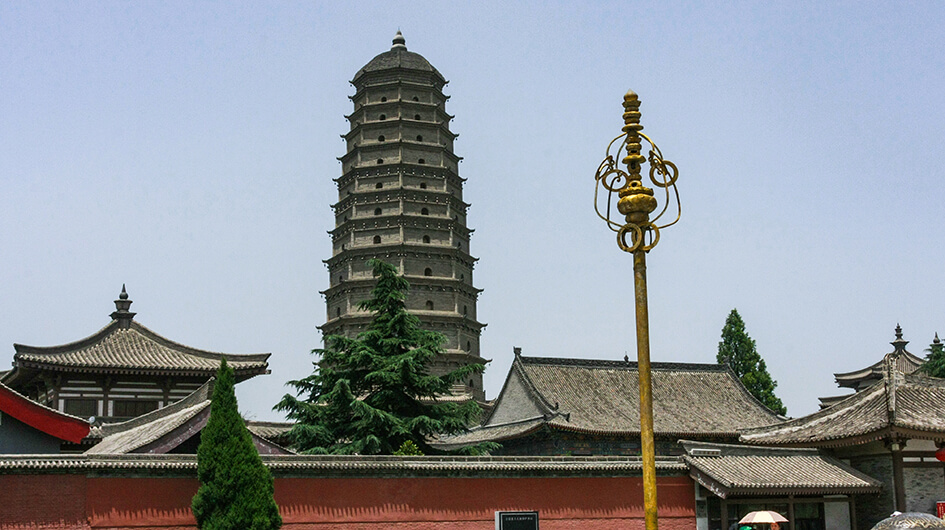 Big Wild Goose Pagoda
Day 10
Visit the Emperor Qinshihuang's Mausoleum Site Museum to explore Pits 1, 2, 3 and the Bronze Chariots and Horses Exhibition Hall. Immerse yourself in the grand momentum and military glory of the Qin and Han dynasties. In the afternoon, wander along the Datang Everbright City Pedestrian Street and check in at themed attractions such as Zhenguan Square and Kaiyuan Square. Watch Tang-style performances and intangible cultural heritage displays to experience the bustling urban life and cultural prosperity of the prosperous Tang Dynasty. Participate in costume photo shoots and palace banquet experiences. Dress in Tang Dynasty-style clothing and taste replica Tang palace dishes for a comprehensive immersive experience of the aesthetic life in the Tang Dynasty.
Day 11
Arrive in Zhangjiajie after a 2-hour flight and go directly to Zhangjiajie National Forest Park. Take the Bailong Elevator to zoom up to Yuanjiajie’s top. Amid 3,000 towering peaks, you can find where "Heavenly Soldiers Descending" in the 1986 Journey to the West was filmed. Walk through Yuanjiajie’s core area and visit spots such as Heaven Pillar and First Bridge Under Heaven. Think of the fairyland scenes in the show and totally soak up the magical vibe of Journey to the West.
Next, move on to Tianzi Mountain and wander among famous peak forests like Imperial Brush Peak and Fairy Spreading Flowers. The misty views here were used as the backdrop for the Heavenly Palace in Journey to the West. Take a slow walk along Golden Whip Stream, with gurgling water and thick woods all around. Relive the part where the four pilgrims hiked through the forest in the series and enjoy the cool freshness of this natural oxygen bar. Spend the night in Fenghuang Ancient City tasting local food, wrapping up a tiring yet fantastic day perfectly.
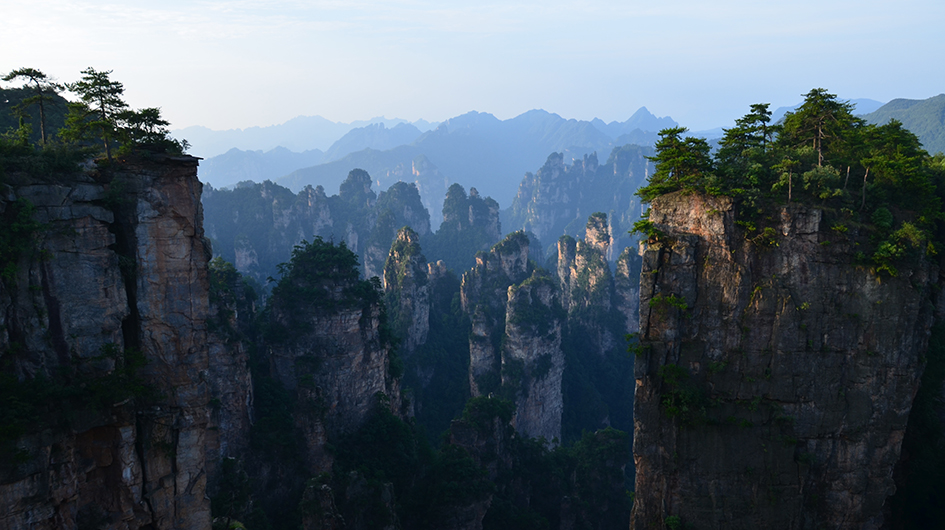 Tianzi Mountain
Day 12
Board the super-long high mountain cableway of Tianmen Mountain, which stretches from above the city right into the clouds. Drift through the rolling mist and feel the magic of cloud-riding just like Sun Wukong in Journey to the West. After getting to the upper cableway station, head to Lingxiao Observation Deck. Look down at the billowing sea of clouds and groups of peaks below, as if you’re standing at the South Gate of Heaven in the show and viewing the world like an immortal.
Later, you can pick to hike or take the mountain-crossing escalator to Tianmen Cave based on your liking, and check in at the amazing "Gate of Heaven Opening" spot.
Walk along the 99-bend Tongtian Avenue and look out at the endless mountains. Think back to the scenes of immortals flying over mountains and rivers in the series.
Day 13
Arrive in Guilin by high-speed train from Zhangjiajie in the afternoon. Take a short rest at the hotel upon arrival, then head to the Two Rivers and Four Lakes Scenic Area in the evening. There, you can admire the night views of the Li River and Peach Blossom River, try Guilin rice noodles, and enjoy the beautiful Sun and Moon Twin Towers.
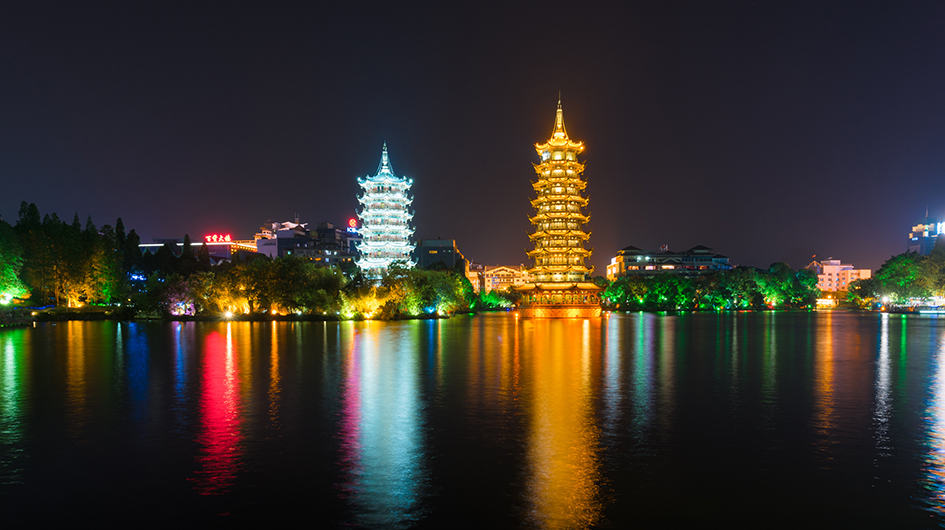 Two Rivers and Four Lakes Scenic Area
Day 14
Visit Reed Flute Cave in the morning to see its special karst cave landscape. Parts of the TV series Journey to the West—including Princess Iron Fan's Banana Cave and the Underwater Dragon Palace—were filmed here. Travel to Yangshuo by high-speed train in the afternoon, then take a bamboo raft to drift along the river and slowly take in Guilin's unique karst mountains and waters. In the evening, watch the large-scale outdoor show Impression·Liu Sanjie by the Li River, and feel Guilin's culture and romance deeply through local folk songs.
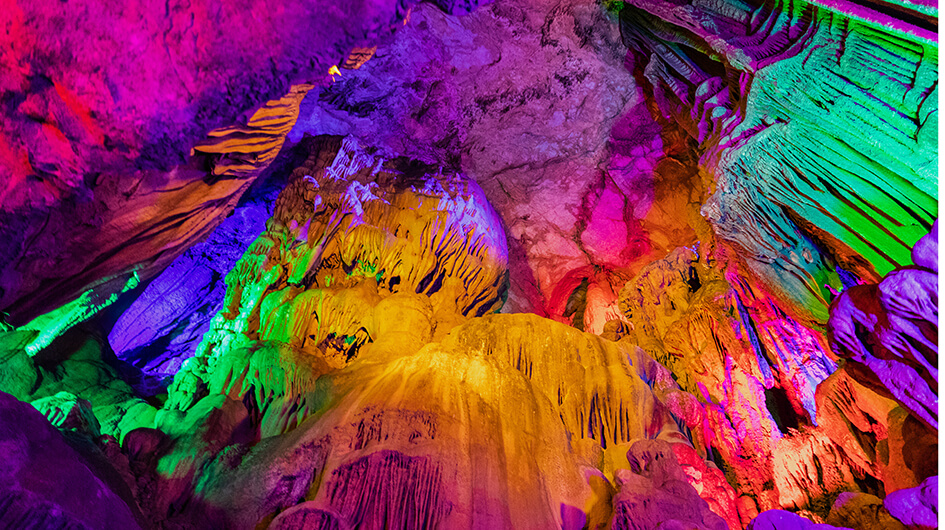 Reed Flute Cave
Day 15
Upon arrival in Chengdu in the morning, head straight to the Giant Panda Breeding Base. Get up close to watch the daily antics of the national treasures and learn about their living habits and the hardships of their breeding. In the afternoon, wander through Kuanzhai Alley, walk on the bluestone paths and linger among the Sichuan-style courtyards with blue tiles and gray walls. Immerse yourself in the slow-paced urban leisure of old Chengdu in teahouses and snack shops, and experience the authentic charm of Sichuan life.
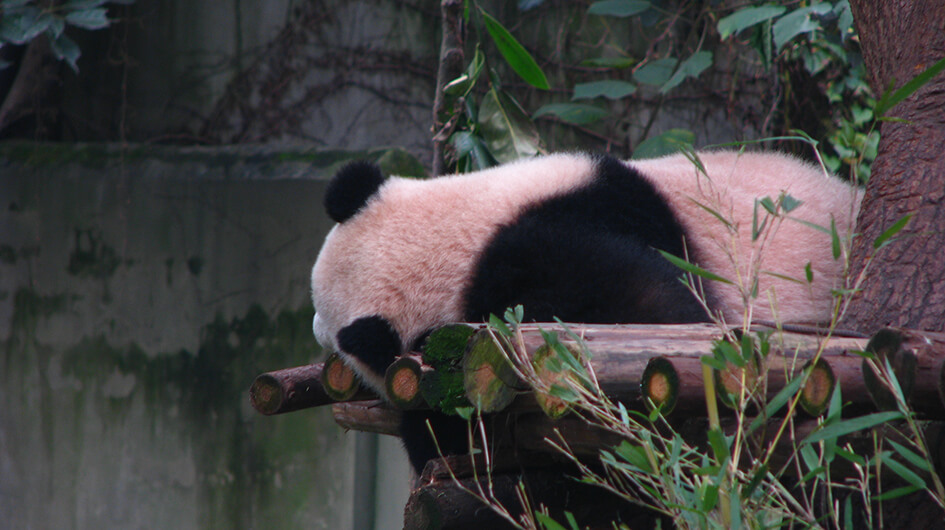 Cutie giant panda
Day 16
Visit the Ancient Changchun Temple on Qingcheng Mountain, the location for Wuzhuang Temple in the Stealing Ginseng Fruit episode of the 1986 TV series Journey to the West. Led by your tour guide, climb the stone steps of Heavenly Master Cave, revisit the interesting story of Wukong stealing ginseng fruit, and learn about Qingcheng Mountain's status and development history in Taoism. In the afternoon, check out Dujiangyan Irrigation System, a grand water conservancy project that is ancient, well-preserved and unique for its dam-less water diversion design in the world. Your guide will explain how it operates and how it has continued to play an important water conservancy role for over 2,000 years.
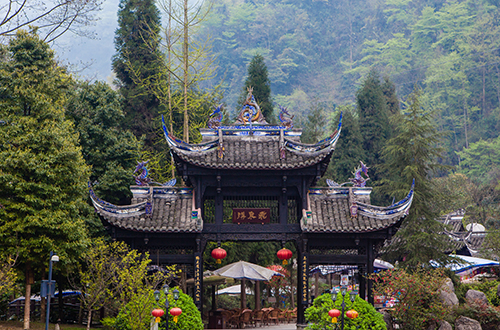 Qingcheng Mountain
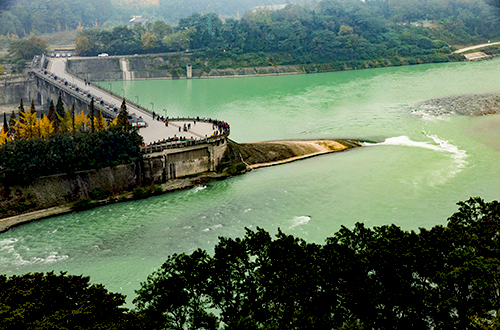 Dujiangyan Irrigation System
Day 17
Enter Jiuzhaigou and hike along the wooden plank road of Pearl Shoal Waterfall, the filming location for the opening credits of the 1986 TV series Journey to the West. Retrace the pilgrimage route of the Tang Monk and his disciples in the footage, and imagine the fantasy adventures in the story. Then admire the Five-Colored Lake and Nuorilang Lakes Group. The colorful waters look like a mythical wonderland, making you feel as if you have stepped into the "Earthly Jade Pool" in Journey to the West and indulge in its beauty.
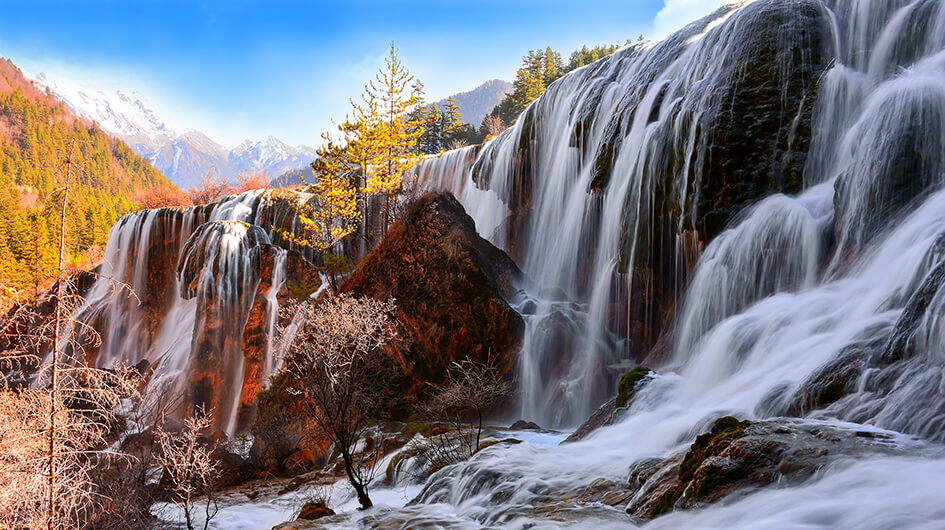 Pearl Shoal Waterfall in Jiuzhaigou
Day 18
Fly from Chengdu Tianfu International Airport to Lanzhou Zhongchuan International Airport. After arrival, take a short rest at the hotel, then head to Gansu Provincial Museum to learn about the origin of the Silk Road and why Xuanzang, the prototype of Tang Sanzang in Journey to the West, chose the Silk Road instead of the shorter Maritime Silk Road to travel to ancient India. After the museum visit, you can go to Dunhuang Art Museum, where Dunhuang experts provide free daily lectures on the Buddhist significance represented by Dunhuang murals. The museum also features replicas of some Dunhuang grotto sculptures that are not open to the public now.
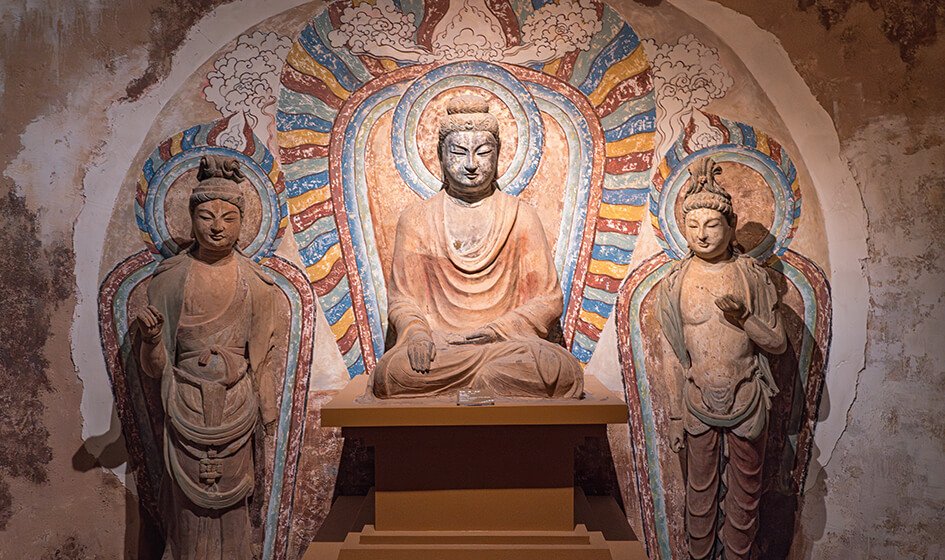 Gansu Provincial Museum
Regular Zhangye Danxia Itinerary
Day 19
Take a 3-hour high-speed train to Zhangye in the morning and have a short rest first. In the late afternoon, visit Zhangye Danxia Scenic Area, the only landscape in China where Danxia landform and colorful hills are highly integrated. If you happen to be there at sunset, you will be lucky enough to witness the most magnificent Danxia scenery.
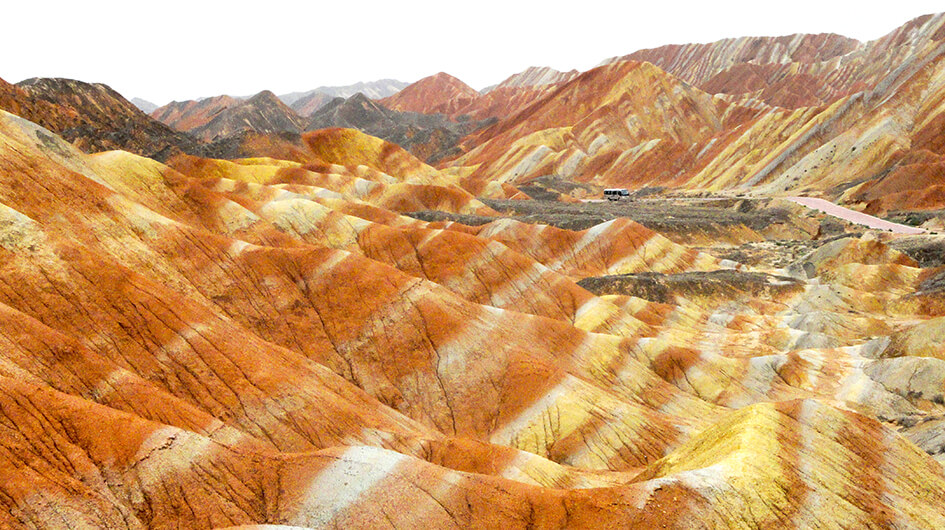 Zhangye Danxia
Day 20
In the morning, head to Matisi Temple, home to the Thirty-Three Heavens Grottoes built against the mountain. It is said to be the sacred site where the Green Tara Bodhisattva manifested herself to preach. Take a 1-hour drive from the Thirty-Three Heavens Grottoes to Jinta Temple. The high-relief painted sculptures of Apsaras in Jinta Temple Grottoes are masterpieces of grotto art, dating back 300 years earlier than those in Dunhuang Grottoes and regarded as one of the origins of Dunhuang Apsaras art.
After all the visits, take a high-speed train to Dunhuang and embark on a deeper adventure of the Journey to the West trip. Dunhuang is the prototype of the Gobi Desert full of various demons and ghosts in the book, and also the home of one of the pinnacles of Chinese grotto art.
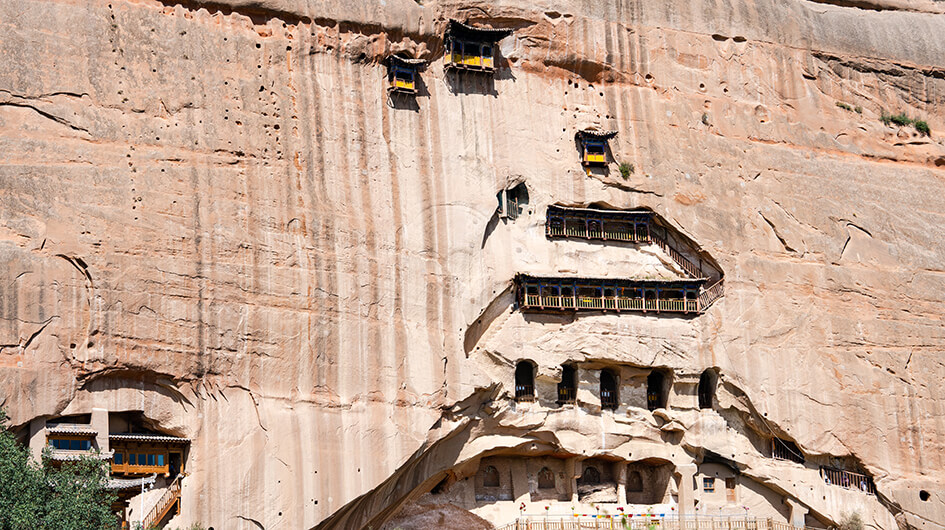 Matisi Temple
Day 21
In the morning, visit Mogao Grottoes and focus on appreciating the costumes and architectural scenes of Western regions in the Tang Dynasty murals, which confirm the plot setting of "numerous Buddhist kingdoms and cultural integration" in Journey to the West. Later, watch the Meet Dunhuang show near Mogao Grottoes. With no fixed seats throughout, you can immerse yourself in the thousand-year history of Dunhuang by following the dancers. Then go to Mingsha Mountain and Crescent Spring Scenic Area to experience camel riding and sand sliding, and enjoy the beautiful desert starry sky. There are also desert campsites near the scenic area where you can rent a place to stay overnight according to your needs.
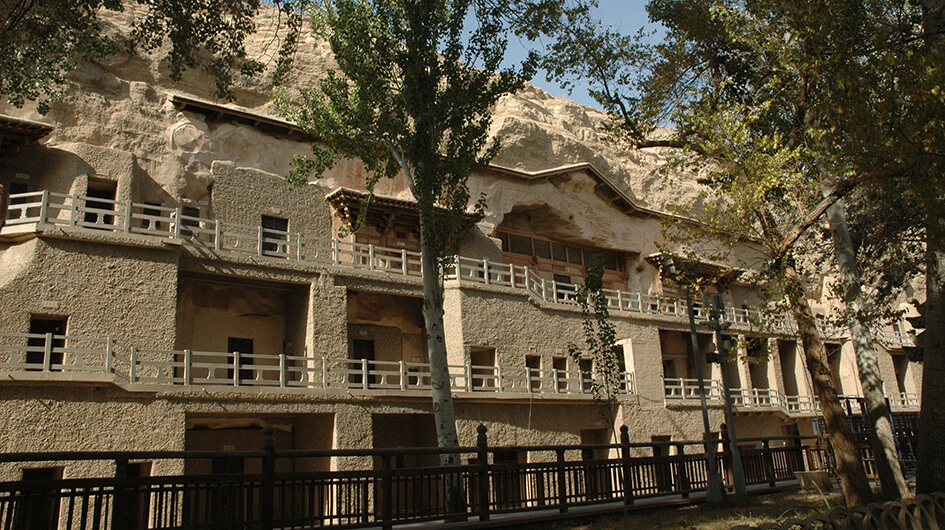 Mogao Grottoes
Day 22
Take a high-speed train from Dunhuang to Guazhou, then transfer from Guazhou to Hami Station, and finally make a transfer to Turpan, Xinjiang. This journey will take about a whole day. If you don't want the schedule to be too tight, you can stay overnight in Hami. Turpan is the final stop of the Chinese section of the journey in Journey to the West and the prototype of the Western regions in the book. Filled with exotic customs, it is the best place to directly feel the influence of Western cultures on Eastern cultures along the Silk Road.
Day 23
Head to Flaming Mountains, a core landmark of Journey to the West. Experience the intense heat of the "highest surface temperature on earth", visit Flaming Mountains Geopark and learn about the myth of "Sun Wukong knocking over the alchemy furnace". In the afternoon, explore Tuyugou. Its Thousand Buddha Caves are the largest, most numerous and earliest-built Buddhist grotto relics in Turpan, where you can learn about the history of Buddhism's development in Xinjiang. Tuyugou is also a cultural intersection of two world-famous religions—Islam and Buddhism, boasting a well-preserved ancient Uyghur village.
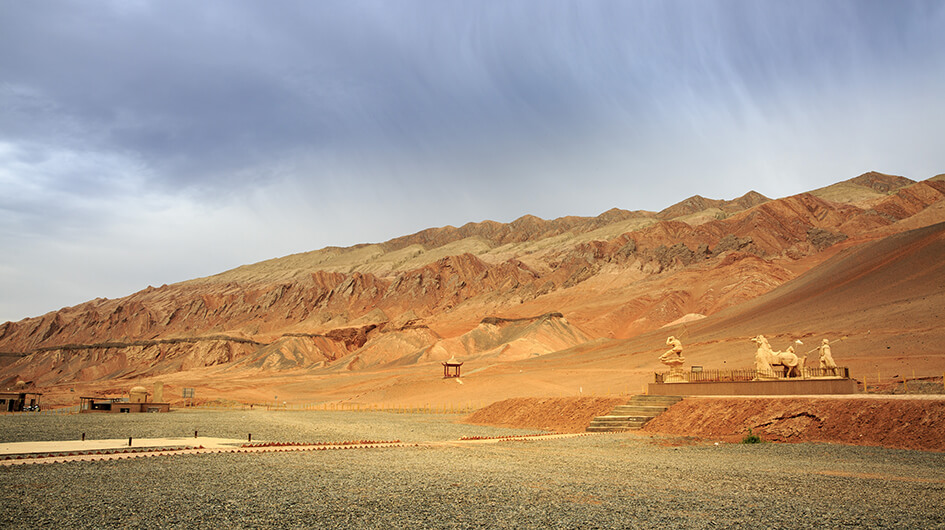 Flaming Mountains
Day 24
In the morning, visit Jiaohe Ruins, the prototype of Chechi Kingdom in Journey to the West and the world's largest earthen building complex. This is where Sun Wukong competed against three demons in a series of contests. Your tour guide will explain in detail the complex conflicts between the development of Buddhism and Taoism in China during that period. Afterwards, tour Grape Valley to learn about the history of grape cultivation in Xinjiang and enjoy thrilling high-altitude tightrope performances.
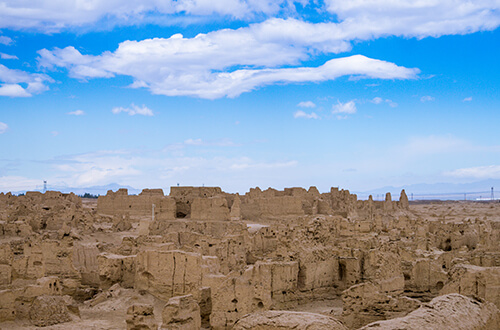 Jiaohe Ruins
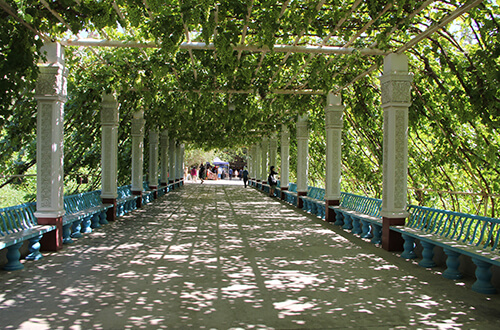 Grape Valley
Day 25
In the morning, take a high speed to Urumqi, than visit Xinjiang Museum to view exhibits of ethnic costumes and musical instruments, and fully understand Xinjiang's ethnic history. In the afternoon, wander around the International Grand Bazaar. Watch the printing and dyeing of Adelis silk in the handicraft alley and try on distinctive ethnic hats. After that, head to Urumqi Diwopu International Airport for your return flight, bringing this long and meaningful Journey to the West themed tour to an end.
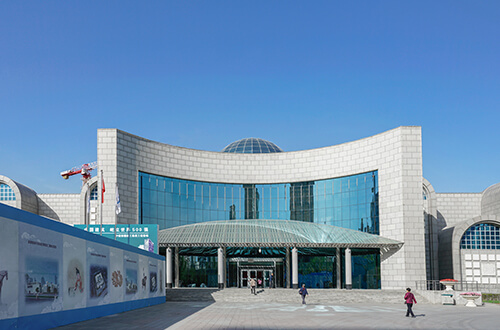 Xinjiang Museum
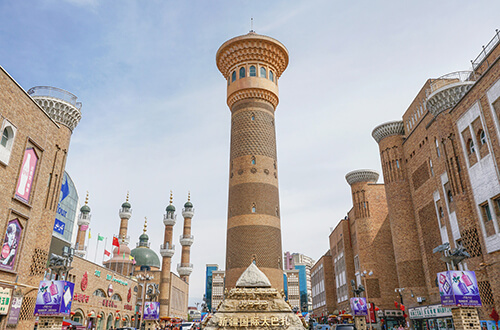 International Grand Bazaar
If you have any other ideas about a Journey to the West themed trip or don't know how to start your journey, we will customize your unique Journey to the West tour based on your ideas and practical conditions, allowing you to explore the Buddhist culture behind Journey to the West during the trip.
Why Choose China Educational Tours' "Journey To The West "?
China Educational Tours is committed to transforming travel from mere sightseeing into an immersive cultural experience and spiritual dialogue where diverse cultures converge. Our cultural guides will lead you to deeply explore the Chinese culture embodied in Journey to the West, with in-depth interpretations of both Buddhism and Taoism.
In-depth Thematic Customization:Your journey is fully tailor-made for you. Whether you are obsessed with the heroic deeds of Sun Wukong, eager to explore Buddhist and Taoist cultures, keen to delve into the culture of the Tang Dynasty, or a die-hard fan of the game Black Myth: Wukong—just tell us your preferences. We can adjust the focus of the itinerary, highlight the myths, historical sites or natural wonders of Journey to the West, and create a one-of-a-kind "China's Journey to the West Tour" exclusively for you.
Expert-led Cultural Guidance:We will arrange scholars specializing in Journey to the West, researchers of Buddhist and Taoist cultures, as well as experts in the history of the Silk Road to accompany you throughout the trip and provide professional commentary.
One-stop Journey Arrangements:We will take care of all travel details in China, including transportation, accommodation, food, itinerary planning and professional guidance. This allows you to fully immerse yourself in the exploration of Journey to the West culture without any worries.
Contact us now and start this unforgettable, in-depth and heartfelt Journey to the West cultural adventure with China Educational Tours.
Drop us a line and we'll connect you with the top China expert in no time!