- Home
- Culture
- Chinese Tea
- Best English-Friendly Tea Houses in China
Best English-Friendly Tea Houses in China for an Authentic Tea Ceremony
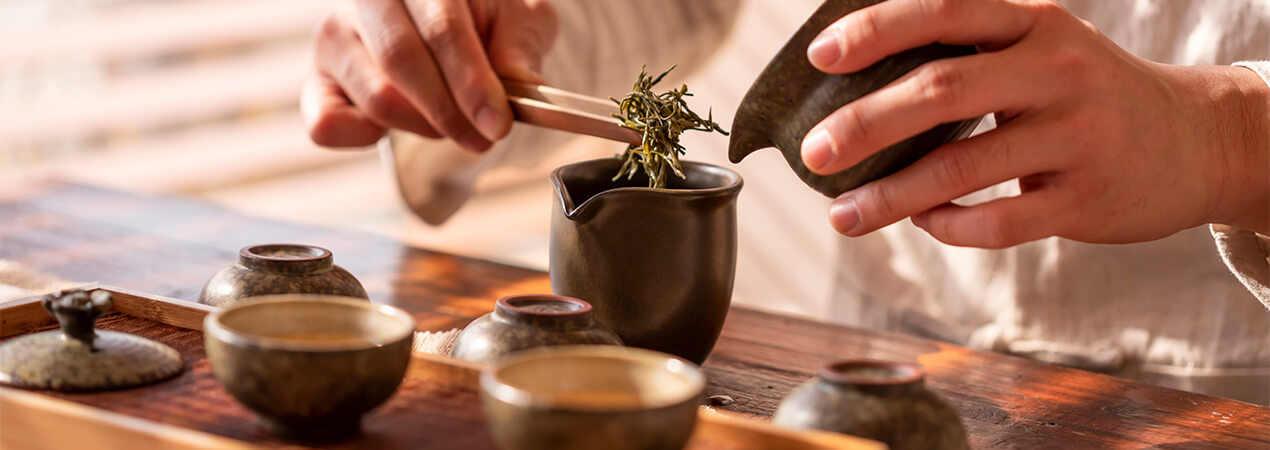
China boasts a long-standing tea culture, and teahouses stand as one of the most direct ways to experience it.
Why Experience Chinese Tea Ceremony?
During tea-ceremony activities, visitors can taste a variety of teas, observe tea-brewing and tea-serving procedures, and learn how different brewing methods shape tea’s aroma and flavour. They may also get acquainted with traditional tea utensils, tea-drinking etiquette, and the culture behind different tea varieties.
Best English-Friendly Tea Houses in China
If you wish to experience the Chinese tea ceremony and local tea culture, below are several teahouses recommended for international visitors. Some offer Chinese-English menus or English introductions, while others have tea artisans and staff with basic English communication skills, making them well-suited for first-time visitors to China keen to learn about Chinese tea culture.
Lao She Teahouse, Beijing
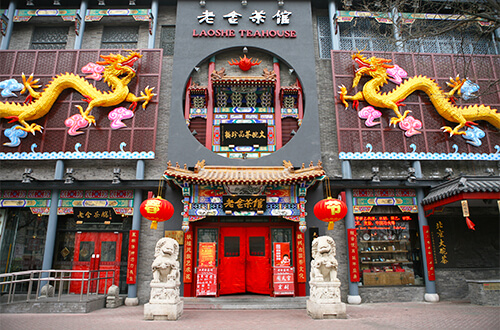 Lao She Teahouse
Daily performances including Peking Opera, acrobatics, face-changing, vocal mimicry, shadow puppetry and tea art shows are staged at Lao She Teahouse. Visitors can enjoy tea and traditional snacks amid a classic teahouse setting while watching the shows. Selected performances come with English subtitles or bilingual introductions.
- Address: No.3 Zhengyang Market, West Qianmen Street, Xicheng District, Beijing
- Opening Hours: 10:00–21:30. If you want to watch a performance, evening visits are recommended, usually around 19:50–21:20. Some performances are also held in the afternoon; check with the teahouse for the latest schedule.
- Average Cost: USD 30–90 (includes performance)
Huxinting Teahouse, Shanghai
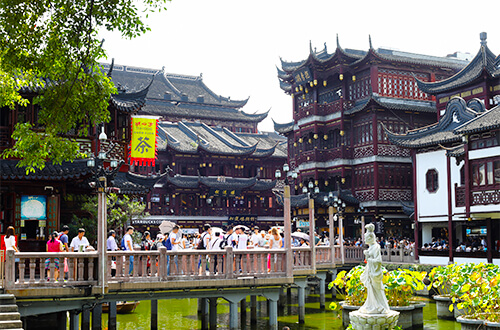 Huxinting Teahouse
Perched on the lotus pond at the centre of Yuyuan Garden’s Nine-Turn Bridge, this teahouse features interior decor in the classic Jiangnan garden style. Staff members speak basic English to assist with orders. Visitors can sample a variety of teas and traditional snacks, and admire views of the Nine-Turn Bridge and Yuyuan Garden from the second floor. Tea art and Pingtan performances are available during selected time slots.
- Address: No.257 Yuyuan Old Street, Huangpu District, Shanghai
- Opening Hours: 10:00–20:00
- Average Cost: USD 30–80
Hubanju Teahouse, Hangzhou
Nestled along the shore of West Lake, this teahouse grants visitors splendid views over the lake. Besides the local-famed West Lake Longjing tea, guests can sample authentic Hangzhou snacks such as victory cake, lotus-root cake, mung-bean cake, fermented-rice glutinous rice balls, and pian-er-chuan noodles. English-language guidance and basic English-speaking assistance are provided.
- Address: No.1 Shengtang Scenic Area, Shangcheng District, Hangzhou
- Opening Hours: 09:30–23:00
- Average Cost: USD 20–50
Shufeng Yayun, Chengdu
Shufeng Yayun is an intangible cultural heritage base centered on Sichuan Opera. Visitors can sip tea while watching performances such as hand-shadow plays, rolling lantern acts, face-changing and fire-spitting. Chinese-English bilingual subtitles are usually available for international guests to understand the shows. Apart from watching performances, visitors can join hands-on experiences including shadow-puppet crafting, hand-shadow lessons and Sichuan Opera mask painting.
- Address: Chengdu Cultural Park, No.132 Qintai Road, Qingyang District, Chengdu
- Opening Hours: 10:00–22:00
- Average Cost: USD 30–50 for admission; additional fees apply for other cultural experiences.
Not all teahouses provide detailed English explanations or one-on-one services. If you would like a guide to introduce teas, brewing methods and related culture in English, we can arrange a private customized tour with an English-speaking guide for a more in-depth and relaxing tea-culture experience.
What Happens During a Chinese Tea Ceremony?
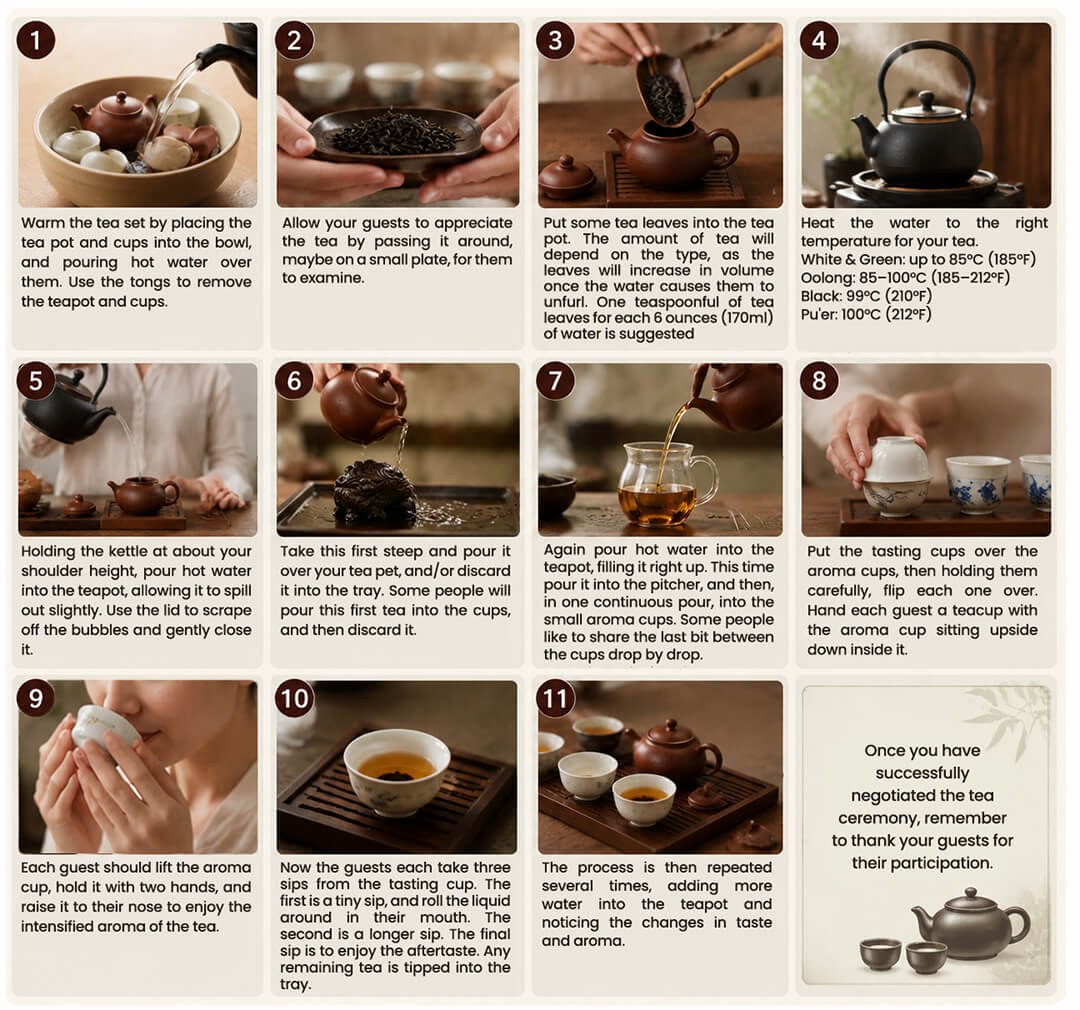
Chinese tea ceremony is more than just drinking tea. It includes procedures such as warming tea-ware, adding tea leaves, rinsing tea, brewing and serving tea. Guests can smell the tea fragrance, taste the tea flavour, and experience the changes of tea liquor across multiple infusions. To learn more about the Chinese tea ceremony and its detailed steps, please click here.
Chinese Teas Worth Trying at Teahouses
When visiting a Chinese teahouse for the first time, you do not need prior extensive tea knowledge. Simply tell the tea artisan whether you prefer light, floral-scented or rich-bodied flavours to pick a suitable tea for yourself. Below are several tea varieties highly recommended for visitors:
| Tea | Recommended Destinations | Main Flavour Profile |
|---|---|---|
| West Lake Longjing | Hangzhou, Zhejiang | Fresh-brisk and mellow, with subtle roasted bean notes |
| Jasmine Tea | Beijing and Northern China | Prominent jasmine fragrance, fresh and refreshing |
| Tieguanyin | Anxi, Fujian | Intense floral aroma, rich-bodied taste |
| Da Hong Pao | Wuyi Mountains, Fujian | Robust tea flavour with roasted notes and mineral rock charm |
| Yunnan Black Tea (Dianhong) | Yunnan | Mellow and smooth, with malt aroma and natural sweetness |
| Pu’er Tea | Xishuangbanna, Yunnan | Full-bodied with distinct aged fragrance; some varieties carry earthy undertones |
If you wish to sample a wide variety of teas across China, join our 12-Day Hangzhou–Mount Wuyi–Pu’er Tea Culture Tour. Travelling from West Lake Longjing in Hangzhou and rock teas of Mount Wuyi to Pu’er tea in Yunnan, you will visit diverse tea-growing regions, learn about tea planting, production and tasting procedures, and take part in hands-on tea-picking, tea-processing and tea-art experiences.
Tea House, Tea Plantation, or Tea Ceremony Class?
Teahouses are not the only way to experience Chinese tea culture. You can also visit tea plantations or join tea-ceremony classes. International visitors may choose the tea-culture experience that best fits their interests and available time.
Teahouse
At a teahouse, visitors can taste various teas, observe tea-brewing procedures, and learn about tea utensils and basic tea etiquette. At some distinctive teahouses, guests can even enjoy performances including opera and pingtan storytelling.
Best for: Travellers encountering Chinese tea culture for the first time, who want to experience local life during their journey.
Tea Plantation
At China’s renowned tea-growing regions such as West Lake Longjing Village and Mount Wuyi, visitors can tour tea fields together with local farmers and take part in tea-picking and tea-making activities.
Best for: Visitors eager to gain in-depth knowledge of tea cultivation and hands-on tea-making experiences.
Explore the tea-growing area and experience tea picking and tea making in Meijiawu Tea Village, Hangzhou. A customized educational tour can be arranged to suit your interests.
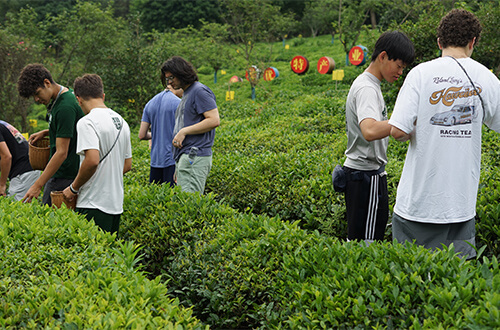 Tea Plucking Participation
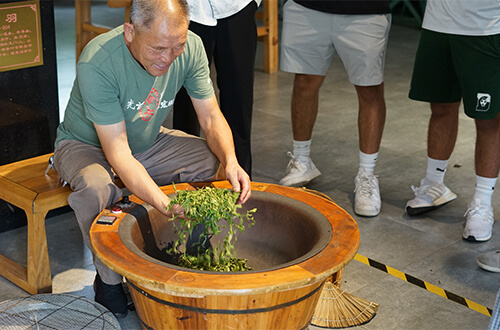 Instruction by Master Tea Makers
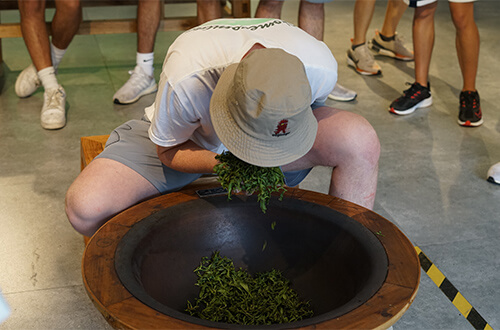 Hands-On Tea Processing by Students
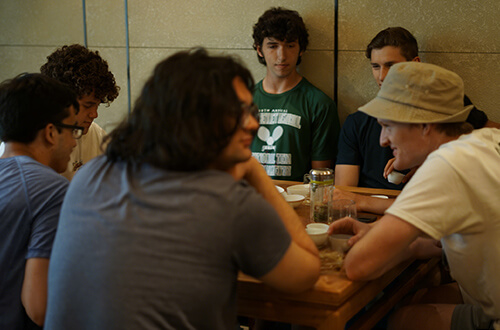 Tea Tasting
Tea Ceremony Class
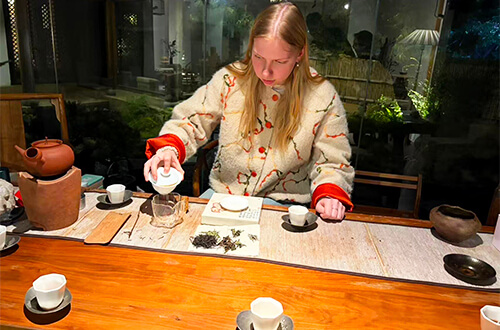 Tea Ceremony Class Experience
Under the instruction of tea artisans, you will learn to use gaiwans or teapots, get familiar with tea dosage, water temperature and brewing duration, and practise tea-brewing, tea-serving and traditional Chinese tea etiquette.
Best for: Travellers who wish to acquire practical tea-brewing skills and enjoy hands-on experiences.
Recommended Itinerary: 10-Day Mount Wuyi Tea Educational Tour
Join our 10-day Mount Wuyi Tea Educational Tour. Travelers will step into tea plantations of Mount Wuyi and explore renowned rock-tea producing areas including Jiuqu Stream, Huiyuan Pit and Niulan Pit, to learn about the growing conditions and production techniques of Wuyi rock tea. Hands-on activities such as tea-making, professional tea tasting, kung-fu tea brewing and Song-dynasty tea whisking are arranged throughout the trip for an in-depth understanding of Chinese tea culture.
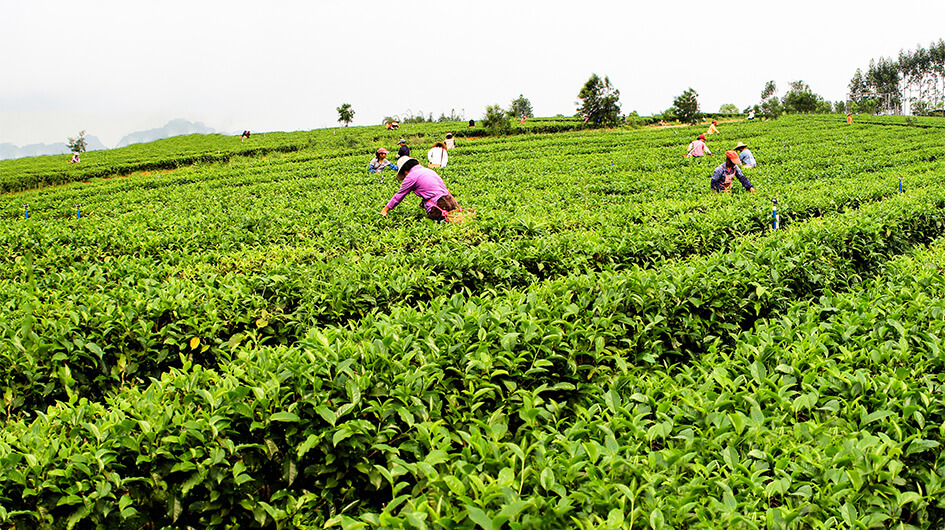 Wuyi Rock Tea Growing Area
China Educational Tours can custom-design tea-culture itineraries according to your interests and schedule. Whether you would like to tour tea plantations, try tea-picking and tea-processing, attend tea-ceremony classes, or combine visits to teahouses, plantations and tea-art sessions, we can arrange suitable experiences for you to explore Chinese tea culture from multiple perspectives.
OR
Are you eager to begin your Chinese cultural journey?
Drop us a line and we will promptly connect you with our leading China expert!