- Home
- Culture
- Chinese Tea
- Chinese Tea in Trade and the Economy
Chinese Tea in Trade and the Economy
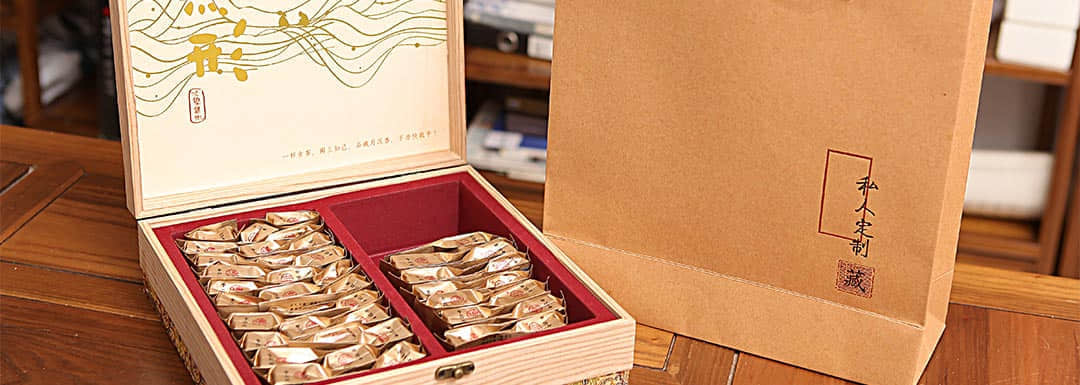
Would you be surprised to realize that (after water) tea is the favorite drink for people from all walks of life, and in all countries, who enjoy the taste, the possibility of health benefits, the wide variety of taste options, and the social interaction that is so closely associated with it. In fact the tea consumed around the world equals all other drinks (coffee, chocolate, soft drinks and alcohol) combined.
The tea industry in China is the largest in the world, and has been dominating the global tea industry for centuries, since China introduced tea to the world.
China is the world’s largest tea producer, with the country’s tea plantation area maintained at around 50 million mu (approximately 3.33 million hectares). In 2025, mainland China produced 3.92 million tonnes of tea, accounting for 53.9% of the global total and retaining its position as the world’s top tea producer. Tea also ranks among China’s key agricultural export commodities. According to China Customs statistics, China exported 418,800 tonnes of tea valued at USD 1.546 billion in 2025. Green tea dominated China’s tea exports in 2025, making up 88.1% of total export volume, followed by black tea (6.2%), oolong tea (3.3%) and jasmine tea (1.8%).
In terms of export markets, Africa stands as China’s largest tea export destination, importing 273,000 tonnes of Chinese tea in 2025. It is followed by Asia with 83,000 tonnes and Europe with 49,000 tonnes. Chinese tea is also exported to North America, South America and Oceania, reaching a wide range of international markets. Measured by export value, Morocco ranks as China’s top overseas tea market, succeeded by Senegal and Malaysia.
Chinese tea emerged as an important trade commodity more than a thousand years ago. The Ancient Tea Horse Road took shape during the Tang Dynasty and flourished through the Song, Ming and Qing dynasties, serving as one of the vital ancient trade routes in China. Tea produced in regions such as Yunnan and Sichuan was transported along this route to Xizang and surrounding areas, where it was exchanged for goods including horses, salt and medicinal materials, forming the renowned trade model known as "trading tea for horses". Centuries of tea trade boosted economic exchanges across southwest and northwest China, fuelling the development of ancient towns, courier stations and tea villages along the route. The Ancient Tea Horse Road thus became a crucial link facilitating economic, cultural and ethnic exchanges between diverse regions.
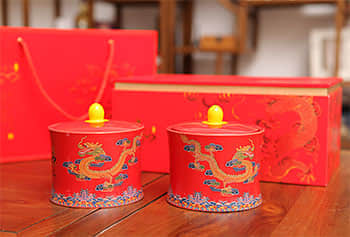 The exquisite packaging of Chinese tea
Today, China’s tea industry is deeply integrated with tourism, culture and rural economies to form an innovative economic model. In recent years, renowned tea-producing regions including Hangzhou, Mount Wuyi, Pu'er and Anxi have drawn on tea plantation landscapes, traditional tea-making craftsmanship and tea culture resources to develop a wide array of tourism offerings: tea-picking activities, hands-on tea-making workshops, tea art performances, tea culture museums and homestays surrounded by tea gardens. An increasing number of travellers visit tea plantations to learn about the entire lifecycle of tea, from cultivation and plucking to processing and tasting. While immersing themselves in Chinese tea culture, they also create new economic opportunities for local communities, tea farmers and supporting industries.
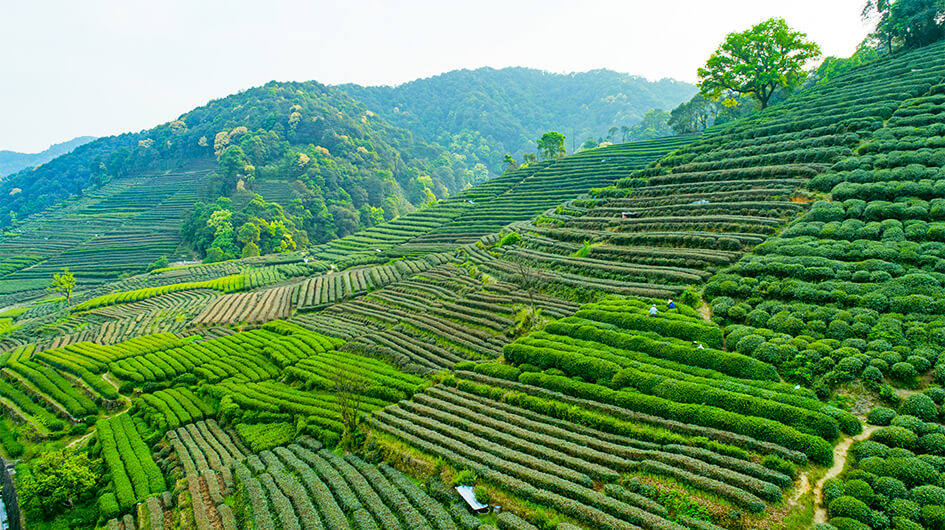 Meijiawu Tea Terraces in Hangzhou, Zhejiang
Within China, tea is also important in the economy for employment, as more than 80 million people work in the tea industry as farmers, workers, or sales people.
No doubt there will continue to be changes and adjustments, but people all over the world, and especially in China, will continue to enjoy Chinese tea, of one kind or another. Whether you are a tea lover, student, or cultural traveler, exploring China's tea regions offers an unforgettable experience.
If you wish to gain an in-depth understanding of Chinese tea culture, embark on the 12-Day Hangzhou–Mount Wuyi–Pu'er Tea Culture Tour. This itinerary covers three iconic tea-producing regions: West Lake Longjing in Hangzhou, Wuyi rock tea areas and ancient Pu'er tea mountains. You will step into tea plantations and take part in tea plucking, tea processing, tea tasting and tea art workshops. You will also get the chance to communicate with local tea farmers, tea craftsmen and inheritors of tea culture, and learn how the tea industry fuels local economic growth, rural revitalization and cultural heritage preservation. China Educational Tours specializes in crafting high-quality customized travel experiences. We can design exclusive itineraries tailored to your interests, available time and travel requirements.
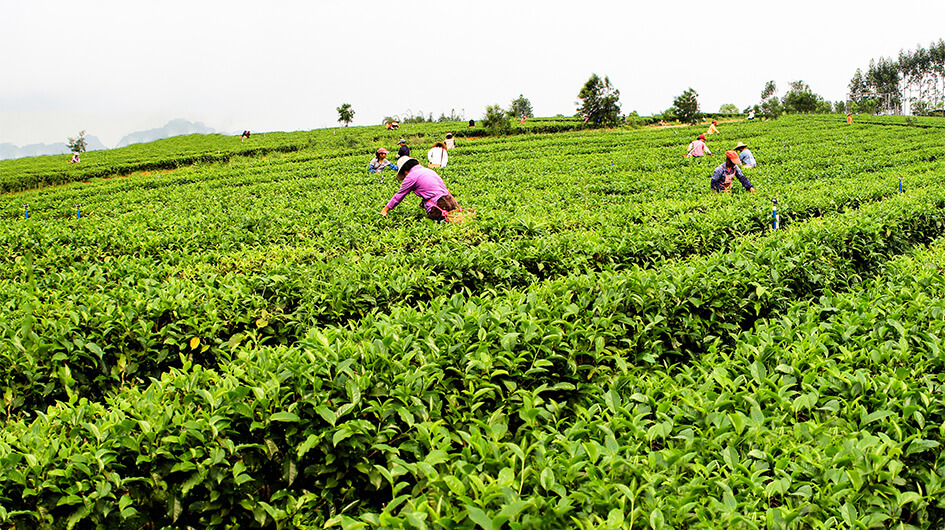 Wuyi Rock Tea Growing Area
OR
Are you eager to begin your Chinese cultural journey?
Drop us a line and we will promptly connect you with our leading China expert!
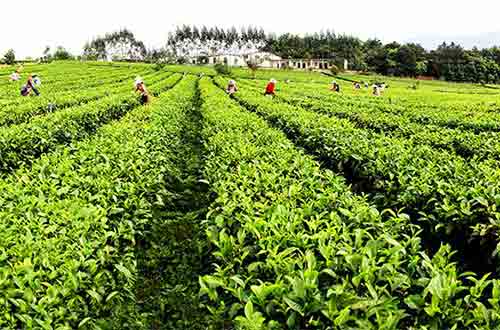 Chinese Tea
 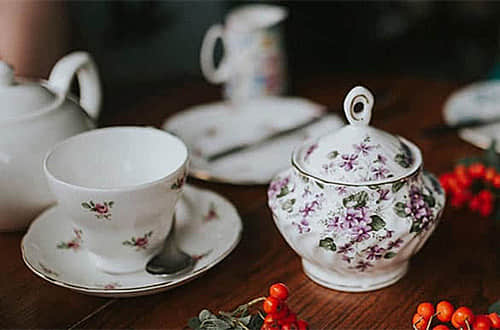 Chinese Tea in Western Countries
 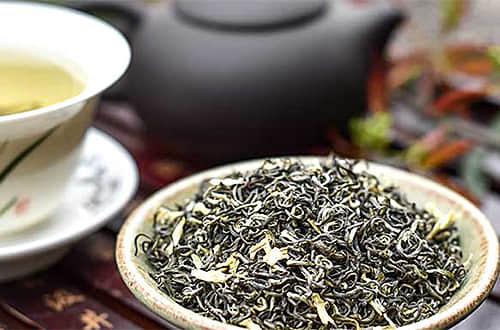 Types of Chinese Tea
 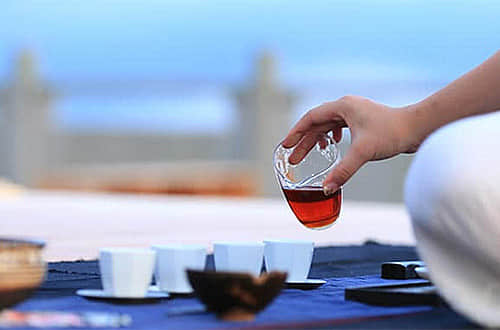 How to Make and Drink Tea