- Home
- Educational Travel
- China Cultural Tours
- Mount Wuyi Tea Tour
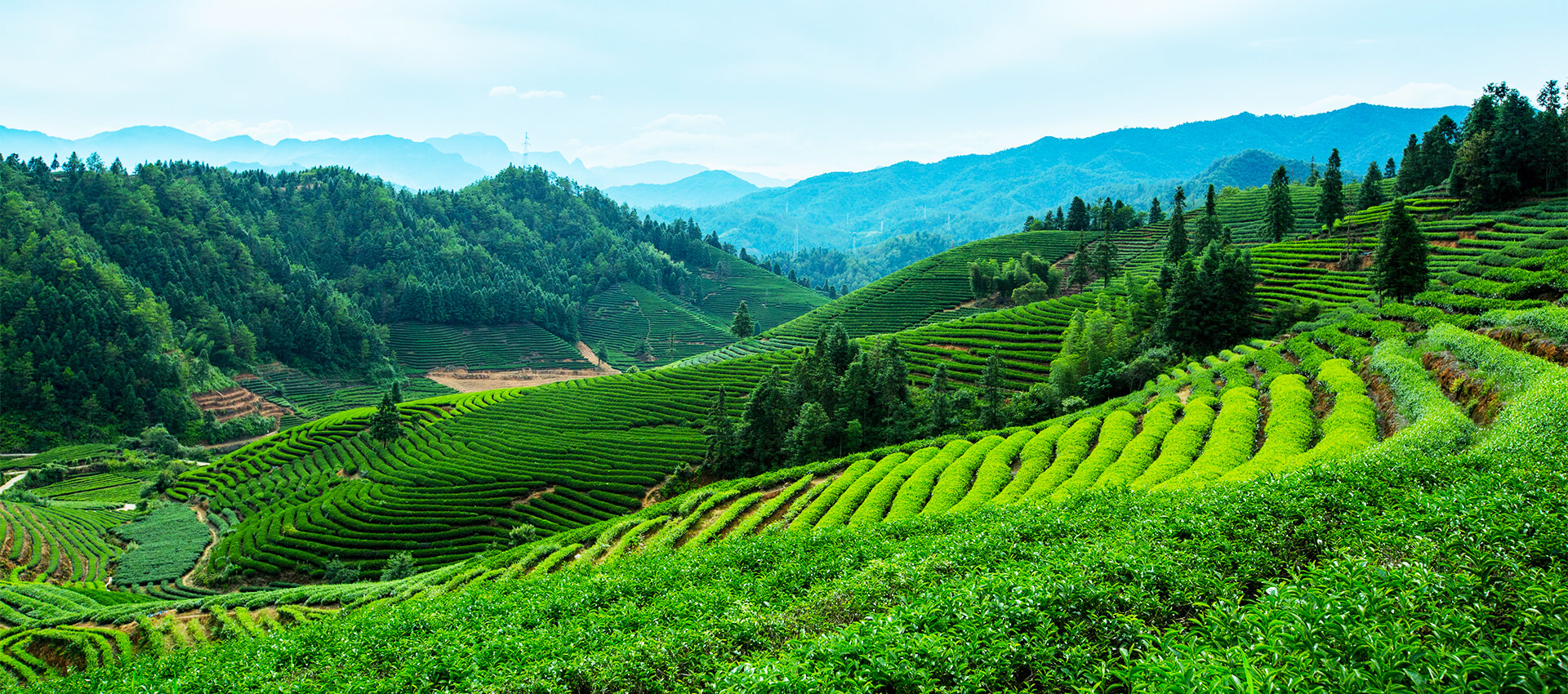
10-Day Mount Wuyi Tea Educational Tour
Itinerary at a Glance
| Day | Location | Highlights |
|---|---|---|
| D1 | Mount Wuyi | Arrive in Mount Wuyi; hotel check-in and free exploration |
| D2 | Mount Wuyi | Attend tea culture class; visit Jiu Long Ke & Hui Yuan Keng; watch Impression Da Hong Pao |
| D3 | Mount Wuyi | Nine-Bend Stream bamboo rafting; walk along Wu Yi Palace Song Dynasty Street; visit Taoyuan Cave; handmade tea crafting; visit Niu Lan Keng; taste rock teas |
| D4 | Mount Wuyi | Professional tea judging workshop; visit Tian Xin Yong Le Chan Si; tea culture seminar |
| D5 | Mount Wuyi | Learn Jian Zhan culture; practice Gongfu brewing; experience Song Dynasty tea whisking |
| D6 | Mount Wuyi | Visit tea museum & ecological tea field; explore Xia Mei Ancient Residences; traditional tea ceremony |
| D7 | Mount Wuyi | Visit Ma Tou Yan; tour rare mother tree gardens of Bai Mu Dan and Zhu Ye Qing |
| D8 | Mount Wuyi | Da An Yuan Nature Reserve walk; Zen tea experience at Ruiyan Temple; temple vegetarian dinner |
| D9 | Mount Wuyi | Hike Tianyou Peak; visit Tiger Roaring Cliff and Tiancheng Chan Temple |
| D10 | Mount Wuyi | Check out; transfer to station/airport; tour ends |
Trip Highlights
- Explore iconic rock tea terroir in Niu Lan Keng and Hui Yuan Keng
- Drift along the Nine-Bend Stream and enjoy Danxia scenery
- Experience hand-processing Wuyi Rock Tea
- Attend a professional tea judging workshop with a first-class evaluator
- Learn Song Dynasty tea whisking and appreciate imperial Jian Zhan teacups
Tour Essentials

Quality
No Shopping Traps

Group Type
Private or Group

Tour Focus
Culture

Accommodation
Nights:9

Best Season
Spring, Summer, Autumn, Winter
Full Itinerary
Arrive in Mount Wuyi. You will be escorted to the hotel by driver and guide for check-in, after which you may explore the area near the hotel freely.
In the morning, we will attend a basic tea culture class to learn about the history, culture and tea industry of Mount Wuyi, followed by a tasting session of Wuyi Rock Tea.
Depending on the weather that day, we will visit the core Zheng Yan tea-growing area. As the foundation of premium Wuyi Rock Tea, Zheng Yan lies within the core zone of the UNESCO World Heritage Site. Its unique natural environment and diverse terroirs give rise to an endless variety of rock tea flavors, making it the essential area to explore the charm of rock tea.
We will visit Jiu Long Ke (Nine Dragon Pit), a narrow canyon with steep cliffs on both sides. The mother trees of Da Hong Pao grow halfway up the rocky cliffs. Our guide will share the origin and protection status of these ancient trees, as well as the legend behind the name “Da Hong Pao”. Along the way, we can see many old tea bushes rooted in rock crevices.
Next, we will go to Hui Yuan Keng (Wisdom Garden Pit), one of the core areas of Zheng Yan. Here we can see numerous old tea trees distributed around mountain basins and alongside streams. Hui Yuan Keng is characterized by its deep gullies, excellent water quality and rich vegetation, which create exceptional tea quality. The guide will explain how landforms such as “keng (pit)”, “jian (stream)” and “ke (grotto)” influence tea quality based on specific locations.
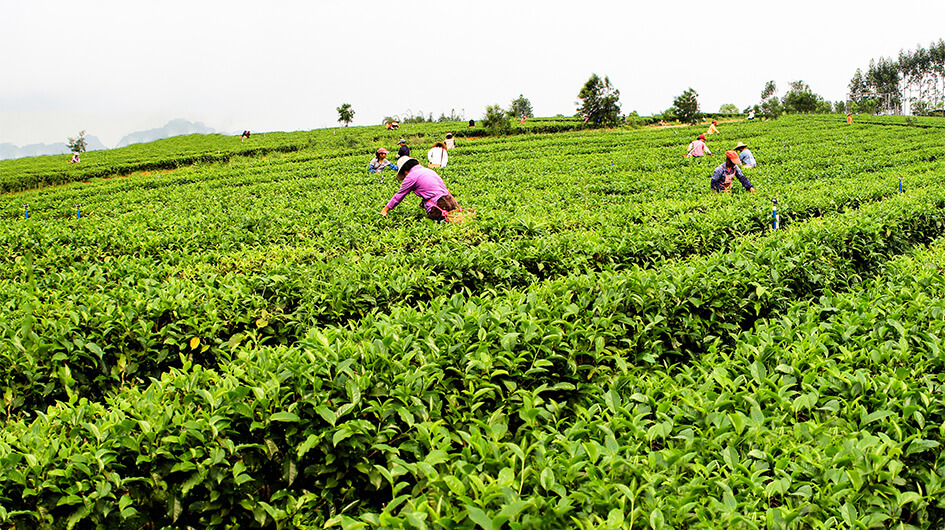 Wuyi Rock Tea Growing Area
In the evening, we will watch Impression Da Hong Pao, a large-scale live-action mountain show directed by Zhang Yimou. With Da Wang Peak as the natural backdrop, hundreds of performers present the story of tea, delivering a truly spectacular experience.
Your Journey’s Rewards:
Join a basic tea culture course to learn about Mount Wuyi’s history, culture and tea knowledge, taste Wuyi Rock Tea and understand its flavor profiles. Tour rock tea production areas, observe ancient tea trees, and learn how landforms like pits, streams and grottos affect tea quality.
Educational Focus:
How does the environment of Mount Wuyi influence rock tea?
Takeaway:
Mount Wuyi features a unique Danxia landform composed of granite, volcanic lava, sandstone and shale. After weathering, these rocks form loose, well-drained acidic red soil rich in minerals, providing excellent growing conditions for tea trees. The area is frequently covered in mist and clouds, creating favorable diffused light that helps tea plants retain tenderness, accumulate high amino acid content and deliver a smooth, refined taste.
Thought Challenge:
Wuyi Rock Tea is famous for its “Yan Yun (rock rhyme)”. In your opinion, is rock rhyme a physical characteristic, a sensory experience, or a combined result of material, sensory and cultural psychology?
After breakfast, we will experience Bamboo Rafting on Nine-Bend Stream. Gliding through nine bends along the way, we can enjoy the spectacular karst landscapes including Yu Nü Peak (Jade Maiden Peak) and Tianyou Peak. Then we will walk along Wu Yi Palace Song Dynasty Street. Stretching about 300 meters, the street is designed in the style of southern China during the Song Dynasty, with blue stone paths, black-tiled and white-walled buildings, stone archways and ancient gate towers, making us feel as if we have traveled back to the Song Dynasty — the golden age of tea culture in Chinese history. Proceed to Taoyuan Cave, the center of Taoist activities in Mount Wuyi. Along the way, you can enjoy natural scenery including bamboo forests, tea plantations and the Nine-Bend Stream.
 Bamboo Rafting on Nine-Bend Stream
In afternoon, we will head to a handmade tea workshop. Accompanied by professional tea masters and experienced heritage tea farmers, we will visit and learn about the whole process of handmade tea production. We will also take part in tea-making steps such as tea plucking, leaf shaking, pan-firing and rolling, experiencing the charm of traditional craftsmanship.
Afterwards, we will taste machine-made and handmade Wuyi Rock Tea, and analyze the differences between them in aroma and taste. Then we will walk into Niu Lan Keng. Surrounded by cliffs on all sides, the pit forms a unique microclimate — humid and warm, which is perfect for tea tree growth. The tea here is not just a plant, but a product of geography and climate. In the evening, we will taste various varieties of Wuyi Rock Tea, including Da Hong Pao, Rou Gui (Cinnamon) and Shui Xian (Spirit Immortal).
Your Journey’s Rewards:
Experience bamboo rafting on the Nine-Bend Stream and enjoy the stunning karst scenery. Learn and experience the traditional procedures of rock tea making in a handmade tea workshop. Compare handmade and machine-made rock teas to distinguish their aroma and taste differences. Explore Niu Lan Keng and understand how the environment shapes the character of rock tea.
Educational Focus:
What are the production procedures of rock tea and what are the key steps?
Takeaway:
The production process is complex, involving nearly 20 steps such as plucking, withering, leaf manipulation, fixation, rolling and roasting. Among them, leaf manipulation is crucial: through repeated shaking and resting, the characteristic “green leaves with red edges” is formed. Roasting (slow fire stewing) determines the tea’s flavor and stability, with styles including light fire, medium fire and full fire.
Thought Challenge:
Wuyi Rock Tea involves a highly complex production process. How would the final quality be affected if any single step were missing or improperly done?
In the morning, we will take part in a professional tea tasting and evaluation session at the Mount Wuyi Tea Evaluation Workshop, hosted by a National First-Class Tea Evaluator. Through professional tea assessment procedures, we will taste various tea cultivars from Mount Wuyi and gain an in-depth understanding of representative rock tea and black tea varieties. By sampling different tea specimens, we will learn to judge tea quality and master methods to identify genuine products from counterfeits of popular teas such as Jin Jun Mei.
We will also visit Tian Xin Yong Le Chan Si, a famous Buddhist temple nestled deep in Mount Wuyi, widely regarded as the birthplace of Da Hong Pao, where we will learn the legends of Da Hong Pao. We will attend a tea culture seminar in Mount Wuyi and taste teas from numerous local tea farmers and producers — a profound opportunity to experience tea culture in depth.
Your Journey’s Rewards:
Learn tea evaluation methods, distinguish the characteristics of Wuyi Rock Tea cultivars, and master practical skills to identify tea quality. Visit Tian Xin Yong Le Chan Si to explore the origin story of Da Hong Pao and experience the integration of tea culture and Buddhist culture. Join tea culture seminars and broaden your knowledge of Wuyi tea varieties and processing techniques.
Educational Focus:
What are the methods for evaluating Wuyi Rock Tea?
Takeaway:
The evaluation of Wuyi Rock Tea consists of five steps: observing dry tea, appreciating aroma, inspecting liquor color, tasting flavor, and examining infused leaves. Before infusion, we appreciate the appearance of dry Wuyi Rock Tea. It features tight, slightly twisted strips with a glossy blueish-brown or grayish-brown color, uniform and clean. With a rich and lasting aroma, Wuyi Rock Tea is a treasure among oolong teas.
Thought Challenge:
What is the essential difference between different cultivars of Wuyi Rock Tea?
When talking about Song Dynasty tea whisking, one must learn about the tea ware used at that time — the Jian Zhan black glazed teacup, once an exclusive imperial tea vessel. We will join a Jian Zhan culture workshop, visit exquisite porcelains from Jingdezhen and Jian Zhan black porcelain, and study the history, craftsmanship and styling features of Jian Zhan.
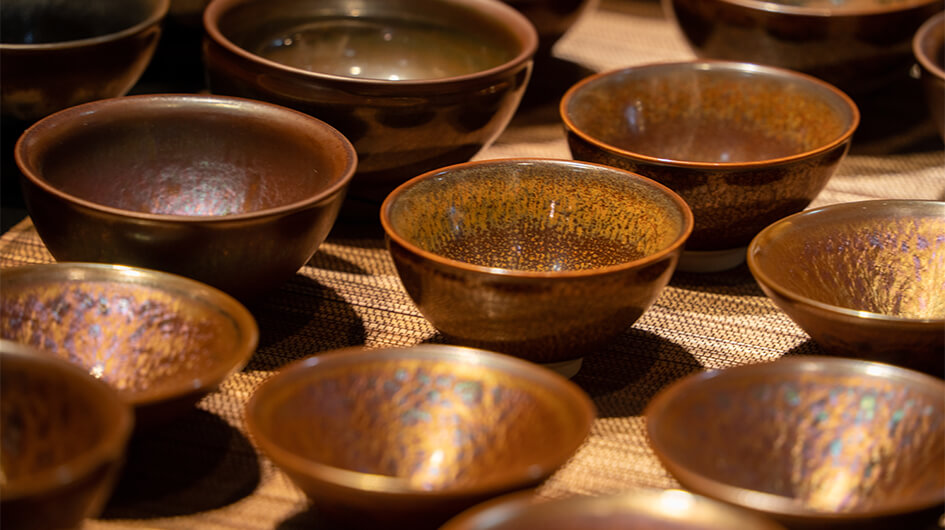 Tea Ware – Jian Zhan
By participating in the tea art and cultural experiences in Mount Wuyi, you can practice the brewing skills of Gong Fu Cha, learn the technique of "high pouring, low sipping", and taste Gong Fu tea paired with tea snacks. You will also watch a demonstration of Song Dynasty tea whisking and learn about its culture: in the Song Dynasty, tea cakes were ground into powder, and the "tea whisking" method was used to create foam, known as powdered tea.
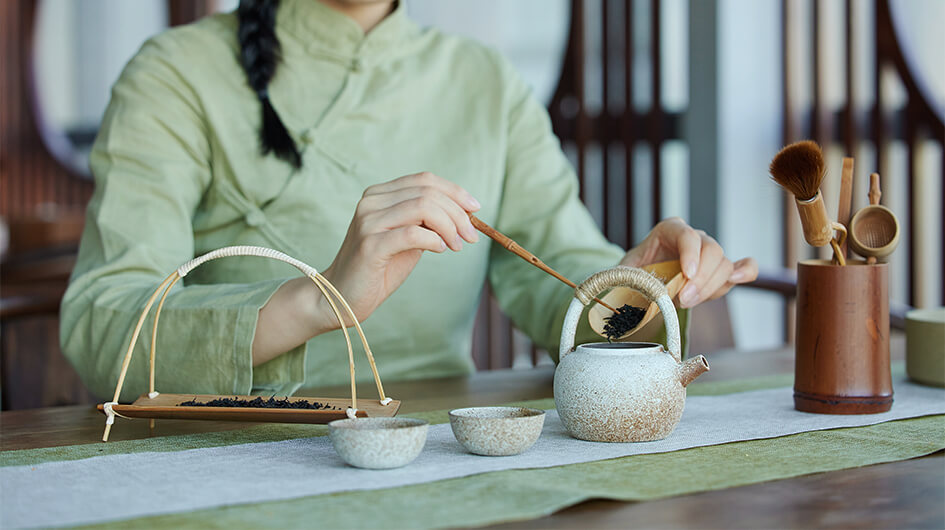 Experience the Traditional Tea Ceremony
Your Journey’s Rewards:
Join the Jian Zhan culture workshop to learn about the history, craftsmanship and characteristics of Jian Zhan, the imperial tea ware of the Song Dynasty. Experience Gong Fu Cha brewing techniques and appreciate its quality. Watch and learn Song Dynasty tea whisking and understand its preparation method.
Educational Focus:
What is tea whisking?
Takeaway:
The tea-drinking method of the Song Dynasty evolved from the tea decocting method of the Tang Dynasty to the tea whisking method. Tea cakes were ground into fine powder, mixed with boiling water, and stirred with a tea whisk to create foam. This method emphasized ritual and artistry, becoming the mainstream way of drinking tea at that time. Emperor Huizong’s Treatise on Tea recorded tea whisking techniques in detail, promoting the refined development of tea art.
Thought Challenge:
Wuyi Rock Tea is long-infusing and suitable for long-term storage. From the perspective of changes in the internal chemical components of tea leaves, is rock tea really suitable for long-term storage?
In the morning, we will head to Xiang Jiang Tea Culture Park, where you can visit the largest tea culture museum in Mount Wuyi. Through its rich collections, you will learn about the thousand-year history from Shen Nong tasting hundreds of herbs to the development of Wuyi Rock Tea. Next, we will visit Yan Zi Keng National Ecological Tea Field. Hiking along the trails, you will enjoy the tea plantation scenery and gain insights into the ecological cultivation model of tea.
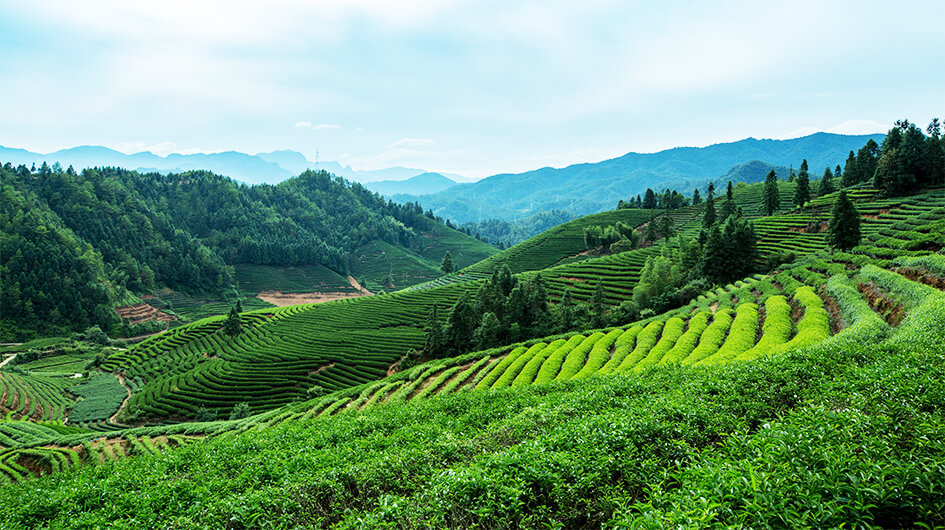 Yan Zi Keng National Ecological Tea Field
In the afternoon, we will visit Xia Mei Ancient Residences, an ancient tea merchant village and the starting point of the "Ten Thousand Li Tea Route". Accompanied by a guide, we will wander among the ancient village buildings and listen to legendary stories of tea merchants. Afterwards, we will go to a local tea house to experience the traditional tea ceremony, where you can taste a cup of tea and learn about traditional tea ceremony etiquette in a peaceful setting.
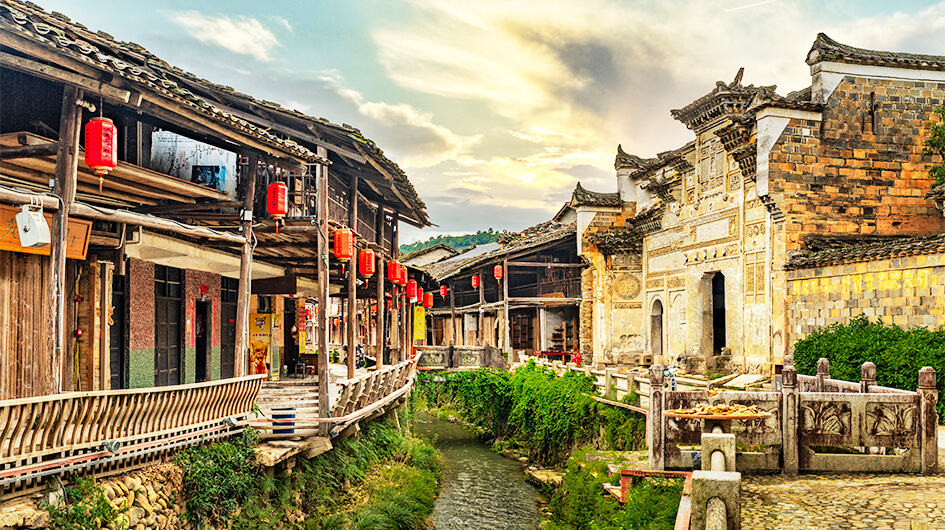 Xia Mei Ancient Residences
Your Journey’s Rewards:
Visit the largest tea culture museum in Mount Wuyi to deepen your understanding of Wuyi Rock Tea culture. Stroll through Yan Zi Keng National Ecological Tea Field to gain in-depth knowledge of the scientific model of ecological tea cultivation. Explore Xia Mei Ancient Residences and experience the past prosperity of the ancient tea route. Enter a local tea house to learn traditional tea ceremony knowledge.
Educational Focus:
What are the characteristics of rock tea tea garden construction?
Takeaway:
The Wuyi tea region features rugged terrain. Most of the famous rock tea gardens within the scenic area are built by utilizing deep valleys, secluded streams, rock crevices, stone hollows and gentle slopes. Stone walls are constructed against mountains and rocks, then filled with soil. There are rock-deposit planted tea gardens, large potted landscape-style tea gardens, and terraced tea gardens.
Thought Challenge:
What challenges might ecological cultivation of rock tea face in the future?
After breakfast, we will visit Ma Tou Yan, the core production area of the top-grade Wuyi Rock Tea Ma Tou Yan Rou Gui (Cinnamon). We will meet tea farmers who own rare tea cultivars. Accompanying the farmers, we will tour the mother tree garden of Bai Mu Dan and the Zhu Ye Qing tea garden, learn about tea tree cultivation, listen to the farmers’ stories of tea making, and also have the opportunity to taste these rare tea varieties.
Your Journey’s Rewards:
Follow local tea farmers into the mother tree garden of Bai Mu Dan and the Zhu Ye Qing tea garden, and gain knowledge of cultivation techniques for rare tea trees.
Educational Focus:
How do tea tree cultivars influence the quality of Wuyi Rock Tea?
Takeaway:
The exceptional quality of Wuyi Rock Tea first stems from superior tea tree cultivars. Known as the "Kingdom of Tea Cultivars", Mount Wuyi boasts classic cultivars such as Da Hong Pao, Rou Gui and Shui Xian, as well as many renowned ancient cultivars including Tie Luo Han and Bai Ji Guan. After long-term selection and breeding, these cultivars feature distinctive aromas, flavors and stress resistance, laying a solid foundation for the quality of rock tea.
Thought Challenge:
Does the environment have a greater impact on the taste of rock tea than the tea cultivar itself?
In the morning, we will visit the Da An Yuan Nature Reserve, where streams are crystal clear and the forest coverage rate reaches 98%. Walking along the valley trails, you will see streams, waterfalls (with a drop of 146 meters), forests and fantastic rock formations.
In the afternoon, we will have a Chan Cha (Zen Tea) experience at Rui Yan Temple. Under professional guidance, you will brew Wuyi Rock Tea, integrating the philosophy of Zen meditation. Through rituals such as purifying hands, observing breath, pouring water and tasting tea, you will feel the integration of tea and Zen. In the evening, we will enjoy a vegetarian dinner at Rui Yan Temple. The temple offers light and healthy vegetarian food, mostly made with local ingredients and prepared in traditional styles, including stir-fried seasonal vegetables, tofu, vegetarian noodles, etc., served with tea.
Your Journey’s Rewards:
Learn about the ecological environment of mountains, forests, streams and waterfalls in the nature reserve; master Zen tea etiquette and practice mindful tea tasting at the Buddhist temple, and experience the wisdom of life where tea and Zen blend as one.
Educational Focus:
Which season produces the best-quality Wuyi Rock Tea?
Takeaway:
Wuyi Rock Tea is normally only harvested in spring, though some is picked in winter. Like most teas, spring tea leaves are rich in internal substances and deliver a more enduring sweet aftertaste. Winter-harvested rock tea features high aroma and sweet soup, yet its taste is relatively lighter.
Thought Challenge:
From the mother trees to a commercial name and then a public brand, how do you understand the transformation of Da Hong Pao from a rare treasure to a popular tea product?
In the morning, we will hike to Tianyou Peak. Reaching the summit offers a spectacular panoramic view of the Nine-Bend Stream and thousands of mu of tea plantations. Wreathed in mist and clouds in the early morning, it is an ideal time for photography and peaceful contemplation.
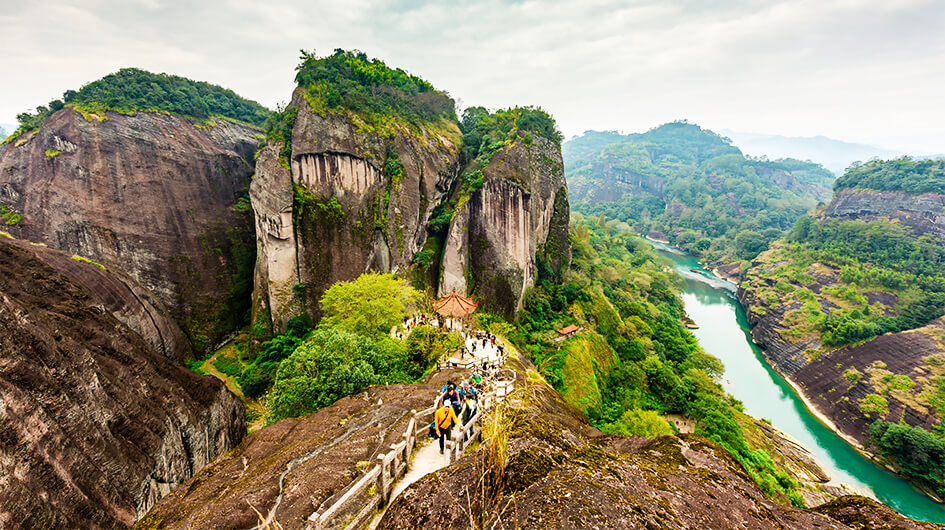 Hiking Tianyou Peak
Next, we will visit Tiger Roaring Cliff, famous for its imposing rock formations and unique Danxia landforms. Here you can admire the grotesque peaks and rocks up close and overlook the thirty-six peaks of Mount Wuyi in the distance. Along the way, we will visit Tiancheng Chan Temple, experiencing the tranquility of this ancient monastery.
Your Journey’s Rewards:
By climbing Tianyou Peak, you will learn to observe the geographical pattern where the mountains, rivers and tea plantations of Wuyi coexist in harmony. Visiting Tiger Roaring Cliff and Tiancheng Chan Temple will help you understand the characteristics of the Danxia landforms and experience the tea culture environment where natural scenery blends with Zen spirit.
Educational Focus:
What is the relationship between rock tea and rocks?
Takeaway:
Mount Wuyi features a unique Danxia landform, with rocks mainly consisting of volcanic conglomerate, conglomerate, red sandstone, shale, tuff and other types. Tea plants grow in the weathered soil formed from these rocks, hence the oolong tea produced here is also known as rock tea.
Thought Challenge:
Amid the trend of youth-oriented and fast-paced tea consumption in modern times, how can Wuyi rock tea strike a balance between upholding traditions and adapting to the younger market?
Enjoy breakfast at the hotel, then check out. Your driver and guide will transfer you to the train station or airport according to your schedule for departure. The tour concludes here.
This tour is suitable for: School, Family, Team Building, Tea Enthusiasts
What’s Included
- Experienced tour guides
- Entrance fee to all spots listed in the itinerary
- Well selected hotel accommodation
- Expert drivers and comfortable vehicles with air-conditioning
Hotel Options
| Location | Deluxe (4-star) | Comfortable (3-star) |
|---|---|---|
| Mount Wuyi | Wyndham Garden Wuyishan | Urba Hotel |
| Mount Wuyi | Manyue Select Holiday Hotel |
Wechat & WhatsApp: +86-13471279378