- Home
- Educational Travel
- China Cultural Tours
- Tea Culture Tour
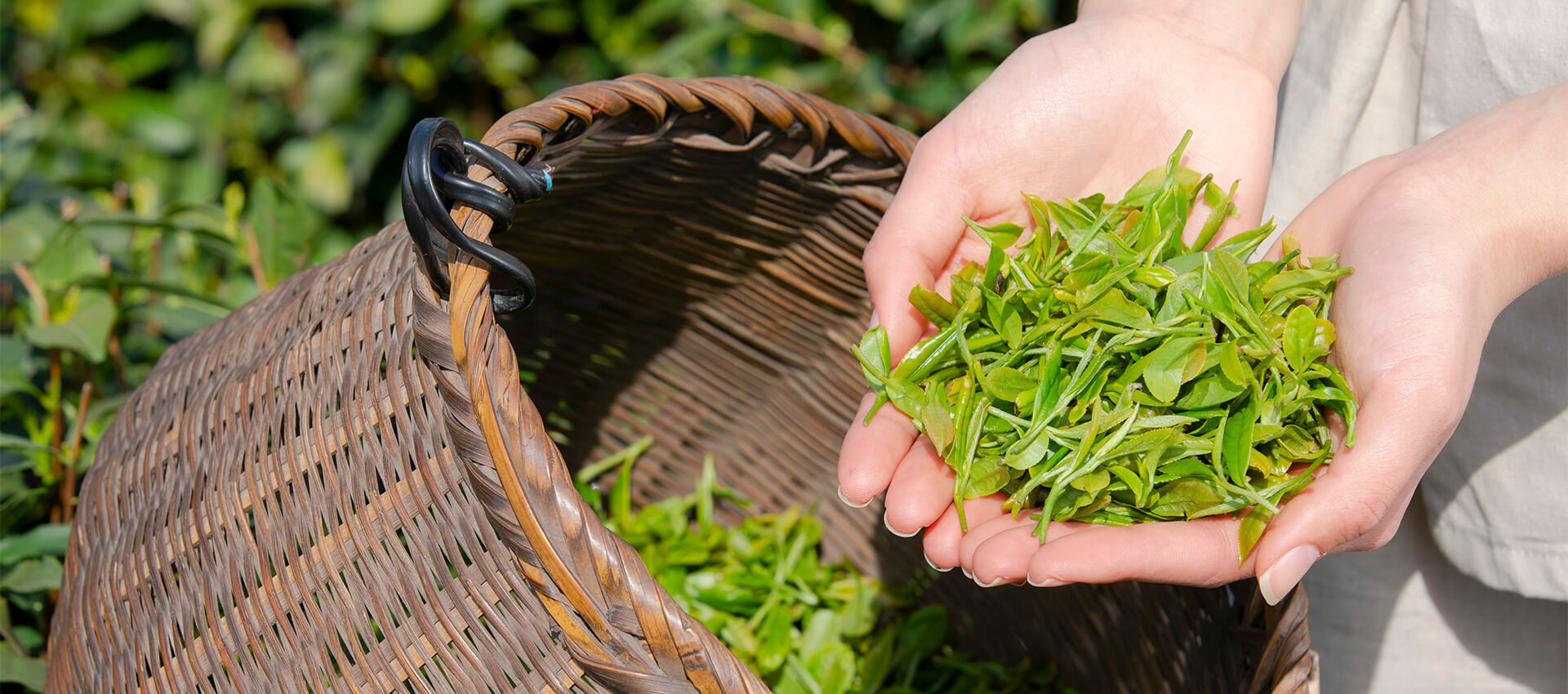
12-Day Hangzhou-Mount Wuyi-Pu'er Tea Culture Tour
Itinerary at a Glance
| Day | Location | Highlights |
|---|---|---|
| D1 | Hangzhou | Arrive in Hangzhou; hotel check-in |
| D2 | Hangzhou | Visit Meijiawu Tea Village; learn tea picking, roasting & brewing; enjoy tea-themed feast; stroll around West Lake |
| D3 | Hangzhou → Mount Wuyi | Visit China National Tea Museum and Hupao Spring; take high-speed train to Mount Wuyi |
| D4 | Mount Wuyi | Attend tea culture class; visit Jiulongke & Yanzike tea gardens; experience Zen tea; watch Impression Da Hong Pao |
| D5 | Mount Wuyi | Visit Tea Culture Park & Xiamei Ancient Village; experience handmade tea making & tea comparison tasting |
| D6 | Mount Wuyi | Join professional tea evaluation; learn Gongfu tea brewing & Song Dynasty tea-whisking |
| D7 | Mount Wuyi → Kunming | Bamboo rafting on Nine-Bend Stream; join farewell tea party; depart for Kunming |
| D8 | Kunming → Pu'er | Take high-speed train to Pu'er; transfer to Jingmai Mountain; experience Blang ethnic roasted tea |
| D9 | Pu'er | Visit Tea Ancestor Temple & Ancient Tea Forest; stroll in Dapingzhang Tea Garden; experience hand-frying tea |
| D10 | Pu'er | Visit ethnic ancient villages; attend tea culture lecture; explore Ancient Tea Horse Town night market |
| D11 | Pu'er | Visit Nakeli Ancient Tea Horse Station; tour Royal Tribute Tea Garden; enjoy Wa ethnic feast |
| D12 | Pu'er | Visit Tea Expo Park & Coffee Manor; free exploration; transfer to airport/station; tour ends |
Trip Highlights
- Explore Meijiawu Tea Village, the core area of West Lake Longjing
- Learn tea picking, roasting and brewing from local farmers
- Make rock tea by hand in a traditional workshop
- Join professional tea judging with a national first-class evaluator
- Experience Bulang ethnic roasted tea in Jingmai Mountain
- Visit Kunlu Mountain Royal Tribute Tea Garden
Tour Essentials

Quality
No Shopping Traps

Group Type
Private or Group

Tour Focus
Culture

Accommodation
Nights:11

Best Season
Spring, Summer, Autumn, Winter
Full Itinerary
Hangzhou is the hometown of West Lake Longjing Tea and boasts a thousand-year history of tea culture. Since the Tang and Song dynasties, Hangzhou has been an important cradle of tea cultivation and tea drinking culture. Upon arrival in Hangzhou as the first stop, you will be escorted to your hotel by the driver and guide for check-in.
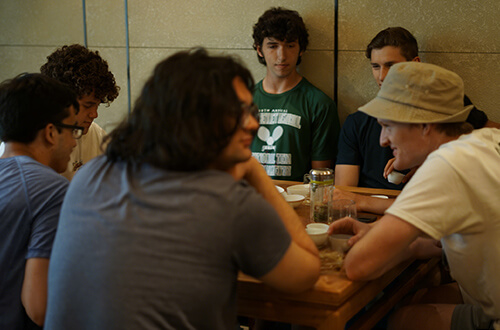
After breakfast, you will visit Meijiawu Tea Village, leaving behind the hustle and bustle of the city to enjoy a peaceful and fresh morning. Longjing tea is renowned as one of the top green teas in China. Local tea farmers will lead you up the mountain, where you can learn tea picking under professional guidance. You will experience the whole process of tea roasting, brewing and tea tasting at a local tea farmer’s home.
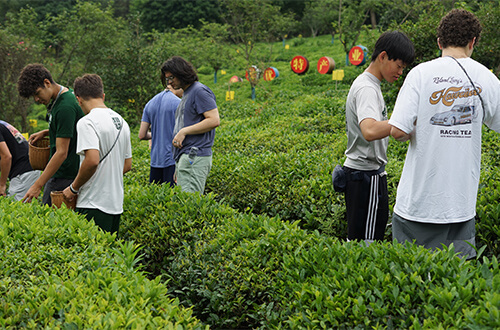 Tea Plucking Participation
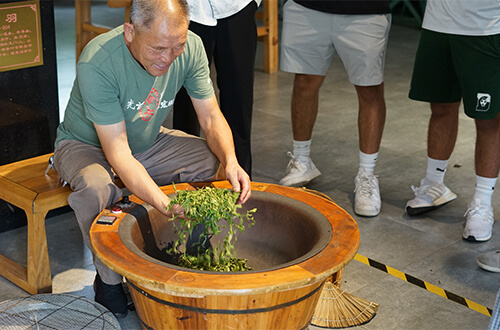 Instruction by Master Tea Makers
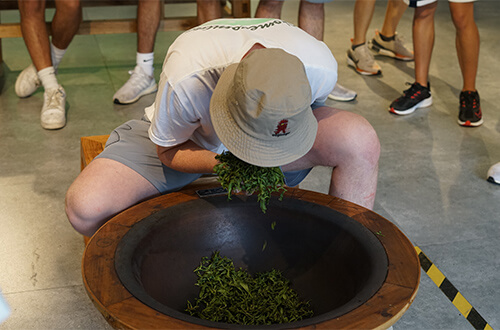 Hands-On Tea Processing by Students
 Tea Tasting
At lunchtime, you will enjoy a special tea-themed feast featuring Hangzhou dishes such as Longjing Shrimp, Braised Spring Bamboo Shoots with Soy Sauce and Tea-Scented Chicken. Paired with a cup of freshly roasted Longjing tea, you will appreciate the perfect combination of tea and delicacies.
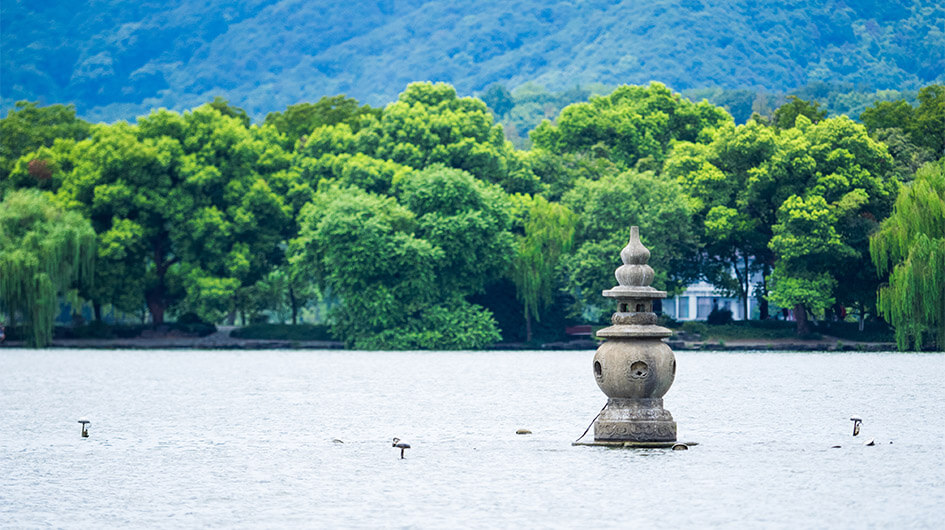
In the afternoon, you will head to West Lake, the iconic scenic spot of Hangzhou. You can stroll along the Su Causeway to enjoy the lake views including boats and weeping willows, and overlook Leifeng Pagoda while imagining the legend of the White Snake.
 West Lake
Your Journey’s Rewards:
Visit Meijiawu Tea Village, the core production area of West Lake Longjing, learn authentic tea-picking skills from local tea farmers, experience hand-made tea roasting at a tea farmer’s house, master tea-brewing techniques, acquire professional tea knowledge and taste freshly made West Lake Longjing.
Educational Focus:
How does the climate around West Lake affect the quality of West Lake Longjing tea?
Takeaway:
The production area of West Lake Longjing is located in the mountains to the west of West Lake, where the climate is mild and pleasant with evenly distributed rainfall. Especially during the growth period of spring tea, abundant rainfall creates excellent conditions for the growth and development of tea trees, laying a solid foundation for producing high-quality West Lake Longjing.
Thought Challenge:
West Lake Longjing is known for its four distinctive features: “green colour, rich fragrance, sweet taste and elegant shape”. Which one do you think best reflects the unique regional terroir of West Lake, and why?
In the morning, you will visit the China National Tea Museum, the only national first-class museum in China dedicated to tea culture, making it an ideal place to learn about the history of Chinese tea. You can tour the Shuangfeng Branch, which systematically showcases the history, varieties and processing techniques of Chinese tea. At the Longjing Branch, you will learn how tea has influenced the world and the tea-drinking customs of different countries, as well as appreciate a variety of distinctive tea utensils.
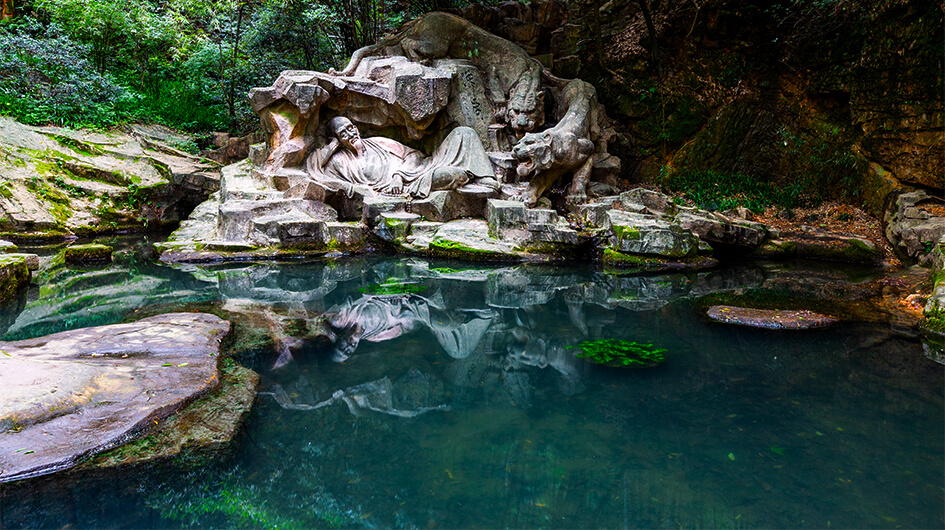
Next, you will proceed to Hupao Park to visit Hupao Spring. The spring water is clear, crisp and sweet, making it an excellent choice for brewing Longjing tea. You can also visit the Master Hongyi Memorial Hall and the Jigong Hall to learn about the legends of these two eminent monks. After that, your itinerary in Hangzhou will conclude, and you will take a high-speed train to Mount Wuyi.
 Hupao Spring
Your Journey’s Rewards:
Visit the China National Tea Museum to gain a systematic understanding of the historical development, cultural connotations, varieties and production techniques of Chinese tea. Visit Hupao Spring and experience the perfect pairing of a famous spring water and renowned tea.
Educational Focus:
Why is Hupao Spring water particularly suitable for brewing Longjing tea? What role does water play in tea tasting?
Takeaway:
Hupao Spring water originates from quartz sandstone formations. After long-term natural filtration, it has an extremely low total mineralization (only 0.02–0.15 grams per litre) and very low levels of metal ions such as calcium and magnesium, making it soft water. Low-mineral water reduces binding with tea polyphenols and catechins, allowing effective components such as tea polyphenols and amino acids to be extracted more fully, resulting in a clean and mellow tea liquor.
Thought Challenge:
Among tea variety, water quality and brewing technique, which do you think has the greatest influence on the final taste of the tea liquor?
After breakfast, you will attend a basic tea culture class. Under the guidance of a professional instructor, you will systematically learn about the history and culture of Mount Wuyi, as well as the origin and varieties of Wuyi Rock Tea, laying a solid foundation for your on-site visits.
Next, you will visit the core tea plantations of rock tea. First, you will explore Jiulongke, the home of the mother Da Hong Pao tea trees. You can stroll along the stone paths in the canyon, admire the tea bushes growing on the cliffs on both sides, and get a close-up view of the ancient mother Da Hong Pao trees while learning about their history and the origin of Da Hong Pao tea culture.
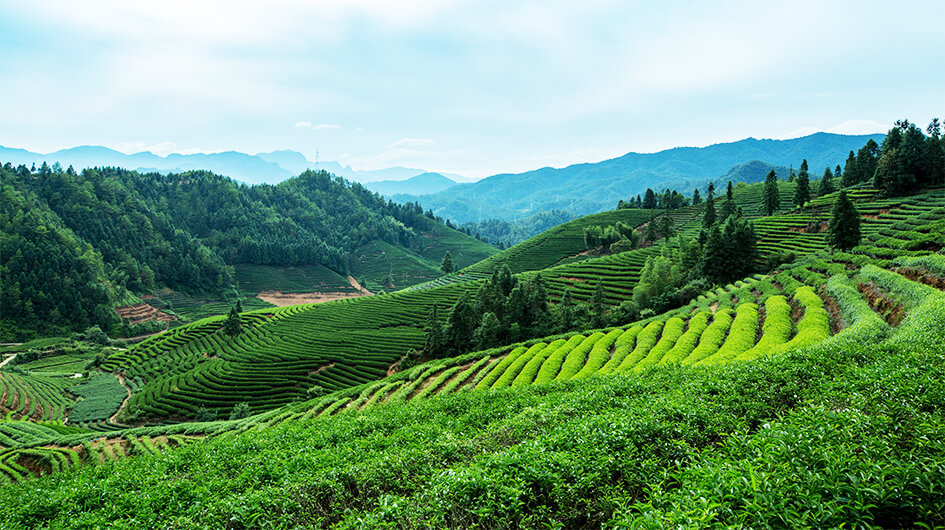
Afterwards, you will head to Yanzike National Ecological Tea Garden, one of the core production areas of authentic Zheng Yan tea in Mount Wuyi, famous for its ecological planting and traditional tea-making techniques. You will walk through the tea garden, observe the growing environment of the tea trees, and learn about the characteristics and growth habits of different tea varieties.
 Yanzike National Ecological Tea Garden
In the afternoon, you will visit Ruiyan Chan Temple. This ancient temple integrates Buddhist culture and tea culture, making it an ideal place for a Zen tea experience. You will experience Zen tea etiquette and taste Zen tea, learning about the philosophy of “Tea and Zen Share One Flavor”. After dinner, you will watch Impression Da Hong Pao, a large-scale outdoor live-action show themed on Mount Wuyi’s tea culture. Through a combination of lighting, music, dance and natural scenery, the performance vividly presents the long history and legendary stories of Wuyi tea culture.
Your Journey’s Rewards:
Attend a basic tea culture class to learn tea knowledge, brewing skills and the core connotations of tea culture; get a close view of the mother Da Hong Pao trees in Jiulongke and feel the original charm of Wuyi Rock Tea; visit the core tea-producing area of Yanzike National Ecological Tea Garden to observe ecological tea planting methods; and participate in a Zen tea experience at Ruiyan Chan Temple to learn Zen-style tea brewing techniques.
Educational Focus:
What is the core connotation of Zen tea culture, and how is Zen spirit integrated into tea brewing and tasting?
Takeaway:
The core of Zen tea culture is “tranquility, peace and focus”. During the Zen tea experience, the standardized tea-making process and gentle rhythm help people perceive the true nature of life through tea tasting, achieving physical and mental relaxation and inner peace.
Thought Challenge:
In the Zen tea experience, the tranquility of “Zen” blends with the mellow taste of “tea”. What spiritual inspiration do you think this combination can bring to modern people?
In the morning, you will arrive at Xiangjiangming Tea Culture Park. The park houses a Tea Culture Expo Hall that displays the history of tea, the distribution of tea mountains in Mount Wuyi, and extensive knowledge of tea culture, making it an excellent place to learn about Wuyi Rock Tea. Next, you will visit Xiamei Ancient Residence, the starting point of the Ten-Thousand-Mile Tea Road, which still retains its architectural style from the Ming and Qing dynasties. Free from excessive commercialization, it features only bluestone paths, gurgling streams, and the quiet calm shaped by history.
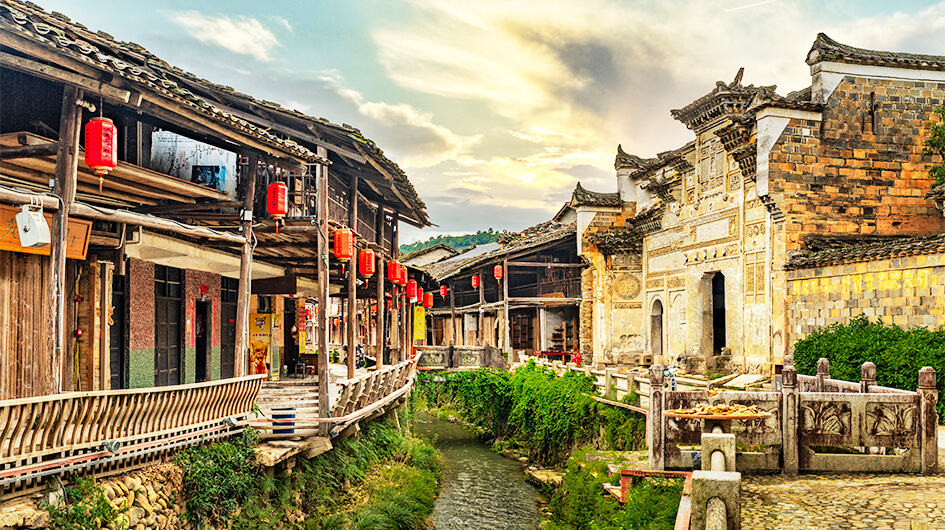 Xia Mei Ancient Residences
In the afternoon, you will visit a handmade tea workshop. Under the guidance of senior tea masters and intangible cultural heritage tea farmers, you will tour the workshop and experience traditional tea-making techniques. You will personally participate in rolling, sorting, and traditional charcoal roasting, and observe how tea leaves transform during the process. You will also take part in a comparative tasting of machine-made tea and handcrafted rock tea. By comparing their appearance, aroma, and taste, you will understand how different production techniques influence tea quality.
Your Journey’s Rewards:
Visit Xiangjiangming Tea Culture Park to gain in-depth knowledge of Wuyi Rock Tea culture, and explore Xiamei Ancient Residence to learn about the history of tea merchants. Enter a handmade tea workshop and experience traditional handcrafted tea-making techniques in person.
Educational Focus:
What are the differences between machine-made tea and handcrafted rock tea?
Takeaway:
Machine-made tea uses standardized and regulated processes with high efficiency and consistent quality. Handcrafted tea, however, depends on the experience and touch of tea masters, giving each batch unique aroma and flavor.
Thought Challenge:
The intangible cultural heritage of handmade tea-making faces inheritance challenges. How do you think we can promote the development of handmade tea?
In the morning, under the guidance of a national first-class senior tea judge, you will taste various tea varieties from Mount Wuyi. By comparing the aroma, taste, liquor color, and infused leaves of different teas, you will learn to judge tea quality and master methods to identify authentic products from imitations of popular teas such as Jin Jun Mei.
Under the instruction of a professional tea artist, you will learn the brewing skills of Wuyi Gongfu Tea, including warming vessels, adding tea leaves, pouring water, and dispensing tea, while experiencing how different brewing techniques affect the taste of the tea liquor. You will enjoy the tea with local Wuyi tea snacks such as tea cakes and tea pastries. Afterwards, you will watch a professional tea master demonstrate the Song Dynasty tea-whisking ceremony, learning about its history, utensil usage, and brewing process to experience the tea-tasting style of scholars and refined gentlemen in the Song Dynasty. You will also have the opportunity to interact with tea artists and tea judges and share your tea-tasting experiences.
Your Journey’s Rewards:
Experience the tea judging workshop and learn how to distinguish good tea from poor quality tea. Master the skills of brewing Gongfu Tea and appreciate its charm; watch a demonstration of the Song Dynasty tea-whisking art and explore ancient Chinese tea culture.
Educational Focus:
What are the core criteria for tea judging, and how can standard tea samples be used to scientifically evaluate tea quality?
Takeaway:
The core criteria for tea judging focus on four dimensions: color, aroma, taste, and appearance. Tea quality is comprehensively evaluated by observing the dry tea shape and liquor color, smelling dry and wet aroma, tasting the tea liquor, and examining the infused leaves. Standard tea samples serve as a reference to accurately distinguish tea grades, varieties, and quality.
Thought Challenge:
As an intangible cultural heritage, how do you think the ancient art of Song Dynasty tea-whisking can be better integrated into modern life?
After breakfast, depart from the dock and drift down the Nine-Bend Stream on a traditional bamboo raft, enjoying the Danxia landforms along the way and experiencing the poetic feeling of "traveling within a painting". After the rafting, you will visit a local teahouse for a farewell tea gathering. You will taste Wuyi Rock Tea while sharing your experiences and insights with your fellow participants or instructors. You will then check out of your hotel, concluding the morning’s itinerary, and depart for Kunming.
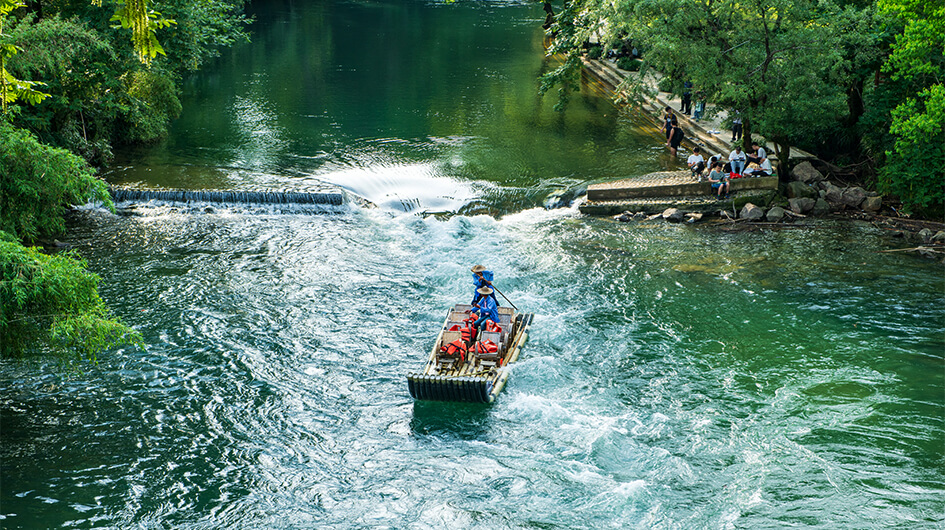 Bamboo Rafting on Nine-Bend Stream
Your Journey’s Rewards:
Take a bamboo raft tour on the Nine Bend River in the morning to appreciate the magnificent and elegant Danxia landforms of Mount Wuyi. Afterwards, join a farewell tea gathering at a local teahouse, taste a selection of premium Wuyi teas, and share your tea culture experiences and learning insights with your group.
Educational Focus:
How does the Danxia landform of Mount Wuyi influence the quality of rock tea?
Takeaway:
Mount Wuyi’s unique Danxia landforms produce mineral-rich soil from weathered rocks. As tea trees grow here, their roots absorb nutrients deep from the rock layers, creating the tea’s distinctive flavor.
Thought Challenge:
The landscape of the Nine Bend River and Wuyi tea culture complement each other. What profound impacts do you think the natural environment has on the formation and development of tea culture?
In the morning, take a high-speed train from Kunming to Pu’er. After lunch, depart for Jingmai and check into an inn on Jingmai Mountain for a short rest. In the evening, experience the Bulang ethnic group’s intangible cultural heritage — roasted tea — personally prepared by Elder Nankang, a local inheritor of the heritage. You can learn the traditional Bulang roasted tea techniques from the inheritor, taste sour tea after roasting, and listen to Elder Nankang tell stories of Bulang tea culture and legends of the tea ancestors.
Your Journey’s Rewards:
Visit Jingmai Mountain, a World Heritage Site, experience the Bulang ethnic group’s intangible cultural heritage of roasted tea, learn the complete process of tea roasting, listen to stories of roasted tea culture, and feel the charm of intangible cultural heritage.
Educational Focus:
What are the key technical points of the Bulang ethnic group’s intangible cultural heritage roasted tea?
Takeaway:
The core technique of Bulang roasted tea lies in precise control of charcoal fire temperature and roasting duration, with skillful and even shaking of the tea leaves. The goal is to roast the leaves until slightly yellowed to release their unique aroma, while avoiding over-roasting that would make the tea bitter and astringent.
Thought Challenge:
Bulang roasted tea carries the memories and wisdom of the ethnic group. How do you think such niche intangible cultural heritage tea cultures can be better understood and inherited by more people?
Upon arriving at the Ancient Tea Forests of Jingmai Mountain, you will first visit the Tea Ancestor Temple, where you will learn about the Blang people’s beliefs in Tea Ancestor Pa Ai Leng and their sacrificial traditions, and experience the spiritual core of tea culture. Next, you will visit the Bee God Tree, an ancient banyan tree intertwined with beehives that guards the tea gardens. You will then enter the core area of the Dapingzhang Ancient Tea Forest, stroll among thousand-year-old ancient tea trees, and observe the ecological landscape where tea trees and forests coexist up close.
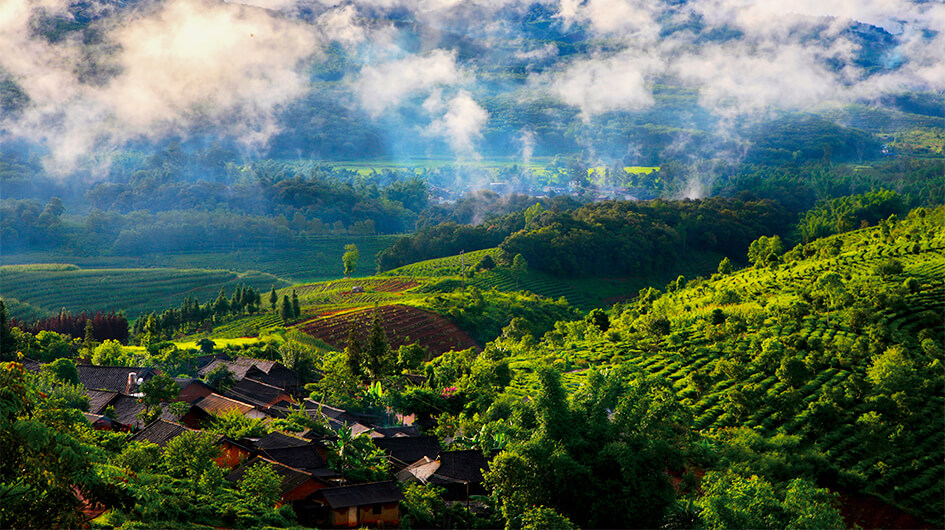 Jingmai Mountain Ancient Tea Forests
Under the guidance of local tea farmers, you will take part in hand-roasting tea and learn traditional tea-processing techniques, including tea-frying (kill-green), rolling, and drying, experiencing the transformation of tea from fresh leaves into finished products. After roasting, you may take home the tea you made yourself as a precious souvenir of this tea culture experience. You will also taste the ancient tree tea from Jingmai Mountain that you personally roasted, savoring its fresh and elegant flavor.
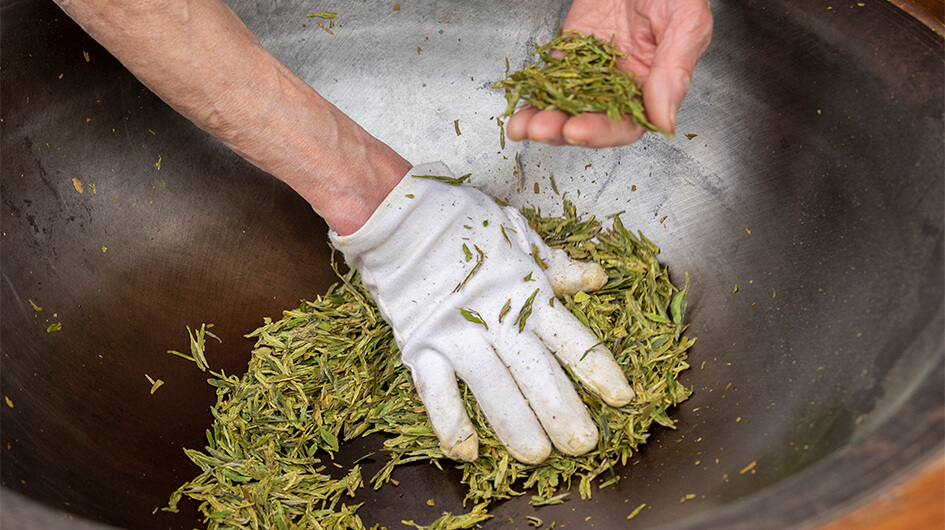 Tea Roasting Experience
Your Journey’s Rewards:
Explore the Ancient Tea Forests of Jingmai Mountain, pay homage to the Tea Ancestor and view the Bee God Tree, and experience the reverence and gratitude of Jingmai’s ancestors toward tea and nature. Feel the primitive ecological landscape of the ancient tea gardens in Dapingzhang. Take part in hands-on tea roasting and master the tea-frying techniques of Jingmai ancient tree tea.
Educational Focus:
What are the characteristics of the growing environment of ancient tea trees in Dapingzhang Ancient Tea Garden, and why have they thrived for thousands of years?
Takeaway:
Dapingzhang Ancient Tea Garden is the core area of the Ancient Tea Forests of Jingmai Mountain. It features a mild and humid climate, abundant rainfall, soil rich in humus and minerals, and freedom from pollution. Combined with the ecological tea-protection philosophy passed down through generations of local villagers, thousand-year-old tea trees have grown naturally, preserving the purest original flavor of ancient tree tea.
Thought Challenge:
What reference significance do the “Tea Ancestor belief” and “ecological tea protection” concept of the Ancient Tea Forests of Jingmai Mountain hold for the inheritance of contemporary tea culture and ecological protection?
In the morning, stroll through the ancient Blang village of Wengji, visit traditional Blang stilted houses, the village heart, Buddhist temples and other sites, and learn about the origins of Blang tea culture and traditional tea-making techniques. Then visit the ancient Dai village of Nuogan for an in-depth experience of the tea culture of ethnic minorities and a taste of local specialties.
In the afternoon, return to Pu’er to attend a professional tea culture lecture, where you will learn about the history, varieties, production techniques and tasting skills of Pu’er tea. In the evening, head to the night market in the Ancient Tea Horse Town, explore tea stalls, taste various Pu’er teas and tea-based products, and freely choose to buy souvenirs such as tea utensils and tea leaves.
Your Journey’s Rewards:
Visit the ancient Blang village of Wengji and the ancient Dai village of Nuogan to experience the well-preserved ecological culture and traditional tea culture of ethnic minorities. Attend a professional tea culture lecture to learn about the history and cultural connotations of Pu’er tea and deepen your understanding of the inheritance and innovation of the tea industry.
Educational Focus:
What traditional tea-making techniques do the Blang people have?
Takeaway:
The unique tea-making skills of the Blang people include bamboo tube tea, sour tea, and roasted tea. Among them, sour tea is a special Blang tea: fresh tea leaves are boiled, fermented, and buried underground for several months, then mixed with chili and salt for consumption, offering a distinctive sour, astringent and fresh flavor. These traditional techniques laid the primitive technical foundation for the production of Pu’er tea.
Thought Challenge:
The ancient Blang village of Wengji and the ancient Dai village of Nuogan live side by side, yet retain distinct ethnic and tea culture characteristics. What is the significance of this diversity to the inheritance of tea culture in Jingmai Mountain?
In the morning, you will arrive at Nakeli Ancient Tea Horse Station, an important post on the Ancient Tea Horse Road. Many ancient buildings and relics have been preserved here. You can experience roasted tea at the station, hike along the Ancient Tea Horse Road, and listen to the guide introduce the caravan culture. At lunchtime, you will taste special caravan dishes, such as fish boiled with pebbles, copper-pot rice, and fire-roasted beef jerky.
In the afternoon, drive to Kunlu Mountain Royal Tribute Tea Garden, the historical production area of imperial tribute tea, home to numerous ancient tea trees over 300 years old. Accompanied by local tea farmers, you will trek through the ancient tea garden to observe the growing environment of ancient tea trees up close and learn about the picking and processing techniques of tribute tea. In the evening, enjoy the Wa King Feast featuring bamboo rice, wild vegetable soup and other special dishes, experiencing the traditional cuisine and folk culture of the Wa ethnic group.
Your Journey’s Rewards:
Learn about the tea-drinking customs of caravans during their rest stops at Nakeli Ancient Tea Horse Station and taste authentic caravan dishes. Visit the royal tribute tea producing area, explore the historical origin and planting techniques of Kunlu Mountain tribute tea, and view tribute tea trees up close.
Educational Focus:
Why did the tribute tea from Kunlu Mountain Royal Tribute Tea Garden become an imperial tribute? What are the unique features of its growing environment and planting techniques?
Takeaway:
Kunlu Mountain Royal Tribute Tea Garden has a long history and served as a production area for imperial tribute tea as early as the Ming and Qing dynasties. It enjoys a mild climate, fertile soil and a pollution-free environment. Coupled with its unique climatic conditions, the tribute tea produced here features an elegant appearance, rich aroma and sweet taste. The planting techniques follow the traditional ecological model without chemical fertilizers or pesticides, preserving the pure quality of the tribute tea, making it a highly representative treasure among Pu’er teas.
Thought Challenge:
As a relic of the Ancient Tea Horse Road, Nakeli Ancient Tea Horse Station has now become a cultural tourism destination. How do you think its historical features can be better preserved?
In the morning, set off to explore the Pu’er Tea Expo Park. Here you can visit the ten-thousand-mu ecological tea garden, climb the Wenlou Tea Pavilion to overlook the sea of tea plants, gain an in-depth understanding of the planting and processing history of Pu’er tea, and taste Pu’er teas of different years.
Then head to Nandaohe Coffee Manor to learn about coffee planting, picking and processing, as well as coffee bean varieties and roasting knowledge. Take part in coffee tasting sessions, sample coffees from different origins and roasting levels, and understand their flavor characteristics.
Afterwards, you may freely explore downtown Pu’er, discover local specialties, or relax at street-side cafes and teahouses to further experience tea and coffee culture. Your driver and guide will escort you to the airport or station according to your flight or train schedule, concluding your tea culture tour.
Your Journey’s Rewards:
Visit Pu’er Tea Expo Park to tour the tea gardens and learn about Pu’er tea cultivation. At Nandaohe Coffee Manor, gain knowledge of coffee growing, roasting and brewing, and join coffee tastings.
Educational Focus:
What healthy components does Pu’er tea contain?
Takeaway:
Pu’er tea contains tea polyphenols, among which tea pigments can help lower blood lipids. It also contains alkaloids; purine alkaloids can stimulate the central nervous system, relieve fatigue and improve digestion. In addition, Pu’er tea is rich in a variety of essential vitamins, including vitamin C, B1, B2, folic acid, niacin and vitamin E. These nutrients work synergistically with caffeine and tea polyphenols to enhance overall health benefits.
Thought Challenge:
From West Lake Longjing to Wuyi Rock Tea and then to Pu’er tea, what similarities and differences do you see in tea cultures across different regions? What is the core reason behind this diversity?
This tour is suitable for: School, Family, Team Building, Tea Lovers
What’s Included
- Experienced tour guides
- Entrance fee to all spots listed in the itinerary
- Well selected hotel accommodation
- Expert drivers and comfortable vehicles with air-conditioning
Hotel Options
| Location | Recommended Hotel |
|---|---|
| Hangzhou | Holiday Inn Hangzhou CBD |
| Mount Wuyi | Wyndham Garden Wuyishan |
| Kunming | Holiday Inn Kunming City Centre |
| Jingmai Mountain | Holiday Inn Pu'er Jingmai |
Wechat & WhatsApp: +86-13471279378