Four Typical Foods on Chinese New Year
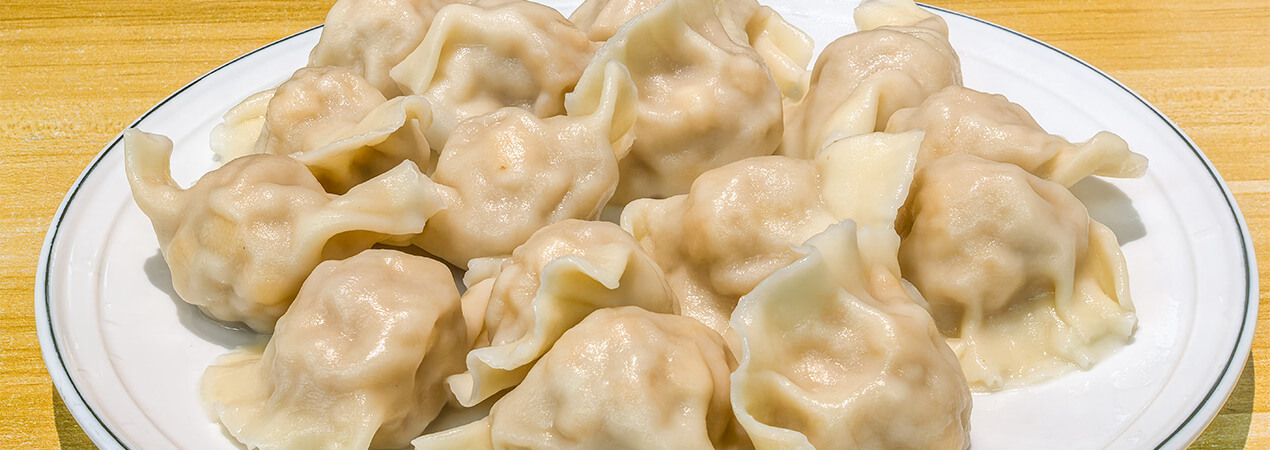
The banquet on Chinese New Year is incredibly abundant and exquisite. People especially want to eat traditional foods, because they believe these foods will bring good fortune for their family. As Chinese traditional culture affects people's diet, Spring Festival food has become a highlight of cultural travel experiences in China. Trying these festive gourmet cuisines is a great opportunity to enjoy great taste and feel warm and comfortable at New Year by trying gourmet cuisine, and even learning the cooking methods. If you plan a Spring Festival food tour in China, these typical treats are must-tries for experiencing authentic festive culture. Here is a of list several typical foods for your reference.
Dumplings: charming and creative
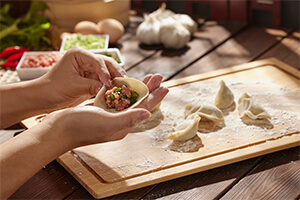
The origin of dumplings
Initially, dumplings were not a kind of food, but an effective medicine to cure chilblains on the ears. It was made of dough covered mutton, with chili, and herbal medicine against the cold. After it's cooked, eating it with its soup can improve blood circulation. As there have been advances in medicine, this prescription is no longer needed, but dumplings have become a popular food.
Types of dumplings
There are differences between dumplings from northern and southern China. The cooking methods vary, such as boiling, frying and steaming, which create dumplings with a variety of tastes and textures. There are dumpling noodles, egg dumplings, and the fish dumpling shaped ingots. You will also find different dumplings with different types of stuffing. There are savory ones like cabbage, chives, pork, beef, mutton, long beans, and celery, and there are even sweet ones. Dumplings really are the most creative and charming food in China.
The meanings of different dumplings
On New Year’s Eve, the first dish is dumplings, as it is in the shape of an ingot, meaning to bring in wealth and treasure. Cooking methods for dumplings in different areas are widely diverse. Eating dumplings with sugar stuffing implies sweet days in the New Year, and peanut in the stuffing means longevity. If someone eats a dumpling with a coin in it, he will have luck for wealth in the future. Specific Chinese culture is contained in a little dumpling.
Glutinous Rice Cakes
Unlike people in northern China, people in southern China usually eat “Nian Gao”, namely glutinous rice cakes, which when pronounced in the Chinese language sounds the same as the word for promoting every year. These are made from glutinous rice but by assorted cooking methods in the vast areas of China. The following are especially representative:
Guangdong: The glutinous rice cakes in this area can be divided to two types. There are savory ones which contain minced meat and taro, and sweet ones decorated with Chinese dates as well as melon seeds. They are a popular snack in Guangdong Spring Festival food markets. If you want to try the Cantonese cuisine, you can take a look at our Guangzhou food route. This travel route can not only satisfy your taste buds, but also let you appreciate the city food culture of Guangzhou and leave good memories.
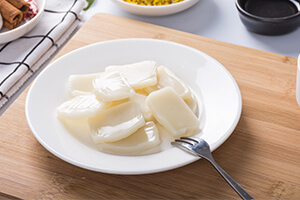 Boiled Rice Cakes
Zhejiang: The glutinous rice cakes are cut into strips, then they can be boiled in the soup, or fried with eggs, with added bamboo shoots offering special flavor. As well as these, there are two well-known types, Hangzhou and Ningbo styles. Glutinous rice cakes in Hangzhou with a pattern have a sweet taste, symbolizing good fortune in the coming year. In Ningbo, the sliced glutinous rice cakes are fried with hairy crabs, coupled with spring onions, ginger, oil, sugar, cooking wine and water.
Hainan: Here they have a distinct way to cook glutinous rice cakes. The local people like to deep fry the glutinous rice cakes, or cut them into thick slices and then roast. Head to Haikou's old town night markets during Spring Festival—you'll find street vendors roasting glutinous rice cakes right beside historic arcade buildings.
Fish
We always eat fish in our daily life. Chinese people serve fish as a symbol of abundance, which is vital dish on New Year’s Eve. In China, “To have fish” sounds just like the word of “abundance”. We usually leave some fish on the dining table after eating, symbolizing prosperity will remain for next year. Steamed fish, braised fish with brown sauce, and fish with chopped peppers, which must keep the head and tail connected, signify good luck from the beginning to the end. Tasting authentic local fish dishes can be a memorable part of your China Spring Festival travel experience.
Cured Meat: preserve the unique feeling
Cured meats are made of pork, ribs, chicken, duck, goose and fish through a process of salting, air-drying or smoking. Cooking methods for cured meat include being baked in rice, steamed, and fried. The curing is initially for preserving perishable meat, while the process gives extra flavor to the fresh meat. Cured meats are more than just food, they are part of lives and memories to be remembered by history, preserving the unique feeling of the Chinese towards flavor.They are a classic souvenir for Spring Festival food tours, and you can buy them from local markets to take home the taste of China’s New Year.
As one of the world's most popular cuisines, Chinese food is as rich and diverse as its culture. Its exquisite cooking skills, diverse ingredients and unique flavors have won it a good reputation and popularity around the world. If you want to taste different kinds of Chinese food, you can check out our food-themed journeys to learn about various food types, related cultural customs, and popular food tours.
OR
Are you eager to begin your Chinese cultural journey?
Drop us a line and we will promptly connect you with our leading China expert!
 Customs of Chinese New Year
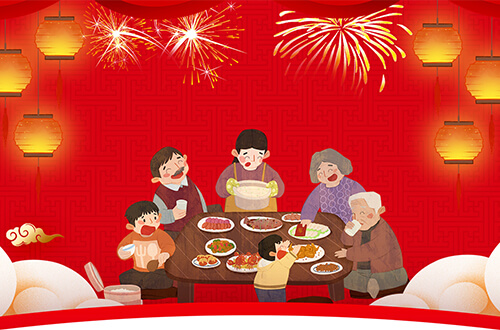
 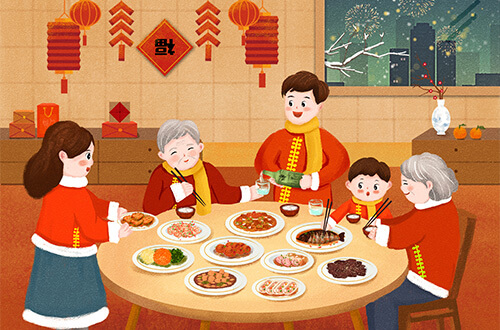 Reunion Dinner: Nian Ye Fan
  Chinese New Year
  Chinese New Year Taboos