- Home
- Chinese Culture
- Chinese Food
- Chinese Food and Health
Chinese Food and Health
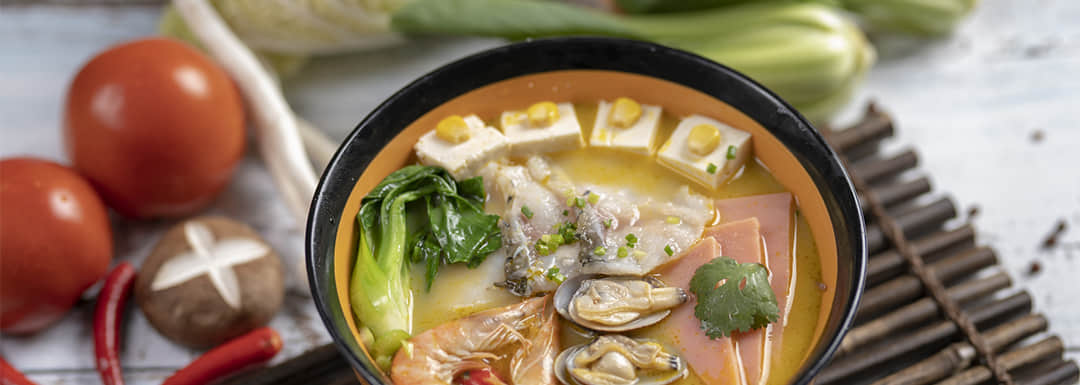
Do you just love Chinese food, and wish that you could eat it all of the time? And have you ever wondered whether Chinese takeout or “fast-food” might be a healthier choice than some of the other fast food options?
So just how healthy is Chinese food?
And, maybe more importantly, what do the Chinese believe about food and health?
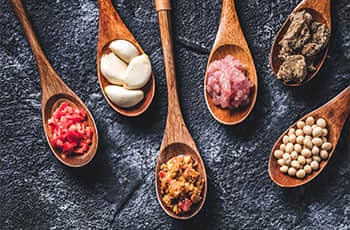
In fact, in western countries, what is called ‘Chinese food’ does not have a reputation for being healthy at all because of the heavy reliance on simple carbohydrates such as white rice and greasy noodles, and often sweet, sticky batter around deep fried fish, chicken or pork, and the frequently added flavor-enhancer, MSG. However, this is not genuine Chinese cuisine, and it is very different from what the Chinese people normally eat.
Traditional Chinese cuisine is often considered a balanced diet, thanks to its emphasis on fresh ingredients, vegetables, moderate portions, and cooking methods such as steaming and stir-frying. However, like any cuisine, its health value depends on food choices and eating habits.
Balance is an essential part of Chinese life, and is often described with the terms “yin” and “yang”. This also applies to food. A good Chinese diet balances yin (wet and moist) and yang (dry and crisp) ingredients. Yin foods cool the body down, while yang foods (meat, spicy dishes, wine, coffee) heat it up. Most protein foods are seen as yang, while carbohydrates are yin. In order to achieve equilibrium, meals should involve a variety of dishes which are shared by those around the table.
As well as this, Chinese medicine prescribes various foods as medical treatments, such as chilies to promote digestion and dispel colds, or garlic to counteract toxins. This is to allow energy, or chi, to circulate smoothly through the body.
In Chinese cuisine, vegetables can be a meal by themselves, or the main part of a meal, rather than a side-dish as often seen in western diets. On the other hand, the Chinese don’t generally eat raw salad. While raw food has a higher concentration of vitamins than cooked food, lightly cooking food (such as steaming or stir-frying) makes nutrients more bioavailable. A traditional Chinese diet has a low glycemic load, without the empty calories of sugary, nutrient-free foods.
The same is true with brown and white rice. While brown rice contains more nutrients than white rice, it takes extra energy to break them down. Moderation is an important principle of Chinese cuisine, and both brown and white rice can be eaten alternately, and always in moderation.
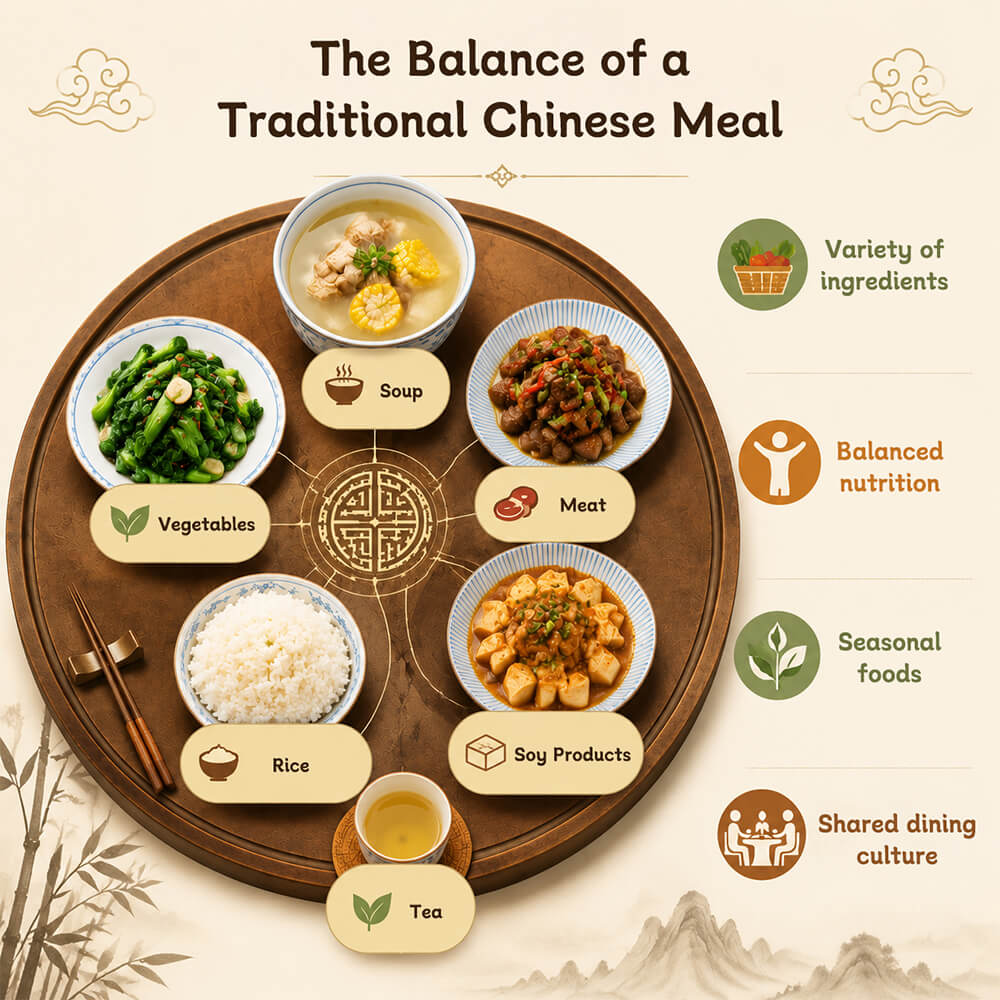 The Balance of a Traditional Chinese Meal
Eating rice along with the meal makes it possible to feel full, and then stop. The Chinese eat only until they are full, and tend to have three good meals every day.
Red meat should be eaten, but only in moderation. A small amount a couple of times a week is better than none at all, or lots. And it should be eaten along with plenty of vegetables (lightly cooked) and rice or noodles.
Chinese meals usually include soup, or a soup-based dish, often in the form of a watery porridge, which is much healthier than a soft drink or even water as is common in the western diet. The Chinese are also keen on drinking green tea, which eliminates toxins, aids digestion and allays hunger. Scientists have found that it also fights free radicals, which cause cancer and heart disease.
Recommended Tour: 12-Day Hangzhou-Mount Wuyi-Pu’er Tea Culture Tour
If you would like to experience the Chinese philosophy of “nourishing health through tea,” this 12-Day Hangzhou-Mount Wuyi-Pu’er Tea Culture Tour will take you to three of China’s most renowned tea regions and introduce you to the rich traditions of Chinese tea culture. Starting in Hangzhou, you will visit Meijiawu Tea Village, stroll through Longjing tea fields, and learn tea picking, roasting, and tasting from local tea farmers while discovering the traditional craftsmanship behind West Lake Longjing green tea. The journey continues to Mount Wuyi to explore Da Hong Pao and Wuyi Rock Tea culture, before heading to Pu’er in Yunnan to visit ancient tea gardens and learn about the history and traditional production techniques of Pu’er tea.
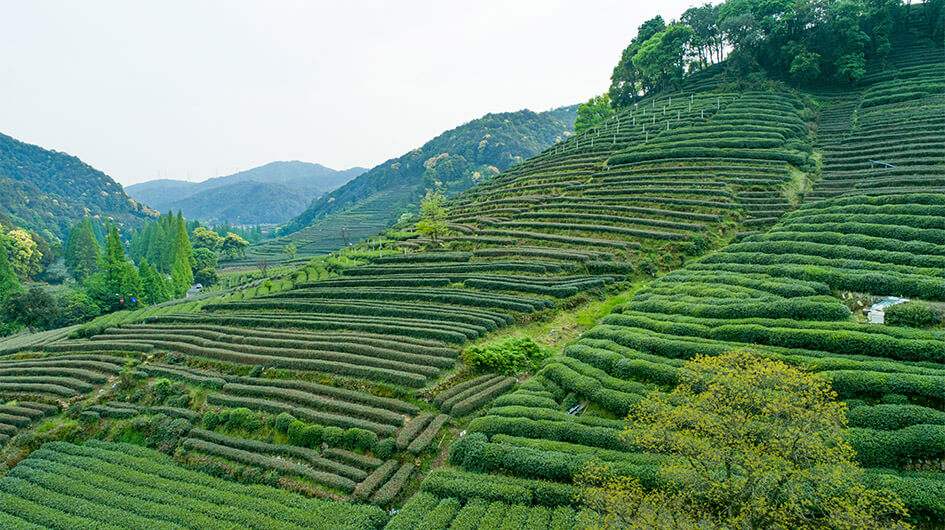 Meijiawu Tea Fields
So, yes, Chinese takeout can be healthy if you eat it in moderation, and make healthy choices such as lean proteins, delicious vegetables, while avoiding high sodium dishes and those containing MSG. Overall, following a genuine Chinese diet will guarantee you good health.
Food is one of the best ways to understand China. During a China culinary tour, travelers can discover how local ingredients, cooking techniques, and dining traditions reflect Chinese history and lifestyle.
Recommended Tour: China Food Tours
China Educational Tours can customize your food journey based on your interests, travel style, and schedule, creating a personalized culinary experience in China.
OR
Are you eager to begin your Chinese cultural journey?
Drop us a line and we will promptly connect you with our leading China expert!
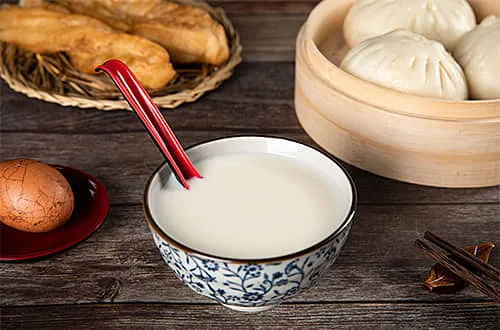 What the Chinese Eat for Breakfast
 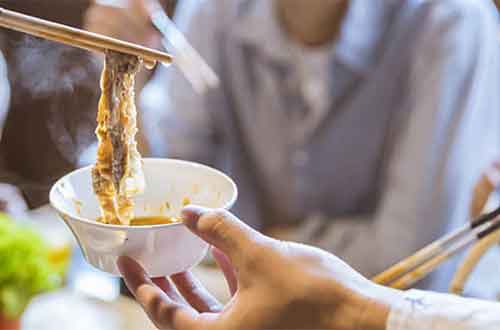 Restaurants, Customs and Etiquette
 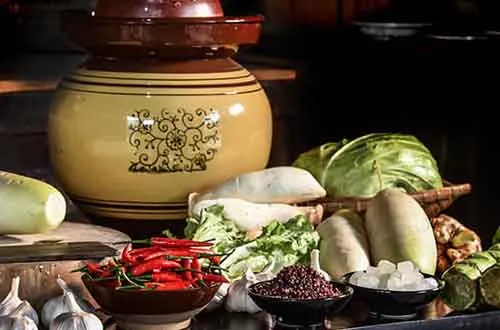 Staples, Tofu and Vegetables
 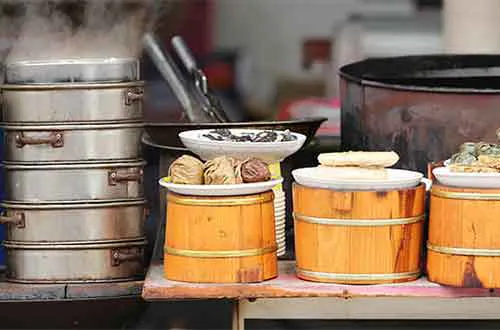 Chinese Cooking Methods