- Home
- Chinese Culture
- Chinese Lantern Festival
- About Chinese Lanterns
Chinese Lanterns
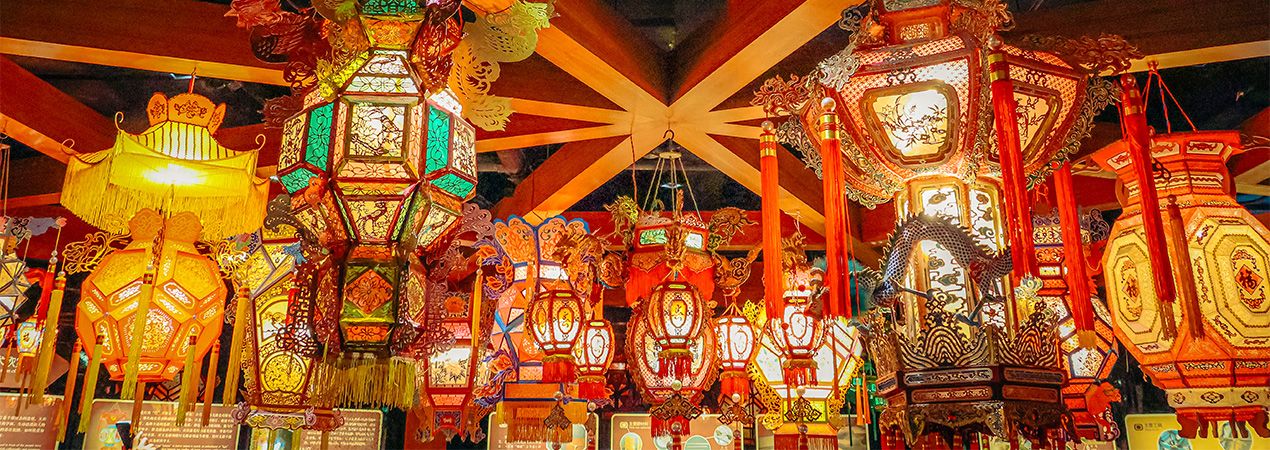
The Chinese lantern was used as a tool of illumination; it can be traced back to the West Han Dynasty (202BC-8AD). In ancient times, a lit lantern was a sign of the entrance to a house. Since its development, the lantern has been a classical Chinese symbol. The patterns in its design combine painting art, paper cutting, and embroidery. Hanging the big red lanterns symbolizes luck and prosperity, which shows on the streets during the major festivals.
Hanging Lanterns
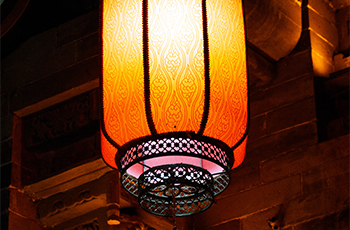 Hanging Lanterns
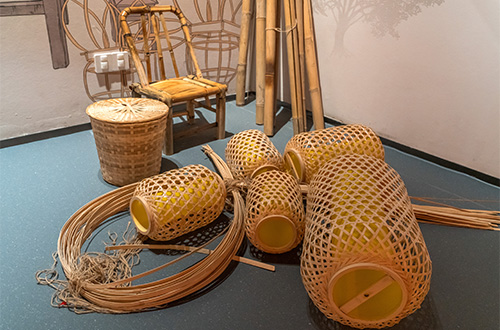
Lanterns in ancient times were shaped like a cage with a frame of thin bamboo and iron strips covered with paper or silk, and a candle lit inside it. As handicrafts are increasingly delicate, Chinese lanterns have developed into assorted and skillful artworks.
Palace Lanterns
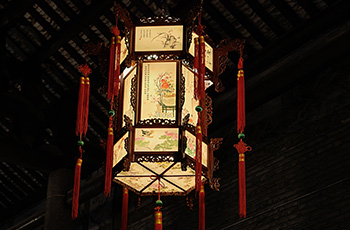 Palace Lanterns
The palace lanterns are specifically used in the imperial palace, starting from the East Han Dynasty (25AD-220AD) and flourishing in the Sui and the Tang Dynasty (581AD-907AD). The palace lanterns are tetrahedron, hexahedron, and octahedron. Each side was painted with auspicious pictures, and decorated with exquisite and complex ornaments to show regal splendor.
Sky lanterns
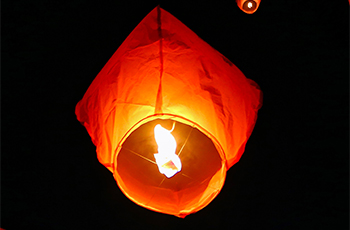 Sky lanterns
The most splendid view is when the sky lanterns are released at night. The sky lantern is made of rice paper as a lampshade and the flame propels the lantern from the bottom bracket. After releasing, the sky lanterns looks like small fireballs floating in the air.
Ice Lanterns
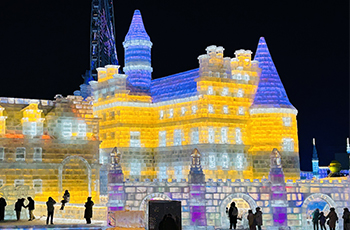 Ice Lanterns
In Harbin, people obtain the necessary materials locally. Originally, a hollow ice lampshade was made with a bucketful of frozen water, with a candle or an oil lamp put in it. Nowadays, LED lamps are placed in each slot of ice cubes. The molds have become more diversified; lanterns come in different shapes, such as birds, animals, fruit, flowers, and fish.
Harbin hosts its renowned Ice Lantern Festival every winter. Magnificent ice lanterns and ice sculptures light up the entire city, forming one of China’s most iconic winter tourism attractions and drawing massive numbers of domestic visitors. During the 2024–2025 ice and snow season, Harbin received a total of 90.357 million tourists. For international travelers, besides admiring exquisite ice lantern art, they can also visit popular winter landmarks including Harbin Ice and Snow World and Central Street to experience China’s unique ice and snow culture.
Revolving Lantern
The revolving lantern is a unique traditional Chinese craft popular for the Lantern Festival and Mid-Autumn Festival. When a candle is lit inside, hot air currents rotate the central axle fitted with paper-cut artworks. Candlelight projects the silhouettes of the paper cutouts onto the lantern screen, creating endlessly moving visuals. It is regarded as one of the earliest forms of "animated motion pictures" in ancient times.
Gauze Lantern
Crafting traditional gauze lanterns combines woodworking, carving, lacquer finishing and painting, requiring dozens of intricate procedures. Supported by a frame of thin bamboo strips and covered with delicate gauze, these lanterns cast soft, gentle light and are mostly square or hexagonal. They stand as one of the most representative styles of classic Chinese lanterns.
Rabbit Lantern
Rabbit lanterns are traditionally built with rabbit-shaped frames woven from bamboo strips, covered with white cloth, gauze paper or rice paper, then hand-painted with rabbit facial details. Modern rabbit lanterns often adopt new materials including iron wire and LED lights. The folk custom of children parading while carrying rabbit lanterns originated as early as the Southern and Northern Dynasties, carrying people’s sincere wishes for abundant harvests and flourishing humans and livestock. Today, rabbit lanterns are widely used for traditional festivals such as the Lantern Festival and Mid-Autumn Festival, and serve as popular children’s toys or props for folk performances.
During the Lantern Festival, numerous cities across China hold lantern fairs of varying scales. Colorful lanterns blend beautifully with night views, presenting visitors with a spectacular visual feast. If you wish to immerse yourself in the festive vibe of the Lantern Festival, we recommend visiting Zigong in Sichuan, Yu Garden in Shanghai, Xi’an and other destinations to appreciate their distinctive lantern displays. For those eager to experience authentic Lantern Festival culture firsthand, we can customize themed tours based on your itinerary. Activities include lantern viewing, lantern riddle guessing and traditional lantern-making workshops, allowing you to gain a deeper understanding of this age-old traditional festival.
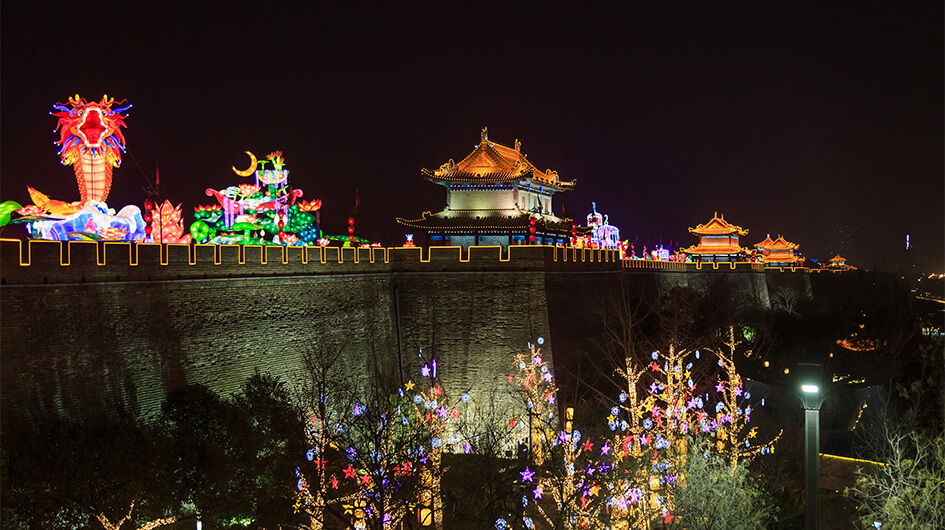 Xi'an City Wall Lantern Show
OR
Are you eager to begin your Chinese cultural journey?
Drop us a line and we will promptly connect you with our leading China expert!
 Chinese Lantern Festival
  How to Make a Chinese Lantern
  How Do Chinese Celebrate
  What is a Mooncake?