- Home
- City Tours
- Pingyao Tours
- 10-Day Xi'an, Datong, Pingyao & Beijing Tour
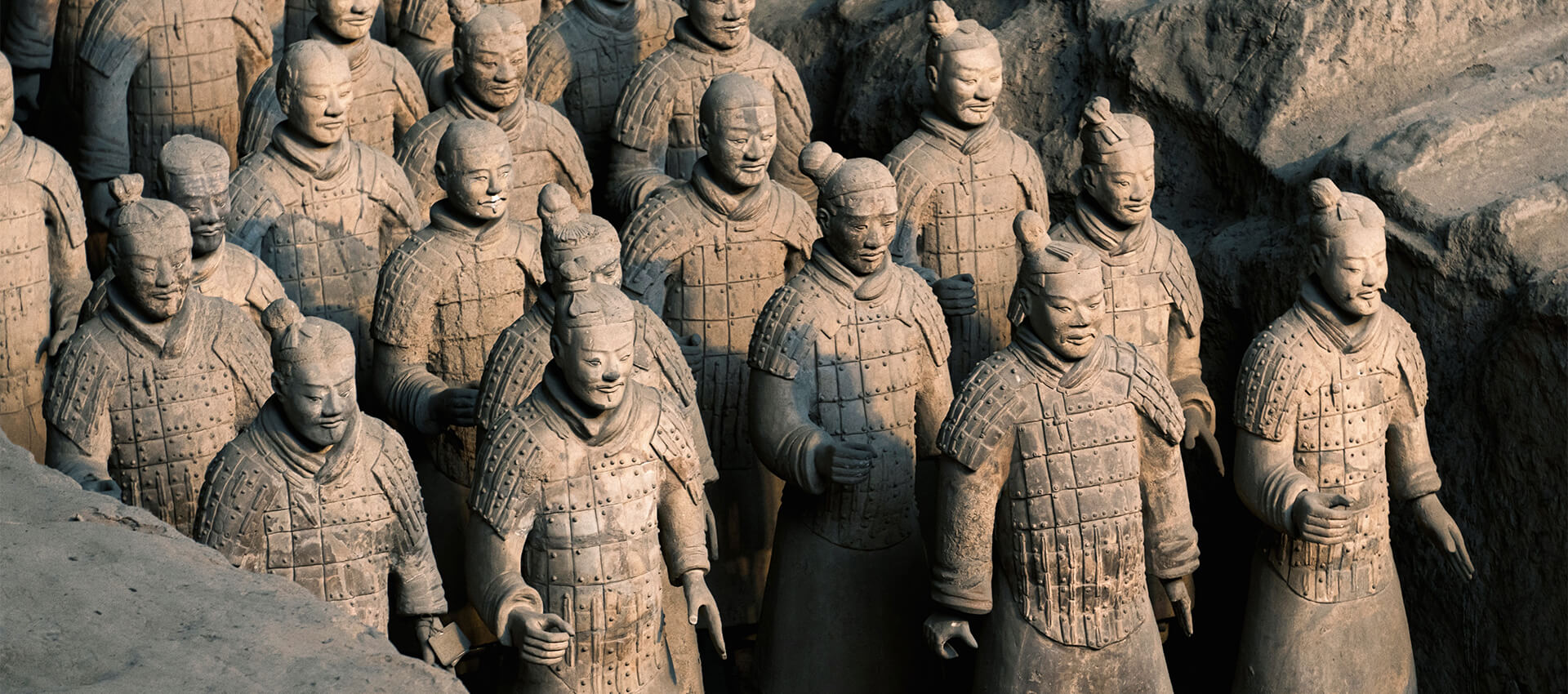
10-Day Pingyao & Ancient China Wonders
Bring your curiosity for this fun trip to China's best spots! We'll go from Xi'an's Terracotta Warriors (you can make your own mini warrior!) to Beijing's Great Wall—we'll also bike along ancient city walls, make dumplings with locals, and stare in awe at cliffside temples. You'll watch shadow puppets come alive, visit UNESCO caves, and cheer for amazing fire shows. High-speed trains will take you between places, so you can see imperial palaces, merchant mansions, and even learn to do traditional paper-cutting—all while making memories that last forever!
Itinerary at a Glance
| Day | Location | Highlights |
|---|---|---|
| D1 | Xi'an | Arrive, take arranged pick-up to hotel for check-in; spend rest time freely, try snacks at Huimin Street if energetic |
| D2 | Terracotta Army Museum-Xi'an City Wall | See life-sized Qin terracotta soldiers, make small terracotta figures by hand; rent bike to ride along the wall, stop at crenels to watch streets |
| D3 | Small Wild Goose Pagoda & Xi'an Museum-Local Family-Gao Family Courtyard-Datang Never-Sleeping City | Visit pagoda and museum, see cultural relics; make and eat dumplings with locals; walk courtyard, watch shadow puppet show; visit lit street, see Tang-style clothes and shows |
| D4 | High-Speed Train-Yungang Grottoes-Datong Ancient City Wall | Take train to Datong, enjoy scenery, listen to history intro; see Buddha statues and carvings at grottoes; climb wall to enjoy night view, feel breeze |
| D5 | Hanging Temple-Huayan Temple-Prince Dai's Mansion | Visit cliffside temple, feel its structure; tour temple, see grand halls and unique bodhisattvas; watch Nuo dance, fireworks puppet show and fire show |
| D6 | High-Speed Train-Pingyao Ancient City Wall-Rishengchang Draft Bank | Take train to Pingyao, listen to history and folk culture intro; climb wall, overlook gray-tiled roofs; visit draft bank, see old account rooms, learn financial smarts |
| D7 | Wang Family Compound-Zhangbi Ancient Castle | Admire compound's architecture and carvings, feel Shanxi merchant culture; explore castle's underground tunnel, make cloth tigers/paper cuttings/round fans |
| D8 | High-Speed Train-Tiananmen Square-Forbideen City | Take train to Beijing, listen to itinerary intro, check in hotel for rest; see square's grand sights; visit palace buildings, learn Ming and Qing royal history |
| D9 | Mutianyu Great Wall-Temple of Heaven | Hike or take cable car to climb the Great Wall, stand on watchtowers to view mountains; visit ritual buildings, walk in courtyards, feel peace and solemnity |
| D10 | Beijing | Pack bags with memories and souvenirs; go to airport, glance at Beijing streets, take return flight |
Trip Highlights
- Make small terracotta figures by hand at Terracotta Army Museum
- Bike along Xi'an Ancient City Wall to enjoy city views
- Make and eat dumplings with local families in Xi'an
- Explore Yungang Grottoes to see ancient Buddha carvings
- Make cloth tigers/paper cuttings at Zhangbi Ancient Castle
- Hike or take cable car to climb Mutianyu Great Wall
- Watch shadow puppet show at Gaojia Courtyard in Xi'an
Tour Essentials

Quality
No Shopping Traps

Group Type
Private

Tour Focus
Culture, Historical Site

Accommodation
Nights:9

Best Season
Spring, Summer, Autumn, Winter
Full itinerary for 10-Day Pingyao & Ancient China Wonders
Based on your flight/high-speed train schedule, we will arrange an airport/train station pick-up service to take you to the hotel for check-in. You can spend the rest of the time freely to get a first feel of Xi'an. If you have the energy, you can go to Huimin Street to try Xi'an snacks.
Go to the Terracotta Army in the morning. It is built based on the mausoleum pits of Qin Shihuang's Terracotta Army. The terracotta pits were discovered in 1974, and the museum opened in 1979. Its main attractions include Pit 1, Pit 2, Pit 3 and the Bronze Chariots and Horses Exhibition Hall. There are a large number of life-sized terracotta warriors and horses in the pits, known as the "Eighth Wonder of the World". Here, you can not only see the lifelike Qin Dynasty terracotta warriors, but also make a small terracotta warrior by hand, letting you feel the skills of ancient craftsmen.
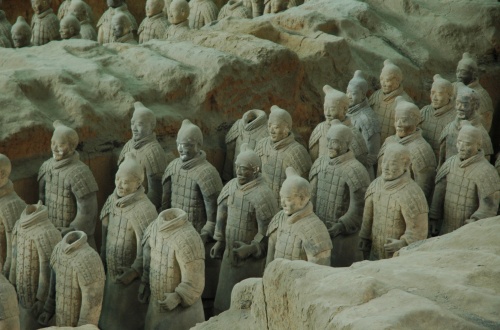 Terracotta Army
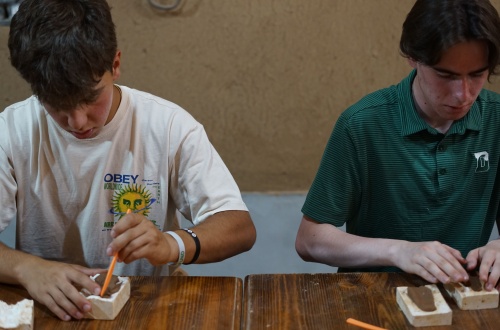 Making a small terracotta warrior
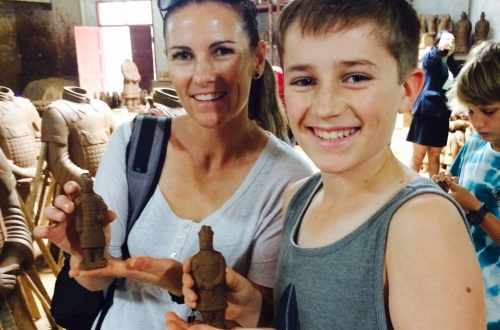 Terracotta Army Clay Figure
In the afternoon, visit Xi'an City Wall, the best-preserved ancient city wall in China. Rent a bike and ride along the wall: feel the wind on your face as you enjoy the view of old and new parts of the city blending together. When you're tired, stop by the wall's crenels to look down at the lively street scenes below, and fully experience the ancient charm of Xi'an.
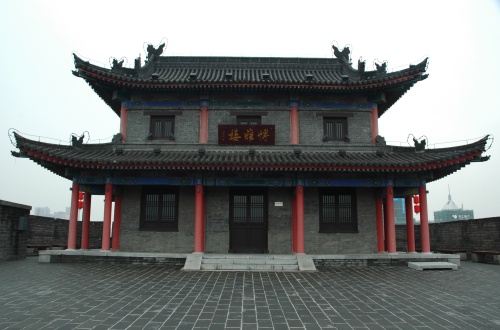 The watchtower on the Xi'an City Wall
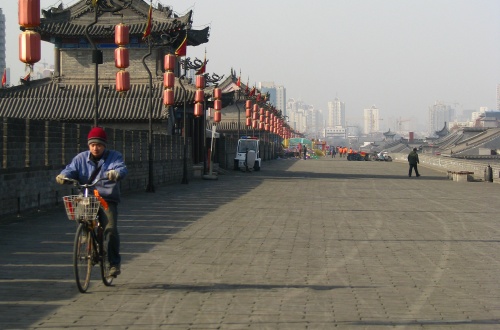 Xi'an City Wall
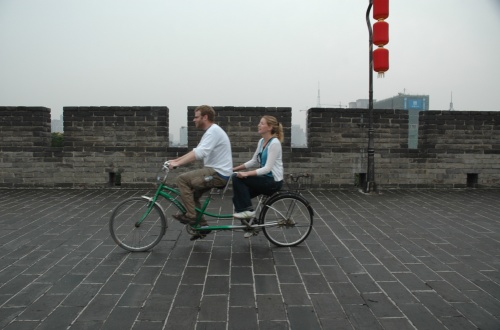 Ride along the city wall
Your Journey's Rewards:
See life-sized Qin terracotta soldiers; make small terracotta figures by hand to feel ancient craftsmanship; visit China's best-preserved ancient city wall; bike along the wall to enjoy blended old-new city views; stop at crenels to watch lively streets and experience Xi'an's ancient charm.
Educational Focus:
What can the life-sized Qin Dynasty terracotta soldiers and hands-on terracotta-making teach us about the Qin's craft standards and cultural values?
Takeaway:
The life-sized Qin terracotta soldiers and hands-on making let you see the Qin Dynasty's strict craft rules and hierarchical culture clearly. All soldiers are the same life size—this shows standardized craft management. Each figure's height, posture and details follow the same rules, because the Qin valued order and efficiency after unifying China. Their real-looking faces and detailed armor also prove high craft standards; artisans had to learn exact modeling and carving skills. Hands-on making helps you understand the work and skill needed: every step from kneading clay to shaping is like what patient, skilled ancient artisans did. Culturally, the soldiers' big group and life-like look also show the Qin wanted to display imperial power and military strength, using crafts to keep hierarchical order and national fame.
Thought Challenge:
The Qin dynasty mastered large-scale creative standardization, what lessons might this hold for today's tension between automated production and preserving artistic individuality?
Start your morning at the quiet Small Wild Goose Pagoda. It's not as busy as the Big Wild Goose Pagoda – instead, it has a calmer, older feel. Walk around the Small Wild Goose Pagoda area, and you'll see the pagoda that has stood through thousands of years of weather. You can also enjoy the soft, peaceful feeling of the "Morning Bell at the Wild Goose Pagoda." Next to it is Xi'an Museum – don't miss it! The museum has lots of valuable old things, from Shang and Zhou dynasty bronze items to Tang dynasty clay dolls. Each one tells stories about Xi'an's past.
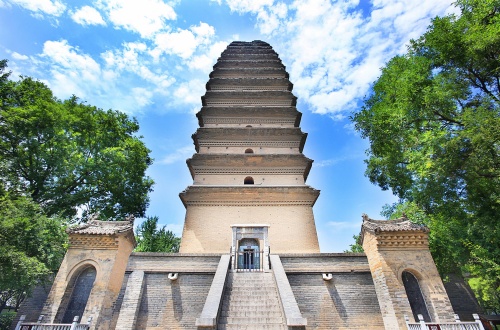 Small Wild Goose Pagoda
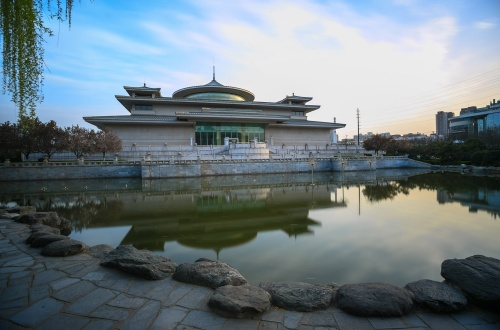 Xi'an Museum
In the afternoon, we'll go to a local family's home to try making dumplings. You'll knead dough, roll wrappers and fill dumplings with the friendly locals. Chat with them about daily life in Xi'an, then eat the dumplings you made – you'll feel really happy. After that, go to Gao Family Courtyard. Walk around the old-style yard, then watch a great shadow puppet show. The lively characters on the screen will make you think you're in an old story.
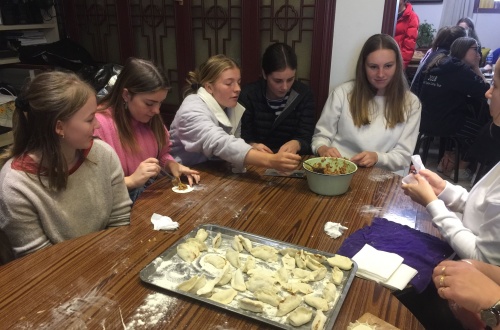 Making dumplings
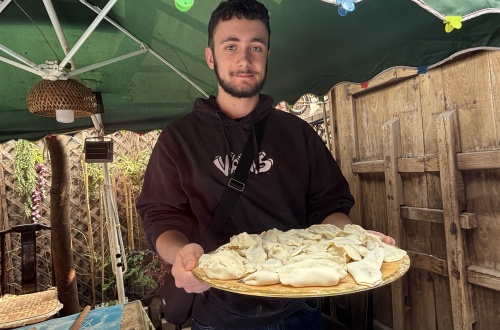 Take the dumplings that have been wrapped and boil them
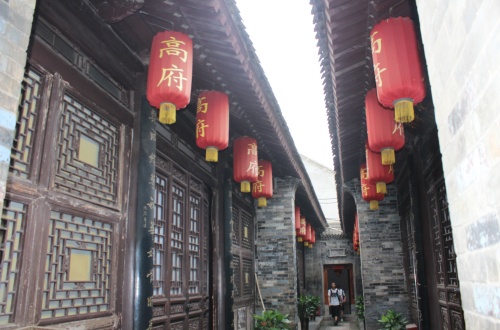 Gao Family Courtyard
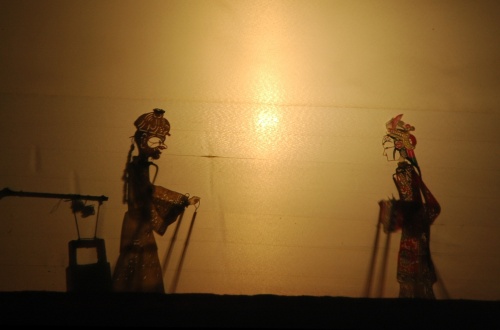 Shadow puppet show
At night, visit Datang Never-Sleeping City. When the lights turn on at dusk, the whole street is lit up with bright lights. You'll see people in Tang dynasty clothes everywhere, plus fun street shows. It feels like you jump back to the busy Tang dynasty in a second – it's really lively.
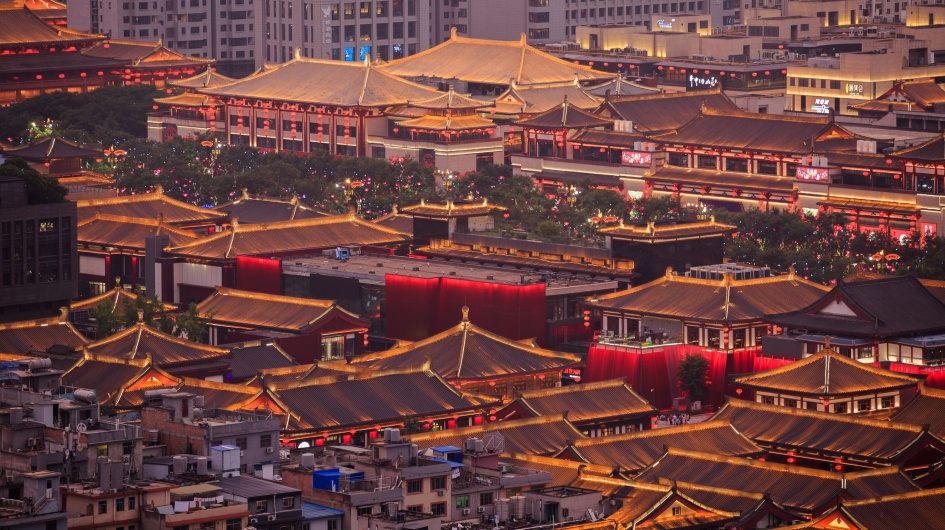 Datang Never-Sleeping City
Your Journey's Rewards:
Visit the quiet Small Wild Goose Pagoda; enjoy the "Morning Bell at the Wild Goose Pagoda"; explore Xi'an Museum's old valuable items; make and eat dumplings with local families; walk around Gaojia Courtyard; watch shadow puppet shows; visit Datang Never-Sleeping City at night.
Educational Focus:
How do the cultural relics in Xi'an Museum (from Shang and Zhou bronzes to Tang clay dolls) show the continuity and changes of Xi'an's history over different dynasties?
Takeaway:
Xi'an Museum's cultural relics—from Shang and Zhou bronze items to Tang clay dolls—clearly show how Xi'an's history stayed the same and changed. For what stayed the same, these relics all prove Xi'an was an important political and cultural center through dynasties: Shang and Zhou bronzes, often used in rituals or official events, show early state-level cultural activities here; Tang clay dolls, which show daily life or court scenes, prove the city stayed a prosperous capital. For what changed, the relics' uses and styles shifted with dynasties: Shang and Zhou bronzes focus on being serious and ritualistic, while Tang clay dolls focus on being real and about daily life—this shows social culture moved from ritual-focused to more life-focused. This mix of sameness and change helps people see how Xi'an's history developed and was passed down.
Thoughts Challenge:
The city's historical continuity and changes are in Xi'an's cultural relics—so how can these old relics help modern people connect better with the past without making their historical meaning too simple?
This morning, we'll take the high-speed train to Datong. You can enjoy the scenery outside the window along the way, and the tour guide will explain Datong's history too—this helps you get more into the journey ahead here.
We'll arrive in Datong in the afternoon and head straight to Yungang Grottoes. It's one of China's four major grottoes and a world cultural heritage site. Step into the grottoes, and the Buddha statues will shock you—some are tall and grand, some look kind. The carvings on the statues are super nice and still clear after thousands of years. Every grotto has deep history and culture, so you can't help but admire ancient craftsmen's wisdom and skills.
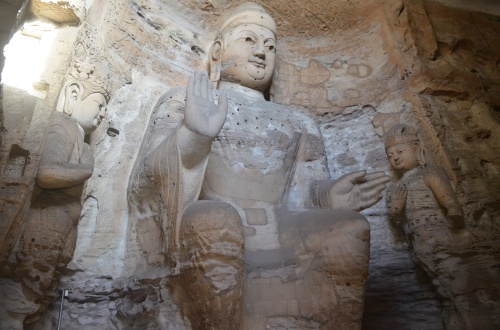 The gaint Buddha statues of Yungang Grottoes
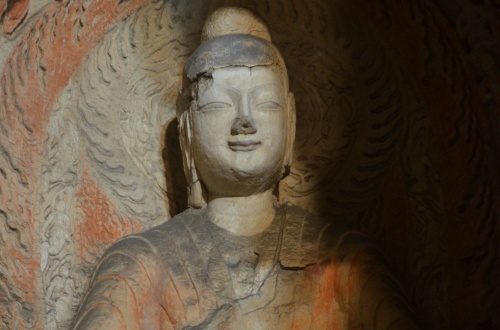 The colored Buddha statue of Yungang Grottoes
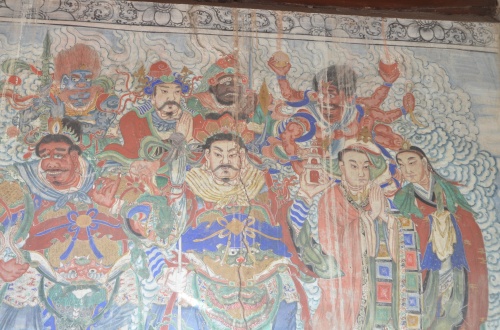 Yungang Grottoes's murals
We will be at the Datong Ancient City Wall (rampart) this evening to enjoy the night view. When night comes, the lights outline the wall into a beautiful shape. Climb up and walk on it—you'll see old-style buildings inside the city and modern night views outside, going well together. The evening breeze blows, and with this special night view, you'll feel really comfortable.
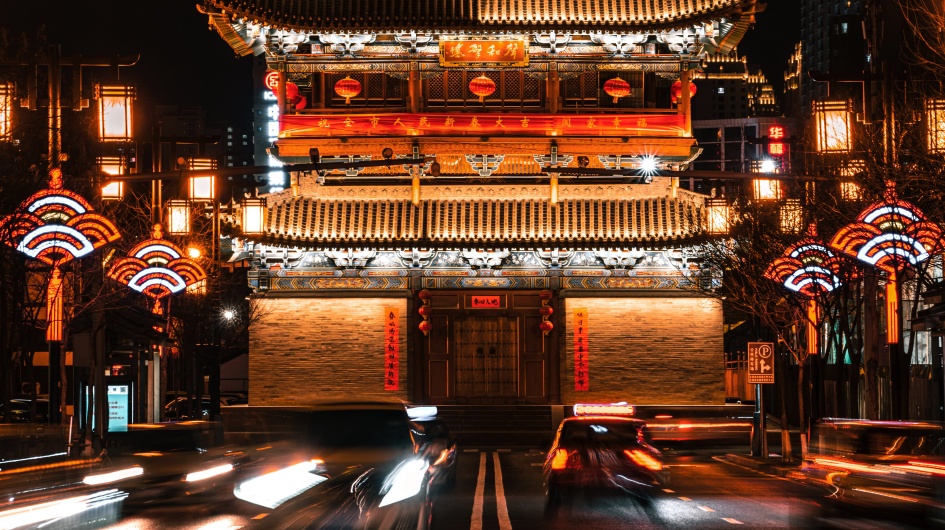 Datong Ancient City Wall at nights
Your Journey's Rewards:
Ride the high-speed train to Datong and enjoy scenery outside the window; hear Datong's history from the tour guide; go to Yungang Grottoes to see Buddha statues and carvings; praise ancient craftsmen's wisdom; visit Datong Ancient City Wall to enjoy night views and the evening breeze.
Educational Focus:
How do the Buddha statues and carvings in Yungang Grottoes show the combination of ancient Chinese art and religious culture?
Takeaway:
The Buddha statues and carvings at Yungang Grottoes clearly show how ancient Chinese art and religious culture mix. For religious culture, the statues—tall and grand, with kind looks—reflect Buddhist ideas of compassion and solemnity. They carry Buddhist beliefs and meet ancient people's spiritual needs. For art, the nice carvings on the statues show mature ancient Chinese carving skills: detailed lines, lively postures and right figure proportions all prove the high artistic level back then. Also, putting religious themes into art makes the statues not just religious symbols but also works of art. This mix lets religious culture be passed down through art and enriches ancient Chinese art's meaning, creating a special cultural heritage that joins faith and beauty.
Thoughts Challenge:
If Yungang Grottoes' art and religious culture have been preserved for thousands of years, how can we ensure that modern interpretations of these grottoes do not separate their artistic value from their religious roots?
This morning, we'll visit the Hanging Monastery. It's an architectural wonder built on a cliff. Step onto the temple and walk its hanging corridors—you'll feel the wooden planks under your feet shake a little. With cliffs beside you and ancient-style buildings in front, every step has surprises. Get close to this thousand-year-old temple to feel its unique structure and admire the ancients' courage and wisdom.
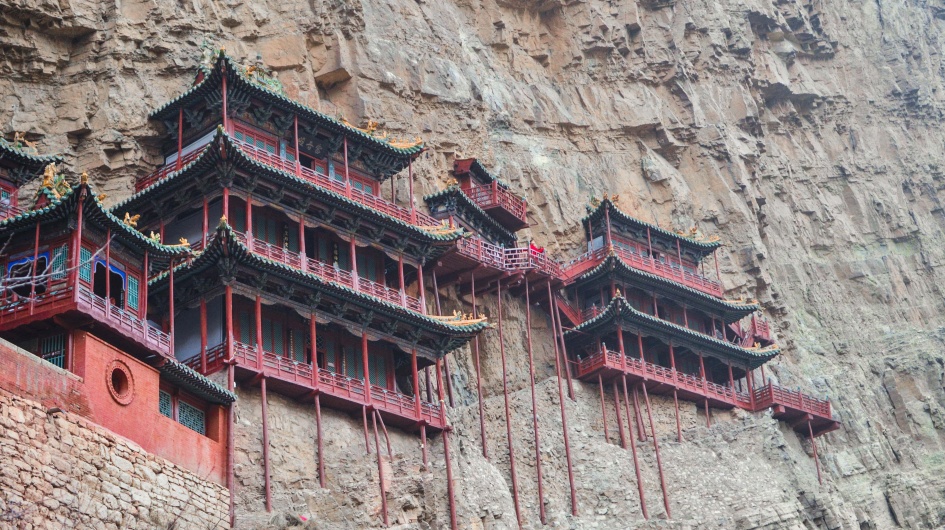 Hanging Monastery
We'll tour Huayan Temple in the afternoon; it's one of Datong's iconic temples. Inside, the Great Buddha Hall is grand—there are solemn Buddha statues, nice murals and sculptures. Every corner has an old, solemn feel that calms people's hearts. The temple's Liao and Jin dynasty buildings are grand, and the "Bodhisattva with Palms Together and Grinning Teeth" in Baojiaozang Hall has a very unique shape.
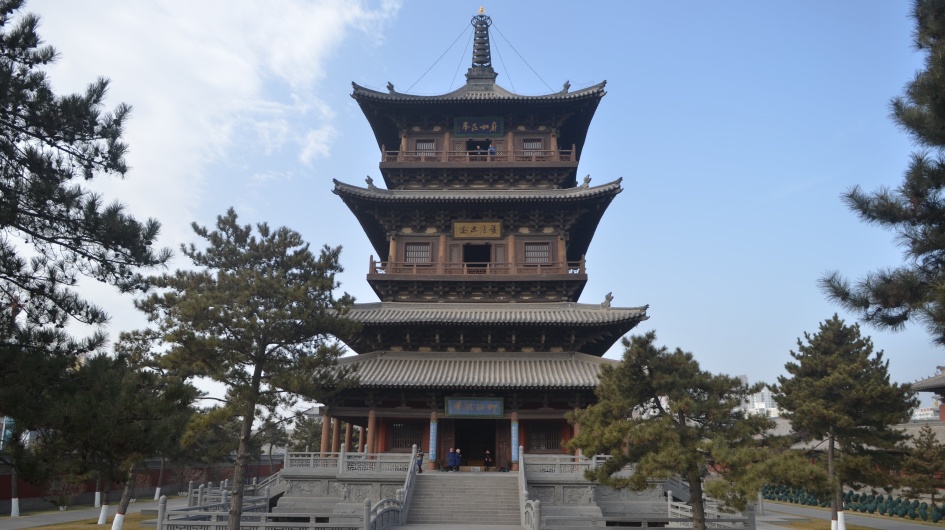 Huayan Temple
In the evening, we will visit Prince Dai's Mansion for performances. The Nuo dance is mysterious, the intangible cultural heritage fireworks show is great, and the fire show is even more amazing. Bright flames dance at night, and with the ancient mansion behind them, it feels like a feast from a thousand years ago.
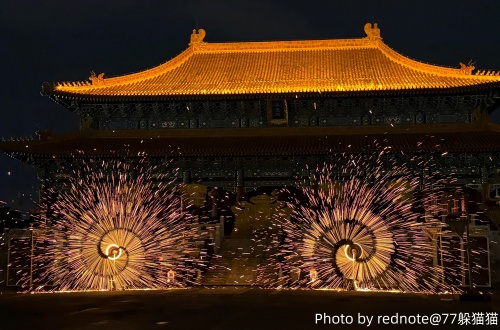 Iron flower performance
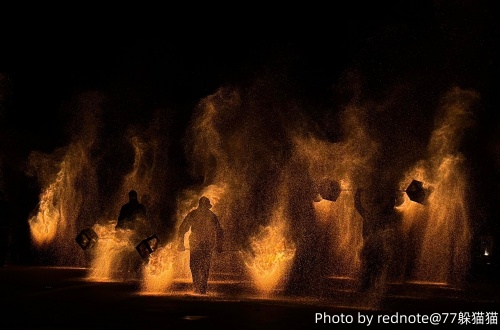 Beautiful intangible cultural heritage fireworks show
Your Journey's Rewards:
Visit the Hanging Temple to feel its unique structure; admire the ancients' courage and wisdom; tour Huayan Temple to see grand halls and unique bodhisattvas; watch Nuo dance, fireworks puppet show and fire show at Prince Dai's Mansion.
Educational Focus:
How does the Hanging Temple's design—built on a cliff and with hanging corridors—show how ancient Chinese architectural technology and environmental adaptation come together?
Takeaway:
The Hanging Temple adapts to the cliff with the design of "half-inserted flying beams" and "wooden logs as the foundation": wooden beams inserted into the rock wall bear the weight, and are fixed by the rock grooves to reduce damage to the mountain. The hanging corridor has guardrails on the outer side and walls built against the cliff on the inner side, balancing ventilation and safety. The wooden components are treated for corrosion resistance to withstand moisture, and the overall layout fits the curve of the cliff. It not only demonstrates the precise mortise and tenon structure and stable overhanging technology, but also integrates into nature by following the natural conditions, making it a model of symbiosis between technology and the environment.
Thoughts Challenge:
When we marvel at the Hanging Temple's gravity-defying design, consider this: In our modern pursuit of architectural grandeur, have we lost the ancient wisdom of building with nature rather than against it?
Take the high-speed train to Pingyao in the morning—it's an ancient city and shows Shanxi's history and culture. The tour guide will tell you Pingyao's history and folk culture in detail, so you can get into the next journey in Pingyao better.
Climb the Pingyao Ancient City Wall in the afternoon, walk along it and look down at the scattered gray-tiled roofs inside. Later, visit Rishengchang Draft Bank—the first one in China. Step into the courtyard to see old account rooms and vaults, listen to explanations to learn ancient Shanxi merchants' financial smarts, and feel Pingyao's past role as the "financial center of the Qing Dynasty".
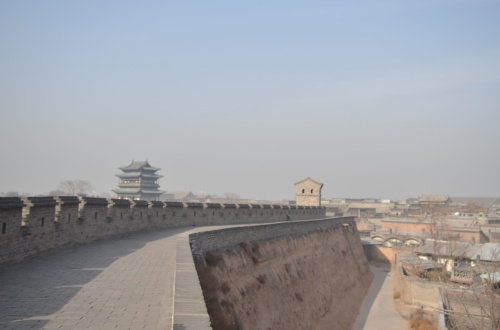 Pingyao Ancient City Wall
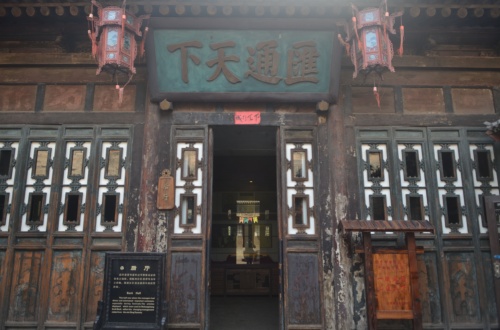 Rishengchang Draft Bank
Your Journey's Rewards:
Explore Pingyao's ancient city wall to get full views of historic rooftops. Visit Rishengchang Draft Bank—the first in China—and learn Shanxi merchants' financial smarts. Dive into Qing-era banking systems and see the city's past role as a financial hub.
Educational Focus:
How did Rishengchang Draft Bank's new systems—like silver drafts and branch networks—change China's financial practices and lay the base for modern banking?
Takeaway:
Rishengchang Draft Bank pioneered financial tools vital to China's economic development. Its silver drafts (the forerunner of checks) enabled secure long-distance transactions and reduced the risks of silver transport. The bank's branch network unified accounting and credit systems across regions, boosting intercity trade. By introducing encrypted silver drafts and strict verification processes, Rishengchang reduced fraud—a model later promoted nationwide. Its courtyard layout reflected hierarchical business processes, separating areas for public transactions, vault storage and management supervision. These innovations not only helped Shanxi merchants take the leading position in the industry, but also institutionalized trust-based financial models, influencing China's transition from an agricultural wealth model to a commercial capitalist model during the Qing Dynasty.
Thoughts Challenge:
If Rishengchang Draft Bank's financial concepts and operational methods were advanced for its time, how can modern financial institutions draw on this old wisdom to solve current challenges like risk control or cross-regional service optimization?
In the morning, head to Wang Family Compound—a grand compound of Shanxi merchants. It boasts exquisite carvings, with brick, wood and stone carvings seen everywhere. Wandering through it feels like stepping into a "folk Forbidden City", allowing you to deeply feel the profound Shanxi merchant culture and the charm of Shanxi-style architecture.
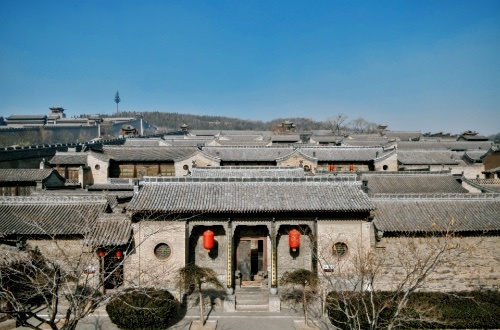 Panoramic view of Wang Family Compound
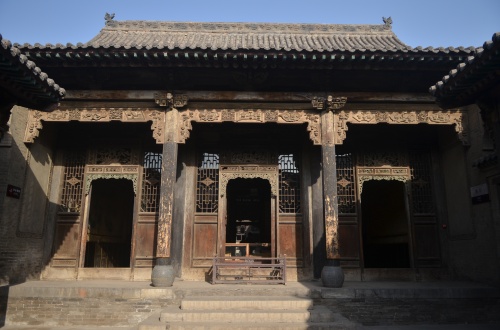 The interior of Wang Family Compound
In the afternoon, go to Zhangbi Ancient Castle, a thousand-year-old fortress. Go underground to experience the 10,000-meter tunnel, and learn about its long history and culture as a famous ancient military defense system. Make a cloth tiger by hand—a traditional Shanxi folk craft: shape cloth into a tiger and wear it to pray for health and strength. You can also choose to do paper-cutting or paint fans. The tour guide will invite professional folk craftsmen to teach you to make it according to your needs, so you can take away a hand-made intangible cultural heritage work and feel the traditional craft atmosphere of the ancient castle.
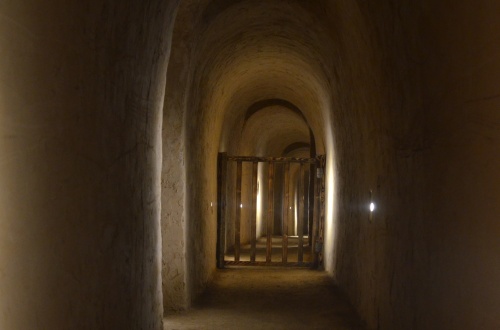 The underground passages of Zhangbi Ancient Castle
 Paper-cutting
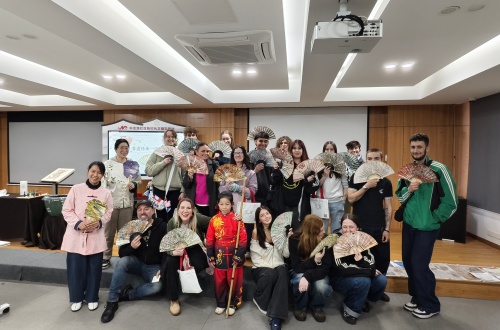 Paint fans
Your Journey's Rewards:
Admire the Wang Family Compound's grand architecture and exquisite carvings; feel the charm of Shanxi merchant culture and the charm of Shanxi-style architecture. Explore Zhangbi Ancient Castle's tunnel; learn its military defense history. Make cloth tigers, paper cuttings or round fans; take away hand-made intangible cultural heritage works.
Educational Focus:
How did Zhangbi Ancient Castle's underground tunnel system demonstrate advanced military defense strategies in ancient China?
Takeaway:
Zhangbi Ancient Castle's 10,000-meter tunnel network is a smart example of ancient Chinese military engineering. These tunnels had many uses: moving troops secretly, escaping in emergencies and storing supplies. The system had ventilation shafts, hidden exits and traps—showing a good grasp of terrain and warfare tactics. Some tunnels are linked to surface fortifications, making a 3D defense network. This underground complex let defenders control big areas while staying hidden, giving them strategic edges over invaders. The tunnels have stayed intact for centuries, which also shows strong construction techniques using local materials. Such systems affected later military buildings in northern China, especially border regions that needed strong defenses.
Thoughts Challenge:
Explore these old tunnels and ask yourself: Has today's digital warfare made us forget the practical battlefield smarts that built great military works?
In the morning, take the high-speed train to Beijing. During the trip, the tour guide will explain the upcoming itinerary in detail to help you better fit into the following Beijing journey. After arriving in Beijing, the guide will take you to the urban area to check in at the hotel for a short rest.
In the afternoon, first go to Tian'anmen Square to see the solemn Tiananmen Rostrum and the Monument to the People's Heroes, and feel the grandeur of the square. Then enter the The Forbidden City, visit buildings like the Three Main Halls and the Inner Court, admire the palace's golden splendor and exquisite layout. Listen to the guide's explanation to learn about the life and history of the royal families in the Ming and Qing dynasties, and immerse yourself in the grandeur of the imperial palace.
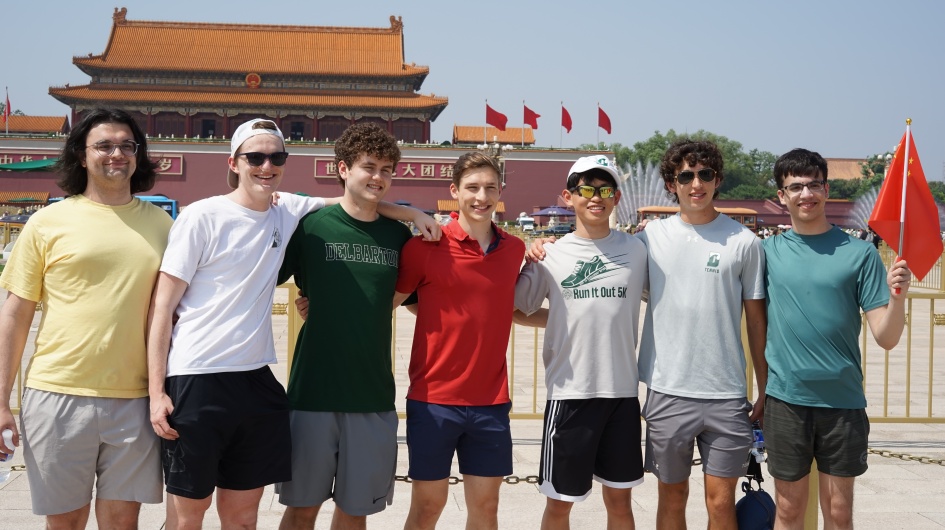 Tian'anmen Square
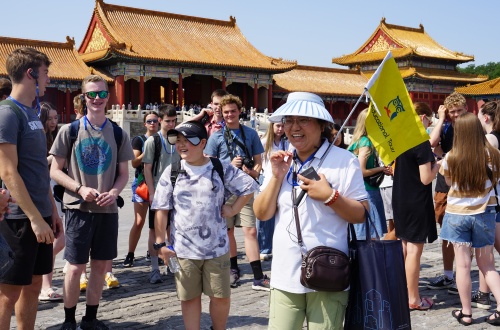 The Forbidden City tour guide
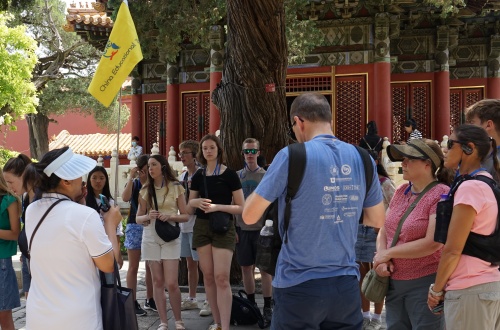 The tour guide is explaining the history of the Forbidden City
Your Journey's Rewards:
Take the high-speed train to Beijing and get details of the itinerary. Check into the city hotel to rest. See the grand sights at Tiananmen Square. Visit the Palace Museum's old buildings. Admire the royal palace's beauty. Learn aboutthe Ming and Qing royal history. Immerse in the imperial grandeur.
Educational Focus:
How did the architectural layout of the Forbidden City reflect and reinforce the political hierarchy of imperial China?
Takeaway
The core buildings of the Forbidden City are arranged along a central axis. To the south, the Three Great Halls, including the Hall of Supreme Harmony, serve as the power center for handling state affairs, while to the north, buildings like the Palace of Heavenly Purity are the imperial living quarters. This "front court for governance, rear court for residence" layout distinguishes the hierarchy between state affairs and daily life. There are also strict hierarchical rules for architectural specifications: the Hall of Supreme Harmony adopts the highest-rank double-eaved hip roof and nine bays, while other buildings have lower specifications according to their ranks—even the sizes of gate towers and courtyards vary. This layout materializes the concept of "the monarch is revered, ministers are humble," integrates hierarchical order into space, and strengthens people's recognition of the supremacy of imperial power.
Thoughts Challenge:
The Palace Museum's architecture once helped keep the feudal hierarchy. So in today's society, how can we understand these historical structures?
Head to the Mutianyu Great Wall in the morning. It has lots of plants, and the Great Wall winds along mountain ridges with great scenery. You can hike or take a cable car to climb it. Stand on the watchtowers, look at the nearby mountains, and feel the grand momentum of the "Ten-Thousand-Li Great Wall".
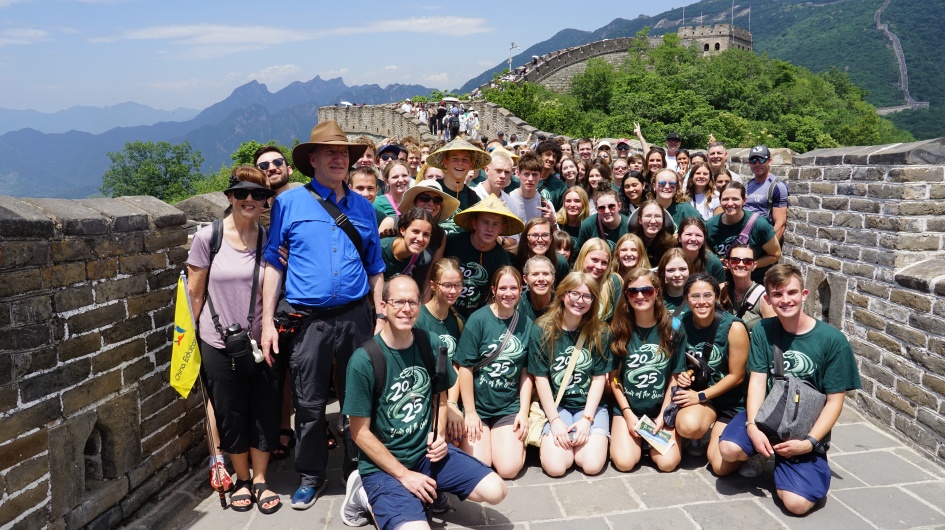 Mutianyu Great Wall
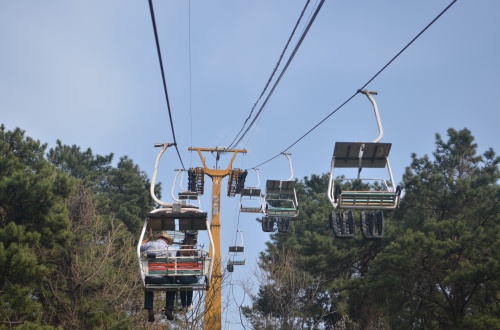 The cable car of Mutianyu Great Wall
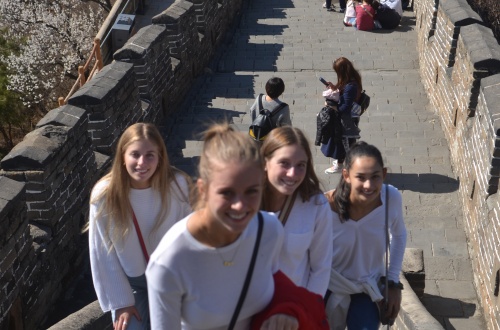 Hiking on the Great Wall
Visit the Temple of Heaven in the afternoon. Check out buildings like the Hall of Prayer for Good Harvests and the Circular Mound Altar, admire the unique style of ritual architecture, and walk in courtyards shaded by old cypresses. Feel the peace and solemnity of this imperial sacrificial place.
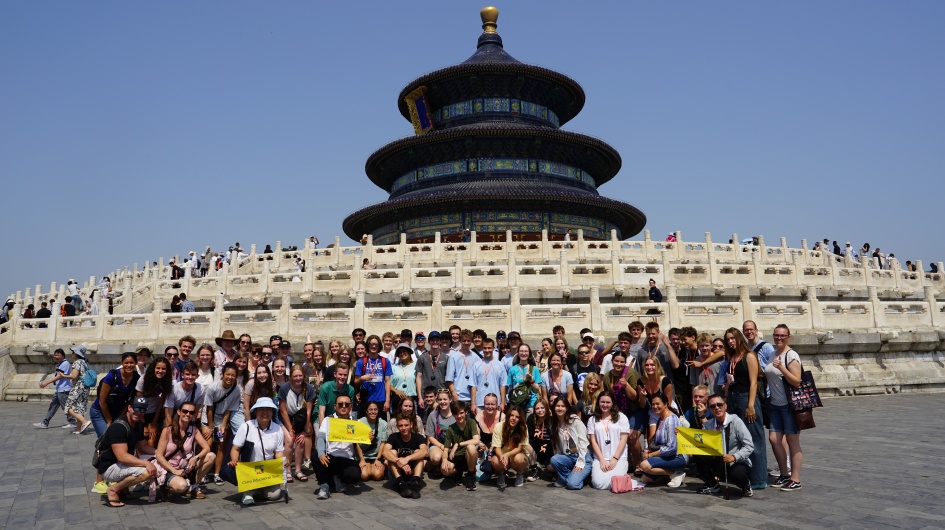 Group Photo of the Temple of Heaven
Educational Focus:
How did the design of the Temple of Heaven's main buildings—such as the Hall of Prayer for Good Harvests and Circular Mound Altar—show the ancient Chinese idea of "harmony between heaven and man" and the link between imperial power and divine authority?
Takeaway:
The Hall of Prayer for Good Harvests in the Temple of Heaven has a round top and a square base, corresponding to the ancient Chinese cosmic view of "heaven is round, earth is square." Its nail-free wooden structure follows natural laws, matching the idea of "harmony between heaven and man." The Circular Mound Altar is a three-tiered round platform; the number of steps and railings are all multiples of 9. In ancient times, 9 was regarded as the "heavenly number," symbolizing connection with heaven. When the emperor held sacrificial rituals, he worshipped heaven on the top tier of the Circular Mound Altar and prayed for good harvests in the Hall of Prayer for Good Harvests. Through the buildings' "heaven-connecting" design, he positioned himself as a mediator between heaven and earth, proving imperial power came from divine authority and making the buildings a carrier of ideals and power.
Thoughts Challenge:
When you visit these sacred places today, think: In our modern world with science and technology, have we lost the ability to design buildings that connect us to things bigger than ourselves?
It's the final day of your trip. You can take your time packing your bags in the morning, making sure to tuck away all the great memories and souvenirs from these ten days. After that, go to the airport based on your flight time. As you travel there, you can glance at Beijing's streets one more time and think back on the amazing parts of these days. This trip will definitely be an unforgettable memory for you. Grab your bags full of good things, get on your return flight, and look forward to another nice trip next time!
This tour is suitable for: School, Family, Team Building, Adoptive Family, Honeymoon
What's Included
- Air-conditioned vehicles
- Carefully selected comfortable accommodations
- All mentioned activities and entry fees included
- Daily breakfast and dinner provided
- Accompanied by expert local guides
- Accidental injury insurance fee
Recommended Hotel
| City | Deluxe | Comfortable |
|---|---|---|
| Xi'an | Sofitel Legend Peoples Grand Hotel Xian | Grand Soluxe International Hotel |
| Datong | Datong Yungang Hotel | Jianguo Hidden Hotel |
| Pingyao | Pingyao Yunjincheng Mansion | Shanxi Grand Hotel |
| Beijing | THE PENINSULA BEIJING | Sunworld Hotel Beijing |
Wechat & WhatsApp: +86-13471279378