- Home
- City Tours
- Guizhou Tours
- 7-Day Guizhou Intangible Cultural Heritage Educational Tour
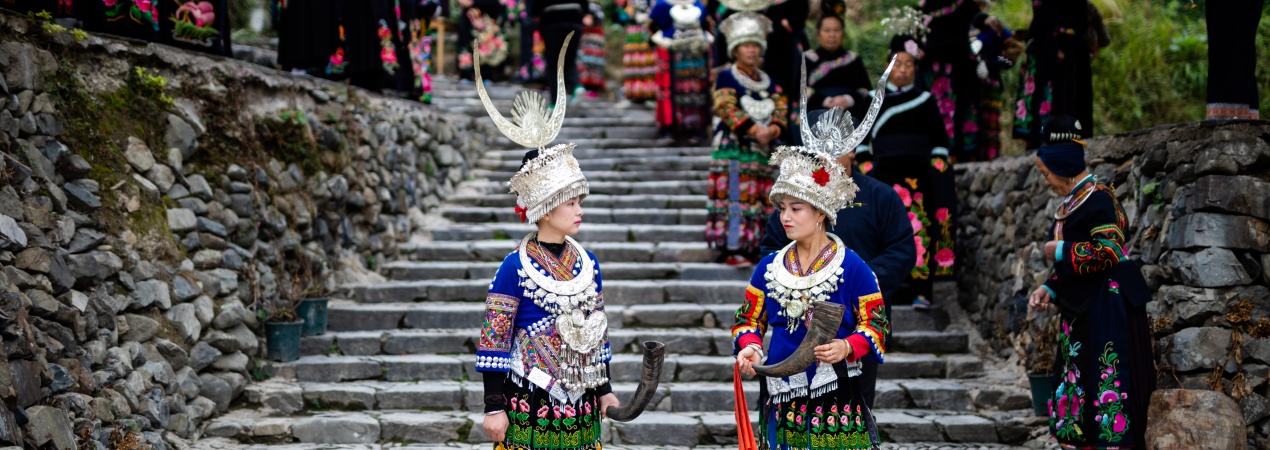
Guizhou Intangible Cultural Heritage Educational Tour
Join this amazing Guizhou intangible cultural heritage (ICH) trip! You'll go deep into ethnic villages in Guiyang and Kaili, learning traditional crafts like Miao embroidery, ancient papermaking, batik and silverware making from ICH inheritors. Stroll through old villages, catch ethnic dances and rituals, and view cultural artifacts. Make your own unique hand-made souvenirs, breathe in the original ethnic vibe, and uncover the skill and beauty of Guizhou's ICH.
Itinerary at a Glance
| Day | Location | Highlights |
|---|---|---|
| D1 | Guiyang | Check into hotel, listen to folk customs and itinerary introduction, communicate with guide and consultants |
| D2 | Guiyang (ICH Workshop) - Guizhou Provincial Museum | Learn Miao embroidery basics and make small works; explore ethnic culture and ICH exhibits |
| D3 | Danzhai Kala Village - Shiqiao Village - Qingman Miao Village | Experience birdcage weaving; try ancient papermaking; wander villages and interact with locals |
| D4 | Matang Gejia Village - Wudong Miao Village - Taoxiuli Market | Design and make batik works; enjoy rural life; shop for ICH products and chat with vendors |
| D5 | Langde Miao Village - Datang Miao Village - Kongbai Village | Join welcome ritual, watch ethnic performances; visit ancient grain barns; learn silver forging and make works |
| D6 | Kaili/Guiyang | Sort handcrafts and memories; depart or return to Guiyang for homeward journey |
Trip Highlights
- Learn Miao embroidery from ICH inheritors and make small works
- Try ancient papermaking, batik and silver forging by hand
- Experience birdcage weaving with traditional craft techniques
- Explore ethnic villages and interact with local villagers
- Enjoy Miao welcome rituals and traditional song-and-dance shows
- Discover Guizhou’s ethnic culture at museums and specialty markets
Tour Essentials

Quality
No Shopping Traps

Group Type
Private

Tour Focus
Intangible Cultural Heritage Experience

Accommodation
Nights:5

Best Season
Spring, Summer, Autumn, Winter
Full itinerary for Guizhou Intangible Cultural Heritage Educational Tour
Upon arrival in Guiyang, the tour guide will transfer you to the arranged hotel for check-in. On the way, the guide will introduce Guiyang's folk customs and the upcoming itinerary. If you have any questions about the trip or Guiyang, feel free to communicate with the guide and our travel consultants!
Learn Miao embroidery craftsmanship from inheritors of this intangible cultural heritage (ICH) in Guiyang, and understand its cultural connotation as "a living history book worn on the body." Inheritors will first explain the craft's historical origin, the meanings of color matching, and the ethnic stories behind classic patterns like dragons, tigers, and butterflies. They will then guide you to master basic stitches such as flat stitch and braid stitch, from threading and starting the needle to outlining patterns, allowing you to handcraft simple embroidered pieces or small accessories.
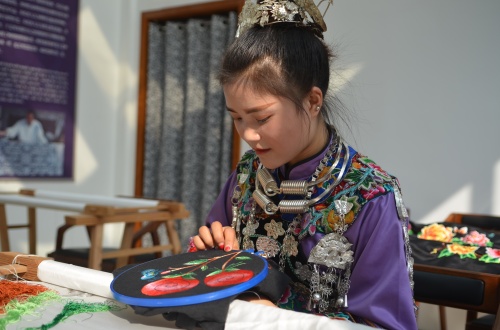 Miao Embroidery
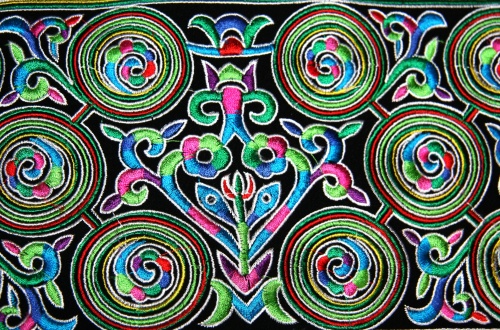 Miao Embroidery Works
Step into Guizhou Provincial Museum to explore the roots and context of Guizhou's diverse cultures. Boasting a rich collection, it focuses on exhibits like Miao silver jewelry, Dong drum tower models, and exquisite embroidery from various ethnic groups. Learn about the migration history, production and living customs, and artistic aesthetics of Guizhou's ethnic groups. The Ethnic Culture Exhibition Hall highlights costume differences among different Miao branches, while the ICH Exhibition Hall details the inheritance status of crafts such as embroidery and batik, letting you fully experience the profound heritage and unique charm of Guizhou's culture.
Your Journey's Rewards:
Explore Guizhou's cultural roots and enjoy the charm of intangible heritage and ethnic customs; pick up basic Hmong embroidery stitches to make your own unique small piece.
Educational Focus:
What intrinsic connections exist between the choice of different patterns and colors in Hmong embroidery and the Miao people's historical migrations, daily life, and ethnic beliefs?
Takeaway:
Known as a "living history book worn on the body," Hmong embroidery carries the ethnic group's history visually. The Miao people, during their long migrations, put longing for their ancestral home and memories of migration routes into totem patterns like dragons and tigers. Butterflies and other patterns linked to farming and reproduction show the Miao's wisdom of depending on nature and following seasons. Most color schemes come from the natural environment, reflecting the group's harmonious coexistence with nature. These patterns stand for wishes like blessing and warding off evil, externalizing the Miao's spiritual world. They hold the group's desire for a better life and the task of passing down culture, becoming one of the key elements of the Miao's cultural identity.
Thoughts Challenge:
How can this "living history book" keep going instead of becoming a cultural symbol that doesn't change? How can traditional embroidery stay true to its cultural roots when modern styles and ways of making things have changed them?
Arrive at Kala Village in Danzhai, known as the "Hometown of Birdcages in China", and visit the workshops of local intangible cultural heritage inheritors. Learn about the exquisite handcrafted process of birdcage making, which uses high-quality bamboo and goes through multiple steps including splitting, polishing, weaving and assembling. Under the guidance of inheritors, experience basic birdcage weaving techniques and feel the joy of bending bamboo strips into shape in your hands. Observe the craftsmen's skilled techniques up close, admire the delicate structure and exquisite patterns of finished birdcages, and appreciate the practical and artistic value of this traditional craft.
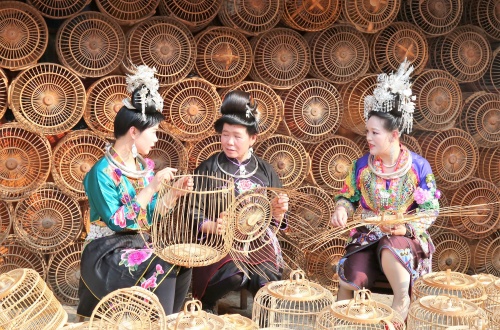 Miao women are weaving birdcages
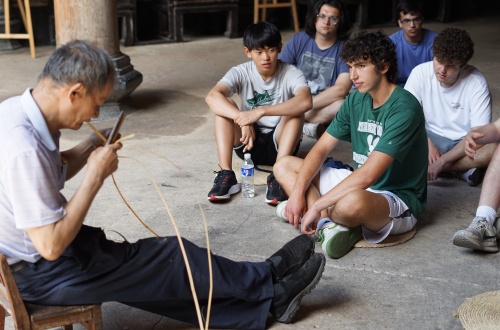 Students are learning to weave birdcages
Visit Shiqiao Village, a place preserving ancient papermaking skills. Intangible cultural heritage inheritors will guide you to try the whole process—choosing materials, beating pulp, scooping paper and drying it—so you can make a one-of-a-kind piece of paper yourself. Later, go to Qingman Miao Village: walk on the bluestone roads, look at the special style of Miao stilted houses, and feel the village's peace and old-world charm. Talk friendly with local villagers, experience the original Miao way of life, and get lost in the strong ethnic cultural vibe.
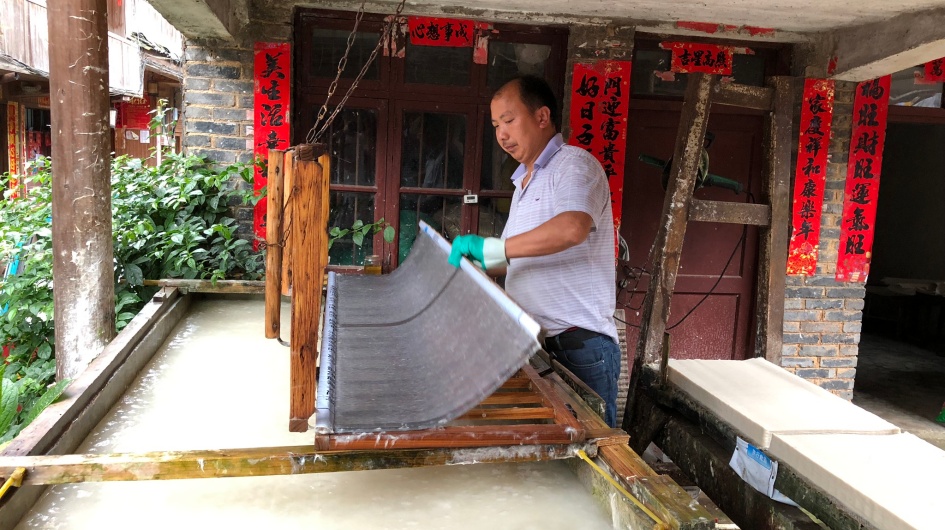 Making paper in ancient way
Your Journey's Rewards:
Master basic birdcage weaving skills and make your own traditional handmade paper; experience the customs of Miao villages, and gain traditional craft practice and cultural immersion.
Educational Focus:
When preserving ancient papermaking today, how can we keep its traditional essence while adapting it for modern use and sharing?
Takeaway:
Passing down old papermaking methods relies on keeping the traditional craft system alive. From choosing materials and beating pulp to scooping and drying paper, the whole process follows the ancients' belief in living with nature and finding beauty in handmade work. Craft integrity sustains cultural genes in modern inheritance—traditional material standards and manual rules must be strictly followed to stop industrial production from losing the craft's essence. Adapting to modern communication and use isn't giving up tradition; it breathes new life into the craft through new scenarios and practical tools.
Thoughts Challenge:
As technology accelerates the rapid development of craftsmanship, has the significance of ancient papermaking changed?
Enter Matang Gejia Village and visit inheritors of the intangible cultural heritage of batik. Learn about the unique cultural background of Gejia batik and master the traditional technique of sketching patterns on white cloth with special wax knives, using beeswax as the drawing material. Under the inheritors' guidance, let your creativity flow to design exclusive patterns and experience core processes like wax application, dyeing and wax removal. Watch as the white cloth gradually shows exquisite blue-and-white patterns in the dye, feel the unique charm of this ancient craft, and keep your hand-made batik work as a precious souvenir.
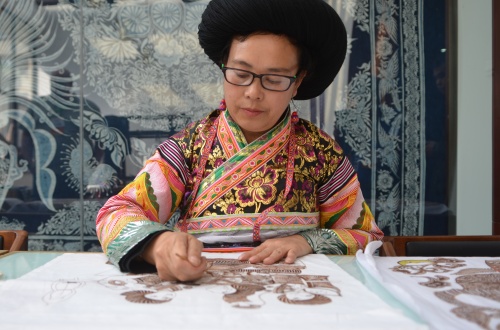 Gejia batik
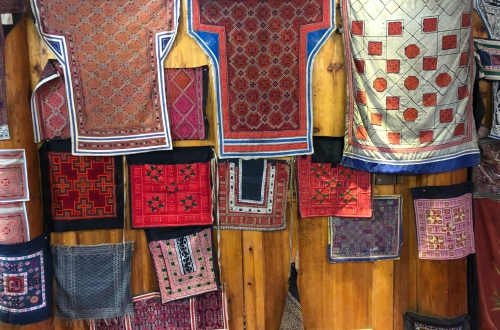 Gejia batik works
Head to Wudong Miao Village, where mountains and rivers are serene and the Qingshui River flows through. Enjoy the peaceful rural time by the river and experience the original ecological Miao village life. Afterwards, visit Taoxiuli Market, which gathers various intangible cultural heritage creative products such as Miao embroidery, batik and silverware. Wander among the diverse stalls, pick your favorite handicrafts, chat with vendors about the production stories of these intangible heritage products, and further feel the vivid vitality of Guizhou's intangible cultural heritage in the joy of treasure hunting.
Your Journey's Rewards:
Master Miao batik skills and get exclusive handmade souvenirs; enjoy the pastoral scenery of Miao villages.
Educational Focus:
What is the development history of batik in Matang Gejia Village?
Takeaway:
There is an interesting life lesson behind the origin of Gejia batik: ancient Gejia hunters would get bee wax on their clothes while hunting in the mountains. Later, plant juices touching the wax left permanent marks—sparking the discovery of wax's stain-resistant trait and slow development of batik. Lacking a written language, the Gejia turned migration tales, war stories, sun totems and more into patterns, with girls learning wax painting from older women at five or six. They also made their own wedding dresses by hand-batik. The craft thrived during the Tang Dynasty and then moved to the southwest mountains when the ethnic group moved there after the Song Dynasty. It has been passed down through the generations by word of mouth, and each pattern is like a living fossil of the group's past.
Thoughts Challenge:
In a modern era dominated by industrial crafts, how to better protect and inherit traditional ethnic batik?
Step into Langde Miao Village—you'll feel the Miao people's warmth right away when you join the unique "Twelve Welcoming Wine" ritual. Listen to the soft ancient Miao songs, watch the Miao people's traditional shows like the Golden Pheasant Dance and Lusheng Dance, and enjoy the strong ethnic customs. Afterwards, travel to Datang Miao Village to visit the century-old grain barns—these well-preserved traditional buildings witness the Miao people's agricultural culture and life wisdom. Learn about the barns' architectural structure, storage methods and historical evolution, and feel the close connection between traditional folk customs and daily production.
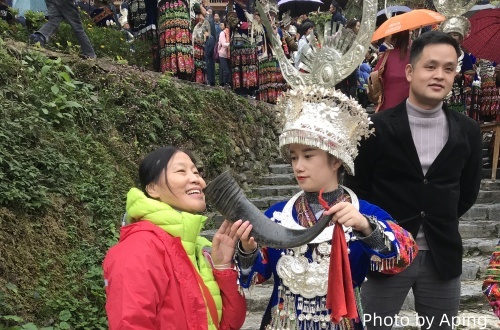 Twelve Welcoming Wine
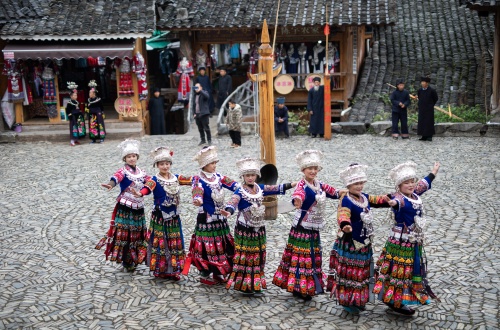 Lusheng Dance
Arrive at Kongbai Village , where the silverware making craft has a history of over 400 years. Follow intangible cultural heritage inheritors to learn basic silver forging skills and understand complex processes like silver selection, smelting, hammering and carving. Experience processes such as silver sheet hammering and simple pattern carving with your own hands, and feel the craftsmanship and difficulty of pure handmaking. Watch ordinary silver gradually take shape in your hands, appreciate the unique patterns and toughness of Miao silverware, and deeply understand the persistence and innovation that have kept this intangible cultural heritage alive.
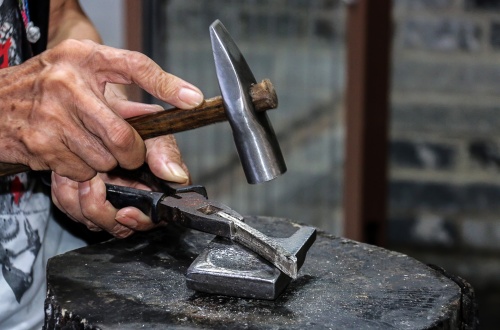 Hammering silver ingots
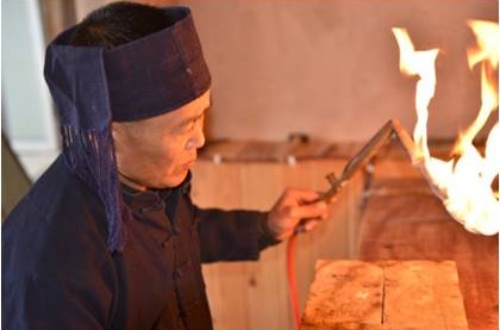 Put silver into the fire to refine it
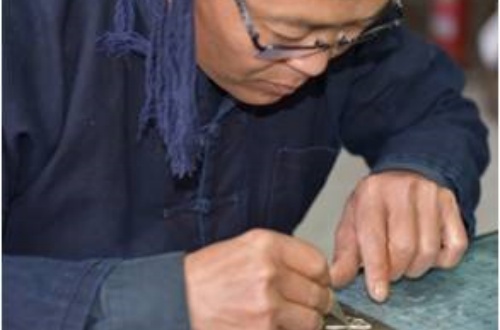 Carving on silver plates
Your Journey's Rewards:
Feel Miao's welcoming ceremonies and traditional dances, learn about the wisdom of grain barns that have been around for hundreds of years, learn how to forge silver, and understand the importance of intangible heritage.
Educational Focus:
Why has Kongbai Village become a representative village for Miao silverware forging? What makes its silverware forging special?
Takeaway:
Three core unique traits make Kongbai Village a representative of Miao silverware forging. First, 400 years of unbroken inheritance has deep historical roots. People learn how to do things like smelting, hammering, and carving from their families, which keeps these skills alive. Second, the craftsmanship is amazing and one-of-a-kind: it uses pure silver as a raw material and combines Miao totems, farming culture, and life wisdom in its designs. The forge uses only human strength and accuracy (no machines) to make works of art and recognize different cultures. Third, silverware connects closely to Miao weddings, festivals and other customs, serving as a carrier of ethnic identity that builds its solid cultural foundation. Many intangible heritage inheritors and senior silversmiths gather here, forming a skill exchange and innovation ecology, thus becoming a living model for inheriting Miao silverware forging.
Thoughts Challenge:
How can traditional handicrafts that are changing to fit the fast-paced modern market improve communication and productivity while still keeping their artisanal warmth and cultural core?
Sort out your intangible cultural heritage handcrafts and wonderful memories from the trip, then leave Kaili directly or return to Guiyang before heading back home as planned. This journey let you fully experience various intangible cultural heritage skills such as Miao embroidery, ancient papermaking, batik and silverware making. You explored Miao villages to feel the original ethnic culture, and understood the craftsmanship and charm of Guizhou's intangible cultural heritage through hands-on practice.
This tour is suitable for: Students, Teachers, Schools, Educational Groups, Families, Educational Travelers
What's Included
- Craftsmanship taught by professional ICH inheritors
- All ICH experience fees included
- Explanations by professional local guides
- Comfortable transportation and accommodation
Recommended Hotel
| City | Deluxe | Comfortable |
|---|---|---|
| Guiyang | Sofitel Guiyang Hunter | Home2 Suites by Hilton Guiyang Nanming Jiaxiu |
| Kaili | Wyndham Kaili Downtown | Yijing Hotel |
| Danzhai | Meihua Hotel | Yunyi Hotel |
Note: Please feel free to contact our travel specialist if you prefer to stay at other hotels.
Wechat & WhatsApp: +86-13471279378