- Home
- City Tours
- Guizhou Tours
- 7-Day Guizhou Educational Tour
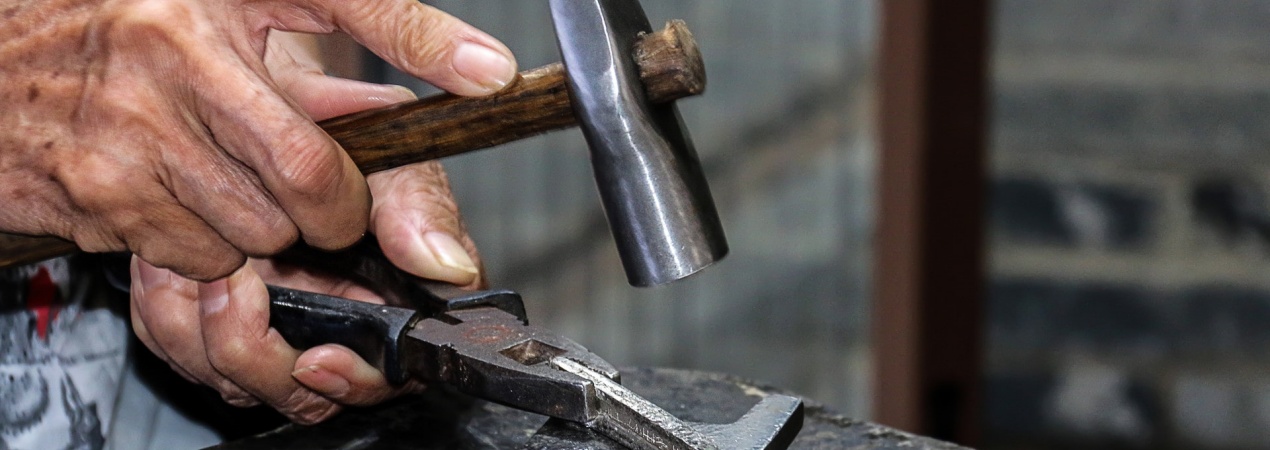
Guizhou Educational Tour
This unique trip to Miao Village, Guizhou, lets you experience traditional Miao silver jewelry making and support the local community. Participants learn ancient skills from master craftsmen, do farm work, and make their own silver jewelry. The program combines cultural preservation and sustainable tourism, and finally benefits the village craftsmen through charity sales. It's a perfect mix of craft learning and meaningful cultural exchange.
Itinerary at a Glance
| Day | Location | Highlights |
|---|---|---|
| D1 | Guiyang-Kaili | Arrive in Guiyang, take coach to Kaili; evening, listen to study tour briefing (learn program goals, Miao silver culture, Kaili & Miao village background), form groups and elect leaders |
| D2 | Kaili-Kongbai Village | Take minibus to Kongbai Village; learn terrace maintenance (clear weeds, reinforce ridges), help fix pigpens (carry materials, assist with enclosures); learn about Miao farming culture (rice-fish co-culture, seasonal customs) |
| D3 | Kongbai Village (Master Silversmith's Workshop) | Visit silversmith workshop (see tools, learn their uses), listen to silversmith's family craft history; learn basic silver engraving (hold chisel, control strikes), practice carving simple patterns; discuss learning gains |
| D4 | Kongbai Village (Silver-Making Workshop) | Learn silver melting (control heat), forging (shape hot silver), wire-drawing; practice making simple ring or bracelet; learn filigree inlay (shape filigree, set gems/pearls), complete small filigree piece |
| D5 | Kongbai Village (Design Studio-Charity Sale Site) | With design teacher, create silver jewelry (pendants/earrings) integrating Miao culture; get feedback to polish designs; team up for charity sale (design booths, introduce items' culture and making process to visitors) |
| D6 | Kongbai Village | Morning, analyze charity sale results (check sales data, find promotion problems, get silversmith tips); afternoon, work in teams to make Miao silver short videos (write scripts, edit materials, add voiceovers) |
| D7 | Kongbai Village-Guiyang | Pack bags, share trip feelings and gains (talk, share photos/videos), end the silver-making cultural trip and depart |
Trip Highlights
- Try Miao farming life, feel their cultural roots
- Go to silversmith workshops, get to know the silver-making culture well
- Learn silvercraft step by step, make silver things with your hands
- Mix modern design, give old silver art a new look
- Join silverware charity sales, spread culture through practice
- Work together on promo videos, make sthe ilver culture more known
Tour Essentials

Quality
No Shopping Traps

Group Type
Private

Tour Focus
Community Service

Accommodation
Nights:6

Best Season
Spring, Summer, Autumn, Winter
Full itinerary for Guizhou Educational Tour
After arriving in Guiyang, take a coach to Kaili. In the evening, a professional study tour instructor will detail the program's goals, explore Miao silver-making culture, and explain Kaili and Miao villages' cultural background, including their unique customs, traditions and festivals. After the briefing, participants will be grouped, each electing a leader to coordinate activities for the rest of the trip.
After breakfast, take a minibus to Kongbai Village. Arrive, rest a bit, then go to the farmland with a local guide. Let experienced farmers teach you terrace maintenance: clear weeds from ridges and reinforce them to stop leaks. Help fix pigpens—carry materials and assist with enclosures. The guide will detail Miao farming culture throughout, including the rice-fish co-culture system and seasonal customs.
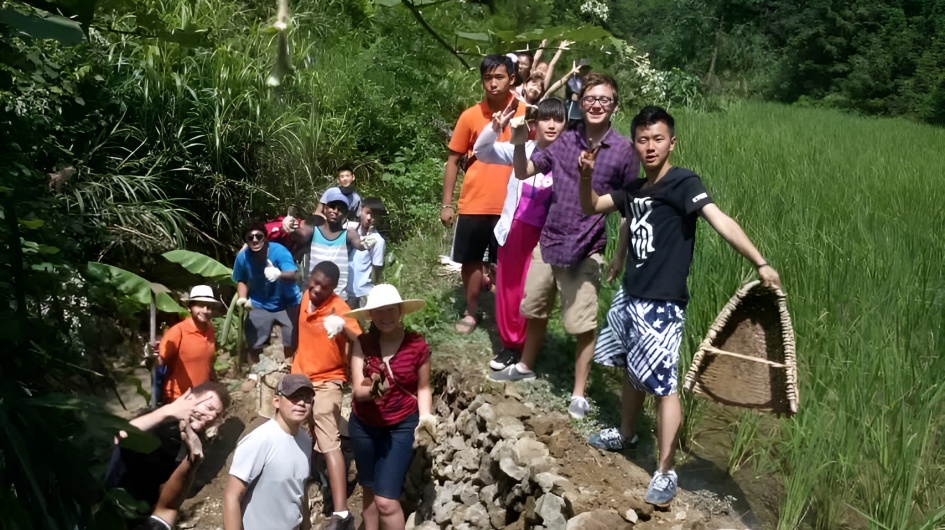 Terrace maintenance
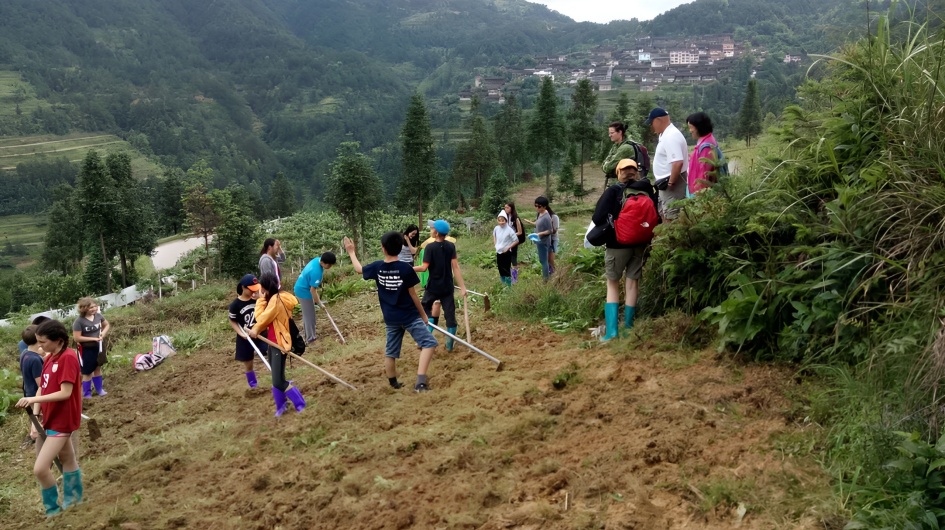 Learning to cultivate farmland
Your Journey’s Rewards:
Try traditional Miao farming yourself, sense how the Miao live in harmony with nature wisely, and build practical skills and strength.
Educational Focus:
How does the Miao people's rice-fish co-culture system achieve its harmonious operation?
Takeaway:
Rice-fish co-culture mixes fish farming with rice growing, using their symbiosis to get "one field, two uses; one water source, two harvests." In this setup, fish eat pests and weeds in the paddies, and their waste fertilizes the fields. Fish moving around also adds air to the soil, speeds up nutrient breakdown, and helps rice grow better. On the other hand, oxygen from rice photosynthesis and fallen rice flowers feed the fish naturally. This mutual cycle raises both rice and fish yields.
Thought Challenge:
Under the impact of modern tech-driven agriculture, how can the ecological advantages of traditional Miao farming culture be turned into new momentum for sustainable development, achieving a win-win in cultural inheritance and economic growth?
Morning, visit a local master silversmith’s workshop. Look at tools like furnaces, hammers and chisels, and learn what each does. Gather with the artisan to hear tales of their family’s silver-crafting history, the struggles to keep the tradition alive, and what Miao silver means in weddings, festivals, and more.
Afternoon, the master will show basic engraving—how to hold the chisel, control strikes, and keep rhythm. With their help, you will practice carving simple patterns (like Miao butterflies or flowers) on soft silver. Then everyone discusses what they’ve learned.
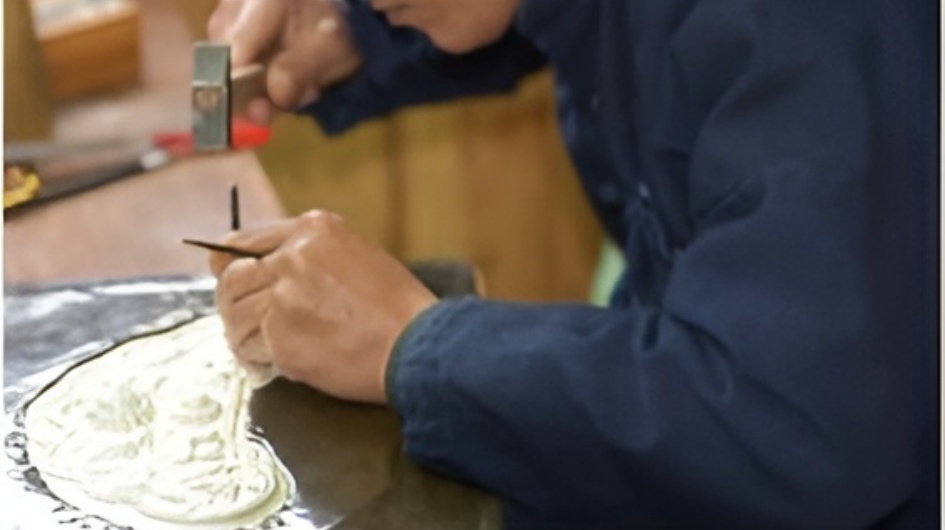 Engraved silver jewelry
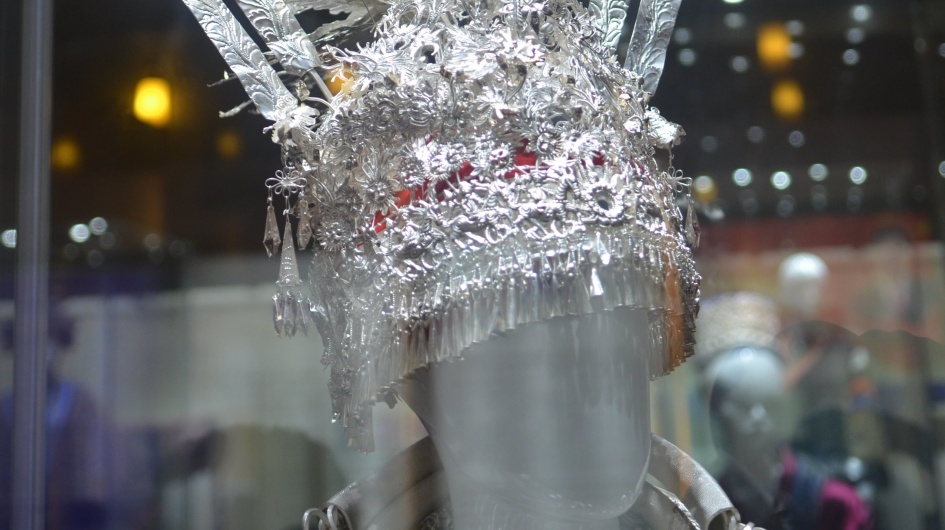 Elegant Miao silver jewelry
Your Journey’s Rewards:
Gain a deep understanding of Miao silver culture, master basic engraving skills, and take home the silver piece you made yourself.
Educational Focus:
Why do the Miao have a special love for silver, and how has this love influenced their silver-making culture?
Takeaway:
Over their migratory history, the Miao turned silver into "mobile wealth"—easy to carry, a steady store of family assets. Its practical use grew into deep cultural respect. Traditionally, the Miao see silver as "purifying"—it wards off evil and cleanses energy. Wearing silver, they believe, gets ancestors and gods to protect them, especially women and children, carrying wishes for health and safety.
This migration-shaped silver culture led to different craft styles among Miao groups. Miao in Qiandongnan are known for fancy silver crowns and horns—bold shapes with detailed patterns. Miao in Xiangxi make silver that goes well with their embroidery and batik. These unique skills mark their culture clearly.
Thought Challenge:
As society changes, passing down traditional silver-making skills lacks enough people. How to get young people interested in these old skills and draw them to carry on the craft?
In the morning, the silversmith demonstrates melting silver, showing how to control heat and pick the right silver. They teach forging—shaping hot silver into needed forms—and drawing wires of various thicknesses. You will take turns practicing, making a simple ring or bracelet through repeated work.
The afternoon has a "filigree inlay" class. You will learn to shape pre-made filigree, set gems or pearls, and complete a small filigree inlay piece.
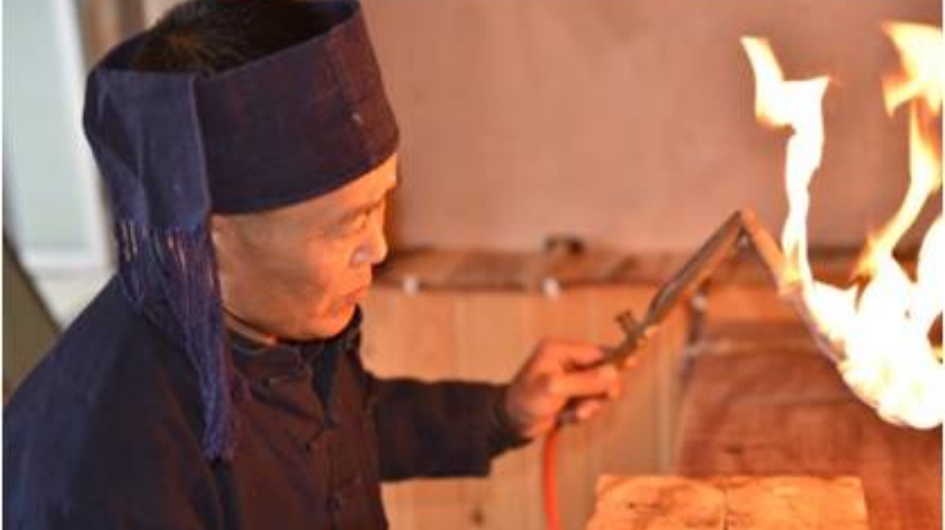 Melting silver
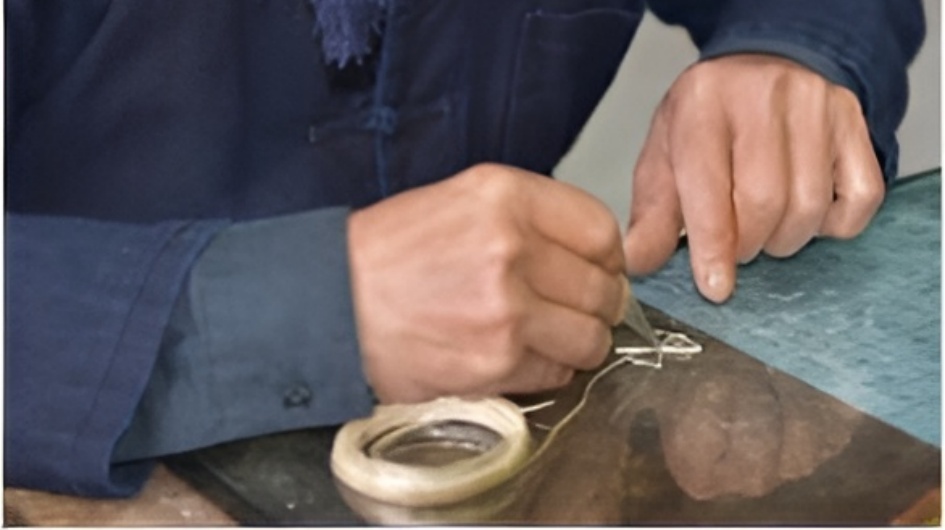 Filigree inlay
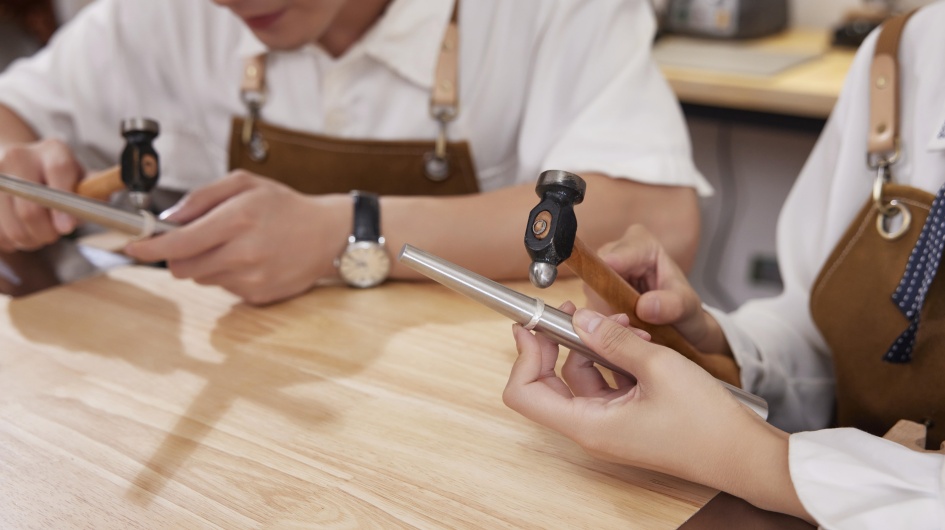 Try to make a simple sliver ring
Your Journey’s Rewards:
Learn key silver jewelry-making skills, get your own custom silver pieces, and build up your art skills and hands-on ability.
Educational Focus:
What are the characteristics of the silver craftsmanship of the Miao ethnic group in Qiandongnan region?
Takeaway:
The Miao in Qiandongnan make silver with a "thousand hammer" approach, using smelting, forging, wire-drawing and engraving. Their special wire-drawing makes threads as thin as hair (0.02mm) — no soldering, just bending and twisting to form complex patterns. The repoussé work creates raised designs, with tiny details showing dragons, phoenixes and flowers clearly.
These designs tell stories: butterflies (for their ancestor Butterfly Mother), mythical beasts and water birds show they honor nature. Some patterns hide migration paths and clan symbols, acting as the Miao's wordless history.
Thought Challenge:
How to blend traditional silver jewelry skills with modern fashion, keep their cultural roots, suit today’s buyers’ varied tastes, and grow the market?
Morning, a pro design teacher helps you use modern design ideas to make your own silver jewelry—like pendants or earrings—with Miao culture, such as old patterns and myth stories. Once designs are done, the teacher and others in the group give feedback to polish the work.
Afternoon, try doing a charity sale. Teams work together to design booths, showing off their hand-made silver pieces or villagers’ traditional ornaments in creative ways. When selling, they talk to visitors about each item’s culture and how it was made.
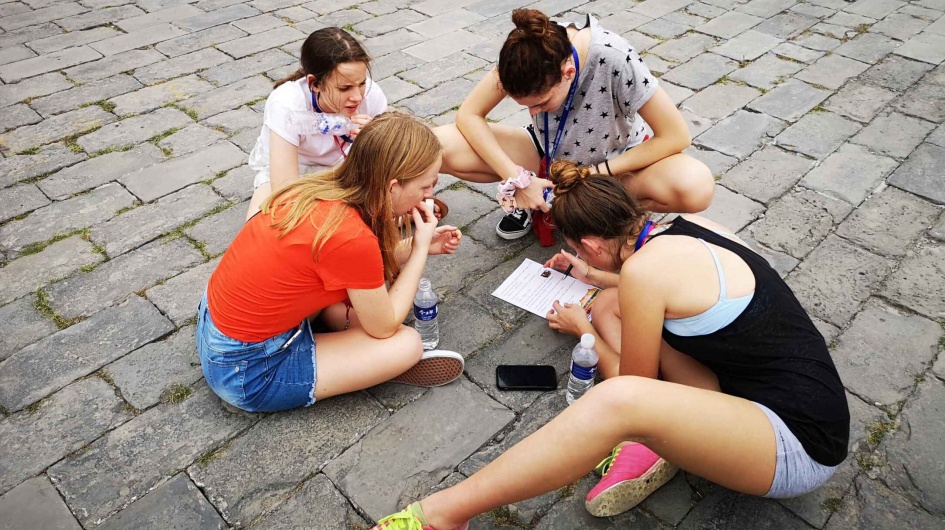 Discuss how to attract customers before the charity sale
Your Journey’s Rewards:
Make silver jewelry with your own style and cultural meaning. Learn a lot about Miao silver craft, build skills to promote it, and help develop Miao silver culture.
Educational Focus:
How can silverware craftsmanship integrate Miao ethnic culture with modern design concepts?
Takeaway:
This collection redoes traditional Miao silverwork: it turns the "heavy, full-set" ceremonial look into modern, wearable pieces. New designs include: small, light hollow earrings from big horn shapes; repoussé patterns on watch straps, mixing old skills with modern use; and stackable work bracelets—they keep fine filigree feel but look calm.
Story-based sets use Miao myths and festivals. For example, "Mountain-Climbing Festival" couples' jewelry: men’s have Lusheng pipe designs, women’s have simple headdress parts. This turns cultural rituals into jewelry that tells stories.
Thought Challenge:
When promoting cultural products, how to balance spreading culture and making money, stop too much business from hurting cultural meaning, and keep the cultural industry growing sustainably?
In the afternoon, the group checks their silver jewelry charity sale results in the morning. They look at sales numbers to find promotion problems and ways to fix them—like reaching more people or improving messages. Local silversmiths share useful tips then.
In the afternoon, teams work together to make short videos about Miao silver work. They write scripts, edit photos and videos they have, add voiceovers, and make content easy to share. This helps get the traditional art seen more online.
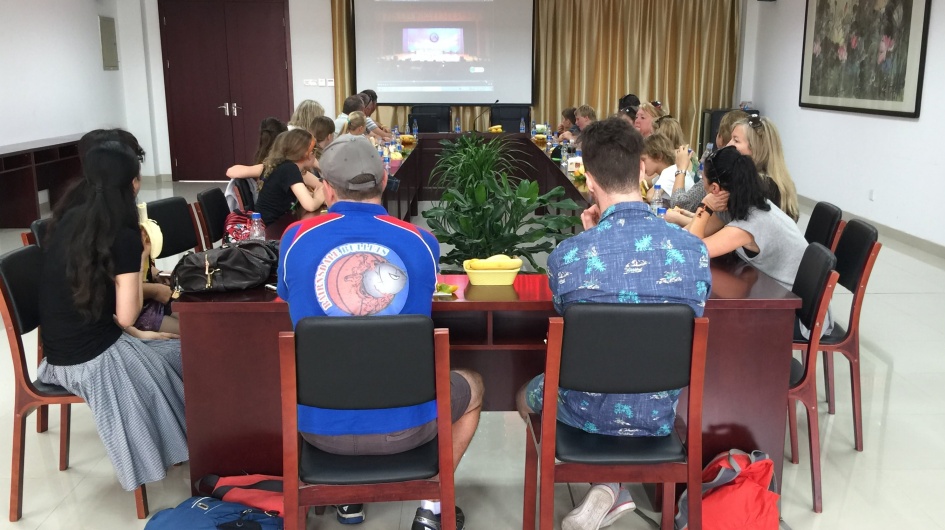 A gathering discussion
Your Journey’s Rewards:
Learn data analysis and cultural promotion skills, contribute to spreading Miao silver-making culture, and gain promotional works completed through teamwork.
Educational Focus:
How to use modern media to effectively spread traditional culture, and develop abilities in data analysis and teamwork to complete projects?
Takeaway:
Set a clear goal, like "1 thousands views for intangible heritage silvercraft videos in a month." The team splits tasks: track performance, improve content using data, and get media partners to reach more people. This data-based way not only promotes traditional culture but also builds practical analysis skills and teamwork through working together to solve problems.
Thought Challenge:
In the age of too much information, how can short videos promoting Miao silverware culture stand out from lots of content, reach the right people, and get wide attention and cultural connection?
Pack your bags and end the unforgettable silver-making cultural trip in Kongbai Village. On the way, everyone can talk about their overall feelings and what they gained, sharing photos, videos and other things.
This tour is suitable for: Students, Teachers, Schools, Educational Groups, Families, Educational Travelers
What’s Included
- Miao culture experts give explanations
- Professional Miao silversmiths offer guidance
- Comfortable and convenient transport
- Nice, carefully chosen places to stay
- Breakfast and lunch supplied
- All program costs covered
Wechat & WhatsApp: +86-13471279378