- Home
- China Guide
- Guizhou Province
- Guiyang
- Attractions
- Zhenyuan Ancient Town
Zhenyuan Ancient Town
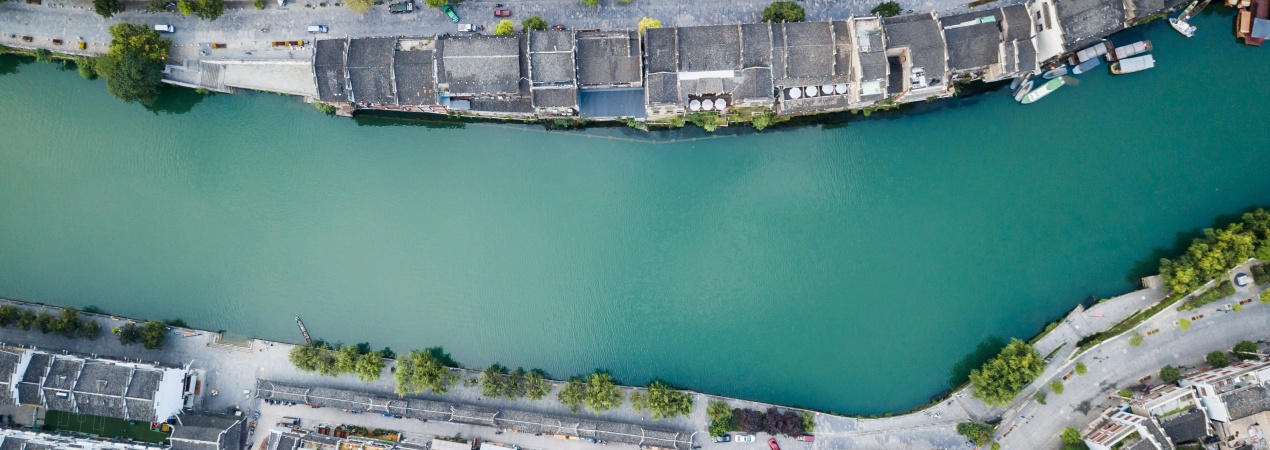
Zhenyuan Ancient Town covers 3.1 square kilometers. The S-shaped Wuyang River runs through it, splitting the town into two parts: the old Prefectural Town on the north bank and Garrison Town on the south bank. From far away, their layout looks like a taiji diagram. The town has nearly 200 preserved heritage sites, including Eight Guild Halls, Four Cave Temples, Twelve Docks, Wu King's Cave, Four Palaces, old wells, and traditional opera stages. Its six main scenic areas are Wuyang River, Gaoguo River, Qinglong Cave, Shiping Mountain, Tianhou Palace, and Tiexi Creek.
- Chinese name:镇远古镇 Zhèn Yuǎn Gǔ Zhèn
- Recommended Duration: 1 day
- Entrance Fee: Free, the Wuyang River scenic area requires an additional charge of 60 yuan
- Opening Hours: All day
- Best time to visit: March to May
- Address: On the banks of the Wuyang River, Zhenyuan County, Qiandongnan Miao and Dong Autonomous Prefecture, Guizhou Province
- How to get there:Take bus 1, 2, 3, 4, 5 to the Agricultural Bank of China bus stop, and walk to the Zhenyuan Ancient Town.
Highlights of Zhenyuan Ancient Town
Qinglong Cave
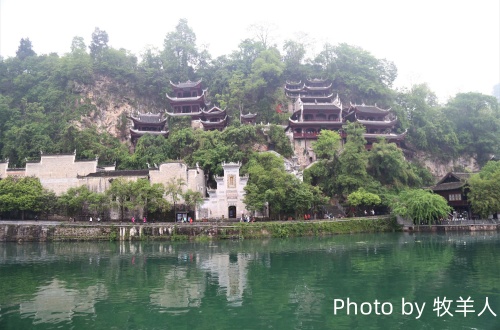 Qinglong Cave
Qinglong Cave in Zhenyuan Ancient Town is a National Priority Protected Site. Built in 1388 (21st year of Hongwu, Ming Dynasty), it includes Zhusheng Bridge, Zhongyuan Cave, Ziyang Cave, Wanshou Palace, Qinglong Cave, and Xianglu Rock. The complex sits against Mount Zhonghe and overlooks the Wuyang River, with buildings clinging to 300-meter cliffs. It combines Confucian, Taoist, and Buddhist traditions across 36 separate structures.
Wuyang River
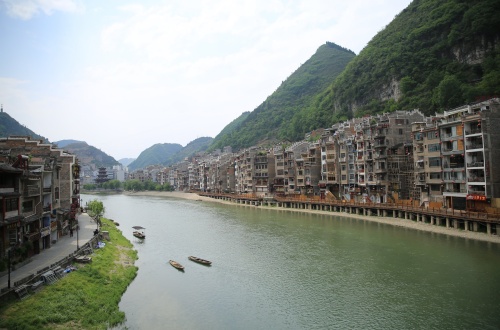 Wuyang River
The Wuyang River Scenic Area in Zhenyuan covers 121 square kilometers with 33 different attractions. Visitors can take a 2.5-hour boat tour to see beautiful landscapes: tall gorges, calm lakes, waterfalls, and unique karst rocks. The scenery mixes grand mountains with gentle waters, balancing ruggedness and peace perfectly.
Shiping Mountain
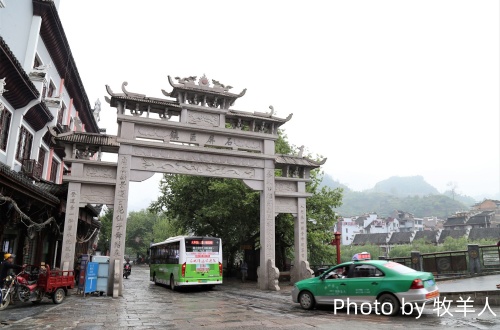 Shiping Town in Shiping Mountain
Shiping Mountain sits east of the Wuyang River in Zhenyuan’s Wuyang Town, stretching 2.2km east-west. Its main peak is 668.1m high, 204m above the river. Visitors get in via Sifang Jingxiang and Fuya Wharf from the ancient town’s tourist center. Attractions are the Ming Fucheng Wall (2km long, 76 crenels, called "Great Wall of the South") and Siguan Hall, with statues of four Warring States generals. Climbing shows full views of the town—old lanes, wells, docks—plus morning sunrise and bright night scenery.
Tiexi Creek
Tiexi Creek is one of the top ten spots along the Wuyang River, 4-14km north of Zhenyuan County. It covers 50 square kilometers, stretching 21km total, with a 12km core tour route. This mountain stream area has spots like Ganxi, Maluhe, Longchi, Wengzhonghe and Duzhufeng, each with unique views. Wengzhonghe has special caves; Longtan’s blue waters are deep and calm. Lush forests and canyons draw visitors. Hikers walk along the stream, with clear water and thick plants nearby. The 300-square-meter Longtan is called "Jiuzhaigou of Guizhou". Farmhouses offer food, and 2-3 hours is recommended for enjoying scenery and hiking.
Tianhou Palace
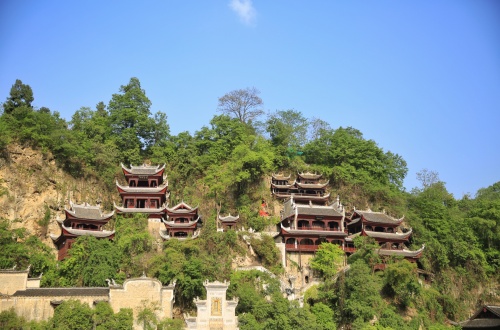 Tianhou Palace
Tianhou Palace stands on Xinzhong Street in Ximen, Fucheng, with Shiping Mountain to the north and the Wuyang River to the south. It was one of Zhenyuan’s eight guild halls in the Ming and Qing Dynasties. Called "Mazu Temple" in coastal areas, such temples were rare inland. Only three existed upstream: in Zhijiang (Hunan), Zhenyuan (Guizhou), and Jiuzhou in Pinghuang. Zhenyuan is the most strategically sited, highest in elevation, and finest in building craft. Entering Tianhou Palace, visitors can see its unique architecture, feel its historical charm and cultural meaning, and learn how Mazu culture spread and developed in inland areas.
Zhenyuan Water Tour
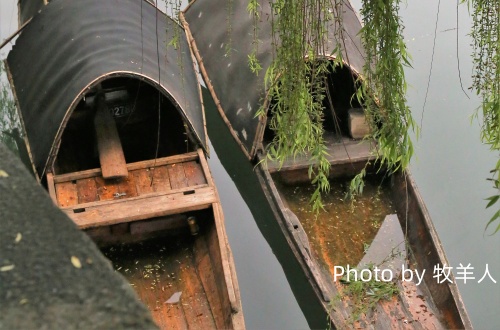 River boat of Wuyang River
Take a decorated boat to see the ancient town from the water. Enjoy views of old river paths, Water-Land Gates, and stone bridges as you move along. The ride feels like going 2,000 years back in time, showing Zhenyuan's long history and special old-time look. Seeing the town from the water offers unique views. This is a must-do in Zhenyuan.
Educational Value
Guizhou is home to the most Dong Minority. The Dong Minority is split into Northern Dong and Southern Dong by location. Baojing Dong Village, 37 km southeast of Zhenyuan County, is China's biggest Northern Dong village. Being hard to reach for ages, it kept old traditions: its own Dong language, special clothes, and unique customs. With over 300 years of history, many 100-year-old Dong elders live here. This makes Baojing the top spot to explore Northern Dong history and culture.
Activities to do at Zhenyuan Ancient Town
Traditional Dragon Boat Festival
The folk custom of the Duanyang Dragon Boat Race in Zhenyuan has a long history. After the mid-1990s, it was officially named the "China Zhenyuan Duanyang Dragon Boat Festival" and has since become a festive event enthusiastically participated in by all ethnic groups in Guizhou. Unlike dragon boat festivals in regions commemorating Qu Yuan, this one is full of distinctive regional cultural features. On the fifth day of the fifth lunar month, nearly 100,000 urban and rural residents gather in the ancient town to watch cultural and recreational activities such as dragon boat races, river lantern displays, and folk song performances. It is also a grand occasion for the county to engage in sports and ethnic cultural activities.
Drop us a line and we'll connect you with the top China expert in no time!
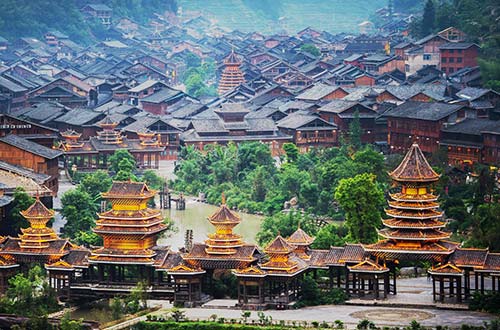 Guizhou Province
 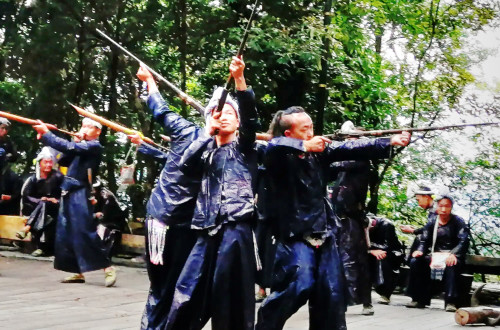 Biasha Miao Village
  Xijiang Qianhu Miao Village
  Langde Miao Village