- Home
- China Guide
- Travel Articles
- Explore China Buddha Culture in the Black Myth: Wukong
Explore Chinese Buddhist Culture with Black Myth: Wukong
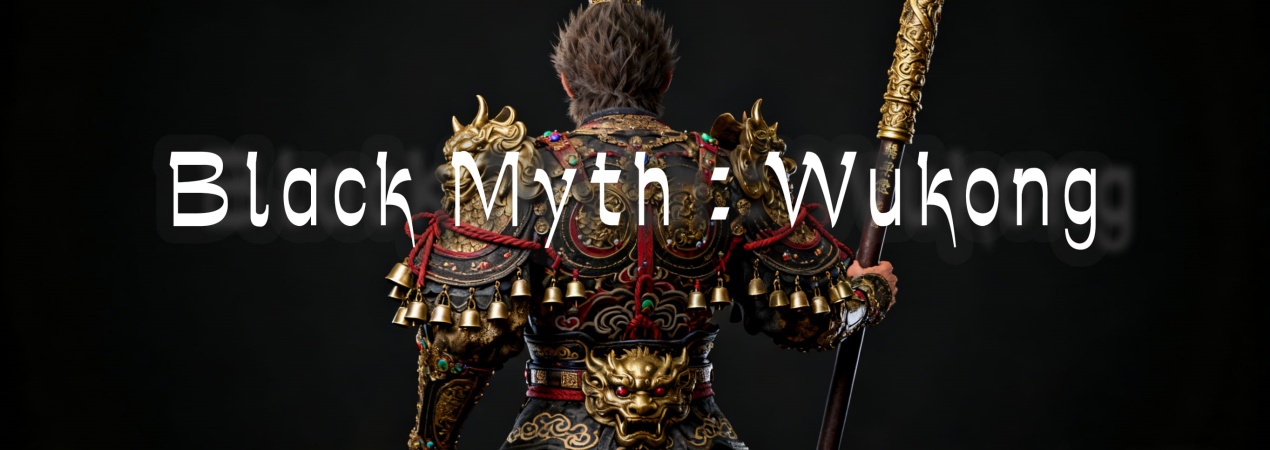
In August 2024, a single-player action role-playing game (ARPG) developed by Chinese studio Game Science made a stunning debut. This game sold over 20 million copies across all platforms in its launch month and quickly became one of the bestsellers—it is Black Myth: Wukong. As a landmark 3A title in China's gaming industry, it not only caused a global sensation but also served as a "cultural guide" that leads gamers to explore China's ancient architectural heritage.
Now, let us, China Educational Tours, guide you to explore the Buddhist culture and architectural heritage featured in Black Myth: Wukong, offering fresh inspiration for your Chinese cultural journey.
Real-World Prototype Destinations of the Classic Buddhist Scenes in Black Myth: Wukong
The precise integration of real-world scenes by the Game Science team has created the game's stunning visuals. One can't help but marvel at whether the celestial palace-like buildings in it actually exist. Of course, to date, the 36 in-game locations announced officially fall into two categories. Twenty-seven of them are sourced from Shanxi, known as "China's Open-Air Museum of Architecture", and the remaining locations are based on Buddhist statues, stone carvings and architectural structures scattered across various parts of China.
Shanxi: The Heartland of Game Scenic Spots
Shanxi Province is home to 28,027 extant ancient buildings (accounting for about one-tenth of the national total), as well as over 80% of China's wooden structures built before the Yuan Dynasty. It is the main source for the scene design of Black Myth: Wukong. Every ancient temple, grotto, and pagoda in the game is vividly recreated here. Below are some of the most popular Shanxi filming locations in Black Myth: Wukong.
Datong: The Pinnacle of Buddhist Grotto Art in Shanxi
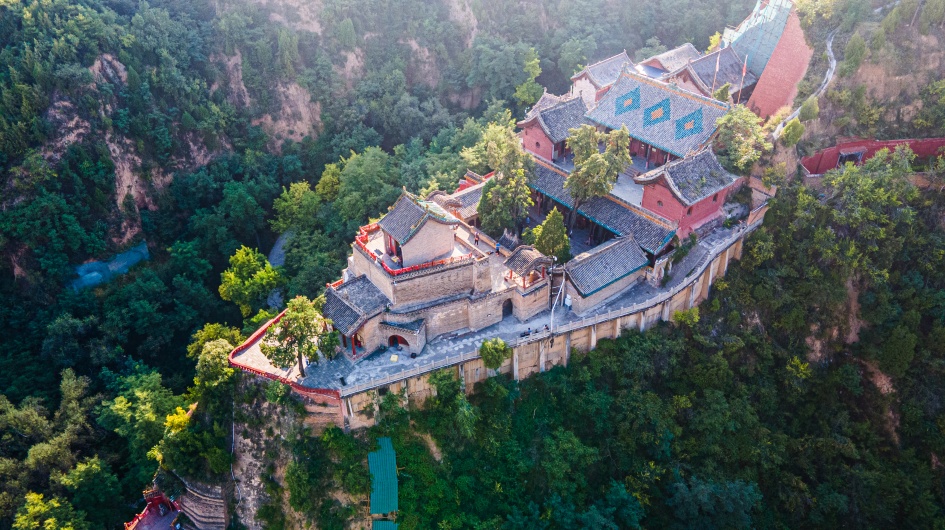
The cave complex of Datong Yungang was built during the Northern Wei period and is a UNESCO World Cultural Heritage Site. In the second chapter of the game Black Myth: Wukong, game developers ingeniously incorporate elements of the Yungang Grottoes into multiple cave-related scenes. As you stroll through 252 caves and admire 51,000 stone carvings, you will recognize familiar patterns and architectural styles from the game. The massive seated Buddha in Cave 20 is particularly striking and inspired some extraordinary deity designs in the game. Additionally, Hanging Monastery, is also one of the filming locations for the game. This unique temple is built on the side of a cliff, seemingly defying gravity, much like other fantastical buildings in the game. Hanging Monastery, was built in the late Northern Wei period and has undergone reconstruction over several centuries, integrating Buddhist, Taoist, and Confucian cultures.
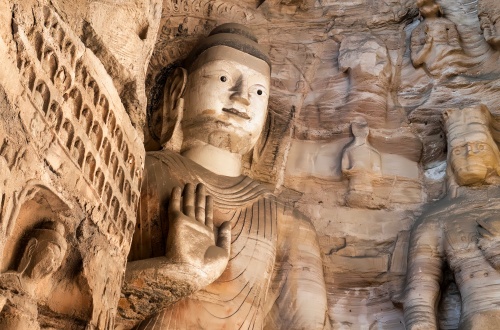 Yungang Grottoes
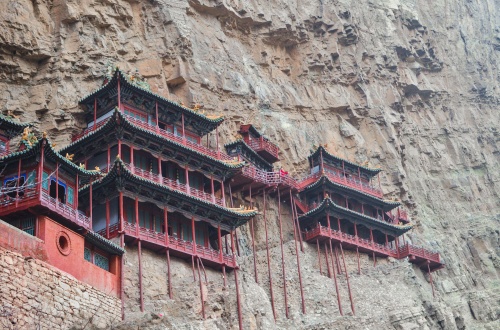 Hanging Monastery
Shuozhou: Marveling at the World's Oldest Wooden Pagoda
In Shuozhou, you shouldn't miss the Yingxian Wooden Pagoda, also known for the Sakyamuni Pagoda of Fogong Temple. As the oldest and tallest existing purely wooden tower in the world, it is truly an architectural wonder. Built during the Liao Dynasty, standing 67.31 meters tall, it has remained standing through multiple earthquakes and wars over the centuries. In 'Black Myth: Wukong', the towering pagoda featured in Chapter Three is modeled after the Yingxian Wooden Pagoda. Climbing to the top allows you to overlook the surrounding rural landscape, and you will gain a new appreciation for the engineering skills demonstrated by ancient Chinese craftsmen, which the game vividly portrays.
Another treasure of Shuozhou is the Chongfu Temple. This temple dates back to the Tang Dynasty and preserves buildings, sculptures, and murals from the Liao, Jin, Yuan, Ming, and Qing dynasties. The Maitreya Hall within the temple is renowned for its exquisite woodcarvings and colorful murals, which inspired some of the interior designs of temples in the game.
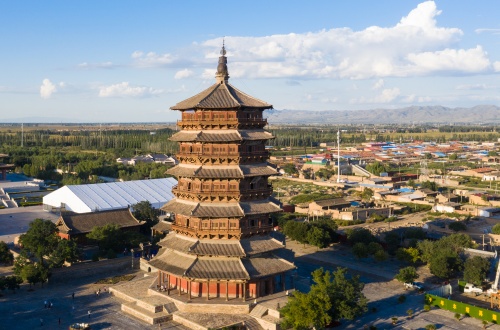 Yingxian Wooden Pagoda
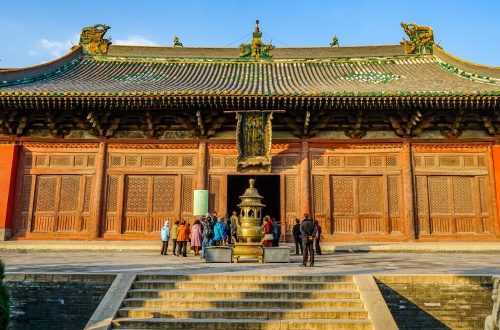 Chongfu Temple
Xinzhou: Exploring Tang Dynasty Architectures and Mountain Temples
Xinzhou is home to two architectural masterpieces that have influenced Black Myth: Wukong — Foguang Temple and Nanchan Temple on Wutai Mountain.
Foguang Temple, originally founded in the Northern Wei Dynasty and reconstructed in the Tang Dynasty, is renowned for its "Four Wonders" of Tang Dynasty architecture, sculptures, murals, and inscriptions. The East Main Hall of Foguang Temple is one of the earliest existing wooden structures in China, and the famous architect Liang Sicheng once praised it as a "national treasure." Some of the magnificent halls and complex wooden structures of the temples in the game draw inspiration from it.
Nanchan Temple is also a must-visit site. First established in the Liang Dynasty, the temple is famous for its rich carvings, including brick, stone, and wood carvings. Often referred to as a "Museum of Sculpture Art," it is the most ornately decorated temple on Wutai Mountain. The intricate sculptures and decorative elements in the game have borrowed from the exquisite carvings of Nanchan Temple.
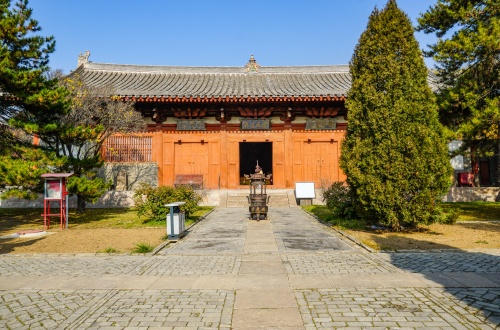 Foguang Temple
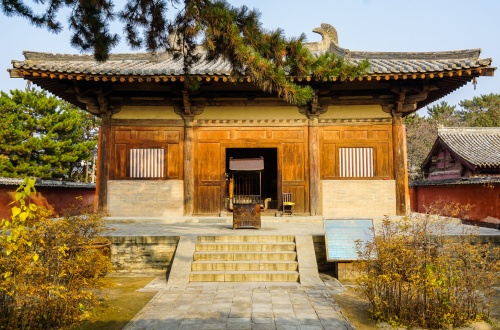 Nanchan Temple
Linfen: Admiring the Beauty of Suspended Sculpture Art
In Linfen, Qianfo Nunnery (also known as Xixiang Xiaoqianfo Nunnery) is a hidden treasure. This Buddhist temple, first built in the Ming Dynasty, is famous for its suspended sculptures and hailed as the masterpiece of China's suspended colored sculptures. Thousands of colored sculptures are concentrated in the main hall, which covers only 170 square meters. These sculptures, with vivid expressions and intricate details, are masterpieces of Chinese art.
The developers of Black Myth: Wukong recreated a similar suspended sculpture scene in the game's third chapter — specifically, the scene in the Small Leiyin Temple during the highlight moment where the Yellow-Browed Demon says to Wukong, "Since you can see the future, why don't you bow?" Visiting Qianfo Nunnery allows you to see the real source of inspiration behind these virtual wonders.
 Qianfo Nunnery
Other Game Scenic Spots
Beyond Shanxi, the development team of Black Myth: Wukong also drew inspiration from locations elsewhere. These places boast distinct features, ranging from massive Buddha carvings to elegant Jiangnan gardens, and they are also great spots to explore the mythical world of Black Myth: Wukong.
Zhejiang: Exploring the Game's Marks in Ancient Architectures
Lingyin Temple and Mei Clan Ancestral Hall in Zhejiang are the prototypes for two classic scenes in Black Myth: Wukong. The Feilai Peak Grottoes Sculptures at Hangzhou's Lingyin Temple, featuring vivid statues of Maitreya Buddha and a group of arhats, served as the inspiration for the sculptures along the mountain path in the Black Wind Mountain section of the first chapter. The Mei Clan Ancestral Hall in Jingning, Lishui, boasts exquisite brick-and-wood structures, with the Xulun Hall and Baoben Hall arranged along the central axis. Its architectural features were perfectly recreated in the scene of the spider sisters' debate in the fourth chapter.
Visiting these two ancient buildings allows you to intuitively feel the wonderful connection between the game's scenes and real-world ancient architectures.
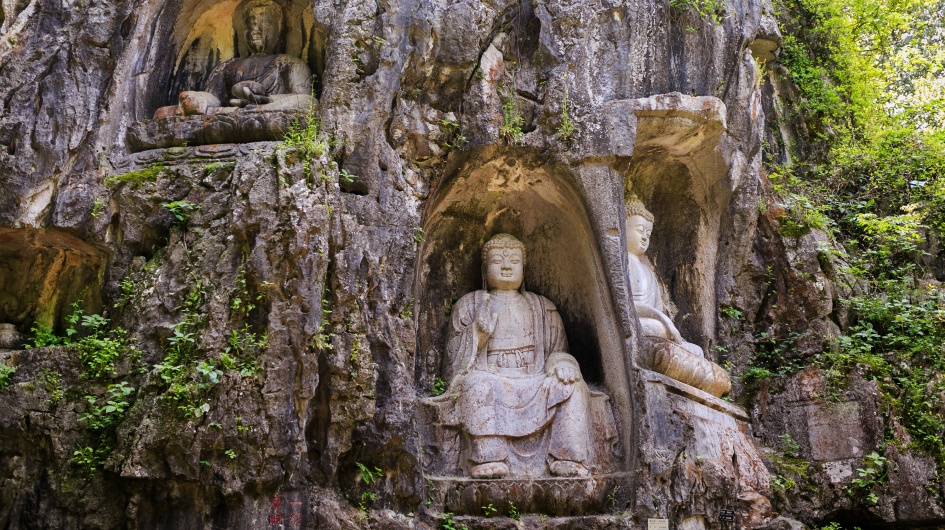 The Feilai Peak Carvings at the Lingyin Temple
Sichuan: Exploring the Game's Jianghu World in Ancient Architectures and Stone Carvings
Wulong Temple in Langzhong and Qianfo Grottoes in Anyue, both in Sichuan, hold the codes to classic scenes in Black Myth: Wukong. Wulong Temple in Langzhong was first built in the Tang Dynasty and rebuilt in the 3rd year of the Zhizheng era of the Yuan Dynasty. Its only remaining structure, the Wenchang Pavilion of the Yuan Dynasty, is famous for its unique wooden structure with inclined brackets and a double-layered plinth, and it served as the prototype for the scene in Chapter 3 where the battle against Yang Jian takes place in the Pagoda Realm.
The statue carving of Qianfo Grottoes (also known as Qianfo Village) in Anyue began in the Tang Dynasty and flourished in the Song Dynasty. With over 3,000 exquisitely carved Buddha statues, the cliff carving elements here were recreated in the murals of the "stone figures" and the stone wall scenes in Huangfeng Ridge in Chapter 2. Visiting these two places allows you to feel the craftsmanship of the thousand-year-old architecture and stone carvings behind the game's scenes.
Chongqing: Appreciating the Thousand-Year Charm of Grotto Carvings
The Dazu Rock Carvings in Chongqing are world-renowned treasures of grotto art. As the pinnacle of China's late-period grotto art, they feature exquisite carving techniques and rich themes. Classic carvings here, such as the Thousand-Hand Guanyin, the Western Pure Land Transformation, and the Hell Transformation Niche on Baoding Mountain, were accurately recreated in the game after being scanned on-site by the development team.
Numerous stone wall carvings and Buddha niche scenes in multiple chapters of Black Myth: Wukong are derived from here, including the relevant battle scenes in the Pagoda Realm of Chapter 3. Visiting the Dazu Rock Carvings allows you to personally experience the thousand-year-old artistic heritage behind the stunning religious carvings in the game.
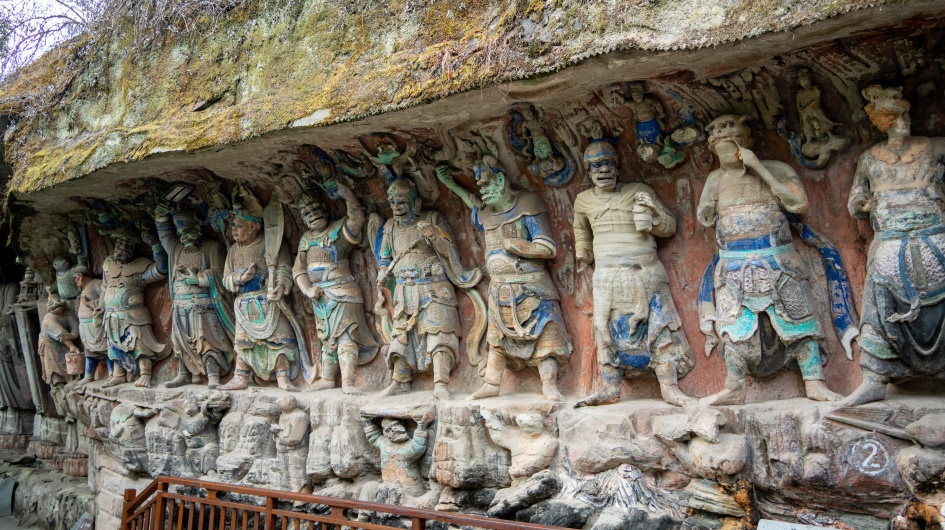 Dazu Rock Carvings
Hebei: Exploring the Fantasy Essence of Ancient Pagodas and Temples
Qinghua Temple Flower Pagoda and Fuqing Temple in Hebei are important sources of inspiration for the Small Leiyin Temple scene in Chapter 3 of Black Myth: Wukong. As a treasure of ancient architecture from the Liao Dynasty, Qinghua Temple Flower Pagoda is characterized by its octagonal Sumeru base, more than a hundred brick-built Buddha niches, and carvings of flying apsaras and musicians, boasting a magnificent and exquisite appearance. Fuqing Temple, on the other hand, is famous for its suspended structure and simple yet elegant halls, fully presenting the quiet atmosphere of an ancient temple in the mountains.
The architectural forms and carving details of the two together shape the solemnity and sense of fantasy of the Small Leiyin Temple in the game. Visiting these sites in person allows you to unlock the charm of the thousand-year-old ancient architectures behind the virtual scene.
Xi’an: Savoring the Millennial Echo of Mural Sculpture Art
Shuilu Nunnery in Lantian, Xi'an, Shaanxi Province, is an artistic treasure hidden at the foot of the Qinling Mountains. This ancient temple, which originated in the Sui Dynasty and flourished in the Ming Dynasty, is famous for its more than 3,700 colored wall sculptures and is known as "China's Second Dunhuang". The wall sculptures integrate techniques such as round carving and relief carving, and vividly tell the life stories of the Buddha in a serial manner, with lively characters and exquisite details. Scenes such as the main Buddha statues, temple halls and pagodas of the Small Leiyin Temple in Chapter 3 of Black Myth: Wukong are all based on this place. Stepping into Shuilu Nunnery allows you to explore the real artistic origin of the solemn Buddhist kingdom scenes in the game.
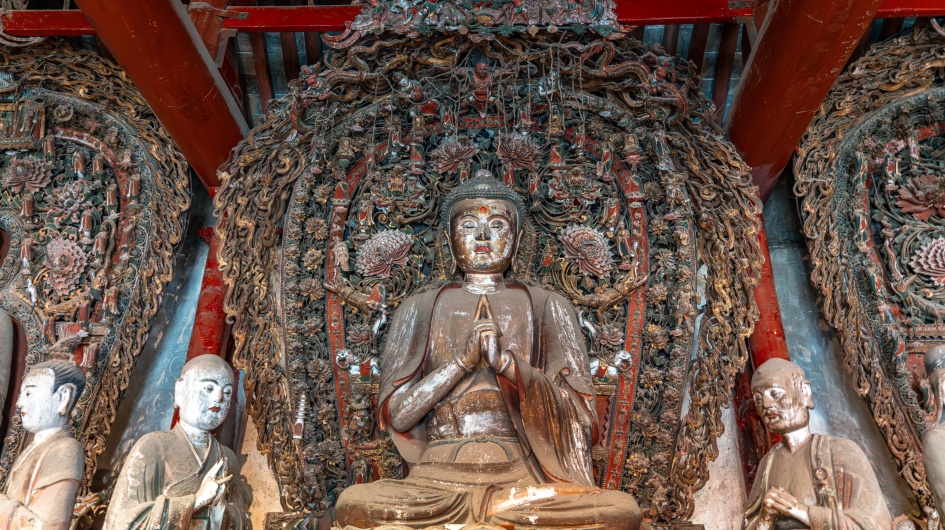 The Sakyamuni Statue at Shuilu Nunnery
Travel China with Black Myth: Wukong — Two Themed Routes
The 36 on-site filming locations of Black Myth: Wukong connect the brilliant map of ancient Chinese architecture and sculpture. The following two themed routes, focusing on "Shanxi Core Game Scenic Spots" and "Inter-provincial Scenic Spots Connection" respectively, will take you from the virtual myth to the real cultural treasures, allowing you to immerse yourself in the thousand-year-old craftsmanship behind the game's scenes.
Route 1: In-Depth Cultural Tour to the Roots of “Black Myth” in Shanxi
This in-depth Shanxi tour hides the prototypes of 27 scenes from the game. From the thousand-year-old stone carvings of Yungang Grottoes to the earthquake-resistant wonder of Yingxian Wooden Pagoda, and from the cliffside ingenuity of Hanging Monastery to the exquisite suspended sculptures of Qianfo Nunnery, every spot has its charm. Follow us to unlock the interactive easter eggs linking the game scenes and ancient architectures, making every step a unique experience of touching history and communicating with mythology.Day 1:
Arrive at Datong Yungang Airport / High-speed Railway Station in the morning. Check into the hotel and take a short rest, then head to Yungang Grottoes in the afternoon. This site is the prototype of the cave scenes in Chapter 2 "Huangfeng Ridge" of the game, and the outdoor Buddha statue in Cave 20 served as the inspiration for the "giant deity statue" design in the game. Follow the scenic area's "Game Scene Interpretation" tour to discover the interactive easter eggs linking the grottoes and the game. In the evening, you can visit Datong Ancient City Wall (Rampart), where you can ride a bike on the wall to overlook the night view. For dinner, it is recommended to try Datong's specialty knife-shaved noodles.
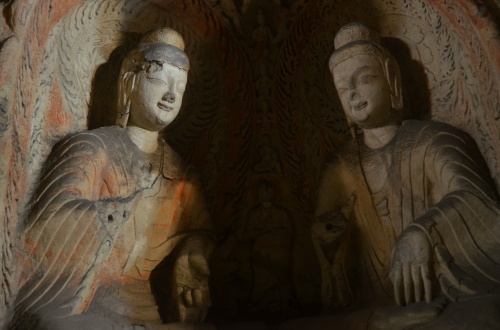 Yungang Grottoes
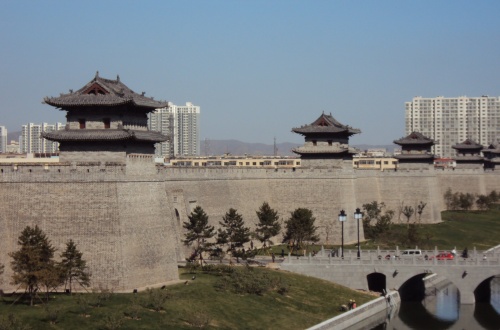 Datong Ancient City Wall
Day 2:
Take the direct bus to "Hengshan Mountain - Hanging Temple" in the morning and go to Hanging Monastery, which is the prototype of the "cliffside temple" in Chapter 3 of the game. Walk along the plank road on the cliff to experience the thrill of the cliffside temple that seems precarious but is actually indestructible. Later, visit Hengshan Mountain, a sacred place of Taoism and also a reference for the "mountain Taoist temple" scenes in the game. It is recommended to take the cable car up the mountain and walk down. From the top of the mountain, you can overlook Hanging Temple and enjoy the beautiful scenery of "integration of mountains, waters and architecture".
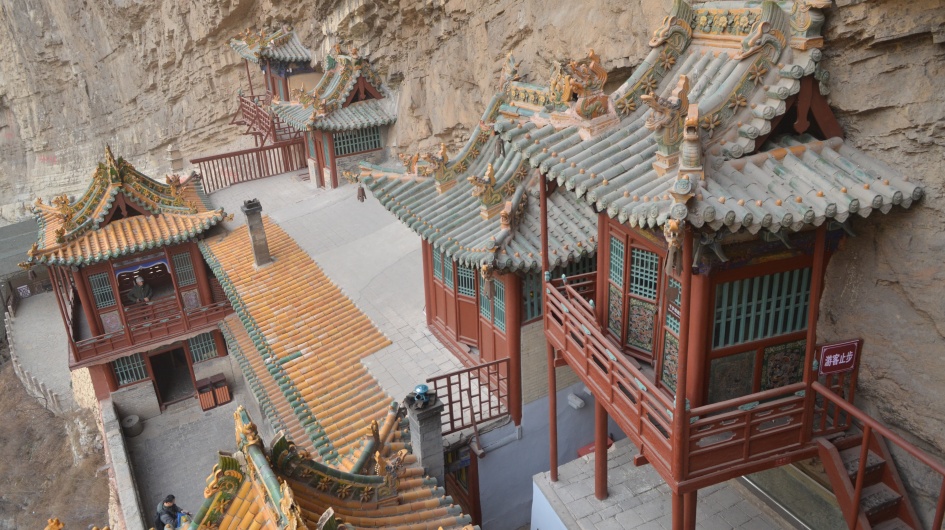 The top of the Hanging Monastery
Day 3:
Visit Yingxian Wooden Pagoda in the morning. Climb the pagoda to experience the ingenuity of its "double-sleeve structure" — details such as the brackets and wind chimes on the pagoda highly match the game scenes. After that, go to Shuozhou urban area and visit Chongfu Temple. Focus on the "Five Wonders of the Jin Dynasty" in Mituo Hall: glazed ridge decorations, huge Chinese-character plaques, carved window lattices, exquisite murals and the "spire of the Thousand-Buddha Pagoda".
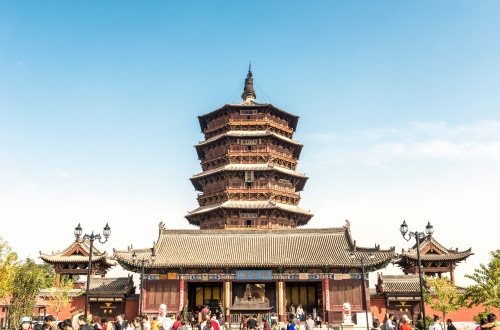 Yingxian Wooden Pagoda
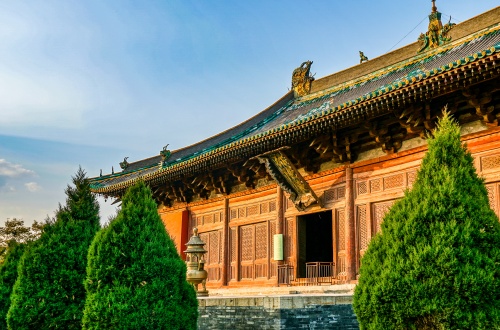 Chongfu Temple
Day 4:
In the morning, head to Wutai County, Xinzhou, to visit Nanchan Temple — China's earliest existing wooden structure from the Tang Dynasty. Admire the Tang Dynasty colored sculptures inside the main hall and experience the Tang-style architectural features of "simple beam frames and powerful brackets". Later, visit Foguang Temple, which was praised as a "national treasure" by the famous architect Liang Sicheng. The "Four Wonders of the Tang Dynasty" (architecture, sculptures, murals, and inscriptions) in the East Main Hall are the most popular attractions among visitors.
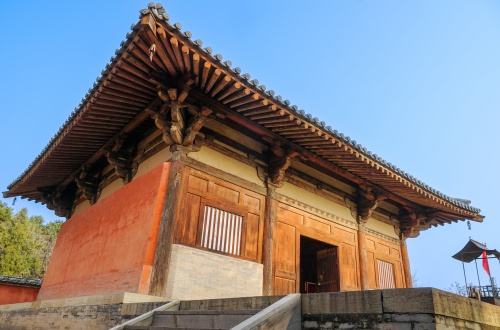 Nanchan Temple
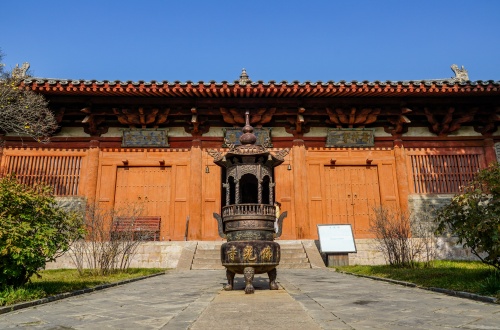 Foguang Temple
Day 5:
In the morning, travel to Jincheng and visit Yuhuang Temple. The "clay sculptures of the Twenty-Eight Lunar Mansions" in the temple have vivid expressions and bright costumes, making them rare and exquisite colored Buddha sculptures. Then go to Shuanglin Temple to see the colored sculpture of Wei Tuo( Skanda), known as "China's No.1 Wei Tuo Statue". In addition, the exquisite colored sculpture groups in the Thousand-Buddha Hall and the Bodhisattva Hall are also not to be missed.
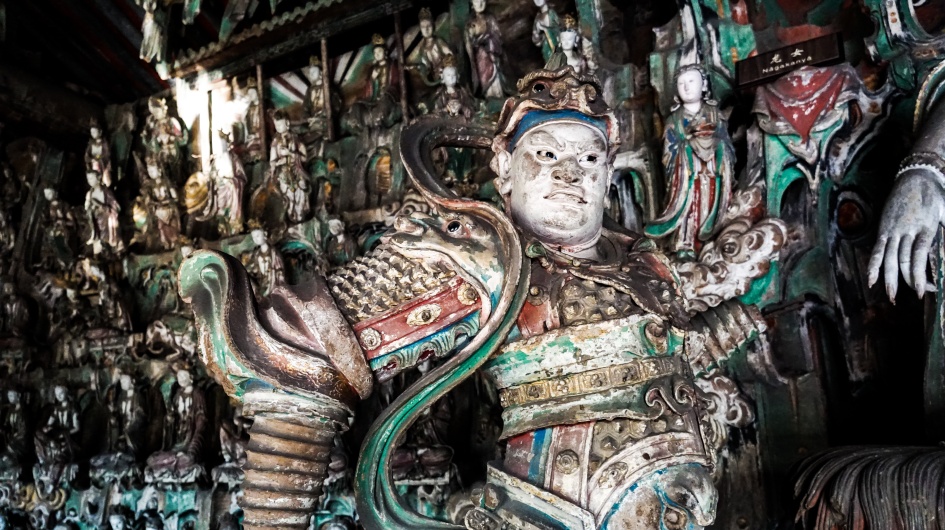 Statue of Weituo(Skanda) at the Shuanglin Temple
Day 6:
In the morning, go to Xi County, Linfen, to visit Qianfo Nunnery (also known as "Xiaoxitian"). More than a thousand suspended sculptures within the 170-square-meter main hall are brightly colored and rich in layers, almost identical to the scenes in the game. Later, travel to Hongtong County to visit Guangsheng Temple. The Feihong Pagoda in the temple is China's tallest glazed pagoda, and its "colorful glazed ridge decorations" are bright in color and simple in style, making it a scenic spot worth seeing.
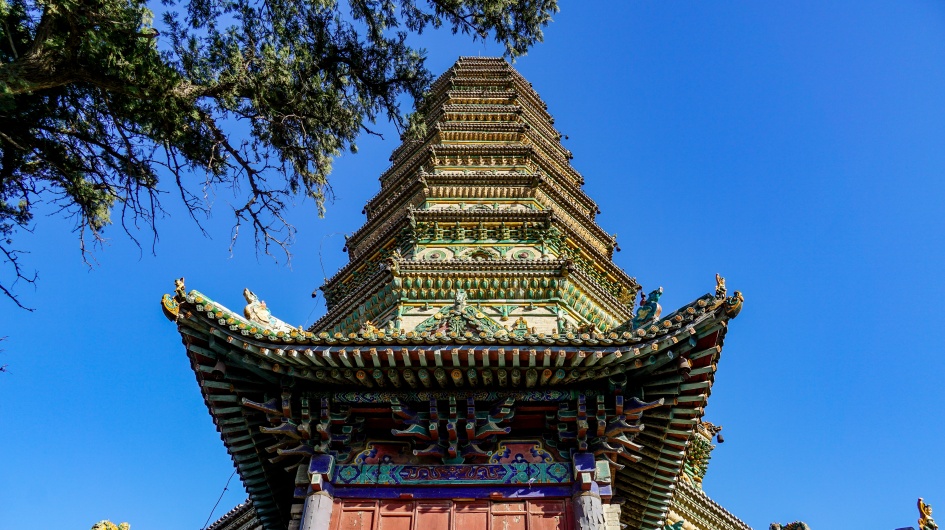 Feihong Pagoda
Day 7:
On the last day of the trip, you can choose to stay a little longer in Linfen based on your flight or high-speed train schedule. Take one final chance to savor Shanxi's delicious food and enjoy its beautiful scenery before heading back.
Route 2: Tracing the Epic Landscapes of “Black Myth” Across China
The game's filming locations outside Shanxi are also unmissable scenic spots. Below are 9 core filming locations covering 5 provinces/municipalities (Zhejiang, Sichuan, Chongqing, Hebei, Shaanxi), allowing you to fully experience the characteristics of ancient architectures in different regions including Jiangnan (south of the Yangtze River), Southwest China, North China, and Northwest China.
Day 1:
Arrive at Hangzhou Xiaoshan International Airport in the morning and check into a hotel near West Lake. Your first stop is Lingyin Temple. The Feilai Peak Grottoes Sculptures here are the prototype of the "mountain path stone carvings" in the game. With a long history, the Buddha statues feature smooth and graceful carving lines, making them an important representative of grotto sculptures in southern China. In the evening, choose to visit the night view of West Lake. It is recommended to take a boat tour of West Lake from the "Three Pools Mirroring the Moon" pier for a better experience.
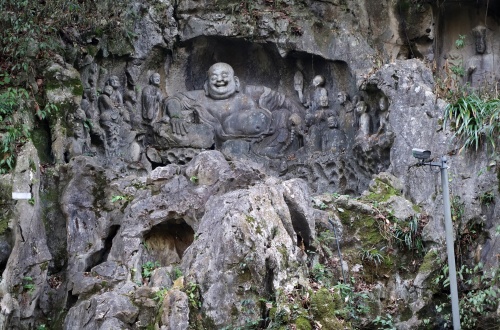 Feilai Peak Carvings at the Lingyin Temple
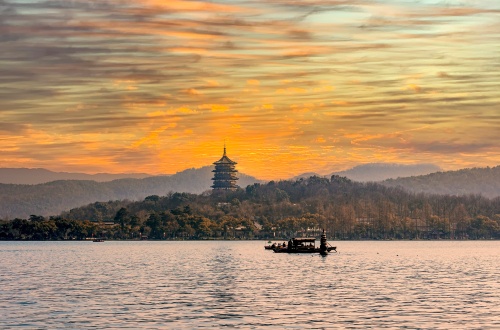 West Lake
Day 2:
In the morning, take a high-speed train to Jingning County, Lishui City, then take a taxi to Mei Clan Ancestral Hall. The ancestral hall has an exquisite brick-and-wood structure, with Xulun Hall and Baoben Hall arranged along the central axis. The carved patterns on the beam frames and the designs on the doors and windows are completely recreated in the game scenes. In the afternoon, visit "Shisi Temple in Daji Township" in Jingning to experience the atmosphere of "integration of ancient temple and terraced fields". For dinner, you can try the local "She ethnic group's specialty dishes", such as She-style black rice and dried stream fish.
Day 3:
In the morning, take a high-speed train from Lishui to Chongqing. Later, head to Dazu Rock Carvings. As a world cultural heritage site, Dazu Rock Carvings represent the pinnacle of Chinese grotto art from the 9th to the 13th centuries. Its Baoding Mountain Sculpture Group is famous for its exquisite carving techniques and profound Buddhist connotations, and it is also the source of many Buddha statue scenes in the game.
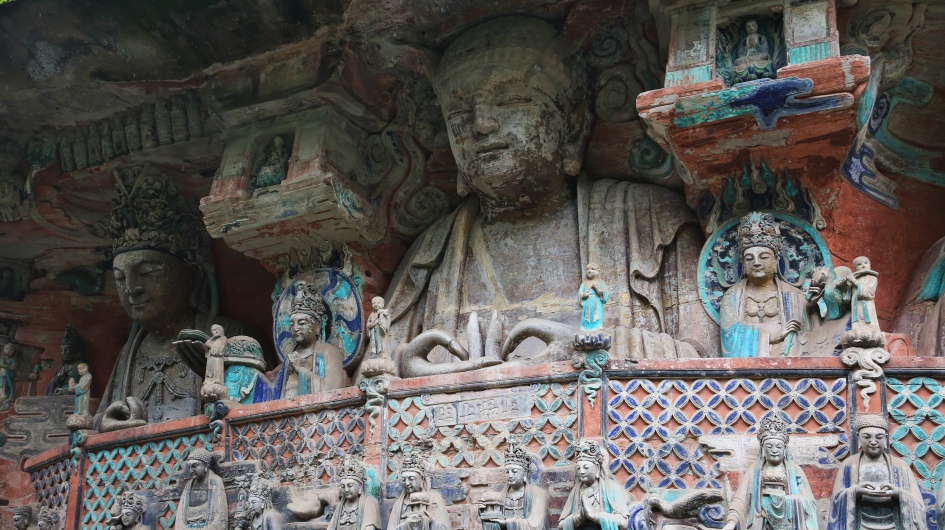 Dazu Rock Carvings
Day 4:
Morning: Take a high-speed train from Chongqing North Railway Station to Langzhong Station, then visit Wenchang Pavilion of Wulong Temple in Langzhong. It is a rare remaining wooden structure from the Yuan Dynasty in northern Sichuan. Its unique inclined bracket structure and double-layered plinth design demonstrate the superb earthquake-resistant wisdom of ancient craftsmen. As the prototype of the scene where the "Destiny's Chosen One" duels with Yang Jian — one of the key highlights of the game — the exquisite wooden structure details of Wenchang Pavilion complement its profound historical sense, attracting many tourists to explore.
Day 5:
In the morning, head to Anyue County, Sichuan, to visit Anyue Qianfo Grottoes and Wofoyuan (Reclining Buddha Courtyard). These two sites are treasures of stone carving art in the Bashu region. More than 3,000 statues from the Tang and Song dynasties are scattered across the mountains, showcasing the vivid charm of themes such as "flying apsaras" and "guardian warriors". The weathered traces of Qianfo Village (Qianfo Grottoes) endow the game scenes with a sense of historical vicissitudes, while the 23-meter-long Tang Dynasty Reclining Buddha Statue at Wofoyuan creates an otherworldly and shocking experience. Unlike the solemnity of temple grottoes, the statues carved into the mountains here blend with nature. Visitors can stroll through the woods and enjoy the quiet atmosphere of "mountain stone carvings".
Day 6:
Take a high-speed train from Anyue to Shijiazhuang. After arriving, rest at a hotel in the urban area, then go directly to Jingxing County to visit Qinghua Temple Flower Pagoda. As a model of Liao Dynasty flower pagodas, Qinghua Temple Flower Pagoda is famous for its octagonal Sumeru base, exquisite Buddha niches, and reliefs of flying apsaras and musicians, demonstrating the unique charm of northern Buddhist architecture. This thousand-year-old pagoda is not only a living textbook for studying Liao Dynasty architectural techniques but also attracts tourists with its immersive experience, becoming the most culturally valuable tourist check-in spot around Shijiazhuang.
Day 7:
In the morning, head to Cangyan Mountain in Jingxing County and visit Fuqing Temple. Perched high on a cliff, the temple's Qiao Lou Dian (Bridge Tower Hall) has an exquisite suspended wooden structure that mixes well with Cangyan Mountain's steep landscape. The scenic area also has natural wonders like "Yixian Tian" (One-Line Sky) and "Yunv Peak" (Jade Maiden Peak). These spots make the combination of mountains, waters and ancient buildings even more striking, turning this place into a great tourist spot that brings together religious culture, architectural beauty and natural wonders.
Day 8:
Take a high-speed train from Shijiazhuang to Xi'an in the morning, then check into a downtown hotel to rest. In the afternoon, go to Lantian County to visit Shuilu Nunnery. Known as "China's Second Dunhuang", it has over 3,700 beautiful colored wall sculptures from the Ming Dynasty. Works like "Buddha's Life Stories" and "Thousand Buddha Statues" use a special mix of round carving and relief techniques, showing great religious art value. Return to downtown Xi'an at night, wander around Datang Ever-Bright City to enjoy Xi'an's evening, and taste Xi'an's mutton soup with steamed buns.
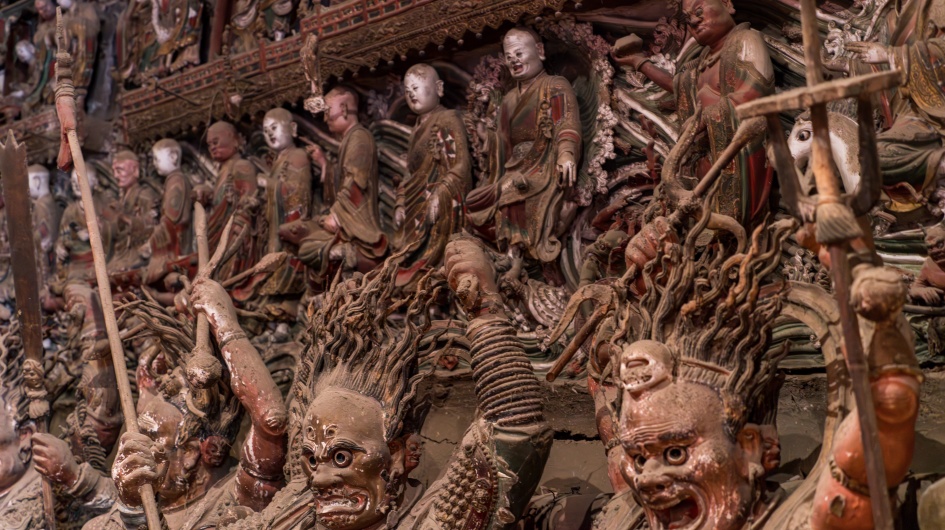 Colored wall sculptures at the Shuilu Nunnery
Day 9:
Morning: Visit the Big Wild Goose Pagoda. It's Xi'an's landmark and shows well the grand style and smart structure of Tang Dynasty brick pagodas. This seven-story Buddhist pagoda was built under Xuanzang's direction. It's not just a Buddhist holy place on the Silk Road, but also a must-see for tourists because you get a special view when you climb up. Afternoon: Pack your bags and take a high-speed train or plane home, whichever you need.
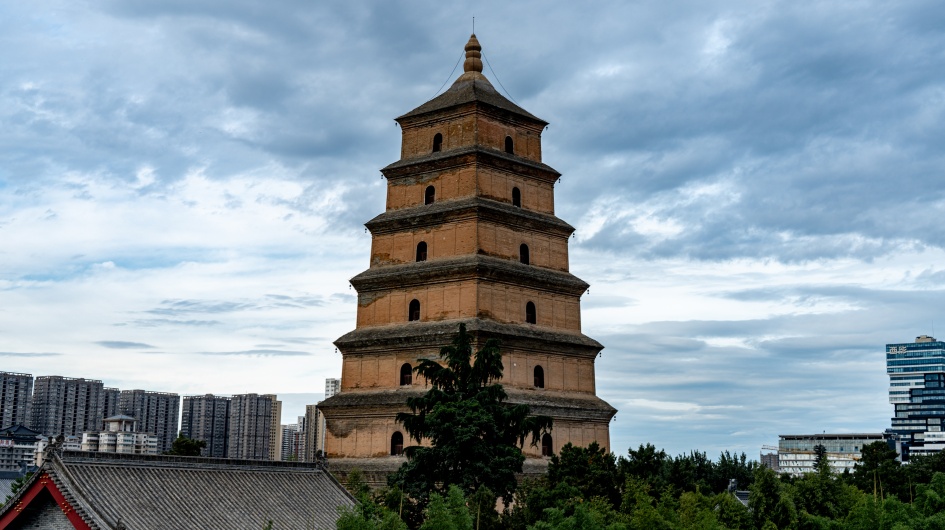 Big Wild Goose Pagoda
If you're interested in the culture behind the prototype destinations featured in Black Myth: Wukong, feel free to contact us. We're dedicated to turning your trip into a cultural feast and making your China journey more meaningful! Just share your needs with us, and a unique Black Myth: Wukong-themed cultural tour will be tailored specifically for you.
Drop us a line and we'll connect you with the top China expert in no time!