- Home
- City Tours
- Datong Tours
- 6-Day Beijing & Datong Tour
6-Day Beijing & Datong Tour
Itinerary at a Glance
| Day | Location | Highlights |
|---|---|---|
| D1 | Beijing (Airport/Railway Station - Hotel) | Arrive in Beijing; hotel check-in |
| D2 | Beijing | Visit Tiananmen Square; explore the Forbidden City to understand ancient imperial court; wander hutongs to experience the lifestyle vibe of old Beijing |
| D3 | Beijing | Climb Mutianyu Great Wall to admire its grandeur; tour the Temple of Heaven |
| D4 | Beijing → Datong | Check out of the Beijing hotel; take a train to Datong; explore Yungang Grottoes to appreciate exquisite Buddhist carvings |
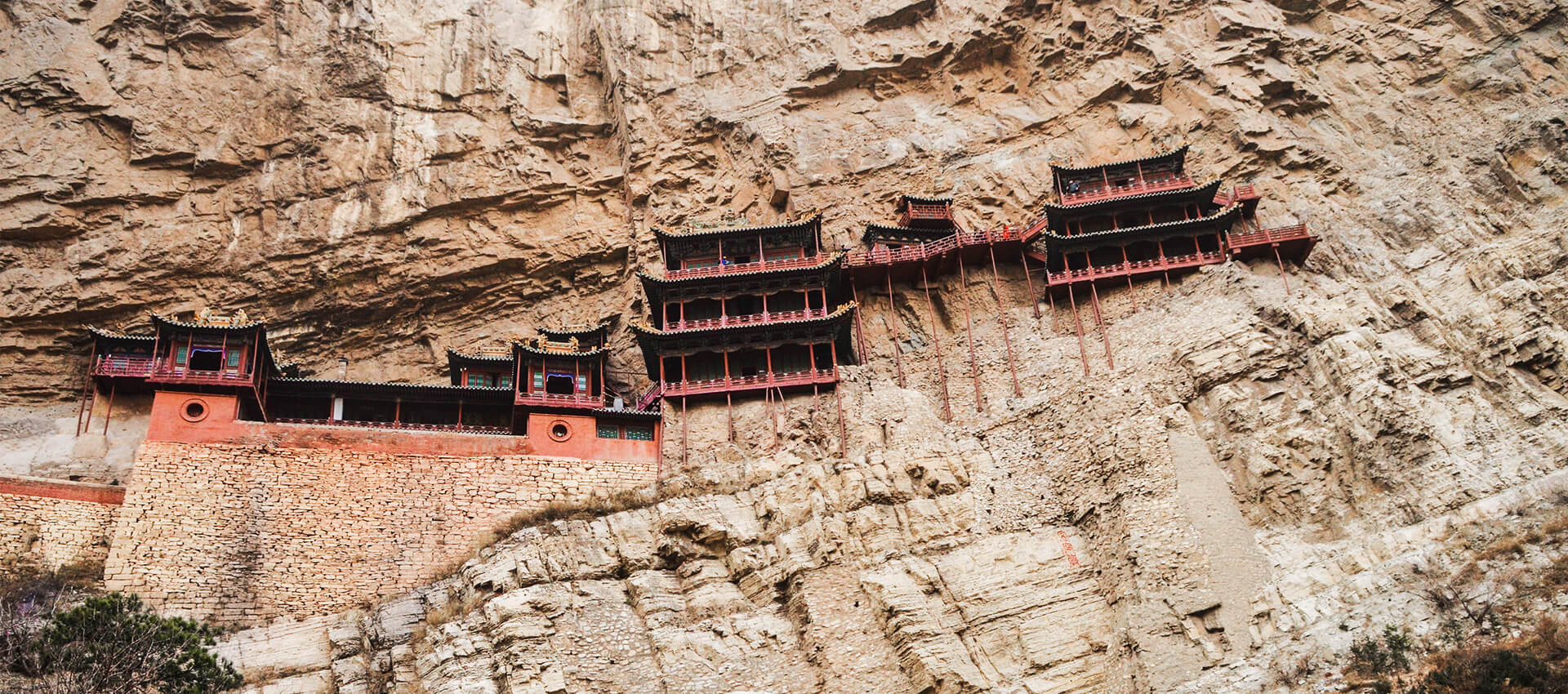
| D5 | Datong & Shuozhou | Visit Hanging Monastery to marvel at the cliff-top architectural miracle; tour Yingxian Wooden Pagoda to admire pure-wooden structure craftsmanship |
| D6 | Datong | Wander Datong Ancient City to feel its historical atmosphere; be transferred to the airport/railway station; the tour ends |
Trip Highlights
- Explore the Forbidden City to feel the grandeur of imperial culture
- Climb Mutianyu Great Wall to admire its grandeur and learn Ming military defense
- Visit Yungang Grottoes to appreciate Northern Wei Buddhist carvings
- Admire architectural wonders like Hanging Monastery and Yingxian Wooden Pagoda
Tour Essentials

Quality
No Shopping Traps

Group Type
Private

Tour Focus
Culture, History

Accommodation
Nights:5

Best Season
Spring, Summer, Autumn, Winter
Full itinerary for 6-Day Beijing & Datong Tour
Upon your arrival in Beijing, a driver will greet you and transfer you to the hotel. You can rest at the hotel to recharge your energy for the upcoming itinerary.
First, explore Tiananmen Square, one of Beijing’s iconic scenic spots. Here, you can pay tribute to the Monument to the People’s Heroes, the Mausoleum of Mao Zedong, and other landmarks, and listen to the tour guide explain parts of China’s modern history. Then, arrive at the Forbidden City (also known as the "Purple Forbidden City"), the world’s largest and best-preserved ancient wooden architectural complex still in existence. Inside, visit some palaces and the displayed precious cultural relics to gain an in-depth understanding of ancient imperial court life and royal culture.
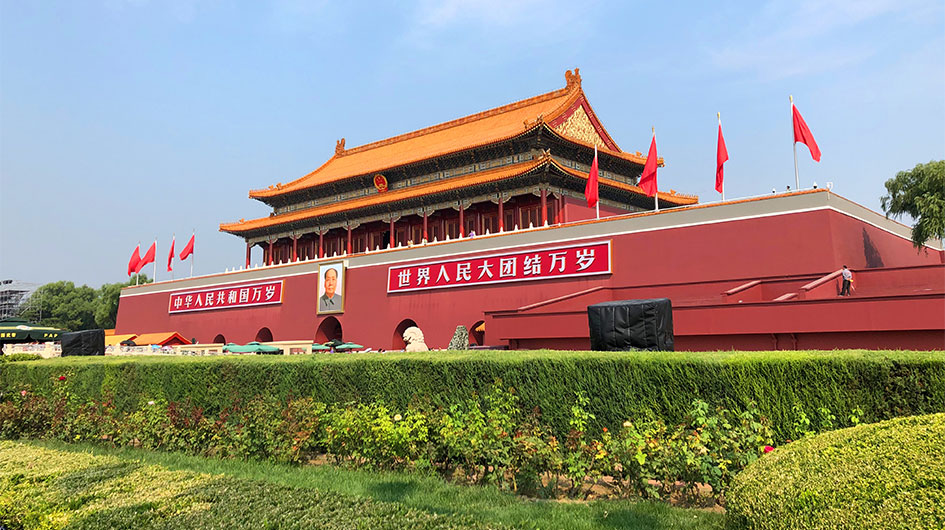 Tiananmen Square
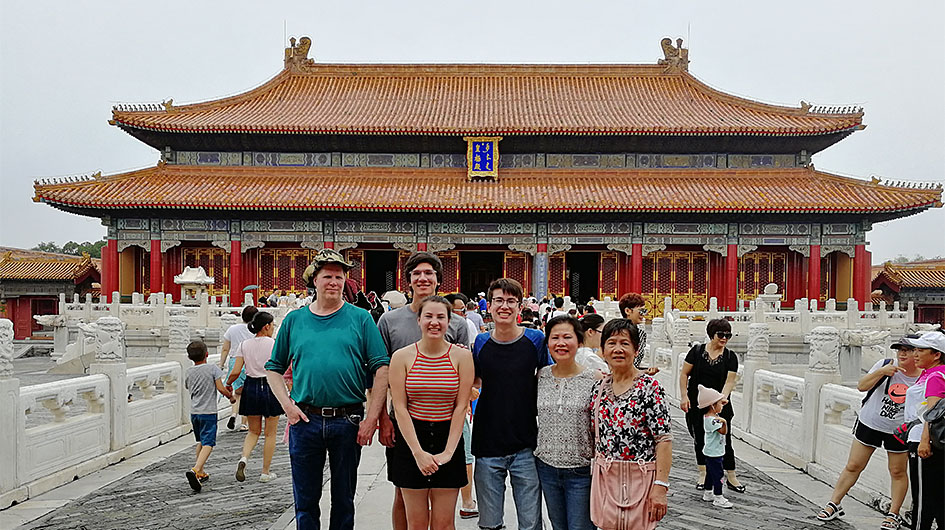 the Forbidden City
The final stop of the day is a Beijing Hutong. Hutongs are the bearers of Beijing’s historical culture. Within them, traditional siheyuan (courtyard residences) and time-honored shops can be seen everywhere, and you can also explore intangible cultural heritage (ICH) such as Peking Opera, facial makeup, and shadow puppetry. Here, you can feel the unique lifestyle vibe of old Beijing.
Your Journey’s Rewards:
Explore iconic attractions like Tiananmen Square and the Forbidden City, learn about ancient imperial court life and royal culture at the Forbidden City, and experience the lifestyle vibe of old Beijing through hutong exploration.
Educational Focus:
What is the cultural value of hutongs?
Takeaway:
As an important carrier of Beijing’s traditional culture, the existence of hutongs embodies Beijing’s unique regional cultural characteristics and is also a key part of China’s national cultural heritage.
Thought Challenge:
Nowadays, many hutongs are facing demolition or commercial transformation. Do you think hutongs will disappear in the future?
You will start your exploration of the Mutianyu Great Wall, a relatively well-preserved section of the Great Wall from the Ming Dynasty. You can choose to take a cable car directly to the viewing platform to enjoy the mountain scenery around the Great Wall and feel its grandeur and magnificence. Alternatively, you can opt for a hiking route—along the way, you can admire the watchtower architecture and learn about the military defense system of the Ming Dynasty through the tour guide’s explanations.
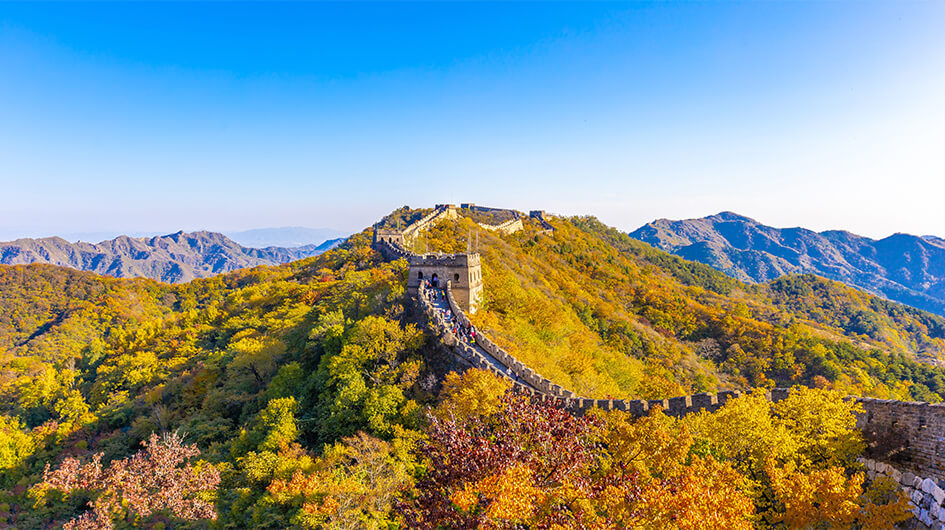 Mutianyu Great Wall in Autumn
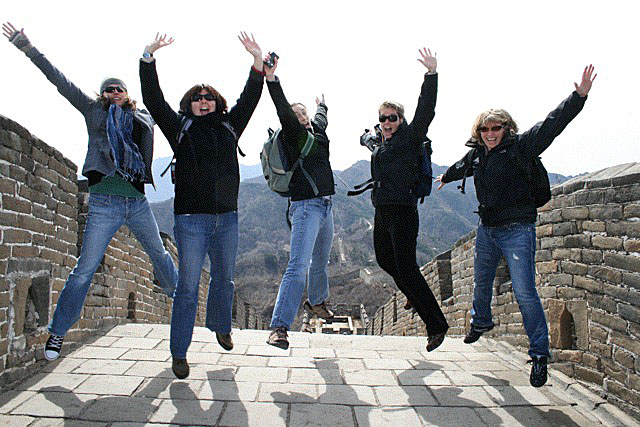
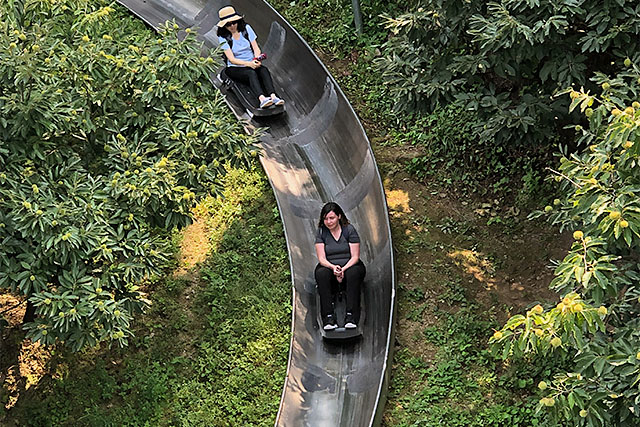
After descending from the Great Wall, you will head to visit the Temple of Heaven. As a place where ancient emperors held sacrificial rituals and prayed, it is the largest existing ancient sacrificial architectural complex. While visiting the buildings of the Temple of Heaven, you can listen to the tour guide’s introduction to understand the ancient Chinese culture of worshipping heaven and the traditional ritual system.
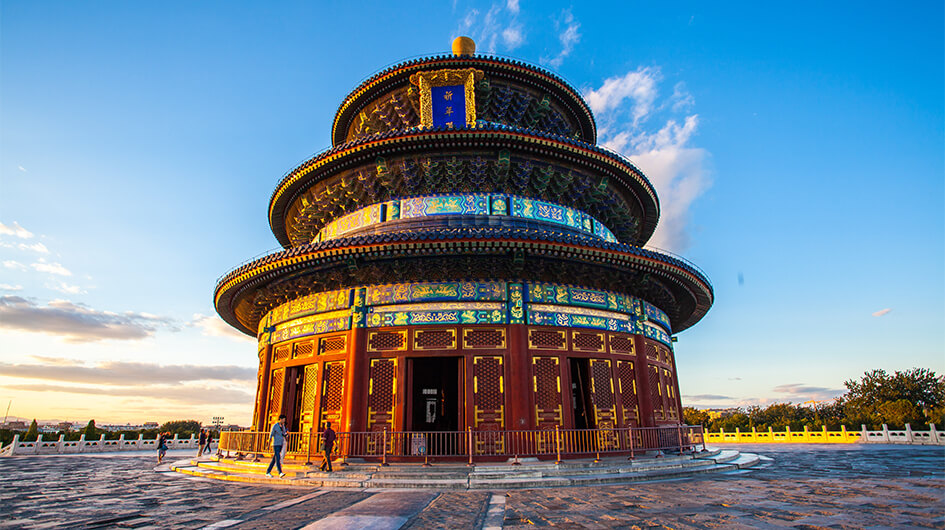 Temple of Heaven
Your Journey’s Rewards:
Climb the Mutianyu Great Wall, enjoy the mountain scenery around it, feel its grandeur and magnificence, and gain knowledge about the military defense system of the Ming Dynasty.
Educational Focus:
Which designs of the Mutianyu Great Wall reflect the practicality of ancient military defense?
Takeaway:
There are 25 defensive structures on this section of the Great Wall, including watchtowers, enemy platforms, wall platforms, and guardhouses—with a watchtower every approximately 100 meters, which demonstrates the tightness of the Great Wall’s defense. Different from other sections of the Great Wall, the Mutianyu section has crenelated walls on both sides, meaning that it can engage in combat against enemies from either side, highlighting its strategic importance.
Thought Challenge:
While developing the cultural and tourism industry, how should we scientifically protect the structure and style of the Great Wall?
After having breakfast at the hotel, you will check out. A driver will take you to the railway station, where you will bid farewell to your Beijing tour guide before heading to Datong to start your exploration there.
The first stop of your Datong itinerary is the Yungang Grottoes, which are renowned for their grand scale, exquisite carving techniques, and rich cultural connotations. You can walk among different grottoes, observe the exquisite carving techniques of the Buddha statues up close, learn about their Buddhist culture, and feel the glory and splendor of the Northern Wei Dynasty.
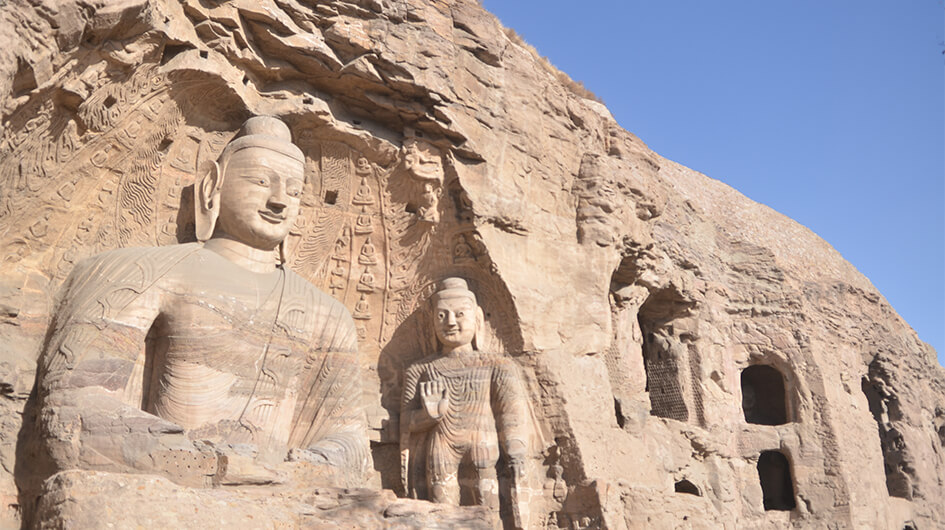 Visiting the Yungang Grottoes
Your Journey’s Rewards:
Explore the exquisite carving techniques and rich Buddhist cultural connotations in the Yungang Grottoes.
Educational Focus:
What does the integration of multiple cultures in the Yungang Grottoes indicate?
Takeaway:
From aspects such as the themes of the statues, costumes, musical instruments, and decorative patterns, it can be seen that the Yungang Grottoes integrate cultural elements from regions such as India, Central Asia, and the Western Regions, demonstrating the exchange and integration of cultures along the Silk Road.
Thought Challenge:
How can we ensure the long-term protection of the grotto cultural relics while guaranteeing a good tourist experience?
After breakfast, depart for Hanging Monastery. The buildings inside the temple are supported by only a few wooden beams and stand nearly 100 meters above the valley floor—you can experience this architectural miracle on the cliff firsthand. You can visit more than 80 Buddha statues made of bronze, iron, stone, clay, and other materials here, and feel the unique Buddhist culture that integrates Buddhism, Taoism, and Confucianism.
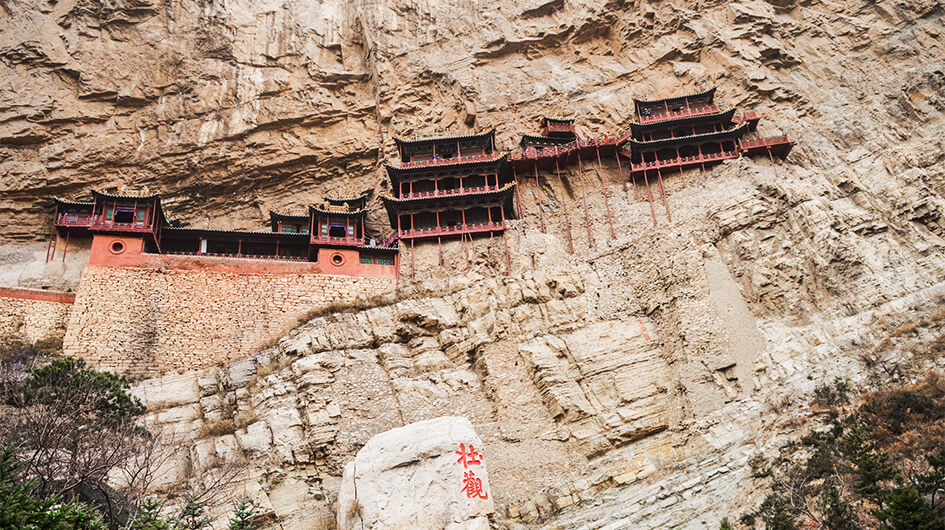 Hanging Monastery
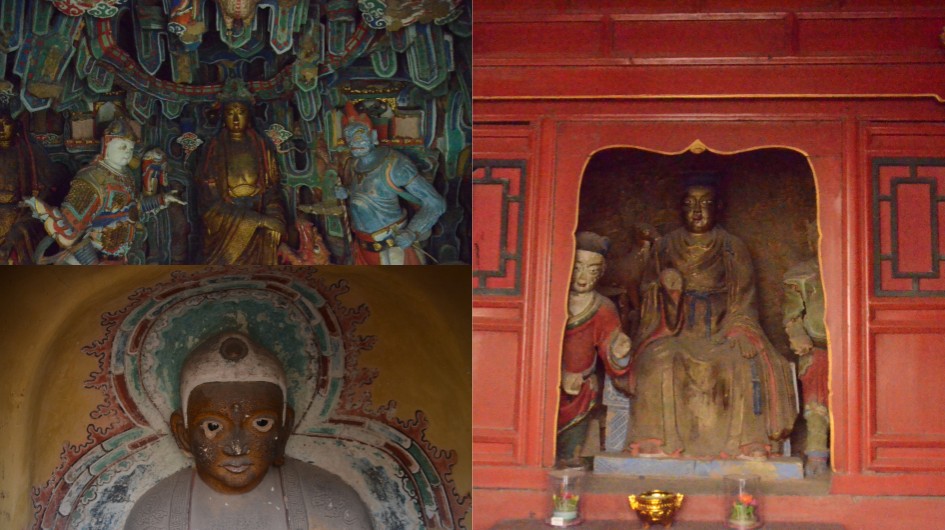 Visiting the Interior of the Hanging Monastery
Yingxian Wooden Pagoda is the tallest and oldest existing pure-wooden pavilion-style building in the world, and it is also a must-visit attraction during your Datong trip. The entire pagoda uses 54 types of brackets (dougong) totaling 480 pieces, earning it the reputation of being a "Dougong Museum." Exploring its architectural features and structure here will surely bring you plenty of insights. Enter the pagoda to visit the Buddha statues, murals, and cultural relics from the Liao Dynasty, and gain an in-depth understanding of Buddhist culture.
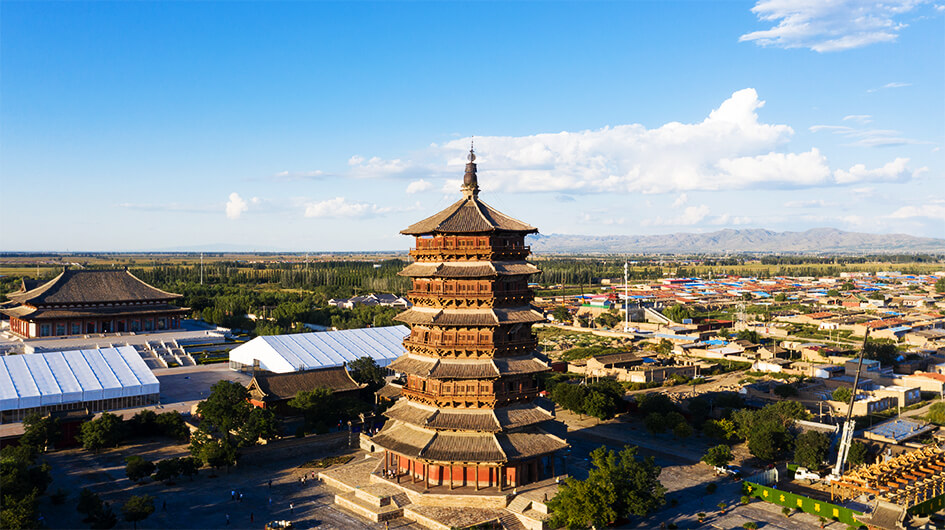 Yingxian Wooden Pagoda
Your Journey’s Rewards:
Visit the architectural wonders of Hanging Monastery and Yingxian Wooden Pagoda, learn about their architectural characteristics, and deeply experience Buddhist culture there.
Educational Focus:
What ancient architectural wisdom did Yingxian Wooden Pagoda use to ensure its stability?
Takeaway:
The entire pagoda is connected using mortise and tenon joints. This allows the wooden components to fit flexibly with each other, which not only ensures the stability of the structure but also gives it a certain degree of earthquake resistance.
Thought Challenge:
How can we scientifically slow down the aging and damage of the wooden pagoda while inheriting the culture of ancient architecture?
Get up early to explore Datong Ancient City, which preserves a large number of ancient buildings from the Ming and Qing dynasties, such as the Prince Dai’s Mansion, Shanhua Temple, and Chunyang Palace. If time permits, you can explore them one by one. You can cycle or walk on the ancient city wall—you can visit the Qianlou Pavilion (a pure-wood structure) on the wall and overlook the panoramic view of the ancient city.
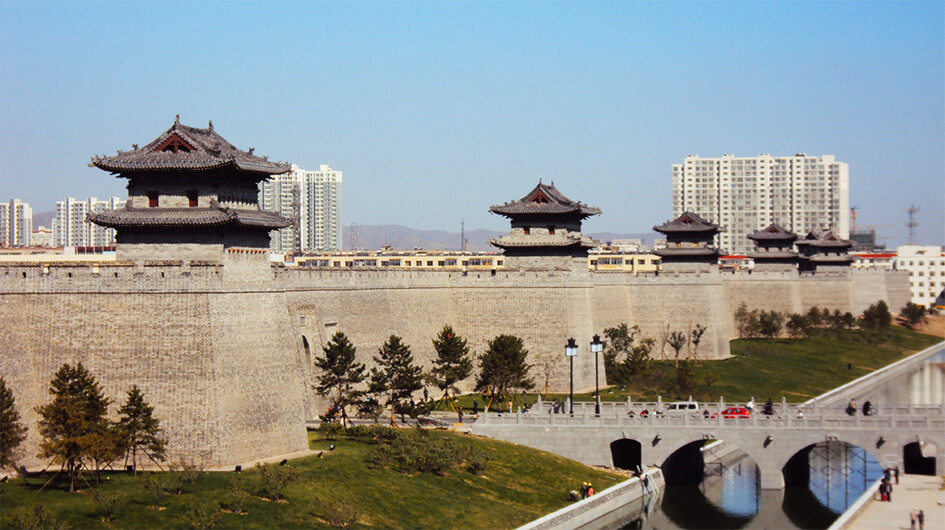 Datong Ancient City Wall
After the visit, you will head to the airport or railway station according to the schedule, and this trip will come to an end.
Your Journey’s Rewards:
Visit Datong Ancient City to feel its historical atmosphere and overlook the panoramic view of the ancient city.
Educational Focus:
How is the Qianlou Pavilion stably built on the ancient city wall?
Takeaway:
Each pillar of the Qianlou Pavilion is bound with two iron hoops, which enhances the load-bearing capacity of individual pillars. Except for the four central well pillars on each floor, square auxiliary pillars are installed to better share the load borne by individual pillars. The main beams are connected using mortise and tenon joints throughout their entire length, which horizontally links the pillars into an integrated plane and plays an excellent role in ensuring stability.
Thought Challenge:
As a wooden structure, how does the Qianlou Pavilion withstand wind and rain?
This tour is suitable for: School, Family, Team Building
What’s Included
- Experienced tour guides
- Entrance fee to all spots listed in the itinerary
- Well selected hotel accommodation
- Expert drivers and comfortable vehicles with air-conditioning
Hotel Options
- Beijing Hotel Accommodation: Sunworld Hotel Beijing
- Datong Hotel Accommodation: Jianguo Hidden Hotel
Wechat & WhatsApp: +86-13471279378