- Home
- City Tours
- Yunnan Tours
- 5-Day Dali Cultural Tour
5-Day Dali Cultural Tour
Itinerary at a Glance
| Day | Location | Highlights |
|---|---|---|
| D1 | Dali | Arrive in Dali, check-in |
| D2 | Dali | Hike in Cang Mountain; visit Chongsheng Temple Three Pagodas; cycle or hike on the ecological corridor on Erhai Lake |
| D3 | Dali | Explore Dali Ancient City; visit Ancient Town Catholic Church to find Bai ethnic characteristics in the architecture; participate in Pu'er tea cake making experience |
| D4 | Dali | Arrive in Xizhou Ancient Town; visit Yan Family Courtyard Museum; watch Dali Three-Course Tea Performance; head to Zhoucheng Village to participate in tie-dye making experience |
| D5 | Dali | Check out, go to airport for check-in, end the itinerary |
Trip Highlights
- Explore Yan Family Courtyard and admire the architectural features of Bai ethnic group's dwellings
- Hike Cang Mountain and stroll along Erhai Lake Ecological Corridor to enjoy Dali's natural scenery
- Visit Chongsheng Temple Three Pagodas and feel the historical and architectural charm of ancient Buddhist buildings
- Tour Bai ethnic traditional dwellings in Xizhou Ancient Town to admire Bai-style architectural features
- Experience Zhoucheng tie-dye and create unique hand-made works
Tour Essentials

Quality
No Shopping Traps

Group Type
Private

Tour Focus
Culture

Accommodation
Nights:4

Best Season
Spring, Summer, Autumn, Winter
Full itinerary for 5-Day Dali Cultural Tour
Upon arriving in Dali, you will be transferred by a driver to your hotel to check in. After that, you can choose to rest or go for a walk around the hotel to explore local delicacies.
In the morning, set off to explore Cang Mountain and experience hiking there. First, take the Gentong Cableway to the Jade Belt Cloud Path. During the hike, enjoy the snow scenery of Cang Mountain and the panoramic view of Erhai Lake. You can also visit the scenic spots along the Jade Belt Cloud Path, and finally reach Zhonghe Temple on the Jade Belt Path to go downhill from there.
 Enjoying Cangshan Scenery by Taking Cangshan Cableway
After going downhill, depart to visit the Chongsheng Temple Three Pagodas, a landmark building in Dali, which consists of the Qianxun Pagoda and the North and South Pagodas. In addition to visiting the Three Pagodas, you can also explore the Buddhist buildings from the Nanzhao Period and feel their historical and artistic value.
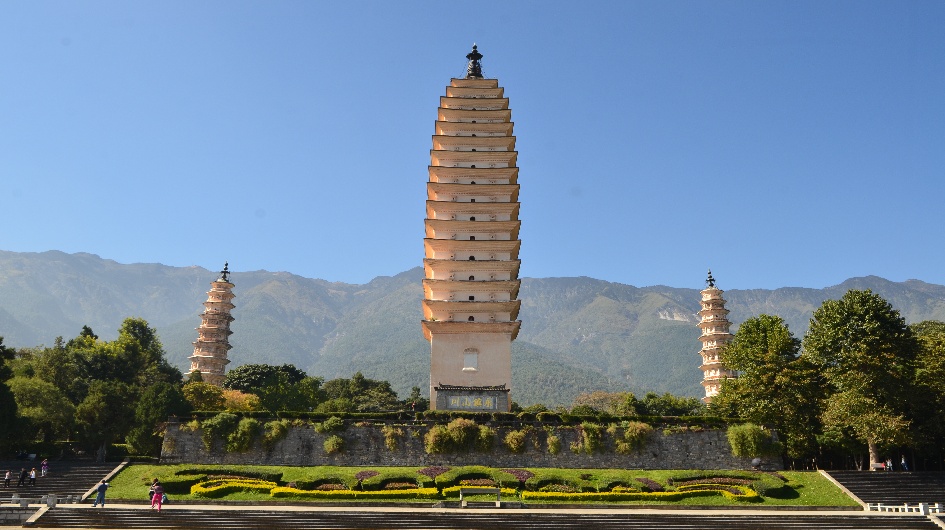 Chongsheng Temple Three Pagodas
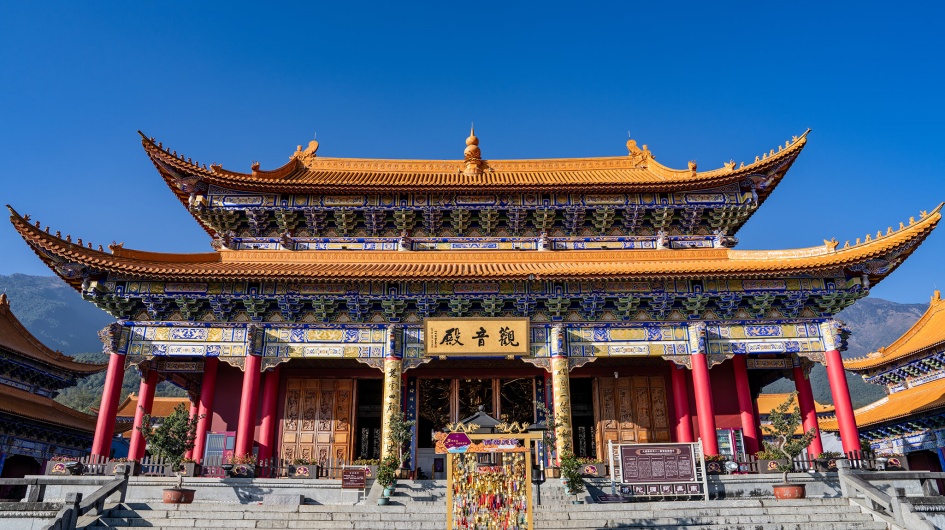 The Guanyin Hall in Chongsheng Temple
Finally, arrive at Erhai Lake. You can cycle or hike on the ecological corridor on the west bank of Erhai Lake. Along the way, you can enjoy the scenery of Erhai Lake, pastoral landscapes and traditional Bai ethnic dwellings. There are lakeside beaches, lawns and waterside plank roads here, making it an ideal place to get close to Erhai Lake.
 The Scenery of Erhai Lake
Your Journey’s Rewards:
Admire the natural landscapes of Cang Mountain and Erhai Lake, and feel the peace of mind brought by the stunning natural scenery. Visit the Chongsheng Temple Three Pagodas, appreciate the grandeur of the historical buildings, and experience their historical and artistic value.
Educational Focus:
What are the characteristics of the Chongsheng Temple Three Pagodas in terms of architectural style?
Takeaway:
The Qianxun Pagoda among the Three Pagodas is a 16-story multi-eaves square hollow brick pagoda and one of the tallest existing ancient pagodas in China. Its shape is quite similar to that of the Small Wild Goose Pagoda in Xi'an. The two smaller North and South Pagodas are both 10-story multi-eaves octagonal hollow brick pagodas, with an attic-style exterior design. Each floor's eaves extend outward, and the eaves corners tilt upward, showing obvious architectural styles of the Song Dynasty.
Thought Challenge:
What specific actions can tourists take to participate in the protection of Erhai Lake during their visit?
In the morning, go to visit Dali Ancient City. You can explore historical buildings in the ancient town, such as the South City Gate, Wuhua Tower, and Wenxian Tower, as well as Bai-style residential houses and shops on both sides of the streets. Or you can taste special snacks in the ancient town and visit the intangible cultural heritage handicrafts on sale or on exhibition.
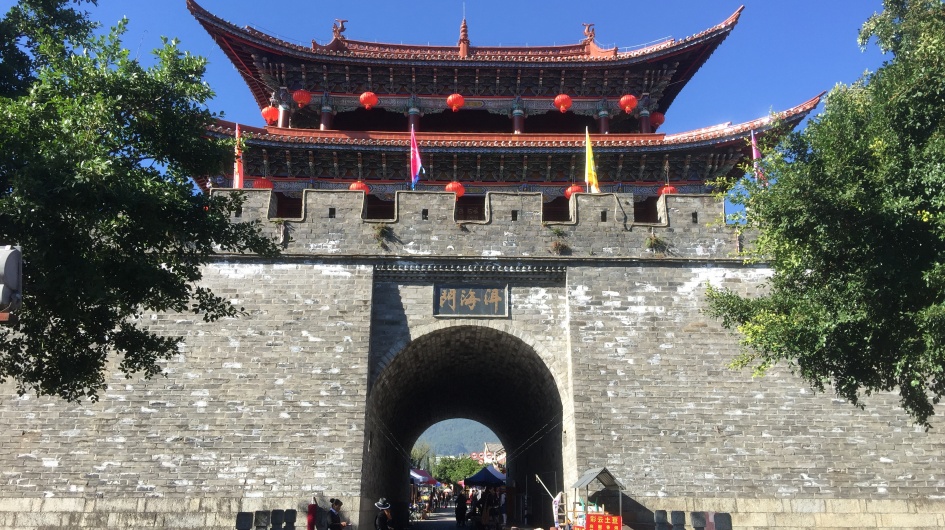 Dali Ancient City
When strolling to the Catholic Church in the ancient town, you will find that, different from other Catholic churches, it is a church that combines Chinese and Western styles, integrating the traditional architectural art style of the Bai ethnic group. You can observe it up close and look for the architectural features of the Bai ethnic group in the building.
In the afternoon, start an experience of making Pu'er tea cakes. Listen to professionals explain knowledge about Pu'er tea while tasting it, so as to increase your understanding of Pu'er tea. Then you will stand on a large stone mill to press out tea cakes and make your own tea cake labels.
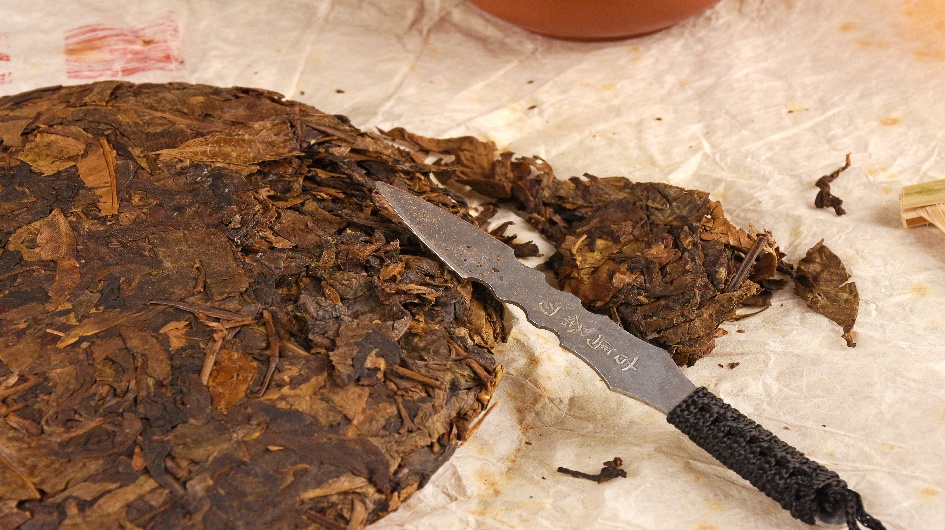 Pu'er tea Cake Making
Your Journey’s Rewards:
Explore the history and culture in Dali Ancient City, visit the Catholic Church to understand the architectural style of the Bai ethnic group. Participate in the making of Pu'er tea cakes, learn about tea knowledge, and appreciate the charm of tea culture.
Educational Focus:
What are the steps of making tea cakes?
Takeaway:
The first step in making a tea cake is to turn water into water vapor. The water vapor can moisten the tea leaves and make them emit a natural tea aroma. Then, weigh and fumigate the tea. Wrap the weighed tea leaves in cloth and place them over the water vapor, and quickly fumigate for about twenty seconds. The third step: step on the tea to shape it and bag it. Place the tea leaves under a large stone mill, compress them flat, and pack them in a moisture-proof tea bag. In this way, a rough tea cake is made.
Thought Challenge:
Nowadays, there are Pu'er tea cakes pressed by machines on the market, and their efficiency is much higher than that of handmade ones. Will the traditional handmade tea-making process be phased out?
Arrive at Xizhou Ancient Town in the morning. The town preserves a large number of traditional Bai ethnic buildings. There are vast paddy fields around the ancient town, and the scenery is charming when rapeseed flowers are in full bloom in spring. Then go to visit Yan Family Courtyard Museum, which is a model of the integration of traditional Bai ethnic architecture and Western architectural styles. By carefully observing the buildings and listening to the guide’s explanation, you can learn about the architectural elements of typical Bai ethnic dwellings. In addition, you can also visit the rich exhibits displayed inside to understand the Bai ethnic folk culture.
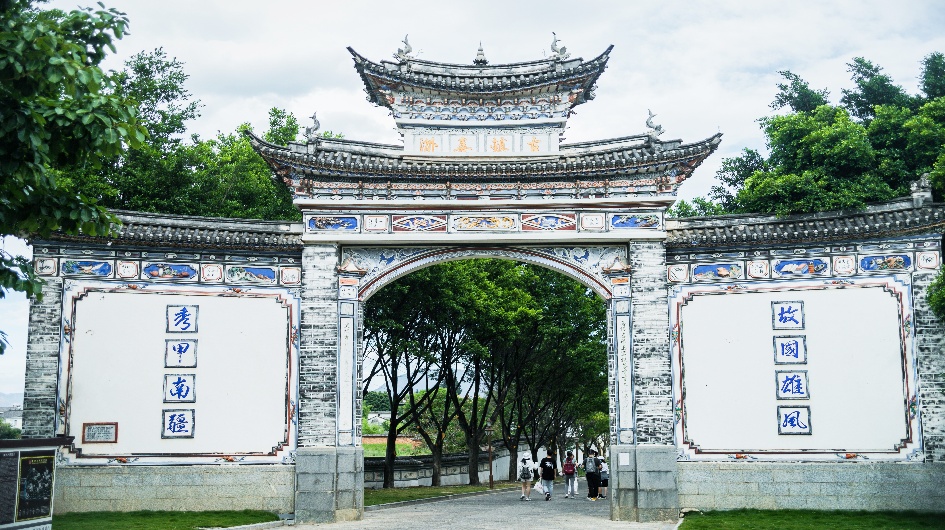 Xizhou Ancient Town
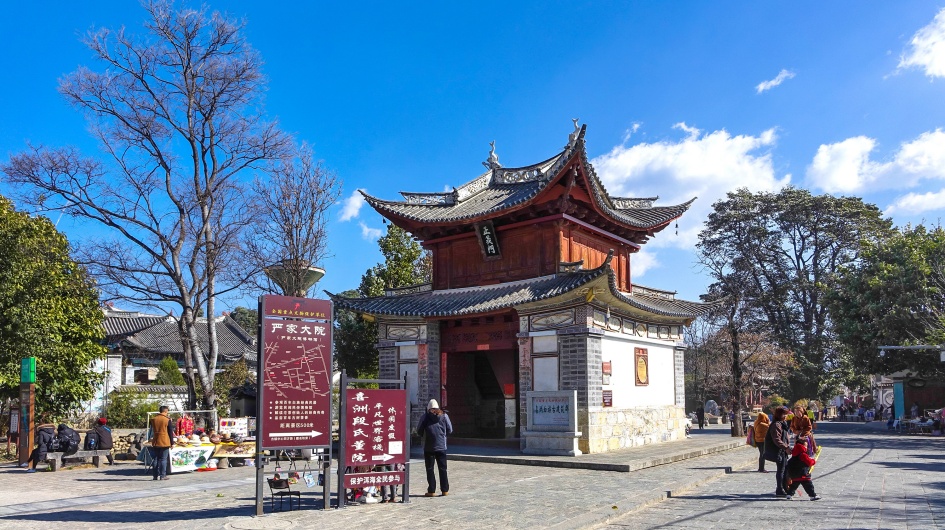 Yan Family Courtyard Museum
Subsequently, head to the small auditorium of Yan Family Courtyard Museum for performances to watch the Three-Course Tea Song and Dance Performance. The Bai ethnic group is a polite and hospitable people, and they entertain guests with "Three-Course Tea", which is a noble etiquette. By watching the performance, you can appreciate the life philosophy embodied in the Bai ethnic group’s "Three-Course Tea".
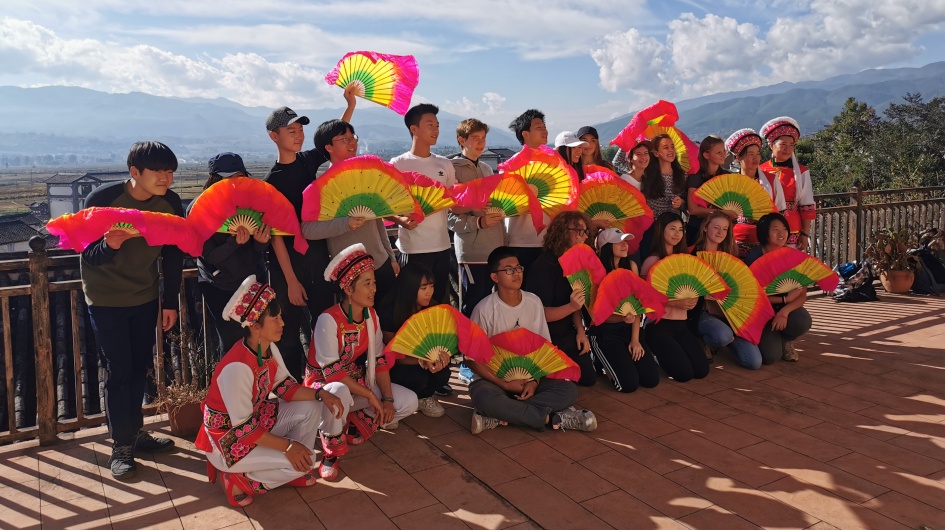 Group Photo with Performers After the Show
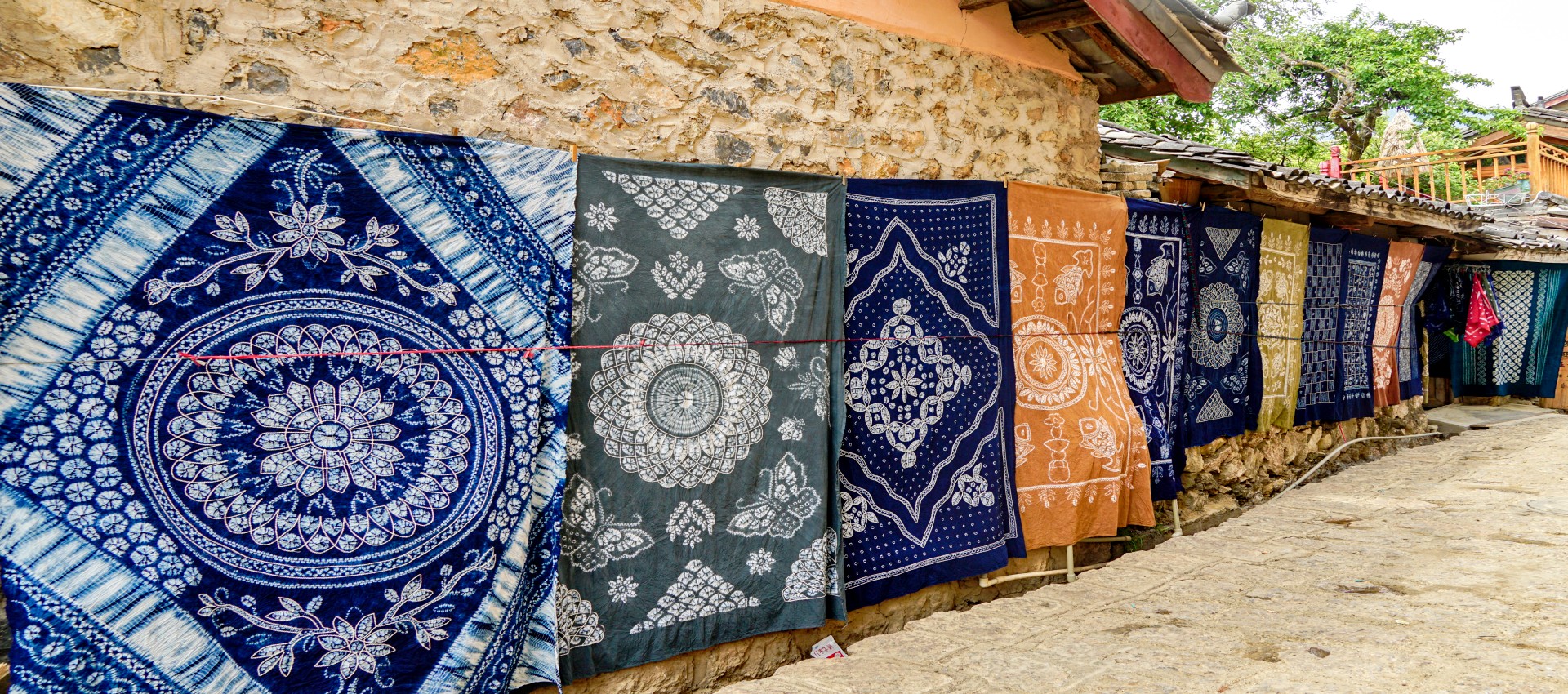
Finally, travel to Zhoucheng Village, an important representative of Bai ethnic culture, famous for its tie-dye craftsmanship and traditional architecture. Here, you will participate in a tie-dye making experience to deeply understand the Bai ethnic tie-dye culture. Take part in the whole process of tie-dye, from drawing patterns, twisting and tying the cloth to soaking and dyeing it, leaving unique blue-and-white patterns on the fabric and creating your own tie-dye work.
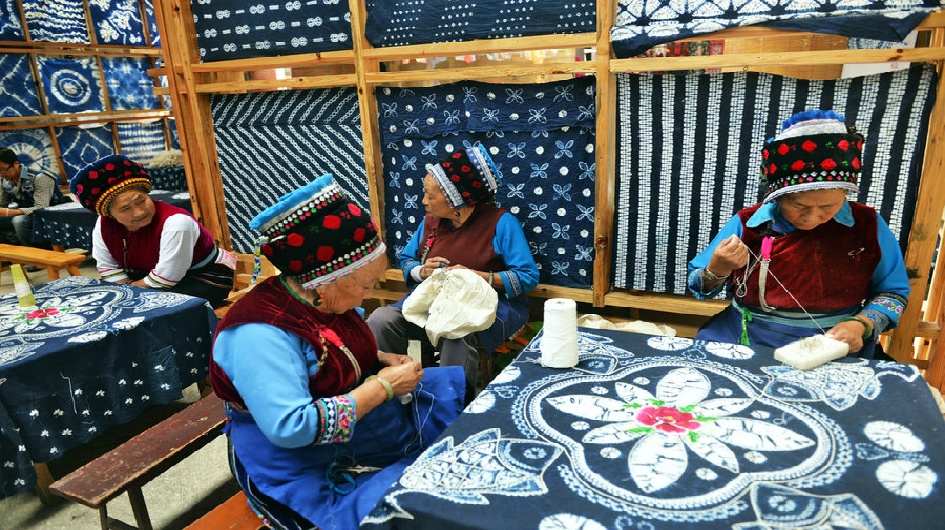 Bai Ethnic Group Residents in Zhoucheng Village Are Making Tie-Dye
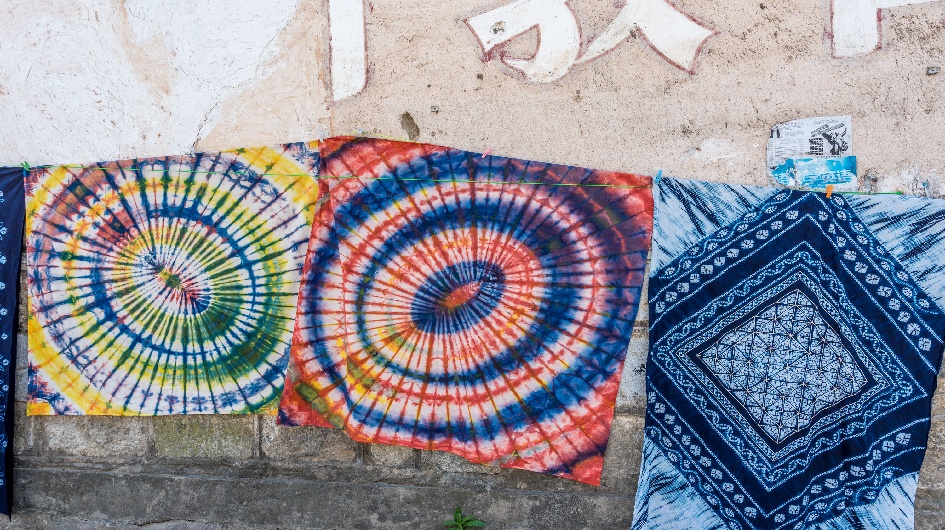 Tie-Dye Experience
Your Journey’s Rewards:
Visit Xizhou Ancient Town to learn about the characteristics of Bai ethnic dwellings and the folk customs of the Bai ethnic group. Experience tie-dye making and feel the charm of tie-dye culture.
Educational Focus:
What are the characteristics of Bai ethnic dwellings?
Takeaway:
Most Bai ethnic dwellings take white as the base color, matched with bright colors such as cyan-gray and red, making the whole building look fresh and elegant. In the detailed decoration of the buildings, various techniques such as carving and painting are used to skillfully integrate elements of nature, life and mythology into the architecture, so that each dwelling is full of strong ethnic characteristics.
Thought Challenge:
Although Zhoucheng tie-dye has been listed as an intangible cultural heritage, it now faces problems such as a shortage of young inheritors and the impact of mass machine production on traditional manual production. How to innovate the inheritance model?
After having breakfast at the hotel in the morning, pack your luggage. Make sure you don’t leave anything behind, then the driver will take you to the airport to check in. The 5-day Dali Cultural Tour comes to an end here.
This tour is suitable for: School, Family, Team Building
What’s Included
- Experienced tour guides
- Entrance fee to all spots listed in the itinerary
- Well selected hotel accommodation
- Expert drivers and comfortable vehicles with air-conditioning
Hotel Options
- Dali Recommended Hotels: The Linden Centre
Wechat & WhatsApp: +86-13471279378