- Home
- City Tours
- Nanjing Tours
- 5-Day Nanjing Hangzhou Cultural Tour
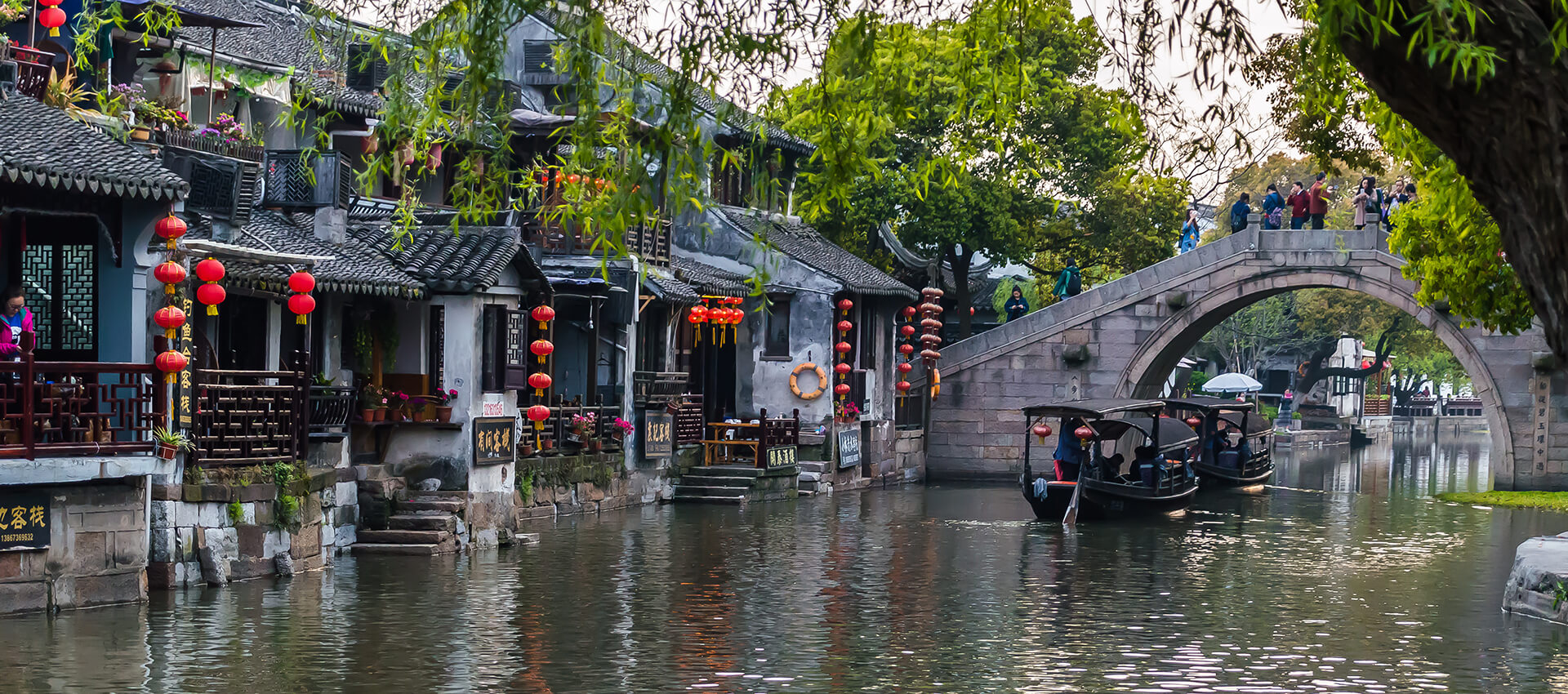
Nanjing-Hangzhou Cultrural Tour
Do you want to immerse yourself in the historical charm and cultural allure of Jiangnan, China? This 6-day Nanjing-Hangzhou tour will be your ideal choice! You will visit the Presidential Palace to experience the blend of Jiangnan-style gardens and Republican-era architecture; wander through Sun Yat-sen Mausoleum and Ming Xiaoling Mausoleum to feel the profound weight of history; take a painted boat cruise on the Qinhuai River and West Lake to indulge in the tenderness of Jiangnan's water towns; and also step into the Suzhou Silk Museum to witness the millennium-old silk civilization and experience traditional handicrafts. It's a journey that combines history, culture and beautiful scenery—waiting for you to start!
Itinerary at a Glance
| Day | Location | Highlights |
|---|---|---|
| D1 | Presidential Palace-Laomendong | Check into downtown hotel, rest, have simple meal; visit historical sites, wander ancient streets, taste local snacks |
| D2 | Jiming Temple-Xuanwu Lake- Sun Yat-sen Mausoleum-Ming Xiaoling Mausoleum | Pray at temple, enjoy panoramic view, boat cruise; climb steps to pay respect, stroll Shixiang Path, visit cultural heritage |
| D3 | Confucius Temple-Qinhuai River-Hangzhou | Experience Confucian culture, take river cruise, listen to stories; take high-speed train, check into hotel, taste local dishes |
| D4 | Lingyin Temple -West Lake | Admire ancient stone carvings, pray, taste vegetarian food; take lake cruise, stroll scenic spots, watch sunset |
| D5 | Suzhou Silk Museum-Hangzhou Workmanship Demonstration Pavilion | View silk civilization, craft demonstrations and modern exhibitions; watch traditional craft creation, join hands-on experience, get souvenir |
| D6 | Hangzhou | Organize luggage, check out; taste specialty breakfast if time allows, head to airport/railway station |
Trip Highlights
- Explore Presidential Palace and feel integration of Jiangnan gardens and Republican architecture
- Cruise on Xuanwu Lake and West Lake to enjoy lake-mountain scenery
- Visit Sun Yat-sen Mausoleum and Ming Xiaoling Mausoleum to appreciate historical heritage
- Take Qinhuai River cruise and experience Confucian culture at Confucius Temple
- Learn about silk civilization at Suzhou Silk Museum and try umbrella-painting
- Taste local snacks like Nanjing plum cake and Hangzhou specialty breakfast
Tour Essentials

Quality
No Shopping Traps

Group Type
Private

Tour Focus
Silk Cullture, History

Accommodation
Nights:5

Best Season
Spring, Summer, Autumn, Winter
Full itinerary for Nanjing-Hangzhou Cultrural Tour
After arriving in Nanjing, the staff will already be waiting here to pick you up. Take a comfortable vehicle to the downtown hotel for check-in, set down your luggage and take a short break to ease travel fatigue. Afterwards, you can have a simple meal near the hotel to get accustomed to the surroundings and prepare for the subsequent itinerary.
Head to the Presidential Palace to visit the former office site of the Republic of China government and Dr. Sun Yat-sen's temporary presidential office. Experience the integration of Jiangnan-style gardens and Republican-era architecture in the Xu Garden. Later, go to the Laodongmen , a historical and cultural block, wander around the ruins of the Ming Dynasty City Wall, check in at the Junhui Bookstore branch of Pioneer Bookstore (renovated from a Republican-era building), and then taste local snacks such as Lu's Plum Cake and Lan Laoda's Lotus Root Congee with Rock Sugar.
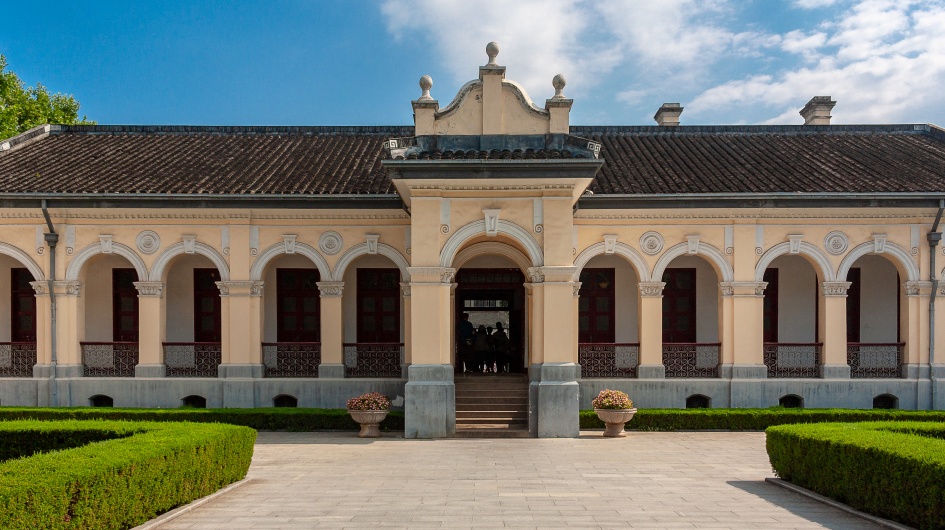 Presidential Palace
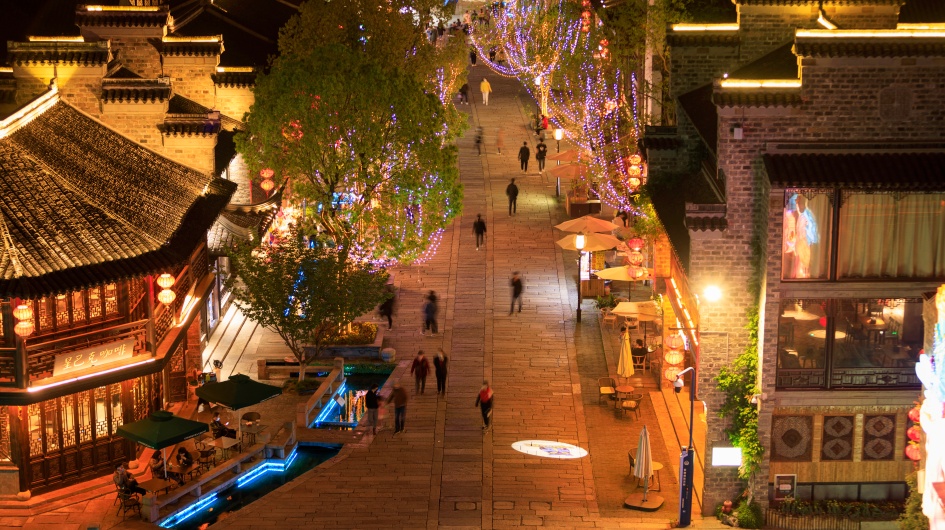 Laodongmen
Your Journey's Rewards:
Wander through Nanjing's ancient streets, taste authentic Nanjing snacks, and visit the Presidential Palace to learn about the city's modern history and garden architecture.
Educational Focus:
How does the integration of Jiangnan gardens and Republican-era architecture in the Presidential Palace reflect the cultural collision and era characteristics of a specific historical period?
Takeaway:
This integration is a vivid epitome of a specific historical stage. During the Republican era, society was in a transitional phase: it not only inherited the aesthetics of traditional Jiangnan gardens, allowing the West Garden to retain the elegance of landscapes, pavilions and waterside pavilions, but also introduced Western-style office buildings due to the need for political functions, forming a combination in terms of vision and function. It is not a simple superposition, but a kind of exploration and balance between tradition and modernity, Eastern and Western cultures by people at that time, showing the unique features of that era in terms of architecture and culture.
Thoughts Challenge:
How should we understand the enlightenment of such cultural integration, which arises from social transformation, for the inheritance of urban historical memory in the present day?
Set off early for Jiming Temple. Known as the "first among the 480 temples of the Southern Dynasties", it is a place with strong incense. You can pray here, then climb to the top of the Medicine Buddha Pagoda behind the temple to enjoy a panoramic view of Xuanwu Lake. Afterwards, enter Xuanwu Lake through Jiefang Gate, rent a small boat to cruise on Xuanwu Lake, admire the picture formed by Taicheng, the Ming Dynasty City Wall and Purple Mountain, and feel the comfort of the beautiful lake and mountain scenery.
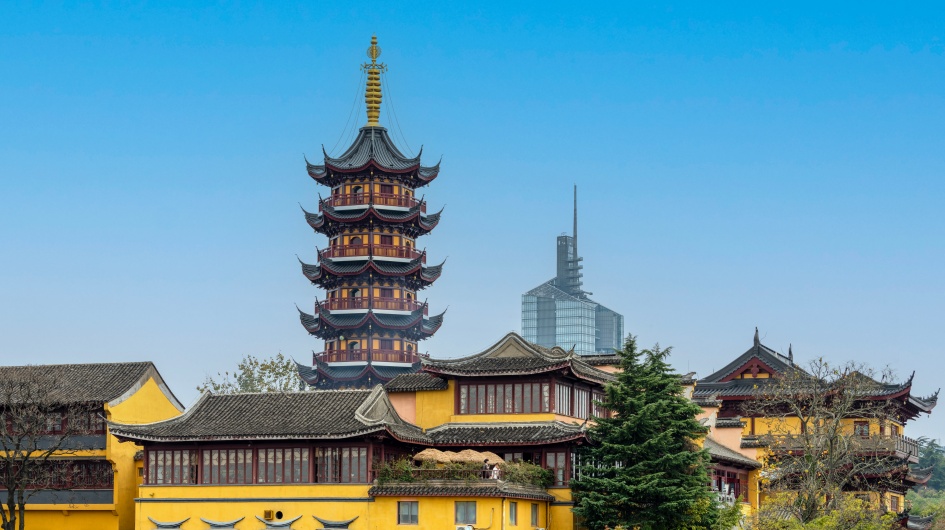 Jiming Temple
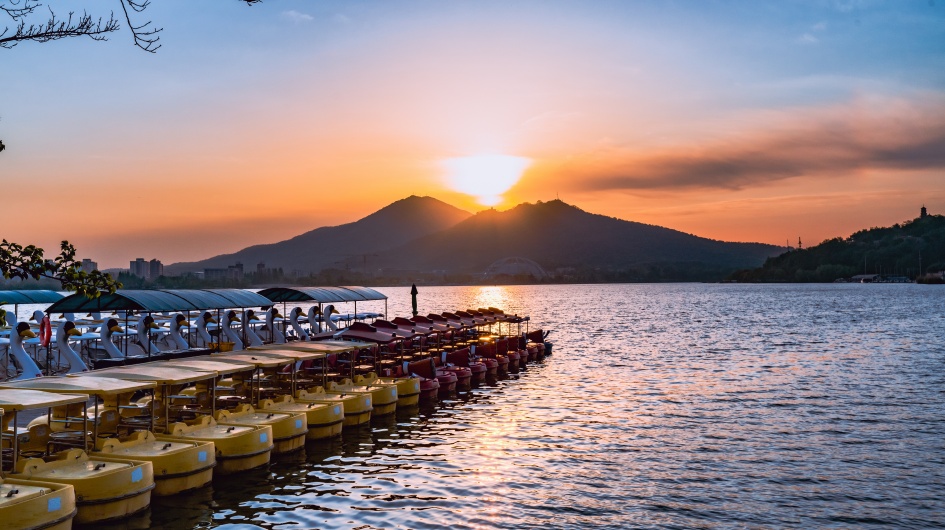 Xuanwu Lake boat trip
Head to Zhongshan Mountain National Park. First, visit Sun Yat-sen Mausoleum, climb up the 392 steps to the top, and pay respect to the statue of Dr. Sun Yat-sen in the memorial hall to feel the solemnity of the architecture. Later, go to Ming Xiaoling Mausoleum, stroll along Shixiang Path to see the sacred way landscape composed of six types of stone animals, and visit the "Monument to the Merits and Virtues of the Great Ming Xiaoling Mausoleum" in Fangcheng Minglou to appreciate the profound historical sense of this world cultural heritage.
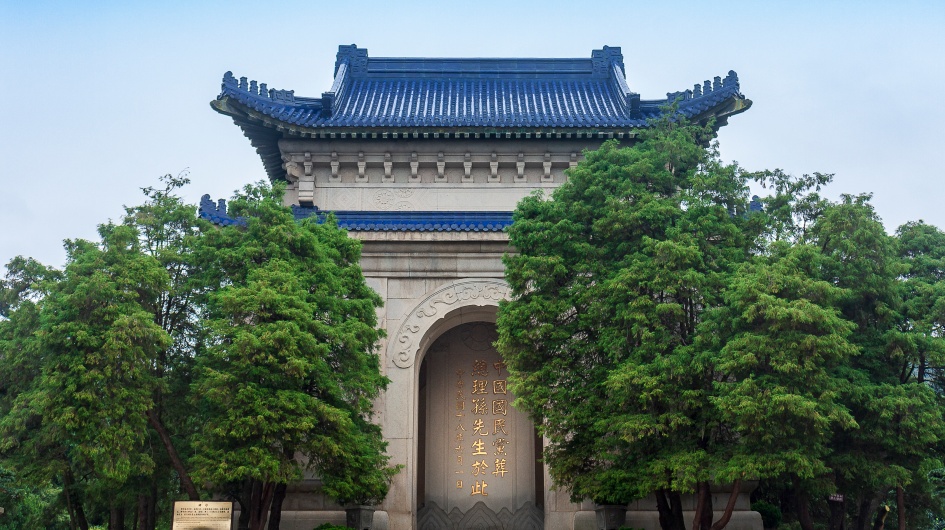 Sun Yat-sen Mausoleum
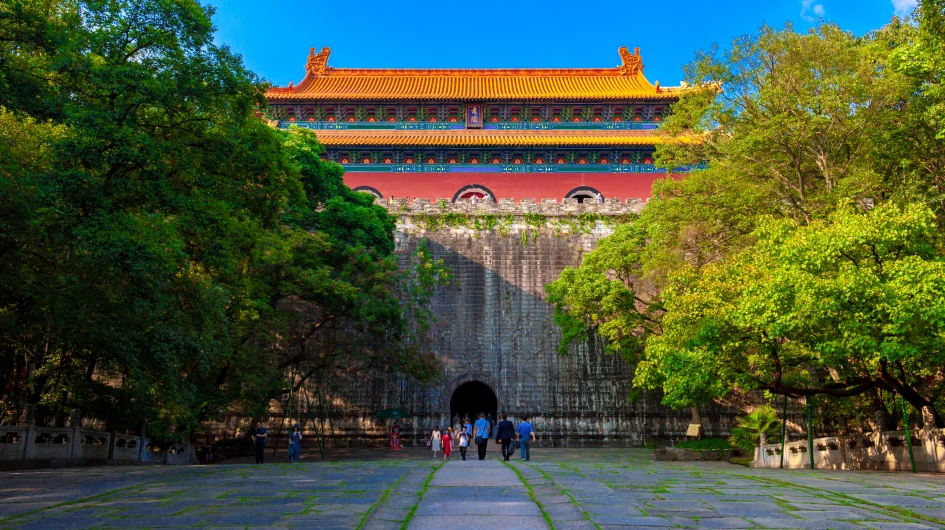 Ming Xiaoling Mausoleum
Your Journey's Rewards:
You can get a comfortable start to your trip, catch your first sight of Nanjing's historical spots, feel how architecture and gardens mix, and try local special flavors.
Educational Focus:
What is Fangcheng Minglou ? What significance does it have in the overall layout and historical connotation of Ming Xiaoling Mausoleum?
Takeaway:
Fangcheng Minglou (Square Citadel and Bright Tower) is the core part of the main mausoleum buildings of Ming Xiaoling Mausoleum, located in front of the Baoding (the burial mound). The Fangcheng (Square Citadel) is a square brick-and-stone structure, with a Minglou (Bright Tower) built on its top. There used to be a stone tablet inscribed with "Monument to the Merits and Virtues of the Great Ming Xiaoling Mausoleum" inside the tower (the tablet has now been moved to Sifangcheng). Functionally, it is a transitional building connecting the front area of the mausoleum and the Baoding (the joint burial tomb of Zhu Yuanzhang and Empress Ma), and it serves to guide the ritual route of sacrificial ceremonies. In terms of symbolic meaning, its grand structure highlights the majesty of the imperial mausoleum, embodies the concept of "imperial power above all" in the mausoleum architecture of the Ming Dynasty, and also marks the maturity of the "front square and back round" layout pattern of imperial mausoleums in the Ming Dynasty.
Thought Challenge:
When we stand in front of Fangcheng Minglou and look at its brick-and-stone structure that has endured hundreds of years of wind and rain, how should we think about the value of such imperial mausoleum buildings for contemporary people to understand history and culture after stripping away their symbolic meaning of imperial power?
Come to the Confucius Temple - Qinhuai Scenic Belt, walk through the traditional-style streets and lanes, visit the Confucius Temple ancient building complex, and feel the atmosphere of Confucian culture. Then take a cruise on the Qinhuai River, admire the Ming and Qing dynasties' buildings on both banks amid the sound of oars and the glow of lanterns, listen to the tour guide talk about the past stories of Qinhuai, experience the unique charm of the "Ten-Li Qinhuai", and you can also see landmark attractions such as Wende Bridge and Jiangnan Examination Hall along the way.
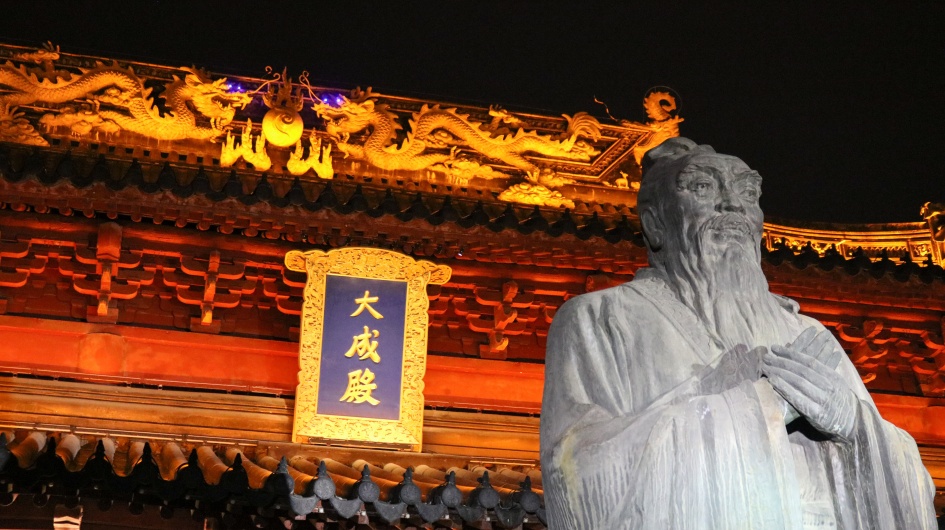 Confucius Temple
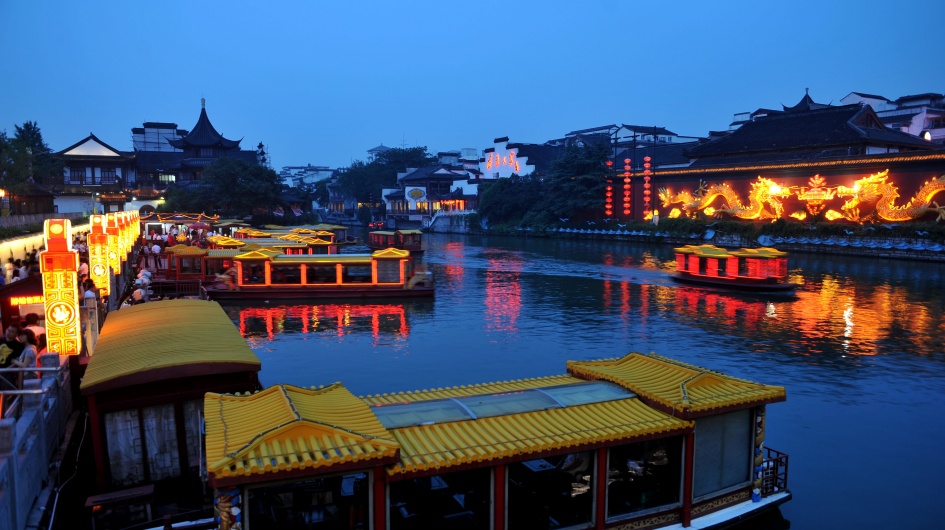 Qinhuai River Night Curise
Take a high-speed train to Hangzhou. You can take a short rest and enjoy the scenery along the way on the high-speed train. After arriving in Hangzhou, our staff will take you to the downtown hotel to check in. After a short adjustment, you can wander around the hotel and taste authentic Hangzhou-style dishes to save energy for the subsequent itinerary.
Your Journey's Rewards:
Experience Confucian culture's atmosphere, feel Qinhuai's unique charm, and try real Hangzhou dishes to get energy back.
Educational Focus:
Jiangnan Examination Hall was an ancient imperial exam place. How does it show the education selection system and social values of that time?
Takeaway:
Jiangnan Examination Hall is an important real relic of the old imperial exam system. It has a tidy layout with thousands of exam sheds, and its strict space division shows that the imperial exam wanted to be standard and fair. Back then, the imperial exam was the main way for common people to change their lives. Jiangnan Examination Hall's success showed that society cared about knowledge and believed "good learners become officials". It was not just a place to pick officials, but also held ancient scholars' dreams. It linked education, talents and social management together.
Thought Challenge:
When we stand in front of Jiangnan Examination Hall's old site and think about the ancient imperial exam system, how should we see the links and differences between this old selection way and today's talent evaluation system?
Arrive at Lingyin Temple early in the morning. First, visit Feilai Peak in front of the temple gate, stop to admire the remaining Buddhist stone carvings from the Five Dynasties to the Yuan Dynasty on the rock walls, feel the delicacy and solemnity of the thousand-year-old stone carving art, and gain a deep understanding of the inheritance of Chinese Buddhist culture. If you wish, you can get a string of Shibaizi Bracelets (Eighteen-Seed Bracelets) symbolizing good luck at the entrance, and worship in each hall to pray for blessings following the staff's instructions. After the visit, go to the temple's vegetarian canteen to try Luohan Zhai (Arhat's Vegetarian Dish) and a bowl of vegetarian noodles. The seats by the window also offer a view of the bamboo forest, allowing you to enjoy a peaceful Zen moment.
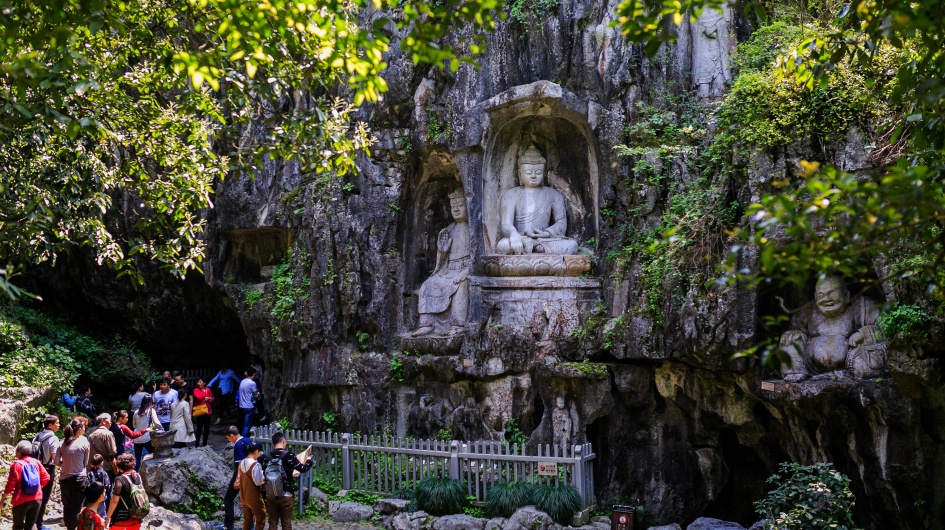 Buddhist stone carvings at the Lingyin Temple
Head to West Lake and prioritize the relatively quiet Yanggong Causeway route. First, take a West Lake cruise to Three Pools Mirroring the Moon. After landing on the island, enjoy a close-up view of the unique scenery of "an island within the lake and a lake within the island", watch the three stone pagodas standing in the lake, and experience the elegant artistic conception of Three Pools Mirroring the Moon as a landmark scenic spot of West Lake. After taking the cruise back to the shore, stroll around Yuhu Bay (a scenic area of West Lake) and Turtle Pond, and enjoy the interesting contrast between the metasequoia forests and reed marshes. Later, go to Huagang to admire the koi fish playing in the water, and watch the sunset opposite Leifeng Pagoda in the evening.
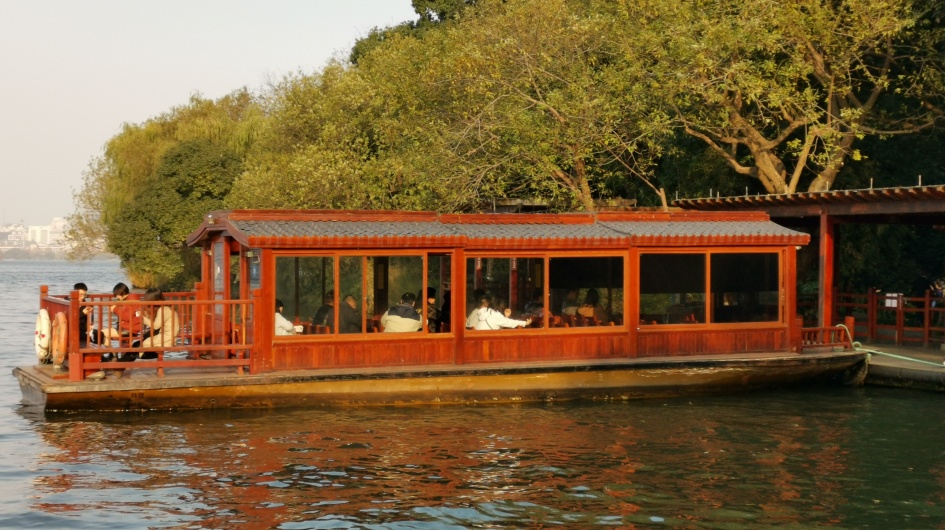 West Lake cruise
Your Journey's Rewards:
Watch the sunset by Leifeng Pagoda, take a boat to enjoy the scenery of West Lake's islands and lakes, taste the vegetarian food in the temple, and admire the thousand-year-old Buddhist stone carvings.
Educational Focus:
Can the Buddhist stone carvings from the Five Dynasties to the Yuan Dynasty on Feilai Peak reflect the development status of Chinese Buddhist art at that time? And what kind of cultural connotations do they carry?
Takeaway:
The Buddhist stone carvings on Feilai Peak have rich cultural connotations and span from the Five Dynasties to the Yuan Dynasty. Various Buddhist figures and stories are carved on these stone carvings, and people used them to spread Buddhist doctrines at that time. Moreover, the styles of Buddhist art in different dynasties can also be seen through them. In addition, they record the integration of Buddhist culture and local traditions, allowing us to see the continuous development of Chinese Buddhist art and its growing adaptation to local conditions. They also help us understand how Buddhist culture adapted to the social and cultural environments of different periods and became an important part of traditional Chinese culture.
Thoughts Challenge:
If the Buddhist stone carvings on Feilai Peak could "tell" about the changes in people's beliefs and aesthetic tastes over the past thousand years, their descriptions might reveal people's understanding of Buddhist culture in the past and present. What differences are there between these understandings, and what kind of inherent connections do they have?
Visit the Suzhou Silk Museum, China's first museum dedicated to silk. With its rich collections, the museum outlines China's 7,000-year silk civilization. Here, you can see the process from sericulture to imperial weaving, watch craftsmen operate ancient looms to demonstrate intangible cultural heritage techniques. Besides, there are fine kesi works from the Ming and Qing courts, as well as modern technology exhibitions like the "Silk Metaverse", allowing you to learn about the development of traditional silk culture in modern times.
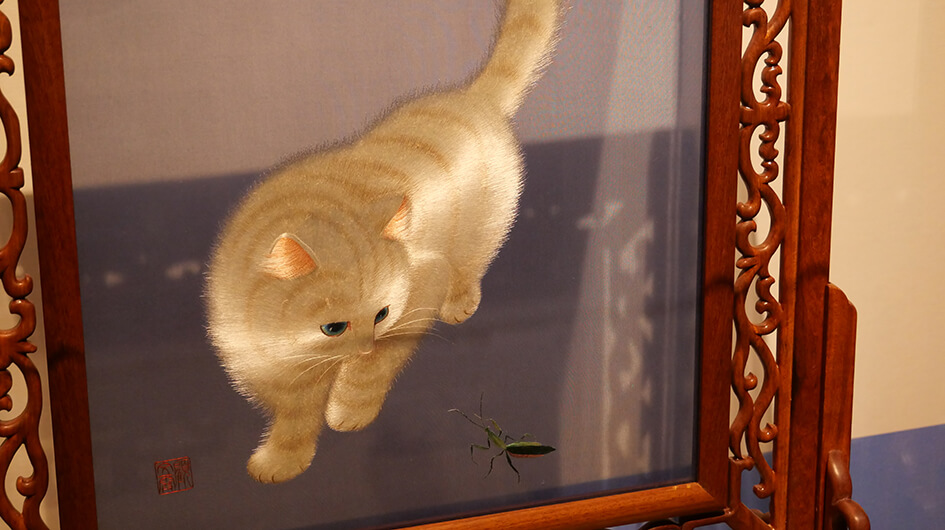 Exquisite embroidery work
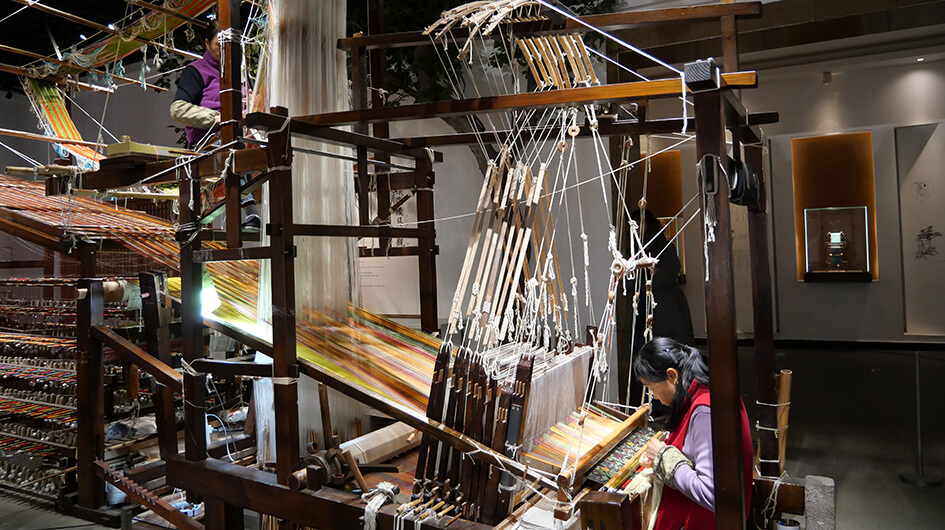 Workers are weaving on huge and complex textile machines
Head to Hangzhou Workmanship Demonstration Pavilion, where a variety of traditional handicrafts are gathered. You can watch bamboo weaving and wood carving artisans create on-site to learn about craft details and inheritance stories. You will take part in some simple hands-on experiences here, such as painting on umbrella surfaces with brushes, to feel Hangzhou's unique Jiangnan culture. In the interaction, you can experience the exquisiteness and warmth of traditional handicrafts and keep a unique travel souvenir.
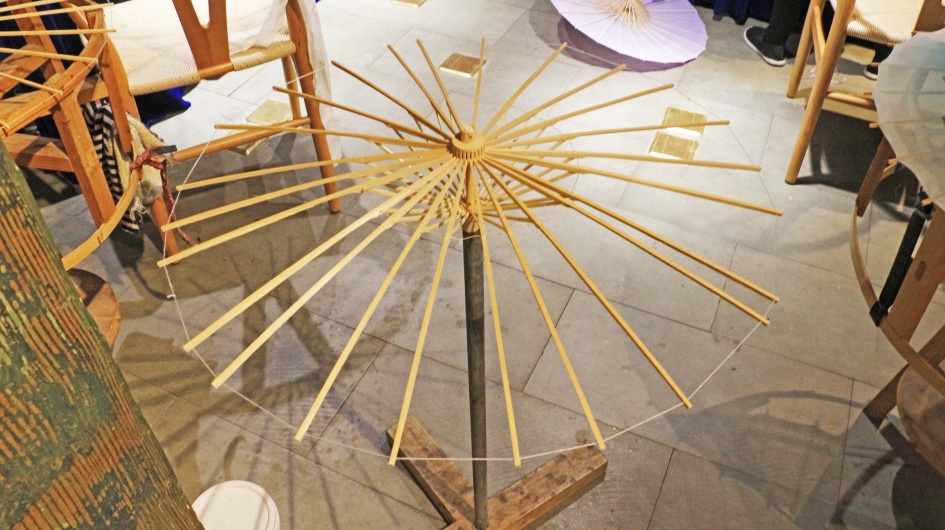 Assemble the umbrella ribs
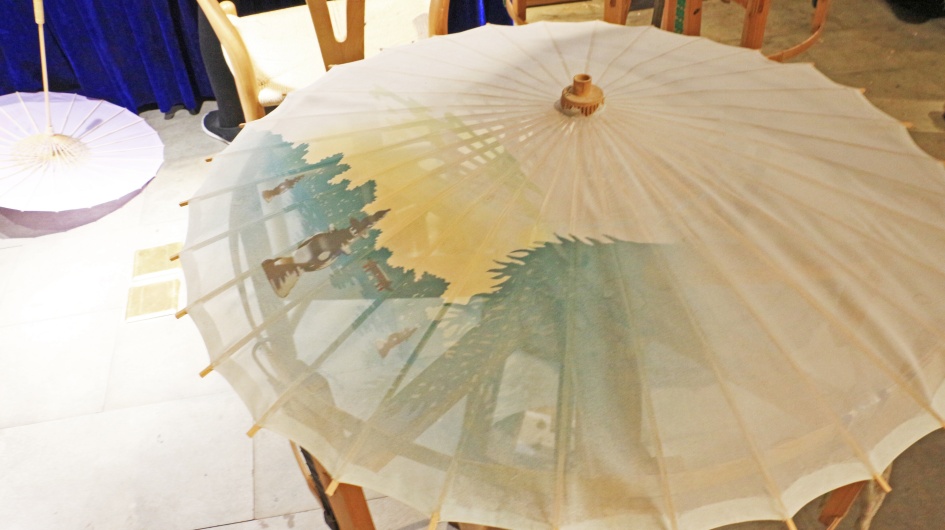 Umbrella canopy with painting completed
Your Journey's Rewards:
Explore the Handicraft Living Museum to watch traditional craft creation, try hand-made work and keep travel souvenirs; visit the Silk Museum to enjoy the thousand-year-old silk civilization and modern exhibitions.
Educational Focus:
As China's first museum themed on silk, what role does Suzhou Silk Museum play in the protection and inheritance of traditional silk craftsmanship?
Takeaway:
Suzhou Silk Museum outlines the millennium-old silk civilization through its rich collections. It not only displays the complete process from sericulture and silk reeling to imperial weaving, as well as the intangible cultural heritage loom techniques operated by craftsmen, but also presents fine kesi works from the Ming and Qing dynasties and modern exhibitions such as the "Silk Metaverse". It provides a professional platform for the protection and display of traditional silk craftsmanship, allowing ancient techniques to break away from single inheritance scenarios and be seen by the public in an intuitive way. At the same time, it combines scientific and technological innovations in presentation forms to attract more people's attention to silk culture, helping the continuous inheritance of traditional craftsmanship in the contemporary era and preventing these techniques from being forgotten as time passes.
Thoughts Challenge:
Is it still necessary to preserve traditional textile techniques for the development of the modern silk industry?
Organize your luggage in advance and check out according to the time of your return flight or high-speed train. If you have enough time, you can taste Hangzhou's specialty breakfasts like Congbao Hui (fried dough wrapped in green onion pancake) and Dingsheng Gao (victory cake) at a breakfast shop near the hotel. Then take transportation to the airport or railway station, and pay attention to the time on the way to avoid delaying your trip.
This tour is suitable for: School, Family, Team Building, Adoptive Family, Nature & History Lovers, Silk Culture enthusiasts
What's Included
- Professional English-speaking tour guide
- Comfortable transportation with professional driver
- Carefully selected comfortable accommodation
- Provides delicious breakfast and lunch
- Inclusive tickets for all attractions mentioned in the itinerary
Hotel Recommended
| City | Deluxe | Comfortable |
|---|---|---|
| Nanjing | Yishiyuan Hotel | Nanjing South Railway Station Xicheng Ali Hotel |
| Jinling Hotel | Wanhui City Hotel |
Note: Please feel free to contact our travel specialist if you prefer to stay at other hotels.
Wechat & WhatsApp: +86-13471279378