- Home
- China Guide
- Taiwan
- Attractions
- Ximending
Ximending
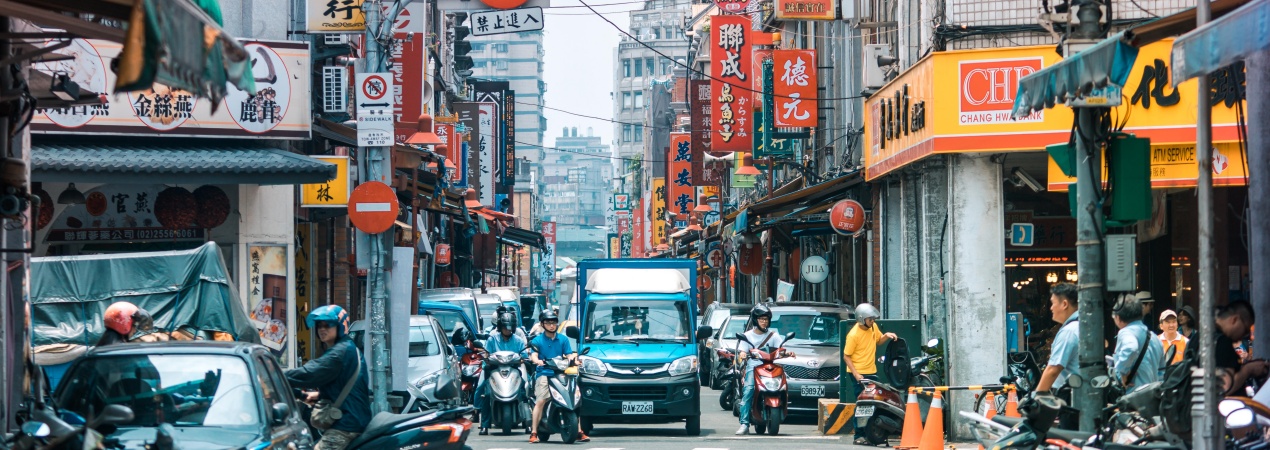
Located in Wanhua District, Taipei City, Taiwan, China, Ximending is a major consumer business district in western Taipei. As a bustling area that mixes shopping, entertainment and culture, it has special streets like Movie Street and Tattoo Street. There are also many local foods here, such as Laotianlu braised food, making it one of Taipei residents' favorite weekend places.
- Chinese name:西门町 Xīmén Dīng
- Recommended Duration: 2-4 hours
- Entrance Fee: Free
- Opening Hours: All day
- Best time to visit: Spring and Autumn
- Address: Between Zhonghua Road, Kangding Road, Chengdu Road and Hankou Street, Wanhua District, Taipei City, Taiwan, China
-
How to get there:
By Metro: Take Songshan-Xindian Line or Bannan Line to Ximen Station, walk 3-5 minutes to Ximending
By Bus: Take buses 49, 218, 223, 252 and other buses to Ximen Market (Chengdu) Station, then walk to the area
Highlights of Ximending
Ximen Red House
As an iconic landmark of Ximending, Ximen Red House was built in 1908. It is a representative red-brick Western-style building among Taiwan's third-class historical sites. This century-old building not only preserves the architectural style of the Japanese colonial period but also has now become a must-visit cultural and creative hub for young cultural enthusiasts and tourists. At the back of the first floor, "Ximen Red House 16 Workshop" gathers many cultural and creative stores, offering everything from handcrafted artworks to unique figurines, making it ideal for hunting unique souvenirs. The Riverside Live House on the second floor often hosts music performances, while the café on the third floor provides a perfect spot to take overhead shots of the red-brick roof—posing in Hanfu here enhances the retro charm even more. The venue extends its opening hours to 22:00 every Friday and Saturday. When the lights turn on at night, they complement the street performers' shows in the square, creating one of the most atmospheric night scenes in Ximending.
Movie Street
Centered on Wuchang Street, Movie Street is the epitome of Ximending's trendy culture. It gathers over 200 film-themed stores and 24-hour cinemas. This place was once the filming location for youth movies like Blue Gate Crossing and Winds of September. The neon sign clusters and movie poster walls on the street make it easy to snap retro film-style photos with just a casual shot. If you're lucky, you might even run into a celebrity autograph session or a movie premiere, adding an extra surprise to your movie-watching experience.
Wannian Commercial Building
Wannian Commercial Building is called Ximending's "Youth Memory Museum." From its basement up to the 4th floor, it has shopping fun that spans different times. On B1, the glass window with "frog milk tea" (a local bubble tea type) is a popular internet check-in spot. On the 4th floor, a sneaker wall makes many fashion lovers stop to take photos. There are also toy stores with 1990s models, which meet the shopping needs of people of all ages. "Old Shandong Beef Noodle" in the basement is a great hidden food spot. It has been chosen for the Michelin Bib Gourmand recommendation for 6 years in a row. Its braised soup base—passed down for 70 years—and soft beef tendons taste great even after you finish eating. When you get tired from shopping, it's perfect for enjoying real, tasty food.
American Street Graffiti Area
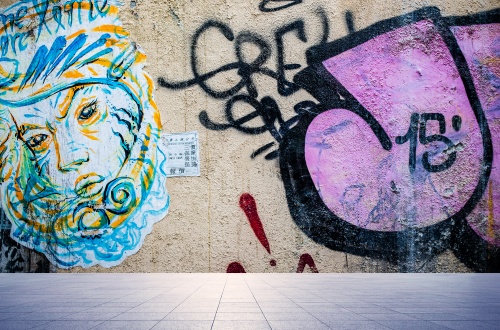 Graffiti wall
The American Street Graffiti Area is quieter and more artistic than Ximending's busy main streets, so it's a hidden paradise for street art fans. This narrow alley has mostly American-style trendy clothing stores. Its walls are covered with different kinds of graffiti—realistic portraits and abstract patterns included. Every piece is full of what artists created. The "Tiger Crystal Wall" is a popular check-in spot because of its strong visual contrast. Old buildings and vibrant graffiti together show Ximending's special charm of mixing old and new. You can walk to the end of the alley to reach Taipei Film Theme Park directly. Among the greenery, there's an extended graffiti wall and resting benches. They give a quiet space away from crowds, great for slowly enjoying the alley's vibe.
Educational Value
As one of Taipei's earliest "international" districts, Ximending has always been a place where diverse cultures mix. Japanese-style architecture and living habits brought during the Japanese colonial period, traditional Minnan market culture that poured in after the war, and later emerging American trends as well as Japanese-Korean pop culture—all have clashed here to form a unique style. The graffiti art on American Street comes from American street culture, but it has taken in the creative perspectives of local Taiwanese artists. In the cultural and creative stores of Ximen Red House, there are not only traditional Taiwanese handicrafts but also designed products that mix international elements. This trait of blending local and foreign cultures makes Ximending a symbol of Taiwan's cultural inclusiveness. People from different backgrounds can find familiar cultural symbols here, and also discover new, diverse experiences.
Activities to do at Ximending
Cultural and creative experience: The "16 Workshop" on the first floor of Ximen Red House gathers dozens of local cultural and creative brands. Its products range from notebooks with traditional fabric elements to hand-painted postcards modeled after Taiwan's street scenes—each item is full of local creativity. You can also participate in handicraft experience classes in the workshop, such as pottery doll painting or leather accessory making, to create souvenirs with Ximending's mark by hand.
Drop us a line and we'll connect you with the top China expert in no time!
 Kenting National Park
  Taipei 101
  Jiufen Old Street
  National Palace Museum