- Home
- China Guide
- Taiwan
- Attractions
- Anping Old Fort
Anping Old Fort
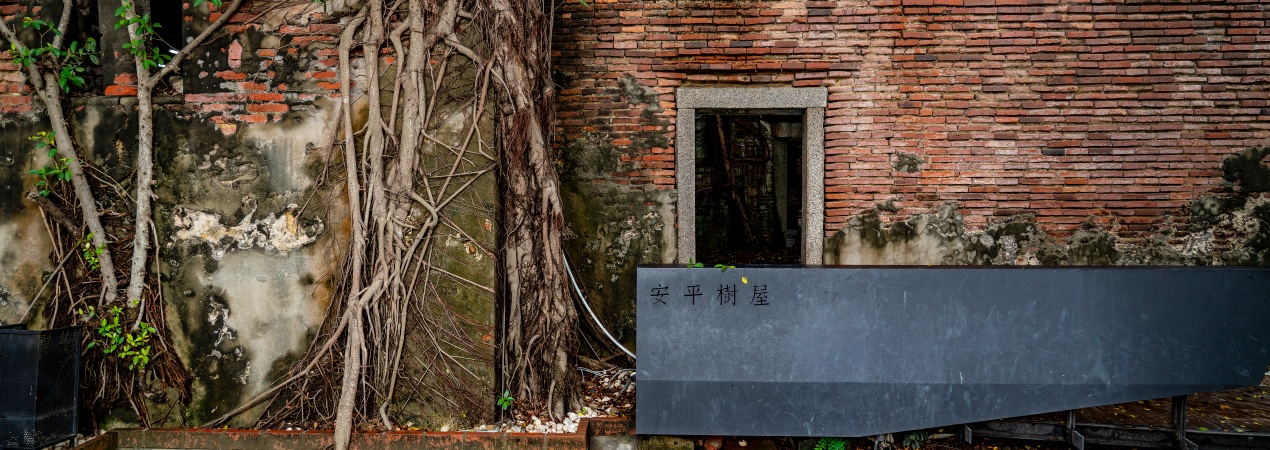
Anping Old Fort was first called Fort Zeelandia. Built in 1624, it's Taiwan's oldest castle that's still standing. The Dutch East India Company built it, and it was a bastion-style fortress for defense at first. To make its walls, workers mixed sugar water, glutinous rice juice and oyster shell ash. Today, only some parts are left—like the southern wall of the outer fortress and the semicircular bastion base.
- Chinese name:安平古堡 Ān Píng Gǔ Bǎo
- Recommended Duration: 2-3 hours
- Entrance Fee: 50 New Taiwan Dollars
- Opening Hours: 8:30-17:30 (Closed 3 days before Qingming, Dragon Boat & Spring Festival)
- Best time to visit: October to March
- Address: No. 82, Guosheng Road, Anping District, Tainan City, Taiwan, China
- How to get there: Take Taiwan Tourist Shuttle Route 88, Tainan Double-Decker Sightseeing Bus (West Loop), Bus 2 or 19 to Anping Old Fort Station
Highlights of Anping Old Fort
Remnants of Fort Zeelandia's City Wall
As the "soul relic" of Anping Old Fort, the surviving remnants of Fort Zeelandia's city wall are Taiwan's oldest existing castle remains, and also a key spot for visitors to feel the weight of history. This 65.8-meter-long section of the outer city's southern wall was built by mixing sugar water, glutinous rice juice with oyster shell ash and sand. This unique "triple-soil" technique has kept the wall solid and thick despite over 300 years of wind and rain. Clear traces of "iron scissors" (iron parts once used to stabilize beams) can be seen on the wall—though rusted, they prove the architectural wisdom of the Dutch colonial period. The square holes, left from the Qing Dynasty's naval barracks, silently tell the story of the castle's change from a defensive fortress to a military facility.
Fort Zeelandia Museum
Renovated from a customs dormitory of the Japanese colonial period, Fort Zeelandia Museum is a must-visit to systematically learn about the old fort's history. Its collection includes precious historical materials from the Dutch colonial period, the Ming-Zheng era, the Qing Dynasty rule, and the Japanese colonial period. The museum's key exhibit is a 1:200 scale restored model of Fort Zeelandia, which accurately reproduces the inner and outer structures of this bastion-style fortress—with the layout of the lower underground warehouse and the four-corner bastion artillery platforms clearly visible, forming a direct contrast with the existing relics. The museum also displays replicas of Zheng Chenggong's calligraphy, the original Dutch version and Chinese translation of the peace treaty between the Zheng regime and the Dutch, as well as physical cultural relics such as armor and weapons of Ming Dynasty soldiers, Qing Dynasty coins, and boundary steles.
Watchtower
Built in 1975, the watchtower with a red roof and white walls is the highest point of the old fort, and also the best spot to enjoy "Anping Sunset"—one of Taiwan's Eight Scenic Spots. Though this over 10-meter-tall tower is not an ancient relic, it offers visitors a unique panoramic view. After climbing up, you can look out through the glass windows: on the left, you'll see the vast blue waves of the Taiwan Strait, with ships coming and going at the mouth of Yanshui Creek; on the right, you can overlook the daily scenes of Anping District, where red-tiled houses, Anping Tree House and Deji Foreign Firm in the distance form a layered picture.
Zheng Chenggong Bronze Statue
To understand the old fort’s cultural meaning, the Zheng Chenggong Bronze Statue and "Anping Old Fort" stone tablet at the entrance are core symbols. Zheng Chenggong’s bronze statue stands about 3 meters tall. Dressed in military clothes, he looks firmly toward the Taiwan Strait—vividly showing the 1661 history: he led his army to take back Taiwan and stay at Fort Zeelandia. Local people’s admiration for Zheng Chenggong shows clearly here. Visitors often leave fresh flowers at the statue’s base. Around it, exhibition boards tell his achievements in detail, like renaming the fort "Anping City" and building a Han regime.
Educational Value
The "glutinous rice triple-soil" craft for Fort Zeelandia's wall remnants is a great example. Dutch colonizers took the defensive ideas of European bastion buildings and mixed them with China's traditional "glutinous rice mortar"—a bonding material often used in ancient buildings like the Great Wall and Quanzhou's old city walls. Then they added oyster shell ash, which is easy to find in Taiwan. This made a special building material that's both strong for defense and can stand bad weather. This mix of "European design + Chinese craft + local materials" does two things: it shows how Eastern and Western technologies met in the early colonial period, and it also proves Taiwan has "multi-cultural origins" with real objects.
Activities to do at Anping Old Fort
Cultural and Creative Experiences
At the old fort's cultural and creative area, you can try handicrafts—pick ceramic ornaments inspired by the texture of "glutinous rice triple-soil," or indigo-dyed fabrics printed with Fort Zeelandia's outline. These cultural and creative products accurately recreate the fort's craft symbols. If you're lucky, you can also join the occasional "oyster shell ash craft" workshops. Learn to mix traditional mortar from craftsmen, make small commemorative plaques with your own hands, and feel the cultural inheritance of local materials and traditional techniques.
Drop us a line and we'll connect you with the top China expert in no time!
 Alishan
  Kenting National Park
  Taipei 101
  Jiufen Old Street