- Home
- Chinese Culture
- Double Third Festival
Double Third Festival
Content of this article
- What is the Double Third Festival?
- The Legend Behind the Festival
- How Do People Celebrate Double Third Festival?
- Folk Song Competitions
- Traditional Dance and Music
- Embroidered Ball Throwing
- Traditional Costumes
- Festival Markets and Carnivals
- Traditional Foods of Double Third Festival
- Best Places to Experience Double Third Festival in Guangxi
- Why Double Third Festival is a Perfect Educational Travel Experience?
What is the Double Third Festival?
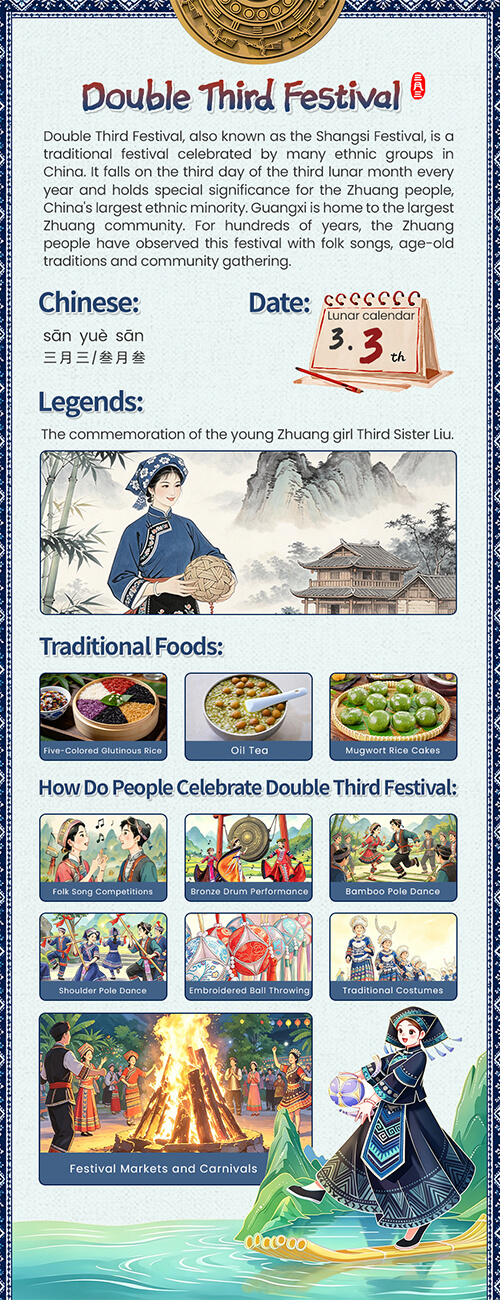
Double Third Festival, also known as the Shangsi Festival, is a traditional festival celebrated by many ethnic groups in China. It falls on the third day of the third lunar month every year and holds special significance for the Zhuang people, China's largest ethnic minority. Guangxi is home to the largest Zhuang community. For hundreds of years, the Zhuang people have observed this festival with folk songs, age-old traditions and community gatherings.
Also known as the Folk Song Festival, Double Third Festival fills Guangxi with antiphonal folk ballads, ethnic performances, traditional games and local snacks during celebrations and has evolved into a major regional cultural event. For students and travellers eager to experience authentic Chinese ethnic culture, it serves as a perfect chance to explore local traditions, folk music, distinctive food and community life in depth.
The Legend Behind the Festival
The most popular legend behind Double Third Festival revolves around Liu Sanjie (Third Sister Liu). According to folklore, Liu Sanjie was a young Zhuang girl from Yishan (present-day Yizhou, Guangxi) in Guangxi during the Tang Dynasty. She loved singing folk songs from an early age. With her ballads, she praised labor and love while denouncing the misdeeds of wealthy landlords. Persecuted to death on the third day of the third lunar month, she was later honored as the Fairy of Folk Songs. To commemorate her, locals gather to sing on this date, gradually forming the traditional folk song fairs.
How Do People Celebrate Double Third Festival?
Folk Song Competitions
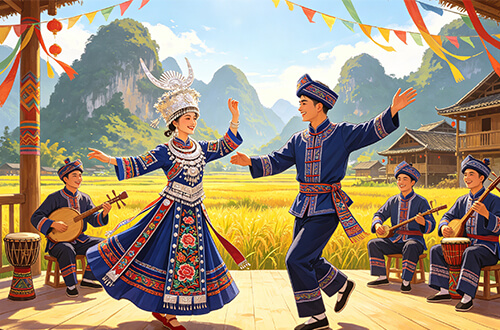
During the Double Third Festival, young Zhuang men and women as well as people from other ethnic groups gather at singing venues like hilltops, open fields and riverbanks to sing folk songs responsively and share their feelings. Nowadays, people of all ages join in this singing tradition, whose lyrics include tributes to hometowns and the modern age. It has become an important carrier for inheriting Zhuang culture.
Traditional Dance and Music
Bronze Drum Performance
The bronze drum is the most representative cultural relic of the Zhuang people. Beating bronze drums and singing folk songs are long-standing customs for Zhuang people on important occasions. Bronze drum dances are staged at Double Third Festival celebrations, with performers dancing while striking drums to liven up the festive mood. Drum competitions are held in some areas, where drummers compete by continuously beating their bronze drums.
Bamboo Pole Dance
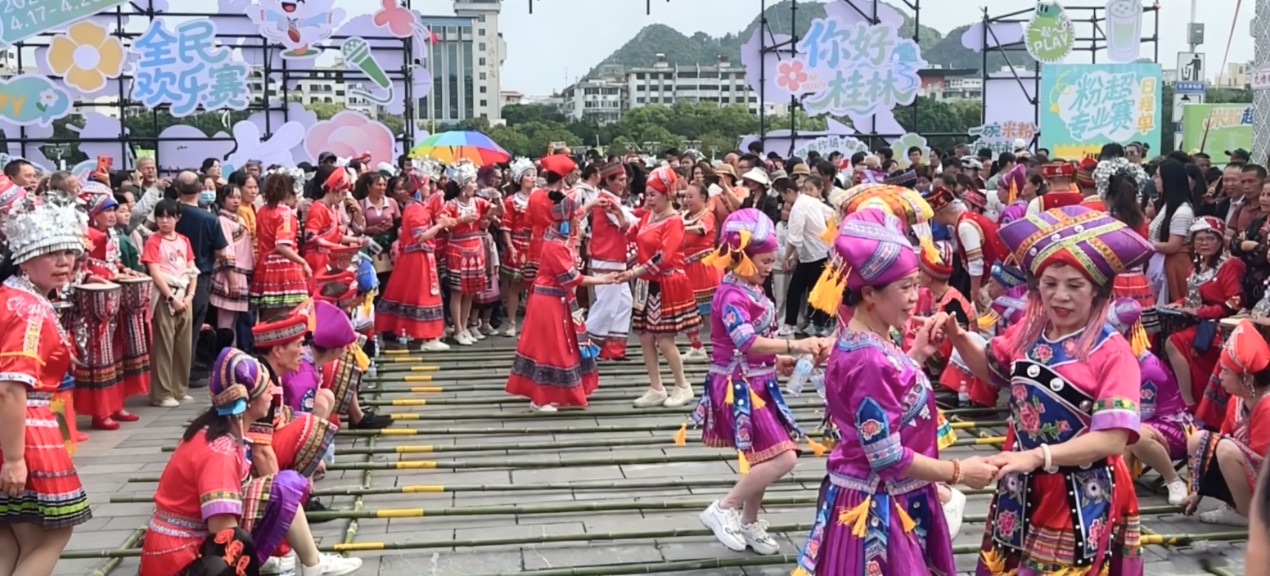
Evolved from ancient farming work, the bamboo pole dance symbolizes harvest celebrations and prayers for good yields in the coming year, ranking as one of the most popular interactive dances of the festival. Pole beaters open and close bamboo poles rhythmically while dancers nimbly jump through the gaps. This dance always draws large crowds at celebrations, and visitors are welcome to join in the fun.
Shoulder Pole Dance
Dancers perform with shoulder poles and wooden benches as props, imitating farm work such as rice transplanting, harvesting and threshing. The dance highlights the diligence and optimism of the Zhuang people and expresses wishes for fruitful harvests.
Embroidered Ball Throwing
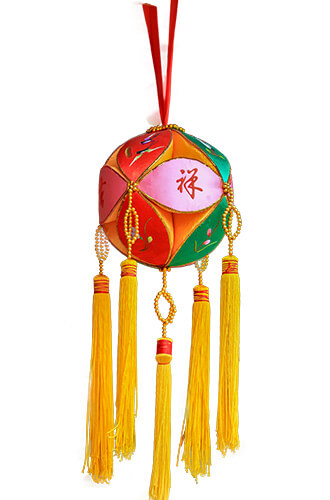 Embroidered Ball
Tossing embroidered balls to seek spouses is a traditional Zhuang custom. At Double Third Festival singing fairs, young women first get to know potential partners via antiphonal folk singing. Once mutual affection is confirmed, they toss embroidered balls to their beloved young men. Today, embroidered ball throwing has developed into competitive games, including pole-target tossing and basket catching contests.
Traditional Costumes
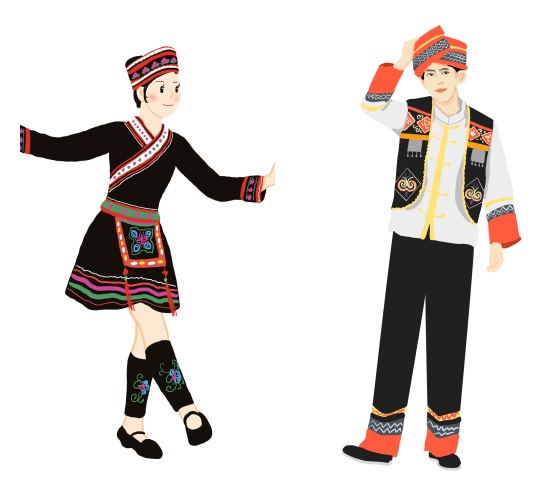
Strolling around Double Third Festival celebrations feels like wandering through a grand ethnic fashion show, showcasing traditional outfits of the Zhuang, Yao, Miao, Dong and other ethnic minorities. Gorgeous Zhuang brocade, exquisite silver ornaments and distinctive ethnic headpieces allow every visitor to experience the unique charm of Guangxi’s minority cultures.
As Guangxi’s largest ethnic group, the Zhuang boast a diverse costume culture. Zhuang garments vary in colour, pattern and style across different regions, most crafted via hand weaving, batik and hand embroidery. Floral, landscape and geometric patterns stitched on clothes carry people’s blessings for happy lives, abundant harvests and good fortune.
During the festival, Zhuang women wear embroidered blouses paired with traditional skirts or trousers decorated with fine silver jewellery, while men don classic front-opening jackets to display distinctive Zhuang ethnic features. At many scenic spots and cultural events, tourists can try on ethnic costumes and learn traditional embroidery for an immersive cultural experience.
Festival Markets and Carnivals
Colorful festive markets and carnivals are held across Guangxi during the Double Third Festival. Nanning, the capital city of Guangxi, hosts grand annual celebrations featuring ethnic parades, intangible cultural heritage exhibitions, live music performances and evening light shows.
At the festive venues, visitors can enjoy ethnic singing and dancing, antiphonal folk songs and folk parades. They may also wander around specialty markets and sample authentic seasonal snacks. Interactive experience zones are available for tourists to join embroidered ball tossing, handicraft-making and folk dance lessons, helping them explore local culture in a relaxing atmosphere.
Traditional Foods of Double Third Festival
During the Double Third Festival, local people in Guangxi prepare traditional foods to celebrate the big festival with family and friends.
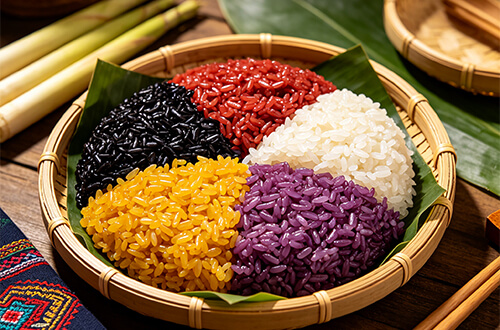 Five-Colored Glutinous Rice
Five-Colored Glutinous Rice is a classic local delicacy in Guangxi. Glutinous rice is dyed red, yellow, black, purple and white with natural plant pigments before steaming. It is served at various major celebrations and family gatherings, symbolizing blessings for bumper harvests, good fortune, health and family reunion.
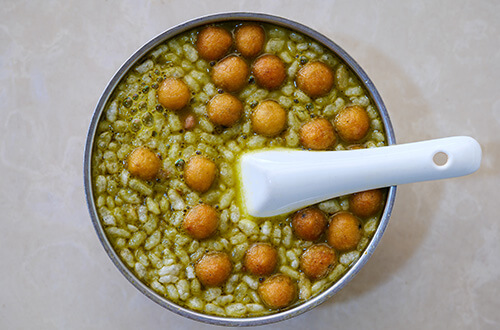 Oil Tea
Oil Tea is a popular traditional drink across Guangxi. Tea leaves are stir-fried and boiled together with ginger, garlic and other ingredients for a distinctive flavor. Normally eaten with puffed rice, peanuts and rice cakes, it is a typical hospitality treat for guests.
Mugwort Rice Cakes are another common seasonal pastry for the festival. Made by blending fresh mugwort with glutinous rice flour, they carry people’s wishes for safety and good health.
In some parts of Guangxi, locals also make bamboo-cooked rice, multicolored rice cakes and other regional snacks to enrich the festive feast. Tasting these specialties allows visitors to learn about Guangxi’s ethnic culture and local lifestyle.
If you wish to experience authentic ethnic food culture during your educational tour,China Educational Tours can arrange hands-on Five-Colored Glutinous Rice workshops. You will practice natural plant dyeing and rice steaming, and explore the cultural legends behind these traditional foods. Book this experience now.
Best Places to Experience Double Third Festival in Guangxi
Wuming District, Nanning
Known as one of the important birthplaces of Zhuang culture, Wuming serves as the core venue for the Double Third Festival. Every year, grand celebrations are held here featuring antiphonal folk singing, bamboo pole dancing, embroidered ball tossing and tasting Five-Colored Glutinous Rice. For students on educational tours, Nanning functions as an ideal open classroom to learn about Zhuang customs and Guangxi’s diverse ethnic cultures.
Yizhou District, Hechi
Hometown of the legendary Singer Third Sister Liu, Yizhou hosts folk singing contests during Double Third Festival. Travellers can visit Liu Sanjie’s former residence and enjoy boat trips with interactive singing along the Xiajian River to immerse themselves in authentic folk song culture.
Guilin City
During the festival, Xiufeng District, Lingui, Yangshuo and Longsheng in Guilin launch a full lineup of Double Third Festival carnivals, including folk singing performances, bamboo pole dances, ethnic costume displays and intangible cultural heritage markets. Experiencing Double Third Festival amid Guilin’s world-famous karst mountain scenery creates an unforgettable travel experience.
Apart from the destinations above, Liuzhou, Laibin, Baise, Chongzuo and other cities stage abundant folk activities ranging from folk songs and traditional dances to local food and heritage workshops, fully showcasing the distinctive charm of Zhuang culture.
For international tourists and student groups, the Double Third Festival in Guangxi is an ideal chance to explore China’s ethnic cultures and take part in traditional festive events. Below is our recommended itinerary for experiencing Double Third Festival in Guangxi:
Day 1: Nanning
After arriving in Nanning, you will be transferred to the hotel by a driver and guide for check-in. You are free to explore the neighbourhood around the hotel in the evening.
Day 2: Nanning
You will join the grand Double Third Festival celebrations. At the main festival site in Wuming, you can dress up in traditional Zhuang costumes, join interactive folk activities such as bamboo pole dancing and embroidered ball throwing, and enjoy lively antiphonal folk singing plus ethnic song and dance performances. You may also taste festival specialties including Five-Colored Glutinous Rice and Oil Tea and immerse yourself in the bustling festive mood.
Day 3: Nanning - Guilin
In the morning, visit the Guangxi Museum of Nationalities. With guided tours and abundant exhibits, you will learn about the cultures and folk customs of the Zhuang and other ethnic groups across Guangxi. Afterwards, stroll along the historic Sanjie Liangxiang Cultural Block and sample various local snacks. Take a high-speed train to Guilin in the afternoon.
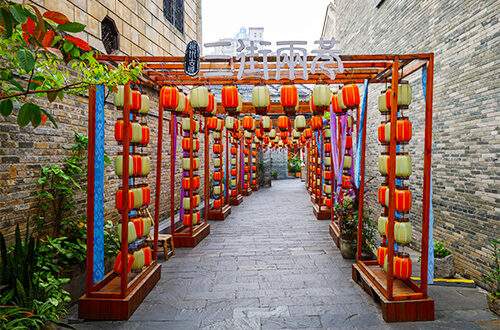 Sanjie Liangxiang Cultural Block
Day 4: Guilin
Travel to Xiufeng District in Guilin, which hosts annual Double Third Festival folk singing fairs featuring antiphonal ballads, ethnic dances and intangible cultural heritage displays. In the afternoon, attend a hands-on Five-Colored Glutinous Rice making workshop to gain deeper understanding of traditional Zhuang food culture.
Day 5: Guilin
Head for Longji Rice Terraces to admire the layered terrace scenery. Explore authentic Zhuang villages with your guide to discover local traditional architecture, farming culture and folk customs while interacting with villagers. Try local delicacies such as bamboo-cooked rice.
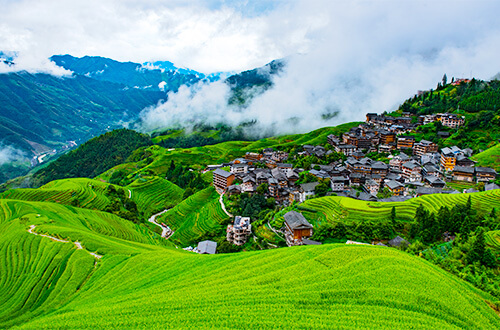 Longji Rice Terraces
Day 6: Guilin
Embark on a Li River cruise in the morning to admire spectacular karst landscapes along the waterway. After arriving in Yangshuo, cycle along the Ten-Mile Gallery to appreciate idyllic pastoral scenery and rural life. Join a folk song workshop and learn Zhuang folk singing under the guidance of local instructors. In the evening, watch the grand outdoor live performance Impression Sanjie Liu.
Day 7: Guilin
Return to downtown Guilin before transferring to the airport or train station as your schedule allows to conclude the tour.
We offers premium customized travel services with flexible itinerary adjustments based on your preferences. Whether you prefer sightseeing, leisure breaks, photography trips or in-depth educational tours for children, we will create exclusive tailor-made plans matching your interests, schedule and budget.
Why Double Third Festival is a Perfect Educational Travel Experience?
As China’s most populous ethnic minority, the Zhuang people boast unique language, folk music, costumes and living customs. By taking part in Double Third Festival activities, students can gain a well-rounded understanding of the components of China’s diverse cultures.
During the festival, locals express feelings and build friendship through singing, dancing and interactive games. International students get chances to communicate with residents, learn about their lifestyles and values, and develop cross-cultural communication skills within an authentic cultural setting. Travellers can also learn to make Five-Colored Glutinous Rice, try tossing embroidered balls, put on traditional ethnic outfits and enjoy live folk performances. These hands-on activities enable students to absorb cultural knowledge in a vivid and engaging way.
For educational travel programmes, Double Third Festival is far more than a sightseeing trip; it serves as an educational journey to explore China’s ethnic civilizations, intangible cultural heritage and local community life.
At China Educational Tours, we can customize Double Third Festival-themed educational tours, cultural exchange programs, and immersive learning experiences tailored to the interests and learning objectives of schools, student groups, and educational institutions. Book this experience now.