- Home
- Educational Travel
- China Cultural Tours
- Song Poetry Tour: CET-31
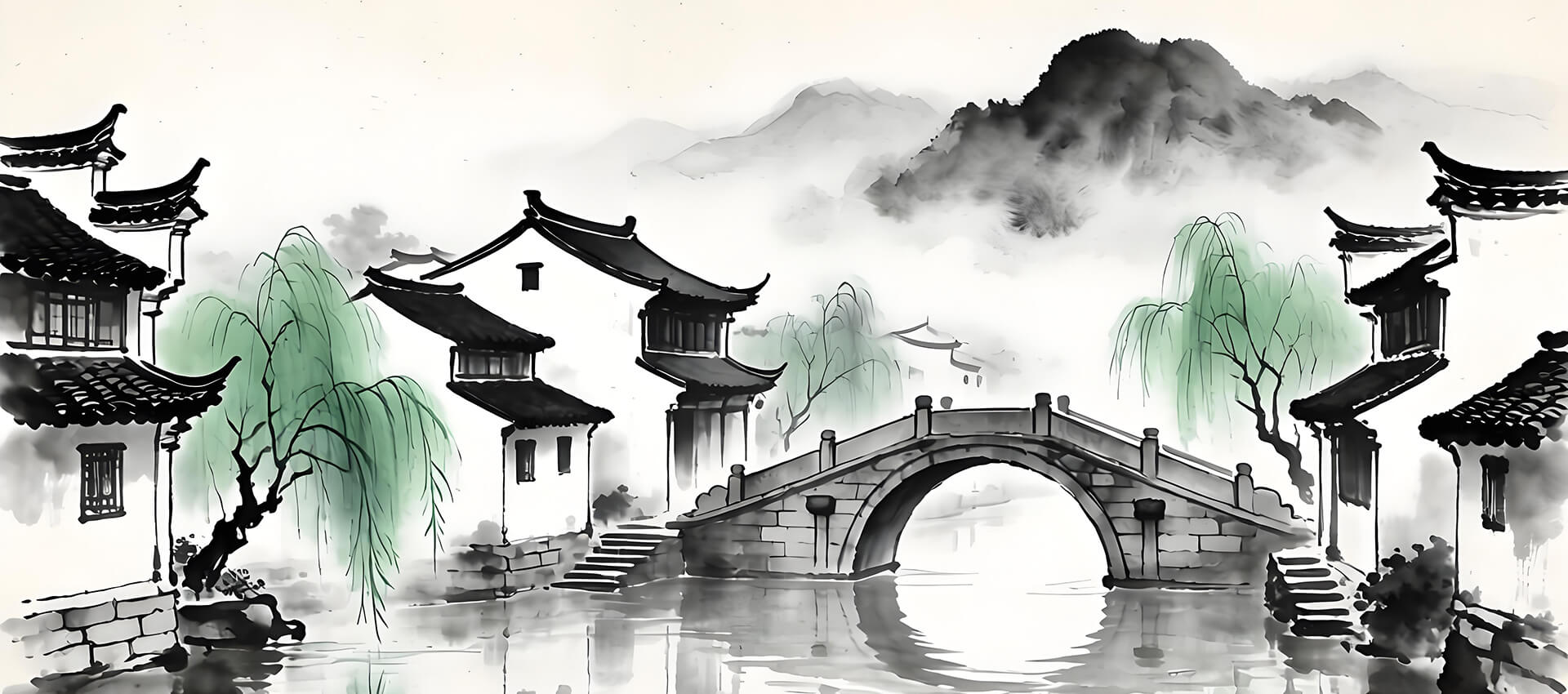
8-Day Suzhou - Hangzhou - Quanzhou Song Poetry Tour
Itinerary at a Glance
| Day | Location | Highlights |
|---|---|---|
| D1 | Suzhou | Arrive in Suzhou; hotel check-in |
| D2 | Suzhou | Visit Humble Administrator’s Garden; walk on Pingjiang Road & experience diancha; tour Hanshan Temple; take canal boat to Shantang Street; join Song Poetry recitation event |
| D3 | Suzhou | Boat tour in Tongli Ancient Town; visit Tiger Hill; tour Canglang Pavilion |
| D4 | Suzhou → Hangzhou | Go to hangzhou; visit West Lake; tour Lingyin Temple |
| D5 | Hangzhou | Visit Solitary Hill (Gushan); tour Su Dongpo Memorial Hall; explore Xixi Wetland; stroll on Southern Song Imperial Street |
| D6 | Hangzhou → Quanzhou | Depart for Quanzhou; hotel check-in; free exploration |
| D7 | Quanzhou | Tour Kaiyuan Temple; visit Luoyang Bridge; explore Xunpu Village & optional experience flower-adornment |
| D8 | Quanzhou | Visit Quanzhou Maritime Museum; tour Qingjing Temple; transfer to airport/train station; tour ends |
Trip Highlights
- Stroll through the Humble Administrator’s Garden to admire its exquisite classical design
- Take a boat tour in Tongli Ancient Town to experience Jiangnan water town scenery
- Walk along Su Causeway and enjoy West Lake’s poetic landscape
- Join a Song Poetry recital accompanied by guqin music
- Visit Quanzhou Maritime History Museum to explore the Maritime Silk Road
Tour Essentials

Quality
No Shopping Traps

Group Type
Private

Tour Focus
Culture

Accommodation
Nights:7

Best Season
Spring, Summer, Autumn, Winter
Full Itinerary
Suzhou has long been the cultural center of Jiangnan. During the Song Dynasty, it enjoyed great economic prosperity and gathered numerous literati, making it an ideal destination for a Song Poetry Tour. Upon arrival in Suzhou, you will be escorted by the driver to your hotel. After check-in, you are free to explore the surrounding area.
Your first stop is the Humble Administrator’s Garden, one of the Four Great Classical Gardens of China. As you stroll along the quiet winding paths and ancient corridors, you will admire elegant pavilions, rockeries, and flowing water. The serene atmosphere of the garden can provide inspiration for composing your own Song Poetry.
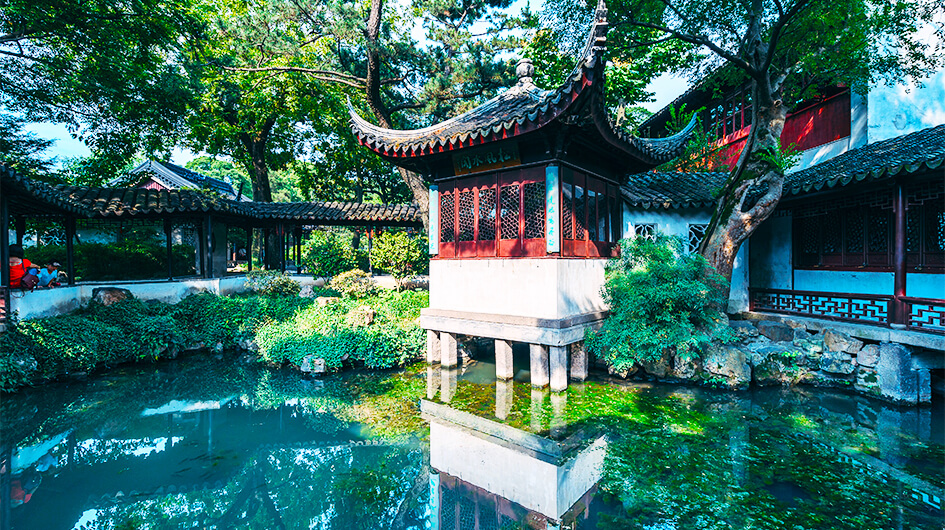 Visit Humble Administrator’s Garden
After leaving the Humble Administrator’s Garden, you will head to Pingjiang Road for a leisurely walk and experience the classic scenery of the Jiangnan water town, characterized by “small bridges and flowing streams.” Afterwards, you will visit a traditional teahouse to experience diancha (whisking powdered tea), one of the “Four Leisurely Pursuits” of the Song Dynasty. Under professional guidance, you will use traditional tea utensils and personally complete the tea-whisking process, enjoying tea tasting and casual conversation while experiencing the slow and elegant rhythm of life.
In the afternoon, you will visit Hanshan Temple. The temple is famous throughout China because of a poem by the Tang Dynasty poet Zhang Ji, who wrote, “月落乌啼霜满天,江枫渔火对愁眠。” (yuè luò wū tí shuāng mǎn tiān, jiāng fēng yú huǒ duì chóu mián — The moon sets and crows cry as frost fills the sky; by the river maples and fishermen’s lights, the traveler lies awake in sorrow) from A Night Mooring by Maple Bridge. The bell of Hanshan Temple, Maple Bridge, and the Grand Canal have since become poetic images symbolizing the melancholy of travelers, imagery that resonates with the Jiangnan landscapes often depicted in Song Poetry.
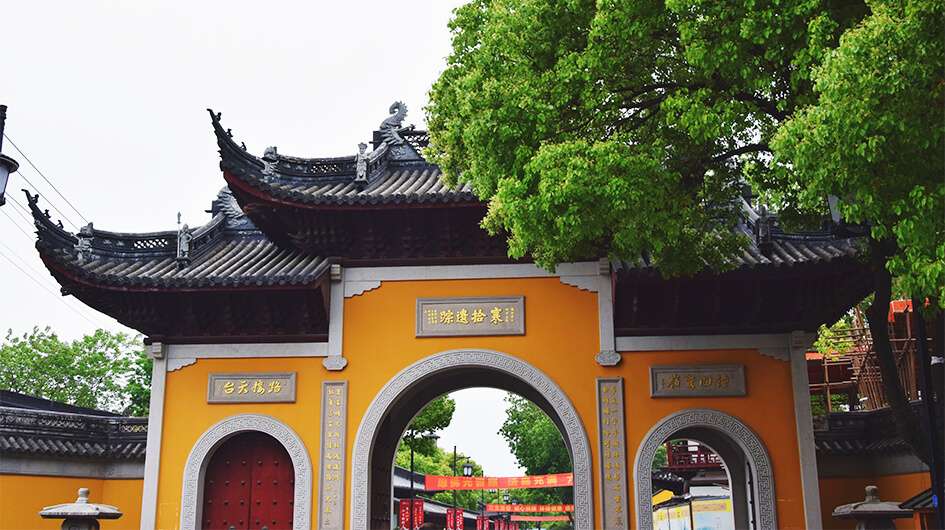 Hanshan Temple
You will then have the opportunity to take a canal boat to Shantang Street. While cruising along the waterway and enjoying the scenery on both sides, you can experience the vitality of the Jiangnan spring landscape described by the Northern Song poet Wang Anshi, who wrote, “春风又绿江南岸。” (chūn fēng yòu lǜ jiāng nán àn — Once again the spring wind has turned the southern riverbanks green) from Mooring at Guazhou.
Strolling along Shantang Street, a typical Jiangnan waterside district, you will see rivers and streets running side by side, dotted with small bridges and flowing water. This layout closely resembles the landscapes described in Song Poetry.
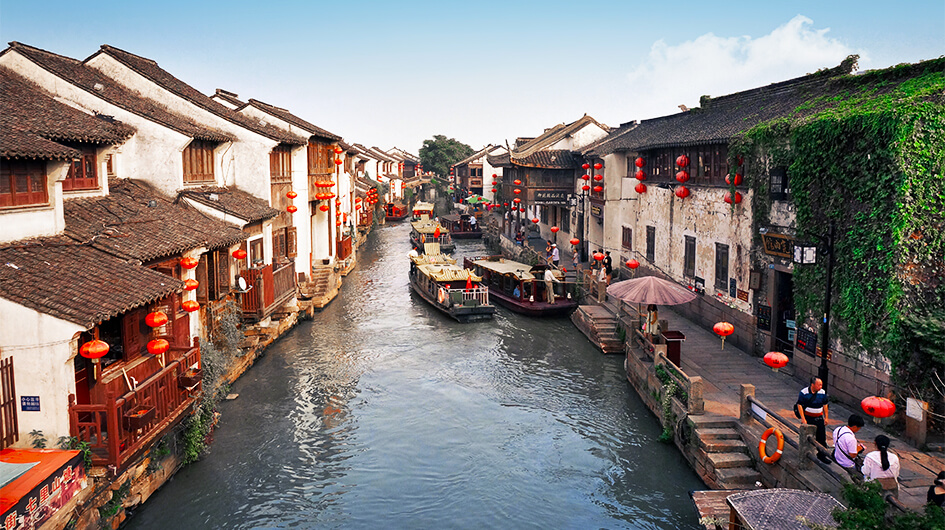 Jiangnan Water Town Scenery of Shantang Street
You may also visit a Kunqu Opera house, watch Pingtan storytelling and singing, and enjoy a guqin performance. Immersed in the beauty of classical Chinese music, you may find inspiration to compose your own poetry.
The birth, prosperity, and development of ci poetry were closely connected with music. In many ways, ci functioned much like the lyrics of today’s popular songs, as they were originally composed to be sung to musical tunes. The Southern Song poet Xin Qiji, after hearing a pipa performance, once improvised lyrics and wrote the famous lines: “凤尾龙香拨,自开元、《霓裳曲》罢,几番风月。” (fèng wěi lóng xiāng bō, zì kāi yuán, ní cháng qǔ bà, jǐ fān fēng yuè — With phoenix-tailed, dragon-scented plectrums they play; since the ‘Rainbow Skirt Melody’ of the Kaiyuan era faded, how many moons and winds have passed) from He Xinlang. Through the sound of the pipa, he expressed reflections on the rise and fall of history and the uncertainties of personal destiny, allowing music and poetic meaning to echo one another.
You will take part in a Song Poetry recitation event. First, the instructor will select suitable poems from classic works such as Su Shi’s Shuidiao Getou and Li Qingzhao’s Shengsheng Man. Then, under the guidance of a professional teacher, you will practice recitation skills, explore the emotional tone of the poems, and try incorporating simple gestures to enhance expressiveness. Finally, accompanied by the rhythm of live guqin music, you will give a recital performance, turning the joys and sorrows expressed in the poems into a vivid presentation.
Your Journey’s Rewards:
During this journey, you will visit the Humble Administrator’s Garden and appreciate the exquisite artistry of Suzhou’s classical garden design. On Pingjiang Road, you will experience the traditional Song Dynasty tea-whisking practice in a local teahouse and immerse yourself in Suzhou’s refined and leisurely tea culture. You will also take a canal boat from Hanshan Temple to Shantang Street, enjoying the tranquil scenery of the ancient waterway along the way. Finally, as you stroll along Shantang Street, you will watch Pingtan storytelling and guqin performances, experiencing firsthand the charm of Suzhou’s traditional opera and folk music.
Educational Focus:
What is “filling in lyrics” (tián cí)?
Takeaway:
Tián cí (filling in lyrics) is a distinctive method of composing Song Poetry. Writers first select a specific tune pattern (cí pái) and then fill in the lyrics according to its tonal patterns, rhyme scheme, and line structure so that the words match the melody. This process requires following the established rules of tones, rhymes, and sentence forms of the tune pattern. Some poets also made slight adjustments to the classical patterns, creating variations of the original tune.
Thought Challenge:
What intrinsic relationship might exist between the aesthetic style of Suzhou’s classical gardens and the literary spirit and artistic mood found in Song Poetry?
In the morning, you will depart for Tongli Ancient Town. Boarding a boat, you will travel through the waterways of the town. As you take in the scenery of the Jiangnan water town, it is easy to be moved by the surroundings. When the poet Jiang Jie passed through such waterways by boat, he was deeply touched and wrote the famous lines from A Twig of Plum Blossoms: “一片春愁待酒浇。江上舟摇,楼上帘招。秋娘渡与泰娘桥,风又飘飘,雨又萧萧。” (yí piàn chūn chóu dài jiǔ jiāo. jiāng shàng zhōu yáo, lóu shàng lián zhāo. qiū niáng dù yǔ tài niáng qiáo, fēng yòu piāo piāo, yǔ yòu xiāo xiāo — A sheet of spring sorrow waits to be drowned in wine. The boat sways on the river, while curtains beckon from the towers. By Qiuniang Ferry and Tainiang Bridge, the wind drifts softly, and the rain falls in gentle sighs) to express his melancholy.
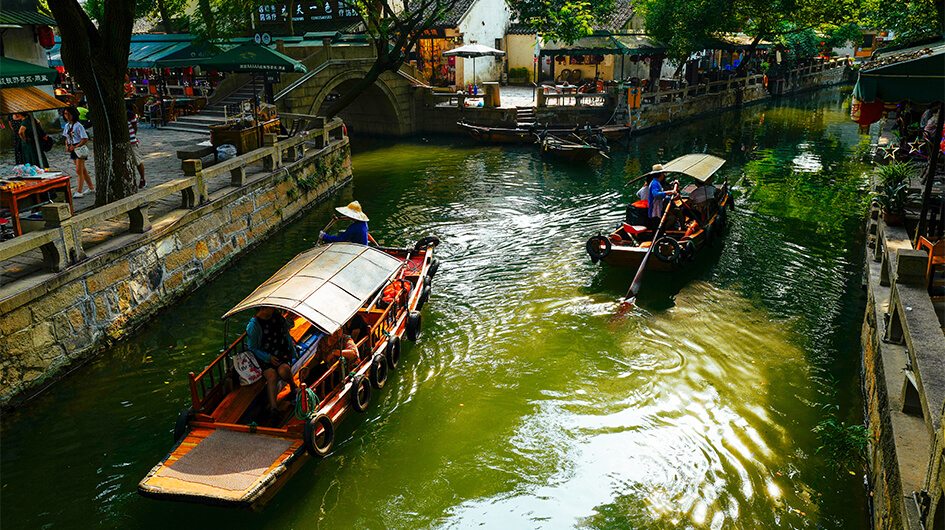 Boat Tour to Enjoy Water Town Scenery
You will then visit Tiger Hill, one of Suzhou’s most iconic attractions. The poet Su Shi always visited Tiger Hill whenever he came to Suzhou, expressing his fondness with the saying “不到虎丘,即谒闾丘” (bú dào hǔ qiū, jí yè lǘ qiū — If one does not visit Tiger Hill, it is as if one has only paid a formal call in Suzhou). Here, you can explore the mysterious Sword Testing Pool and admire the Tiger Hill Pagoda, which leans but has stood firm for centuries.
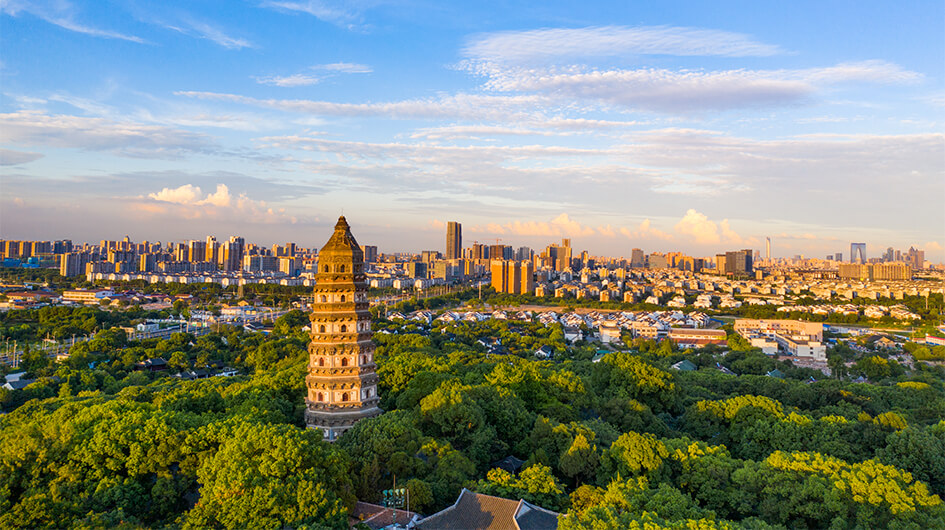 Tiger Hill Leaning Pagoda
Afterwards, you will visit Canglang Pavilion, the oldest garden in Suzhou. It was built and renovated by the Song Dynasty poet Su Shunqin. The garden features winding corridors and ever-changing views at every step. He wrote, “一径抱幽山,居然城市间。高轩面曲水,修竹慰愁颜。” (yí jìng bào yōu shān, jū rán chéng shì jiān. gāo xuān miàn qū shuǐ, xiū zhú wèi chóu yán — A quiet path embraces the secluded hill, yet it lies within the city. From the high pavilion one faces the winding water, and slender bamboo soothes a troubled heart) to describe the tranquil environment of Canglang Pavilion.
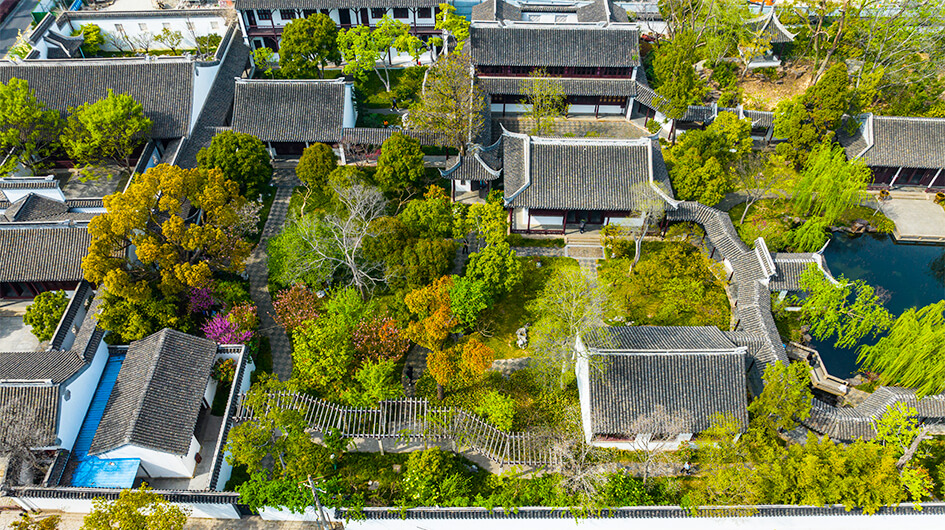 Canglang Pavilion
Your Journey’s Rewards:
Visit Tongli Ancient Town and walk along bluestone paths and waterside residences, experiencing the water-town imagery found in Song Poetry. Climb Tiger Hill to learn about its historical origins and the literary anecdotes connected with poets who wrote about it, while appreciating the craftsmanship of the thousand-year-old pagoda and the surrounding natural scenery. Stroll through Canglang Pavilion to understand its garden design features and learn about the life of the poet Su Shunqin when he lived there.
Educational Focus:
What is a cí pái (tune pattern)? Is it related to the content of the poem?
Takeaway:
A cí pái is the name of the metrical pattern of a ci poem. It specifies the number of characters, tonal patterns, rhyme scheme, and sentence structure. Originally, it had some connection with the content of the poem, but it gradually became fixed as the name of a musical tune and generally has no direct relationship with the specific content of the poem. For example, tune patterns such as Shuidiao Getou and Niannujiao can be used to express many different themes.
Thought Challenge:
How did the scenery of Jiangnan water towns influence the themes and emotional expression of Song Poetry, and how did it reflect the spiritual aspirations of Song Dynasty literati?
In the morning, you will depart for Hangzhou. In the afternoon, you will visit West Lake and stroll along the Su Causeway, enjoying the scenery of the lake and the drooping willows along the shore. The Su Causeway was built when Su Shi served as the prefect of Hangzhou, after he dredged West Lake and used the excavated mud to construct the causeway. He wrote, “水光潋滟晴方好,山色空蒙雨亦奇。欲把西湖比西子,淡妆浓抹总相宜。” (shuǐ guāng liàn yàn qíng fāng hǎo, shān sè kōng méng yǔ yì qí. yù bǎ xī hú bǐ xī zǐ, dàn zhuāng nóng mǒ zǒng xiāng yí — The shimmering waters are lovely on sunny days, and the misty mountains are equally wonderful in the rain. If we compare West Lake to the beauty Xishi, she looks charming whether lightly or richly adorned.) from Drinking at West Lake on a Sunny Day After Rain.
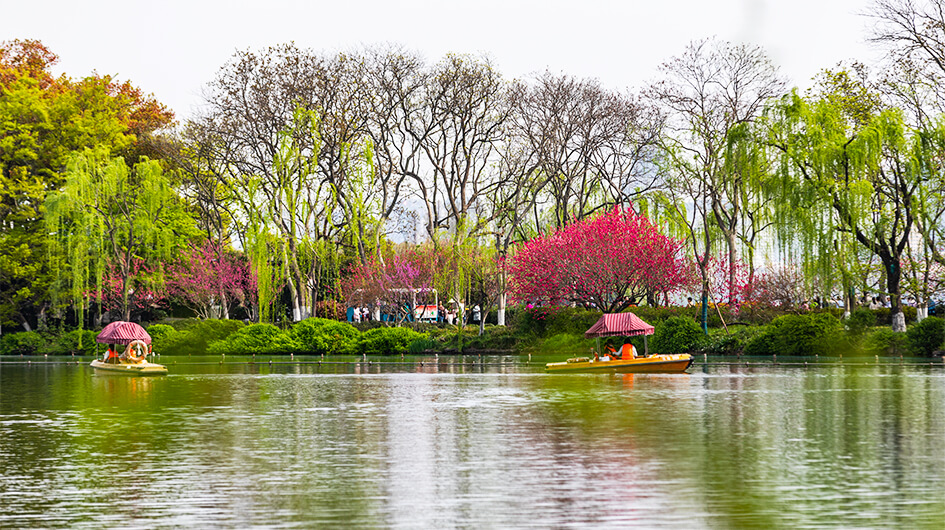 West Lake and Su Causeway
Walking to Quyuan Fenghe, in summer you can see lotus flowers blooming across the pond and vividly experience the beautiful scene described by Yang Wanli, “接天莲叶无穷碧,映日荷花别样红。” (jiē tiān lián yè wú qióng bì, yìng rì hé huā bié yàng hóng — Lotus leaves stretch to the sky in endless green, and lotus blossoms glow uniquely red in the sunlight.) from Lotus Rooting by the Jingci Temple After Rain.
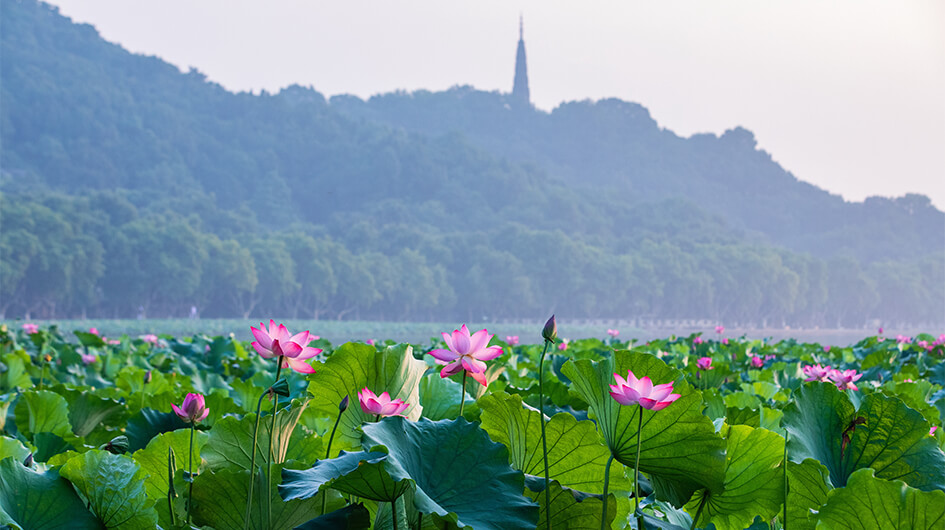 Quyuan Fenghe Lotus Flowers
Then you will visit Lingyin Temple, the oldest temple in Hangzhou. Here you can admire the magnificent architecture and the largest Buddhist grotto sculpture complex in Jiangnan. When Su Shi served as assistant prefect of Hangzhou, he often visited Lingyin and wrote, “溪山处处皆可庐,最爱灵隐飞来孤。” (xī shān chù chù jiē kě lú, zuì ài líng yǐn Fēilái Gū — Streams and mountains everywhere could be a home, yet I love most Lingyin and the solitary Flying Peak.) from Ode to Lingyin Temple.
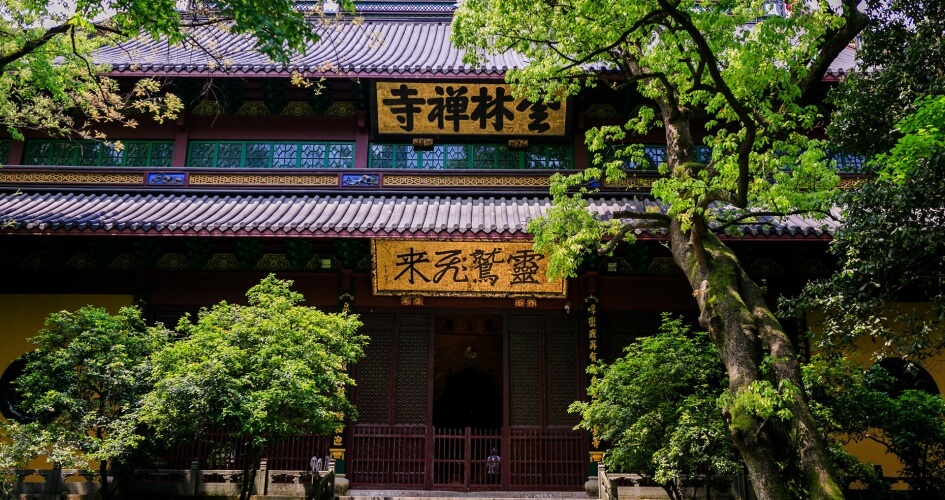 Lingyin Temple
Your Journey’s Rewards:
Visit West Lake and stroll along the Su Causeway, admiring the drooping willows, greenery, and the scenery of the lake and surrounding mountains while learning about the history of the causeway’s construction and its connection with the Song Dynasty literatus Su Shi. Visit Lingyin Temple to learn about its historical origins and the stories of interaction between Song Dynasty literati and the temple.
Educational Focus:
How do the natural and cultural landscapes of Lingyin Temple combine with the creation of Song Poetry, carrying the emotions and spiritual pursuits of Song Dynasty literati?
Takeaway:
Lingyin Temple was an important place for Song Dynasty literati to cultivate themselves and compose poetry, carrying both Buddhist culture and literati sentiments. Many Song scholars such as Su Shi and Lu You visited Lingyin Temple and left numerous poetic works. Their writings describe the tranquil scenery of the temple while also expressing a detached state of mind inspired by Buddhist Zen thought, such as Su Shi’s reflection, “人生如逆旅,我亦是行人。” (rén shēng rú nì lǚ, wǒ yì shì xíng rén — Life is like an arduous journey; I too am just a traveler.) from Song of the Wanderer.
Thought Challenge:
How did Su Shi’s connection with West Lake and the Zen culture of Lingyin Temple respectively influence the themes and emotional expression of Song Poetry, reflecting the diverse states of mind of Song Dynasty literati?
In the morning, you will head to Solitary Hill (Gushan), the largest island in West Lake. The famous Northern Song recluse Lin Bu lived in seclusion here for twenty years. The Crane-Releasing Pavilion on the hill was built to commemorate the story of his “plum blossoms as his wife and cranes as his children.” Plum trees are planted all around the pavilion. Lin Bu loved to admire plum blossoms and wrote the famous lines praising them, “疏影横斜水清浅,暗香浮动月黄昏。” (shū yǐng héng xié shuǐ qīng qiǎn, àn xiāng fú dòng yuè huáng hūn — Sparse shadows slant across the clear, shallow water; a subtle fragrance drifts in the moonlit dusk.) from Ode to Plum Blossoms.
Afterwards, you will visit the Su Dongpo Memorial Hall, where you can learn about the life and literary achievements of the renowned Song Dynasty poet Su Shi through exhibitions. Calligraphy enthusiasts can also appreciate various stone inscriptions of Su Dongpo’s calligraphic masterpieces from different periods displayed in the stele corridor, such as The Red Cliff Rhapsody.
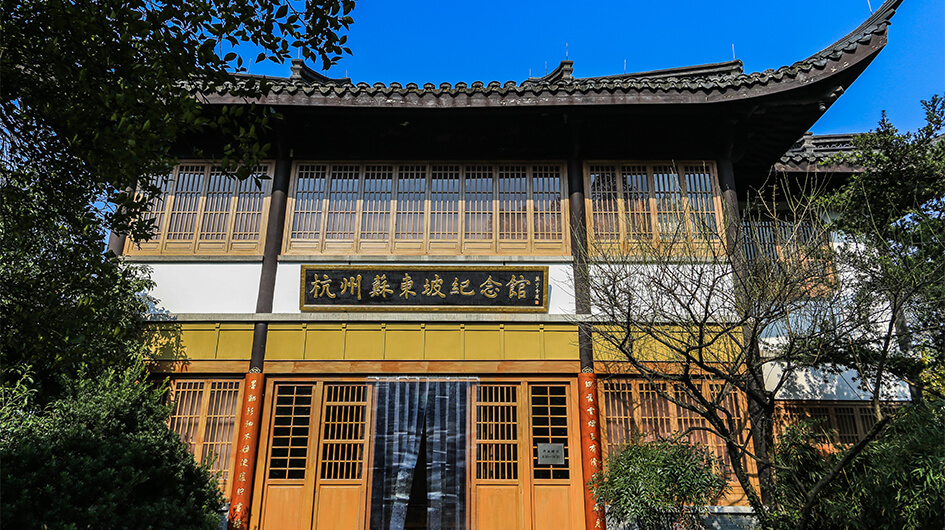 Su Dongpo Memorial Hall
Next, you will visit Xixi Wetland, where you can see winding waterways and vast reed marshes. In spring, various flowers bloom, and if you are lucky, you may even spot egrets at Lotus Beach. The beautiful wetland scenery will provide abundant inspiration for your poetry creation.
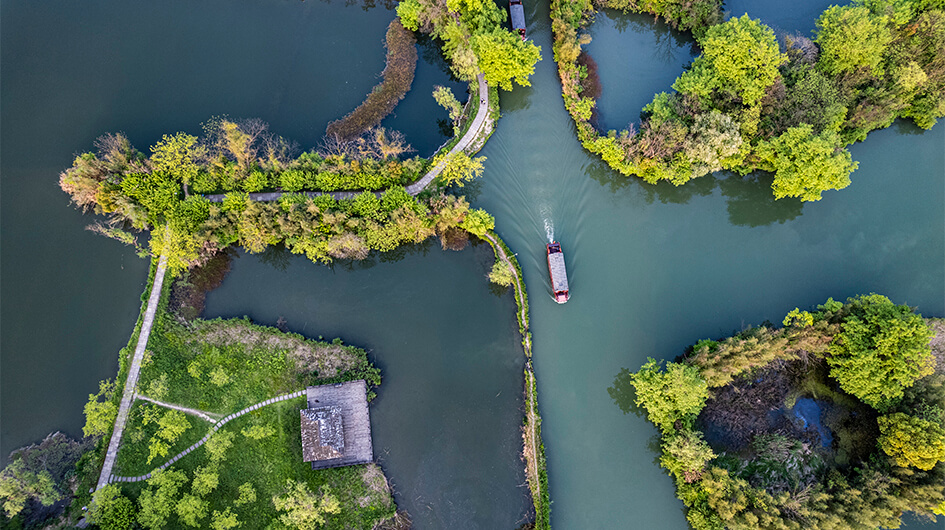 Xixi Wetland
You will then head to Southern Song Imperial Street, a commercial street from the Southern Song Dynasty that preserves the architectural style and commercial culture of the Song period. The ancient streets, shops, and cuisine of Southern Song Imperial Street echo the urban life and commercial culture depicted in Song Poetry. For example, Liu Yong wrote, “市列珠玑,户盈罗绮。” (shì liè zhū jī, hù yíng luó qǐ — The markets display pearls and jade, and households overflow with silks and fine fabrics.) from Watching the Tides of the Sea.
Your Journey’s Rewards:
Visit Solitary Hill to learn about its historical background and the poetic activities and literary traces left by Song Dynasty scholars there. Visit the Su Dongpo Memorial Hall to learn about Su Shi’s life and the background of his poetic works. Explore Xixi Wetland by taking a boat or walking along the boardwalks, observing reeds, waterways, birds, and other natural landscapes to inspire your own creative writing. Stroll along Southern Song Imperial Street to learn about its historical development as well as the urban culture and commercial life of the Song Dynasty.
Educational Focus:
How can the natural scenery of Xixi Wetland inspire poets to create Song Poetry?
Takeaway:
The tranquil scenery of Xixi Wetland served as an important medium for Song Dynasty literati to express their feelings through nature and to convey a sense of leisure and reflection. Song writers often incorporated imagery such as reeds, flowing water, and birdsong into their ci poetry. Their verses often present a tone of detachment and tranquility, which resonates with the leisurely imagery in Li Qingzhao’s line, “争渡,争渡,惊起一滩鸥鹭。” (zhēng dù, zhēng dù, jīng qǐ yī tān ōu lù — Row harder, row harder, startling a whole sandbank of gulls and herons.) from Dreaming of the Southern Shore. This kind of imagery enriches the theme of “landscape and leisurely sentiment” in Song Poetry.
Thought Challenge:
What are the differences between Song Poetry and Tang poetry?
After breakfast, depart for Quanzhou. Upon arrival, check in at your hotel, after which you are free to explore on your own.
In the morning, you will take a stroll through Kaiyuan Temple. The temple’s tranquility and solemnity make it a place for poets to express their emotions and reflect on life. You can carefully admire the exquisite East and West Twin Pagodas, a landmark of Quanzhou’s historic city. The pagodas are intricately carved with Buddhist statues and narrative reliefs and have stood firm despite earthquakes and typhoons.
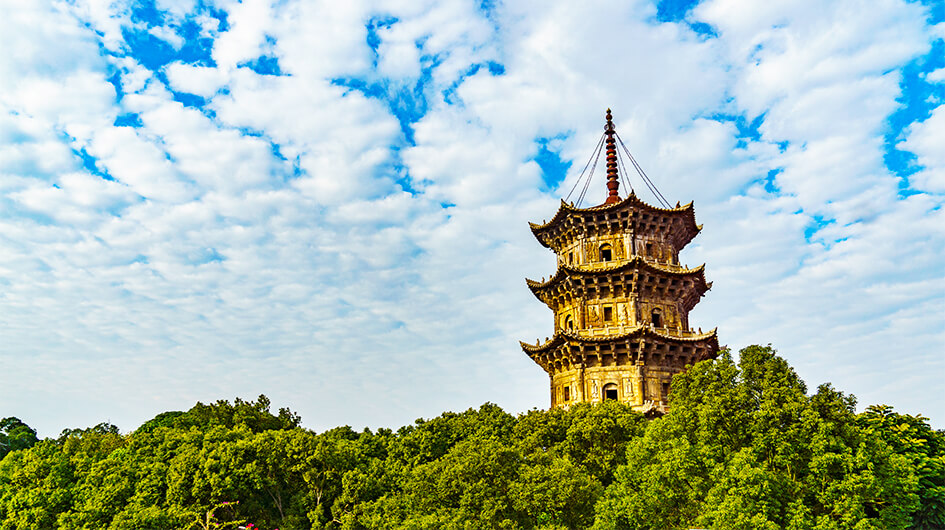 Kaiyuan Temple
Next, you will visit Luoyang Bridge, the earliest surviving stone beam bridge spanning the sea in China, built under the supervision of Cai Xiang, the Northern Song prefect of Quanzhou. The bridge is 834 meters long and 7 meters wide, a pioneering achievement in the history of world bridge engineering. The Song poet Chen Cheng wrote, “跨海为桥布石牢,那知直下压灵鳌。基连岛屿规模壮,势截渊潭气象豪。” (kuà hǎi wéi qiáo bù shí láo, nà zhī zhí xià yā líng áo. jī lián dǎo yǔ guī mó zhuàng, shì jié yuān tán qì xiàng háo — Stones are laid firmly to form a bridge across the sea; who knew it pressed down directly on the mythical turtle? The foundation connects islands in majestic scale, cutting across deep pools with grand presence.) from Ode to Luoyang Bridge.
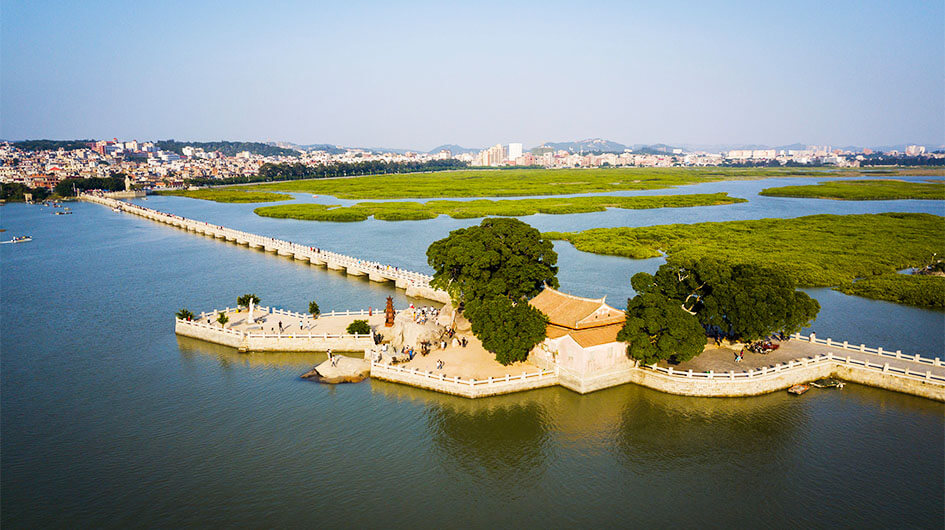 Luoyang Bridge
Then you will arrive at Xunpu Village, a coastal fishing village in Quanzhou known for the tradition of women wearing floral hair ornaments. Here, you can see not only the “garden on the head” of Xunpu women but also oyster-shell houses built with sea oyster shells. You may choose to participate in a flower-adornment experience, creating a colorful floral crown to wear on your head and take commemorative photos.
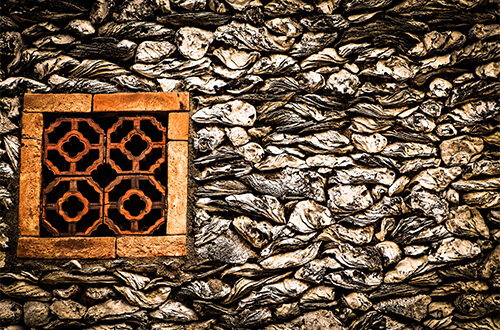 Oyster-shell Houses
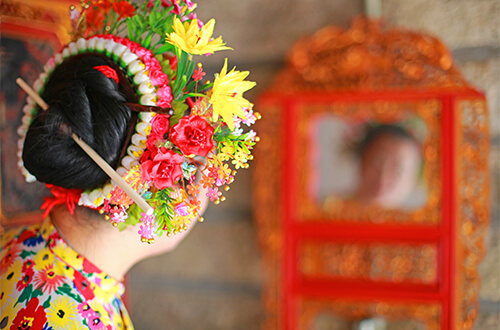 Flower-adorned Xunpu Momen
Your Journey’s Rewards:
Visit Kaiyuan Temple to learn about its historical significance as a Buddhist cultural center and a starting point of the Maritime Silk Road. Examine Luoyang Bridge in person, observing advanced construction techniques such as its “raft-shaped foundations” and experiencing the ingenuity of Song Dynasty bridge engineering. Explore Xunpu Village, visit the oyster-shell house clusters, and experience the lifestyle of the coastal fishing community.
Educational Focus:
What emotions does Luoyang Bridge convey when it appears in Song Poetry?
Takeaway:
Poets depicted the structure and craftsmanship of Luoyang Bridge in delicate detail, making Song Poetry a medium for recording the technological and cultural achievements of the Song Dynasty. At the same time, the aesthetic beauty of the bridge inspired poetic creation. For example, Yuan Shu wrote, “玉龙倒影卧寒潭,人在云霄天地宽。” (yù lóng dào yǐng wò hán tán, rén zài yún xiāo tiān dì kuān — The jade dragon’s reflection lies in the cold pool; humans soar in the sky with boundless space.) from Southern Bridge. This verse blends the bridge’s reflection with the sky, illustrating the harmony between architecture and nature.
Thought Challenge:
What influence has Song Poetry had on later literature?
In the morning, you will visit the Quanzhou Maritime Museum. Here you can admire the ancient ship models, excavated export porcelain, and various religious stone carvings displayed in the museum, learning about the prosperity of Quanzhou as an important port on the Maritime Silk Road during the Song and Yuan dynasties. The Northern Song poet Xie Lü wrote, “州南有海浩无穷,每岁造舟通异域。” (zhōu nán yǒu hǎo hào wú qióng, měi suì zào zhōu tōng yì yù — South of the prefecture lies the boundless sea; every year ships are built to reach distant lands.) from Ode to Quanzhou Maritime Trade, which confirms that Quanzhou was a global port at that time.
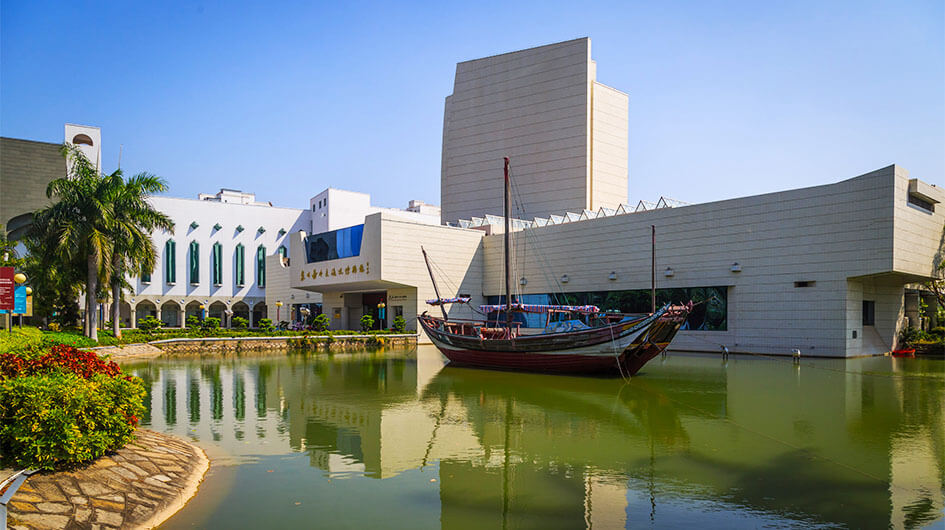 Quanzhou Maritime Museum
Finally, you will visit the Qingjing Temple. You can explore the stone carvings and architecture inside the temple and experience the openness and inclusiveness of Quanzhou as an international port in the past. Afterwards, a driver will take you to the airport or train station for your return journey, bringing your eight-day Song Poetry trip to an end.
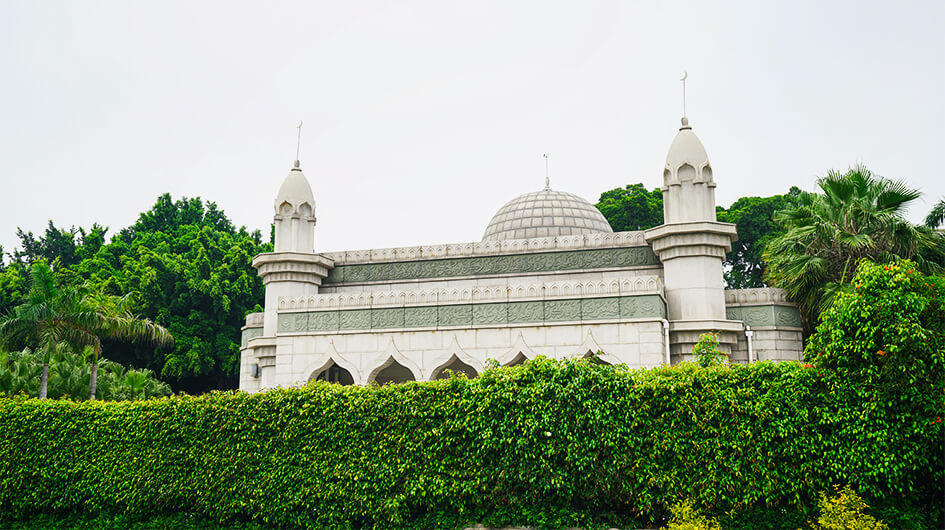 Qingjing Temple
Your Journey’s Rewards:
Visit the Quanzhou Maritime Museum to learn about Quanzhou’s overseas trade history, port scale, and the flourishing exchanges between China and other regions during the Song Dynasty through artifacts, images, and reconstructed scenes. Visit the Qingjing Temple to see its architecture, inscriptions, and historical remains, and learn about the introduction of Islamic culture and the multicultural exchanges brought by the Maritime Silk Road. Conclude the journey and return.
Educational Focus:
How did overseas trade in Song Dynasty Quanzhou influence Song Poetry?
Takeaway:
Quanzhou in the Song Dynasty was a core port of the Maritime Silk Road. Its prosperous trade and the gathering of diverse cultures greatly broadened the horizons of Song literati. As Li Bing wrote, “苍官影里三洲路,涨海声中万国商。” (cāng guān yǐng lǐ sān zhōu lù, zhǎng hǎi shēng zhōu wàn guó shāng — Within the shadows of the official halls lie roads to three continents; amid the sound of the rising sea gather merchants from myriad lands.) from Quanzhou Port, vividly describing the prosperity of Quanzhou’s port.
Thought Challenge:
How should Song Poetry be appreciated?
This tour is suitable for: School, Family, Team Building, Poetry Lovers
What’s Included
- Experienced tour guides
- Entrance fee to all spots listed in the itinerary
- Well selected hotel accommodation
- Expert drivers and comfortable vehicles with air-conditioning
Hotel Options
- Suzhou Hotel Accommodation: Artyzen Habitat Suzhou
- Hangzhou Hotel Accommodation: HangZhou ZhongWei Sunny hotel
- Quanzhou Hotel Accommodation: Overseas Chinese Hotel
Wechat & WhatsApp: +86-13471279378