- Home
- Educational Travel
- China Cultural Tours
- In-Depth Ethnic Culture Tour
12-Day In-Depth Guizhou & Guilin Ethnic Culture Tour
This in-depth tour centers on ethnic minority culture in China. You will visit settlements of the Miao, Dong and Gejia people in Qiandongnan, Guizhou, as well as the Yao and Zhuang people in Guilin. You can try traditional intangible heritage crafts including Miao embroidery, Yao embroidery, batik, silverware making, bird cage crafting, ancient papermaking and Hundred-Bird Costume making, and learn the history and culture behind ethnic costumes. You will also tour unique villages, watch Dong folk songs and dances, discover the Yao long-hair culture and terrace farming wisdom, and observe local daily life.
China Educational Tours takes care of all accommodation, transport and dining arrangements. We arrange professional guides specializing in ethnic culture to unpack hidden stories behind every craft and village. Share your travel concerns and preferences with us, and we’ll tailor a genuine cultural exploration trip exclusively for you.
Itinerary at a Glance
| Day | Location | Highlights |
|---|---|---|
| D1 | Guiyang | Arrive at airport, enjoy pick-up service, hotel check-in, free rest time |
| D2 | Guiyang | Learn Miao embroidery skills from masters, explore ethnic costume history and cultural connotations |
| D3 | Guiyang - Kaili | Experience Miao bamboo birdcage making and thousand-year ancient papermaking craft in ancient villages |
| D4 | Kaili | Try Gejia batik craft, visit primitive Miao village and intangible cultural heritage market to view ethnic handcrafts |
| D5 | Kaili | Explore two featured Miao villages to experience local architecture and minority costume culture, learn Miao silver jewelry production craft |
| D6 | Kaili - Rongjiang | Visit well-preserved ancient Dong village to learn Dong village culture, study the craft and cultural meaning of Miao Hundred-Bird Garment |
| D7 | Rongjiang - Zhaoxing | Tour primitive Dong village to learn local customs and architecture, watch Dong folk shows and listen to Dong Grand Chorus |
| D8 | Zhaoxing - Guilin - Longsheng | Take high-speed rail to Guilin then transfer to Longsheng, admire karst scenery, visit Longji Terraces and learn mountain ecological farming wisdom |
| D9 | Longsheng | Visit Yao village to experience Yao embroidery culture, make traditional Zhuang ethnic food at local households |
| D10 | Longsheng - Guilin-Shanghai | Free morning stroll among terrace villages, transfer to Guilin Airport and fly to Shanghai in the afternoon |
| D11 | Shanghai | Visit classic urban landmarks, cultural blocks and flea markets, tour textile museum to learn local textile industry development history |
| D12 | Shanghai | Private vehicle transfer to airport, guide assists with final arrangements and flight check-in |
Trip Highlights
- Discover the thousand-year-old Miao embroidery heritage
- Create your own batik artwork with traditional techniques
- Explore Miao silver jewelry craftsmanship and cultural meanings
- Wander through Dong villages and experience living traditions
- Learn Yao embroidery stories through traditional costumes
- Join local families for authentic ethnic food experiences
Tour Essentials

Quality
No Shopping Traps

Group Type
Private

Tour Focus
In-Depth Ethinc Culture

Accommodation
Nights:11

Best Season
Spring, Summer, Autumn, Winter
Full Itinerary
When you land in Guiyang, a dedicated guide and driver will hold a name sign and wait for you at the airport. After helping you pick up your bags, they will give you a short overview of Guiyang to get you ready for your trip. You’ll take a comfortable private car to your hotel and admire local city sights during the ride. Your guide will help you finish check-in quickly so you can settle down easily. You are free to rest later and recharge for your Guizhou cultural exploration ahead.
You will join a deep dive into Miao embroidery culture with a Miao embroidery master, who reveals the history and ethnic memories tied to this ancient craft. Having existed for thousands of years, Miao embroidery lets the Miao people record migration tales, old legends, nature worship and life wisdom. As no written words existed long ago, countless Miao cultural stories were kept in stitches, so people call this art “history books worn on the body”. The master will teach you basic Miao embroidery skills including pattern planning, color matching and stitching skills. You may practice special stitches such as flat stitch, seed stitch, chain stitch and braid stitch, and observe how Miao women add natural elements like hills, flowers, birds and butterflies to clothes. The master will share the cultural meanings of embroidery patterns as you work. You will pick up a handmade craft skill and fully grasp the ethnic beliefs, artistic tastes and cultural heritage carried by Miao outfits.
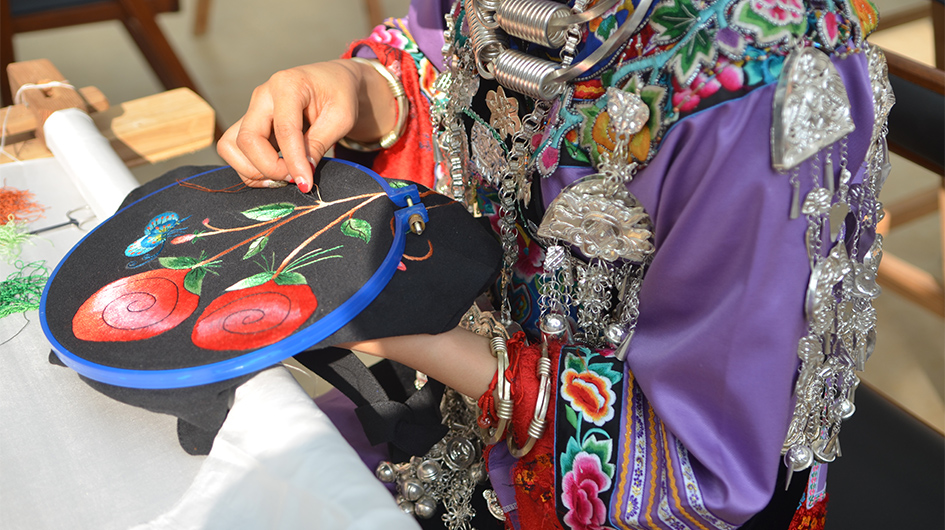 Miao woman are engaged in embroidery
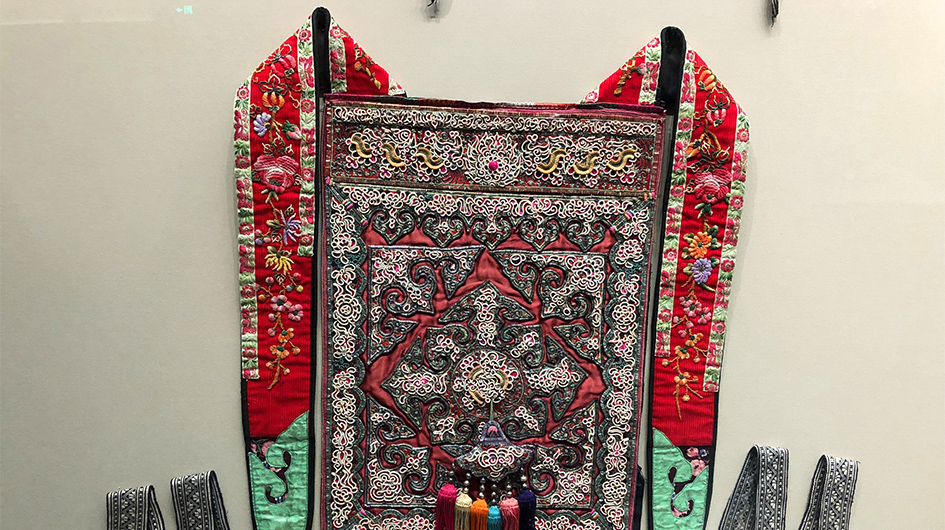 Exquisite patterns on miao baby carrying sling
Your Journey's Rewards:
Immerse in thousand-year-old Miao embroidery craft, learn stitches and pattern meanings, explore ethnic costume culture and heritage.
Educational Focus:
Where do most patterns of Miao embroidery draw inspiration from?
Takeaway:
Miao embroidery patterns mainly take local nature as inspiration, including mountains, birds, flowers and butterflies, plus migration tales and ancient totems. Each pattern carries nature worship and good wishes. These embroidered designs act as wordless records passing down the group’s beliefs and spirits.
Thoughts Challenge:
How to innovate and carry forward traditional Miao patterns amid modern aesthetic trends?
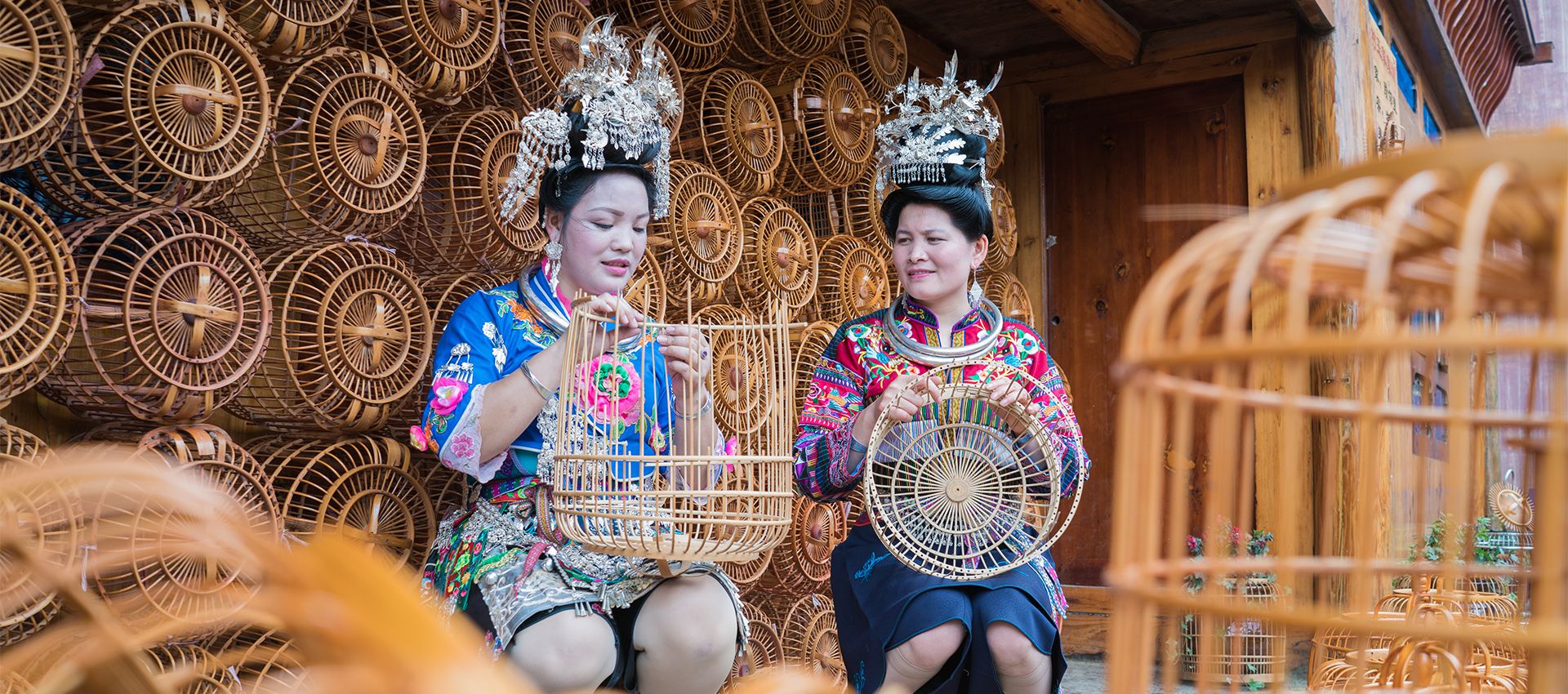
After breakfast, drive to Kaili by private car to start the Guizhou ethnic culture tour. Upon arriving at Kala Village in Danzhai, visit this traditional Miao craft village and learn about its centuries-old birdcage craft. Birdcages are more than daily goods; they show Miao people's love for nature, beauty and life. Local craftsmen demonstrate bamboo selecting, splitting, weaving and carving, and visitors can try simple weaving to appreciate the patience and wisdom of this old craft.
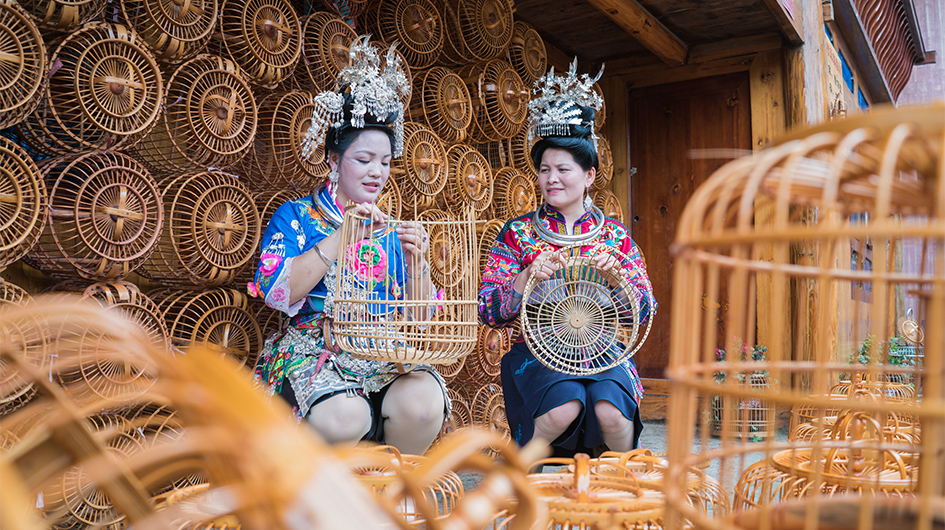 Danzhai's Miao women are making birdcage
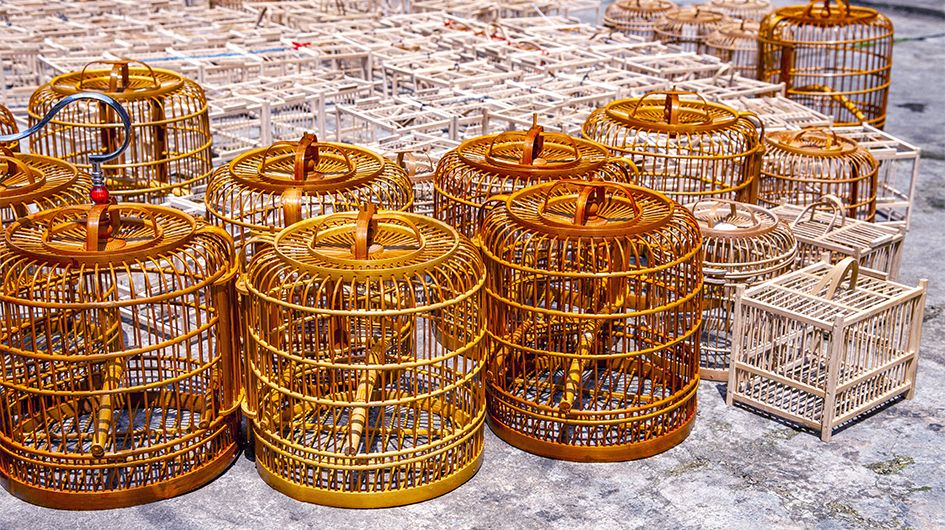 The birdcages of Danzhai
We will head to Shiqiao Village in the afternoon for a look at the thousand-year-old papermaking craft. Local mulberry bark is used in this old craft, which goes through soaking, boiling, pounding, molding and drying. Walk around the workshops and make paper yourself to watch raw materials become cultural carriers, and find how this craft connects with local ethnic life.
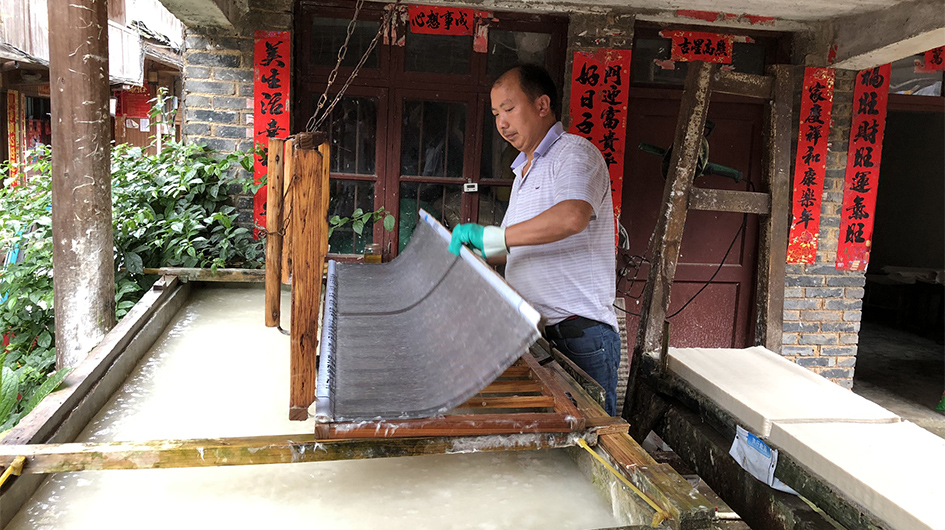 Tranditional papermaking
Your Journey's Rewards:
Drive to Danzhai to make Miao bamboo bird cages and try ancient papermaking at old villages.
Educational Focus:
Why have the Kala Miao people in Danzhai passed down birdcage craft for generations, while few other Miao areas practice it?
Takeaway:
The Kala Miao are a Miao subgroup, and their tribal name "Ganao", stands for bird descendants in their native tongue. Bird totem worship runs deep in their culture, making bird raising and viewing a daily habit. Local fine bamboo is harvested as raw material for birdcages. Bamboo weaving and carving have been practiced by villagers for generations, forming a complete craft chain to carry on this trade. No such long-running birdcage industry exists in other Miao villages, as suitable bamboo or matching folk traditions are missing there.
Thoughts Challenge:
How can Danzhai birdcage culture reach more people outside the village?
After breakfast, head to Matang Gejia Village to explore its unique batik culture. Famous for fine patterns and old craft methods, Gejia batik is a key cultural symbol on local ethnic clothes. Visit batik workshops to watch wax drawing, dyeing and wax removal, and learn ethnic stories and beauty ideas behind the designs. With masters’ guidance, try batik yourself by printing classic patterns on cloth, and feel the creativity and cultural memory of this ethnic craft.
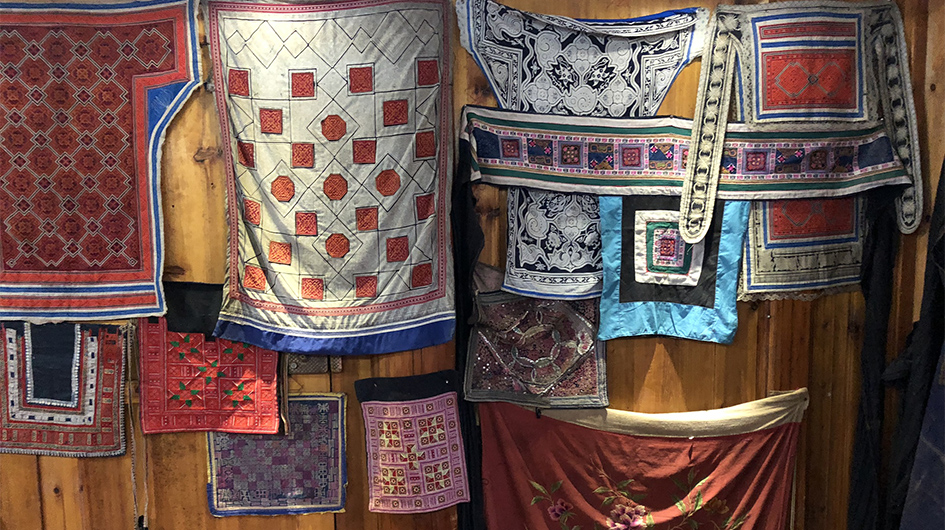 Gejia's batik works
We'll travel to Wudong Miao Village in the afternoon to explore local Miao daily lives and preserved traditional cultures. Walk around the hamlet to view distinctive buildings, Miao outfits and ordinary village moments, and feel how Miao communities live in peace with surrounding nature. We then stop by Xiulitao Intangible Cultural Heritage Market to view delicate ethnic handworks such as Miao embroidery and silver jewelry.
Your Journey's Rewards:
Experience Gejia batik, primitive Wudong Miao Village and heritage market for dual ethnic crafts in one visit.
Educational Focus:
What makes Gejia batik different from batik crafts of other ethnic groups?
Takeaway:
The Gejia people believe their ancestors were descendants of Hou Yi, the legendary archer who shot down the suns, hence their sun-themed batik patterns have balanced radiating designs. Their special batik technique is wonderful because the lines are still smooth and connected when the wax is removed. Every artisan makes the entire pattern in one process without any draft drawings, and only with their skills and experience in this craft. This special technique gives the Gejia people a special batik style that cannot be found anywhere else in the world of art.
Thoughts Challenge:
How can we use batik to make more young people aware of the history of the Gejia minority?
After breakfast, head to Langde Miao Village to experience its traditional Miao village culture fully. Wander around hillside stilt houses to learn about Miao architecture, daily lives and festival customs, and feel locals’ wisdom of living in harmony with nature. Afterwards, go to Datang Miao Village to explore the unique costume culture of Short Skirt Miao people. Watch local women’s traditional short skirts, embroidered patterns and dressing customs to learn about the ethnic aesthetics, cultural identity and heritage behind these clothes.
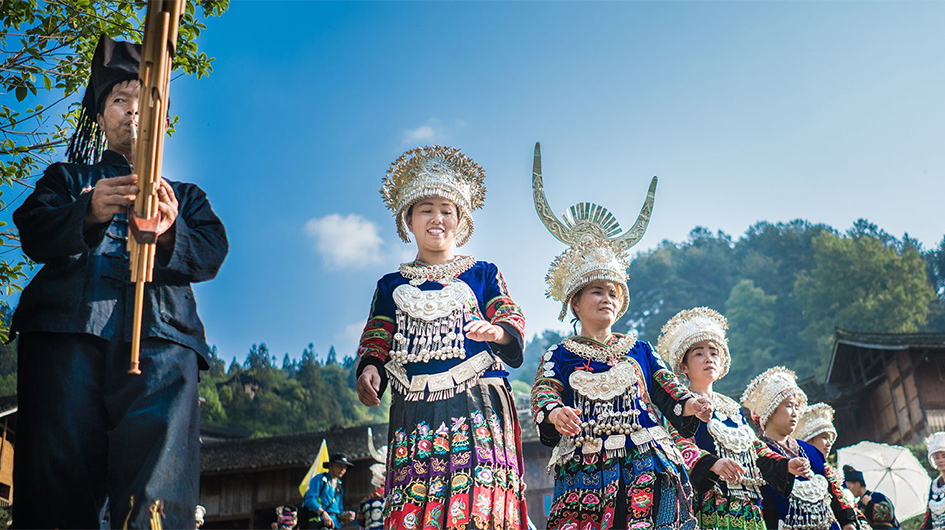 Miao people in the Langde Miao Village
We visit Kongbai Village in the afternoon to discover how Miao silver jewelry are made. Miao silver pieces work as beautiful ornaments and keep the Miao people's history, faith and life memories alive. Walk into local silversmith shops to learn traditional techniques: melting, hammering, carving and weaving silver, and watch makers mix natural shapes and folk tales into every silver pieces. Talking with silversmiths lets you fully grasp what silver jewelry means for Miao weddings, festivals and everyday life.
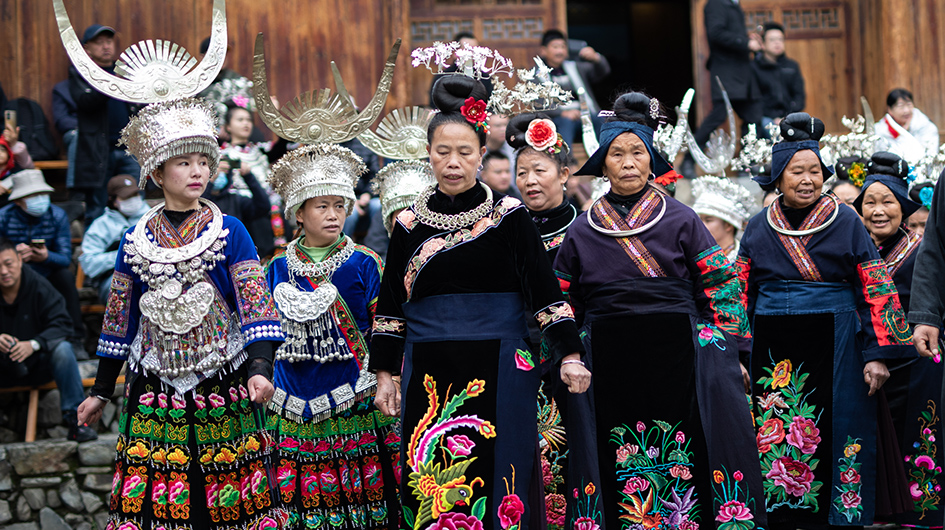 Miao women wearing beautiful silver ornaments
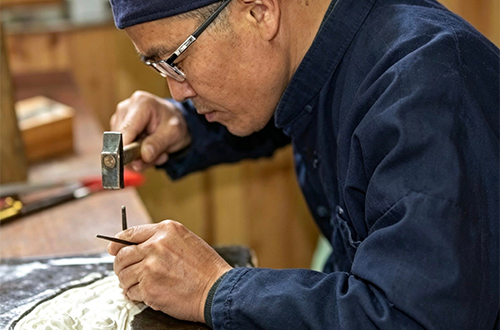 Engraving patterns on silver sheets
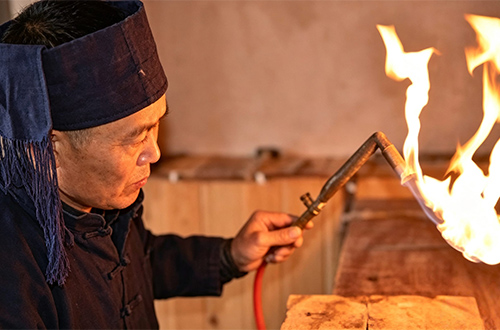 Burnished silver jewelry
Your Journey's Rewards:
Visit Langde and Datang Miao Villages for unique architecture & rare costumes, then learn full Miao silver craft at Kongbai Village。
Educational Focus:
Silver jewelry features in all Miao key events. What do they symbolize for Miao people?
Takeaway:
In ancient times, silver was widely used as a form of currency. To protect their wealth during periods of uncertainty, Miao people transformed their belongings into silver and made them into wearable ornaments. As the Miao people have no written language, their silver jewelry and clothing patterns preserve their history, cultural symbols and beliefs, earning them the name “wearable history books”. Many locals also believe that silver can drive away negative forces and offer protection. This is why visitors often see Miao people wearing exquisite silver ornaments at weddings, festivals and other important occasions.
Thoughts Challenge:
How should young people today rethink the multiple values of Miao silver jewelry?
After breakfast, drive to Rongjiang by private car and enjoy Guizhou’s mountain and river scenery along the way to start an ethnic culture tour across Qiandongnan. Upon arriving at Zenglei Dong Village, step into this well-preserved traditional Dong village to learn about Dong architecture, village layouts and daily lifestyles. Wander around the village to admire wooden stilt houses and old folk dwellings, experience local customs, appreciate the Dong people’s wisdom of living in harmony with nature, and discover the unique charm of ancient village culture.
In the afternoon, head to Baibei Miao Village to learn about the Hundred-Bird Costume, a treasure of Miao costume culture. Covered with bird motifs, this robe adopts diverse embroidery techniques and intricate patterns in its unique craftsmanship, standing as a key symbol of the Miao's bird totem worship. During grand festivals, Miao people dance in Hundred-Bird Costumes to honor their ancestors. By touring the village and learning its production steps, you can uncover the ethnic legends, nature worship and aesthetic ideas behind the robe, and see how Miao women pass down tribal memories and cultural identity via embroidery, weaving and decorative crafts.
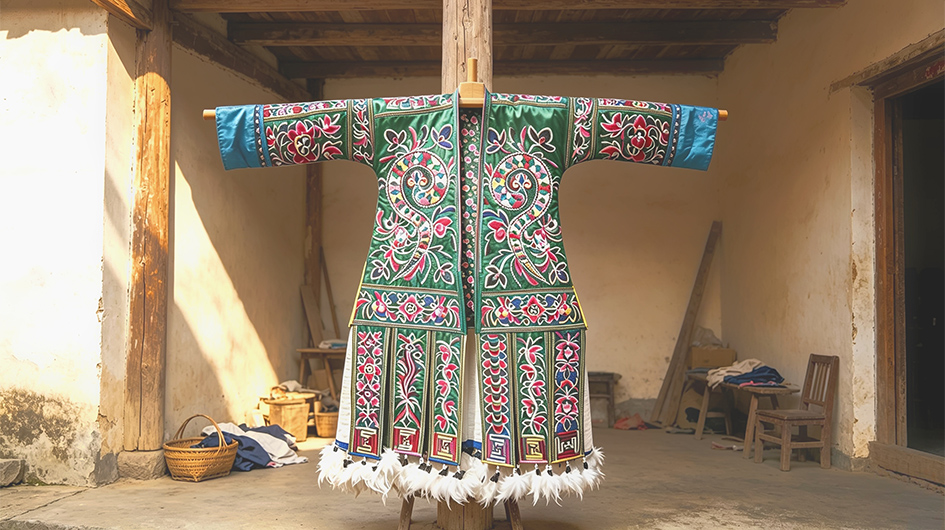 Hundred-Bird Costume
Your Journey's Rewards:
Roam Rongjiang’s scenery, tour ancient Zenglei Dong Village and Baibei Miao Village to explore Hundred-Bird Costume heritage.
Educational Focus:
Why is Hundred-Bird Costume hailed as "wearable epic"? What Miao history and tribal beliefs does it carry?
Takeaway:
The Miao branch wearing Hundred-Bird Costumes, same as Danzhai Miao people, call themselves "Ganao", meaning "bird tribe", descendants of ancient feather clans that revered birds as totems. Records of garments decorated with bird patterns date back to the Tang Dynasty. The robes integrate flat embroidery, pile embroidery, horsetail embroidery and other crafts, fully covered with bird patterns and hung with feathers; each takes three to five years to finish. Without written scripts, these elaborate patterns record creation myths, migration journeys and nature worship, serving as living carriers of the Miao’s thousand-year cultural memories.
Thoughts Challenge:
How to pass down niche intangible cultural heritage costumes like Hundred-Bird Costumes permanently?
We’ll head over to Huanggang Dong Village once breakfast wraps up to check out the village's time-honored Dong culture. Local folks still stick to genuine Dong living customs, and the houses, drum towers and covered wind-rain bridges all reflect how the Dong live side by side with nature. Walk all around the hamlet to pick up knowledge on its building styles and community traditions, and see firsthand how Dong locals pass on their ethnic stories through folk songs, holiday gatherings and handmade crafts.
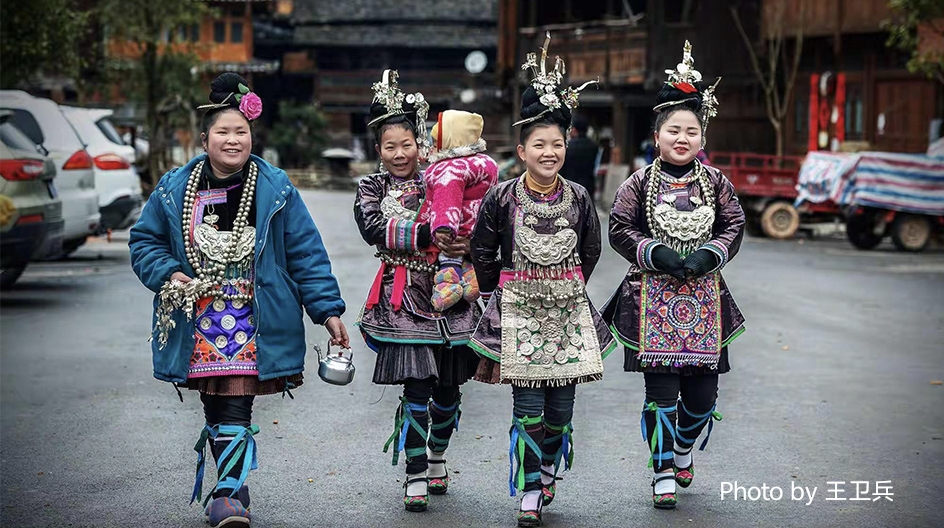 The women in the Huanggang Dong Village
Take a shuttle into Zhaoxing Dong Village in the afternoon to explore one of China’s most renowned Dong villages. Tour its cluster of drum towers, traditional dwellings and distinctive lanes, and learn the social functions and cultural meanings behind Dong architecture. Next, enjoy Dong song and dance shows and listen to melodious Dong Grand Chorus, a unique ethnic a cappella art form. Gain deeper insight into the Dong people’s spirit of unity and cultural inheritance through their music, dances and village daily life.
 Zhaoxing Dong Village
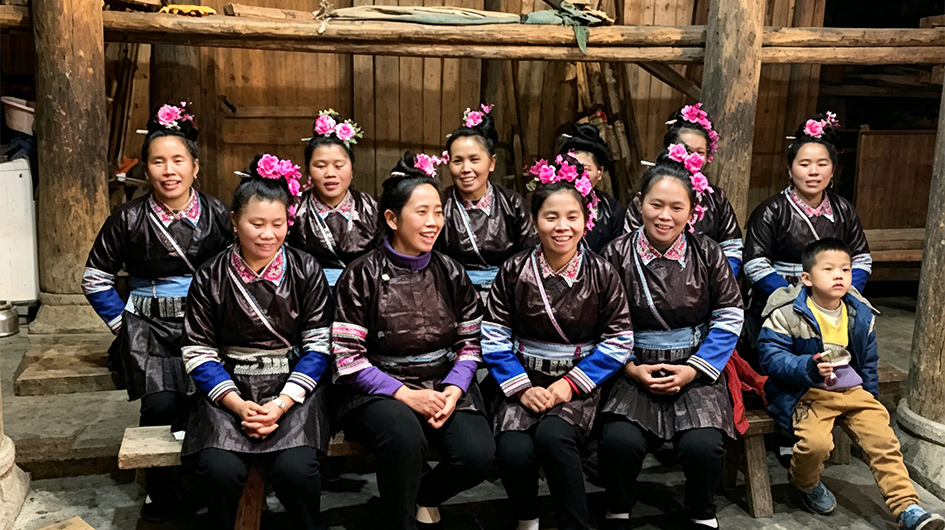 Dong women are singing Dong Grand Chorus
Your Journey's Rewards:
Visit primitive Huanggang Dong Village, enjoy roadside views, tour Zhaoxing drum towers and listen to authentic Dong Grand Chorus.
Educational Focus:
Why did Dong people create this unique a cappella folk chorus?
Takeaway:
Dong Grand Chorus originated over 2,500 years ago during the Spring and Autumn and Warring States periods. It took shape for three reasons. First, ancient Dong people drew inspiration from natural sounds like birdsong, insect chirps and flowing water. Second, the southern Dong dialect has nine tones, which sound naturally melodic. Third, their cultural belief holds that food nourishes the body while songs nourish the soul. No written script, the chorus is the memory of history and culture. Masters teach singers orally how to sing pure unconducted a cappella harmonies.
Thoughts Challenge:
How to keep Dong Grand Chorus appealing to young audiences and encourage them to learn about it actively?
After breakfast, take a high-speed train to Guilin, then transfer to a private car bound for Longsheng to reach the spectacular Longji mountain area. Deep into Guangxi’s ethnic cultural heartland, admire karst mountain scenery and ethnic villages along the route. Upon arrival in Longsheng, experience unique living environment of mountain villages, and learn the close bond between terraced farming and local ethnic life to prepare for further exploration of Longji Terraces culture.
Head to Ping'an Village in the afternoon to explore the Longji Terraces, hailed as a world terraced wonder. Walk mountain trails to view classic sights including Nine Dragons and Five Tigers, Seven Stars Around the Moon, and learn how the Zhuang and Yao peoples built terraces with mountain wisdom. Observe terrace layouts, village architecture and farming methods to grasp their ecological wisdom forged by long harmony with nature, as well as local ethnic culture and life philosophies behind the terraces.
 Nine Dragons and Five Tigers
 Seven Stars Around the Moon
Your Journey's Rewards:
Admire karst landforms, visit Ping'an Village and enjoy unique Longji Terraces as well as mountain farming scenery.
Educational Focus:
What mountain-adapted survival ideas shape Longji Terraces' layout?
Takeaway:
People carve stepped terraces onto mountain hills and run full irrigation waterways from mountain creeks. Such tiered fields suit steep slopes perfectly and keep dirt from washing away. Settlements stand right beneath terraces to save farmers’ commute time to farmlands. All these arrangements match local land and water features, crafting eco farming approaches honed by thousands of years of mountain life.
Thought Challenge:
How to balance terrace tourism development and traditional farm ecological protection?
After breakfast we visit Huangluo Yao Village to learn about the local ethnic culture. You will talk with holders of Yao embroidery crafts about the significant role the art plays in traditional clothing. You can try simple stitching while enjoying the Yao ceremonial clothing, weaving displays and long-hair traditions that show how local women preserve group history and identity through stitches, clothing and daily ceremonies.
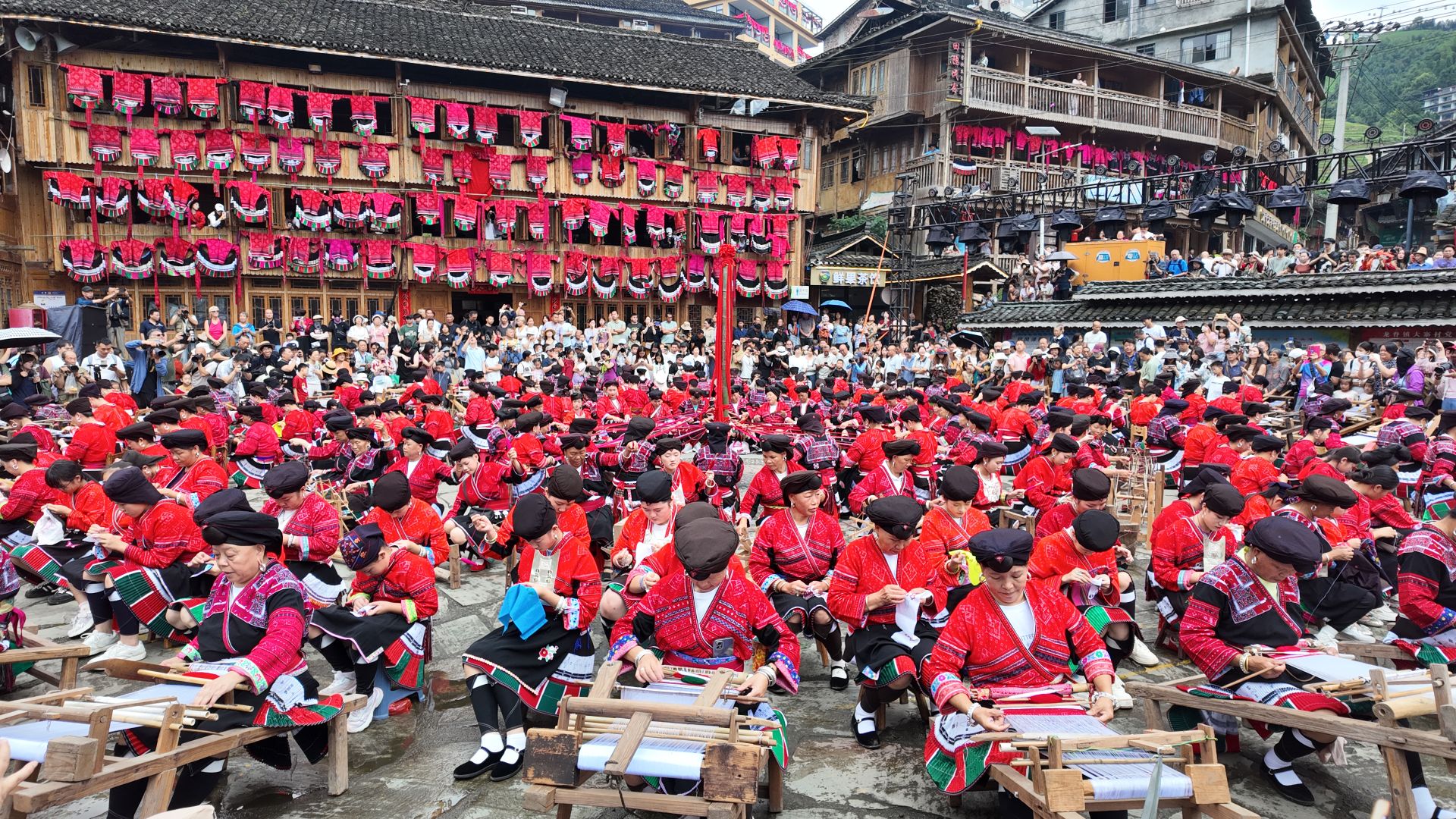 Festive costumes of the Yao people during their traditional Clothes-Sunning Festival
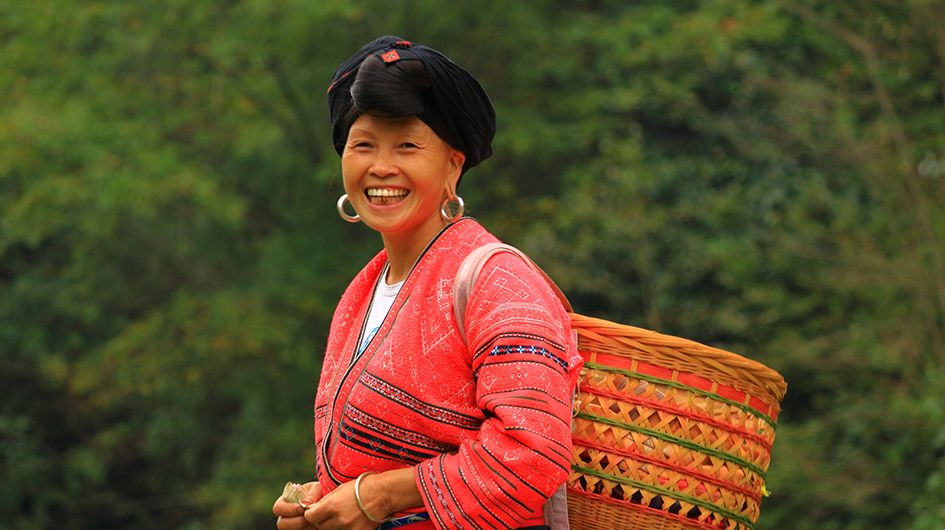 A Yao woman in traditional ethnic costumes
Spend the afternoon at local Zhuang households to get a taste of their old daily routines. You can get to hand-make oil tea, rice patties and bamboo-cooked rice and pick up local food traditions and ways of treating guests. This signature tea does more than quench thirst; it brings families and neighbors closer. Locals teach age-old cooking tricks, letting you witness living ethnic culture and enjoy genuine, heartfelt rural connections.
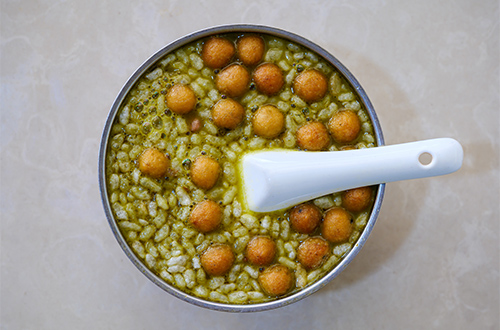 Qil tea
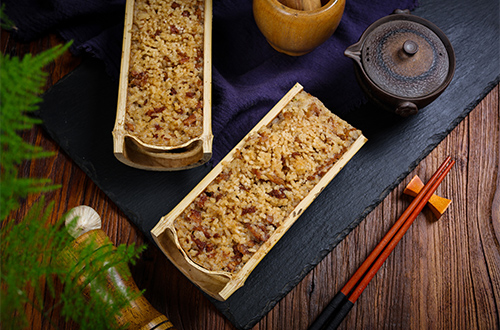 Bamboo-cooked rice
Your Journey's Rewards:
Visit Huangluo Yao Village for Yao embroidery culture; make Zhuang oil tea and bamboo rice at local homes.
Educational Focus:
What makes Yao embroidery unique among ethnic embroideries?
Takeaway:
Yao embroidery uses hand-sewn patterns handed down orally. Its designs draw from mountain nature and tribal life with bold colors and primitive, exaggerated shapes. Closely tied to Yao costumes, festivals and rituals, these wordless patterns record the group’s history and beliefs as exclusive cultural symbols for the Yao people.
Thought Challenge:
How to keep unique Yao embroidery popular with modern tastes?
You may wander freely among terrace villages in the early morning, where soft mountain fog, tiered farmlands and ancient ethnic settlements unfold before your eyes. You can feel the special farming skills and living habits developed by Zhuang and Yao locals living amid mountains, and collect precious memories from this trip exploring ethnic groups in Guilin and Guizhou.
We will set off for Guilin Airport in the afternoon as your flight schedule requires, then board a plane to Shanghai to begin the next part of our trip.
Kick off your Shanghai city culture trip early in the day. The Bund lets you view blended eastern and western buildings while you learn how Shanghai grew into a global trade center. After that, stop by Yu Garden to experience the charm of Jiangnan gardens and old-fashioned life beauty. You will then go to Yangpu Cultural Flea Market to find old goods that carry old Shanghai’s daily stories and folk collections. These antiques, handcrafts and vintage wares show visitors how local city culture stays alive and gets handed on through ordinary daily moments.
 The Bund
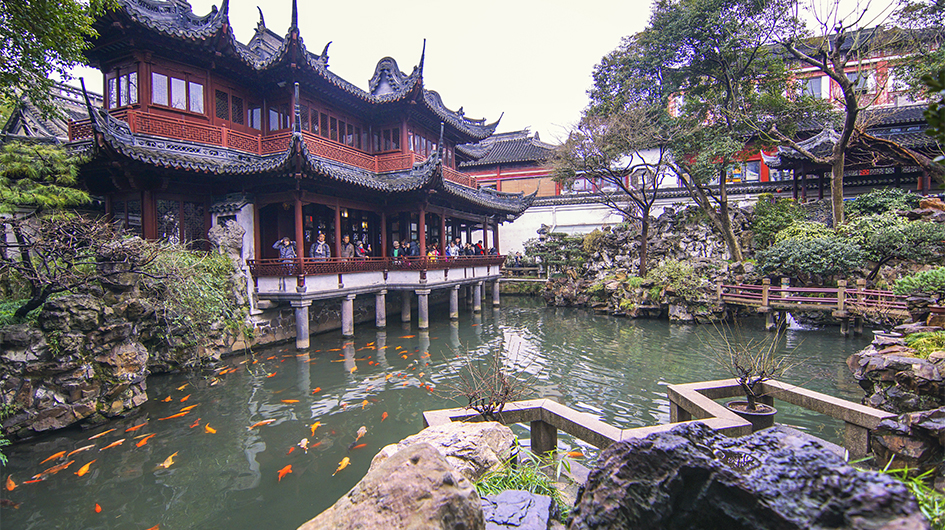 Yu Garden
Head to Duolun Road Cultural Celebrity Street in the afternoon. Roam the old block to track Shanghai’s modern cultural development and see connections between literature, art and urban shifts. Next, visit the Shanghai Textile Museum to discover the history of the textile industry and the influence of textile technology on the local economy and daily life. Exhibits and historical records illustrate the shift from traditional weaving as a handicraft to modern manufacturing.
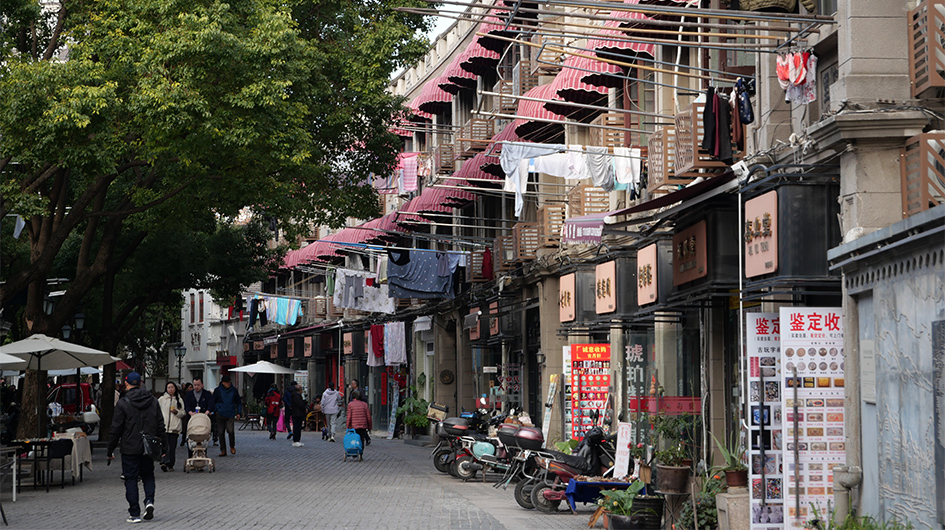 Duolun Road Cultural Celebrity Street
Your Journey's Rewards:
Tour Shanghai’s Bund, Yu Garden, cultural blocks, flea markets and Textile Museum to explore its urban history.
Educational Focus:
How did traditional textile industry transform Shanghai?
Takeaway:
The early textile industry was one of Shanghai's key industries, driving the rapid growth of commerce and manufacturing while contributing to the city's economic rise. The continuous development of textile techniques helped transform traditional handicrafts into modern industries, reshaping employment and lifestyles. At the same time, it created a unique industrial culture and enriched Shanghai’s urban heritage.
Thoughts Challenge:
How to integrate old industrial culture into modern city life?
Private cars will take you to the airport in advance according to your flight time. Your guide will help wrap up final plans and smooth your check-in. We hope this trip deepens your understanding of China’s ethnic minority cultures, and feel free to talk to us about any other travel ideas you have.
This tour is suitable for: School, Family, Ethnic Culture Enthusiasts, Embroidery Lovers, Natrural Lovers.
What's Included
- Professional bilingual ethnic guides
- Private vehicles with professional tour guides
- Carefully selected accommodation
- Breakfast and lunch included
- All itinerary activity fees covered
Recommended Hotel
| City | Hotel |
|---|---|
| Guiyang | Huamao Hotel |
| Kaili | Kaili Fuli Lanshan Hotel |
| Rongjiang | Shangpin Hotel |
| Zhaoxing | Indigo Lodge Zhaoxing |
| Longsheng | Longji Tianjian Pavilion |
| Shanghai | Kingtown Hotel Plaza Shanghai |
Wechat & WhatsApp: +86-13471279378