- Home
- City Tours
- Tibet Tours
- G318 Highway Group Tour: TB-10
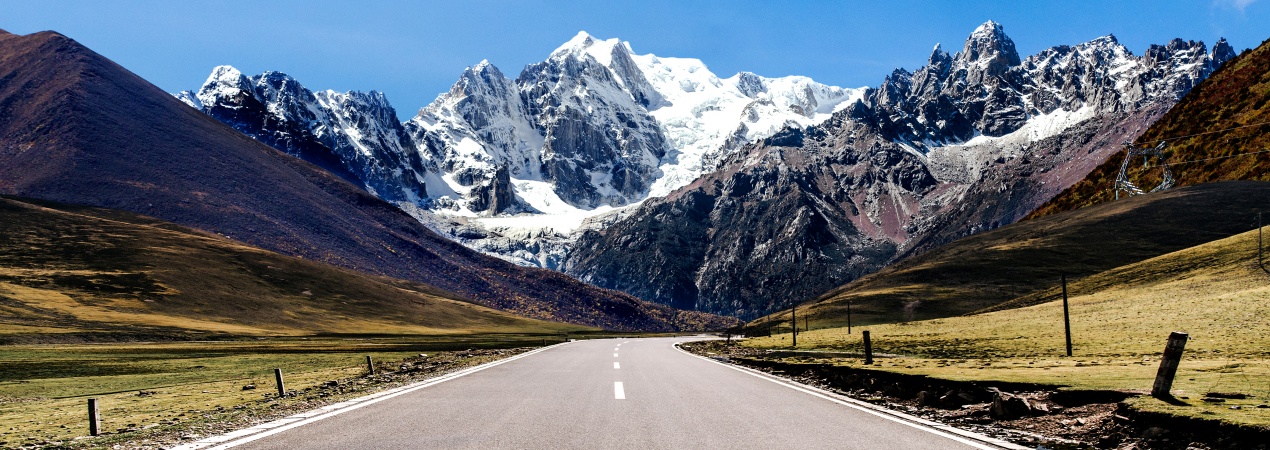
10-Day Sichuan-Tibet G318 Highway Small Group Tour
Explore China's Most Beautiful Highway - Sichuan-Tibet Highway G318 in 10 Days!Only when you drive on the Sichuan-Tibet Highway, breathe in the cool wind, see the colorful prayer flags and hear the continuous Buddhist chants can you understand what people mean by "fairyland" and "pure land". From a distance, every view is perfect: the vast grasslands, the lofty and sacred snow-capped mountains, the highway leading straight to paradise, and the sparkling lakes scattered on both sides of the road.
Itinerary at a Glance
| Day | Location | Highlights |
|---|---|---|
| D1 | Chengdu | Check into arranged hotel; rest, try local cuisines; optional visits to Chunxi Road, Daci Temple, Taikoo Li, IFS panda sculpture, Jinli Ancient Street, Kuanzhai Alleys. |
| D2 | Chengdu - Yajiang(400km driving, about 7 hours) | Drive through Ya'an, Erlang Mountain Tunnel, Kangding (photo, enjoy scenery), Zheduo Mountain Pass, Xinduqiao (admire scenery); check into hotel in Yajiang. |
| D3 | Yajiang - Batang(250km driving, about 6 hours) | Admire Tianlu Shibawan, cross Kazila Mountain Pass; visit Letong Ancient Town · Qianhu Tibetan Village (Renkang Ancient House, Kangba People’s Micro-Museum), Changqing Chunke Monastery in Litang; pass Wuliang River, Tu’er Mountain, Haizishan Nature Reserve (Maoya Grassland, Sister Lakes); check into hotel in Batang. |
| D4 | Batang - Mangkang (Tibet)(155km driving, about 4.5 hours) | Tour Cuopu Valley (Yasuo Monastery, Rekeng Hot Spring Group-taste hot spring-boiled eggs, Zhangde Grassland, Cuopu Lake, Cuopu Monastery, Kangzhula Lake, Zhimayong Lake); pass Zhubalong, cross Jinsha River Bridge into Tibet; check into hotel in Mangkang. |
| D5 | Mangkang - Basu(360km driving, about 8 hours) | Cross Lagu Mountain, Lancang River Bridge, Jiuba Mountain, Dongda Mountain; pass Zuogong County, go along Yuqu River to Bangda Town (brief stay at Bangda Grassland); cross Yela Mountain (view Tianlu 72 Bends), Nujiang River Bridge; go along Lengqu River Valley; check into hotel in Basu. |
| D6 | Basu - Bomi(230km driving, about 6 hours) | Cross Anjiula Mountain Pass; visit Ranwu Lake (take photos of reflections); tour Midui Glacier Scenic Area (view ice waterfalls, Midui Village); pass forest-river valley sections; check into hotel in Bomi. |
| D7 | Bomi - Nyingchi(235km driving, about 6 hours) | Drive G318 (admire plateau scenery), visit Guxiang Lake; pass Tongmai (admire Tongmai Bridge); lunch on Lulang stone pot chicken in Lulang Town; tour Zhaxigang Village (receive hada, experience butter tea, zanba, horse riding, archery, Tibetan costume photos); cross Sejila Mountain (overlook Namcha Barwa Peak); go along Niyang River; check into hotel in Nyingchi. |
| D8 | Nyingchi - Lhasa(460km driving, about 6.5 hours) | Admire Niyang River scenery; drive Linzhi-Lhasa Expressway; visit Basum Tso (boat to island, tour Cuozong Gongba Monastery); drive to Lhasa; check into hotel. |
| D9 | Lhasa (20km driving, about 0.5 hours) | Tour Potala Palace (admire architecture, relics, classics); tour Jokhang Temple (admire Tubo-era building, learn kora routes and culture). |
| D10 | Lhasa-Lhasa Gonggar International Airport (60km driving, about 1.5 hours) | Pack luggage; store luggage at hotel (if late flight); free walk in downtown Lhasa; retrieve luggage, go to Lhasa Gonggar International Airport (2.5 hours early); itinerary ends. |
Trip Highlights
- Drive through Sichuan-Tibet Line to see plateau landscape transitions
- Tour ancient Tibetan villages and learn about local culture
- Visit plateau glaciers, lakes and grasslands
- Experience Tibetan customs like drinking butter tea and making zanba
- Explore famous religious sites like Potala Palace and Jokhang Temple
- Try local specialties like Lulang stone pot chicken and hot spring-boiled eggs
Tour Essentials

Quality
No Shopping Traps

Group Type
Private

Tour Focus
Tibet Cluture, Nature Scenery, Photography

Accommodation
Nights:9

Best Season
Spring, Summer, Autumn
Full itinerary for 10-Day Sichuan-Tibet G318 Highway Small Group Tour
After arriving in Chengdu, check into the hotel we have arranged for you. Today is the gathering day. You can take a good rest at the hotel after dropping off your luggage, or go to try various local cuisines.
For those arriving in Chengdu in the morning, you can visit Chunxi Road (Chengdu's fashion center) and Daci Temple (a thousand-year-old ancient temple), and check in at Taikoo Li (a spot combining Chinese and Western styles) and the Internet-famous panda sculpture at IFS.
For those arriving in the afternoon, you can go to Jinli Ancient Street and Kuanzhai Alleys to experience the most leisurely and comfortable slow life in Chengdu.
In the morning, depart from Chengdu by car. After passing through Ya'an, known as the "Rain City", drive onto the Yakang Expressway. Then cross the Erlang Mountain Tunnel, and the landform in front of you will switch to plateau scenery. Continue driving to reach Kangding, the capital of Ganzi Tibetan Autonomous Prefecture. This city is famous for the song "Kangding Love Song" — you can take photos here and enjoy Kangding's unique natural scenery.
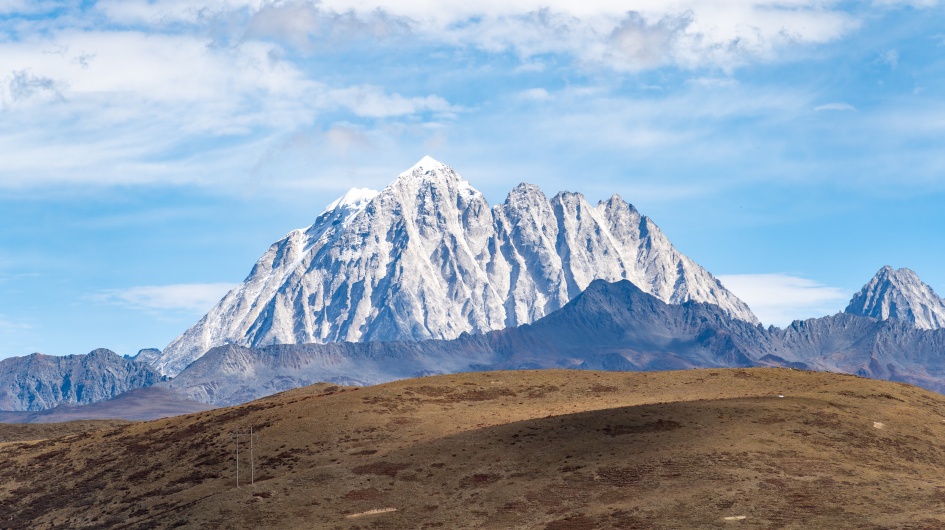 Kangding Scenery
After concluding the trip in Kangding, we will continue driving to cross the Zheduo Mountain Pass, which is at an altitude of 4,298 meters. Zheduo Mountain gets its name from its steep terrain and the unique "Ninety-Nine Bends" winding plateau highway. Along the way, you can enjoy the distinctive winding plateau scenery.
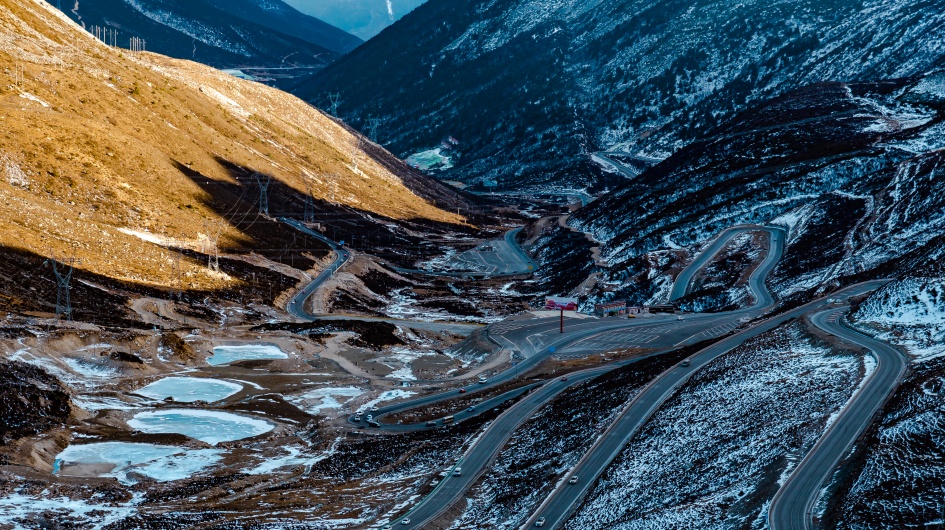 Zheduo Mountain
Later, arrive in Xinduqiao, known as the "Paradise for Photographers". Here, the light is magical: winding streams flow through boundless grasslands, Tibetan villages are scattered at the foot of rolling mountains, and cattle and sheep graze leisurely — the scenery of the Western Sichuan Plateau is fully displayed. After enjoying the scenery here, take a car to Yajiang and check in at the hotel upon arrival.
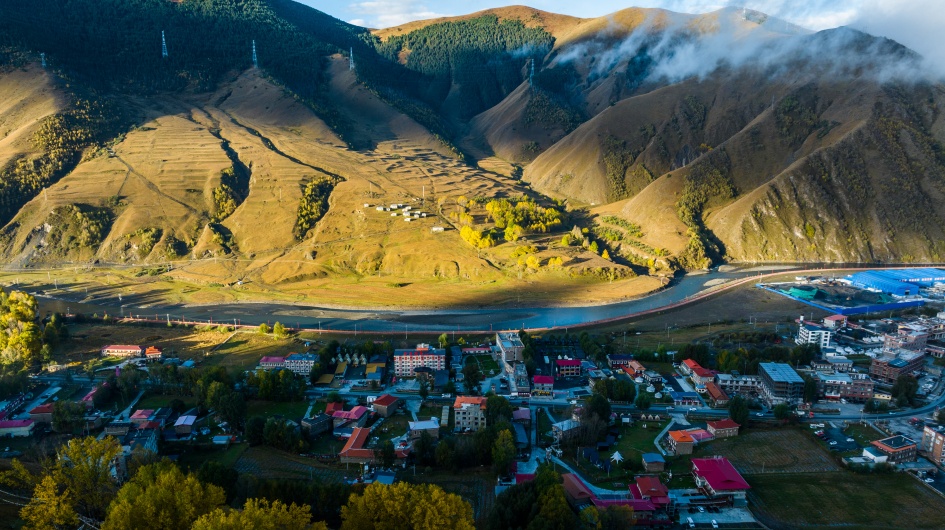 Xinduqiao
Special Reminder
- We may choose to take the G318 Zheduo Mountain Route or the S434 Airport Road Honghaizi Route based on the travel progress and road conditions.
- Recommended not bathe within 3 days before entering the plateau to avoid cold-induced altitude sickness affecting the trip. If you can tolerate it, wait longer and bathe only after adapting to the plateau.
- Tibetan areas have insufficient water and electricity, with occasional outages. Bring wet wipes and a flashlight. Bath water may have unstable temperature or cut off suddenly, so bathe quickly. Bathe only after fully adapting.
Your Journey's Rewards:
Enjoy the landscape transition from plain to plateau, capture the natural scenery of Kangding, see the winding highway of Zheduo Mountain, and immerse yourself in the Western Sichuan scenery of Xinduqiao.
Educational Focus:
How does the design and construction of the "Ninety-Nine Bends" winding highway on Zheduo Mountain adapt to the steep plateau terrain while balancing traffic safety and ecological protection?
Takeaway:
The winding highway on Zheduo Mountain uses continuous bends to reduce the slope, and lowers the difficulty of vehicle climbing through reasonable curvature design, adapting to the steep terrain of the 4,298-meter pass. The road surface is made of anti-slip materials, and guardrails and emergency areas are set up to cope with traffic risks under complex plateau weather. The route planning avoids core ecological areas, and environmentally friendly technologies are adopted during construction to reduce damage to plateau vegetation.
Thoughts Challenge:
As plateau highway construction continues to pursue traffic efficiency and safety, how can we further preserve the regional cultural memories and the uniqueness of natural landscapes it carries during technological upgrades?
After breakfast, depart from Yajiang. Along the way, admire the steep terrain of Tianlu Shibawan (Eighteen Bends of the Heavenly Road), then pass through Jianziwan Tunnel. Later, cross the Kazila Mountain Pass, which sits at an altitude of 4,718 meters, and head all the way to Litang. Upon arriving in Litang, first visit Letong Ancient Town · Qianhu Tibetan Village — home to over 4,000 traditional Tibetan houses, it is the world's largest cluster of traditional Tibetan villages. Follow the scenic spot guide to visit Renkang Ancient House (where thirteen highly respected great Living Buddhas were born) and Kangba People's Micro-Museum in sequence, to explore Tibetan culture and Kangba customs in depth. After that, go to Litang Monastery to learn about the legendary stories of this Tibetan Buddhism Gelug Sect monastery, which has the longest history and largest scale in the Kang region.
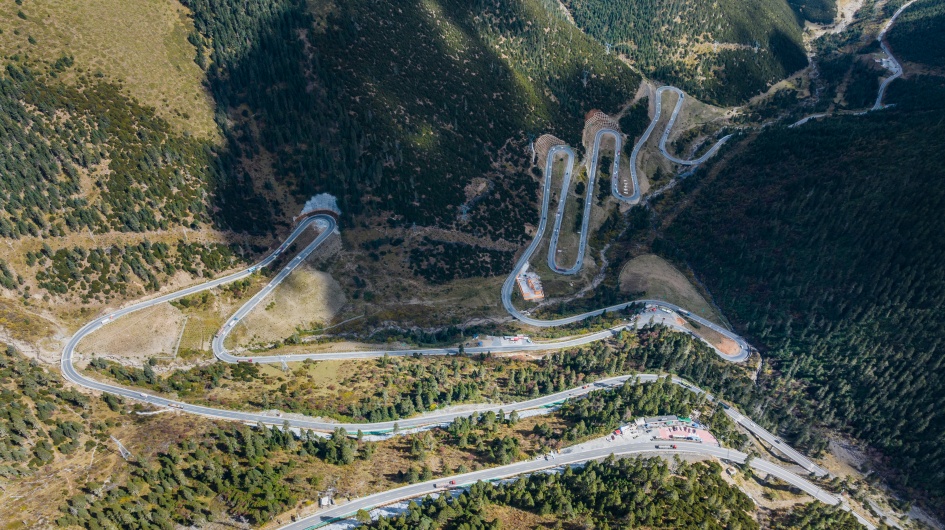 Tianlu Shibawan
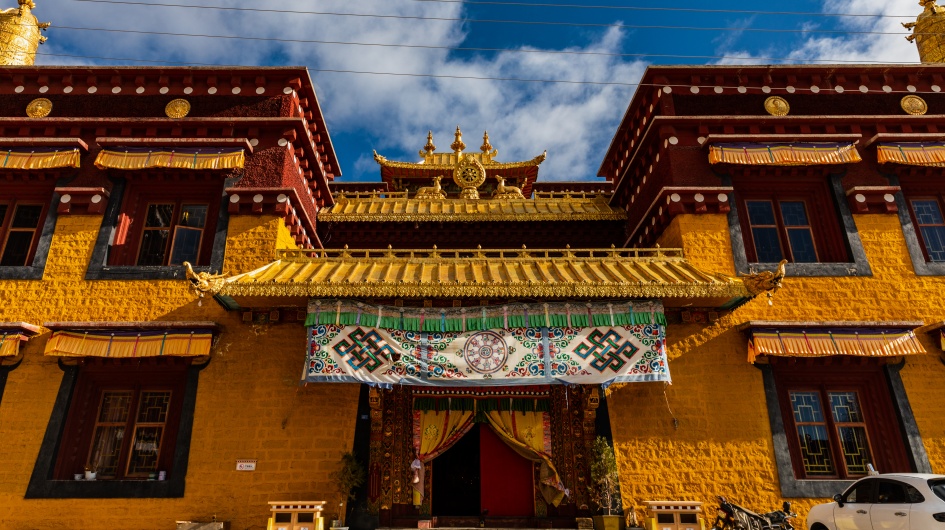 Litang Monastery
Depart from Litang, pass by Wuliang River, and cross Tu'er Mountain (Rabbit Mountain) — which resembles a rabbit and has a pass altitude of 4,696 meters. Then enter Haizishan Nature Reserve, located at an altitude of 4,500 meters and known as the largest paleoglacial site on the Qinghai-Tibet Plateau and Daocheng Ancient Ice Cap. Drive through the reserve while enjoying the scenery of Maoya Grassland to the music playing in the car. From June to August, the grassland is covered with wild flowers; Bangjin Meiduo (blue poppies), Gesang flowers and various unknown small flowers bloom in full, with countless cattle and sheep scattered among them.
Later, pass by Sister Lakes on Haizishan — two clear blue plateau lakes leaning closely against each other, shining like gems in the desolate mountain plain. Travel while stopping to enjoy the views along the way, and finally arrive at Batang, the border town of Sichuan.
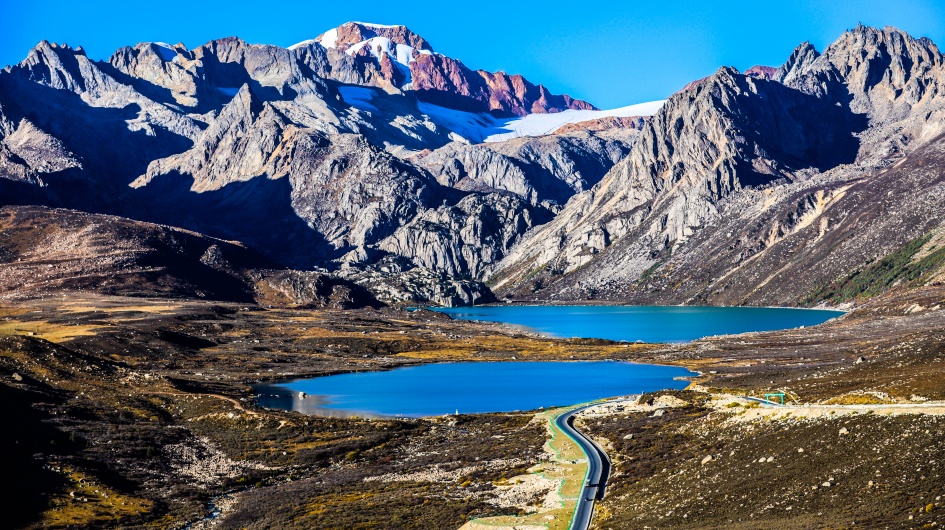 Sister Lakes
Special Reminder
- After several days of altitude acclimatization, today's itinerary will head to higher-altitude areas. To prevent altitude sickness, our travel agency has prepared portable oxygen on board for emergency use.
- Based on factors such as the season, road conditions and room availability, accommodation will be arranged at either the entrance of Cuopu Valley or within Cuopu Valley Scenic Area. If rooms are fully booked during the peak season, the accommodation will be changed to Batang County.
Your Journey's Rewards:
Admire the steepness of Tianlu Shibawan (Eighteen Bends of the Heavenly Road) and plateau scenery, explore Tibetan culture in Qianhu Tibetan Village, listen to the legends of Changqing Chunke Monastery, and view the paleoglacial site and Sister Lakes.
Educational Focus:
How does the architectural style of over 4,000 traditional Tibetan houses in Letong Ancient Town · Qianhu Tibetan Village reflect Tibetan cultural characteristics and the wisdom of adapting to plateau living?
Takeaway:
Most traditional Tibetan houses in Qianhu Tibetan Village adopt a stone-wood mixed structure. Their outer walls are painted with patterns like the Eight Auspicious Symbols, and the main colors are red, white and black, which echo Tibetan Buddhist culture and ethnic aesthetics. The thick walls can resist the severe cold on the plateau, the flat roof design facilitates drying highland barley and other crops, and the courtyard patio structure can adjust light and ventilation — all adapting to Litang's climatic conditions of high altitude and large temperature difference. Meanwhile, the contiguous cluster of Tibetan houses forms a unique residential pattern, which strengthens the ethnic cohesion.
Thoughts Challenge:
During the tourism development and protection of Qianhu Tibetan Village, how can the architectural wisdom and cultural connotation of traditional Tibetan houses not be diluted by modern elements, while naturally integrating into contemporary life scenarios?
After breakfast, depart from the accommodation to Cuopu Valley. Upon arrival, transfer to the scenic area's sightseeing bus at the visitor center. First, pass by Yasuo Monastery — a Nyingma Sect monastery of Tibetan Buddhism, whose red-walled buildings stand out distinctly among the deep mountains and green waters.
Then head to Rekeng Hot Spring Group, also known as Chaluo Rekeng Hot Spring Group, which holds the reputation of "the top geothermal resource in Sichuan". Within an area of 1.5 kilometers long and 300 meters wide, there are more than 150 geothermal springs and hot fountains, with water temperature exceeding 85℃. You can try the hot spring-boiled eggs that are ready in about 10 minutes.
Later, visit Zhangde Grassland; looking far into the distance, you can see the magnificent Zhajinjiabo Holy Mountain and experience the vastness of this grassland, which is praised as "the most beautiful alpine grassland in Western Sichuan".
After the morning tour, continue taking the sightseeing bus to Cuopu Lake, known as the "First Holy Lake of Kangba". The lake surface shimmers in the light, and in summer, colorful wild flowers bloom by the lake, creating a charming scene. Then visit Cuopu Monastery, Kangzhula Lake and Zhimayong Lake — these two sister lakes, as green as turquoise, are the "top beauties" of Cuopu Valley. If you're lucky, you may encounter cute marmots and interact with them, feeling the harmonious coexistence between humans and nature.
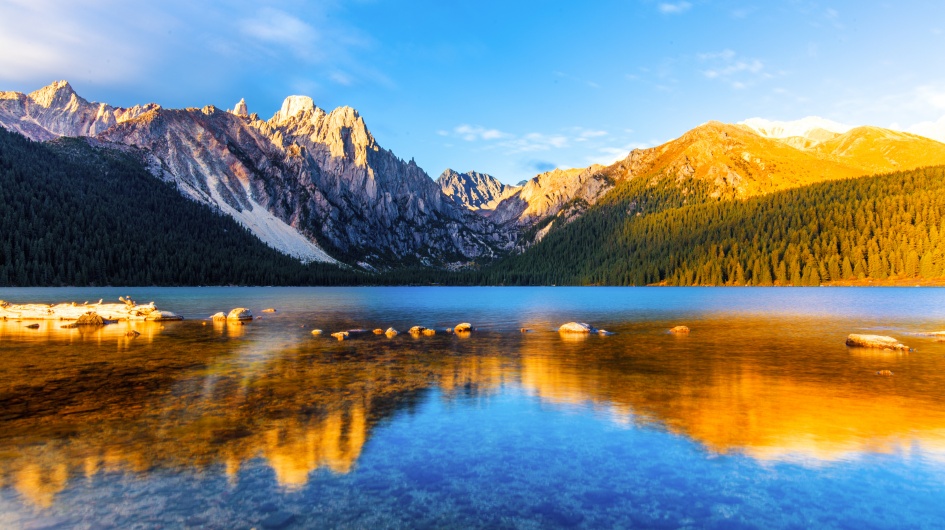 Cuopu Lake
After leaving the scenic area, pass through Zhubalong, cross the Jinsha River Bridge to enter the Tibet Autonomous Region, and finally arrive at Mangkang, the destination for the night, concluding the full-day itinerary.
Your Journey's Rewards:
Admire the red-walled scenery of Yasuo Monastery, taste eggs boiled in hot springs, enjoy the vastness of Zhangde Grassland, view the scenery of Cuopu Lake and the sister lakes, and experience the transition from Sichuan to Tibet.
Educational Focus:
What is the connection between the formation of more than 150 geothermal springs and hot fountains concentrated in the Chaluo Rekeng Hot Spring Group and the local geological structure?
Takeaway:
The Chaluo Rekeng Hot Spring Group is located near a plate suture zone. There are fault zones and fractures in the underground rock formations, which provide channels for the upward conduction of mantle heat flow. The mantle heat source heats the underground water, turning it into high-temperature hot water and steam. Driven by pressure, the hot water and steam gush out of the ground along the fractures in the rock formations, forming geothermal springs and hot fountains. The concentrated distribution area, 1.5 kilometers long and 300 meters wide, corresponds exactly to the main extension area of the underground fault zone, while the water temperature exceeding 85℃ reflects the strong activity of the mantle heat flow.
Thoughts Challenge:
When using the Chaluo Rekeng Hot Spring Group to develop tourism and meet tourists' experience needs, how to find a long-term balance between the development of geothermal resources and the protection of geological structure stability?
After breakfast, depart from Mangkang. First, cross Lagu Mountain with an altitude of 4,376 meters, then cross the Lancang River Bridge. After that, successively climb over Jiuba Mountain (3,940 meters above sea level) and Dongda Mountain (5,008 meters above sea level at the pass). After going downhill, pass through Zuogong County Town and go up along the beautiful Yuqu River, finally arriving at Bangda Town. In Tibetan, Bangda means "the grassland where eagles cannot fly out". The Bangda Grassland here is a highly representative prairie in Tibet; you can stay briefly to experience the vastness and vastness of the grassland.
Depart from Bangda Town and cross Yela Mountain with an altitude of 4,658 meters. This mountain is home to the famous Tianlu 72 Bends (also known as Ninety-Nine Bends) on the Sichuan-Tibet Line. Go downhill along the winding mountain road, and you can have a full view of the plateau terraced fields in primitive villages such as Tongni Village and Gama Village at the foot of the mountain.
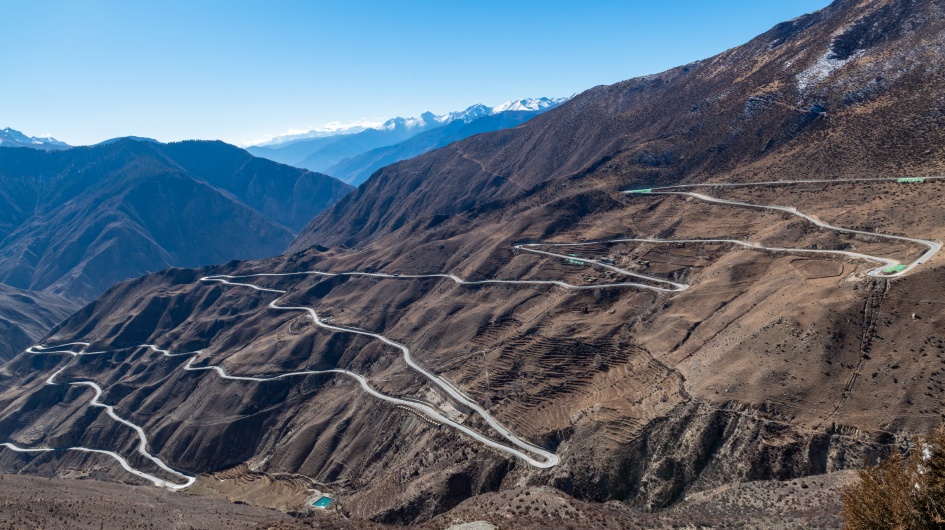 Tianlu 72 Bends
Later, cross the Nujiang River Bridge and continue forward along the Lengqu River Valley, enjoying the unique scenery of the interweaving river valley and plateau along the way. Arrive at Basu County in the evening, complete the check-in procedures, and end the day's itinerary.
Your Journey's Rewards:
Cross multiple plateau passes, admire the scenery of the Lancang River and Yuqu River, feel the vastness of Bangda Grassland, and view Tianlu 72 Bends (the 72 Bends of the Heavenly Road) and plateau terraced fields.
Educational Focus:
What kind of adaptive relationship exists between the winding layout of Tianlu 72 Bends (the 72 Bends of the Heavenly Road) on the Sichuan-Tibet Line and the high altitude, steep terrain of Yela Mountain as well as the demand for driving safety?
Takeaway:
The pass of Yela Mountain is at an altitude of 4,658 meters. The mountain has a steep slope and a large height difference; if a straight downhill road were used, steepness would easily lead to safety accidents. With the design of continuous bends, the actual slope can be greatly reduced, breaking the long-distance steep slope into multiple gentle-slope bends and lowering the difficulty and risk for vehicles going downhill. Meanwhile, the direction of the bends follows the extension of the mountain's contour lines, which can reduce excavation of the original terrain and lower construction difficulty as well as ecological damage.
Thoughts Challenge:
With the increase in traffic flow on the Sichuan-Tibet Line and the improvement of vehicle performance, does the existing bend design of Tianlu 72 Bends (the 72 Bends of the Heavenly Road) need to be adjusted? If adjusted, how to further improve traffic efficiency while preserving its engineering and landscape value?
After breakfast, depart from Basu and head for Anjiula Mountain Pass, which is 4,468 meters above sea level. Along the way, snow-capped mountains, primeval forests and idyllic scenery interweave, creating extremely beautiful views. After crossing the pass, go to Ranwu Lake, a famous plateau glacial lake. Known as a "star lake" on the Sichuan-Tibet Line, it has clear water. If the weather is fine, you can take photos of the clear and beautiful reflections in the middle part of Ranwu Lake. You can stay here to enjoy and record the beautiful scenery where the lake and mountains blend, then continue heading towards Midui Glacier.
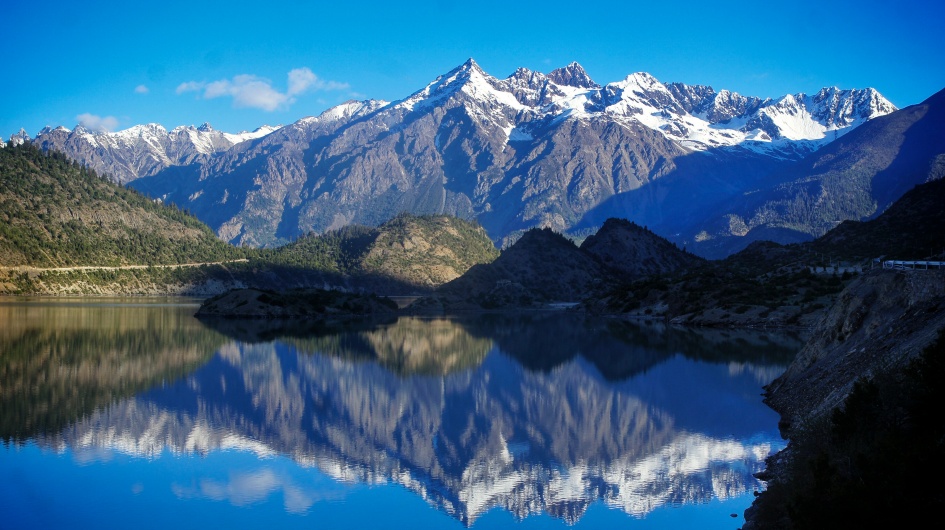 Ranwu Lake
After arriving at Midui Glacier Scenic Area, visit this monsoonal maritime glacier located in Yupu Township, Bomi County. Formed by the confluence of two world-class ice waterfalls, it glistens with snow all year round, and the surrounding scenery—wild flowers glowing against snow-capped mountains and dense forests accompanying the glacier—is particularly magical. The beautiful and mysterious idyllic scenery of Midui Village at the foot of the mountain makes you forget you are on the snowy plateau.
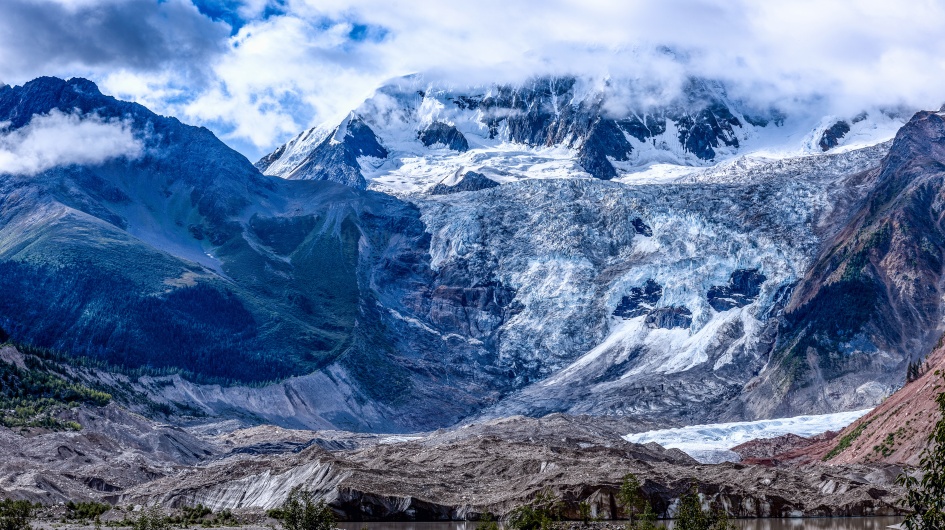 Midui Glacier
After the tour, drive along the highway, pass through sections where forests and river valleys interweave, and arrive at Bomi County in the evening to complete the check-in procedure and end the day's itinerary.
Your Journey's Rewards:
Admire the scenery along the way to Anjiula Mountain, take photos of the clear reflections in Ranwu Lake, view the magical scenery of Midui Glacier, and enjoy the idyllic charm of Midui Village.
Educational Focus:
Recommend some must-visit scenic spots on the Sichuan-Tibet Line. As a monsoonal maritime glacier, what is the connection between Midui Glacier's characteristic of "glistening with snow all year round" and the local climatic conditions?
Takeaway:
Midui Glacier is located in southeastern Tibet, at a high altitude, and is significantly influenced by the Indian Ocean monsoon. Most of its precipitation replenishes the glacier in the form of solid snowfall; the low-temperature environment in winter also slows down the glacier's melting rate. In addition, the local humid microclimate formed by transpiration from the forests around the glacier further reduces water evaporation on the glacier's surface. This material balance state of "replenishment exceeding ablation" keeps the glacier covered with sufficient ice and snow at all times.
Thoughts Challenge:
If the regional climate continues to warm in the future, the snow and ice coverage of Midui Glacier may decrease. How to establish a sustainable response plan between slowing down glacier ablation and ensuring tourists' viewing experience of the glacier landscape?
After breakfast, depart from Bomi by car and head along National Highway G318, with picturesque plateau scenery like ink paintings along the way. Soon you'll reach Guxiang Lake on the Palong Zangbo River; the lake water is azure, reflecting snow-capped mountains and forests, and the soft fine sand lines the shore. You can take a walk by the lake to feel the gentle breeze and bird chirps.
Continue driving through Tongmai. Once a "perilous stretch," it has now become an easy passage thanks to the Tongmai Bridge—you can stop briefly to admire this engineering marvel. Later, arrive at Lulang Town, surrounded by snow-capped mountains and forests, where Tibetan-style buildings stand alongside yaks, sheep and white stupas. For lunch, savor the specialty stone pot chicken: Tibetan fragrant chicken simmered in a Motuo stone pot with rare ingredients like palm ginseng, creating a rich, flavorful broth.
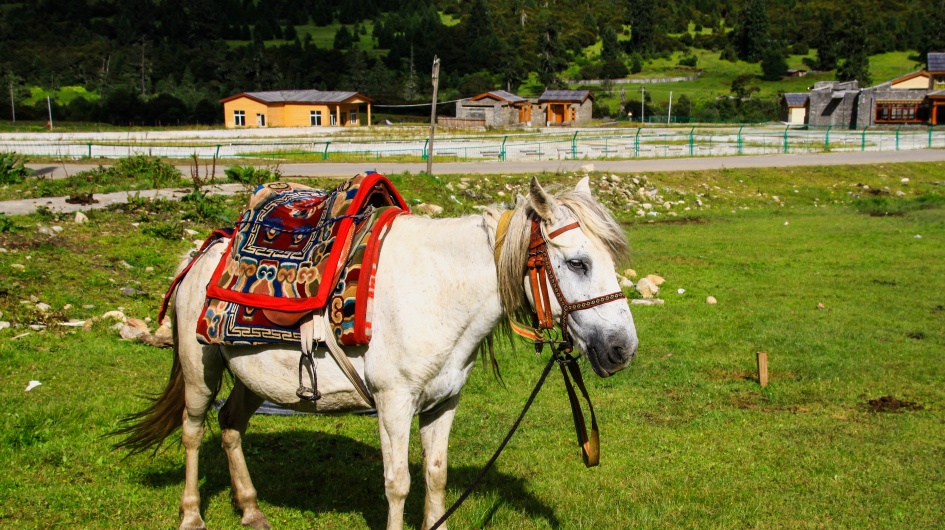 Lulang Town
After lunch, travel to a local Tibetan villages, where the idyllic countryside scenery—lush green plants and crisscrossing fields—fully embodies the charm of "Tibet's Little Switzerland." Local Tibetan hosts will present you with hada (a traditional Tibetan greeting scarf). You can experience drinking butter tea, making zanba (roasted barley flour), as well as horse riding, archery and taking photos in traditional Tibetan costumes.
Later, drive over Sejila Mountain, which sits at an altitude of 4,702 meters. The mountain pass is an excellent spot to overlook Namcha Barwa Peak; on clear days, you can witness the grandeur of this "most beautiful mountain in China." After crossing the mountain, drive downhill all the way, travel along the Niyang River and enjoy the river valley scenery with turquoise water interspersed with sandbars. Finally, arrive and check in at Nyingchi, known as "Tibet's Little Jiangnan (South of the Yangtze River)."
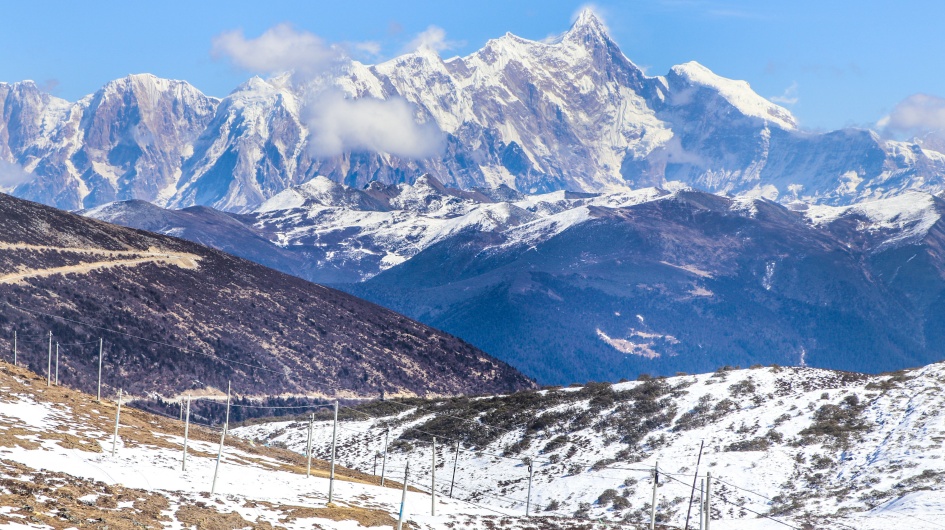 Sejila Mountain
Your Journey's Rewards:
Enjoy the ink-wash-like scenery of the plateau and encounter the tranquil beauty of Guxiang Lake; witness Tongmai's transformation from a perilous stretch to an easy passage, and savor the rich aroma of Lulang stone pot chicken; experience Tibetan local culture and gaze at the magnificent Namcha Barwa Peak in the distance.
Educational Focus:
How did the construction of the Tongmai Bridge adapt to the complex geological and climatic conditions of the Sichuan-Tibet Line while transforming the area from a "perilous stretch" to an "easy passage"? What engineering and technological wisdom and regional development significance lie behind this transformation?
Takeaway:
The construction of the Tongmai Bridge first relied on geological survey technology to accurately grasp the distribution patterns of geological hazards such as landslides and debris flows in the Tongmai section of the Sichuan-Tibet Line. It adopted a highly adaptable bridge structure design to ensure the bridge operates stably in complex climatic and geological environments.
Thoughts Challenge:
Modern engineering technology has changed the Sichuan-Tibet Line's "perilous" character and improved both traffic efficiency and regional development. But how can this change keep the plateau's unique cultural and ecological roots, while also stopping the homogenization that comes from over-development?
After breakfast, depart from Nyingchi and drive along the highway. You'll once again enjoy the beautiful scenery of the Niyang River—its clear water complements the plants and trees along the bank perfectly. Then enter the Nyingchi-Lhasa Expressway, known as "Tibet's most beautiful high-grade highway." It has smooth roads and constant plateau views along the way. Get off the expressway at Bahe Town, turn right and drive about 50 kilometers to reach Basum Tso Lake. Pause briefly here to look at the lake and mountain scenery in the distance, feel the tranquility of eastern Tibet's largest barrier lake, then have a meal and rest nearby.
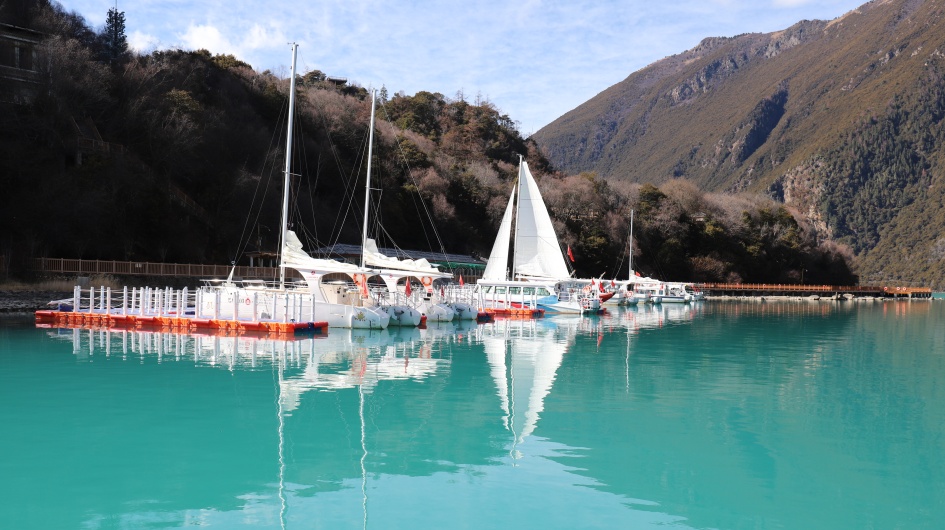 Basum Tso Lake
In the afternoon, explore Basum Tso in depth. The lake is shaped like a crescent moon embedded in a deep valley, with surrounding green mountains covered in perpetual snow and distinct scenery in each season. Take a boat to the small island in the middle of the lake and visit Cuozong Gongba Monastery, which was first built in the late Tang Dynasty. This Nyingma School (Red Sect) monastery has a history of over 1,500 years. After the tour, drive on to Lhasa, the Holy City. With a total distance of about 460 kilometers, you'll arrive in the evening and check in.
Your Journey's Rewards:
Admire the beautiful scenery of the Niyang River, drive along the Linzhi-Lhasa Expressway to enjoy plateau views; explore the serene lake scenery of Basum Tso, and visit the thousand-year-old Cuozong Gongba Monastery to comprehend cultural heritage.
Educational Focus:
As a Nyingma School (Red Sect) monastery first built in the late Tang ynasty, how does Cuozong Gongba Monastery's architectural style and religious culture reflect the inheritance and regional integration characteristics of Tibetan Buddhism over a thousand years of history?
Takeaway:
The architecture of Cuozong Gongba Monastery combines traditional Tibetan styles with cultural elements from the Central Plains of the Tang Dynasty. Its walls are made of local stone and wood, while its roof features a simplified version of the gable and hip roof typical of the Central Plains. As an important monastery of the Nyingma School (Red Sect), it preserves core doctrines like the "Great Perfection" (Dzogchen), and at the same time absorbs the nature worship of the local Bon religion—deities related to nature are enshrined inside, forming a unique religious practice system. Over a thousand years, through the maintenance and doctrinal inheritance by monks of successive generations, the monastery has not only maintained its religious functions but also become a material carrier that records the evolution of religious culture in eastern Tibet and the integration of Han and Tibetan cultures.
Thoughts Challenge:
How can we feel a thousand-year-old monastery's religious culture and historical value, and at the same time stop the commercialization from modern tourism development—so this cultural heritage passed down for a thousand years always keeps its true form?
After breakfast, take a car to the Potala Palace, with a drive of about 0.5 hours and a distance of 20 kilometers. The Potala Palace is located on Marpori Mountain in the northwest of Lhasa's urban area. It is the world's highest-altitude complex combining palaces, castles and monasteries, and also the largest and most complete ancient castle complex in Tibet.
Built against the mountain, it has 13 floors, stands 117.19 meters high and stretches over 400 meters from east to west. Today, it is mainly divided into two parts: the White Palace and the Red Palace. The White Palace was once the residence of the Dalai Lamas, while the Red Palace centers on stupas and Buddha halls. The palace houses a large number of historical relics and religious classics, allowing visitors to deeply feel its magnificent architecture and profound cultural heritage during the tour.
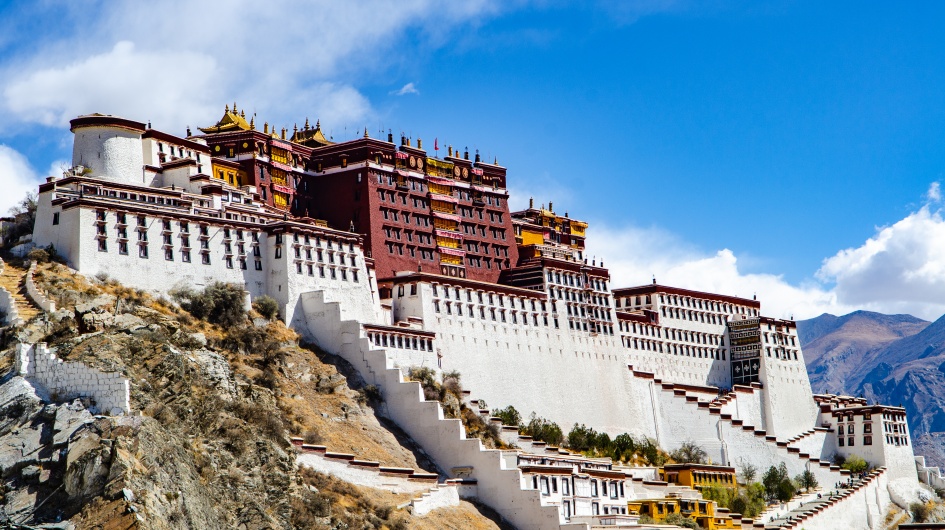 Potala Palace
Potala Palace Ticket Booking
- Valid documents such as permanent residence ID card or passport are required for the real-name ticket reservation system of Potala Palace.
- Once the reservation is successful, you cannot make another reservation within 7 days of your visit date.
- If the information provided is incorrect and you fail to enter Potala Palace, the travel agency will not be responsible for any consequences.
- Please remember to carry your original valid identification documents with you. If the name or ID number on your documents does not match the reservation information, you will not be allowed entry. Please note that the ticket purchase fee is non-refundable.
- Each tour group may be divided into smaller groups, which means that you may be separated from your team or individuals you booked with and grouped with other tourists you may not know for entry.
- Each smaller group is assigned a different time or date for the visit.
In the afternoon, head to the Jokhang Temple. Located in the center of Lhasa's old town, it was first built in 647 AD and has a history of 1,350 years. It is the most magnificent surviving building from the Tubo period in Tibet, with 5 golden roofs and 108 Buddha halls.
There is a Tibetan folk saying: "First there was the Jokhang Temple, then there was Lhasa City," which shows its core status in the local area.
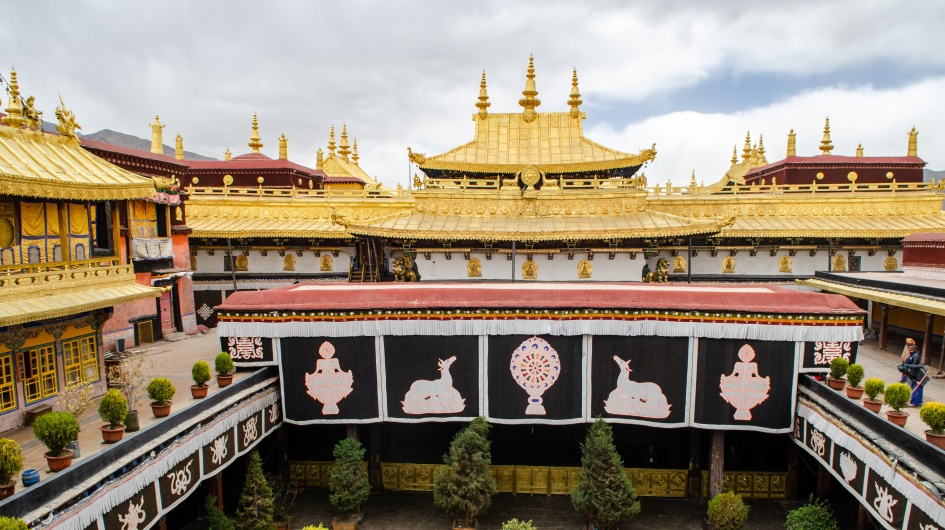 Jokhang Temple
Jokhang Temple Ticket Booking
- Jokhang Temple tickets require real-name reservation. From 7:00 to 23:59 daily, you can reserve the next day's tickets on the "Jokhang Temple Reservation" WeChat mini-program until the reservation quota is full. Therefore, it is necessary to make ticket reservations one day in advance. Please make the reservation under the guidance of your guide.
- Jokhang Temple is a religious temple, not just a tourist attraction. In case of special circumstances such as important religious activities that may cause temporary closure for visitors, your understanding is appreciated.
After the tour, you can learn about the kora (pilgrimage) routes around the temple: the "Nangkor" circling the Sakyamuni Buddha Hall inside the temple, the "Barkhor" circling the outer wall of the temple, the Barkhor Street radiating from the Jokhang Temple, and the outer "Lingkor" that includes the Potala Palace, Medicine King Mountain and Ramoche Temple, allowing you to experience the kora culture of Tibetan people.
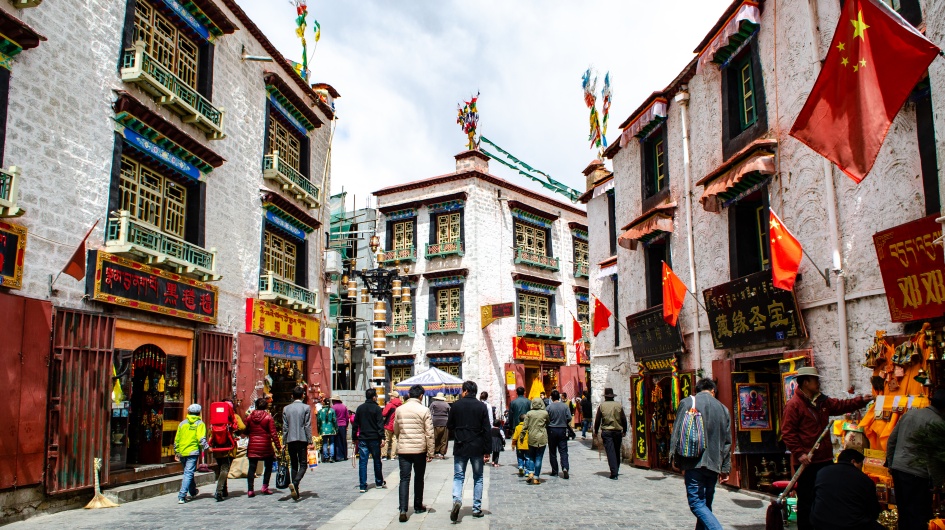 Barkhor Street
Your Journey's Rewards:
Admire the magnificent architecture of the Potala Palace and appreciate the thousand-year-old cultural relics and classics; visit the Tubo-era treasures in the Jokhang Temple and understand the profound heritage of kora culture.
Educational Focus:
Behind the Tibetan saying "First there was the Jokhang Temple, then there was Lhasa City", how did the temple's architectural layout and kora culture shape Lhasa's urban space and social life order?
Takeaway:
The Jokhang Temple sits in the old town's center—this layout sets the base for how the city's space is organized. Its design has 108 Buddha halls and 5 golden roofs, and this makes it the core spot for religious activities. Kora practice creates three circular routes: "Nangkor", "Barkhor" and "Lingkor". These are not just for religious rituals; they've also turned into transport and commercial paths. Barkhor Street is a good example of this. This setup uses the temple as the center and kora routes as links. It weaves religion deep into daily life and shapes the city's order and life logic tied to "religion-space-society".
Thoughts Challenge:
When modern urban development and tourist flows continue to have an impact, how can we maintain the positive coexistence of the Jokhang Temple's religious functions, kora culture and urban life, rather than letting them become mere scenic symbols?
Pack your luggage after breakfast. If you have a return flight in the afternoon or evening, your luggage can be stored at the hotel. Then you can walk around the streets in downtown Lhasa freely. After the tour, go back to the hotel to get your luggage and get ready for your trip back. Please get to the airport 2.5 hours early (tell us your flight number at least 2 days ahead—this avoids delaying the itinerary). We will take you to Lhasa Gonggar International Airport. When you arrive, the tour guide will contact you and help you do the check-in. Now the itinerary will end officially.
This tour is suitable for: Group, Tibet Culture Enthusiast, Highway Cross, Nature Scenery,
Group Tour Schedules & Prices
| Session | Gathering (Chengdu) | Tour Concludes (Lhasa) | Price (¥/person) | Single Room Supplement (¥/person) |
|---|---|---|---|---|
| 01 | 2026.04.17 | 2026.04.26 | 13,800 | 1,900 |
| 02 | 2026.05.04 | 2026.05.13 | 13,800 | 1,900 |
| 03 | 2026.05.22 | 2026.05.31 | 13,800 | 1,900 |
| 04 | 2026.05.29 | 2026.06.07 | 13,800 | 1,900 |
| 05 | 2026.06.12 | 2026.06.21 | 13,800 | 1,900 |
| 06 | 2026.06.19 | 2026.06.28 | 13,800 | 1,900 |
| Sessions 01-06 Total | 13,800 (USD 1,971) | 1,900 (USD 271) | ||
| 07 | 2026.07.17 | 2026.07.26 | 14,800 | 2,400 |
| 08 | 2026.08.14 | 2026.08.23 | 14,800 | 2,400 |
| Sessions 07-08 Total (Grassland Flower Season) | 14,800 (USD 2,114) | 2,400 (USD 343) | ||
| 09 | 2026.08.28 | 2026.09.06 | 13,800 | 1,900 |
| 10 | 2026.09.11 | 2026.09.20 | 13,800 | 1,900 |
| 11 | 2026.09.18 | 2026.09.27 | 13,800 | 1,900 |
| Sessions 09-11 Total | 13,800 (USD 1,971) | 1,900 (USD 271) | ||
| 12 | 2026.09.25 | 2026.10.04 | 14,800 | 2,000 |
| 13 | 2026.10.01 | 2026.10.10 | 14,800 | 2,000 |
| Sessions 12-13 Total (National Day Special) | 14,800 (USD 2,114) | 2,000 (USD 286) | ||
| 14 | 2026.10.09 | 2026.10.18 | 13,800 | 1,900 |
| 15 | 2026.10.23 | 2026.11.01 | 13,800 | 1,900 |
| Sessions 14-15 Total (Golden Autumn Colored Forest Season) | 13,800 (USD 1,971) | 1,900 (USD 271) |
If the above group departure dates don't fit your travel schedule, you may consider a private group tour, which can depart at any time.
| Period | 2 Guests | 3 Guests | 4 Guests | 5 Guests | 6 Guests | Single Room Supplement |
|---|---|---|---|---|---|---|
| Apr-Jun | ¥19,800 (USD 2829)/person | ¥16,000 (USD 2286)/person | ¥15,000 (USD 2143)/person | ¥14,800 (USD 2114)/person | ¥14,600 (USD 2086)/person | ¥1,900 (USD 271)/person |
| Jul-Aug | ¥22,800 (USD 3257)/person | ¥18,800 (USD 2686)/person | ¥16,000 (USD 2286)/person | ¥15,800 (USD 2257)/person | ¥15,600 (USD 2229)/person | ¥2,400 (USD 343)/person |
| Sep | ¥19,800 (USD 2829)/person | ¥16,000 (USD 2286)/person | ¥15,000 (USD 2143)/person | ¥14,800 (USD 2114)/person | ¥14,600 (USD 2086)/person | ¥1,900 (USD 271)/person |
| Sep 22-Oct 7 | ¥22,800 (USD 3257)/person | ¥18,800 (USD 2686)/person | ¥16,000 (USD 2286)/person | ¥15,800 (USD 2257)/person | ¥15,600 (USD 2229)/person | ¥2,400 (USD 343)/person |
| Oct | ¥19,800 (USD 2829)/person | ¥16,000 (USD 2286)/person | ¥15,000 (USD 2143)/person | ¥14,800 (USD 2114)/person | ¥14,600 (USD 2086)/person | ¥1,900 (USD 271)/person |
Hotel Arrangements
| Location | Nights | Room Type |
|---|---|---|
| Chengdu | 1 | Standard Twin Room |
| Yajiang | 1 | Standard Twin Room |
| Batang | 1 | Standard Twin Room |
| Mangkang | 1 | Standard Twin Room |
| Basu | 1 | Standard Twin Room |
| Bomi | 1 | Standard Twin Room |
| Nyingchi | 1 | Standard Twin Room |
| Lhasa | 2 | Standard Twin Room |
Important Booking Notes
- Gathering Time: Day 1;
- Gathering Place: Designated hotel in Chengdu city center;
- Suitable Crow: 12-65 years old, healthy, no high blood pressure, heart and cerebrovascular diseases, under 18 years old need to be accompanied by parents, over 55 years old need to provide a medical certificate of physical condition;
- Group Size: 2 to 10 people, with a Chinese, English or bilingual tour guide throughout the whole journey.
-
Group Departure Instructions: For matters related to group departure, our company will notify you twice before departure.
First notification: 1-3 days before departure, the notification will be made by the customer service, the notification content includes: the name, time, address, telephone number and other relevant information of the Chengdu gathering hotel, and remind the team members of the required equipment, please keep your mobile phone connected.
Second notification: Before 21:00 on the day of the gathering (Day 1), the notification will be made by the team leader or driver of this group, the notification content includes: the name, contact number, departure time of the second day of the itinerary, license plate number, and related matters Precautions, etc. If you have not received the notification by 21:00, please contact your customer service in time to confirm.
Service Included
- Comfortable transport based on group size
- Standard twin rooms throughout the trip
- Breakfast and one complimentary lunch excluded
- Tickets & sightseeing bus fees for all itinerary spots included
- Chinese/English/bilingual guides per team's language needs
- Authentic Tibetan cultural experiences
- Team-provided basic medical gear: first-aid kit, blood oxygen meter, thermometer
Service Excluded
- Transportation: The transportation costs for trips between the place of departure and Chengdu, as well as the trip from Lhasa back to the place of departure, are not included.
- Meals: All lunches (except the Nyingchi Shiguo Chicken on Day 7) and dinners are at your own expense. You can choose to split the bill with others or dine alone. Breakfasts are complimentary and non-refundable if not used. The meal costs for staff are included in the tour fee, so no additional payment is required.
- Single Room Supplement: The quote is calculated based on two people sharing one room. If there is a single male or single female, we will try our best to arrange a shared room with another same-gender group member. If you refuse to share a room (please inform the customer service when registering) or a shared room cannot be arranged, you need to pay the single room supplement. If you choose to stay in a single room on the assembly day or during the trip, you need to pay double the single room supplement. The single room supplement varies by tour batch; please refer to the Tour Batches or consult the customer service for the specific price.
- Tickets: Honghaizi Cleaning Fee is 10-20 CNY per person (optional); Basum Tso Boat Ticket is 180 CNY per person (optional).
- Other Costs: Personal expenses and various individual expenditures are not included in the quote.
- Invoices: Invoice issuance service is not included in the quote.
- Force Majeure: If the performance of the contract and the trip are affected or changed due to force majeure factors (such as landslides, mudslides, damaged roads and bridges, flight delays, national policy adjustments, wars, plagues, traffic controls, traffic jams, etc.), our travel agency will not be liable for relevant compensation.
Complimentary Services
- Free assistance with Tibet Entry Permit application;
- One bottle of mineral water per person per day;
- Tibet-themed souvenirs;
- Transfer service from Lhasa hotel to Lhasa Gongga Airport;
- Travel accident insurance with a maximum coverage of CNY 800,000 (excluding property insurance). According to regulations of China Banking and Insurance Regulatory Commission: For insured persons aged 71 and above (including 71), the coverage will be halved while the premium remains unchanged; for insured persons under 10 years old, the coverage will be reduced from CNY 800,000 to CNY 200,000; for insured persons aged 10 but under 18, the coverage will be reduced from CNY 800,000 to CNY 500,000.
Note: The travel agency provides a complimentary travel accident insurance policy. In case of an accident, the compensation amount from this insurance will be used first to offset the potential compensation liability of the travel agency. For Taiwan residents and foreign nationals, medical reimbursement is only applicable for treatment received at Class-A Grade-3 hospitals in Chinese mainland; no reimbursement will be provided for medical treatment received outside Chinese mainland.
Wechat & WhatsApp: +86-13471279378