- Home
- City Tours
- Taiyuan Tours
- 5-Day Taiyuan Essential Tour
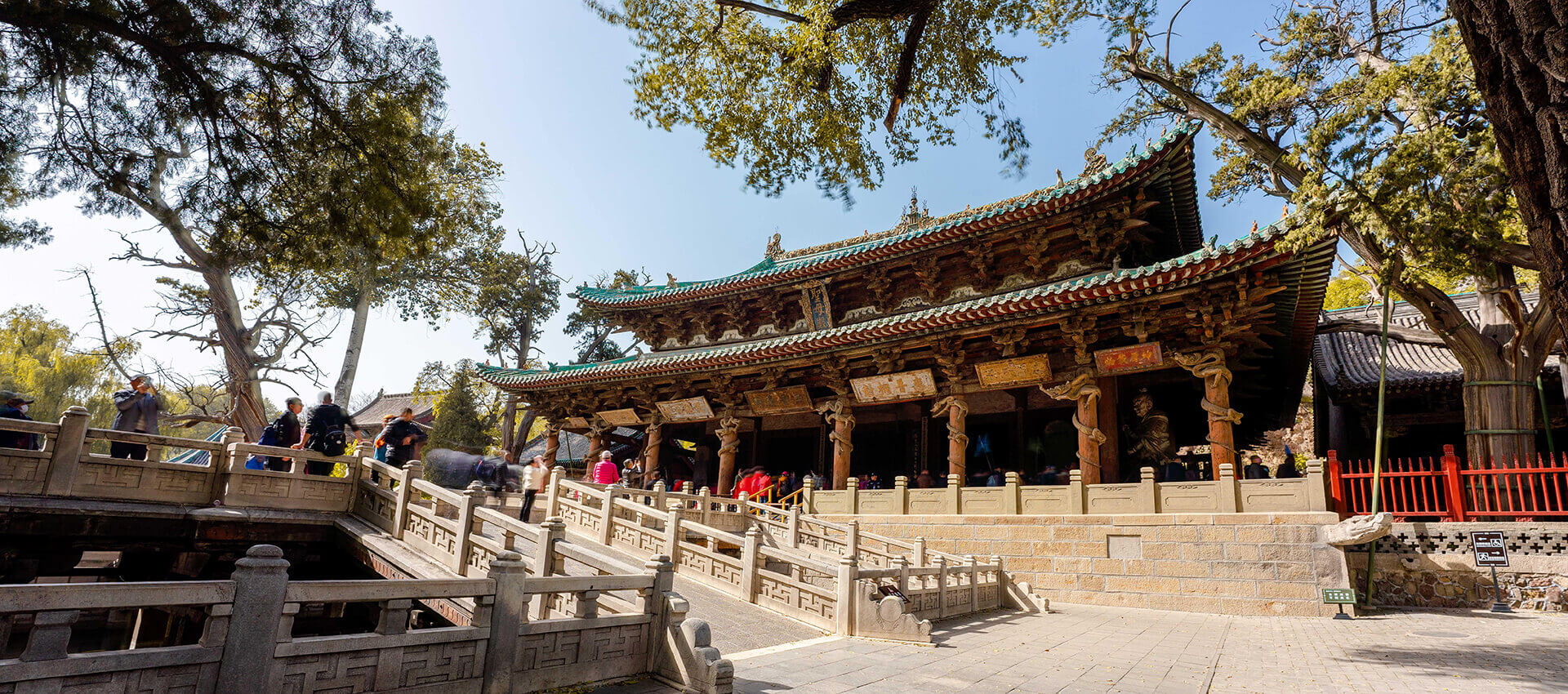
Taiyuan Essential Tour
Start a 5-day trip to Taiyuan and explore its profound history and vibrant culture in depth! You will visit long-historic architectural treasures, marvel at exquisite ancient sculptures, and gain a deep understanding of local merchants' stories. Taste authentic street food, experience unique industrial heritage, and feel the atmosphere of integration between the ancient and the modern.
Itinerary at a Glance
| Day | Location | Highlights |
|---|---|---|
| D1 | Guilin | Arrive, hotel check-in; farm-style dinner (opt.) |
| D2 | Longji Terraces | Longji Terraces overlook + ecosystem workshop; farming practice |
| D1 | Taiyuan | Arrive, be picked up, check into hotel |
| D2 | Jinci Temple-Shanxi Museum-Taiyuan Shipin Pedestrian Street | Visit ancient architectural site, view cultural relics, try local delicacies |
| D3 | Tianlongshan Grottoes-Tianlongshan Grottoes Museum-China National Coal Museum-Liuxiang | See grotto statues, learn about grotto history, take underground mine tour, taste food, visit handicraft shops, listen to Jin opera excerpt |
| D4 | Twin Pagoda Temple-Qiao Family Compound | Tour temple, climb pagodas, visit compound, learn about Shanxi merchant culture |
| D5 | Taiyuan | Check out, be sent to airport/high-speed rail station, staff check luggage |
Trip Highlights
- Admire old craftsmanship as you visit ancient architectural sites
- Learn about ancient sculpture art when you tour the grottoes
- Feel the coal industry history through an underground mine tour
- Understand Shanxi merchant culture while exploring merchant compounds
- Try local foods on traditional pedestrian streets
- Overlook Taiyuan’s urban changes after climbing ancient pagodas
Tour Essentials

Quality
No Shopping Traps

Group Type
Private

Tour Focus
Food, History

Accommodation
Nights:4

Best Season
Spring, Summer, Autumn, Winter
Full itinerary for Taiyuan Essential Tour
After you arrive in Taiyuan, we will send someone to pick you up at the high-speed rail station or airport according to your itinerary, and take you to the hotel to check in.
In the morning, we first head to Jinci Temple, known as the "Museum of Ancient Chinese Architectural Art". Founded in the Western Zhou Dynasty to commemorate Tang Shuyu, the founding ancestor of the Jin State, it is the earliest surviving royal sacrificial garden in China. The key highlights here are Jinci Temple's "Three Wonders": a cypress tree that has lived for over 3,000 years, the Shengmu Hall (Hall of the Holy Mother) built with the unique "column-reduction technique" along with 43 exquisite painted maid statues from the Song Dynasty inside the hall, and finally the Never-Drying Spring – one of the Three Treasures – which flows continuously all year round.
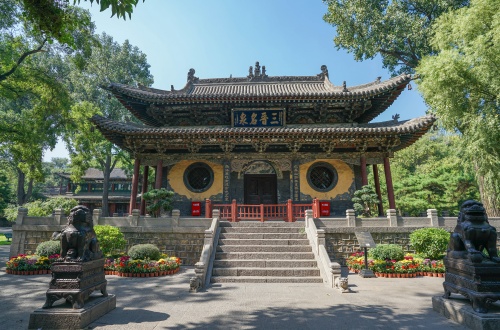 Sanjin Mingquan Lou
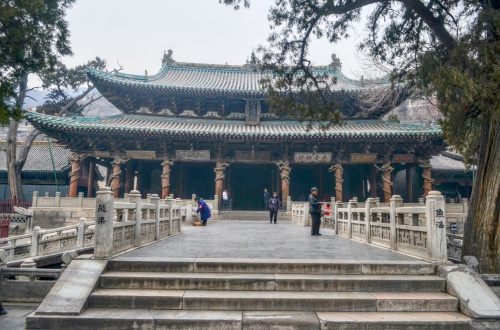 Shengmu Hall
In the afternoon, we arrive at the Shanxi Museum, which takes "the Soul of Jin" as its theme. Its architectural appearance draws on elements of cave dwellings in southern Shanxi and traditional palaces. The museum houses more than 400,000 precious cultural relics. Here, you can gain a comprehensive understanding of the civilization development of the Jin region (the historical name for Shanxi) from ancient times to the Ming and Qing dynasties through the context of these cultural relics, and feel the profound heritage of Shanxi as one of the cradles of Chinese civilization.
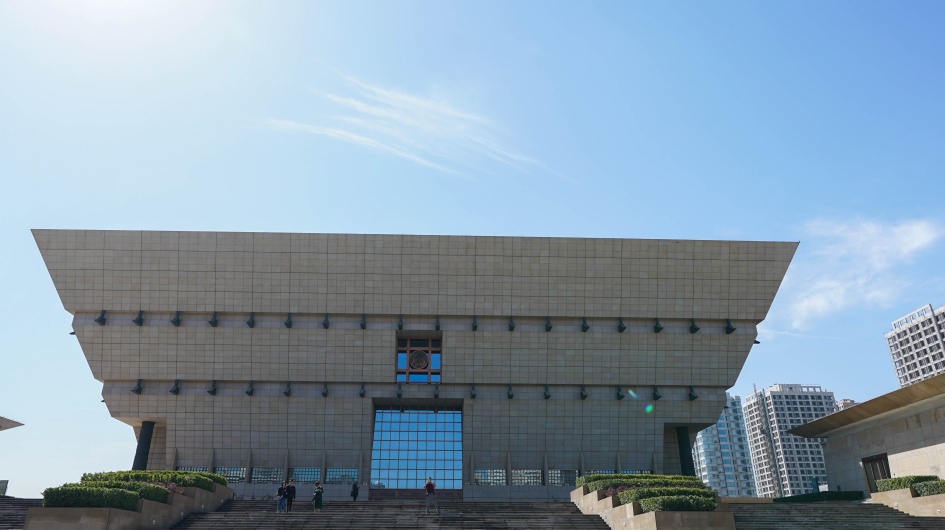 Shanxi Museum
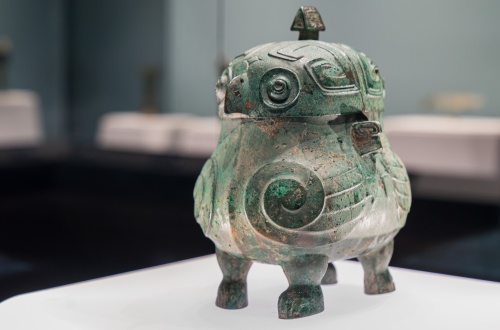 Owl You(a vessel for holding wine)
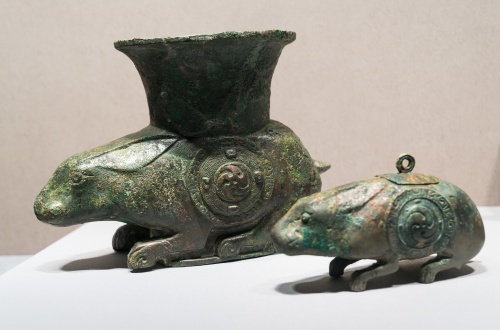 Ribbit Vessel
In the evening, we go to Taiyuan Shipin Pedestrian Street. First established in the Qing Dynasty, the street still keeps its traditional Ming and Qing architectural style. It gathers all kinds of local delicacies of Taiyuan. Besides "guanchang" (steamed or fried starch cake), "tounao" (nourishing porridge with mutton and Chinese herbs) and "yangzage" (stewed sheep offal), there is also "guoyourou" (fried sliced pork) which dates back to the Song Dynasty. Said to be an ancient royal court dish, it has now become a home-style dish in Shanxi. You can walk and eat at the same time, feel Taiyuan's lively, down-to-earth street atmosphere amid the bustling cries of vendors, and ease the tiredness from the day's trip.
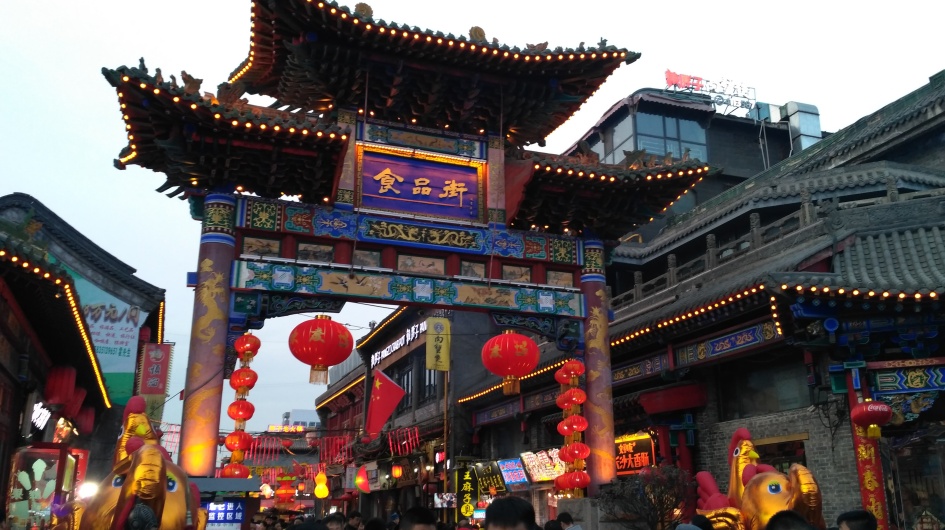 Shipin Pedestrian Street
Your Journey's Rewards:
See the thousand-year-old ancient buildings and colored sculptures in Jinci, look at the precious cultural relics in Shanxi Museum, and get to know the context of Jin region's civilization; try the special foods on Shipin Pedestrian Street and sense the lively market atmosphere.
Educational Focus:
What technical breakthroughs and cultural value does the "column-reduction technique" in the architecture of Jinci's Shengmu Hall hold in the history of ancient Chinese architecture?
Takeaway:
The "column-reduction technique" in Jinci's Shengmu Hall is a big breakthrough in Song Dynasty architecture. Some inside columns are removed to make more space, which improves how the hall works and mixes its structure with beauty. This technique gets past the limits of old column layouts. It shows Song Dynasty workers understood mechanics and used space well. Also, it fits the hall's sacrificial uses, and this shows buildings that had to serve both rituals and real needs. It is an important example to study ancient Chinese building skills and culture, and helps later building techniques develop.
Thoughts Challenge:
When we wonder at how clever the "column-reduction technique" is in Jinci, have we thought: without modern tech help, how did ancient workers keep buildings steady and also balance use and beauty? And what special ideas can this wisdom give to today's new building designs?
We start with Tianlongshan Grottoes in the morning. First carved in the Eastern Wei Dynasty, they were expanded through the Northern Qi, Sui and Tang dynasties, with the Tang Dynasty grottoes being the most exquisite. Carved in layers along the mountain, there are 25 existing grottoes. Most Buddha statues use the "thin-flesh sculpture" technique, with smooth and natural garment folds. Among them, the 8-meter-tall Tang Dynasty Maitreya Buddha in Grotto 9, with a plump figure and serene expression, is the representative of Tianlongshan Grottoes. We then visit Tianlongshan Grottoes Museum, which displays replicas of grotto statues lost overseas. Through pictures and texts, you can learn about the grottoes' history of being looted and their current protection and restoration work.
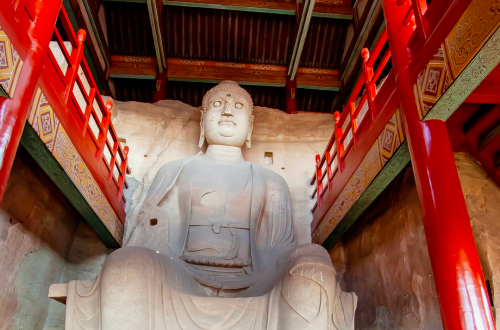 Giant Buddha State of the Cave 9
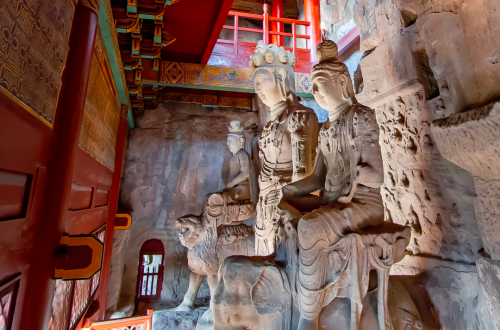 Three bodhisattva figures of Cave 9
In the afternoon, we visit the Coal Museum of China, the only national-level museum themed on coal in China. Its exterior resembles a huge coal mine headframe. The most unique experience is the "underground mine tour": you will put on a miner's uniform, wear a safety helmet, and take a simulated mine cart to go 200 meters underground into the "mine". Along the way, you can see coal mining equipment from different eras, from ancient manual mining to modern mechanized mining, and intuitively feel the development of the coal industry. You can also learn the allusion of "Light of the Coal Sea" and understand the important role of Shanxi's coal in the national energy development. It is a unique experience that combines fun and knowledge.
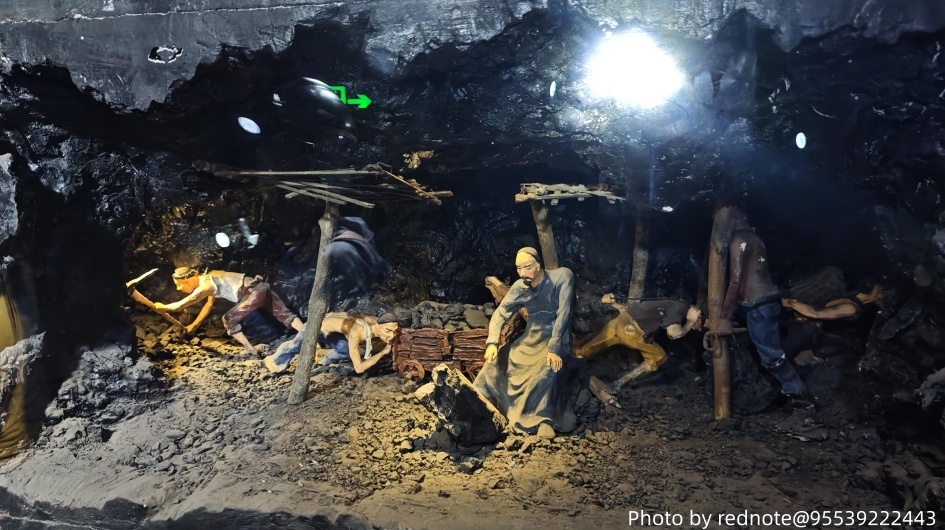 Ancient mining simulation model
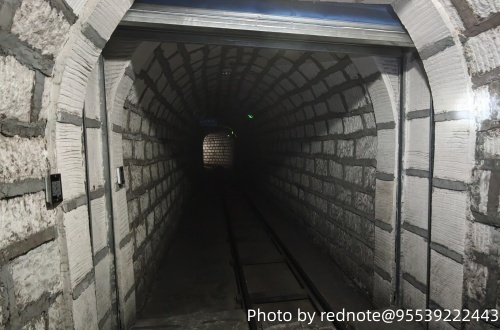 Underground mine tunnel
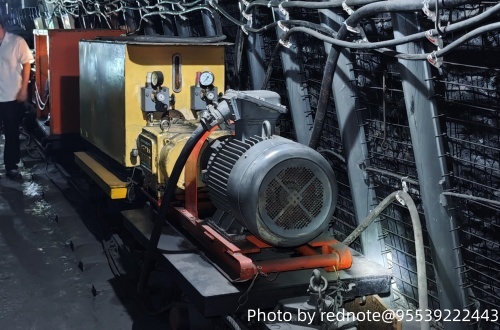 Tools for mining
In the evening, we arrive at Liuxiang, a commercial street founded in the Song Dynasty. It gets its name from "the Liu family once living here" and is now one of Taiyuan's busiest areas. On both sides of the street, there are not only century-old time-honored stores (such as "Liuweizhai" founded in 1883) but also modern malls and special food stalls. You can first taste sauced meat in the time-honored store, then visit handicraft shops selling Shanxi paper-cuttings and shadow puppets. If you are interested in opera, you can also ask the guide for advice to find a teahouse, sit down and listen to an excerpt of Jin opera. Relax in the lively atmosphere and feel the blend of ancient and modern in Taiyuan.
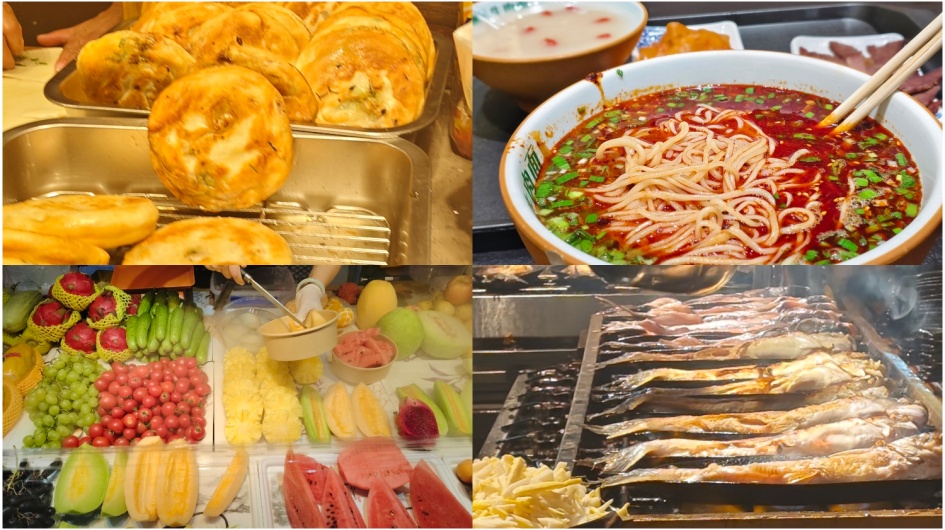 Liuxiang's foods
Your Journey's Rewards:
See the Tang Dynasty statues in Tianlongshan Grottoes and learn about the "thin-flesh sculpture" skill; know the grottoes' history of being looted and their restoration work; go to the Coal Museum and try the underground mine tour yourself; eat tasty food at old, famous stores and feel Shanxi's folk customs.
Educational Focus:
What value does the change in the application of the "thin-flesh sculpture" technique in Tianlong Mountain Grottoes across different dynasties hold for the study of the development of ancient Chinese sculpture art?
Takeaway:
The "thin-flesh sculpture" technique at Tianlong Mountain Grottoes started in the Eastern Wei Dynasty. It developed in the Northern Qi and Sui dynasties and hit its peak in the Tang Dynasty. Garment fold carving changed from rough in early times to smooth and natural in the Tang Dynasty. It fit the Buddha statues' shapes and showed sculptural techniques getting more mature step by step. This change in technique shows what different dynasties liked aesthetically and how good their craft was. It gives real evidence to study how ancient Chinese sculpture style changed from the Northern Dynasties to the Tang Dynasty. It fills the gap in historical materials about how sculptural techniques changed during that time. It is an important example to explore how ancient art was passed on and improved, and it has unique academic value for sorting out how Chinese sculpture art developed.
Thoughts Challenge:
The "thin-flesh sculpture" technique at Tianlong Mountain Grottoes is so good that it still looks beautiful after 1,000 years. When making art today, how should we pass on such old techniques well?
Morning starts with a trip to the Twin Pagoda Temple. First built in the Wanli period of the Ming Dynasty, it's named after two 54-meter-tall pagodas inside—and it's Taiyuan's city symbol. The pagodas have "Taiyuan County" carved on them, showing how the city has changed. These twin pagodas are brick ones with pavilion-style floors. Each floor has wooden-like brackets, and spiral stairs inside let you climb to the top. The temple also has a Ming Dynasty peony garden. If you go when flowers bloom, you can see rare ones like "Zixiaxian". You can walk around the temple, enjoy the clever design of the old buildings, climb the pagodas to look over Taiyuan, and feel how the city has changed from old times to now.
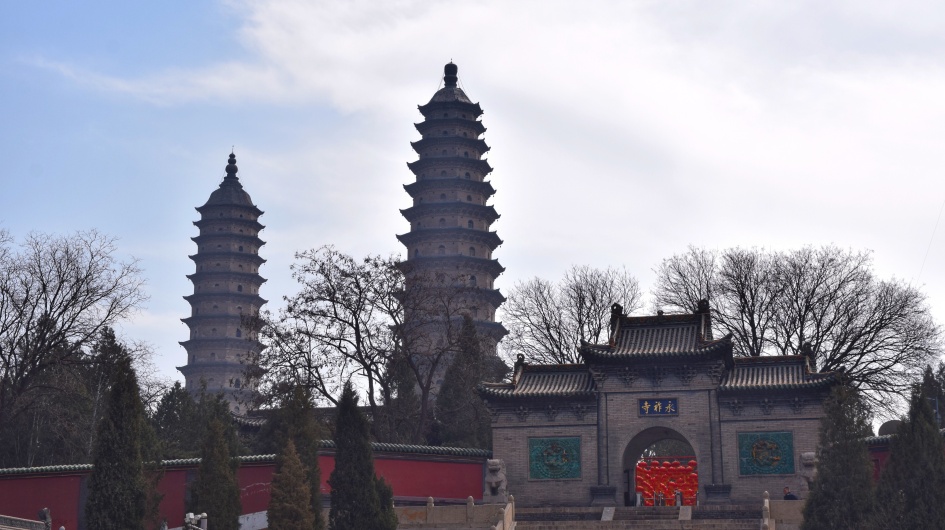 Twin Pagoda Temple
In the afternoon, we'll go to Qiao Family Compound , which was once the home of Qiao Zhiyong—a Shanxi merchant from the Qing Dynasty. First built when Qianlong was emperor of the Qing Dynasty, it's laid out like the Chinese character "喜" (happiness). It has 6 big courtyards, 20 small ones and 313 rooms, and stands as a good example of northern Chinese houses. The compound is full of brick carvings, wood carvings and stone carvings. For example, there are "Hundred Longevity Patterns" brick carvings on the gate, and "Twenty-Four Filial Piety" wood carvings under the eaves. Each of these carvings has a hidden meaning. Stories about Qiao Zhiyong's "honest business practices" are also told here, such as the business story of his being "as trustworthy as the idiom ‘keeping one's word as weighty as nine tripods' ". You can walk through each courtyard, take a look at how Shanxi merchants lived daily, and learn the key parts of Shanxi merchant culture.
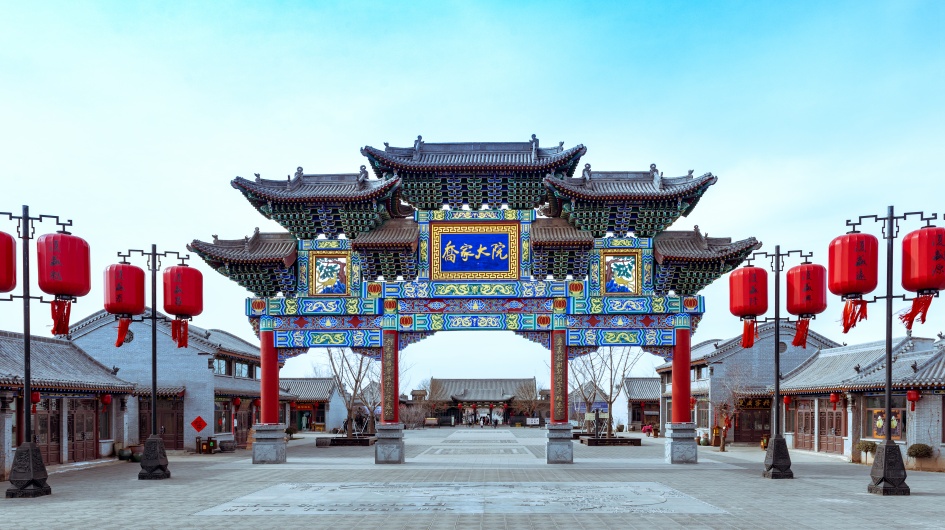 Qiao Family Compound
Your Journey's Rewards:
Admire the Ming Dynasty pavilion-style brick pagodas of Twin Pagoda Temple, and learn about the wood-imitating dougong craftsmanship and the city's changes; visit the Ming Dynasty Peony Garden (where you can enjoy the "Zixiaxian" peonies in blooming season); explore the Qing Dynasty residence of Qiao Family Compound, understand the brick, wood and stone carving techniques, and know the allusions of Shanxi merchants' "integrity in business" and their cultural heritage.
Educational Focus:
How do the cultural connotations contained in the brick carvings, wood carvings and stone carvings in the architecture of Qiao Family Compound reflect the values and social concepts of Shanxi merchants in the Qing Dynasty?
Takeaway:
The "Hundred Longevity Patterns" brick carvings on the gate of Qiao Family Compound use various longevity-character designs to convey the pursuit of long life, showing Shanxi merchants' emphasis on family continuity in the Qing Dynasty. The "Twenty-Four Filial Piety" wood carvings under the eaves reflect the merchants' moral concepts influenced by Confucian ethics through traditional filial piety stories. The overall layout, shaped like the Chinese character "xi" (happiness) implies the expectation for a prosperous and harmonious family. These carvings and the layout integrate cultural connotations into the architecture, directly demonstrating the Qing Dynasty Shanxi merchants' values—valuing business operations while upholding traditional ethics and pursuing family harmony. They serve as important physical carriers for studying Shanxi merchant culture and social concepts of the Qing Dynasty.
Thoughts Challenge:
Can the traditional connotations in the carvings of Qiao Family Compound still play a positive role in shaping contemporary family values and social ethics?
Your wonderful 5-day tour in Taiyuan has come to an end. We will arrange a vehicle in advance to take you to the airport or high-speed rail station according to your schedule. Before departure, our staff will double-check to ensure you have all your luggage with no items left behind. On the way to the airport or high-speed rail station, you can look back on the beautiful moments of these days. The profoundness of historical sites, the deliciousness of local cuisines and the novelty of unique experiences will all become unforgettable memories for you.
This tour is suitable for: School, Family, Team Building, Adoptive Family, Honeymoon
What's Included
- Air-conditioned vehicles
- Carefully selected comfortable accommodations
- All mentioned activities and entry fees included
- Daily breakfast and dinner provided
- Accompanied by expert local guides
- Accidental injury insurance fee
Recommended Hotels
| City | Deluxe | Comfortable |
|---|---|---|
| Taiyuan | Intercontinental Taiyuan Hotel | Shanxi Grand Hotel |
| World Trade Hotel | Coconut Crystal Hotel |
Wechat & WhatsApp: +86-13471279378