- Home
- Educational Travel
- China School Tours
- 8-Day Shandong Educational Tour
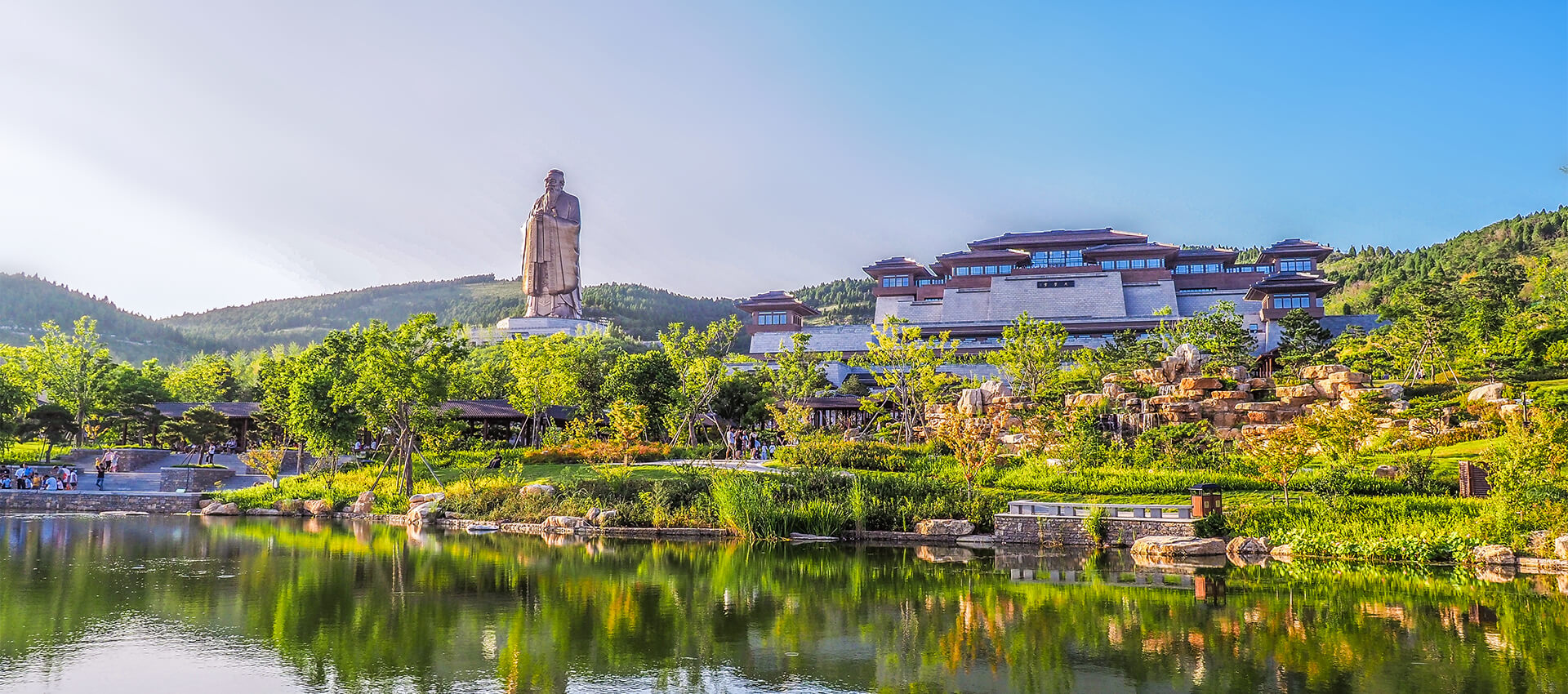
Shandong Educational Tour
Itinerary at a Glance
| Day | Location | Highlights |
|---|---|---|
| D1 | Qufu | Take trains to Qufu; check in hotel |
| D2 | Qufu - Tai'an | Visit Nishan Sacredland (Confucius statue, memorial ceremony); enjoy performances/light show; head to Tai'an, check in hotel |
| D3 | Tai'an | Hike Mount Tai; make/have Mount Tai Pancakes; visit Dai Temple; experience shadow puppetry |
| D4 | Tai'an - Jinan | Visit Daming Lake, Baotu Spring (learn spring geology); explore Song Ci culture; visit Heihu Spring, Shandong Museum |
| D5 | Jinan - Zibo - Weifang | Visit Qisheng Lake/Zhongshuge; try Zibo barbecue; tour Yangjiabu Garden; make kites |
| D6 | Weifang - Qingdao | Experience Gaomi Red Sorghum base; make steamed buns, feed animals, forage at beach in Qingdao |
| D7 | Qingdao | Stroll Badaguan, visit May Fourth Square; tour celebrities' former residences; climb Xiaoyu Mountain; visit Ocean University, Totoro Manga Street |
| D8 | Qingdao - Xuzhou | Take train from Qingdao West Station to Xuzhou East Station; proceed to airport; end the study tour |
Trip Highlights
- Experience Confucian classics at Nishan Sacredland
- Hike Mount Tai to appreciate natural wonders and historical heritage
- Engage in intangible cultural heritage (ICH) experiences: making Mount Tai pancakes, watching shadow puppetry and learning backstage operation, DIY kite-making and flying
- Visit Baotu Spring and Heihu Spring to learn geological knowledge and experience Jinan's unique spring culture
- Enjoy farming fun at Eryueer Farm and tidal flat foraging at Beach to get close to nature and life
- Visit Ocean University of China to experience campus atmosphere and learn about marine culture
Tour Essentials

Quality
No Shopping Traps

Group Type
Private

Tour Focus
Culture, History

Accommodation
Nights:7

Best Season
Spring, Summer, Autumn, Winter
Full itinerary for Shandong Educational Tour
On the first day, you need to take a high-speed train to Yanping Railway Station, then transfer to another train to Qufu East Railway Station. After arrival, check in at the hotel and rest to recharge your energy for the upcoming itinerary. If time permits, you can wander around the area near the hotel to gain a better understanding of Qufu.
After breakfast, take a bus to Nishan in Qufu. Visit Nishan Sacredland, an international hub for Confucian culture, and start your immersive experience here. First, pay homage to the great master at Nishan Sacredland: admire the 72-meter-tall Confucius bronze statue, the tallest of its kind in the world. As the Confucius memorial ceremony begins with the recitation of a memorial text, all participants will bow three times to Confucius, feeling the profound power of this ritual that has been passed down for millennia.
Next, follow the guide to tour the University Hall, where you can appreciate ancient Chinese art forms such as calligraphy, colored paintings, lacquer paintings, and wood carvings. Gain insights into Confucian thought through these exquisite artworks. Alternatively, you may choose to copy The Analects (a classic Confucian text)—write and recite its passages with your own hands, as a way to cultivate your moral character and refine your mindset.
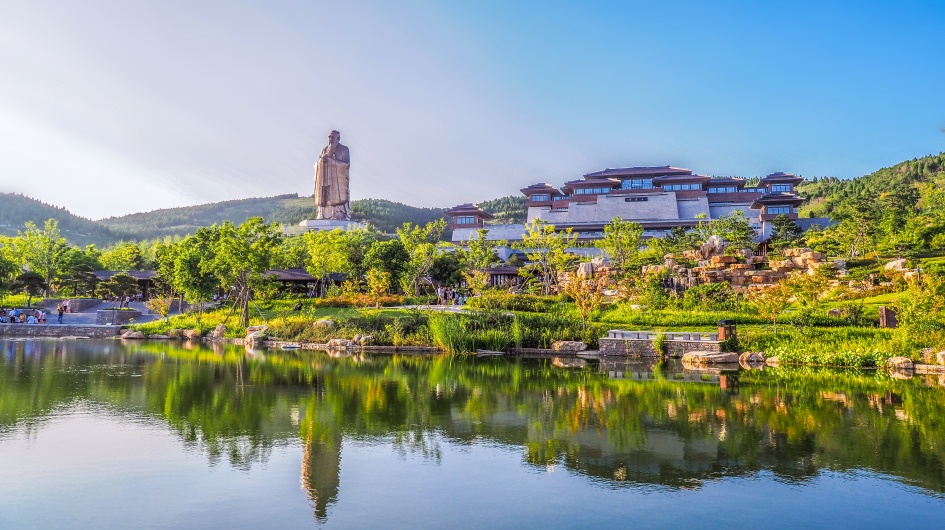 Nishan Sacred Land
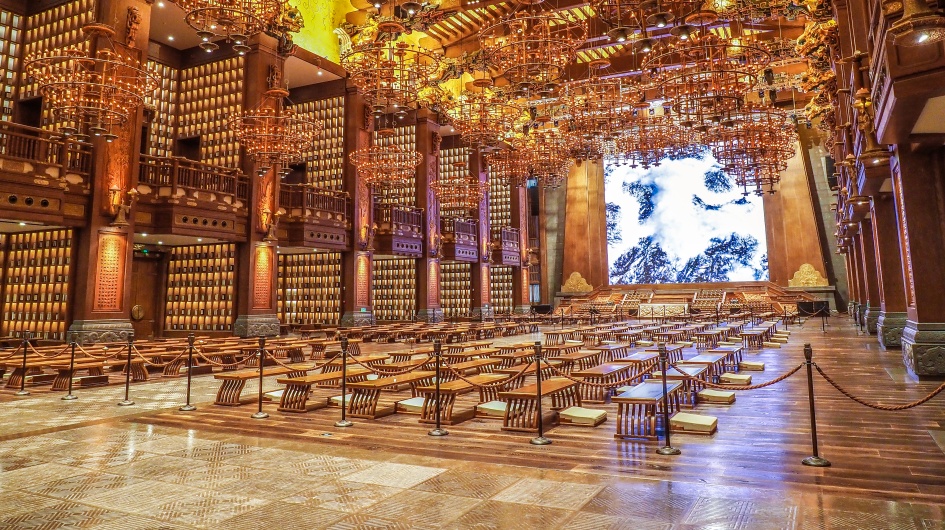 Visit Nishan Academy
In the afternoon, visit the Corridor of the Seventy-Two Sages. Here, thirty groups of sculptures vividly depict stories about Confucius and his seventy-two outstanding disciples, allowing you to learn about their interactions and teachings. Then, enjoy the performance "Playing the Se (a traditional stringed instrument) and Blowing the Sheng (a traditional wind instrument)"—listen to the melodious music played by ancient Chinese instruments and experience the charm of traditional Chinese music. If time permits, go to the Stair Hall to watch the performance "The Way of the Great Learning".
Finally, enjoy the "All Under Heaven Return to Benevolence" light show in the magnificent hall. This is an elegant Confucian-style performance integrating lighting, multimedia, traditional musical instruments, and ancient melody chants. Feel the far-reaching influence of Confucian culture through this stunning show. After the visit, take a bus to Tai'an. Check into the hotel after dinner.
Your Journey’s Rewards:
By visiting Nishan Sacredland, you will gain an understanding of Confucian culture. Through appreciating ancient Chinese art forms like calligraphy, colored paintings, lacquer paintings, and wood carvings, you will perceive Confucian thought embedded in these artworks. Additionally, watching related performances will offer you an intuitive experience of the charm of Confucian culture.
Educational Focus:
What is the core of Confucian ethical thought?
Takeaway:
The core of Confucian ethical thought lies in the "Five Constant Virtues"—benevolence (rén), righteousness (yì), propriety (lǐ), wisdom (zhì), and faithfulness (xìn). These virtues run through the development of Chinese ethics and are core elements of China’s value system. Specifically, "benevolence" refers to caring for others; "righteousness" means abiding by moral principles; "propriety" emphasizes observing etiquette and norms; "wisdom" denotes possessing knowledge and sound judgment; and "faithfulness" stands for upholding honesty and credibility. These five constant virtues are the basic requirements for cultivating virtuous people in traditional Chinese learning (Guoxue).
Thought Challenge:
In the context of modern cultural diversity, how can we innovate the dissemination methods of Confucian culture to make it more attractive and accessible to the younger generation around the world?
After breakfast at the hotel, climb Mount Tai—a symbol of the soul of China and designated as a "World Natural and Cultural Heritage" by UNESCO. Take the eco-friendly bus of the scenic area up to Zhongtianmen (Middle Heavenly Gate). Afterwards, you can hike the rest of the way to the mountain top. Along the route, enjoy the magnificent scenery of Mount Tai's pine trees, and appreciate the "gentleman's spirit" embodied by the pines—their ability to withstand severe cold, resist wind and snow, and remain unyielding with dignity.
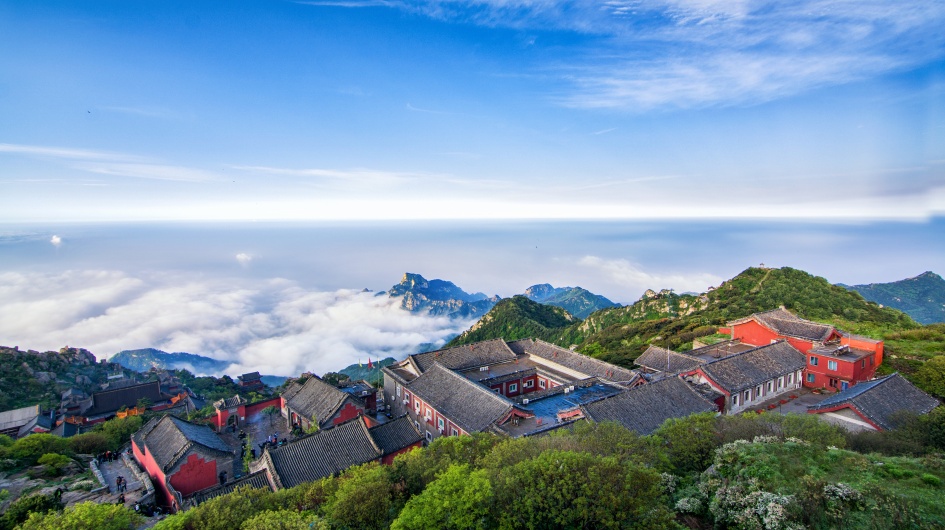 Exploring Mount Tai Culture
At noon, students will experience making and steaming Mount Tai Pancakes (a local specialty) for lunch, savoring the joy of preparing delicious food by themselves. After lunch, visit Dai Temple to feel the historical and cultural essence of Mount Tai. Next, students will watch Mount Tai Shadow Puppetry—an intangible cultural heritage with a long history and a artistic treasure of Mount Tai. First, they will enjoy a shadow puppetry performance staged by inheritors of this intangible cultural heritage. After the performance, students can learn to operate the shadow puppets backstage, experiencing the unique charm of the intangible cultural heritage. Check into the hotel after dinner.
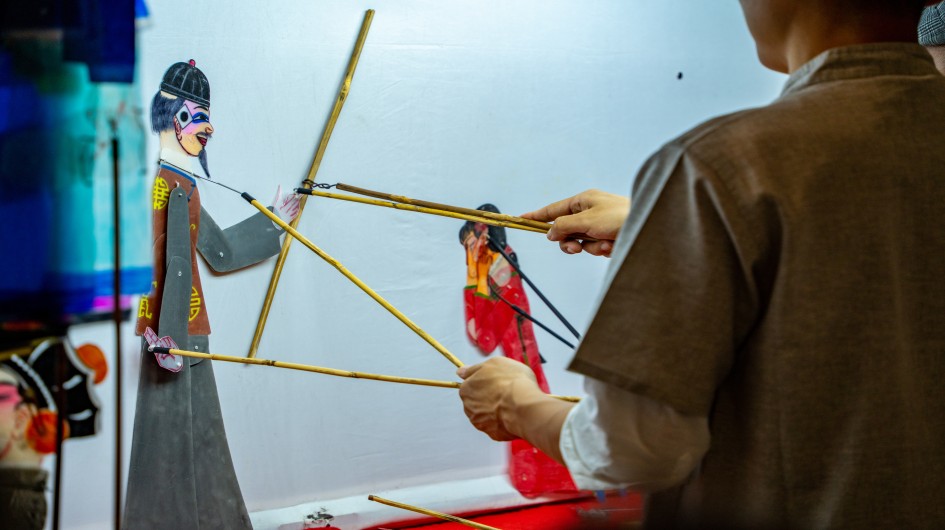 Learn to Operate Shadow Puppets
Your Journey’s Rewards:
By visiting Mount Tai and admiring its ancient architectures, stone inscriptions, etc., students will learn about the "Imperial Culture of Mount Tai". Through watching shadow puppetry and operating the puppets with their own hands, they will experience the charm of intangible cultural heritage.
Educational Focus:
What is the "Imperial Culture of Mount Tai"?
Takeaway:
Since ancient times, Mount Tai has been regarded as a symbol of national stability, consolidated political power, national prosperity, and ethnic unity. Whenever a new emperor ascended the throne or major events occurred, emperors would either come in person or send officials to Mount Tai to hold the "Fengshan Ritual" (a grand imperial ceremony of offering sacrifices to heaven and earth). This gave rise to the unique "Imperial Culture of Mount Tai" in the world. Owing to the supreme reverence paid to Mount Tai by emperors of successive dynasties in history, Mount Tai has played a pivotal role as a political symbol in Chinese history. Gradually, it evolved into China's "national mountain", thus surpassing other famous mountains in terms of fame.
Thought Challenge:
What status and influence does Mount Tai hold respectively in Confucianism, Buddhism, and Taoism?
After breakfast at the hotel, take a bus to Jinan. Visit Daming Lake Scenic Area and enjoy the beautiful scenery of Daming Lake. Then, tour Baotu Spring, known as the "No.1 Spring Under Heaven". Listen to professional tour guides explain how the springs in Jinan (the "Spring City") are formed and the geological conditions of the springs, and learn relevant geographical knowledge during the tour. Next, stroll around Jiaxuan Shrine and Li Qingzhao Memorial Hall to explore the culture of Song Ci (lyric poetry of the Song Dynasty) in ancient Chinese literature. Through the rich historical materials and cultural relics inside, students can appreciate the unique charm and far-reaching influence of literary works.
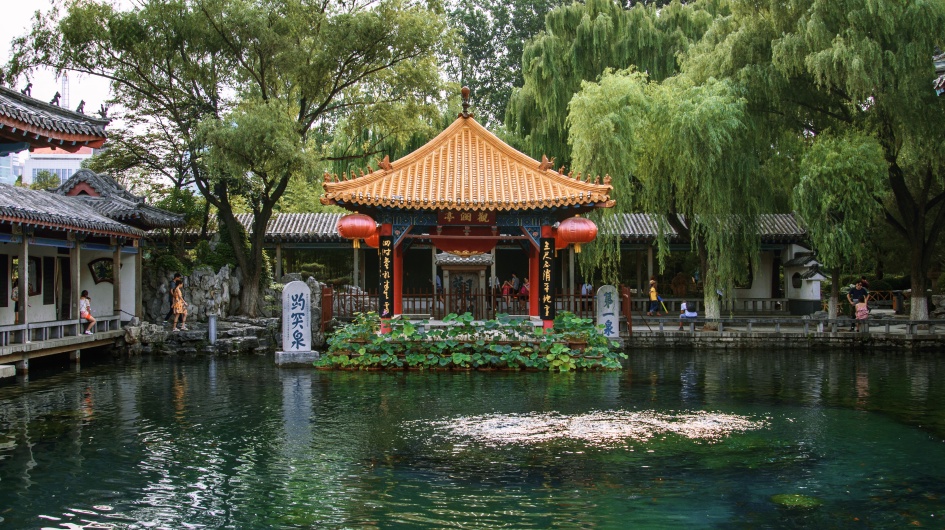 Learning the Geological Origin of Baotu Spring
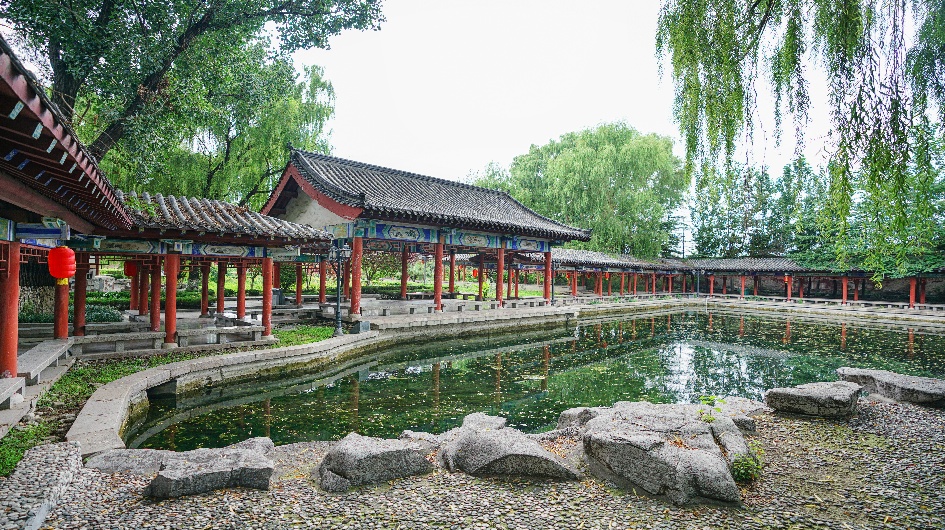
In the afternoon, visit Heihu Spring. There are 14 famous springs nearby, including Pipa Spring, Xizhong Spring and Jiunu Spring, which together form a unique spring water landscape. Here, students can enjoy the unique gushing forms of the springs, feel the special charm of Jinan as the "Spring City", and also taste tea brewed with spring water at Heihu Spring to experience Jinan's life culture. Next, visit Shandong Museum. By viewing collections such as bronze artifacts, ceramics and oracle bones from various historical periods and fields, students can learn about the long-standing historical culture, unique artistic development and rich natural resources of Shandong, thus broadening their knowledge.
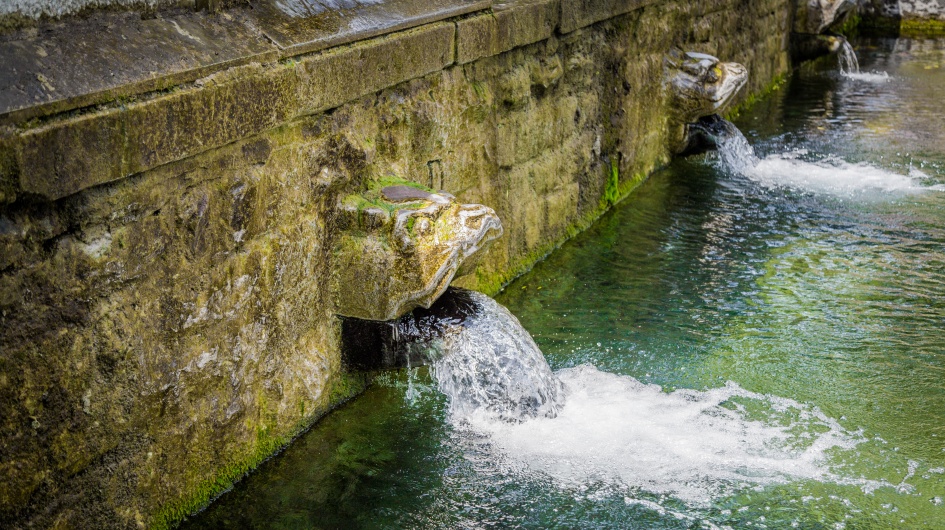 Feeling the Vitality of Natural Spring Veins at Heihu Spring
Your Journey’s Rewards:
By visiting scenic spots such as Daming Lake Scenic Area, Baotu Spring and Heihu Spring, you can learn rich geographical knowledge and understand the characteristics of Jinan as the "Spring City". Touring Jiaxuan Shrine and Li Qingzhao Memorial Hall allows you to explore the culture of Song Ci in ancient Chinese literature and appreciate the unique charm of literary works.
Educational Focus:
How to ensure the sustainable utilization of spring water resources?
Takeaway:
Make use of technologies such as the Internet of Things (IoT) and big data to establish a dynamic monitoring platform for spring water resources. Install monitoring equipment at key nodes of springs and groundwater veins to collect data in real time. Predict the changing trends of springs through data analysis, so as to provide a scientific basis for urban construction planning and water resource allocation, and ensure the coordinated development of the sustainable utilization of spring water resources and urban construction functions.
Thought Challenge:
Against the background of advancing urban construction, how to ensure that new construction projects and infrastructure constructions are fully compatible with the protection of Jinan's springs, and avoid having a negative impact on spring water recharge and gushing?
In the morning, take a bus to Zibo and visit Qisheng Lake. Walk slowly along the tree-lined trail and enjoy the beautiful lake scenery from a distance on the wooden plank road. Then climb Haidai Tower, the highest point of Qisheng Lake Park, inside which lies Zhongshuge, known as "China's Most Beautiful Bookstore". It has a rich collection of books covering various fields such as literature, history, art, and popular science. You can learn about Zibo's historical culture through reading. In addition, students can overlook the panoramic view of Qisheng Lake Park on the observation deck and take photos as souvenirs.
In the afternoon, go to Zibo Badaju Convenience Market to look for local delicacies and experience making barbecues by yourself there. After lunch, take a bus to Weifang and visit Yangjiabu Folk Art Grand View Garden. It houses dozens of scenic spots including a kite factory, a folk custom museum, a New Year painting museum, and a kite museum. During the tour, students can see real scenes of kite frame-making and New Year painting printing, and at the same time, get a glimpse of the lifestyle of Yangjiabu people hundreds of years ago, and experience the ancient folk customs and traditions of Yangjiabu. Next, there is an intangible cultural heritage experience - kite making. Under the guidance of teachers, students can create unique kites according to their own preferences and creativity. They can personally feel the joy and sense of accomplishment of kite making, and also gain a better understanding of kite culture and history, thus enhancing their awareness of traditional culture.
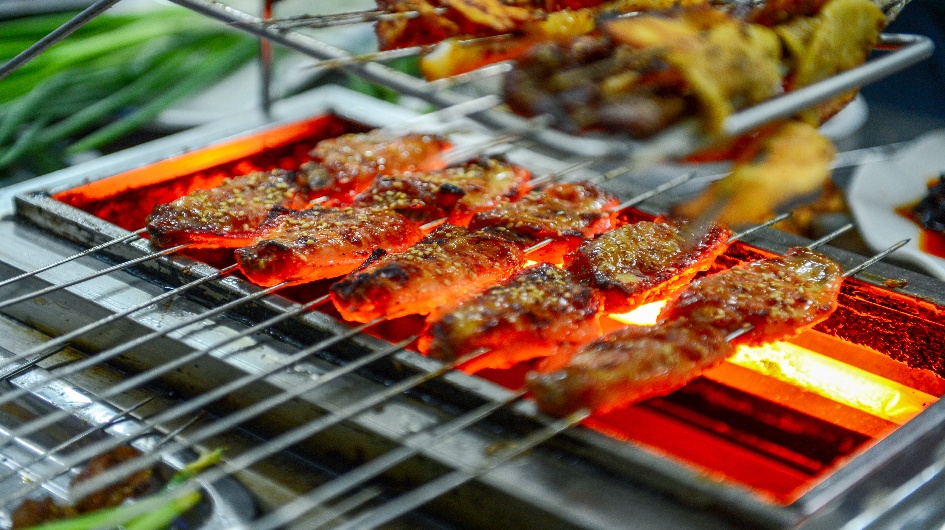 Making Barbecue by Yourself at Badaju (Zibo)
Your Journey’s Rewards:
By visiting Zhongshuge, Zibo Badaju Convenience Market and Yangjiabu Folk Art Grand View Garden, you can learn about Zibo's historical development and local customs. Through the experience of making intangible cultural heritage kites, you will gain a better understanding of kite culture and history, and enhance your awareness of traditional culture.
Educational Focus:
What are the folk symbolic meanings of kites?
Takeaway:
Kites have different customs during festivals such as the Dragon Boat Festival, the Double Ninth Festival, and the Qingming Festival. They serve as a tool for people to express their wishes and emotions to the heavens, and are also associated with busy farming seasons and agricultural activities. Moreover, kites represent traditional Chinese culture. Auspicious meanings and patterns can be seen everywhere on traditional Chinese kites, which reflect the ancient people's yearning and pursuit for a better life, and are permeated with the traditions and folk customs of the Chinese nation.
Thought Challenge:
Why is it important to emphasize symmetry and sturdiness when building the frame of a kite?
In the morning, visit the Gaomi Red Sorghum Film and Television Base—located in the hometown of Mo Yan, the Nobel Prize in Literature laureate, and an important filming location for the movie and TV series Red Sorghum. The scenic area recreates real scenes to launch an immersive adventure experience titled "Rescuing Jiu'er", bringing students a brand-new interactive immersive experience that lies between the film and television world of Red Sorghum and the real world. It profoundly showcases the unconstrained, heroic, and passionate Red Sorghum culture (characterized by daring to love and hate), allowing students to feel the cultural inheritance of Gaomi during the leisure experience. After the visit, take a bus to Qingdao.
In the afternoon, head to the Er Yue Er Farm at the foot of Laoshan Mountain and experience making steamed buns with your own hands, gaining happiness through labor. First, listen to the teachers from the steamed bun workshop explain in detail the historical and cultural background of Laoshan Flower Steamed Buns, as well as the production steps and techniques. After making the Laoshan Flower Steamed Buns, students go to the animal area of the farm to experience feeding small animals. During the feeding process, students can not only observe the eating habits of the animals but also learn about their living habits and characteristics. They have close contact with the animals, feeling the charm of nature and the vitality of life. Finally, go to the Beach for tidal flat foraging—roll up your sleeves to catch fish and dig for shrimp, and get close to the sea. Check into the hotel after dinner.
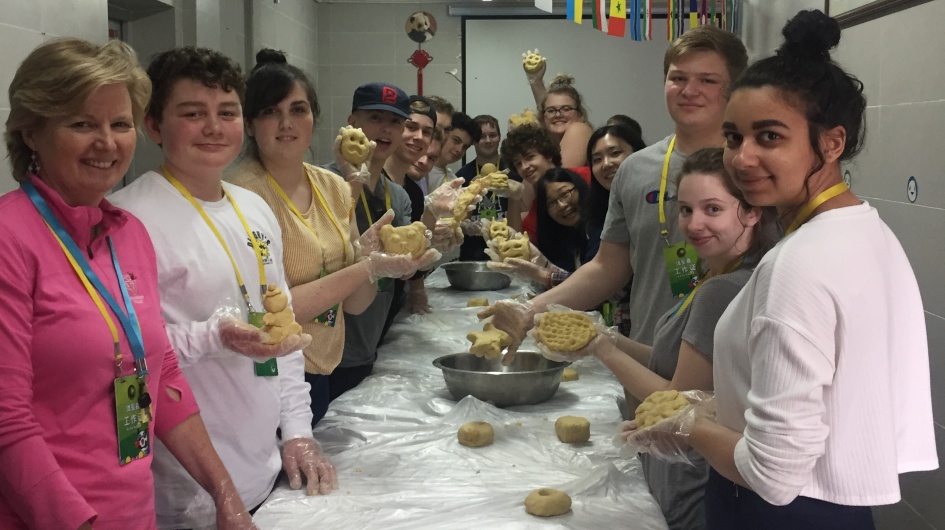 Students Are Making Steamed Buns
Your Journey’s Rewards:
By visiting the Gaomi Red Sorghum Film and Television Base, you will feel the spirit of Mo Yan and learn about Gaomi's culture. Learning steamed bun making skills on the farm enhances the awareness of saving food; feeding small animals allows you to feel the vitality of life.
Educational Focus:
What is the relationship between Mo Yan's novels and his hometown?
Takeaway:
Mo Yan's novels are mainly set against the background of local rural culture, which is related to his deep influence by rural culture since childhood. Born in Gaomi, Shandong Province, Mo Yan lived there until he was in his twenties. His novels are basically created based on the people and events in his hometown as prototypes, developed through imagination, and he is a prominent representative of writers who base their works on local life.
Thought Challenge:
What key roles has Mo Yan's literary creation played in the development of the Gaomi Red Sorghum Base?
Have breakfast at the hotel in the morning, then take a stroll in Badaguan, known as the "Museum of World Architecture". Next, visit May Fourth Square, take photos in front of Qingdao's famous sculpture "Wind of May", and walk along the coastal plank road to experience the charm of modern Qingdao. Then visit Kang Youwei's Former Residence. The residence houses historical photos, documents and cultural relics introducing Kang Youwei's life and the Hundred Days' Reform, as well as monographs and articles on Kang Youwei researched by renowned experts and scholars at home and abroad, which are of great value for historical research. Afterwards, visit Xiong Xiling's Former Residence and Xiaoyu Mountain, a landmark building in Qingdao. Xiaoyu Mountain Park is one of the best scenic viewing spots in Qingdao, and you can enjoy the beautiful scenery of Qingdao when climbing to the top of the mountain.
In the afternoon, visit the campus of Ocean University of China and experience the unique charm of marine culture here. Visit Lao She's Former Residence, also known as Camel Xiangzi Museum, where Mr. Lao She created his novel Camel Xiangzi. Through visiting and reading literary works, students can improve their literary appreciation and interest in writing. Finally, visit the Internet-famous Totoro Manga Street. There are small houses with pointed roofs covered with green vines, red-tiled roofs, iron doors and lovely blue windows, which are just like the houses in Hayao Miyazaki's manga. The entire street is covered with Hayao Miyazaki's manga graffiti, and students can find the most beautiful angle to take photos.
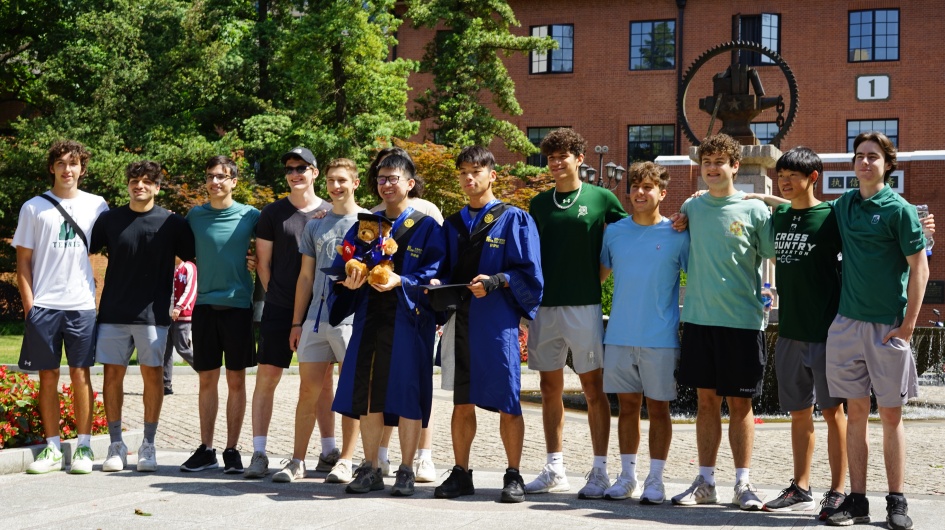 Visit Ocean University of China
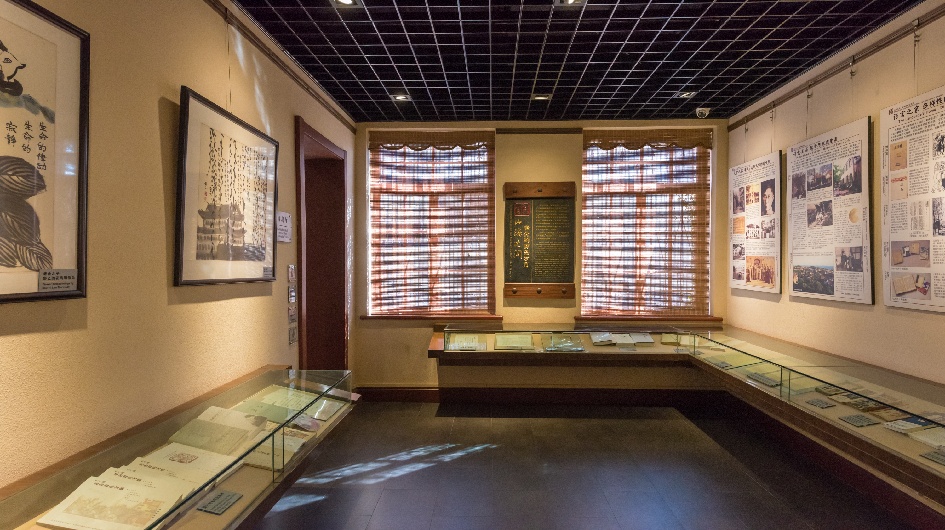 Visit Lao She's Former Residence
Your Journey’s Rewards:
By visiting Kang Youwei's Former Residence, Xiong Xiling's Former Residence, Lao She's Former Residence and other former residences of celebrities, you can gain an in-depth understanding of the living habits and historical allusions of celebrities, and enhance your cognition of history and culture.
Educational Focus:
Why is it necessary to make great efforts to protect the former residences of celebrities?
Takeaway:
There are many former residences of celebrities in Qingdao. These former residences are not only witnesses of history, but also important resources for culture and education. A large number of historical relics and precious historical photos in the former residences objectively, impartially and in detail show the real history. Celebrities' letters, manuscripts, political essays, calligraphy works, etc., provide tourists with a good opportunity to have an in-depth understanding of history and learn calligraphy.
Thought Challenge:
What are the characteristics of the distribution of celebrities' former residences in Qingdao? What is the connection between this distribution and the historical development of Qingdao?
Have breakfast at the hotel, then take a bus to Qingdao West Railway Station to board a high-speed train bound for Xuzhou East Railway Station. Afterwards, proceed to the airport. Thus concludes this pleasant study tour!
This tour is suitable for: Students, Teachers, Schools, Educational Groups, Families, Educational Travelers
What’s Included
- Experienced tour guides
- Entrance fee to all spots listed in the itinerary
- Well selected hotel accommodation
- Expert drivers and comfortable vehicles with air-conditioning
Wechat & WhatsApp: +86-13471279378