- Home
- City Tours
- Pingyao Tours
- 6-Day Pingyao Beijing Cultural Journey
6-Day Pingyao Beijing Cultural Journey
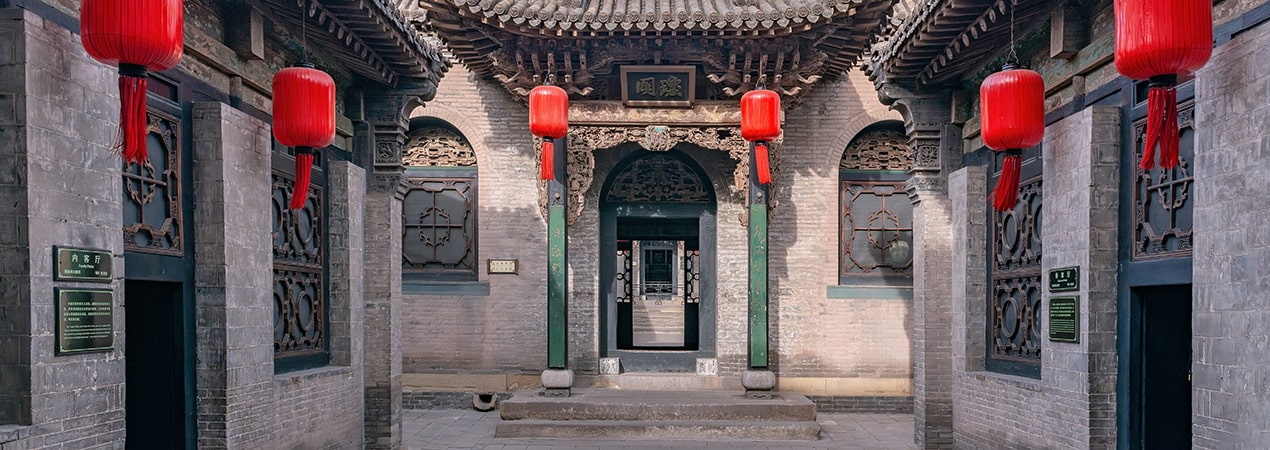
This 6-day trip combines Pingyao’s ancient allure and Beijing’s mix of history and modernity. In Pingyao, you’ll check into a hotel, explore the ancient city, visit draft banks, Shuanglin Temple, and Wang Family Compound, plus watch "Echo Pingyao". In Beijing, you’ll tour Tiananmen, Palace Museum, Mutianyu Great Wall, and Olympic Green before departing.
Itinerary at a Glance
| Day | Location | Highlights |
|---|---|---|
| D1 | Pingyao | Arrive and check in, explore ancient city streets, try local "wantuo" jelly |
| D2 | Pingyao Ancient City | Climb Ming Dynasty city wall, visit China's first draft bank Rishengchang, explore Xietongqing Bank's vault, learn about escort agencies |
| D3 | Shuanglin Temple-Wang Family Compound-Pingyao Ancient City | Admire 1,600 ancient colored sculptures, visit Wang Family Compound's carved architecture, watch "Echo Pingyao" immersive show |
| D4 | Beijing-Tiananmen Square-Palace Museum | Take high-speed train, visit Tiananmen Rostrum, explore Palace Museum's imperial halls |
| D5 | Mutianyu Great Wall-Olympic Park | Hike Great Wall's rare triple-watchtower section, photograph Yanshan Mountains, try the 1580 meters slide, tour Olympic Green's Bird's Nest & Water Cube |
| D6 | Beijing | Check out and transfer to airport/high-speed rail station |
Trip Highlights
- Walk Pingyao's ancient city walls and explore China's first draft banks
- Discover 1,600 exquisite colored sculptures at Shuanglin Temple
- Admire Wang Family Compound's grand layout and intricate wood-brick-stone carvings
- Tour Beijing's Tiananmen Rostrum and majestic Palace Museum
- Hike Mutianyu Great Wall and marvel at its rare watchtower designs
- Visit Olympic Green's Bird's Nest and Water Cube (world's first dual-Olympic venue)
Tour Essentials

Quality
No Shopping Traps

Group Type
Private

Tour Focus
History, Culture

Accommodation
Nights:5

Best Season
Spring, Summer, Autumn, Winter
Full itinerary for 6-Day Pingyao Beijing Cultural Journey
On the first day, we will arrive in Pingyao and start our journey in this ancient city. After checking into the hotel, if there is still plenty of time, you can choose to walk around the city on your own. It is recommended to try Pingyao's "wantuo"—a transparent jelly-like food, which tastes spicy and sour with a unique sauce.
In the morning, climb the Pingyao Ancient City Wall. First built in King Xuan of the Western Zhou Dynasty's reign, the existing wall dates to the Ming Dynasty. It's 6.4km around and 12m high – climb it to see the whole ancient city, plus old iron cannons, catapults and more, and feel its military use and history. Next, visit Rishengchang Draft Bank,(China's first draft bank). As China's first private remittance-focused financial place, it started the "one bill goes nationwide" model. At its peak, it handled 38 million taels of silver yearly, with branches across China and even Japan, South Korea. Inside, check the password poem wall and try to understand the "code combinations" on bills.
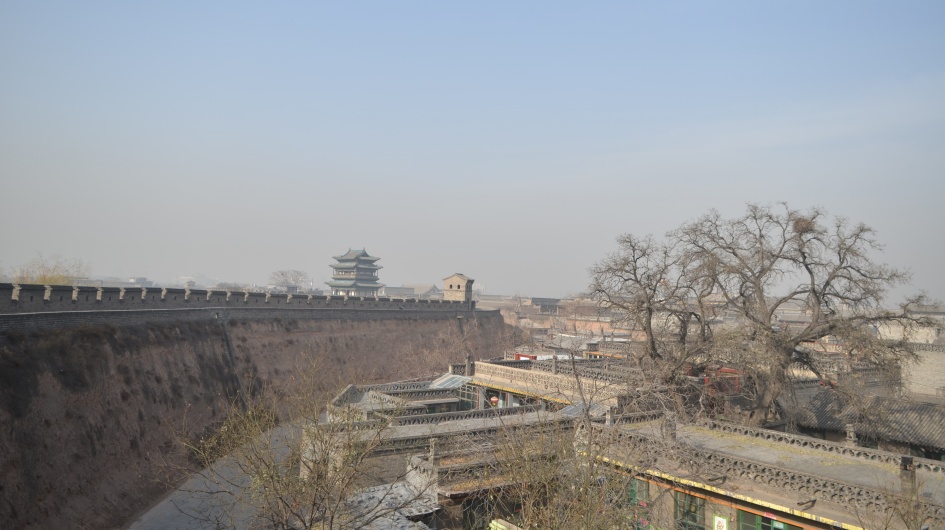 Pingyao Ancient City Wall
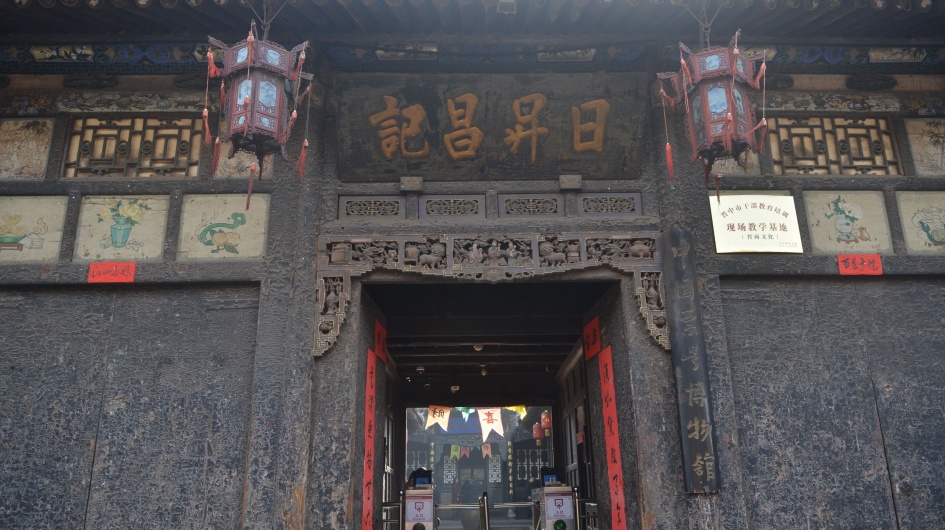 Rishengchang Draft Bank
In the afternoon, go to ,Xietongqing Draft Bank, (an ancient traditional bank). It was founded in the sixth year of Qing's Xianfeng Reign, with an initial capital of just 36,000 taels of silver. But because it was run well, it opened 33 branches across the country and earned good profits. A big highlight is its underground vault, which stores lots of gold and silver. You can also learn here how the Qing Dynasty people took out money in other places.
After Xietongqing Draft Bank, visit the China Escort Agency Museum. There are 10 exhibition halls in the museum. With detailed real objects, it tells all about the Chinese escort agency industry—how it started, how it was run and organized. It also shows Biaoju's special role in goods circulation during late China's feudal society.
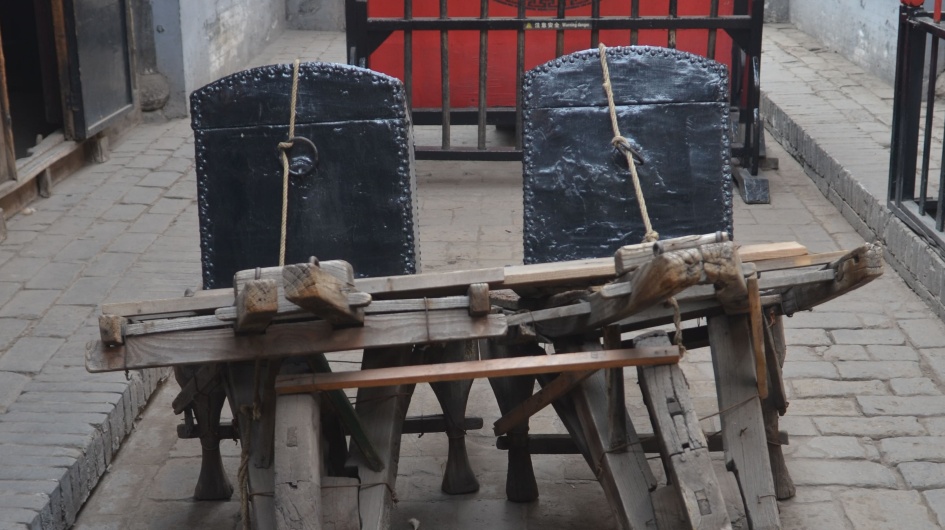 Biaoche (Escort Carriage), a transport vehicle used by ancient Chinese armed escorts (biaoshi) to transport money and valuables
Your Journey's Rewards:
Admire Pingyao Ancient City's full view from the city wall. Learn ancient financial operations from draft banks. Explore the underground vault's charm. Understand the escort agency's historical role. Gain insights into the Qing Dynasty's social and economic life.
Educational Focus:
Ancient Chinese draft banks and escort agencies were important parts of the commercial system in the Ming and Qing dynasties. What inner links do they have in how they worked and their credit systems? And how does this link show the collaborative logic of traditional commercial society?
Takeaway:
Draft banks and escort agencies were connected through a "finance-logistics" mutual relationship. They used different ways: draft banks fixed cross-regional money flow with the "one bill for nationwide use" method, and they depended on a credit system built on passwords and branch networks. Escort agencies kept goods and silver safe during transport with force, relying on the industry rule of "trust first" and strict organization.
They were in different industries, but together made up the "capital-material" double-cycle system of traditional commercial society. For example, draft banks did financial work for escort agencies (like sending their silver to other places), and in return, escort agencies protected draft banks' branches in other areas. This set up a collaborative system where credit was key and safety gave support.
This work together not only cut down commercial transaction costs, but also put scattered commercial resources into a network. It showed the organizational smarts and system ideas of traditional commercial society when there were no modern technologies.
Thought Challenge:
Modern electronic payments and intelligent security technologies are gradually taking the place of traditional draft banks and escort agencies' work. But do the credit ethics and collaborative spirits that once kept these businesses running still exist in today's commercial world, just in new forms?
In the morning, first go to Shuanglin Temple to look at its beautiful ancient Chinese colored sculptures. Here, over 1,600 such sculptures are kept—all made by wrapping clay around a wood core, and they have the best parts of colored sculpture art from the Song, Yuan, Ming and Qing dynasties. These sculptures cover many themes, have lively looks and bright but elegant colors. The Weituo statue is a famous one; it's called "China's best Weituo sculpture." It stands still, yet the "S"-shaped curve from head to feet and the ribbons that look like they're flying let people feel strong power and movement.
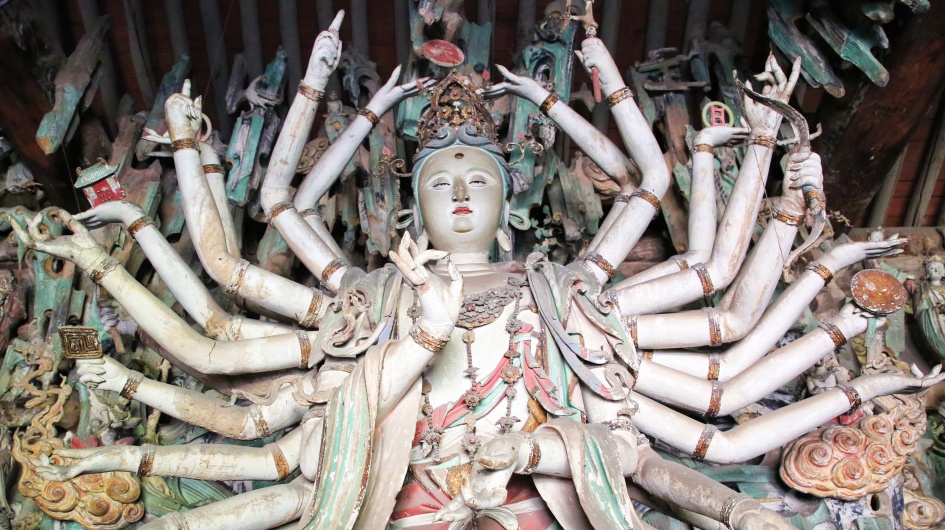 Shuanglin Temple Painted Clay Bodhisattva Sculpture
In the afternoon, go to Wang Family Compound. It's made up of "Five Forts", "Five Lanes" and "Five Ancestral Halls", with a grand layout. Built in the Qing Qianlong Reign, its Hongmenbao Complex sits against a mountain—there are four Compound layers (from low to high), sides are symmetric, and the main road is in a neat "王" (Wang) shape. The compound also has carvings you can enjoy—wood, brick and stone ones are artistic treasures. You'll see them everywhere: on eaves, brackets, shrines, stone drums and windows.
After visiting, go back to Pingyao Ancient City to watch the Encore Pingyao Show. The show tells Zhao Yishuo's story—he was a Pingyao draft bank owner who spent all his money and took 232 escorts to far Russia. He wanted to save his branch manager Wang's only family member, and this shows Shanxi merchants' spiritual core clearly.
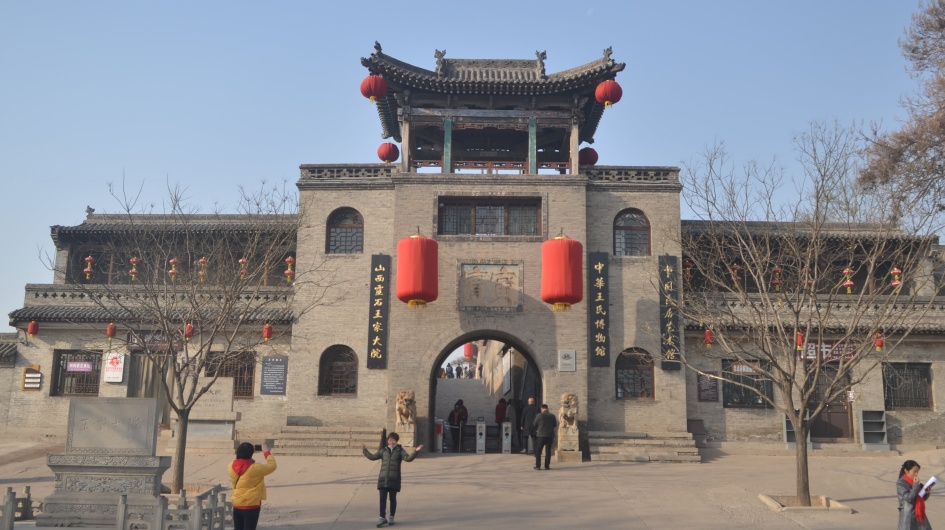 Wang Family Compound
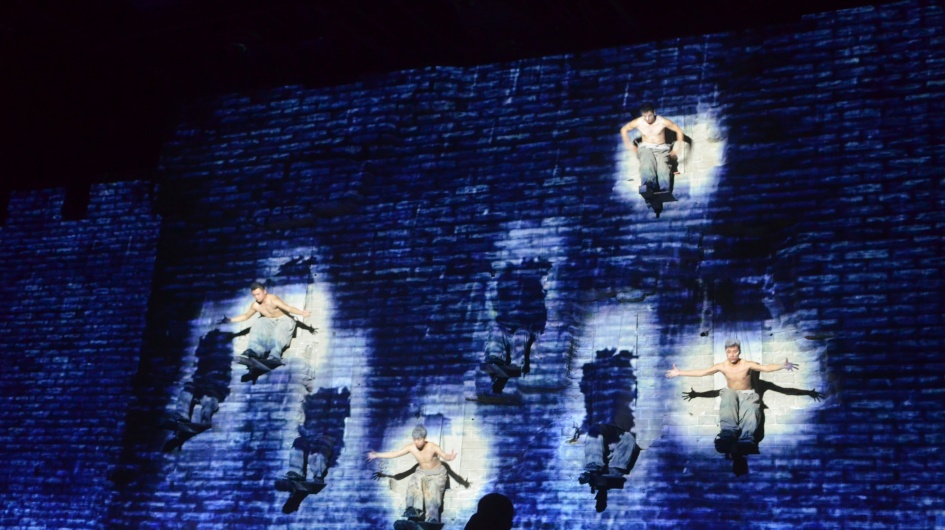 Encore Pingyao Show
Your Journey's Rewards:
Admire exquisite ancient colored sculptures at Shuanglin Temple; explore the grand layout and artful carvings of Wang Family Compound; watch "See Pingyao Again" to feel Shanxi merchants' spiritual core. Gain insights into traditional art, architecture and local culture.
Educational Focus:
How do the "Wang"-shaped main road, symmetrical layout, and wood-brick-stone carvings of Wang Family Compound reflect the integration of traditional family culture and architectural art?
Takeaway:
At Wang Family Compound, the "Wang"-shaped main road and symmetrical layout use the order and layers of space to strengthen traditional families' hierarchical culture—"respect hierarchy and tell internal from external spaces". The four-layer Compound design (from low to high) fits the mountainous terrain and also stands for the family's hope to "rise step by step". Cornices, door frames and screen walls are covered with brick, wood and stone carvings. These carvings show auspicious patterns, historical stories and ancestral portraits, mixing the family's wish for blessings and respect for ancestors into architectural details to unite cultural symbols and architectural uses. This mix not only shows the great skill of Qing Dynasty architecture, but also turns the family spirit into a material form. In the end, it becomes a tangible carrier of traditional family culture.
Thought Challenge:
Modern family structures have changed—from "extended families" to "nuclear families". Can the "collective spaces" and "cultural symbols" in traditional family buildings still have both functional and emotional expressions in today's home design?
You'll take a high-speed train to Beijing in the morning. On board, the tour guide will tell you about your next trip in detail and share things about Beijing's history and culture—this helps you know the city better.
You'll head to Taian'anmen Square in the afternoon to see the Tiananmen Rostrum. The Tian'anmen Rostrum stands at the square's northern end—it was the main gate of Beijing's imperial city during the Ming and Qing dynasties, and has great historical, cultural and architectural value. Once you finish visiting it, you go to the Palace Museum. The Palace Museum is one of the world's largest and best-preserved ancient wooden building groups, with grand imperial palaces. The outer court, focused on the Three Great Halls, was where emperors held big ceremonies and did state work.
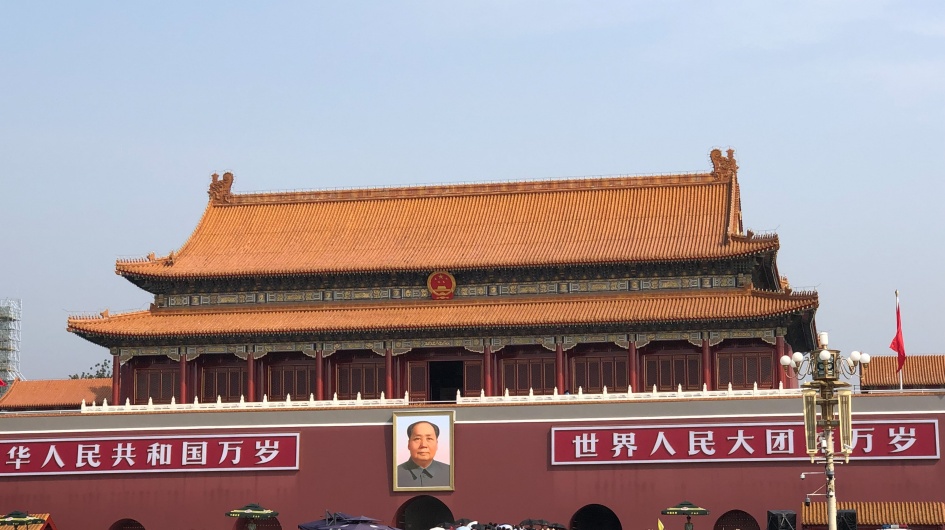 Taian'anmen Square
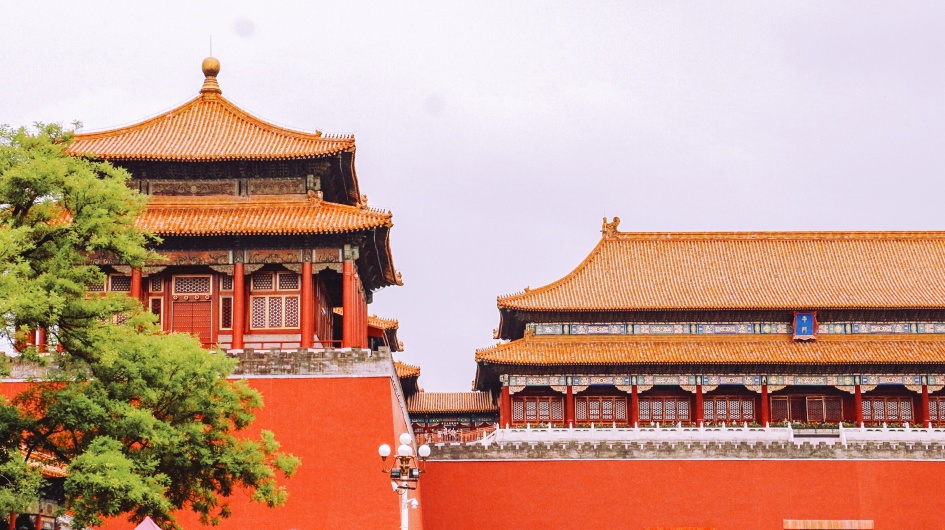 Palace Museum
Your Journey's Rewards:
Ride a high-speed train for a smooth trip to Beijing. Learn trip plans and Beijing's history from the guide. Visit Tiananmen Rostrum to feel its historical value. Explore the Palace Museum to see ancient wooden buildings and imperial courts.
Educational Focus:
How did the design and functional arrangement of the Palace Museum's Outer Court (with the Three Great Halls at its center) show the political ideas and imperial power system of the Ming and Qing dynasties?
Takeaway:
Centered on the Three Great Halls, the Palace Museum's Outer Court is exquisitely designed to reflect imperial authority and Confucian hierarchical system. For instance, the Hall of Supreme Harmony, a venue for major ceremonies, uses its elevated platform, double-eaved hip roof and dragon motifs to symbolize the emperor's status as the "Son of Heaven." From the Meridian Gate to the Three Great Halls, the spatial sequence, architectural scale and solemnity gradually increase, reinforcing the supremacy of imperial power. This layout not only embodies the political centralization of the Ming and Qing dynasties, but also integrates traditional Chinese cosmology, positioning the emperor as the axis connecting heaven and earth to consolidate both spiritual and secular authority.
Thought Challenge:
In what ways can preserving imperial architectural complexes like the Palace Museum—once symbols of autocratic rule—help contemporary society re-examine historical power structures and their cultural legacies?
Set off to climb the Mutianyu Great Wall in the morning. Zheng Guan Tower—also called Mutianyu Pass—was built in 1404 AD, the 2nd year of the Ming Dynasty's Yongle reign. Three watchtowers stand side by side on one platform here; this is a rare building style along the Great Wall. From the Mutianyu Great Wall's Dajiao Tower, you can see a wall corner from any angle. That's why it has this name. It has a wide view, letting you look down at the grand Yanshan Mountains from all sides. The Great Wall winds through the mountains, showing really amazing scenery. It's a perfect place to take photos. You can also try the slide—it's 1,580 meters long. Made of stainless steel, this trough slide goes from the 6th Watchtower down to the Great Wall's foot. It has a smart design and a gentle slope, so you can control your speed. You'll get thrilling speed but stay safe too.
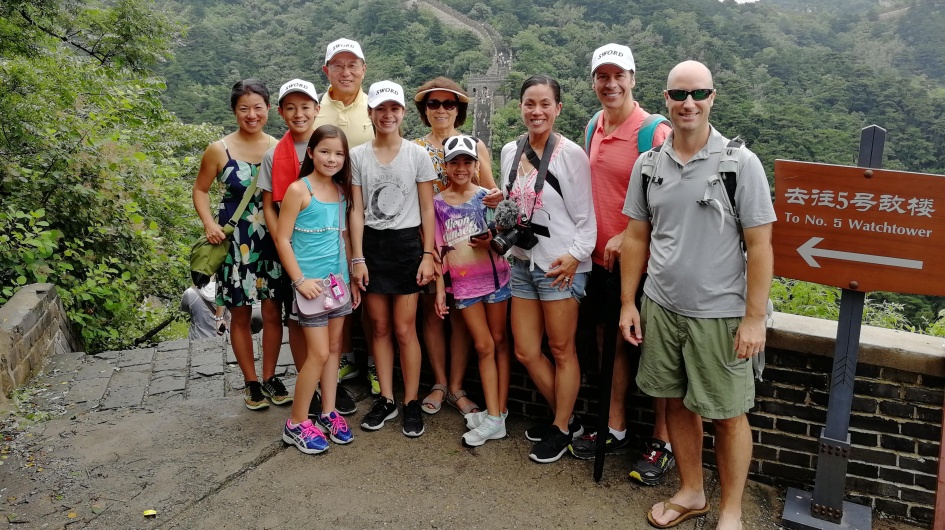 Group photo of Mutianyu Great Wall
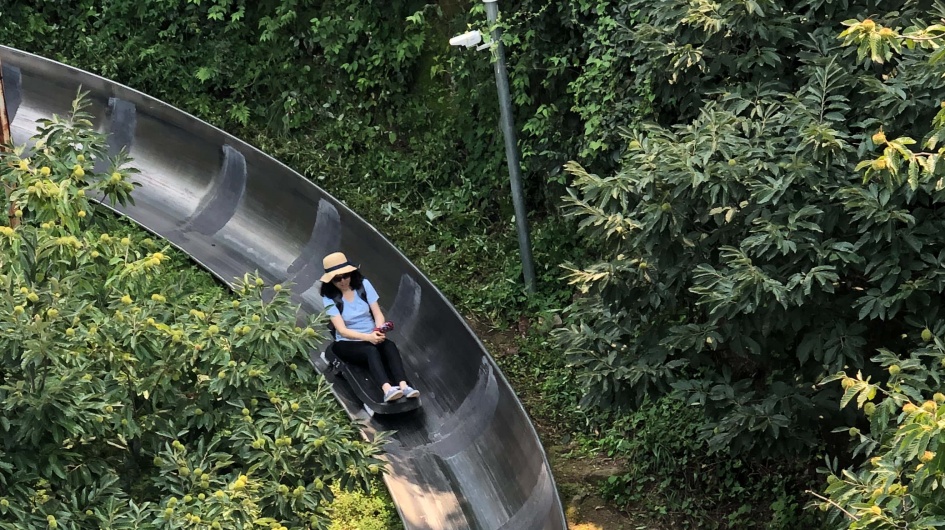 MUtianyu's slide
In the afternoon, visit the Olympic Green to see China's unique buildings made for the Olympic Games. First is the National Stadium, also called the "Bird's Nest". Inspired by traditional Chinese hollowed-out ceramics, it has a special grid structure made of 42,000 tons of steel—strong and with great design. It can hold 91,000 spectators and has seen many classic Olympic moments. The National Aquatics Center, known as the "Water Cube", matches the Bird's Nest. It stands out for its ETFE membrane outer wall and is the world's first dual-Olympic venue that can switch between water and ice.
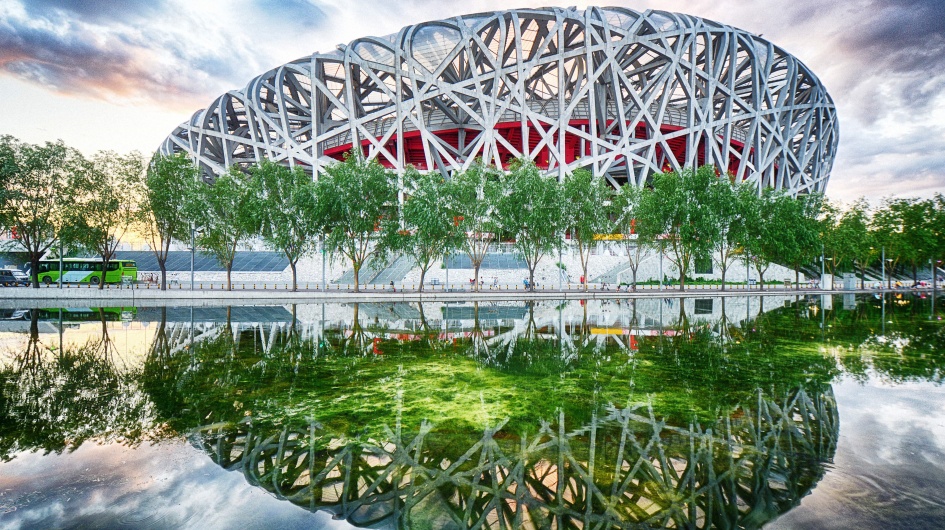 "Bird's Nest"
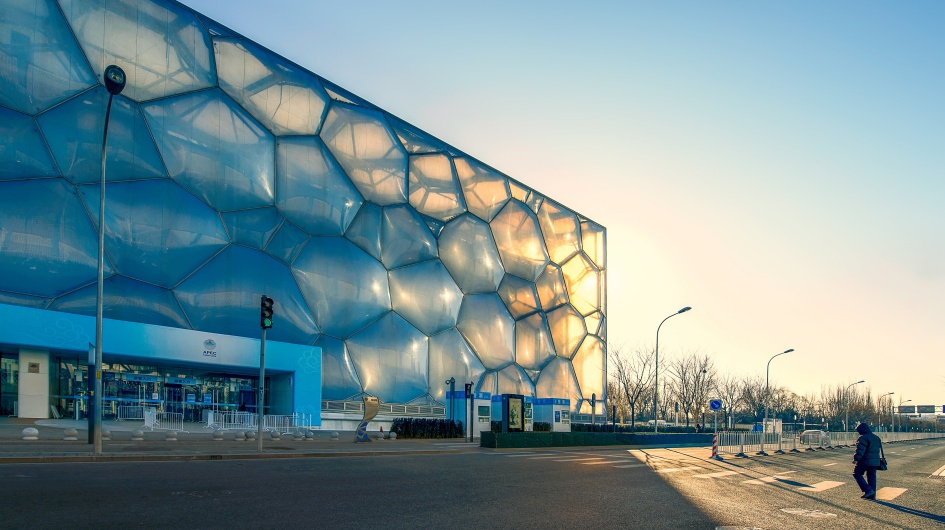 "Water Cube"
Your Journey's Rewards:
Climb Mutianyu Great Wall to see rare watchtower designs. Enjoy wide views of the Yanshan Mountains and take great photos. Visit Olympic Green's unique buildings. Learn about the Bird's Nest's design and the Water Cube's dual Olympic function.
Educational Focus:
How do the structural design and functional orientation of the National Aquatics Center (Water Cube) embody the integration of traditional cultural inspiration, modern architectural technology and dual-Olympic venue demands?
Takeaway:
The National Aquatics Center (Water Cube) realizes the integration of multiple elements in its design and function. Its exterior adopts ETFE membrane structure, with 3700 bubble units forming a "water molecule" shape, which not only has a unique visual effect but also reflects the modern architectural technology's pursuit of lightness and transparency. As the world's first dual-Olympic venue capable of "water-ice conversion", it meets the needs of swimming competitions in summer Olympics and ice cube events in winter Olympics, showing strong functional adaptability. Meanwhile, its design concept echoes the surrounding Bird's Nest and other buildings, forming a unified Olympic architectural complex style, and subtly integrates into the context of modern urban construction, which is a typical case of combining architectural technology, functional demands and cultural coordination.
Thought Challenge:
What changes might happen to city landscapes and their environmental impact in the next 50 years if we use ETFE or similar new materials instead of traditional building materials everywhere?
The last day of your trip ends in Beijing, and we will arrange for you to be picked up and taken to the high-speed railway station or airport based on your itinerary.
This tour is suitable for: School, Family, Team Building, Adoptive Family
What's Included
- Air-conditioned vehicles
- Carefully selected comfortable accommodations
- All mentioned activities and entry fees included
- Daily breakfast and dinner provided
- Accompanied by expert local guides
- Accidental injury insurance fee
Recommended Hotel
| City | Deluxe | Comfortable |
|---|---|---|
| Pingyao | Pingyao Yunjincheng Mansion | Pingyao Yide Hotel |
| Beijing | Regent Beijing | Sunworld Hotel Beijing |
Wechat & WhatsApp: +86-13471279378