- Home
- City Tours
- Pingyao Tours
- 5-Day Pingyao Educational Tour
5-Day Pingyao Educational Tour
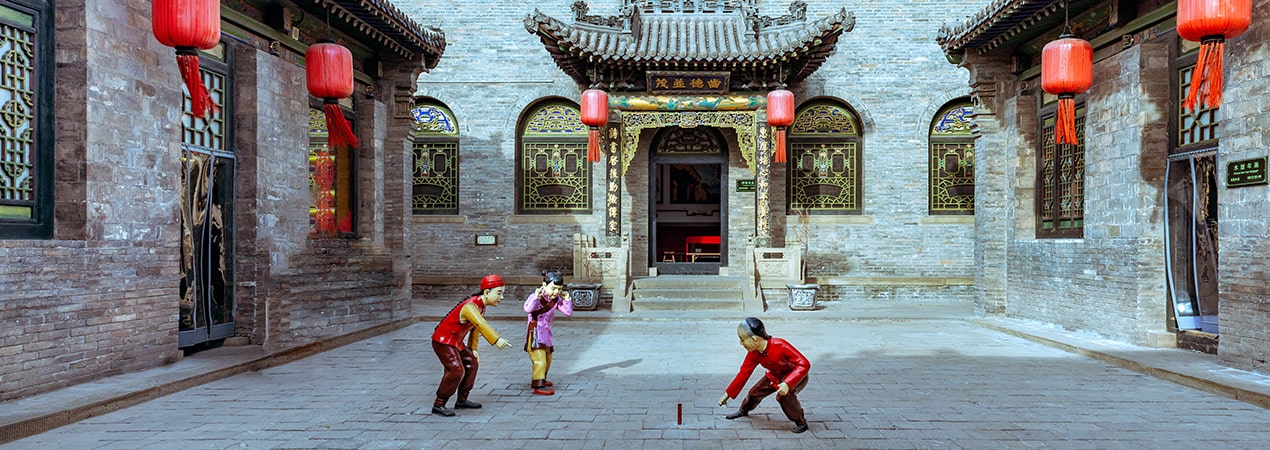
Pingyao County has deep historical roots and a 5-day study trip. You’ll walk ancient sites like city walls and courthouses, see Shanxi merchants’ cultural glory, try traditional crafts, and dive into unique folk traditions. On-site exploration and hands-on work let you find this famous historical city’s special charm deeply.
Itinerary at a Glance
| Day | Location | Highlights |
|---|---|---|
| D1 | Pingyao Ancient City | Check into hotel, climb ancient wall, visit Kuixing Pavilion, tour Pingyao Ancient County Government Office (watch "Magistrate's Court Session" show), visit Rishengchang Exchange House |
| D2 | Pingyao Ancient City | Tour Xietongqing Draft Bank (see underground vault), visit China Escort Agency Museum, experience Pingyao polished lacquerware making or paper-cutting |
| D3 | Shuanglin Temple-Zhenguo Temple-Pingyao Ancient City | Visit Shuanglin Temple (admire Ming Dynasty colored clay statues), tour Zhenguo Temple (see Five Dynasties wooden buildings), watch Encore Pingyao show |
| D4 | Wang Family Compound-Zhangbi Ancient Castle | Tour Wang Family Compound (admire architectural art and brick-wood carvings), explore Zhangbi Ancient Castle (visit above-ground street and underground tunnel), try making cloth tigers |
| D5 | Pingyao | Check out and depart with gains from the study trip |
Trip Highlights
- Visit Pingyao Ancient City, learn its "tortoise-shaped" Bagua layout, military defense, and ancient local governance via the old county government.
- Explore Rishengchang, Xietongqing draft banks, study Shanxi merchants' financial wisdom, business models, innovations and risk control.
- Visit the China Escort Agency Museum, understand the origin, development and operation of armed escorts.
- Appreciate Pingyao's polished lacquerware (national intangible heritage) and experience its making or paper-cutting.
- Tour Shuanglin Temple (Ming colored sculptures) and Zhenguo Temple (mortise-tenon wooden architecture) to learn ancient art and craftsmanship.
- Watch Encore Pingyao, feel Pingyao's history, culture and Shanxi merchants' spirit.
- Explore Wang Family Compound (Shanxi merchants' family culture, architecture) and Zhangbi Ancient Castle (military defense), and experience cloth tiger making.
- Tailored adjustments to your needs to boost your travel experience.
Tour Essentials

Quality
No Shopping Traps

Group Type
Private

Tour Focus
History, Culture, Educational

Accommodation
Nights: 4

Best Season
Spring, Summer, Autumn, Winter
Full itinerary for 5-Day Pingyao Educational Tour
Check in at your hotel, rest a little, then visit Pingyao Ancient City. Climb the ancient wall from the South Gate, walk 500 meters west to Kuixing Pavilion. This route lets you snap full views of the old city and admire its unique "tortoise city" Bagua layout—showing smart Chinese urban planning ideas. Next, check out the Pingyao Ancient County Government Office, a small model of old Chinese local rule. Watch the "Magistrate's Court Session" show in the Pingyao County Government Office to see how old political and legal systems worked. Its grand halls and dark prison cells let you feel the wisdom and care of ancient governance. End your tour at Rishengchang Draft Bank, China's first bank, now a financial museum. Here you'll learn its new banking ways and remittance systems, and see Shanxi merchants' bold spirit and business smarts.
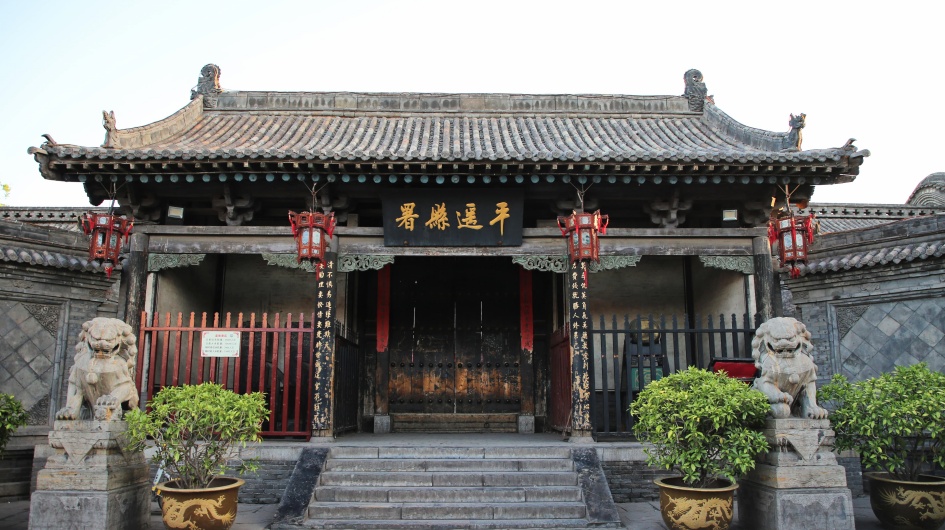 Pingyao County Government Office
Your Journey’s Rewards:
Feel Pingyao Ancient City's layout and military defense directly. Dive into ancient court processes. Learn how drafts were made and their anti-fake tricks. Sense Shanxi merchants' financial smarts.
Educational Focus:
How do Rishengchang Draft Bank's business model and institutional innovations reflect Shanxi merchants' foresight in business development?
Takeaway:
Rishengchang Draft Bank, China's first nationwide bank network, started new remittance systems that crossed regional lines. Its new ideas—secret codes to stop fraud, branch rules, and manager accountability—changed finance. The "investor-manager partnership" model balanced capital safety and performance rewards, showing Shanxi merchants' good grasp of business and sharp vision.
Thought Challenge:
What can modern finance learn about trust systems from Rishengchang Draft Bank, which did cross-regional remittance and gained trust without modern communication or financial rules?
After breakfast, go to Xietongqing Draft Bank in Pingyao Ancient City. It has a big underground vault—you can see how old banks worked and stored things. Learn its key part in the Shanxi merchants' financial system. Then visit the China Escort Agency Museum. Lots of exhibits and clear explanations show where armed escorts started, how they grew, and how they ran.
Afternoon, visit the China Polished Lacquerware Museum. Look at Pingyao’s polished lacquerware, one of China’s "Four Great Lacquerwares." Watch the detailed making process and try doing it—with a master’s help, sand or paint a small piece to feel this craft’s special charm. Or choose a paper-cutting workshop to see Pingyao’s unique folk art.
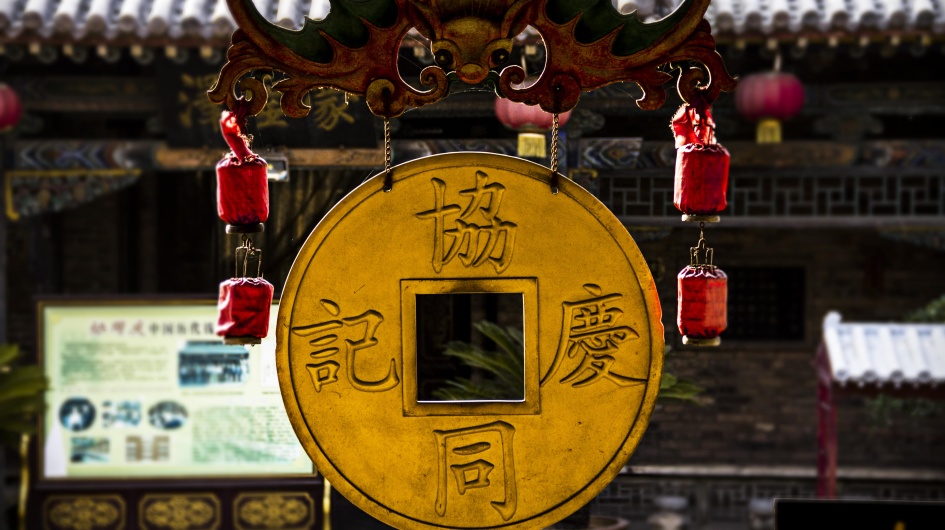 The coins hanging inside the Xietongqing Draft Bank
Your Journey’s Rewards:
Learn about how draft bank managed and stored funds, see directly the professional skills of ancient escorts and how escort agencies worked, admire national intangible cultural heritage lacquerware artworks, and deeply experience the charm of intangible cultural heritage lacquerware.
Educational Focus:
How do the business strategies and risk control methods of Xietongqing Draft Bank reflect Shanxi merchants' pragmatism and innovation in finance?
Takeaway:
Xietongqing Draft Bank used a "small to large" fund operation model, absorbing small deposits to pool huge capital. The underground vault's multiple anti-theft designs (such as hidden entrances, secret doors with mechanisms) and split-account management system not only ensured fund security but also improved circulation efficiency. Its flexible lending plans for different customers showed Shanxi merchants' flexibility and risk prediction ability in financial practices, which is a concentrated embodiment of their financial wisdom.
Thought Challenge:
What are the similarities and differences in concepts and technologies between the underground vault design of Xietongqing Draft Bank and modern bank security systems, and what social development changes do they reflect?
Start your morning at Shuanglin Temple. Famous Chinese architect Liang Sicheng called it the "Treasure House of Oriental Painted Sculptures." It has fine Ming Dynasty colored clay statues, including China's most expressive Weituo ( Skanda) statue—its eyes look very lifelike.
Afternoon, visit Zhenguo Temple, known for its Five Dynasties wooden buildings and great sculptures. Its Ten Thousand Buddha Hall is one of China's oldest wooden structures. Big bracket sets and deep overhanging eaves show ancient builders' skill. End the day with the live show Encho Pingyao. Using new staging and stories, it mixes Pingyao's history, Jin merchant spirit and family stories into a cultural show.
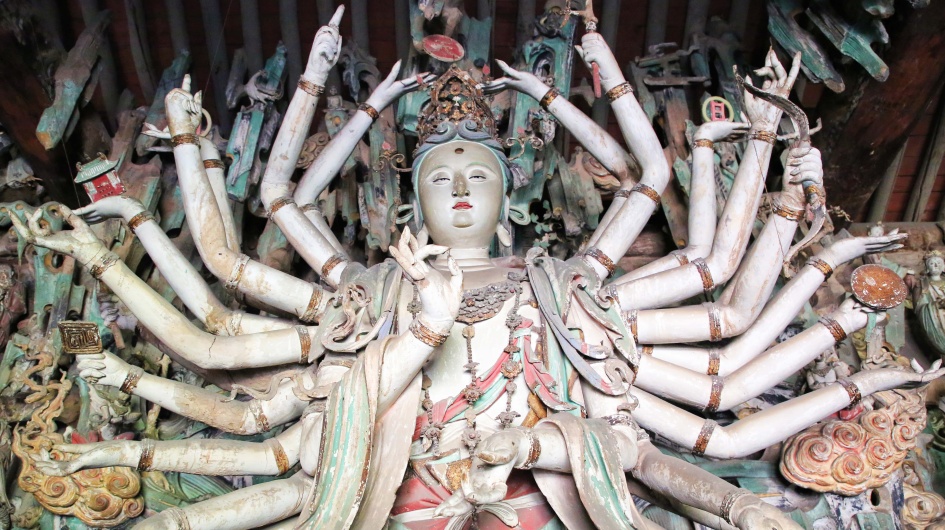 The Thousand-Armed Guanyin statue at Shuanglin Temple
Your Journey’s Rewards:
Get up close to Shuanglin Temple's colored sculptures, feel the exquisite and vivid ancient sculpting art. Learn about the mortise and tenon structure of Zhenguo Temple's wooden buildings, and appreciate the superb ancient architectural skills. Through the Encore Pingyao performance, deeply feel Pingyao's history, culture and Shanxi merchants' spirit.
Educational Focus:
What kind of ancient artistic aesthetics and technological levels do Shuanglin Temple's colored sculptures and Zhenguo Temple's architecture reflect, respectively?
Takeaway:
Shuanglin Temple's colored sculptures look real, each with a different look. They show ancient craftsmen's great sculpting skills and their special take on religious figures, directly mirroring the art tastes of the time. Zhenguo Temple's wooden buildings use no nails—mortise and tenon structures hold them steady. This shows ancient people's smart building techniques and good grasp of how materials work.
Thought Challenge:
Shuanglin Temple's colored sculptures have stood for centuries of wind and rain; Zhenguo Temple's wooden buildings have seen a thousand years of change. Today, how to use these cultural heritage sites for study and tourism, while slowing their aging and damage as much as possible? What special help can modern tech give to protecting relics?
Morning, go toWang Family Compound, the Shanxi merchants' mansion known as the "folk Forbidden City." Laid out like the Chinese character "double happiness," it spans two valleys and five lanes, with 313 houses arranged along the mountain slope in a grand way.
Afternoon, drive to Zhangbi Ancient Castle, a mysterious "dual city above and below ground." The above-ground Dragon Ridge Street winds in an "S" shape, like a dragon guarding the castle. The underground 10,000-meter tunnel is even more amazing—it has three layers, combining functions of attack, defense, retreat, hiding and escape, which is rare in the world. You can also try making cloth tigers in Zhangbi Ancient Castle. With professional guidance, you can sew cloth into cute tiger shapes.
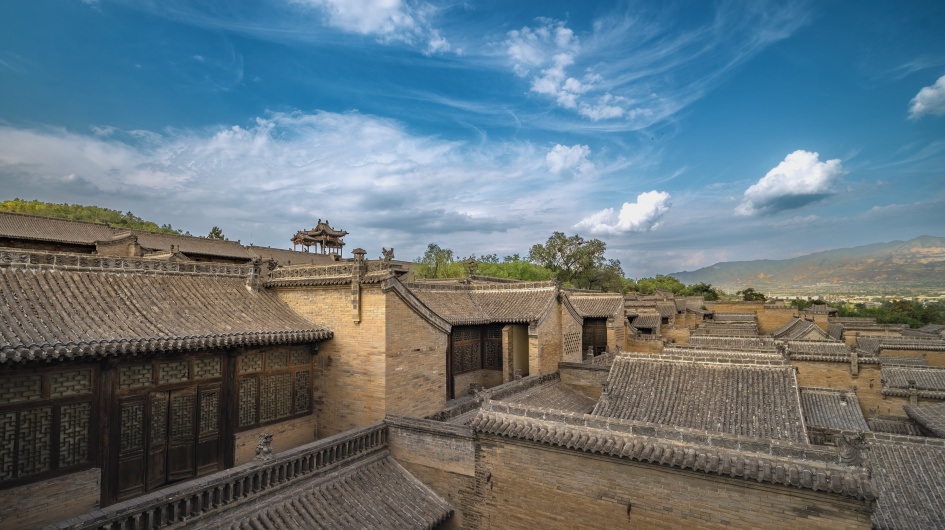 Wang Family Compound
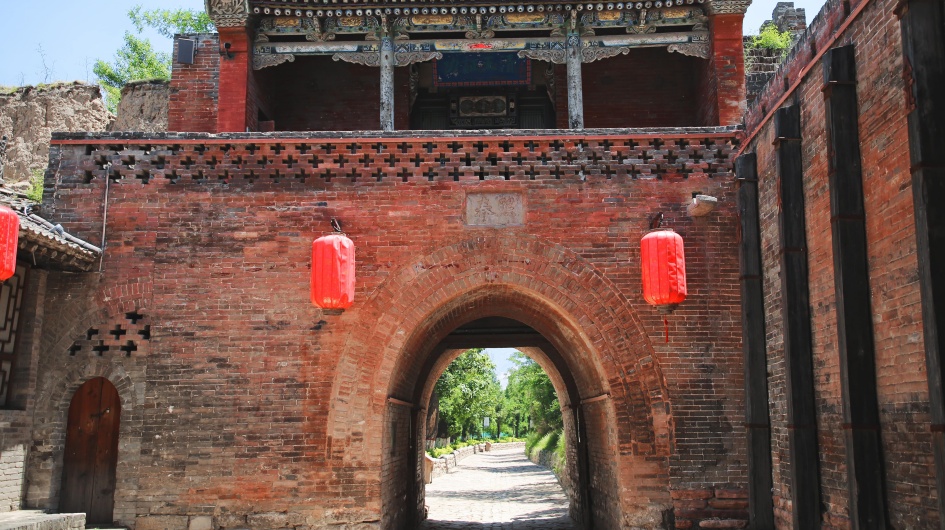 Zhangbi Ancient Castle
Your Journey’s Rewards:
Enjoy the architectural art of Wang Family Compound, understand the meanings of brick and wood carvings, learn about Shanxi merchants' family culture, explore Zhangbi Ancient Castle's military defense system and living layout, experience the ancient life where soldiers and civilians lived as one, and feel the charm of the unique folk art—cloth tigers.
Educational Focus:
What features of Shanxi merchants' culture and ancient military culture do the architectural layouts of Wang Family Compound and Zhangbi Ancient Castle reflect respectively?
Takeaway:
The grand layout and beautiful decorations of Wang Family Compound show Shanxi merchants' strong financial power, emphasis on family inheritance and cultural trait of pursuing a refined life. The "dual city above and below ground" layout of Zhangbi Ancient Castle reflects the strictness of ancient military defense and the life mode combining soldiers and civilians, as well as the trait of valuing both safety and survival in ancient military culture.
Thought Challenge:
What spirits of the Shanxi merchants' culture represented by Wang Family Compound are worth inheriting and carrying forward in modern society?
Head back with plenty of gains, ending this fulfilling and meaningful Pingyao study trip.
This tour is suitable for: Students, Teachers, Schools, Educational Groups, Families, Educational Travelers, History Lovers
What’s Included
- Experienced tour guides
- Interesting experiential activities
- Entrance fee to all spots listed in the itinerary
- Well selected hotel accommodation
- Provides delicious breakfast and lunch
- Expert drivers and comfortable vehicles with air-conditioning
Hotel Options
- Comfortable Accommodation: Pingyao Yide Hotel
- Deluxe Accommodation: Pingyao Jinzhai Inn
Wechat & WhatsApp: +86-13471279378