- Home
- City Tours
- Harbin Tours
- 7-Day Harbin Educational Tour in Summer
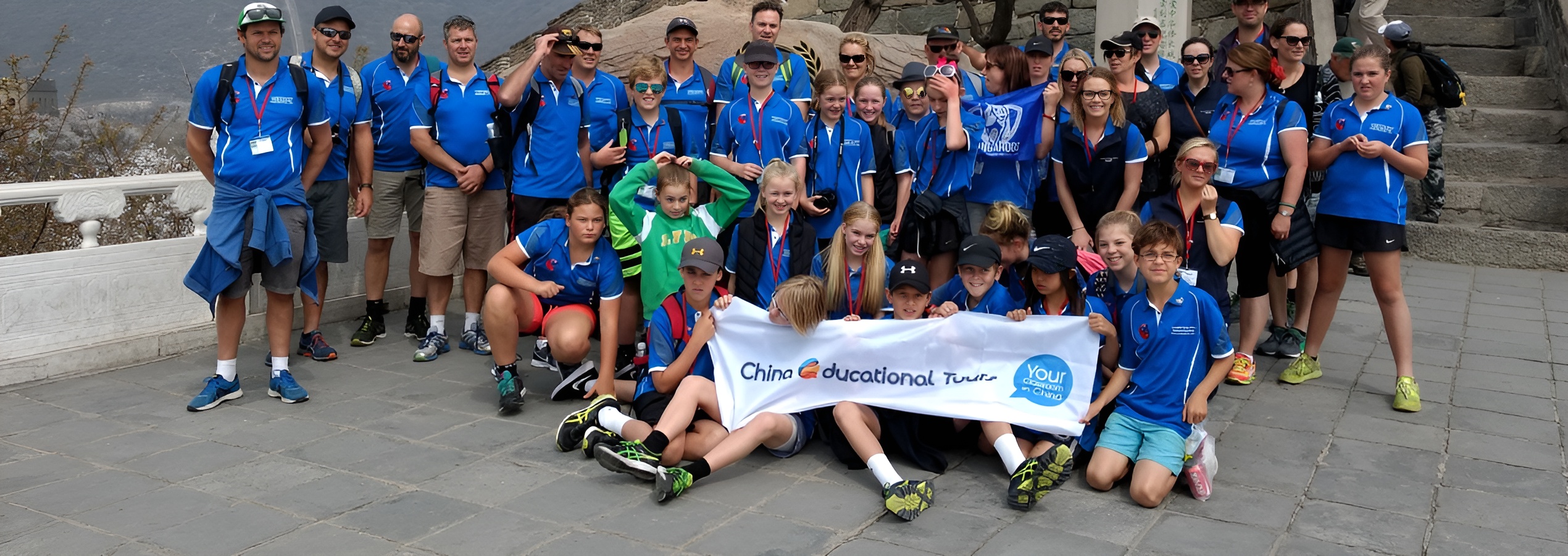
Harbin Summer Educational Tour
Join this seven-day educational journey to explore Harbin, a city with mixed cultures and natural charm. You’ll find unique Russian food, old European-style buildings, traditional crafts, beautiful wetlands and rich black soil culture. Each day has a different theme and surprises. Experience to feel the city’s soul, and think about getting special insights.
Itinerary at a Glance
| Day | Location | Highlights |
|---|---|---|
| D1 | Harbin | Arrive in Harbin, check into hotel and rest |
| D2 | Russian restaurants-Harbin Polar Park | Join Russian cuisine tour (visit 3 Russian restaurants, taste Russian fried buns and bread), visit Harbin Polar Park to see polar animals |
| D3 | Water tower-Former Russian Consulate-Moscow Department Store-Alekseyev Church-Volga Manor-Ice and Snow World | Visit 1907 water tower, former Russian Consulate, Moscow Department Store and Alekseyev Church; go to Volga Manor (see St. Nicholas Cathedral, hand-paint Russian nesting dolls); visit Ice and Snow World to watch ice sculptures |
| D4 | Wheat straw painting experience site-Harbin Siberian Tiger Park-Zhongyang Street | Experience wheat straw painting making, visit Harbin Siberian Tiger Park to watch tigers catch food, walk along Zhongyang Street |
| D5 | Daqing Heming Lake | Go to Daqing Heming Lake (watch red-crowned cranes, go bamboo rafting), relax in indoor hot springs |
| D6 | Northeast corn processing plant-St. Sophia Cathedral-Daoli Food Market | Visit northeast corn processing plant, tour St. Sophia Cathedral, go shopping at Daoli Food Market |
| D7 | Harbin | Check out and depart with trip memories and gains |
Trip Highlights
- Taste Russian and Harbin cuisine
- Interact with cute polar animals
- Admire Harbin's unique architecture and exquisite ice sculptures
- Experience making Harbin wheat straw paintings
- Observe beautiful red-crowned cranes up close
- Enjoy a comfortable hot spring bath
Tour Essentials

Quality
No Shopping Traps

Group Type
Private

Tour Focus
Culture, History, Education

Accommodation
Nights:6

Best Season
Summer
Full itinerary for Harbin Summer Educational Tour
After arriving in Harbin, stay at the hotel to rest and replenish energy.
Morning, start a Russian cuisine experience tour, accompanied by a Harbin cuisine history researcher. Learn about the deep historical ties between Harbin and Russian cuisine. Visit 3 distinctive Russian restaurants in the city, have lunch at one of them, and taste authentic Russian fried buns (crispy outside, savory inside) and rich-tasting homemade Russian bread made by Russian expats.
Afternoon, head to Harbin Polar Park to meet cute penguins, agile polar bears and other marine animals, and experience the wonder of the polar world.
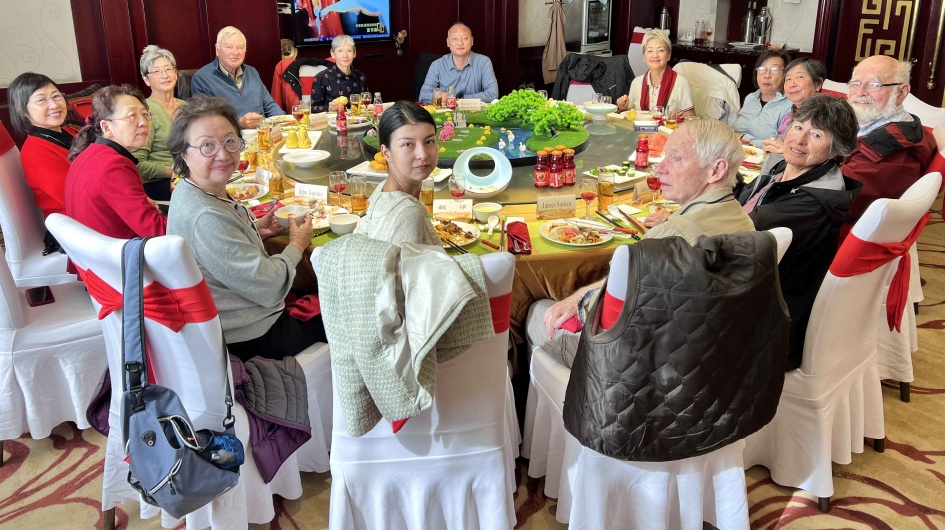 Enjoy Russian cuisine
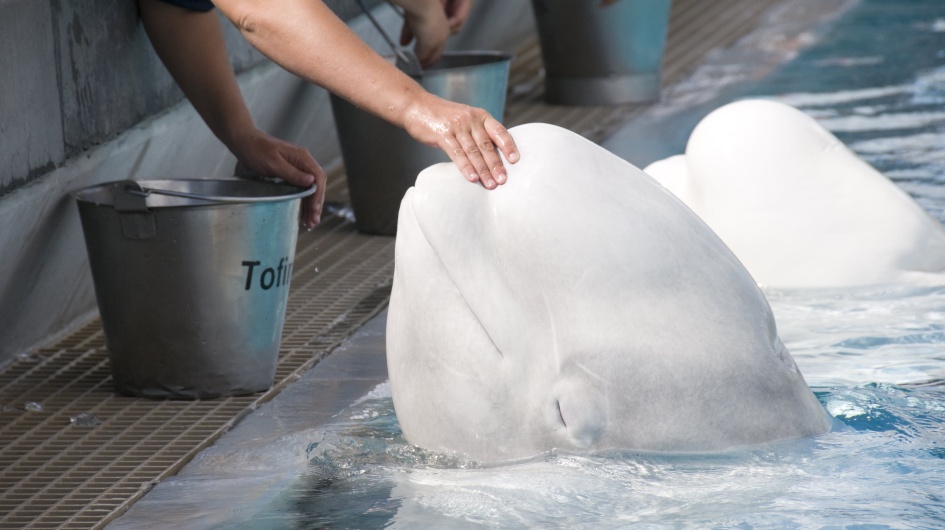 The beluga whales at Harbin Polar Park
Learn about the development history of Harbin's Russian cuisine, taste authentic Russian dishes, watch Russian bread making, get up close with polar animals, and feel the harmony between humans and nature.
Educational Focus:
How has Harbin's Russian cuisine reflected the integration and collision of Chinese and Russian cultures in its historical development?
Takeaway:
Harbin's Russian cuisine keeps traditional Russian food features while taking in elements of Northeast China's food culture. It's a vivid example of Sino-Russian cultural integration in diet, showing how different cultures influence and develop together.
Thought Challenge:
In today's globalized world, what are the advantages and disadvantages of food culture exchange and integration for the inheritance and development of local specialty foods?
Morning, visit the water tower built in 1907, with its unique architecture, and witness railway history. Explore the former Russian Consulate and Moscow Department Store to feel the old exotic charm. Step into Alekseyev Church and admire its fine religious architecture. Then go to Volga Manor, see the restored St. Nicholas Cathedral, join in hand-painting Russian nesting dolls and experience traditional Russian crafts.
Afternoon, head back to the city. Enjoy the Dream Hall at Ice and Snow World, watch Harbin's amazing ice sculptures in summer and step into a snow-and-ice kingdom.
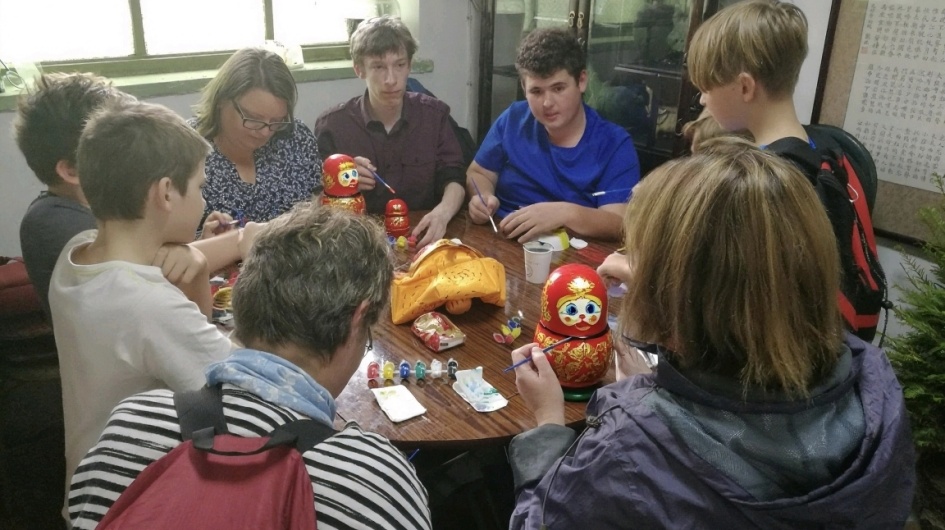 Painting Russian nesting dolls
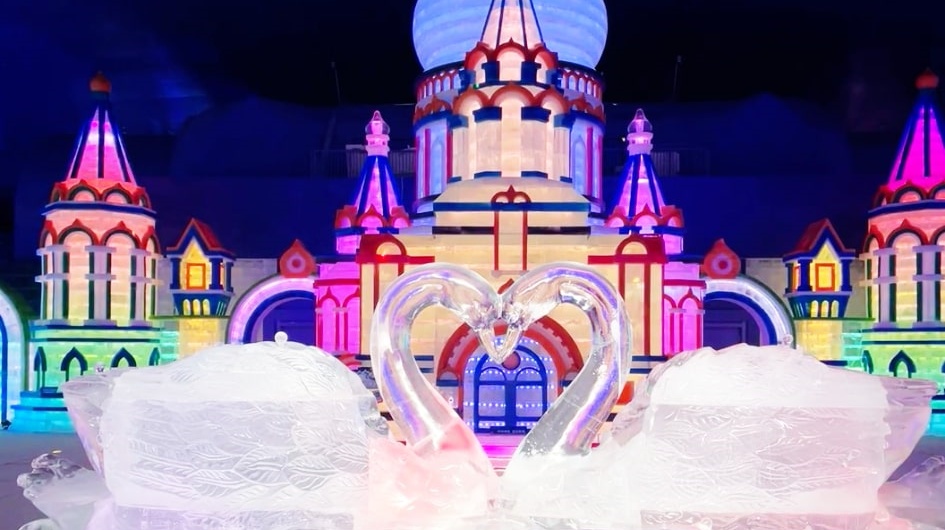 Dreamy Ice Hall
Your Journey’s Rewards:
Admire Harbin's many European-style buildings, learn their historical stories, enjoy painting Russian nesting dolls by hand, and feel the charm of ice and snow art in summer.
Educational Focus:
How do Harbin's European-style buildings reflect the city's colonial history and integration of diverse cultures?
Takeaway:
Harbin's European-style buildings are unique evidence of colonial expansion and cultural integration. They combined Northeast red brick craftsmanship with Russian designs during construction, forming a special "railway eclecticism" style. Buildings like Qiulin Company even cleverly merged Russian structures with Chinese courtyards, perfectly showing the "forced innovation" cultural mixing under a colonial background.
Thought Challenge:
In urban development, how to balance the protection of historical buildings and the needs of modern construction? What impact do these European-style buildings have on Harbin's urban cultural identity?
Morning, join the national intangible cultural heritage "wheat straw painting" craft experience. With help from Arts & Design Academy teachers, visit the exhibition room, look at nice works, learn how to make them and their art meaning, then have a go yourself to feel this traditional craft's special charm.
Afternoon, go to Harbin Siberian Tiger Park. Watch tigers jump to catch food – it's thrilling, and you'll have fun. Evening, walk along Zhongyang Street. The cobblestones tell old stories, and the European-style buildings on both sides have a strong European feel.
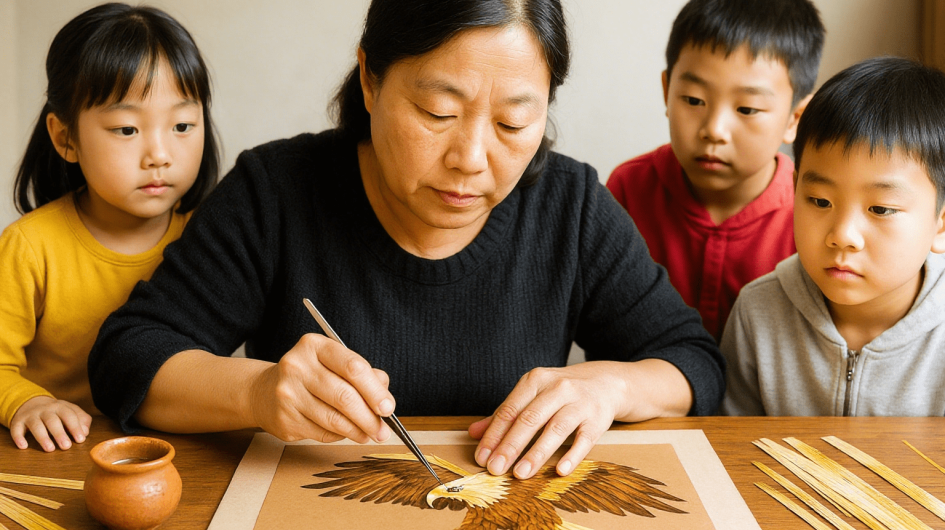 Wheat straw painting
 The tiger at the Harbin Siberian Tiger Park
Your Journey’s Rewards:
Learn about the intangible cultural heritage of wheat straw painting, master basic making skills, watch the powerful Northeast tigers, and feel the European charm and historical depth of Central Avenue.
Educational Focus:
How do the craftsmanship and artistic features of wheat straw paintings show how Harbin's folk craftsmen combine and pursue environmental ideas with artistic creation?
Takeaway:
Wheat straw art uses ordinary wheat straw. With cutting, pasting, ironing and other methods, it turns into lovely artworks. This reuses waste, showing Harbin folk craftsmen's green smarts—working with nature and recycling. It also shares a deep feel for natural beauty through its special style, reflecting the simple wish to mix environmental ideas with making art.
Thought Challenge:
Now with fast-developing modern technology, how to better show the environmental value and artistic charm of traditional crafts like wheat straw painting while passing them down, so that these crafts can gain new life in the era of green development?
Morning, head to Daqing Heming Lake—famous as a summer spot—by car, which takes about 4 hours. Once there, watch rare red-crowned cranes dance gently in the wetlands, feeling at one with nature. Then go bamboo rafting slowly, enjoying the calm waterside views. In the afternoon, go back inside to relax in indoor hot springs, like the special cave-shaped one (swimwear needed).
 Bamboo rafting
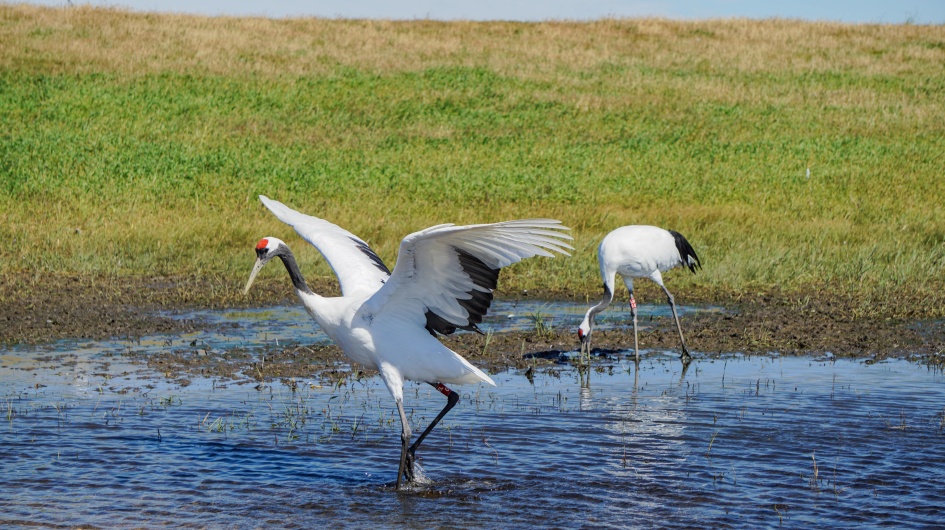 The red-crowned cranes at Daqing Heming Lake
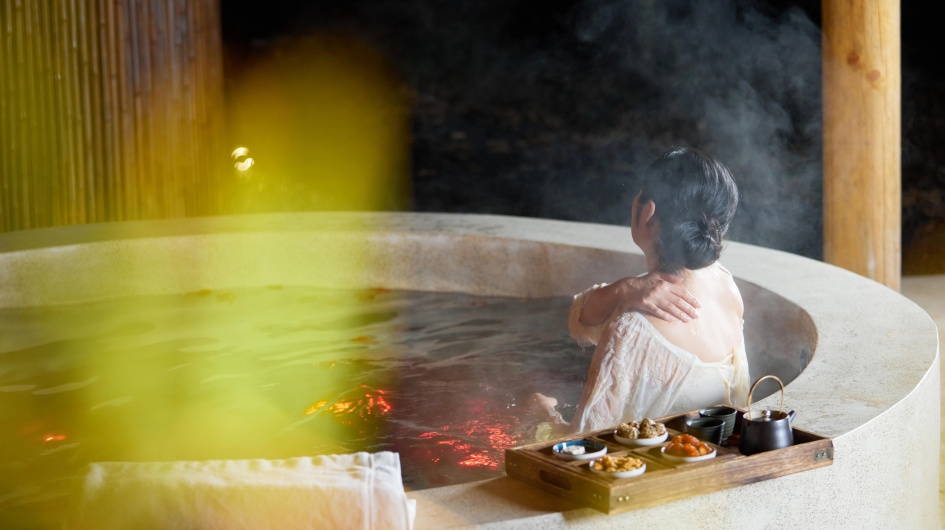 Hot springs
Your Journey’s Rewards:
Watch red-crowned cranes in the wetlands, get close to nature, enjoy bamboo rafting, relax in hot springs, and feel the cool comfort of summer.
Educational Focus:
What significance does Daqing Heming Lake's wetland ecosystem hold for the survival of rare birds like red-crowned cranes?
Takeaway:
Daqing Heming Lake Wetland ecosystem is of great significance. Its abundant aquatic plants provide sufficient food for red-crowned cranes and other species. Vast waters and lush vegetation make great places to live and breed, so chicks can grow safely. There’s room to hide from hunters in this complex environment. When migrating, it’s a key stop to get energy and keep their groups going. Also, this steady wetland helps keep many kinds of life, balances nature, and so keeps rare birds like red-crowned cranes alive.
Thought Challenge:
How to balance the conflict between wetland protection and tourism development?
Morning, head to a northeast corn processing plant. It features full production lines—you can watch how corn goes from planting to being turned into various products. Learn its key role in showcasing the black soil’s rich agricultural resources and strong cultural heritage. Afternoon, return to downtown Harbin in due time to visit >St. Sophia Cathedral, the largest Orthodox church in the Far East. Its magnificent architecture and exquisite interior decorations are striking to see. Then go to Daoli Food Market, founded in 1902, for free shopping. It’s bustling with all kinds of local specialties and delicacies, letting you feel Harbin’s daily life and lively atmosphere.
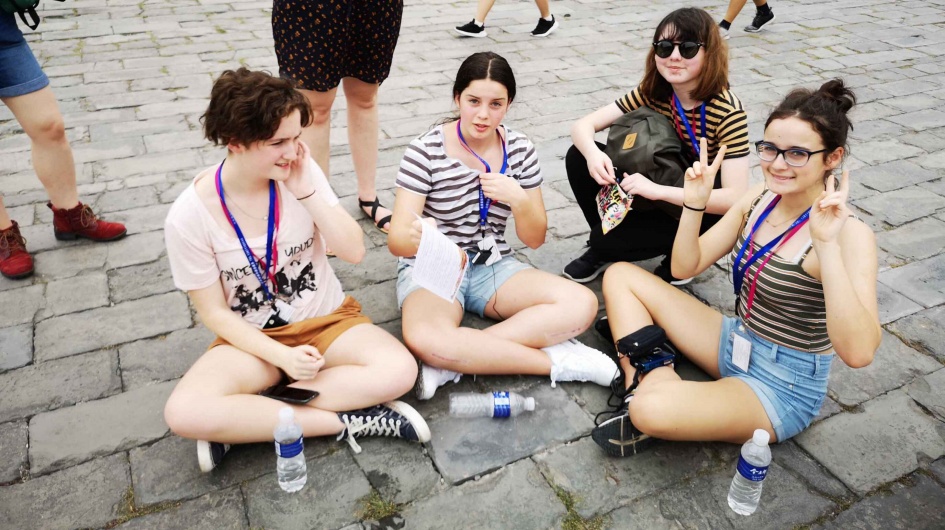 Take a break
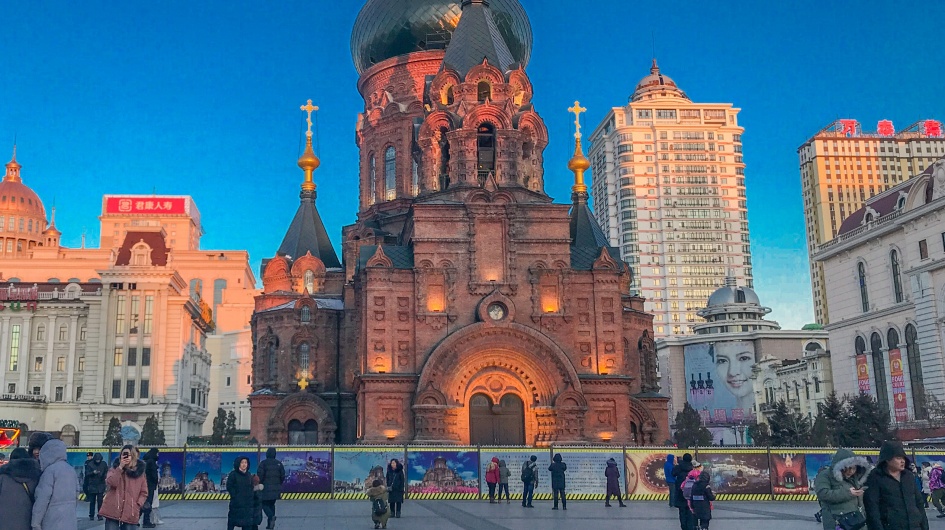 St. Sophia Cathedral
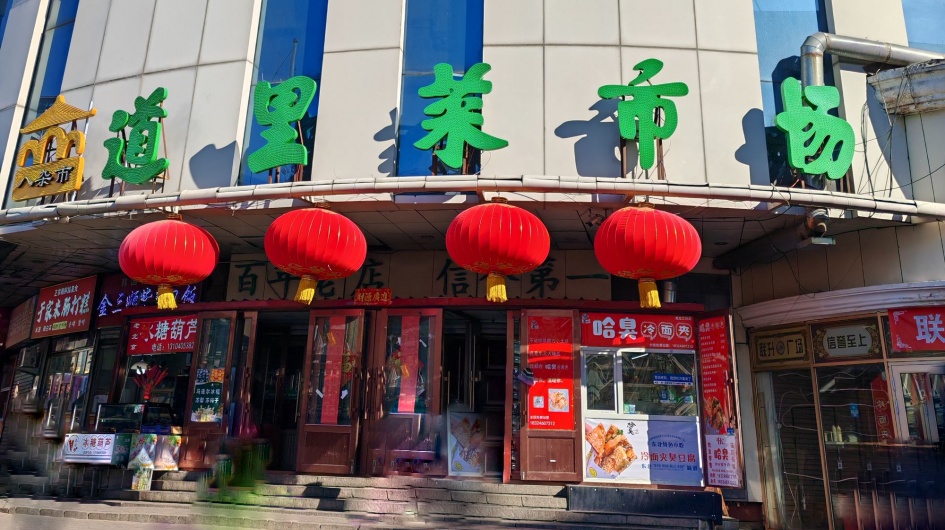 Daoli Food Market
Your Journey’s Rewards:
Learn about the corn processing industry in Northeast China, experience the black soil culture, appreciate the architectural art of St. Sophia Cathedral, and feel the local urban vibe and specialty products at Daoli Food Market.
Educational Focus:
What profound impact does black soil culture have on Harbin's agricultural culture?
Takeaway:
Black soil culture deeply affects northeast area culture. Because black soil is scarce and fertile, it bred the idea of "respecting the land and using it while nourishing it". Crop rotation, fallowing and the thought "nourish the land you live on" shaped farming logic, changing how people farmed for generations. It led to growing mostly high-yield crops like soybeans and corn, with large-scale farming. Making farm tools and farming sayings carried this culture. As a cultural symbol, black soil builds "black soil love", strengthens identity, and helps farmers work together.
Thought Challenge:
How to apply the wisdom of "respecting the land and using it sustainably" from black soil culture in agricultural modernization?
After a fulfilling trip in Harbin, leave this charming city with plenty of memories and gains.
This tour is suitable for: Students, Teachers, Schools, Educational Groups, Families, Educational Travelers
What’s Included
- Experienced tour guides
- Entrance fee to all spots listed in the itinerary
- Well selected hotel accommodation
- Provides delicious breakfast and lunch
- Expert drivers and comfortable vehicles with air-conditioning
Hotel Options
- Comfortable Accommodation: Mansion 1903 Hotel
- Deluxe Accommodation: DeRUCCI Hotel
Wechat & WhatsApp: +86-13471279378