- Home
- City Tours
- Guizhou Tours
- 6-Day Miao & Dong Costume Exploration Tour
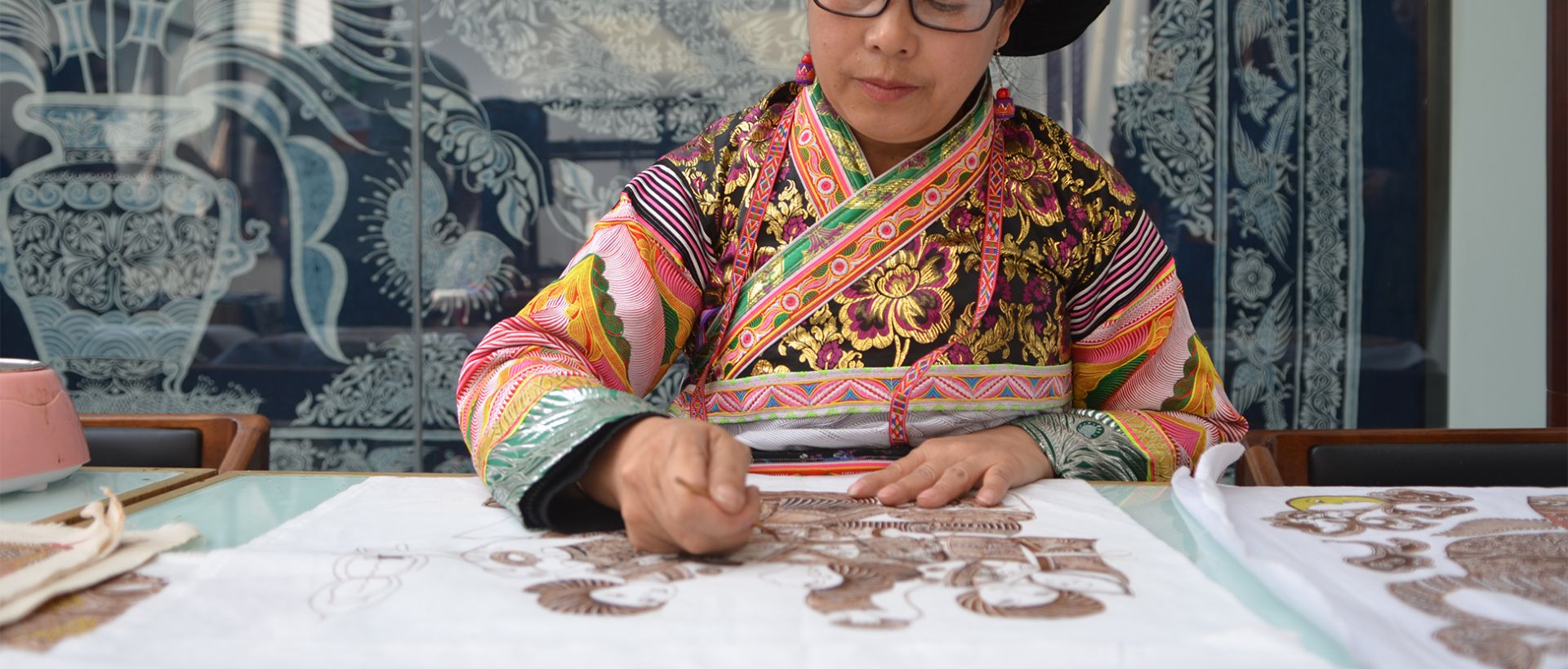
6-Day Miao & Dong Costume Exploration Tour
Guizhou is an "ethnic cultural corridor" where 18 indigenous groups have lived for generations. This 6-day journey is designed for culture explorers: visit Miao, Dong, and Gejia villages, try thousand-year-old crafts like batik, embroidery, and weaving, listen to the Dong Grand Song, walk through rice terraces, and discover the “storybook without words” worn on people’s clothing.
China Educational Tours offers one-stop service — with airport transfers, a private driver, and a guide accompanying you throughout the trip. All you need to do is immerse yourself in the villages and feel the warmth of local artisans. The itinerary is flexible and can be customized. Feel free to talk with us — together, let’s create your own unique journey.
Itinerary at a Glance
| Day | Location | Highlights |
|---|---|---|
| D1 | Guiyang | Arrival, check in hotel, get a preview of the tours |
| D2 | Guiyang | Explore Guizhou Nationalities Museum; Experience Miao embroidery; Taste local food at Qingyun Market |
| D3 | Kaili | Visit Matang Gejia Village; Learn traditional batik craft; Tour Taoxiu Li Intangible Cultural Heritage Market; Watch Guizhou Village T-show |
| D4 | Zhaoxing Dong Village | Visit Dong Cultural Exhibition Center; Try on traditional Dong attire; Explore drum towers; Join Dong long table feast and enjoy Dong Grand Chorus |
| D5 | Zhaoxing- Tang'an Terraces | Learn age-old Dong weaving craft; Hike the ancient stone trail to Tang'an Terraces |
| D6 | Zhaoxing - Guiyang | Airport transfer; Enjoy scenery along the way and depart with handmade crafts |
Trip Highlights
- Explore ethnic cultural relics at Guizhou Nationalities Museum
- Experience authentic Miao embroidery craft and local Guiyang cuisine
- Learn traditional batik art and visit intangible cultural heritage market
- Watch local ethnic costume runway show with indigenous performers
- Try Dong attire, explore drum towers and enjoy Dong folk feasts & chorus
- Experience ancient Dong weaving and hike stunning terraced ancient trails
Tour Essentials

Quality
No Shopping Traps

Group Type
Private

Tour Focus
Ethnic Costume

Accommodation
Nights:5

Best Season
Spring, Summer, Autumn, Winter
Full itinerary for 6-Day Miao & Dong Costume Exploration Tour
After you arrive in Guiyang, a private driver will drive you to your hotel. On the way, your tour guide will brief you on your scheduled trip and Guizhou’s local traditions. You may consult your guide anytime if you have questions about your journey or local customs.
At the Guizhou Nationalities Museum, clothing and textile tools from 18 local ethnic groups are systematically kept. Ancient signs on Miao wedding dresses and smart geometric designs in Dong brocade can be seen. Over 3,000 old pieces tell the stories of life and faith made by hand. A Dong drum tower and a Miao stilt house are also rebuilt in the hall, so the link between dress and home is easier to grasp.
Experience Miao embroidery under the guidance of professional craftswomen. The Miao people undertook frequent large-scale migrations in history and never developed a written language. Thus they wove their history and beliefs into clothing. Miao embroidery is a wordless history book worn on the body. You will learn traditional techniques like split-thread embroidery and pleated embroidery. There are no design sketches for Miao embroidery. All skills are passed down orally and by hands, and the patterns carry ancient memories of the ethnic group.
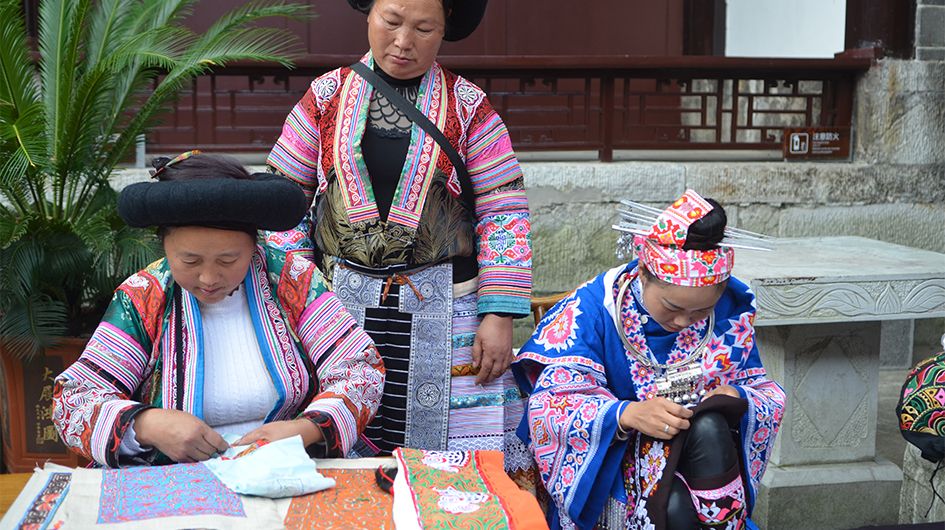 Miao women doing embroidery
In the evening, head to Qingyun Market — a local favorite for dinner and socializing in Guiyang. Due to Guizhou’s mountainous, humid environment and a historical lack of salt, the local cuisine developed a unique flavor centered around sour, spicy, and fresh tastes. Among these, “using sour as a substitute for salt” is the soul of Guizhou dishes. Here, you can try local specialties like sour fish soup, tofu balls, and Changwang noodles, and observe the city’s everyday food culture in a lively, down-to-earth setting.
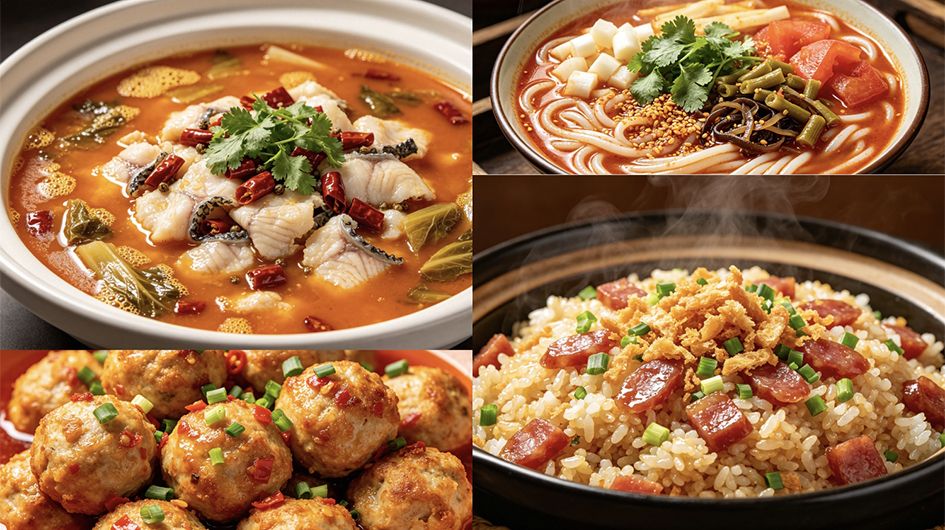 Delicous Guizhou foods
Your Journey's Rewards:
Learn about Guizhou's ethnic history, try Miao embroidery and taste delicious local food in Guiyang.
Educational Focus:
Why didn't the Miao people create a common written language during their frequent migrations, but chose to record their history and beliefs through embroidery?
Takeaway:
The Miao people moved from place to place for a long time, so they never had an official written language. To keep their collective memories alive for generations, they used embroidery as a book with no words. Each pattern and stitch speaks of old stories, tribal marks and their migration paths. Skills and stories were shared from person to person, with no patterns to follow. Far more than simple decorations, Miao embroidery is the group's history worn on clothes.
Thought Challenge:
What other ways can an ethnic group hold onto its cultural roots if it has no written language?
You’re off to Matang Gejia Village in Kaili. While the Gejia are officially grouped with the Miao, they speak their own language and keep unique traditions, and their ID cards can list Gejia as their ethnicity. They honor the folk hero Yayi, known for shooting down the sun, and claim to be his descendants. Their outfits are simple and sturdy, inspired by old battle wear. Local women commonly wear red-tassel sun hats, sleeveless tunics and batik clothing. Local villagers will teach you the age-old batik art. Use a brass wax pen to draw suns, bows and other classic symbols on white cloth, then put the cloth into indigo dye. Each artwork holds your own story, and you can bring it home as a one-of-a-kind travel keepsake.
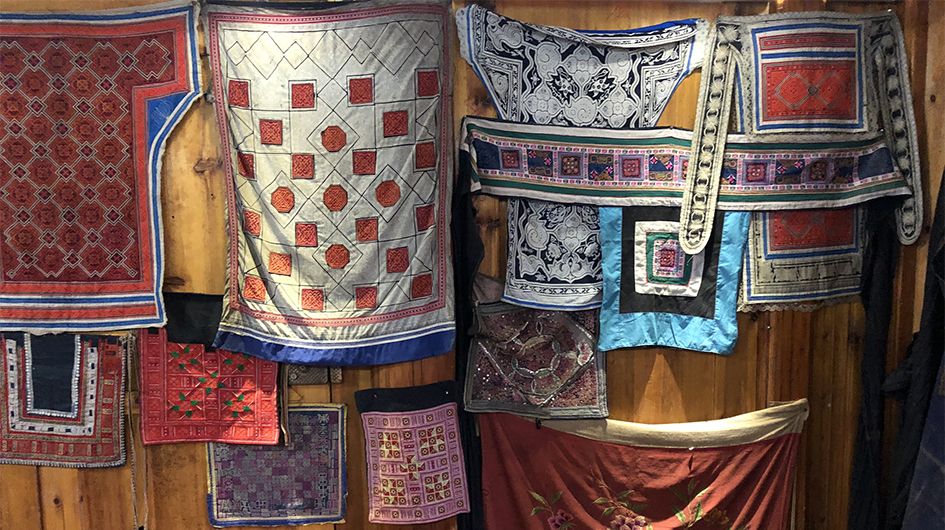 The wax resist patterns
Visit the Taoxiu Li Intangible Cultural Heritage Market, a handicraft market where embroiderers from across southeastern Guizhou gather to display and sell their work. From Miao pleated stitch and chain stitch to Dong coiled-rim stitch, hundreds of embroidered pieces and garments are available for you to explore. Many embroiderers sell their creations online while running their stalls, sending their work to other provinces. Here, you can see how traditional crafts are finding new ways to thrive in today’s world.
The Guizhou Village T-show runs 7:00 to 9:30 PM on a plain stage, where villagers appear in their ethnic festival outfits. You won’t see any professional models, only locals presenting their heritage with great pride. Should you wish to take part in this lovely runway event, just let us know and we’ll secure your place. Note: The runway show is held every Friday, Saturday and Sunday. Your tour guide will adjust the itinerary accordingly.
Your Journey’s Rewards:
Visit the distinctive Gejia village, try traditional batik and enjoy the ethnic costume runway show.
Educational Focus:
What kind of environment gave birth to this unique batik craft for ethnic costumes?
Takeaway:
Many bugs live in Guizhou's warm, wet mountain areas, and locals discovered indigo can keep mosquitoes away. Clothes dyed with this plant help you avoid insect bites. Natural indigo will crack and fall off the cloth, so melted beeswax is used to draw lines on it. The wax gets into the threads and blocks the dye. When the dyeing finishes, the wax is taken off, leaving nice white patterns on blue cloth.
Thought Challenge:
If indigo cloth is only for keeping bugs away, why do different villages create such totally different totem styles?
Head to Zhaoxing Dong Village, one of the largest Dong villages in southeastern Guizhou. Begin your tour at the Dong Cultural Exhibition Center, which vividly presents the Dong people’s daily life and traditions. Take a close look at the costumes here, and you will easily tell them apart from Miao clothing. Simple and practical things are valued by the Dong. Their clothing mostly features indigo, purple-black and dark brown. You'll hardly spot silver decorations or vivid threads, making the style quiet and plain.
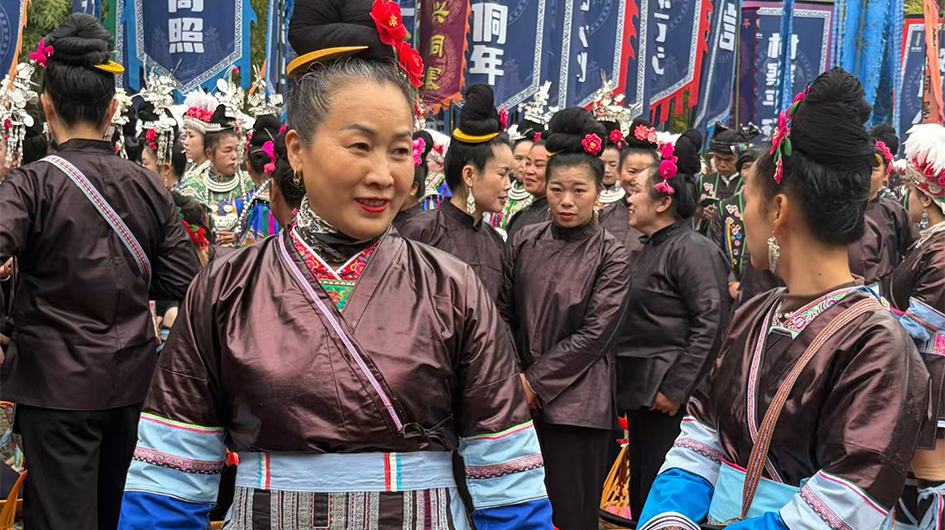 Dong women wearing traditional costumes
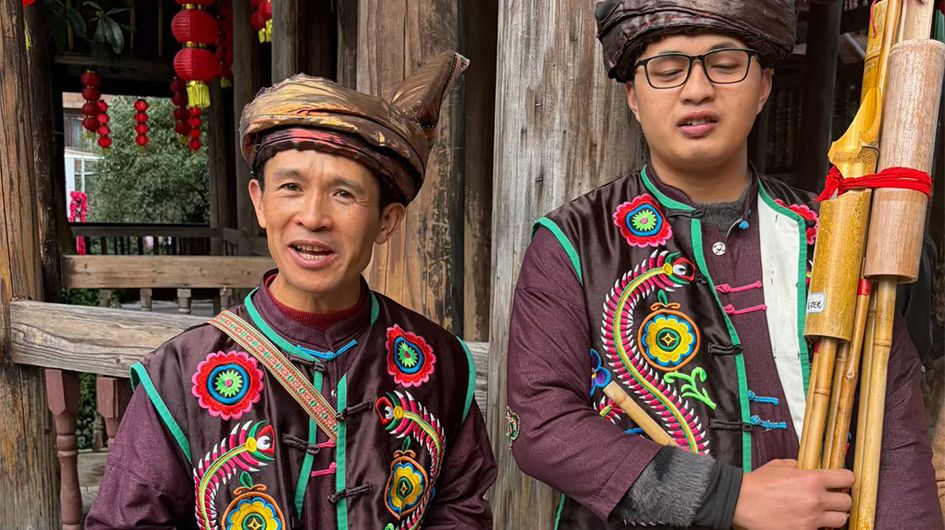 Dong men wearing traditional costumes
At a local ethnic clothing workshop, you’ll change into traditional Dong attire. Clouds, water, and eight-petal flowers are often seen on Dong clothing. The sky is shown by clouds, the earth by water, and the cycle of life by the eight-petal flower. Then the village’s main Dong buildings are visited — five drum towers in particular. Five virtues are shown by these towers: benevolence, righteousness, propriety, wisdom, and faithfulness. This shows what the Dong people value. The towers are used for both worship and as community spaces. Wearing Dong clothing as you walk among these buildings will give you a deeper experience of Dong culture.
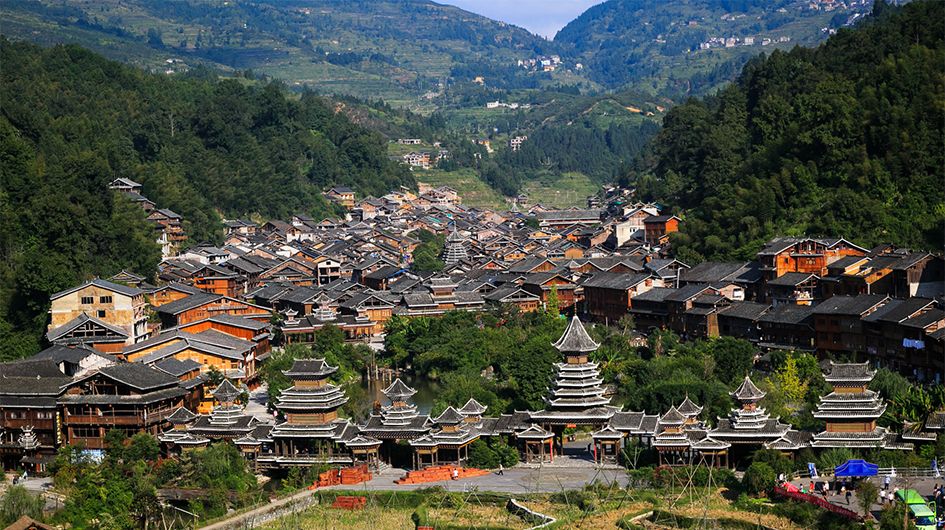 Dong's trum towers
In the evening, join the Dong long table feast and enjoy their traditional folk songs. Dishes like sour fish, cured fish and glutinous rice are served along the long tables. Local young women will sing to propose toasts during the meal. After dinner, you can watch the Dong Grand Chorus. This unaccompanied, conductor-free polyphonic singing is similar to a cappella. The tunes imitate sounds of insects and birds in nature, with “Song of the Cicada” being the most famous. It was listed as a UNESCO Intangible Cultural Heritage of Humanity back in 2009.
Your Journey’s Rewards:
Learn about Dong costumes and try them on, explore drum tower architecture, join the long table feast and watch the Dong Grand Chorus performance.
Educational Focus:
Unlike the Miao who love elaborate silver decorations and colorful threads, why do the Dong prefer simple, practical clothing?
Takeaway:
Constant migrations made the Miao mark history and faith on embroidered, silver-adorned clothes to hold onto their past. The Dong have resided peacefully at the junction of Hunan, Guizhou and Guangxi since Tang and Song dynasties, so they had no need for such clothing. They connect as a group via drum tower talks and long-table feasts, sharing history with nature-themed folk songs. Steady lives made them prioritize practical, comfy outfits, which are plain, neat and mainly dark-hued.
Thought Challenge:
Where do a nation keep their memories when they no longer need to wear history on their clothes?
Visit the heritage workshop and have a go at the age-old weaving skill of the Dong people. This handicraft has a history of more than 2,000 years, it takes plenty of work to make genuine Dong cloth. First, soak cotton yarn in indigo dye for over ten rounds, then spread egg white or ox glue all over it. Next, pound the fabric repeatedly on stone with a wooden hammer, until it gets a metallic glow. The well-loved Dong cloth feels solid, stands wear and keeps bugs away. Back in the old days, it was even presented as tribute to the royal palace.
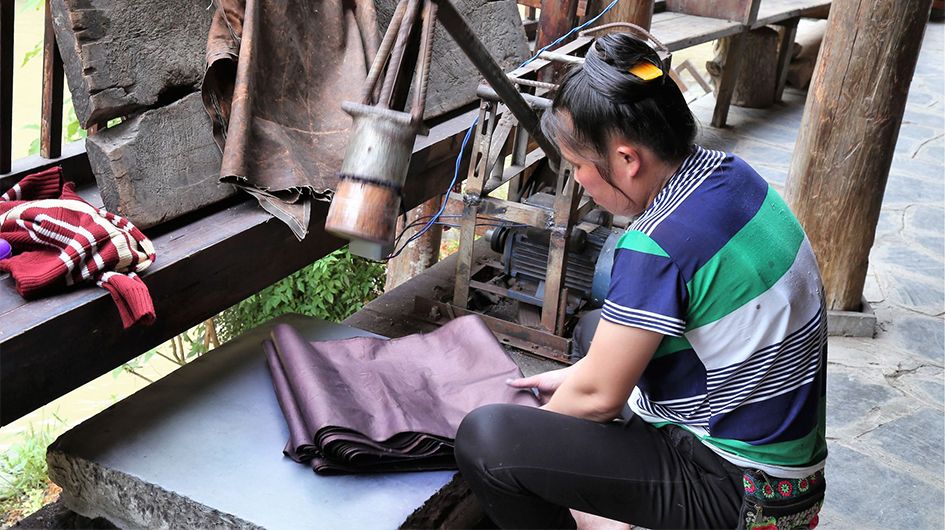 Dong people is pounding Dong cloth
A 3 to 4 kilometer stone-paved ancient trail leads from Zhaoxing Dong Village to Tang'an Terraces. It is called one of “China’s Seven Most Beautiful Hiking Routes” by Chinese National Geography. Layers of rice terraces are passed through along the way. The sky and the valleys below are reflected in the water-filled fields, which are as smooth as mirrors. Tang'an Dong Village is found at the trail’s end. It sits higher up and feels much quieter. From the hilltop, vast terraces and distant villages can be seen. After the hike, a car is taken back to Zhaoxing.
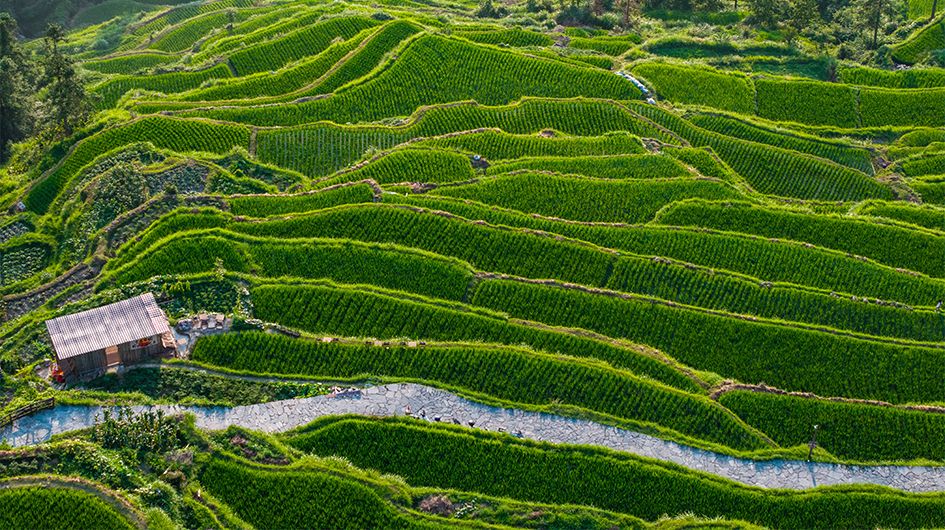 Tang'an Terraces
Your Journey's Rewards:
Try Dong weaving and hike through mirror-like rice terraces among the clouds.
Educational Focus:
Why do the Dong spend months pounding cloth instead of making fancy embroidery and silver ornaments like other ethnic groups?
Takeaway:
Wear and bugs are resisted by dark, sturdy Dong cloth, so it works great for farm work and damp mountain climates. A special sheen is created by repeated pounding, and the fabric is also strengthened. Many generations can use high-quality cloth, which reveals that fancy decorations are less preferred by the Dong than utility and longevity. Their plain clothing style follows this mindset, for they strive to make cloth endure longer.
Thought Challenge:
When a piece of cloth can be worn by three generations, is it just ordinary cloth?
After breakfast, we will arrange your airport transfer based on your flight time. On the way, you can enjoy the mountains, rivers and villages of Qiandongnan once more. Take home your hand-dyed batik, embroidery and woven works, along with stories of local craftsmen, as you head back.
This tour is suitable for: School, Family, Cutural Lovers, Ethnic Costumes Enthusiast
What's Included
- Professional bilingual guide & driver
- Air-conditioned comfortable vehicles
- Breakfast and lunch included
- All activities and expenses covered
Recommended Hotel
| City | Hotel |
|---|---|
| Guiyang | Huamao Hotel |
| Kaili | Kaili Fuli Lanshan Hotel |
| Zhaoxing | Indigo Lodge Zhaoxing |
Wechat & WhatsApp: +86-13471279378