- Home
- Chinese Culture
- Torch Festival of the Yi Ethnic Group
Torch Festival of the Yi Ethnic Group
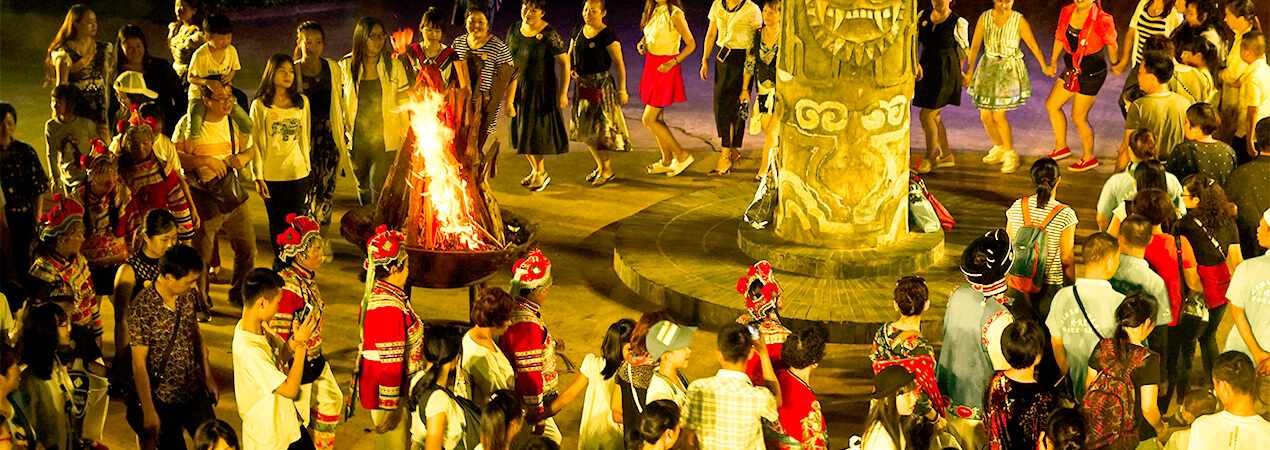
In Southwest China, there is an ethnic group known as the Yi. They have a long tradition of fire worship, and fire holds an important place in Yi traditional culture. Over the course of their long history, the Yi people have developed a rich and diverse traditional culture, including customs related to work and daily life, festive rituals, taboos, cuisine and traditional clothing. Many of these traditions are still practiced today in daily life and during traditional festivals.
Content of this article
- What Is the Torch Festival of the Yi Ethnic Group?
- The Origin of the Torch Festival of the Yi Ethnic Group
- How Is the Torch Festival of the Yi Ethnic Group Celebrated?
- Torch-lighting and Procession
- Traditional Competitions
- Sacrifices and Blessing Prayers
- Bonfire Gala and Folk Performances
- Yi Traditional Clothing
- Foods of the Torch Festival of the Yi Ethnic Group
- Why Experience the Torch Festival of the Yi Ethnic Group?
- Where to Experience the Torch Festival of the Yi Ethnic Group in China?
What Is the Torch Festival of the Yi Ethnic Group?
 Torch Festival of the Yi Ethnic Group (click to enlarge)
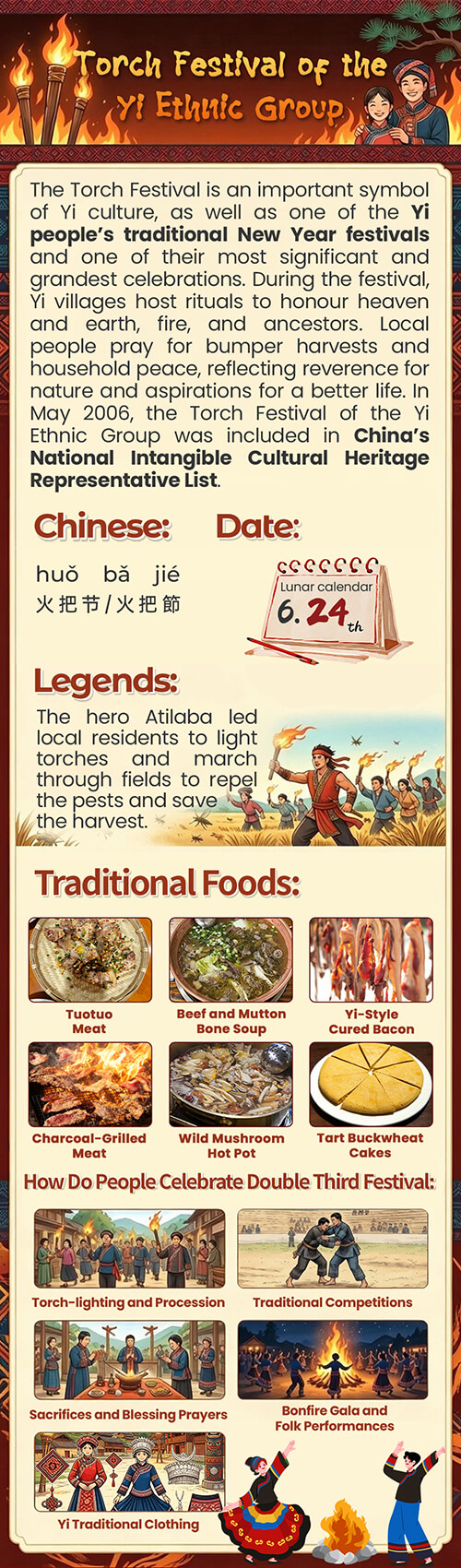
The Torch Festival is an important symbol of Yi culture, as well as one of the Yi people’s traditional New Year festivals and one of their most significant and grandest celebrations. It is widely observed across Southwest China. Apart from the Yi ethnic group, peoples including the Bai, Naxi, Jino and Lahu also hold Torch Festival celebrations. The Torch Festival of the Yi Ethnic Group generally falls around the 24th day of the sixth lunar month. During the festival, Yi villages host rituals to honour heaven and earth, fire, and ancestors. Local people pray for bumper harvests and household peace, reflecting reverence for nature and aspirations for a better life. In May 2006, the Torch Festival of the Yi Ethnic Group was included in China’s National Intangible Cultural Heritage Representative List.
For international visitors, the Torch Festival of the Yi Ethnic Group offers a valuable chance to learn about Yi traditional culture and folk customs. During the celebrations, travellers can watch torch processions, Yi folk song-and-dance performances, wrestling, horse racing and other events. They may admire traditional costumes and handicrafts, and sample local specialties. Through these activities, visitors can gain insights into the Yi people’s traditional way of life and folk traditions.
The Origin of the Torch Festival of the Yi Ethnic Group
Multiple legends exist concerning the origin of the Torch Festival. The most well-known tells the story of Atilaba driving away locusts to protect crops. According to folklore, the God of Heaven sent locusts to destroy the Yi people’s farmland. The hero Atilaba led local residents to light torches and march through fields to repel the pests and save the harvest. From then on, this day was observed as the Torch Festival.
How Is the Torch Festival of the Yi Ethnic Group Celebrated?
During the festival, Yi villages hold a series of traditional rituals and celebrations. Festivities vary across regions, yet torch-lighting, sacrificial ceremonies, traditional competitions, as well as song-and-dance performances are common practices. For international visitors, the Torch Festival of the Yi Ethnic Group offers a chance to explore Yi songs, dances, costumes, food and traditional crafts.
Torch-lighting and Procession
Torch-lighting is a key part of the Torch Festival. Torches are made of pine wood, wheat straw and other materials. Lit at dusk, they are carried through villages, farmlands and mountain paths. In the past, torches lit up fields and drove away pests. Today, torch-lighting and processions are mainly preserved as a festive tradition for people to pray for family safety and good harvests.
Traditional Competitions
During the Torch Festival, many locations host traditional contests including horse racing, wrestling and bullfighting. Horse racing tests riders’ equestrian skills and the speed of horses, while wrestling is one of the traditional Yi sports. Bullfighting is organised in some areas, drawing local residents and visitors. Young people are the main participants in these competitive events, creating a highly lively atmosphere.
Sacrifices and Blessing Prayers
Sacrificial rituals constitute an important component of Torch Festival customs. In some Yi-inhabited regions, ceremonies are held to honour heaven and earth, fire and ancestors. Local people pray for bumper grain harvests, thriving livestock and household peace.
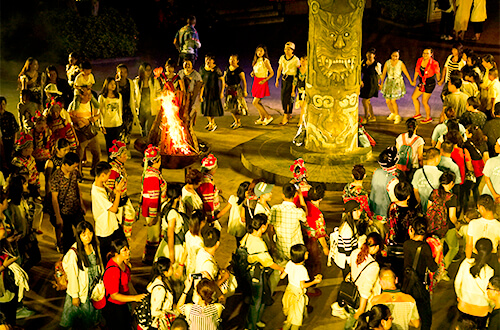 Yi Torch Festival Bonfire Gala
Bonfire Gala and Folk Performances
In the evening, bonfire events are held in village or festival squares. People sing and dance around bonfires, in which local youth and visitors may take part. Distinctive regional Yi dances such as Duoluohe and Datige are performed. Accompanied by traditional musical instruments and folk songs, bonfire galas often last late into the night.
Yi Traditional Clothing
Locals wear their festive finery during the festival, which typically includes embroidered tops, skirts, sashes and head ornaments. Differences in colours, embroidered patterns, styles and headdresses can be seen among various Yi subgroups and regions. Some patterns are associated with local natural surroundings and traditional culture. For visitors, attending the Torch Festival serves as an intuitive way to learn about Yi clothing culture.
Foods of the Torch Festival of the Yi Ethnic Group
Food is an important part of Torch Festival celebrations. During the festival, Yi families prepare traditional dishes to dine with relatives and friends.
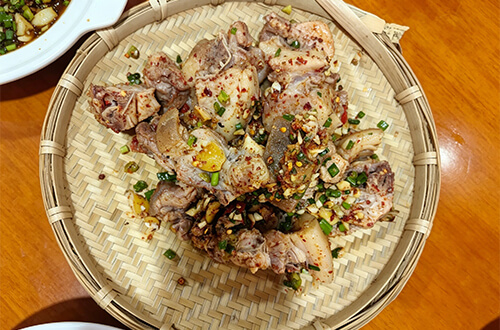 Tuotuo Meat
Tuotuo Meat: Tuotuo meat is one of the most representative traditional delicacies of the Torch Festival and is commonly served at Yi festivals and for receiving guests. Pork, mutton or beef is cut into large chunks, simply boiled, and eaten with dips such as salt and chilli.
Beef and Mutton Bone Soup: Yi people often serve beef and mutton bone soup to guests during the Torch Festival. Beef or mutton is simmered into soup and seasoned with local condiments before serving.
Yi-Style Cured Bacon: Bacon is made by salting pork and then air-drying or smoking it for long-term preservation. During the Torch Festival, sliced bacon is stir-fried, steamed or cooked with vegetables, delivering a savoury and aromatic flavour.
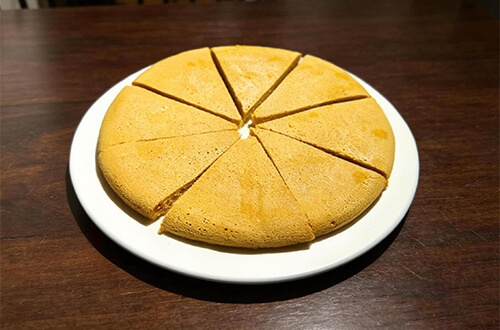 Tart Buckwheat Cakes
Charcoal-Grilled Meat: Pork and mutton are cut into chunks or slices, marinated with salt, chilli and other seasonings, then grilled over charcoal. People often sit around grilling and eating together during the festival, creating a strong festive atmosphere.
Wild Mushroom Hot Pot: The Torch Festival falls in the rainy season when wild mushrooms are in great variety. Wild-mushroom hot pot is a well-loved seasonal local delicacy. Prepared fresh wild mushrooms are cooked in hot-pot broth together with meat or vegetables for a rich earthy mushroom flavour.
Tart Buckwheat Cakes: This is a traditional festive staple for the Yi people. Made mainly from tart buckwheat flour, tart buckwheat cakes can be steamed, pan-fried or baked and feature a distinctive buckwheat aroma.
Visitors wishing to sample a wide variety of local food in one go can experience the Long-Street Banquet. Originating from ancient local collective sacrificial and celebratory customs, villagers place tables along streets and prepare assorted dishes for relatives, friends and guests. During the festival, dozens or even hundreds of tables may form one long continuous feast. People sit together to eat and chat, fully experiencing the local festive vibe.
Why Experience the Torch Festival of the Yi Ethnic Group?
The Torch Festival is one of the oldest and grandest traditional festivals of the Yi people. Visitors can witness fire-offering ceremonies, torch processions and folk song-and-dance performances, and learn about the Yi tradition of fire worship as well as festival customs linked to agricultural life. During the celebration, visitors may also watch traditional competitive events such as bullfighting, horse racing and wrestling to experience the lively festive atmosphere. Visitors can admire Yi traditional costumes including silver ornaments and pleated skirts, and taste local specialities such as Tuotuo meat, buckwheat cakes and mutton bone soup.
For travellers hoping to experience Yi festive events, traditional costumes, cuisine, folk music and customs all in one trip, the Torch Festival presents an ideal opportunity. For international visitors interested in China’s ethnic-minority cultures, observing and taking part in these festive activities offers a direct insight into the Yi people’s traditional culture and way of life.
Where to Experience the Torch Festival of the Yi Ethnic Group in China?
Xichang, Liangshan Yi Autonomous Prefecture, Sichuan
Xichang is one of the important places associated with the origin of the Torch Festival of the Yi Ethnic Group and a major host location, known as the “Oriental Carnival”. During the festival, local events include torch processions, Dati Dance, folk performances and ethnic sports competitions. Visitors may attend torch parades and song-and-dance shows according to local festival schedules to experience the local Yi festive atmosphere.
Chuxiong, Yunnan (Core Region of the Torch Festival of the Yi Ethnic Group)
Chuxiong is an important Yi-inhabited area in Yunnan and an important venue for the Torch Festival. Festive programmes cover fire-lighting ceremonies, torch processions, Yi folk dances, horse racing and wrestling. Visitors can further explore Yi culture by visiting local Yi villages, appreciating traditional costumes and sampling distinctive local food.
Shilin, Yunnan
Shilin is home to the Sani branch of the Yi ethnic group. Apart from joining traditional Torch Festival activities, visitors can tour the Shilin Stone Forest Scenic Area and explore Yi villages to learn about the Sani people's traditional costumes, folk music, dances and food culture. It offers a combined experience of natural scenery and Yi ethnic heritage.
Dali, Yunnan (Cultural Convergence of Bai and Yi Peoples)
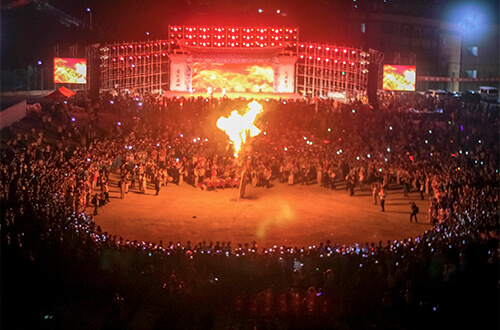 Torch Festival of the Bai Ethnic Group
The Torch Festival in Dali integrates the folk traditions of the Yi and Bai peoples. Here, visitors can experience Torch Festival customs of both ethnic groups. They may also tour ancient villages around Erhai Lake, appreciate Bai tie-dye and Yi embroidery, and sample multi-ethnic local delicacies, getting a taste of the cultural charms of two ethnic groups in one place.
Recommended Itinerary for Experiencing the Torch Festival of the Yi Ethnic Group
Day 1: Arrival in Dali
Upon arrival in Dali, check into the hotel and enjoy free-time activities.
Day 2: Yi Cultural Experience & Weishan Torch Festival
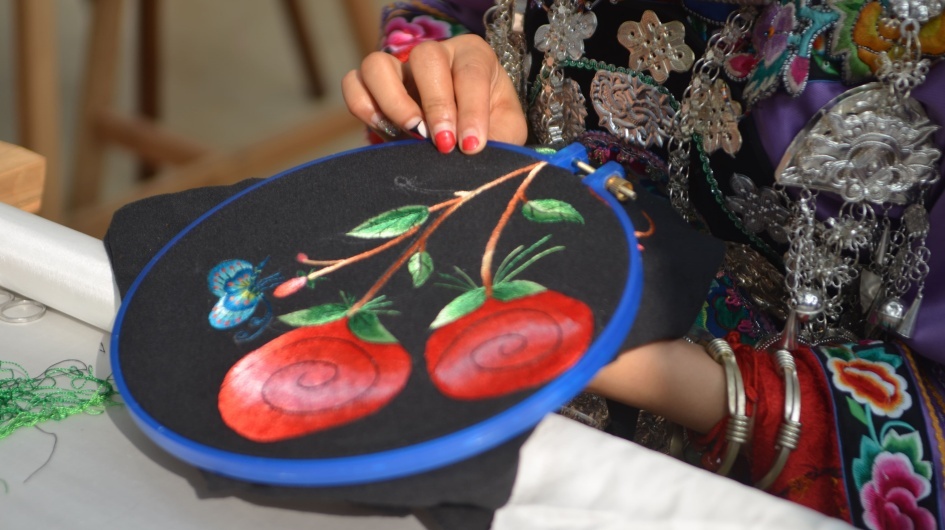 Yi embroidery
In the morning, travel to Diaocao Ancient Yi Village in Dali. Put on traditional Yi costumes, learn the time-honoured embroidery craft, and hand-make small Yi embroidery pendants. In the afternoon, head to Weishan Ancient Town to sample local delicacies including Weishan cross-river rice noodles, Yi Eight-Dish Feast and single-strand long noodles. In the evening, witness the lighting ceremony of large and small torches as well as the torch parade to soak in the festive vibes of the Torch Festival.
Day 3: Ancestor Worship at Weibao Mountain & Return to Dali
In the morning, visit Xunshan Hall on Weibao Mountain to observe the Yi native-god ancestor-worshipping ceremony. Join local residents in incense-burning for blessings and gain insights into traditional Yi sacrificial culture. Afterwards, tour Weibao Mountain and the Nanzhao Native-God Temple. In the afternoon, experience stove-side tea brewing in Weishan Ancient Town, then take the coach back to Dali to conclude this cultural tour of the Torch Festival of the Yi Ethnic Group.
China Educational Tours can create fully-customised itineraries tailored to your needs. Whether you wish to attend the Torch Festival of the Yi Ethnic Group, explore ethnic-minority villages, engage with local handicrafts or savour regional cuisine, travel duration, destinations and thematic activities can all be adjusted. Our custom-built tours deliver immersive cultural-learning experiences to suit your group’s interests, schedule and learning objectives.