- Home
- China Guide
- Travel Articles
- Experience China Bathhouse Culture in Northern China
Experience China Bathhouse Culture in Northern China
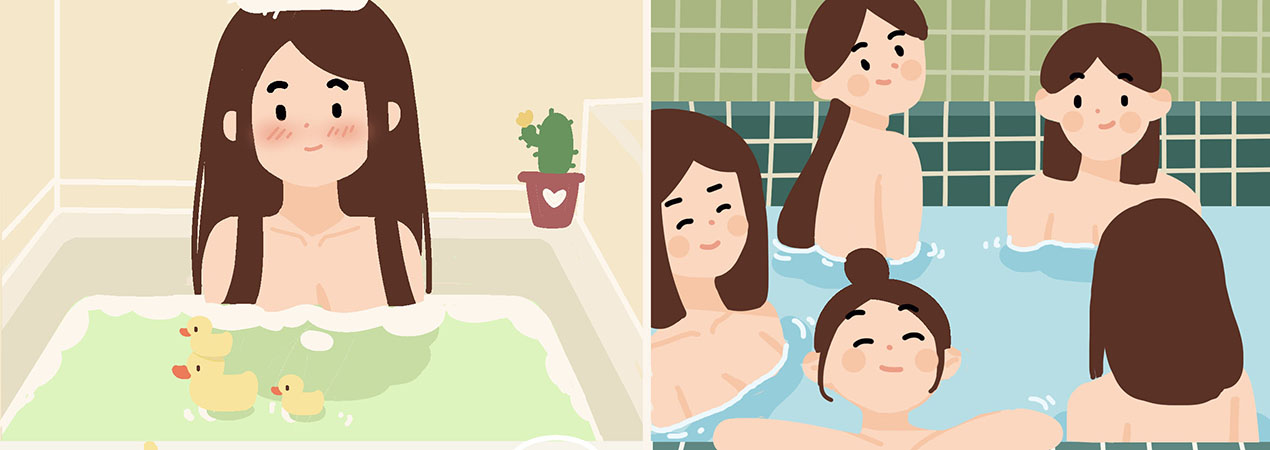
China’s bathing culture has a long history, which can be traced back to the oracle bone inscriptions of the Shang Dynasty. Given the cold climate, the demand for bathing is particularly prominent in northern China. In 1904, Dongshengtang—the first public bathhouse—was established in Harbin. With continuous development, its hardware facilities were gradually improved. As an industrial base, Northeast China saw factory and mine bathhouses drive the professionalization of bath scrubbing services. Since the reform and opening-up, bath centers have evolved into comprehensive leisure venues integrating bathing (including salt scrub, milk scrub, etc.), sauna, catering and entertainment. Renowned for their high cost-effectiveness, these centers have become important social hubs and daily necessities for northerners, embodying the unique bathing culture and lifestyle of the region.
China Educational Tours is committed to helping international tourists understand the real and vivid China through in-depth cultural experiences. Beyond being a simple means of cleansing and relaxation, bathing culture offers a window into the regional lifestyle and interpersonal philosophy of northern China. We believe that true travel lies in integrating into local daily life and feeling the cultural pulse that flows deep in life beyond what is written in books. Should you want to personally experience northern China's bathing culture charm, a special tour route that mixes historical exploration, city sightseeing and bathing experiences can be customized for you. With professional guided tours and cozy arrangements, you won’t just 'see' the scenery but also 'immerse' yourself in the culture. Get in touch with us directly, and you can start a warm journey in China.
Differences Between Northern and Southern Bathing Cultures
The essential differences between northern and southern bathing cultures reflect the variations in climate and living habits. Here are their distinctions listed below:
| Comparison Dimension | Northern Bathing | Southern Bathing |
|---|---|---|
| Spatial Layout | "Communal open space" - a social hub Spacious public bathing areas with no partitions, embodying the bold and straightforward social culture of "meeting face-to-face with complete openness". | "Private booth" - a personal enclave Mainly individual cubicles, emphasizing personal privacy and family space, clean and elegant. |
| Cleansing Method | A deep-cleansing ritual Professional scrubbing (with salt, vinegar or milk), aiming for a thorough "fresh start" - it's a real skill. | A quick daily shower Shower-based, using bath puffs, focusing on fast cleansing and dispelling dampness, a daily routine. |
| Frequency & Function | Infrequent social feast Longer bathing intervals due to dry climate. Bathhouses serve as multi-functional social venues for gatherings, discussions and relaxation. | Daily essential for cleanliness Showering every day is a living habit due to humid climate. Functions focus more on practicality and comfort. |
| Cultural Metaphor | A warm and unrestrained "social salon" | An exquisite and refined "private courtyard" |
Highlights of Northern China's Bathing Culture
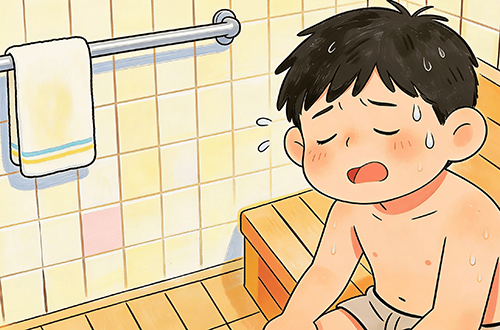
The unique trait of northern China's bathing culture is its 'sense of ritual' and 'multi-functional integration'. Its core process consists of a full routine: 'rinsing - soaking - scrubbing - sauna'. Bath water is divided into four temperature tiers (cool, warm, hot and scalding), and the impressive 'iron palm' scrubbing skills of pros, combined with new options like herbal steaming and sound therapy, deliver full physical and mental relaxation. Its most obvious trait is social interaction. Seventy percent of northerners' get-together needs are met by bathhouses, and a special social moment is created when people chat during their soak.
Moreover, 'cross-border integration' keeps taking the bathing experience to new levels. Northern bathhouses have turned into one-stop leisure hubs, with everything from seafood buffets and starry cinemas to script murder games and AR virtual scenery. Special services including 24K gold foil baths and ice-snow hot springs have also appeared, pushing the limits of leisure.
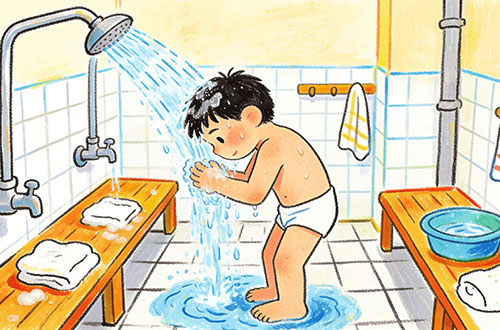 Rinsing
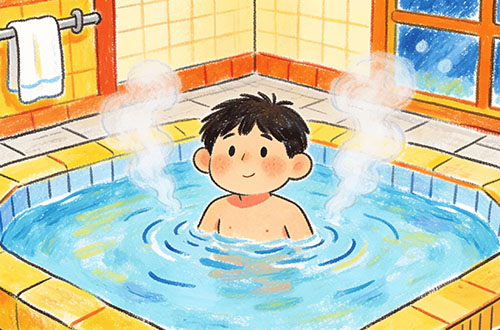 Soaking
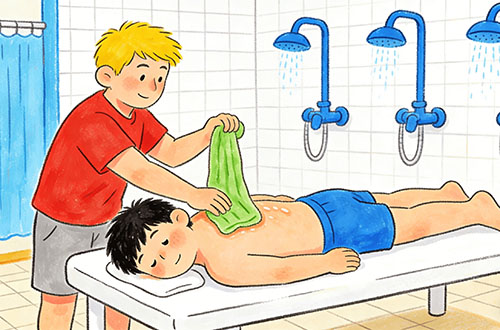 Scrubbing
 Sauna
Sauna
What Are the Types of Characteristic Bathing Services in Northern China?
Traditional Public Bathhouses
Traditional public bathhouses are down-to-earth communal spaces that hold memories of generations, and they fulfill both cleansing and social roles. Simple yet practical, their facilities include ceramic-tiled floors as well as basic amenities like lockers and benches. With clear interior zoning, they have not only shower areas but also soaking pools divided into three temperature levels: high, medium and low. Scrubbing is the signature service here. Special scrub towels are used by attendants to slough off dead skin cells, which northerners recognize as a 'thorough cleanse'. The extra special part is that people chat and catch up while soaking in warm water, and these bathhouses have been turned into truly unique social hubs by the relaxed atmosphere.
Siutable for:Travelers who love experiencing the most authentic northern bathhouse culture full of the charm of everyday urban life.
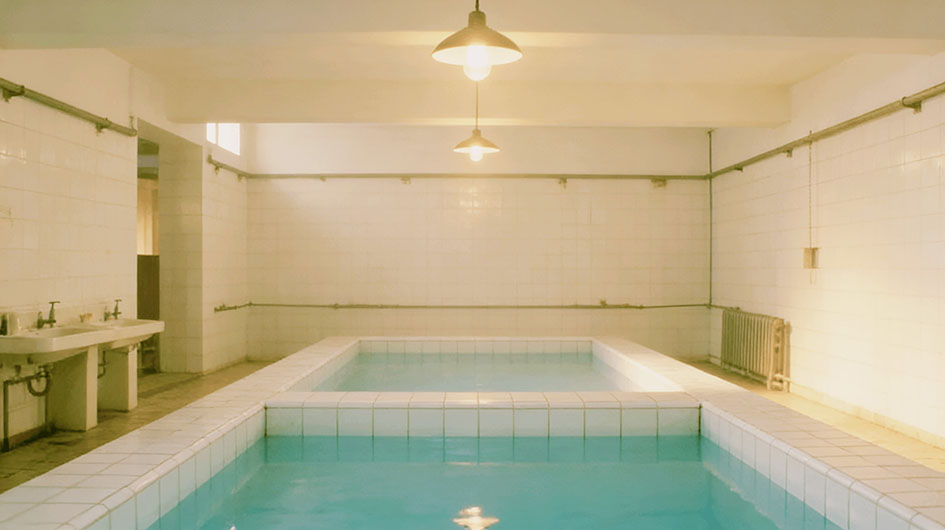 Traditional public bathhouse
Bathing Clubs
Bathing clubs are the modern upgraded version of traditional bathhouses. Integrating bathing, leisure, wellness and socializing functions, they are popular one-stop leisure destinations loved by the public. They retain traditional facilities including shower areas, multi-temperature soaking pools and professional scrubbing zones, while adding wellness areas like steam rooms and saunas, as well as leisure spaces for dining, movies and esports. These clubs offer diverse wellness services such as massage and foot reflexology, and provide complimentary bath products and sauna suits; some high-end clubs even supply premium bath and hair care sets.
With various price ranges, they adopt a 'ticket + optional services' pricing model. Catering to both budget-friendly and light luxury needs, they serve as ideal venues for family gatherings and business relaxation.
Siutable for: Travelers experiencing northern China's bathing culture for the first time and looking for a one-stop solution to all leisure activities.
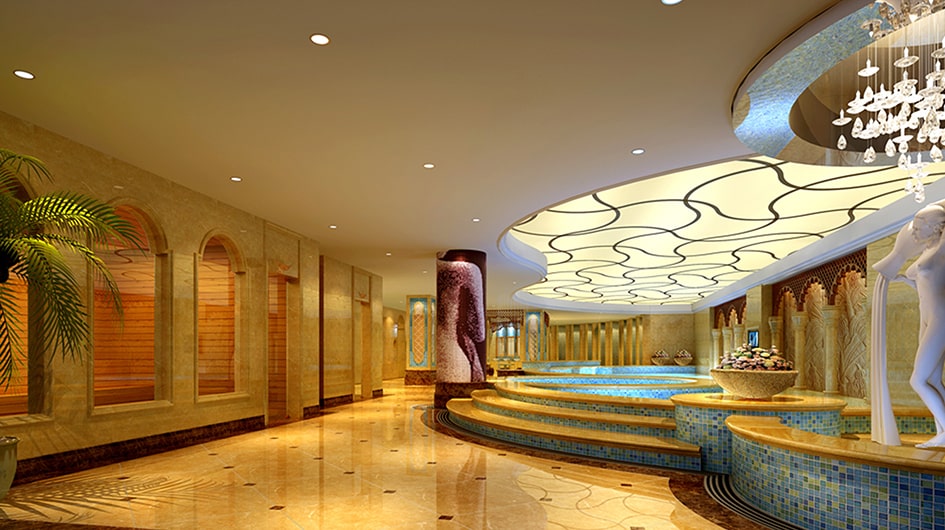 Luxuriously decorated bathing club
We will seamlessly weave the bathing experience into your customized travel itinerary. After a full day of exploring the city's historical attractions, you’ll be escorted to a high-end bathing club to unwind.
Sacred Places of Northern Bath Culture: Must-Visit Cities for an In-Depth Experience
The bathing culture of Northern China is extensive and profound. But if you want to know where to experience the most diverse and authentic bathing services, the following cities are undoubtedly your top choices. They are not only geographical landmarks but also living museums and inheritance hubs of bathing culture.
Beijing
Beijing, a city rich in history and culture, mixes tradition with modernity in its bathing culture. Founded in 1905, the time-honored Qinghua Chi and similar spots focus on "Traditional Foot-Care Techniques," a national intangible cultural heritage. This is a diagnostic and therapeutic system that uses traditional Chinese medicine to treat foot problems. It has evolved into a health management brand with multiple branches. Meanwhile, modern bath centers like Water Wrap · Tangquan Life adopt the "urban micro-getaway" concept. They offer minimalist artistic design, indoor and outdoor hot spring pools, and a complimentary dining area featuring seasonal fruits and Haagen-Dazs ice cream. Combined with leisure facilities such as a reading lounge, KTV, and game zones, they have become popular comprehensive leisure spaces for young people.
Shenyang
Shenyang's bathing industry is diverse, known for its comprehensive services and high cost-effectiveness. For example, Qinghe Peninsula Hot Spring features various functional pools including Chinese-style wellness pools, Japanese-style baths and a parent-child water park, with its spring water sourced from natural mineral-rich underground springs. Shenyang's bath centers are large in scale and diverse in business formats, covering bathing, catering, entertainment and accommodation, which embodies the distinctive characteristics of Northeast China's bathing culture.
Harbin
Harbin's bath venues are often combined with large-scale entertainment projects. Harbin Galaxy Joy World is an all-season one-stop tourism and holiday complex with a total construction area of 80,000 square meters. It is internally divided into five sections: an exciting water park, a premium bathing area, themed guest rooms, a food court and a banquet hall. The bathing area offers high-end bathing services and is equipped with leisure facilities such as starry sky tents and trendy cinemas. The water park includes parent-child water activities like a constant-temperature swimming pool and high-speed slides.
Changchun
Changchun's bath venues blend diverse styles. Gokurakuyu, a brand originating from Japan, runs a branch here and focuses on authentic Japanese hot spring bathing culture, offering various Japanese-style signature baths such as carbonated baths and skin-beautifying baths. As a chain brand, Gokurakuyu usually also provides supporting services including Japanese cuisine and massage SPA, allowing tourists to experience genuine Japanese hot spring aesthetics.
Suggested Travel Route for Northern China Bathing Culture Experience
Day 1
Start from Beijing, take the high-speed rail to Shenyang. After arrival, check in, take a short rest to adapt to the climate and environment of Northeast China, and recharge for the subsequent itinerary. In the afternoon, wander around Shenyang Middle Street Pedestrian Street. This historic commercial street with nearly 400 years of history boasts both time-honored brands like Cuihua Gold Store and modern shopping malls.
Day 2
In the morning, explore the Shenyang Imperial Palace, the Shengjing palace of the Qing dynasty before its entry into China proper. You can walk along the East Road to see the Hall of Great Affairs and the Ten Prince Pavilions, experiencing the unique layout that reflects the Eight Banners system. In the afternoon, visit Marshal Zhang's Mansion. Step into this three-courtyard quadrangle residence built in the style of a prince's mansion and the Great Blue Building to learn about the eventful histories of Zhang Zuolin and his son Zhang Xueliang. In the evening, head to 'Yazhi Yongle Hui' to experience Shenyang's modern bathing culture. In a comfortable and elegant environment, wash away the fatigue of the day, enjoy characteristic services like body scrubbing, and feel the local way of relaxation.
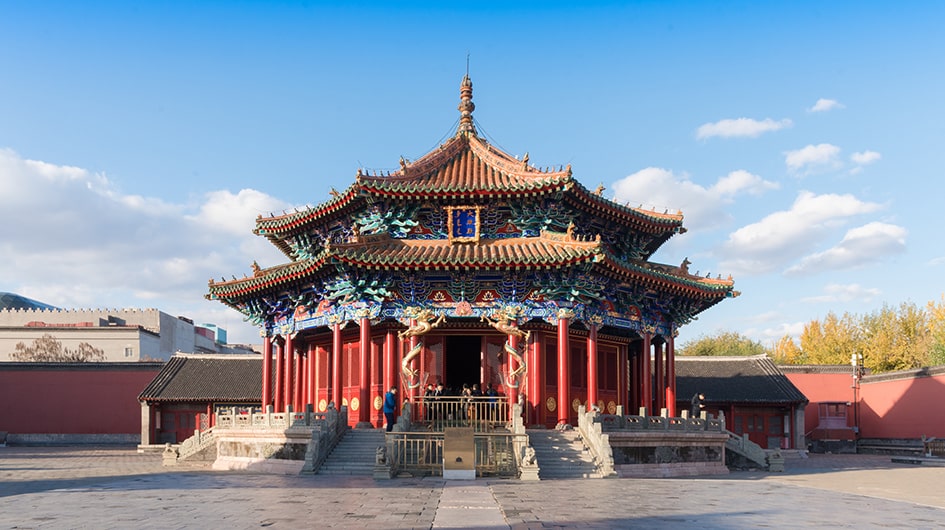 Shenyang Imperial Palace
Day 3
Start your relaxing day trip at Qinghe Peninsula Hot Spring in the morning. Featuring Nordic-style decor, it boasts a variety of indoor and outdoor functional hot spring pools, a water park, and a year-round heated lazy river. In the afternoon, head to Liaoning Provincial Museum and visit its permanent exhibitions such as Ancient Liaoning. If you happen to travel during the summer vacation (July-August), the museum extends its opening hours until 6:00 p.m. As night falls, make sure to visit Xita Street. This century-old street with Korean ethnic style glows brightly with colorful lights. Enjoy an authentic Korean barbecue or ginseng chicken soup here and experience the vibrant, bustling night life.
Day 4
In the morning, take a high-speed train from Shenyang to Harbin and head straight to Zhongyang Street upon arrival. Step onto the century-old cobblestone street, check in at the Baroque-style buildings, and taste the creamy and rich Madeleines Popsicle. In the afternoon, take a 10-minute walk to Saint Sophia Cathedral. The Russian-style building with red walls and golden domes is extremely stunning. Afterwards, go to Taiyanggu Hot Spring to experience Harbin's distinctive bathing culture. Warm up in the sauna room to drive away the chill, enjoy a comfortable leisure time and relieve travel fatigue.
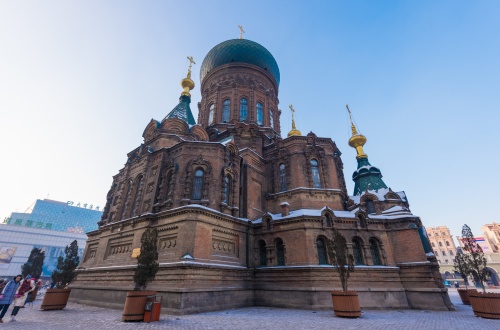 Saint Sophia Cathedral
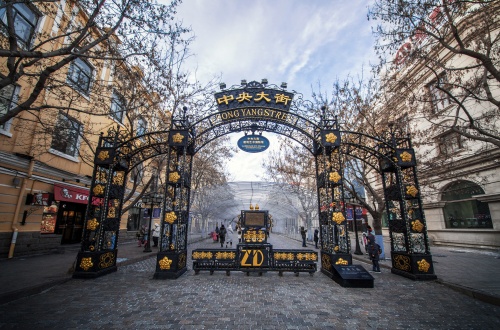 Zhongyang Street
Day 5
In winter, you can visit the Ice and Snow World. The stunning landscapes crafted from 400,000 cubic meters of ice and snow will amaze you. Watch the intelligent light shows and other programs to experience the charm of ice sculpture art and ice-snow entertainment. In summer, opt for a tour of Sun Island , wander along the forest boardwalks and admire the wetland scenery and European-style architecture. In the afternoon, head to Oedo Onsen. Check in at the outdoor hot spring pools and enjoy a unique bathing experience surrounded by snow in winter or lush greenery in summer. Try the bathing and sauna services, relax in the lounge area, taste local specialties like frozen pears and fruit salads, and savor the cozy time.
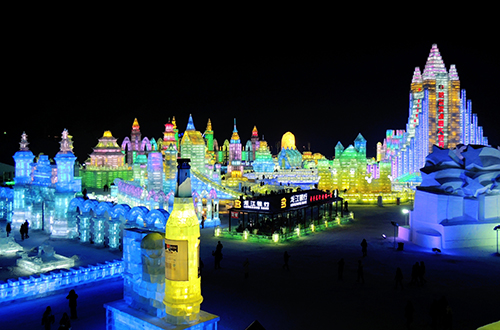 Ice and Snow World
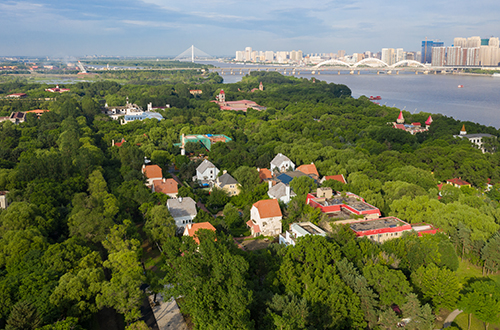 Sun Island
Day 6
In the morning, you can visit the Heilongjiang Provincial Museum to systematically learn about Heilongjiang's natural history, ancient civilization and ethnic customs. After the visit, according to your flight or train schedule, buy some local specialties such as red sausage and rye bread as souvenirs on Central Avenue or Gogol Street. Then head to the airport or railway station to end this Northeast China trip that combines history, culture and leisure.
If you are interested in China's unique bathing culture and wish to include it in your China travel itinerary, feel free to contact China Educational Tours. We will design a travel plan featuring this distinctive cultural experience for you and tailor a warm and in-depth journey through China.
Drop us a line and we'll connect you with the top China expert in no time!