- Home
- City Tours
- Yunnan Tours
- 6-Day Volunteer Teaching & Cultural Exchange Tour
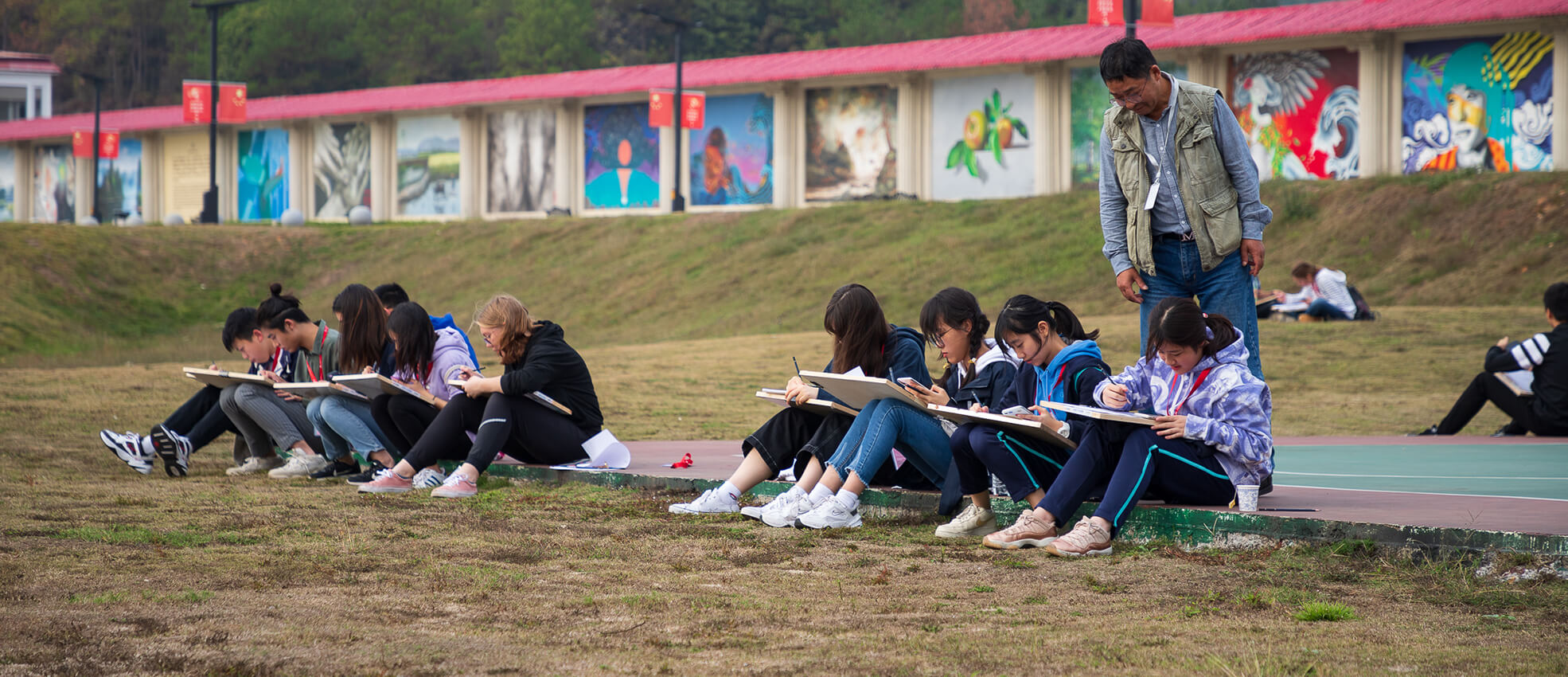
Volunteer Teaching & Cultural Exchange Tour
This 6-day charity study program starts a special learning trip in Chuxiong, Yunnan—a border area with rich culture. Participants will live and study with mountain village kids, using nature as their textbook, the earth as teacher, and wilderness as study partner. They’ll get real environmental education in the big landscapes. Staying in traditional Dai villages, they’ll experience true Yunnan rural life, like the "Longing for Life" lifestyle.
Itinerary at a Glance
| Day | Location | Highlights |
|---|---|---|
| D1 | Kunming | Arrive in Kunming, check into hotel and rest; afternoon, attend teaching preparation meeting (learn teaching process, master knowledge delivery methods), hold opening ceremony (self-introductions, ice-breaking games, group division, learn activity content) |
| D2 | Kunming-Mayou Village | Go to Mayou Village, join Yi "Jiedui Zi" activity (pair with Yi child), learn Yi friendship rules, wear Yi clothes, visit homes and exchange gifts; afternoon, give first teaching session to local kids, visit elders and children's homes (hand out care packages), learn Yi "Meige chanting" |
| D3 | Mayou Village | Morning, give second teaching session (refine curriculum and methods); afternoon, do village environmental survey (observe facilities, interview villagers to learn about industries/income), carry out "No Littering Campaign" (clean public areas, sort waste, promote conservation rules) |
| D4 | Mayou Village | Morning, give third teaching session (refine design with feedback); afternoon, learn Yi embroidery (know its history, practice stitching), make Meicaigan (learn ingredient selection, sun-drying/preserving), learn Yi dances and songs |
| D5 | Mayou Village-Guanglu Ancient Town-Kunming | Morning, visit Guanglu Ancient Town (explore historic sites, take photos), return to Kunming by coach; afternoon, visit Yunnan Railway Museum (learn railway history and its link to Belt and Road), enjoy Peacock Banquet, attend closing ceremony (share experiences) |
| D6 | Kunming | Pack luggage and study tour materials, depart |
Trip Highlights
- Cultural immersion through Yi ethnic pairing and home visits in Mayou Village.
- Practical teaching experience with local children across multiple sessions
- Learning intangible cultural heritage like Meige chanting and Sani embroidery
- Environmental engagement with village surveys and clean-up activities
- Hands-on experiences in Yi cuisine, dance, and a festive bonfire night
- Historical exploration at Guanglu Ancient Town and Yunnan Railway Museum
Tour Essentials

Quality
No Shopping Traps

Group Type
Private

Tour Focus
Volunteer teaching, Cultural Experience

Accommodation
Nights:5

Best Season
Spring, Summer, Autumn, Winter
Full itinerary for Volunteer Teaching & Cultural Exchange Tour
After arriving in Kunming, proceed to the hotel for check-in, followed by a short rest to adjust and acclimate to Kunming's climate and environment.
Conduct teaching preparation meetings in conference rooms or classrooms, with content including learning the complete teaching process, mastering knowledge delivery methods, clarifying the relationship between teaching and learning, and achieving the course objectives of learning to teach processes and elements. Hold a fun opening ceremony, including self-introductions by participants, mutual exchanges and ice-breaking games, group division, and staff introduction of the activity content and procedures.
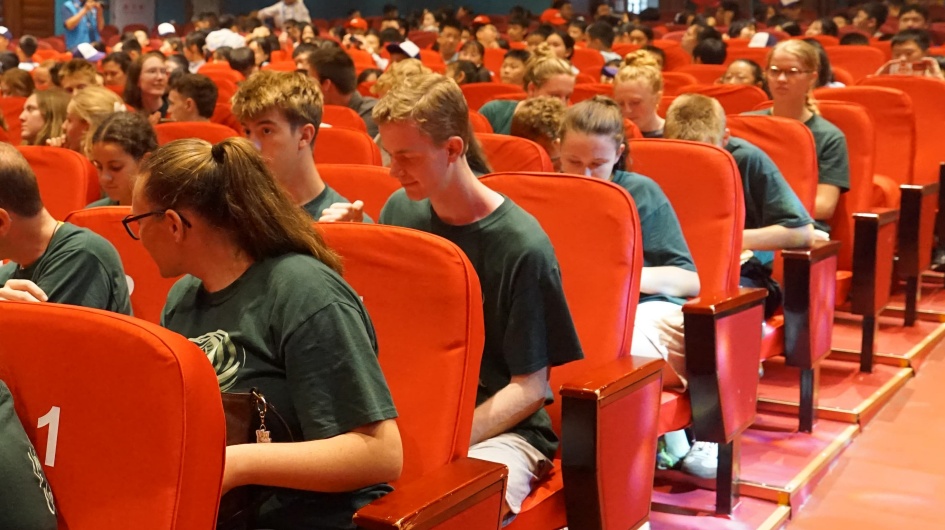 Teaching preparation meetings
Your Journey's Rewards:
Learn basic teaching steps and key parts, figure out how instruction and learning connect, build peer relationships through interactive activities, and get a simple grasp of Yunnan's history and culture—laying full groundwork for later volunteer teaching and experiential programs.
Educational Focus:
What role do volunteer teaching preparation courses play in understanding the interactive relationship between 'teaching' and 'learning'?
Takeaway:
The volunteer teaching prep curriculum looks at teaching methods and knowledge transfer skills in a systematic way. It builds a two-way "teaching-learning" understanding framework, explaining how teachers' guidance and students' knowledge building interact. Its "learning-to-teach" steps focus on a cycle of prep study, group learning and reflective practice. The orientation's icebreakers and group activities copy real classroom interactions, helping develop the ability to observe and adapt to different learning styles. These prep steps help participants fully understand the Confucian idea of "teaching and learning improving each other". They also give participants ways to keep improving teaching—by checking needs, designing interactions and evaluating results—laying groundwork for lasting teaching mutual benefit in later volunteer teaching.
Thought Challenge:
How to adjust teaching methods flexibly to different scenarios in practical volunteer teaching, and mix Yunnan's historical and cultural elements into classes, so as to keep the balance between "teaching" and "learning" dynamic?
When leaving Kunming for Mayou Village, people join the Yi ethnic "Jiedui Zi" (pair-bonding) activity on arrival—to make friends with a local Yi child. Next, they learn Yi friendship rules, how to adapt to the culture, and ways to engage with ethnic minorities. After changing into traditional Yi clothes, the paired companion takes them to explore the hometown, visit homes for real-life experiences, and exchange carefully prepared gifts.
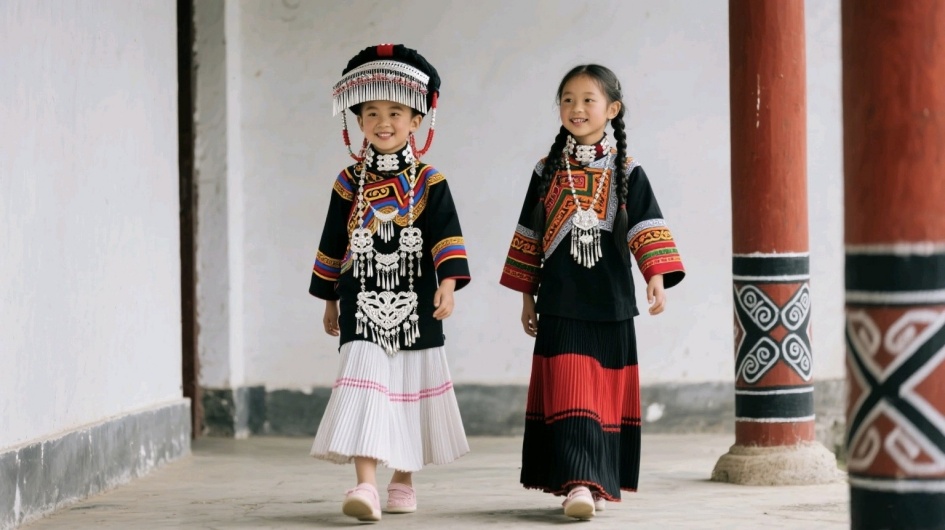 Children of the Yi ethnic group
In Mayou Village's first teaching session, well-prepared lessons are given to local kids of different ages—helping see learning's importance through teaching. Then group visits go to local elders' and children's homes: care packages are handed out, and warm, sincere talks happen to pass on care. Next, Yi ethnic intangible heritage "Meige chanting" is taught. Those who keep this heritage explain that "Meige" includes Yi folk songs, dances and oral stories—it's like the ethnic "family tree" and "encyclopedia", holding their history and life. Now it's a national intangible heritage, and basic chanting skills are trained on-site.
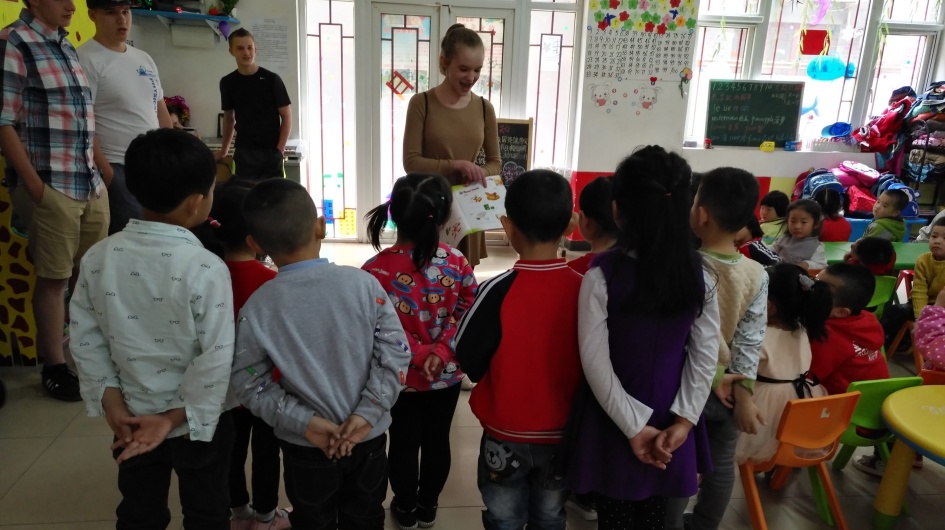 First teaching session
Your Journey's Rewards:
Build deep bonds with ethnic minority children, finish the first teaching experience, improve expressive and adaptive skills, take part in Yi Intangible Cultural Heritage, and develop compassion with social responsibility.
Educational Focus:
How do cross-ethnic pairing and teaching activities specifically affect personality development?
Takeaway:
Daily cross-cultural interaction happens through the pair-bonding activity. Sharing customs and listening to stories helps understand differences, accept diversity, and build deep respect for culture. Teaching practice includes preparing lessons, giving classes and solving problems. The weight of educational responsibility builds accountability, and children's trust also helps build confidence. Care activities show kindness: help vulnerable people, spread warmth, and each kind act makes moral character stronger. These three elements support each other to help people develop fully. Learning to sing Meige lets people touch ethnic memory through old melodies, which deepens sensitivity to and understanding of ethnic culture a lot.
Thought Challenge:
How to keep cross-ethnic friendships as long-lasting bonds that help cultural exchange and mutual development, and at the same time let more teenagers know about Meige cultural heritage?
When doing the second teaching session in Mayou Village, refine curriculum content and teaching methods from the initial experience. Different local student groups get the lessons; repeated teaching enhances teaching skills while stirring learning motivation.
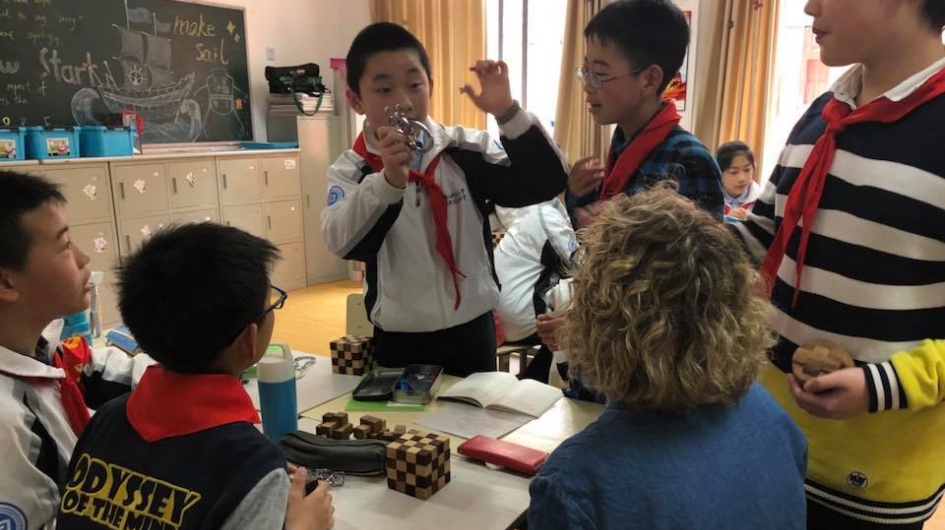 Try interacting with the children
Do a village environmental survey : groups observe internal paths, housing layouts, public facilities and surrounding natural ecosystems. Interview villagers to find out the main industries, operation models and income structures, then fully record mountain village living conditions and real economic development. For the "No Littering Campaign", staff first explain required behaviors and why protecting the environment matters. Then, groups clean public areas , sort waste into designated bins, and promote village conservation rules.
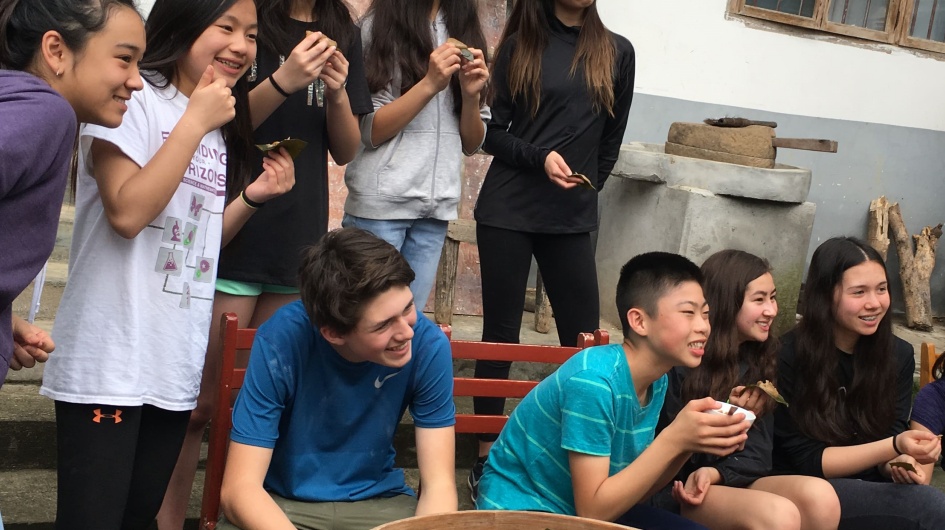 Interview villagers
Your Journey's Rewards:
Teaching skills get much better, mountain village life and economic conditions are understood thoroughly, environmental awareness and practical conservation ability grow stronger, and solid social accountability is developed.
Educational Focus:
Village environment surveys and environmental protection actions can bring about what insights regarding society and ecology?
Takeaway:
Direct contact shows mountainous regions are less developed and urban-rural resource allocation is uneven, making people deeply see how serious the regional gaps are. When joining environmental activities, like bending to pick up plastic bottles from streams or planting drought-resistant saplings, sweat and sprouting shoots let people feel it firsthand: ecological conservation isn't just a far-off slogan, but a real responsibility in daily acts. This hands-on awareness turns sustainability consciousness from knowing to believing, laying the ground for active action.
Thought Challenge:
How to turn rural conservation methods into ecological protection rules that work everywhere, and at the same time make long-term environmental improvement plans fit for local realities to push more environmental improvement efforts?
When doing the third teaching session in Mayou Village, people refine the course design using prior instructional feedback. Different local student cohorts get the lessons; repeated teaching practice lifts pedagogical skills while deepening understanding of how "teaching" and "learning" relate dialectically.
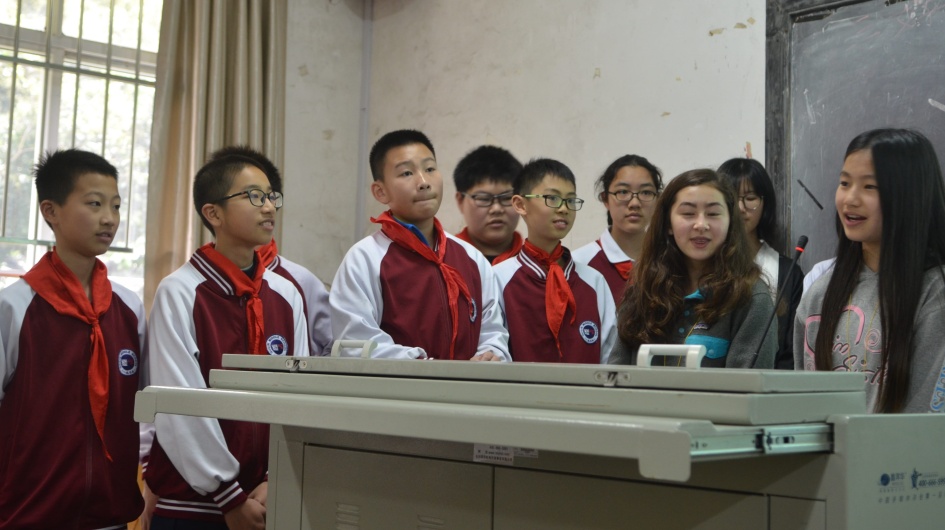 The children share the knowledge they have learned.
Yi embroidery is experienced with an inheritor, who introduces Sani embroidery's history (it's in China's second national intangible cultural heritage list), shows fine works, and explains stitching skills and what patterns mean. Then hands-on practice helps finish a small task. Next comes making Meicaigan —a preserved mustard green dish. Local villagers guide ingredient selection, washing, sun-drying and preserving, and point out its health benefits: cutting heat, cleaning digestion, boosting appetite, easing coughs. To end the program, local artists teach Yi dances and songs ; basic moves, rhythms and traditional tunes are explored to feel cultural vitality.
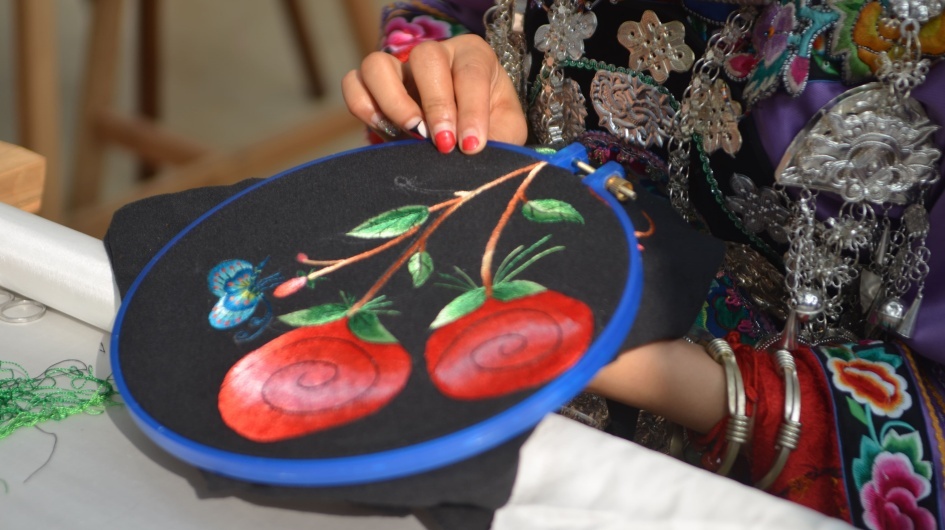 Sani embroidery
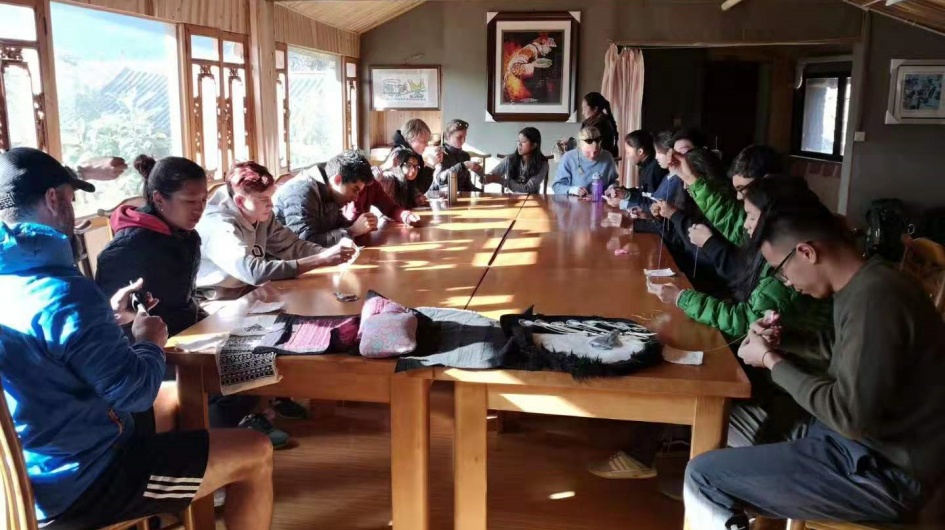 Try Sanni embroidery
Your Journey's Rewards:
Enhanced instructional skills let people immerse deeply into the Yi ethnic intangible cultural heritage techniques and dietary culture. Experiencing the unique vitality of ethnic song and dance strengthens cultural identity noticeably and fosters deep appreciation for ethnic culture.
Educational Focus:
What significance does an immersive experience of Yi culture have for understanding cultural diversity?
Takeaway:
When participants engage directly with Yi embroidery, preserved mustard greens and song-dance traditions, they get immersed in the culture's unique richness. Watch embroidery designs with eagles, torches and terraced fields—you'll see they hold the group's shared historical memories. Make preserved mustard greens: use mountain-sourced ingredients and techniques that fit the plateau climate, and this shows how to adapt to the environment. Practice left-foot dance and ancient ballads (rooted in labor and rituals) to find expressions of group emotions and social rules. These real experiences help you clearly understand Yi culture's uniqueness, prove all ethnic traditions are part of Chinese civilization, and so build smart respect for cultural differences while strengthening confidence in our culture.
Thought Challenge:
As cultural integration accelerates, how to innovate ways to pass Yi ethnic intangible cultural heritage techniques?
Visit Guanglu Ancient Town , which is 12 kilometers north of Yao'an County, Chuxiong Prefecture, Yunnan. It has a long history, beautiful views and many cultural relics, keeps lots of good tourist spots, and is called "A Famous Cultural Hub of Western Yunnan" and "Hometown of Flower-Lantern Opera." In the Nanzhao and Dali kingdoms, the Yao'an Gao Clan were high-ranking officials; later, they became hereditary local magistrates in the Yuan, Ming, and Qing dynasties. An activity allows exploration of the town's key historic sites and photo-taking with them, showing the ancient town's deep heritage. Coach transport back to Kunming follows afterward.
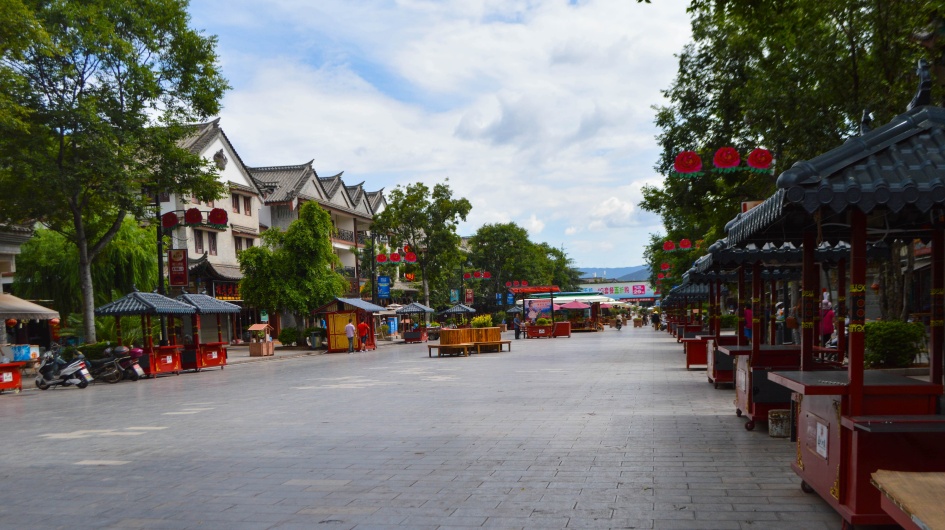 Guanglu Ancient Town
The Yunnan Railway Museum visit—housed in Kunming North Station's original waiting hall, the historic Yunnan-Vietnam Railway starting point—looks at over ten thousand cultural artifacts that show the province's resilient spirit. Guided exploration tells the railway's century-long evolution and highlights the museum's key role in preserving regional rail development history. Insights also cover analyzing how the China-Laos Railway connects with the Belt and Road Initiative and its regional socioeconomic impacts. Evening brings a Peacock Banquet with ethnic food; then a closing ceremony has group representatives share experiential learnings, ending with a full reflection on study tour achievements.
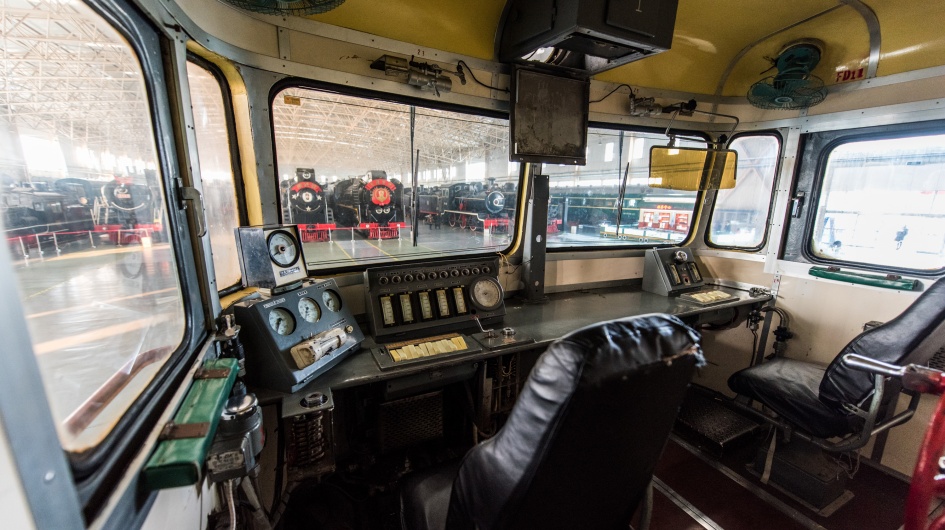 Inside of railway
Your Journey's Rewards:
Experience ancient towns' deep history and culture, learn Yunnan railways' development process and their link to national strategies. Share and summarize travel insights to deepen understanding of study tour significance and boost awareness of cultural heritage and times' development.
Educational Focus:
What insights about historical heritage and times' development can be gained from ancient towns' history and railway development?
Takeaway:
The ancient town shows continuous historical and cultural links; its preserved heritage sites are living proofs of the past. Railway development proves progress from modern to contemporary times, showing history as the base for advancement. Current chances like the Belt and Road Initiative push regional growth—a process needing a balanced mix of preservation and innovation.
Thought Challenge:
How can integrated development strategies combine Chuxiong's historical-cultural resources with modern transportation advantages well, to make cultural preservation and economic advancement progress together?
Pack personal luggage and study tour materials for departure.
This tour is suitable for: Students, Teachers, Schools, Educational Groups
What’s Included
- Air-conditioned vehicles
- Carefully selected comfortable accommodations
- All mentioned activities and entry fees included
- Daily breakfast and dinner provided
- Accompanied by expert local guides
- Accidental injury insurance fee
Hotel Options
| City | Deluxe | Comfortable |
|---|---|---|
| Kunming | Zhouji Hotel | Kunming Tang Golf Hotel |
| Chuxiong | Jiayuan Hotel | Yihua Yishijie Banshan Hotel |
Wechat & WhatsApp: +86-13471279378