- Home
- City Tours
- Yunnan Tours
- 6-Day Yunnan Ecology Discovery Tour
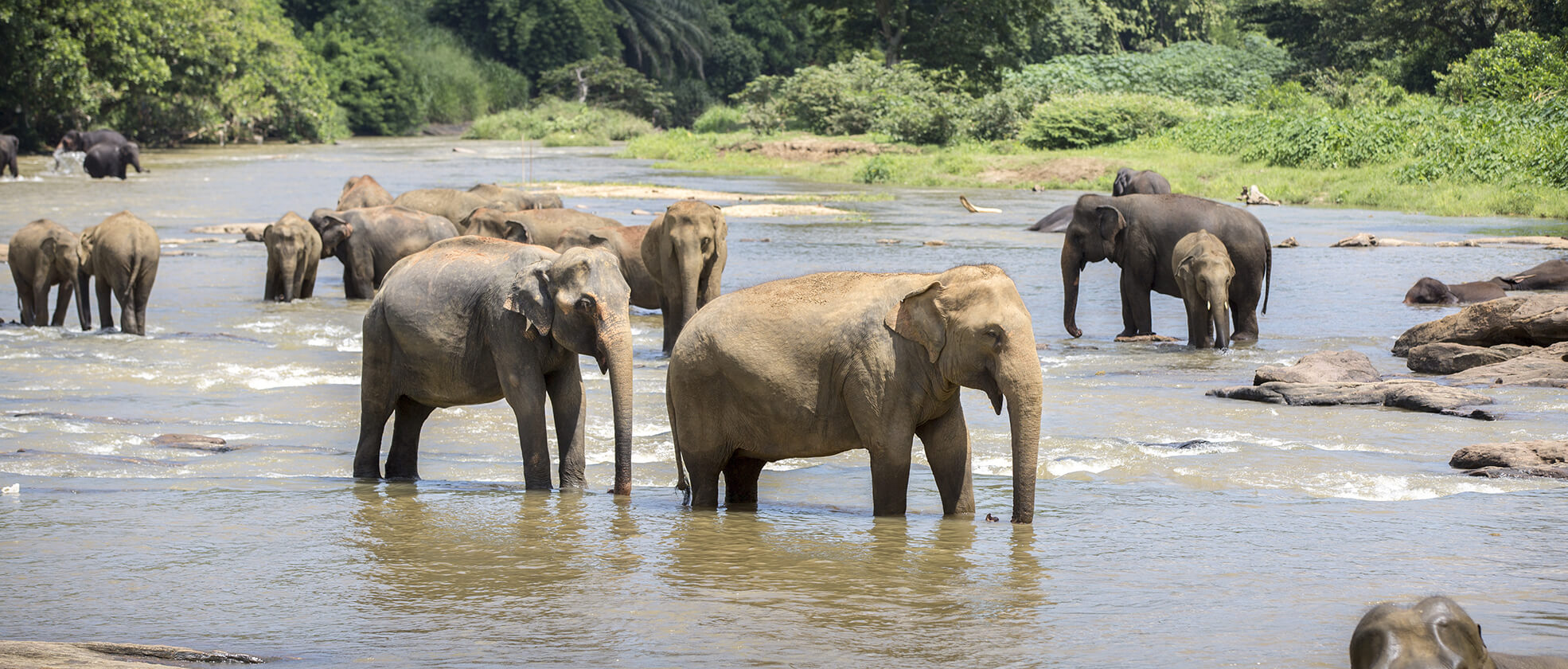
Yunnan Ecology Discovery Tour
This 6-day, 5-night Kunming-Xishuangbanna study tour, with the theme "Experiencing Ethnic Culture, Understanding the Belt and Road, and Protecting Ecological Civilization," goes from exploring history at National Southwestern Associated University to learning about Asian elephant protection at Wild Elephant Valley. It continues with studying rainforest ecology at CAS Tropical Botanical Garden, tracing old trade along the Tea-Horse Road, then living Dai intangible heritage activities in Manzhang Village, ending with learning about modern farming at Jinning Flower Base. Mixing field research and hands-on activities, the program helps gain knowledge and grow through experience.
Itinerary at a Glance
| Day | Location | Highlights |
|---|---|---|
| D1 | Kunming | Arrive in Kunming, check into hotel and rest; visit Southwest Associated University old site and museum (learn its history via artifacts/texts, feel scholarly atmosphere) |
| D2 | Kunming - Xishuangbanna | Take high-speed train to Xishuangbanna; visit Asian Elephant Museum, walk plank road to observe elephants, feed elephants, attend protection briefing; stroll Gaozhuang, visit night market, try Dai snacks |
| D3 | Xishuangbanna | Visit botanical garden (recognize rare plants, learn plant knowledge); go into valley rainforest (identify four plant wonders, learn rainforest protection, discuss rubber tree economy) |
| D4 | Xishuangbanna | Take battery car tour of tea gardens, ride horse to explore ancient road; learn about ancient road’s history/routes/role and "Belt and Road", visit caravan post; pick tea, process tea, draw "Belt and Road" route maps |
| D5 | Xishuangbanna - Kunming | Learn Dai culture’s eight elements (use Beidou system to study), try palm-leaf engraving, make traditional paper, learn elephant-foot drumming; taste Dai peacock meal, watch Dai dances; return to Kunming by bus |
| D6 | Kunming | Visit Jinning Flower Base (see flower industry chain, try picking flowers); join flower auction (act as auctioneers); group discuss flower industry’s future and share ideas; end journey |
Trip Highlights
- Get a good grasp of Southwest Associated University's history
- Take part in the Asian elephant conservation program
- Learn about tropical rainforest ecology
- Immersively experience cultural links between the Tea Horse Road and the Belt and Road
- Dive into Dai culture
- Learn the whole chain of Yunnan's flower industry
Tour Essentials

Quality
No Shopping Traps

Group Type
Private

Tour Focus
Ecology, Culture

Accommodation
Nights:5

Best Season
Spring, Summer, Autumn, Winter
Full itinerary for Yunnan Ecology Discovery Tour
Upon arriving in Kunming, check in at the hotel, then rest briefly to adjust and get used to the city's climate and environment.
Visit the old site of the Southwest Associated University and enter its museum. Through precious historical artifacts and texts, learn about the tough journey of the three schools moving south to form it during the War of Resistance. At the old site, in former classrooms and libraries, feel the scholarly air where masters once studied, and think about its deep impact on Chinese education and academia in hard times.
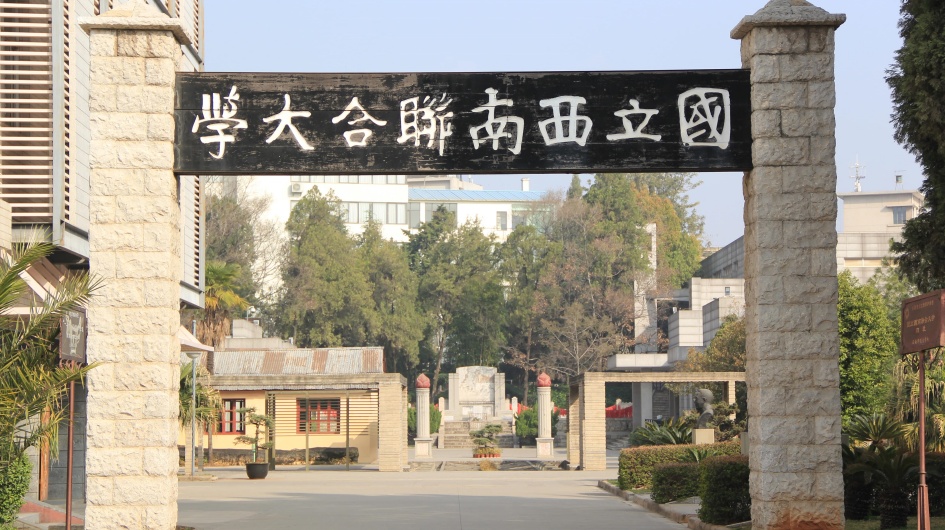 The Southwest Associated University
Your Journey's Rewards:
Deeply understand the tough founding and growth of the Southwest Associated University during the War of Resistance, and feel the scholars' scholarly spirit and patriotic feelings.
Educational Focus:
How did the Southwest Associated University lay the basis for China's modern higher education system during the War of Resistance Against Japan, while meeting urgent social needs through cross-disciplinary mixing and flexible course design?
Takeaway:
To meet wartime's special challenges, the Southwest Associated University broke traditional subject barriers by using a "general education" approach mixing arts, sciences, and engineering. This innovation kept basic subjects systematic and served the war directly, adding applied subjects like radio technology and military medicine, badly needed then. The Southwest Associated University used flexible teaching systems such as the "credit system" and "elective system," letting students take courses across departments to train versatile talents with deep academic knowledge and practical problem-solving skills. In very hard conditions, the Southwest Associated University set an educational idea of "academic freedom and inclusiveness." It not only supported wartime talent training but also set a model of "balancing national service and academic excellence" for China's modern higher education. Its educational ideas still inspire today.
Thought Challenge:
Nowadays, how can the spiritual strength in Southwest Associated University be turned into practical actions for teenagers to overcome difficulties and pursue ideals in studies and daily life?
Head to Kunming South High-speed Railway Station and take a high-speed train to Xishuangbanna. During the journey, research mentors will introduce Xishuangbanna's geographical features, climatic characteristics, main ethnic groups and basic overview, laying a preliminary understanding of Xishuangbanna.
Arrive at the Wild Elephant Valley. Visit the Asian Elephant Museum to learn about Asian elephants' evolutionary history, physiological characteristics, living habits and other knowledge. Through specimens, models and multimedia displays in the museum, the charm of Asian elephants can be felt intuitively. Enter the Asian elephant ecological homeland, walk along the elevated elephant-watching plank road to observe the activities of wild Asian elephants (visible if lucky), and learn about their foraging, playing and other behaviors. Under the guidance of professional breeders, feed elephants and learn scientific feeding methods and safety knowledge for interacting with elephants. Participate in the Asian elephant protection program briefing. Professionals will introduce the survival dilemmas faced by Asian elephants, such as habitat destruction and human-elephant conflicts, and discuss responsibilities and feasible actions in Asian elephant protection work.
Go to Gaozhuang in the evening, stroll along the streets full of Southeast Asian style, and understand the layout characteristics of "Nine Pagodas and Twelve Villages". At the Mekong River Starlight Night Market , observe the lively street life, feel the charm of multi-ethnic cultural integration, and try Dai snacks to understand their food culture.
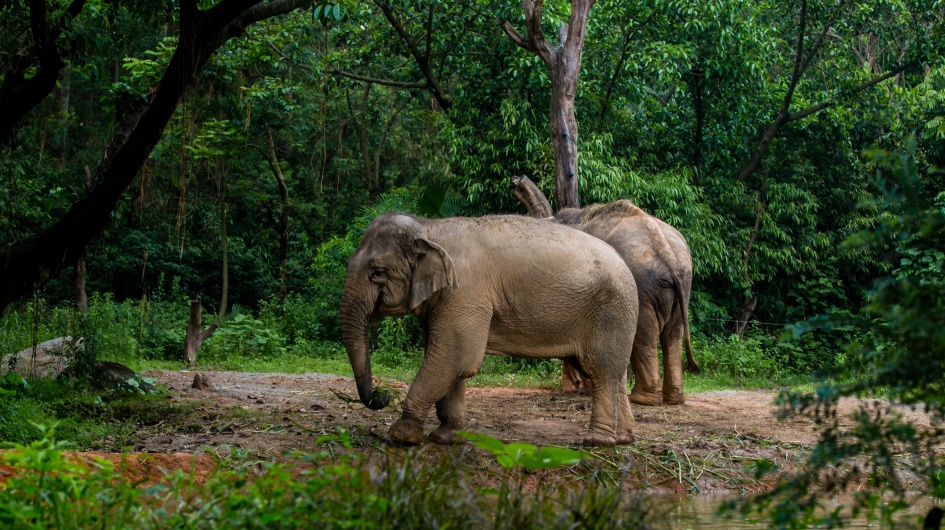 Elephants are walking
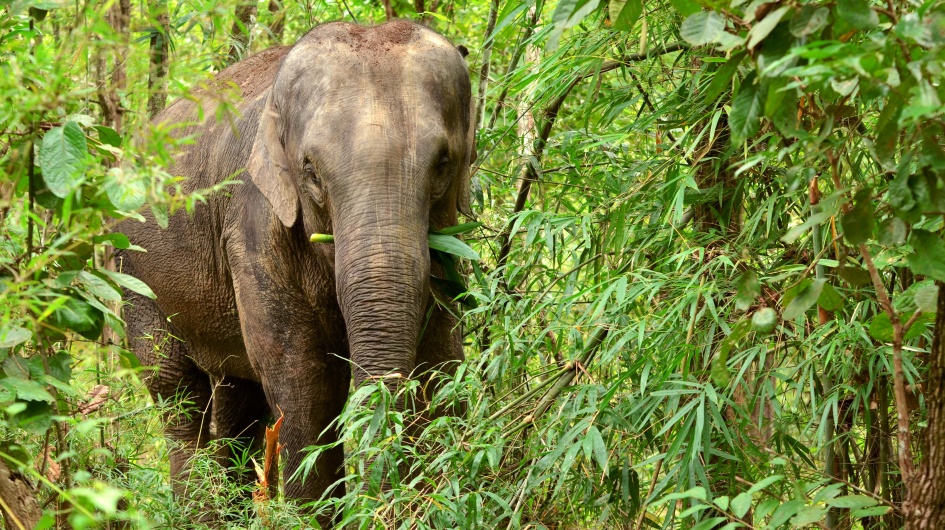 The elephant hidden in the bushes
Your Journey's Rewards:
Gain a comprehensive understanding of Asian elephants' living conditions, ecological roles and conservation significance, master safety knowledge for interacting with them, enhance problem-analysis and teamwork abilities, and feel Xishuangbanna's diverse cultures.
Educational Focus:
What's the flagship species? As a flagship species, what specific roles does Asian elephant conservation play in maintaining tropical rainforest ecosystems and biodiversity?
Takeaway:
Flagship species are star species drawing public attention and symbolizing ecological protection, like Asian elephants and giant pandas. Called "rainforest engineers," Asian elephants boost material circulation, shape habitats, aid other species' survival and keep biodiversity. Protecting them isn't just saving one species but keeping rainforests' ecological balance, helping people see why biodiversity protection matters and build values of respecting nature and living harmoniously.
Thought Challenge:
With more human-elephant conflicts, what must individuals, communities and governments do to protect Asian elephants effectively?
Head to Xishuangbanna Tropical Botanical Garden . Follow the popular science teachers in the garden to learn and recognize various rare plants. In different specialized plant areas such as the tropical rainforest area, palm garden, and orchid garden, understand knowledge about plant classification, characteristics, and uses, and observe the unique forms and survival wisdom of plants.
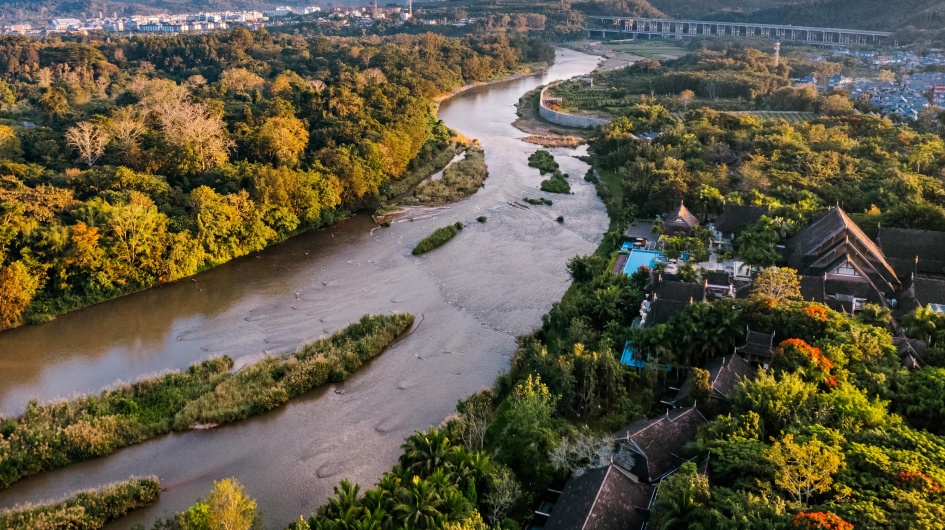 Xishuangbanna Tropical Botanical Garden
Go deep into the valley rainforest . Under the leadership of professional guides, learn to identify four plant wonders in tropical rainforests: antiaris toxicaria, strangulation, buttress roots and aerial gardens. Understand the toxicity and characteristics of antiaris toxicaria, learn about the survival competition between plants in the strangulation phenomenon, observe the supporting effect of buttress roots on tall trees, and appreciate the wonderful symbiotic landscape of various plants in aerial gardens. Meanwhile, participate in the explanation of rainforest protection plans, discuss the advantages and disadvantages of rubber tree economic development on rainforest ecology, and think about the way to balance ecological protection and economic development.
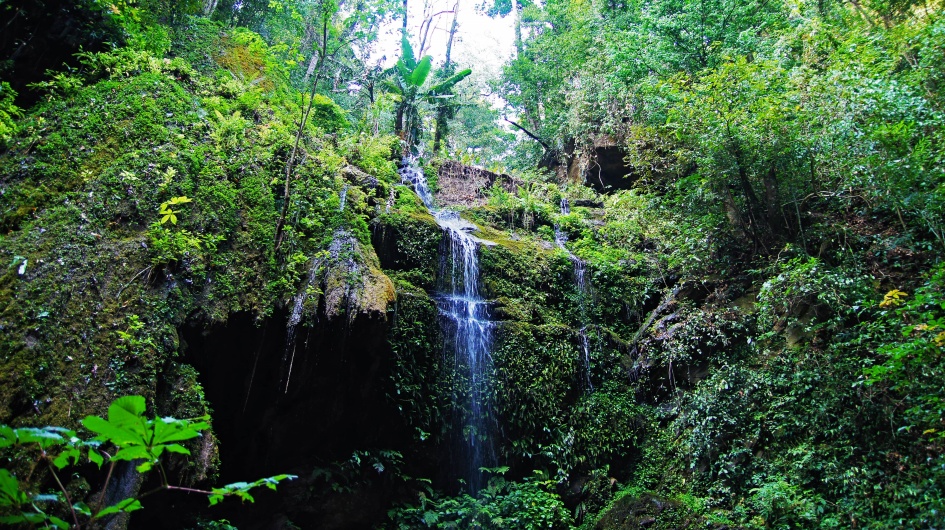 Valley rainforest
Your Journey's Rewards:
Learn about many tropical plants, get plant observation and recording skills, grasp the unique ecological wonders of tropical rainforests, clearly see how urgent rainforest protection is, and boost environmental awareness and exploration skills.
Educational Focus:
What key impacts do the biodiversity and ecological wonders of tropical rainforests have on the Earth's ecological balance and human sustainable development?
Takeaway:
Tropical rainforests have rich biodiversity, with many rare animals and plants growing there. Their unique ecological wonders show how species depend on each other in complex ways. Regulating global climate, saving water, cleaning air and providing ecological services, they play a key role. Also, the rubber tree economy case makes clear: economic development must not harm ecology; sustainable use needs rainforest ecosystem protection as a premise, vital for humanity's long-term development.
Thought Challenge:
How to cut down on disruption to tropical rainforest ecosystems as we meet people's need for natural resources, and reach real sustainable development?
Visit the Ancient Tea Horse Road Scenic Area . Menghai, as the source of Pu'er tea and the starting point of the Ancient Tea Horse Road, has a scenic area covering over 1,500 mu, jointly developed by Yunnan Academy of Agricultural Sciences Tea Research Institute and the scenic area. Take a battery car to tour the tea gardens, ride a horse to explore the Ancient Tea Horse Road, feel the historical atmosphere of the ancient road, touch the historical relics, and search for memories of the road's past prosperity.
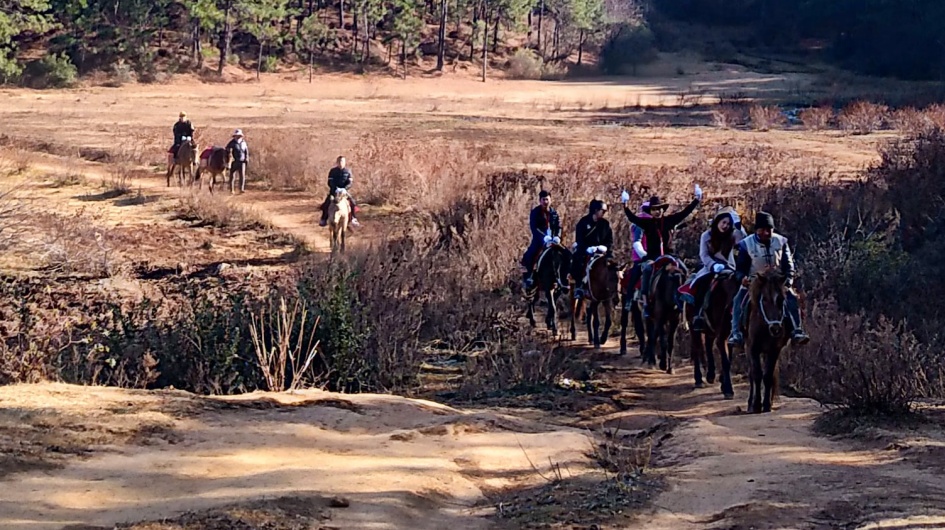 Ride horses in the Ancient Tea Horse Road Scenic Area
Within the scenic area, the tour guide will explain the historical background of the Ancient Tea Horse Road (an ancient commercial route "prospering because of tea and existing for horses"), its routes, and its important role in ancient trade (connecting Sichuan, Yunnan and Tibet, and promoting Han-Tibetan commodity and cultural exchanges). The guide will also introduce the origin and development of the "Belt and Road" Initiative and its impact on global economic and cultural exchanges, as well as the contribution of modern transportation like the China-Laos Railway to regional economic integration. Afterwards, visits to the caravan post will be made to learn about specific historical events, with experiences of tea picking and processing activities, and group drawing of "Belt and Road" route maps for presentation and sharing.
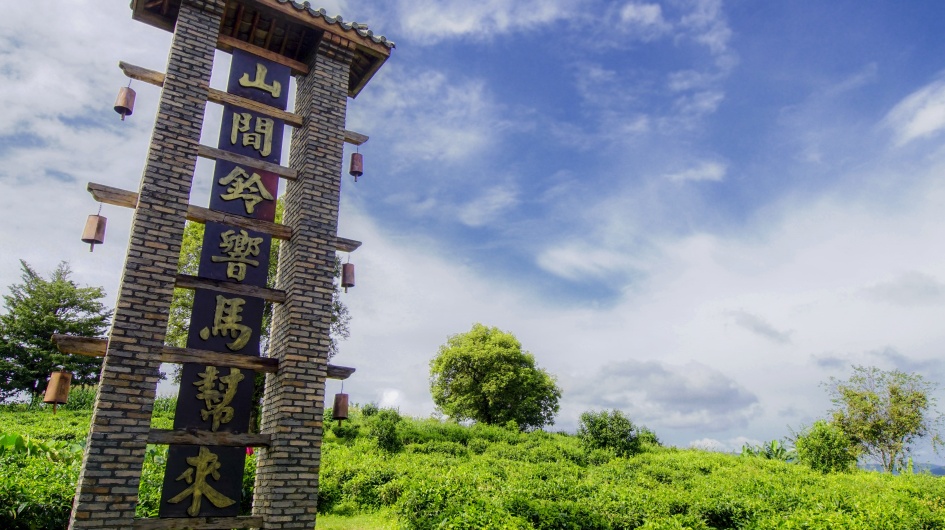 Ancient Tea Horse Road Scenic Area
Your Journey's Rewards:
Develop a deep understanding of the historical culture of the Ancient Tea Horse Road and the connotation of the "Belt and Road", grasp the connection between historical and modern trade routes, and improve the abilities in information collection, team collaboration and practical operation.
Educational Focus:
How do the Ancient Tea Horse Road's historical roles and the "Belt and Road" Initiative share common ground and show development in boosting economic and cultural exchanges?
Takeaway:
The Ancient Tea-Horse Road and the Belt and Road Initiative both rely on transportation. They boost economic growth by trading goods, while also encouraging cultural exchange and ethnic mixing, and show the spirit of openness, cooperation and mutual benefit. But the Belt and Road Initiative is different: in a globalized world, it is more international and inclusive, covering a larger area and more fields. This study will let participants see how old trade routes teach us about modern development, and that the Belt and Road Initiative, while carrying forward and growing the ancient exchange spirit, matters a lot for global economic and cultural progress.
Thought Challenge:
As the Belt and Road Initiative advances, how to prevent cultural conflicts so different civilizations live harmoniously and learn from each other?
The tour goes to Manzhang , a Dai village, where the guide will introduce the history and usage of the Beidou system, as well as explain the eight core elements of Dai culture: history, architecture, diet, clothing, writing, festivals, marriage customs, and traditional arts. Group division will take place for searching and studying these elements using the Beidou system. Explanations will be given by local ethnic teachers, with what is learned recorded. Next come practical activities: including palm-leaf scripture engraving to understand the Dai script and the significance of palm-leaf scriptures; making traditional paper to create ethnic-style paper and feel the charm of this ancient craft; in addition, learning about the history of the Dai elephant-foot drum through explanations and performances, with basic drumming techniques tried.
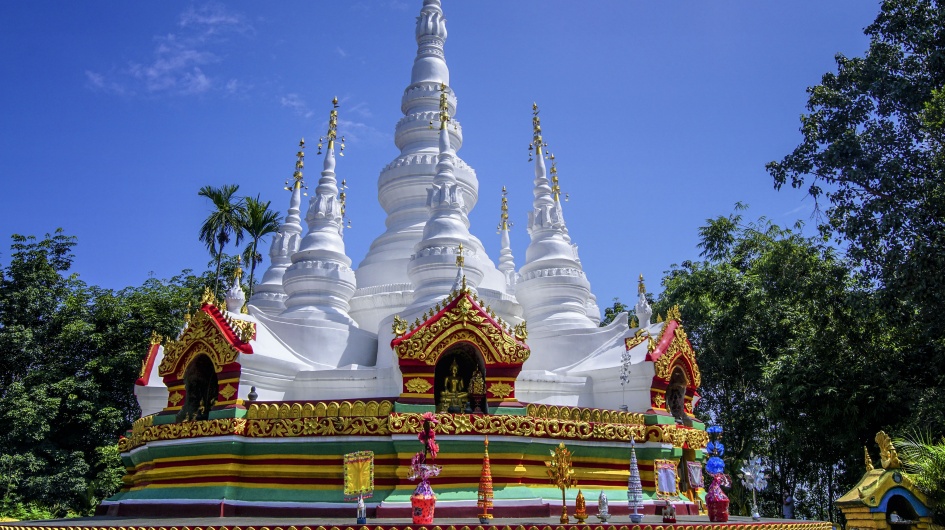 Buddhist pagodas of the Dai ethnic group
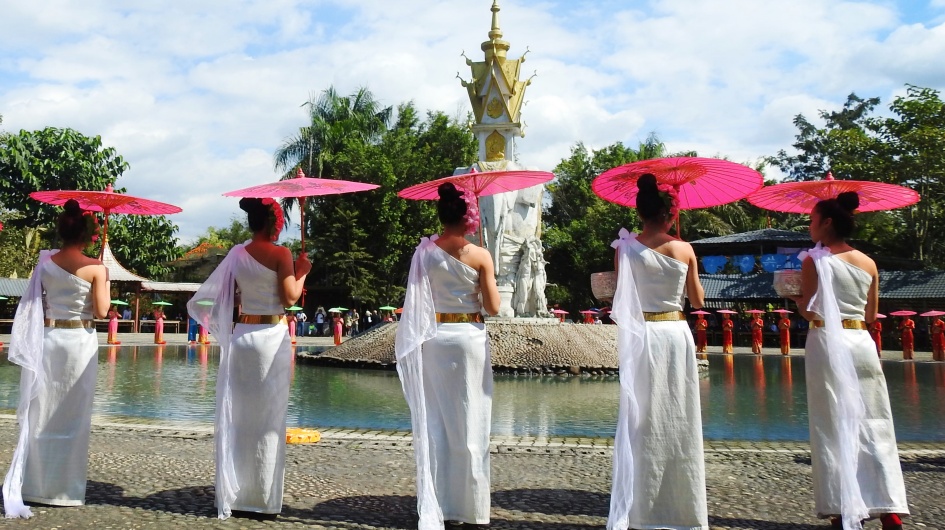 The traditional attire of the Dai ethnic group
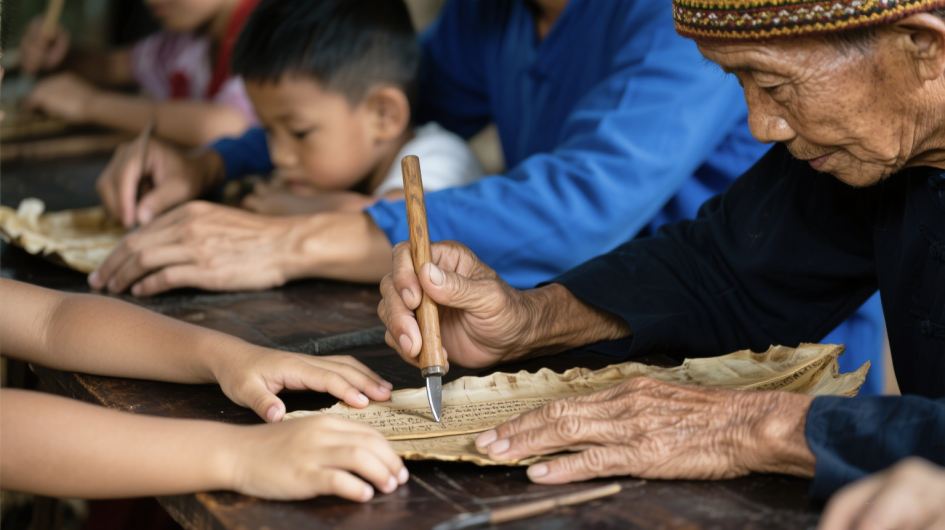 Palm-leaf scripture engraving
Try the special Dai peacock meal , find out the cultural meanings behind each dish, and get a real feel for how rich Dai food traditions are. Watch true Dai dances to really see Xishuangbanna's one-of-a-kind cultural charm. The event ends with a bus trip back to Kunming.
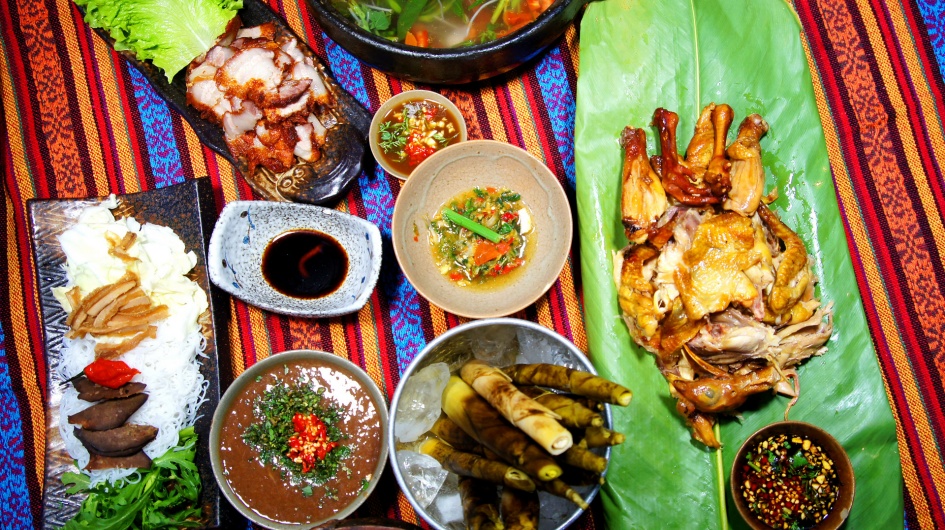 Dai cuisine
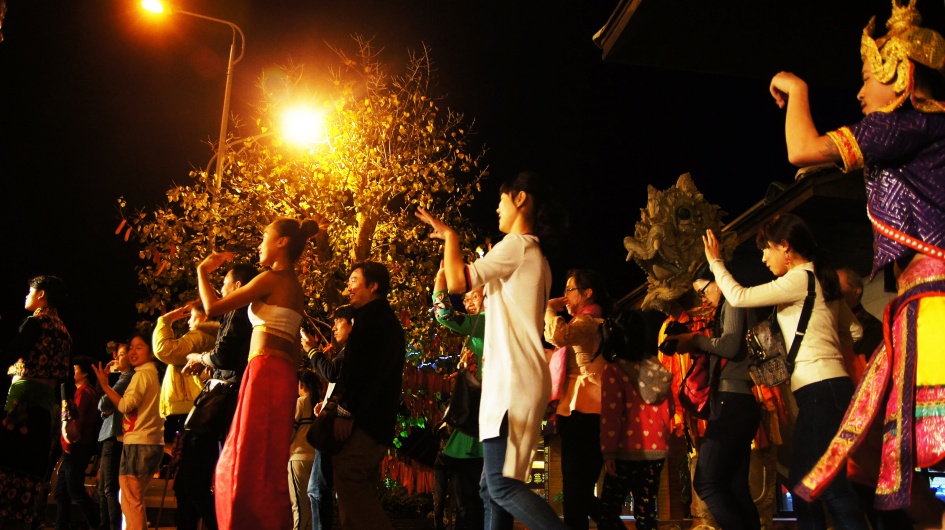 The Dai people dance at the bonfire party
Your Journey's Rewards:
Get to know Dai culture's eight elements, learn traditional skills such as palm-leaf engraving, Dai papermaking and elephant-foot drumming, experience Dai food and dance, get better at cross-cultural understanding and doing things, and respect ethnic minority cultures more.
Educational Focus:
What's the significance of inheriting and protecting traditional Dai culture for maintaining cultural diversity and enhancing national cohesion?
Takeaway:
Dai culture is part of China's diverse cultures. Palm leaf inscriptions and handmade papermaking, for example, hold the Dai's history and wisdom. When students experience and learn these, they'll see that protecting minority cultures is both a historical legacy and key to keeping cultural diversity. It strengthens all ethnic groups' cultural confidence and cohesion, and helps build unity and harmony.
Thought Challenge:
With modernization and globalization, how can we find new ways to pass on Dai traditional culture so the younger generation will actively accept and carry on these cultural treasures?
Go to Jinning Flower Base , part of Kunming Dianchi Bay Modern Ecological Agriculture Demonstration Park. It covers about 1,358 mu, with smart greenhouses, post-harvest centers and follows the "no sewage into Dianchi" idea. After the tour guide assigns roles, visit the base with professional teachers to see how flower planting, picking, cooling, sorting, packing, transporting and promoting work, and try picking flowers. Next, join the flower auction, act as auctioneers and learn the process and rules. Finally, discuss in groups the flower industry's future and development measures, then share ideas.
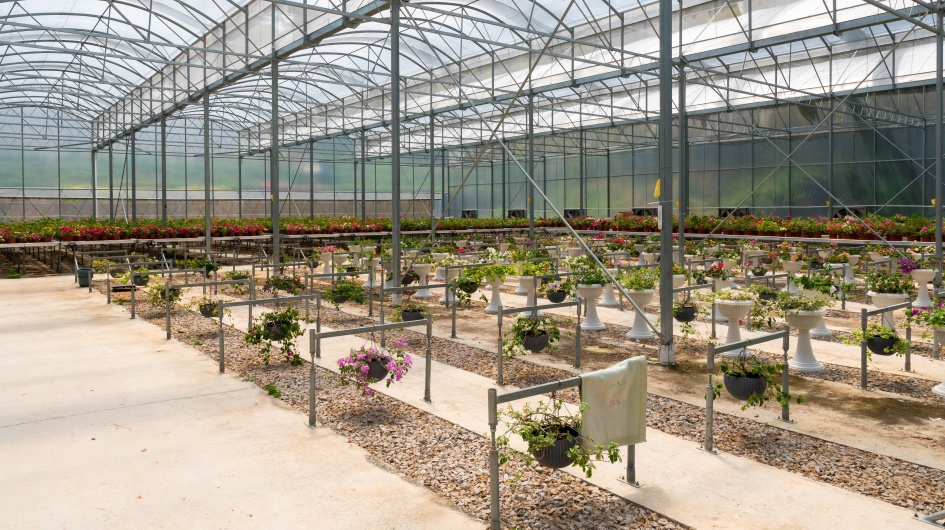 Flower greenhouse cultivation
Return from the journey
Your Journey's Rewards:
Learn all parts and how the flower industry chain runs, pick up knowledge on agricultural standards and digital industries, and try flower picking and auctions.
Educational Focus:
How do digitalization and standardization in the flower industry specifically help improve agricultural efficiency and push agricultural modernization forward?
Takeaway:
In the flower industry, digitalization raises production efficiency and management accuracy; standardization guarantees flower quality and strengthens market competitiveness. Practice proves agricultural digitalization and standardization are key to modernizing agriculture, boosting industrial chain efficiency and added value, driving sustainable development, and giving other agricultural fields examples.
Thought Challenge:
When the flower industry goes digital, how can to deal with problems like small farmers' low participation and high-tech application costs, so that more practitioners can get the benefits of digitalization?
This tour is suitable for: School, Family, Team Building
What’s Included
- Professional guide
- Selected comfortable stays
- Professional drivers and air-conditioned vehicles
- All listed items included
- Breakfast and dinner included
- Accidental injury insurance fee
Hotel Options
| City | Deluxe | Comfortable |
|---|---|---|
| Kunming | Zhouji Hotel | Kunming Tang Golf Hotel |
| xishuangbanna | Jiana Hotel | Jinghong Shangyuan Hotel |
Wechat & WhatsApp: +86-13471279378