- Home
- City Tours
- Xi'an Tours
- 6-day Xi’an Heritage Tour with Tang-style Hanfu
6-day Xi'an Heritage Tour with Tang-style Hanfu
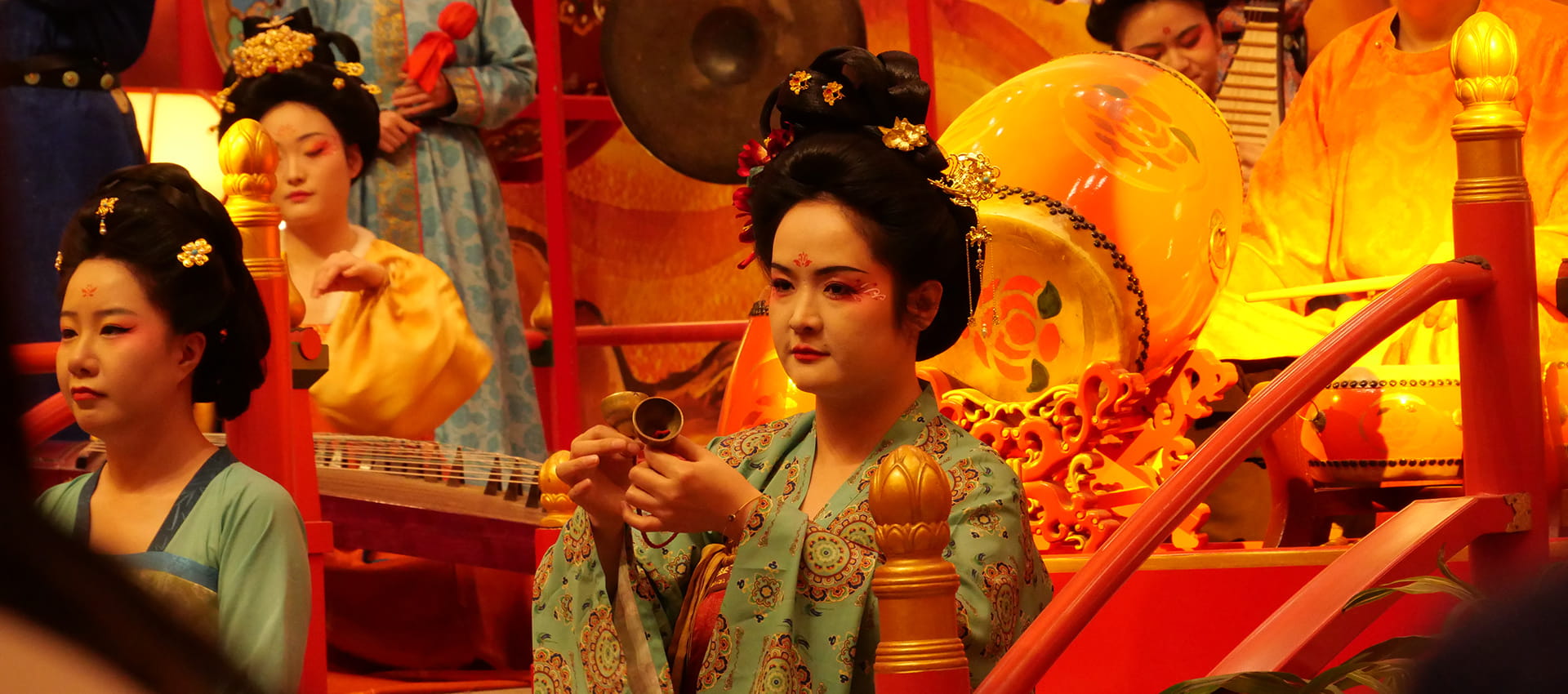
Now, a revival of traditional costumes is sweeping among young people in China. These costumes feature styles from the Pre-Qin period to the late Ming Dynasty,with Han culture as the cultural foundation,and are widely known as 'Hanfu'. On this journey,we will lead you to explore Tang Dynasty's Hanfu culture in depth, explain the characteristics of different styles, and uncover the historical stories hidden in every stitch and thread. More than just sightseeing and explanation, you can also wear Hanfu in person. Tell us which dynasty appeals to you, and our professional team will customize a restored ancient costume look exclusively for you.
We fully follow your pace and provide flexible private tailor-made itineraries. During the trip, you will deeply experience the millennial heritage of Xi'an: visit the Terracotta Warriors, try the Song Dynasty tea ceremony, cycle along the ancient city wall, and taste authentic local Xi'an delicacies. With private car transfer and professional guide accompanying throughout the whole journey,you will fulfill your dream related to Hanfu in the ancient city of Chang'an.
Itinerary at a Glance
| Day | Location | Highlights |
|---|---|---|
| D1 | Xi'an | Arrive, check in, learn about Xi'an history and itinerary of the next few days |
| D2 | Xi'an | visit Terracotta Warriors, view restored Tang-style Hanfu up close in a ruins exhibition hall(optional:Classical Costume Museum), explore the mosque |
| D3 | Xi'an | Explore Xi'an Museum, understand the Tang Dynasty cloth forms by ancient relics, make incense bead bracelets |
| D4 | Xi'an | Study calligraphy and stone carvings in Beilin Museum, learn tea art, experience Hanfu makeup |
| D5 | Xi'an | Appreciate folk crafts, cycle on the city wall, taste local snacks |
| D6 | Xi'an | Check out and depart |
Trip Highlights
- Explore Terracotta Army and learn about Qin Dynasty history
- Admire Tang cultural relics and ancient Buddhist architectures
- Study calligraphy art from ancient stone inscriptions
- Experience Song tea art and Hanfu makeup styling
- Appreciate Shaanxi intangible cultural heritage and folk crafts
- Cycle on the city wall and taste local Guanzhong snacks
Tour Essentials

Quality
No Shopping Traps

Group Type
Private

Tour Focus
Hanfu Experience & History

Accommodation
Nights:5

Best Season
Spring, Summer, Autumn, Winter
Full itinerary for 6-day Xi'an Heritage Tour with Tang-style Hanfu
After arriving in Xi'an, our staff will pick you up and take you to the hotel for check-in and rest. Along the way, our tour guide will briefly introduce the historical overview of Xi'an and the origins of Hanfu culture, and explain the itinerary for the next few days. Should you have any queries or suggestions regarding the trip plan, you may talk to your tour guide anytime. Your preferences will be put first, and we’ll tweak the schedule to match your requirements.
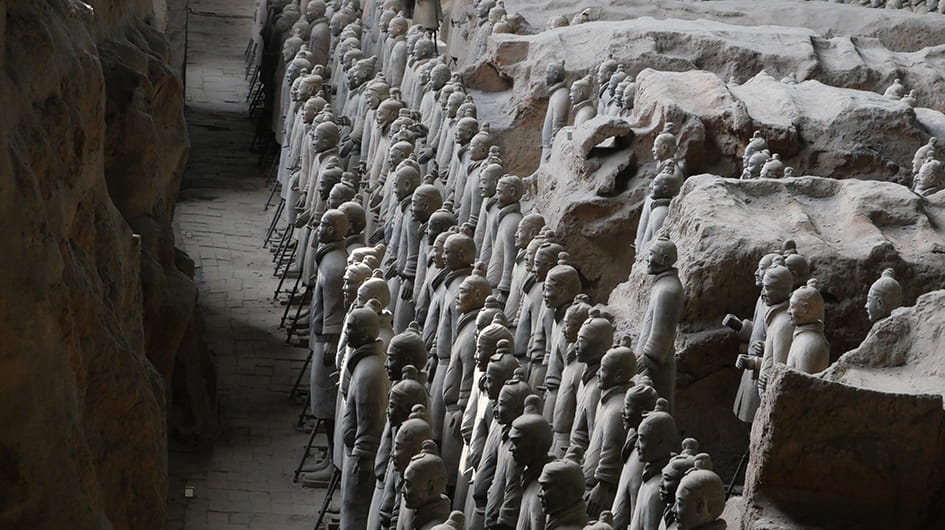
Head to the Terracotta Warriors. It is a burial pit of the Mausoleum of Qin Shi Huang, who first created the title of "Emperor" and unified China, housing thousands of pottery figurines. Here you can view the complete formation layout of the Qin army from thousands of years ago and learn about ancient marching and combat methods. You can also distinguish the ranks of soldiers through head ornaments, armor and costumes. It is an ideal place to understand the military system, mausoleum regulations and burial rituals of the Qin Dynasty.
 Terracotta Warriors
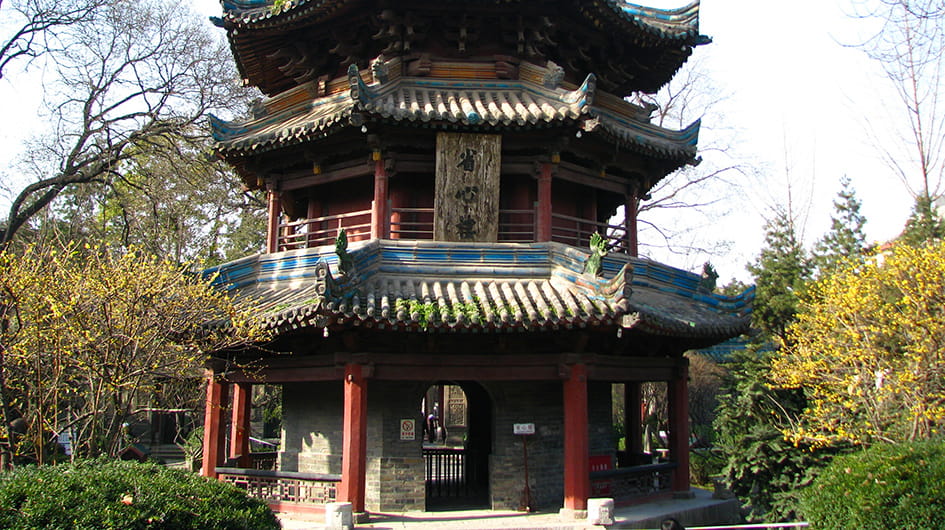
Visit Anrenfang Ruins Exhibition Hall. It is an exhibition hall dedicated to Tang Dynasty culture, with a large number of restored Hanfu mainly from the Tang Dynasty. Here you can closely observe the silhouette, design features and color matching characteristics of these Hanfu. In addition, the hall displays costume differences among different social classes. From nobles to commoners, their clothing materials, patterns and accessories all have unique features, vividly restoring the dressing style of people in the Tang Dynasty. Then head to a nearby mosque to view some remaining ancient stone steles and learn how Xi'an became a long-established settlement for the Hui ethnic group.
Note: Anrenfang is currently under renovation and will reopen at the end of June. If your travel schedule conflicts with its closure period, we will replace it with the Classical Costume Museum, which mainly collects costumes from the Ming and Qing dynasties.
 The mosque
Your Journey's Rewards:
Learn about the history of the Qin Dynasty, appreciate the classic styling and craft of Tang Hanfu, and understand the history of the Xi'an mosque.
Educational Focus:
What are the core distinguishing features of Hanfu and costumes of different ethnic groups in terms of style and structure?
Takeaway:
The traditional costumes are flat, cross-shaped structures, quite different from the Western three-dimensional tailoring. The 2D cuts are wrapped around the 3D human body. The garment pieces can be laid out on the floor in a flat shape. Straight lines and long cuts give a visual sense of extension. A subtle and graceful beauty. This design does not accentuate body curves. Instead, it allows the person to melt into the clothes. The fabric falls naturally in a controlled manner to create a harmonious look where clothing moves with the body.
Thought Challenge:
While modern clothing uses three-dimensional cutting to shape the human body, does this flat cutting concept still hold practical value today?
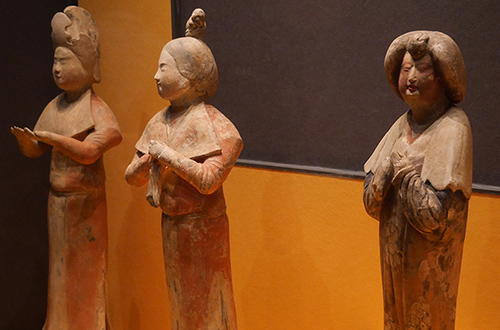
Visit Xi'an Museum to view Tang Dynasty pottery figurines and murals, where you can clearly learn about the costumes and makeup of that period. The Tang Dynasty was open and inclusive, with clothing being elegant yet infused with casual Western Regions styles. Tang women wore chest-high ruqun matched with pibo and banbi to banquets, and changed into round-collared robes for outings and hunting for easy movement. Interestingly,round-collared robes were worn by both men and women, a rare sight in other dynasties.
Then walk to Small Wild Goose Pagoda. It is a well-preserved classic Tang Buddhist pagoda still existing in China. From the perspectives of architectural form, historical evolution and cultural value, the tour guide will explain the development of Han Buddhism and how Chinese culture absorbed and integrated foreign religious civilizations.
 Ladies figurines in diverse ancient costumes displayed in the museum.
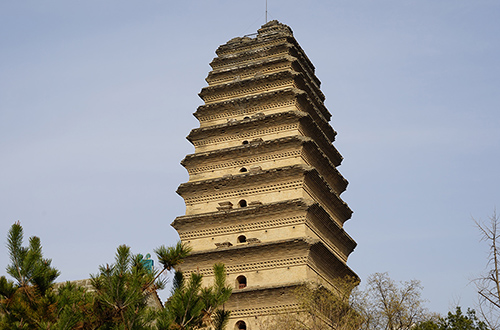 Small Wild Goose Pagoda
Visit Daxingshan Temple. First built in the Sui and Tang dynasties, it ranked among the three major Buddhist scripture translation centers of the era. Numerous distinguished Buddhist masters from the Western Regions came to preach and spread doctrines here, making it a key historical site for ancient Chinese cultural and religious exchanges. It is also the birthplace of Esoteric Buddhism in the Tang Dynasty.
Then go to a handicraft workshop to experience making incense bead bracelets. Under professional guidance, you can craft unique bracelets using herbal ingredients. Various beads offer different benefits like aiding sleep and boosting energy, allowing you to make one based on your personal preference.
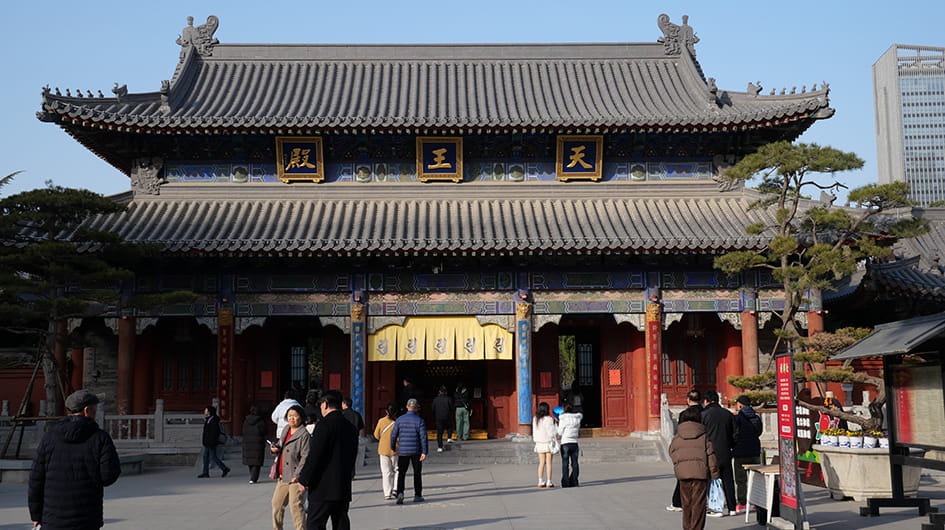 Daxingshan Temple
Your Journey's Rewards:
Explore the charm of Tang Dynasty cultural relics, appreciate the grace of Chinese Buddhist pagodas, and experience the handmade craft of herbal incense beads.
Educational Focus:
How do traditional incense beads exert different health benefits through the matching of herbal spices?
Takeaway:
All natural herbal spices have unique scents and health properties, and they are made into incense beads after proper blending. Different spice combinations can calm the mind, aid sleep, ease stress and refresh the mood. Ancient incense making follows the natural traits of herbs, balancing scent appreciation and daily health care, and serves as a life-based expression of traditional incense culture.
Thought Challenge:
How can traditional incense crafting be better known and passed down nowadays?
Visit Xi'an Beilin Museum, a palace of Chinese calligraphy art. It houses thousands of stone inscriptions from the Han and Wei dynasties to the Ming and Qing dynasties. Learn the historical evolution of Chinese calligraphy, identify seal, clerical, regular, running and cursive scripts. Appreciate authentic calligraphy works of masters of past dynasties closely, and view precious stone carvings such as Eastern Han Twin Beasts and Six Steeds of Zhao Mausoleum.
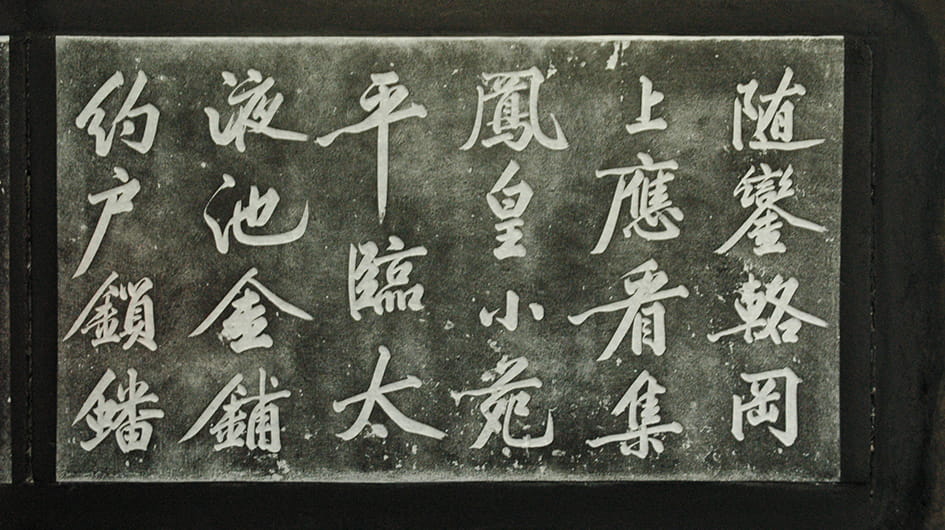 Calligraphy on museum stone steles
Visit a tea art workshop to learn traditional Song Dynasty tea whisking and create tea paintings, enjoying the elegant charm of Chinese tea ceremony.
Chang'an Twelve Hours is a Tang-themed cultural area where you can watch Tang dance, music and acrobatics, and interact with NPCs in Tang costumes. Professional ancient-style makeup and styling will be done for you here. Classic looks and outfits of different dynasties are prepared by a professional team for a real immersive experience.
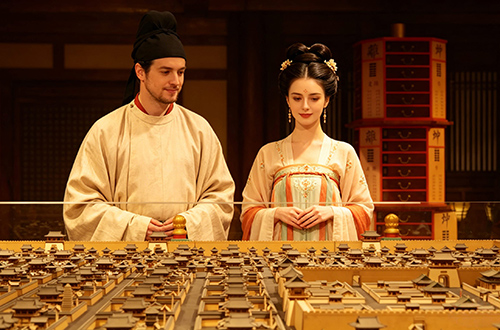 Wearing Tang-style clothing
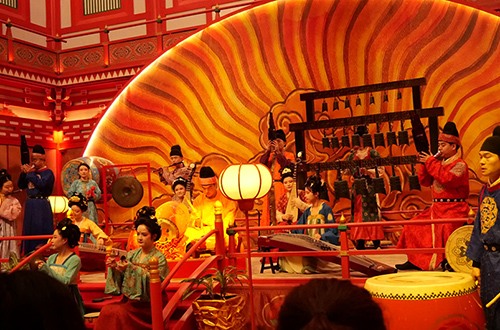 Tang musical instrument performance at Chang'an Twelve Hours
Your Journey's Rewards:
Appreciate precious Chinese calligraphy and stone carvings, learn the Song Dynasty tea-making craft, and wear Tang-style Hanfu in the Tang-themed cultural block to experience the ancient life of Chang'an in an immersive way.
Educational Focus:
What unique styles do the costumes of the Tang Dynasty have compared with other dynasties?
Takeaway:
Women's standard attire in the Tang Dynasty consisted of three pieces: blouse, skirt and shawl. They wore narrow-sleeved short tops with various collar styles, paired with high-waisted long skirts sewn from six or more pieces of fabric, and draped sheer silk scarves over the shoulders. Influenced by foreign cultures, low-cut garments became popular, and women could also dress in men’s clothing or ethnic-style outfits. Men’s official ranks were distinguished by robe colors: purple for the third rank, pale blue for the ninth rank. These costumes fully show the openness and social order of the Tang Dynasty.
Thought Challenge:
How can we blend the makeup and costume aesthetics of the Tang Dynasty into modern daily outfits?
Walk into Xi'an Mass Art Museum to deeply appreciate the essence of Shaanxi intangible cultural heritage, traditional handicrafts and folk culture. View folk exhibits such as paper cutting, shadow puppetry and traditional costumes, and learn about the regional humanistic customs and folk art inheritance of Guanzhong. Immerse yourself in the folk charm of old Xi'an and explore the unique appeal of traditional folk costumes.
Ride a bicycle on the Xi'an City Wall, wander along the towering ancient wall and overlook the blend of ancient and modern styles of the ancient capital. Then visit Yongxingfang Food Street to taste various characteristic Shaanxi snacks in one stop, and experience the Guanzhong catering culture amid the lively urban atmosphere.
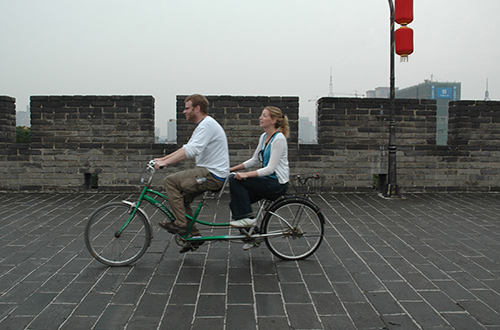 Ride a bicycle on the Xi'an City Wall
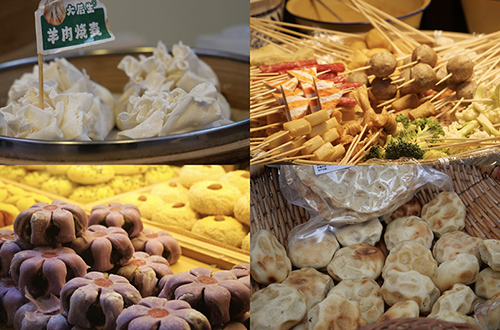 Shaanxi snacks
Your Journey's Rewards:
Appreciate Shaanxi intangible cultural heritage and folk crafts,ride on the ancient city wall to overlook urban scenery,and enjoy distinctive folk delicacies of Guanzhong.
Educational Focus:
Why can folk intangible cultural heritage such as paper cutting and shadow puppetry take root in Guanzhong folk society and pass down from generation to generation for a long time?
Takeaway:
Rooted in local life and folk festivals of Guanzhong,it fits people's daily aesthetic and spiritual needs with themes close to rural customs.Its craftsmanship is easy to learn and pass down orally,integrating into weddings,festivals and other life scenarios.It accumulates continuously based on local culture and lays a solid foundation for the inheritance of intangible cultural heritage.
Thought Challenge:
How to make niche intangible cultural heritage and folk customs actively accepted by more young people?
After packing luggage and having breakfast at the hotel,you will be driven to the airport by a private car driver as per your flight plan,concluding your full immersive Xi'an Hanfu cultural tour.
This tour is suitable for: Heritage Lovers, Hanfu Lovers, History Lovers
What's Included
- Experienced bilingual guide
- Selected quality hotels
- Comfortable private transfers
- All listed fees included
Hotel Options
| City | Deluxe | Comfortable |
|---|---|---|
| Xian | W Hotel Xi'an | Louguan Yinxiang Hotel |
| The Ritz-Carlton Hotel | Holiday Inn Express Xi'an Qujiang |
Wechat & WhatsApp: +86-13471279378