- Home
- City Tours
- Xiamen Tours
- 5-Day Fujian Family Roots-Seeking Tour
6-Day Discovery of Your Family Roots in Fujian
Itinerary at a Glance
| Day | Location | Highlights |
|---|---|---|
| D1 | Quanzhou | Arrive in Quanzhou; hotel check-in |
| D2 | Quanzhou | Visit Maritime Museum, Kaiyuan Temple and Xunpu Village; explore oyster-shell houses and flower headdress experience |
| D3 | Quanzhou | Visit ancestral village, ancestral house and clan hall; trace family origin and bloodline roots |
| D4 | Quanzhou → Xiamen | Visit Gulangyu Island, Overseas Chinese Museum and Eighth Market; learn about overseas Chinese history |
| D5 | Xiamen → Nanjing | Tour Tianluokeng Tulou Cluster; stay in tulou, enjoy candlelit dinner and Hakka folk activities |
| D6 | Nanjing | Check out; transfer to station/airport; journey ends |
Trip Highlights
- Trace your family roots in the ancestral hometown
- Explore Maritime Silk Road relics in Quanzhou
- Experience Xunpu flower headdress and oyster-shell houses
- Discover overseas Chinese history on Gulangyu Island
- Admire the spectacular Tianluokeng Tulou scenery
Tour Essentials

Quality
No Shopping Traps

Group Type
Private

Tour Focus
History, Culture

Accommodation
Nights:5

Best Season
Spring, Summer, Autumn, Winter
Full itinerary for 6-Day Discovery of Your Family Roots in Fujian
Quanzhou preserves a wealth of traditional Minnan cultural elements, including dialects, folk customs, and architecture. Here you can gain a more direct understanding of the cultural roots of your family. Upon arrival in Quanzhou, you will be escorted to your hotel by the driver and guide.
Family migrations in Quanzhou were likely linked to the maritime trade activities of ancestors. After breakfast, you will visit the Quanzhou Maritime Museum—the first museum in China specializing in maritime transportation history—to explore the ancient Maritime Silk Road. The museum showcases the glorious history of Quanzhou as the "Greatest Port in the East." The precious Song Dynasty junk unearthed from Quanzhou Bay, the oldest and largest surviving ancient seagoing vessel in China, vividly illustrates the prosperous trade and advanced shipbuilding technologies of Quanzhou Port during the Song and Yuan dynasties. It also serves as crucial evidence for understanding ancestors’ maritime trade and migration history.
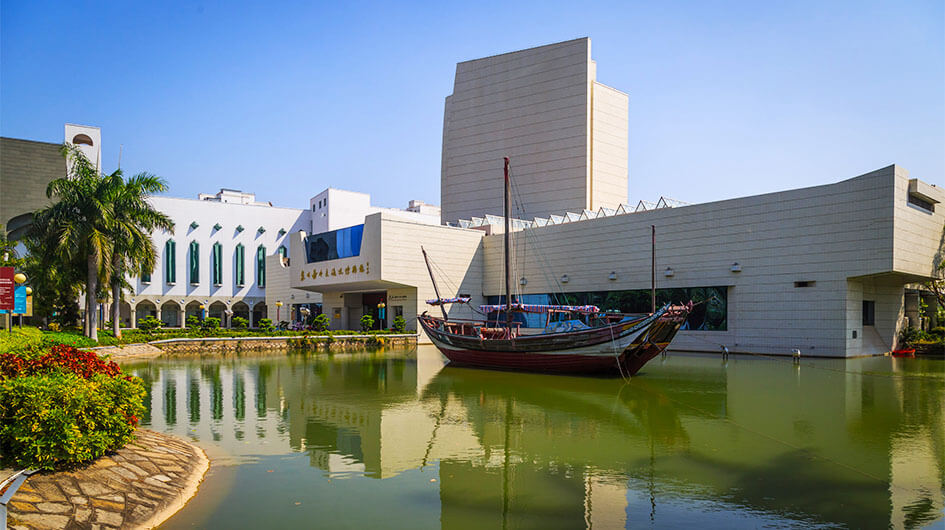 Quanzhou Maritime Museum
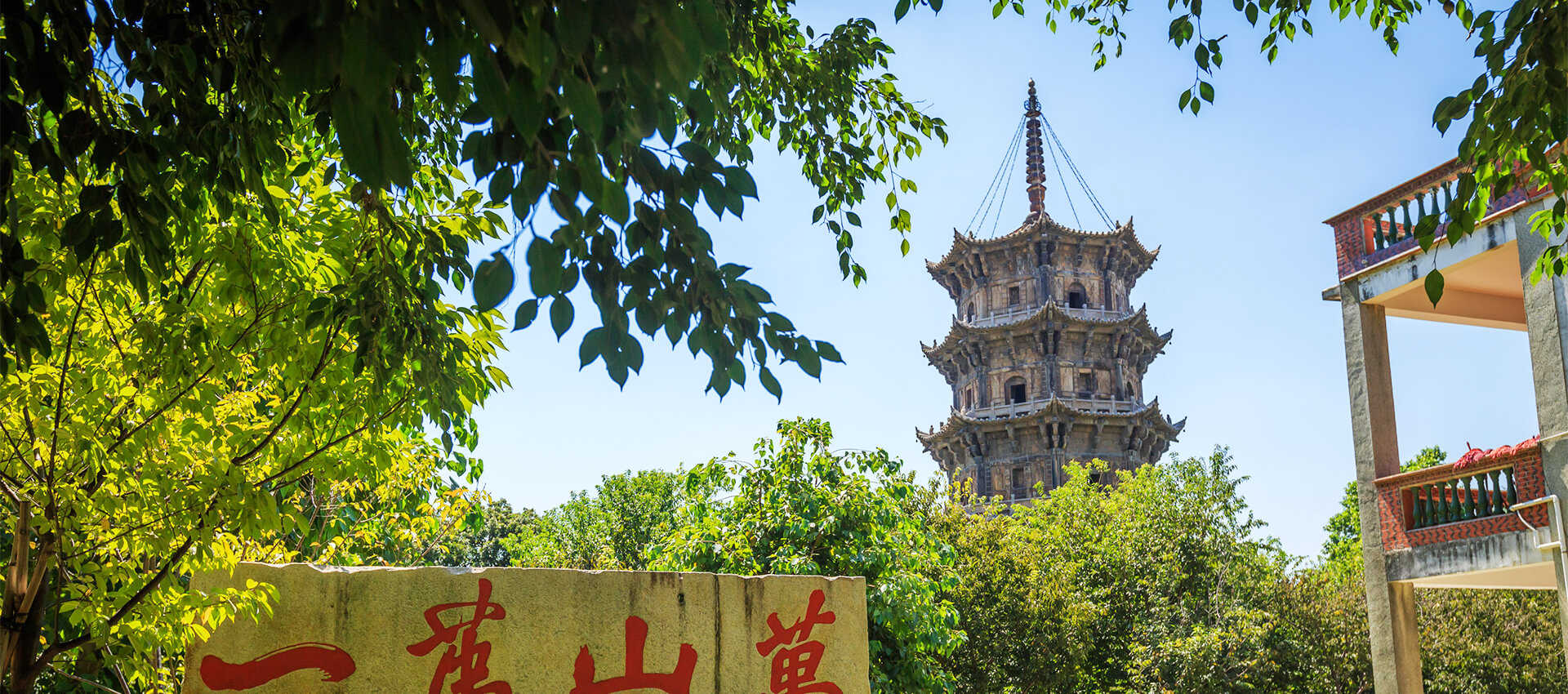
Next, you will proceed to Kaiyuan Temple, the largest Buddhist temple in Fujian Province with a history of more than 1,300 years. The most iconic sights are the East and West Pagodas (Zhenguo Pagoda and Renshou Pagoda). As the tallest pair of stone pagodas in China, they have stood intact through numerous major earthquakes and strong typhoons, making them a miracle in architectural history. A visit to Kaiyuan Temple offers a deep insight into the profound Buddhist cultural heritage of Southern Fujian.
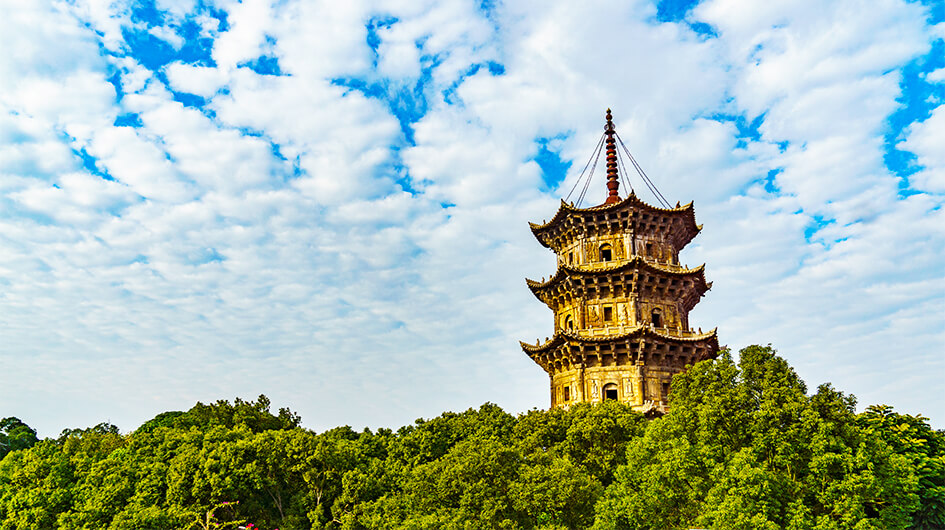 Kaiyuan Temple
In the afternoon, you will head to Xunpu Village, a local fishing village famous for its oyster-shell houses and the Xunpu women’s flower-headdress tradition. Stroll through the alleys of ancient houses and discover traces of ancestors’ lives. The distinctive oyster-shell houses, built with oyster shells as walls, tell how early settlers made use of local resources and lived off the sea. You may choose to experience the Xunpu flower-headdress adornment, a traditional aesthetic and life ritual of women in Southern Fujian fishing communities.
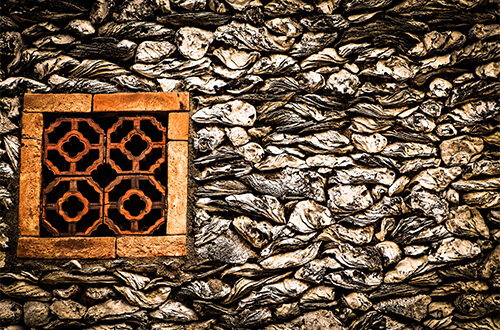 Oyster-shell Houses
 Flower-adorned Xunpu Momen
Your Journey’s Rewards:
Visit Quanzhou Maritime Museum and Kaiyuan Temple to learn about the history of the ancient Maritime Silk Road and diverse religious cultures; explore the distinctive oyster-shell houses in Xunpu Village and experience the folk customs of Southern Fujian fishing villages.
Educational Focus:
What unique folk customs does Xunpu Village have, and what cultural heritage do they reflect?
Takeaway:
Xunpu Village’s customs include clothing culture such as flower headdresses, wide-skirted blouses, and loose trousers. These customs are inscribed on the National Intangible Cultural Heritage List, representing the unique maritime cultural characteristics of Southern Fujian and reflecting the ancestors’ love for life and perseverance amid harsh conditions.
Thought Challenge:
How did the Maritime Silk Road shape Quanzhou’s urban status and influence the migration and clan development of the people in Southern Fujian?
In the morning, depart from the hotel and drive to your parents’ ancestral village. Accompanied by your guide and local villagers, stroll through the village to explore its layout and ancient buildings, and learn about the family’s historical life. Following clues from your family or directions from local villagers, locate and visit your ancestral house.
Depending on the actual schedule of the day, proceed to the village ancestral hall—a vital place for the clan to worship ancestors and pass down family culture. Examine historical materials such as genealogies and stone inscriptions preserved in the hall to understand your family’s history and cultural inheritance. If you are fortunate enough to meet relatives, you may chat with them to learn more about your family story.
Your Journey’s Rewards:
Visit your parents’ ancestral village, tour the family ancestral house and ancestral hall in person, explore the family’s origin, migration history and historical background, trace your blood roots, and experience the inheritance of clan culture.
Educational Focus:
What are the family values in Southern Fujian?
Takeaway:
Family values in Southern Fujian emphasize bloodline inheritance and clan identity. Local people preserve traditional rituals such as ancestor worship and genealogy compilation to maintain family bonds and pass down family culture.
Thought Challenge:
What impact do Fujian people’s strong family values have on modern society?
Check out from your hotel in the morning and depart for Xiamen. As a major departure port for many Hokkien people to migrate to Southeast Asia, Taiwan and other overseas regions, Xiamen is where you will explore the history of overseas Chinese.
Your first stop is Gulangyu Island, a key link between overseas Chinese and their hometowns. The island is home to nearly a thousand historical buildings, combining elements of Hokkien red-brick mansions and European styles, forming a unique "International Exposition of Architecture". There is an Overseas Chinese Culture Exhibition Hall on the island, where you can explore precious old photographs and artifacts on display — important clues and evidence for tracing your family history.
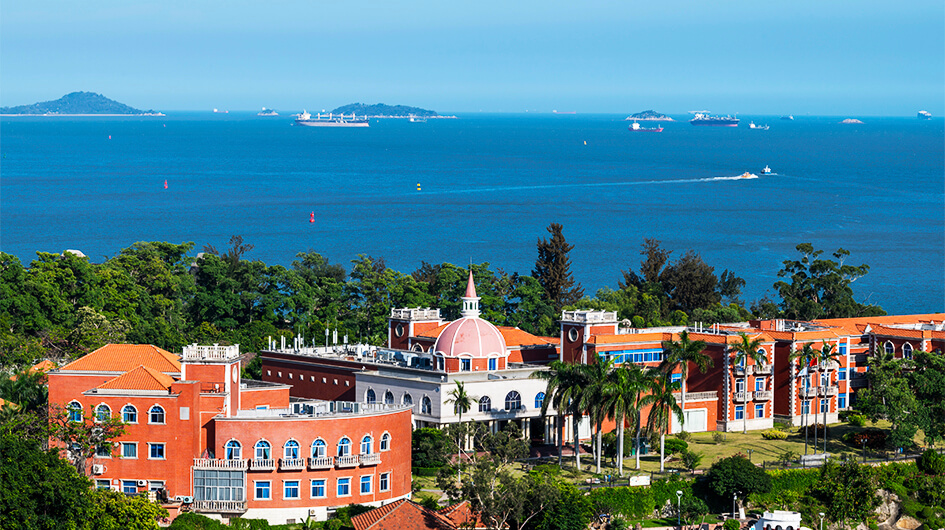 Gulangyu Island
In the afternoon, visit the Overseas Chinese Museum, a comprehensive museum founded under the initiative of Mr. Tan Kah Kee, a prominent overseas Chinese leader. Its rich collections and historical documents record the hardships and struggles of early immigrants who left their hometowns, helping you gain a thorough understanding of the history, culture and contributions of overseas Chinese, and discover the cultural heritage rooted in your blood.
Afterwards, explore the Eighth Market, one of Xiamen’s oldest local markets and a major seafood hub. Here you can taste authentic Hokkien delicacies such as sea worm jelly, oyster omelet and satay noodles, and experience the vibrant daily life of Xiamen.
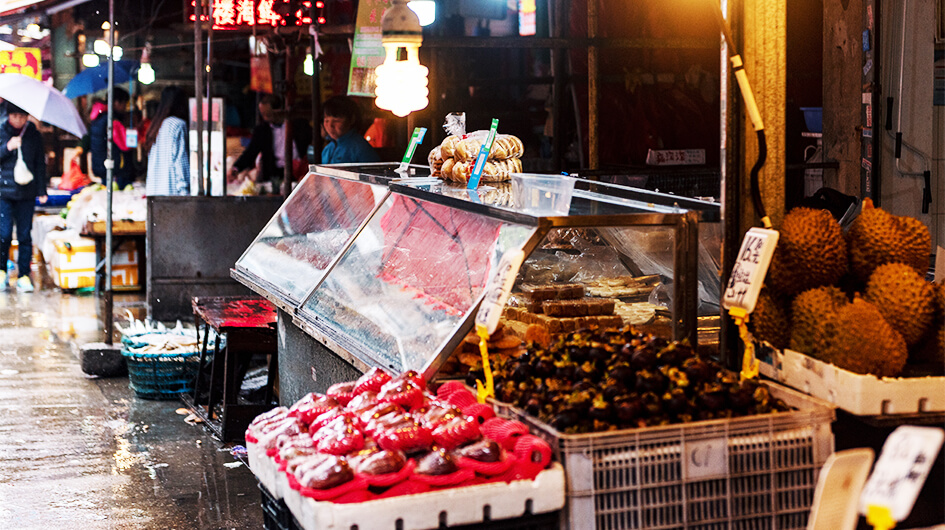 the Eighth Market
Your Journey’s Rewards:
Explore architecture and overseas Chinese culture on Gulangyu Island; experience local daily life at the Eighth Market; visit the Overseas Chinese Museum to learn about the migration and pioneering history of early Hokkien overseas Chinese.
Educational Focus:
Why has Southern Fujian become a famous hometown of overseas Chinese? What historical connection exists between overseas Chinese migration and the Maritime Silk Road?
Takeaway:
As the starting point or important node of the Maritime Silk Road, Southern Fujian (especially Quanzhou and Zhangzhou) has long been engaged in overseas trade. During the Song and Yuan dynasties, Quanzhou Port became the "Greatest Port in the East". Hokkien merchants and sailors traveled to Southeast Asia, the Indian Ocean and other regions with trading vessels. Some chose to settle abroad for trade or business opportunities, forming the early overseas Chinese communities.
Thought Challenge:
While striving for success overseas, overseas Chinese have always been deeply attached to their homeland. What spiritual qualities do you think best represent the cultural characteristics of Hokkien overseas Chinese, and why?
Depart for the Nanjing Tulou Scenic Area in the morning. As a traditional settlement of the Hakka people, tulou is an important part of Minnan culture. Accompanied by your guide, visit Tianluokeng Tulou Cluster, admire its distinctive architectural features, and listen to the history of Nanjing Tulou and Hakka culture. Stand at the viewing platform to overlook the magnificent scenery where the tulou clusters blend with terraced fields and mountain ranges.
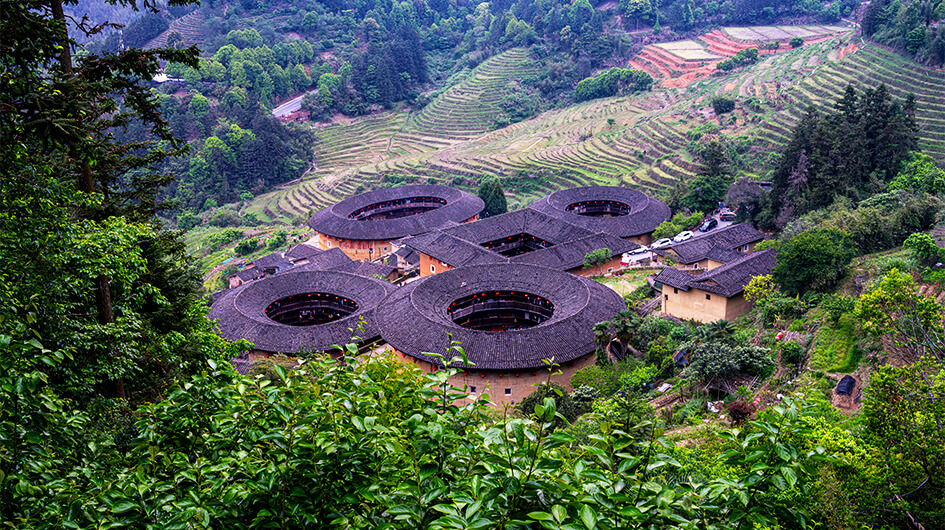 Tianluokeng Tulou Cluster
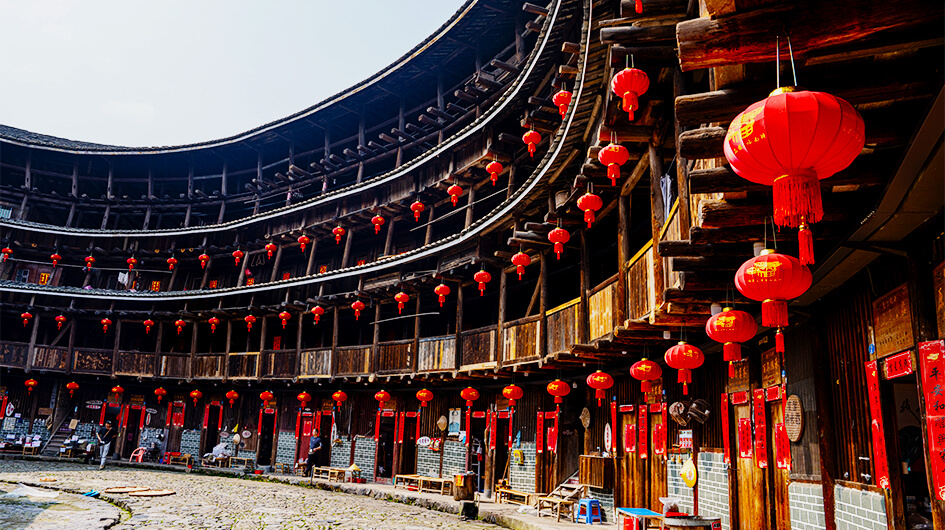 Inside the Tulou
In the evening, enjoy a candlelit dinner at the tulou and taste traditional Hakka dishes. You will stay in a century-old tulou to experience its architectural wisdom firsthand. You will also have the opportunity to join a night tour of the tulou and various Hakka folk activities, or admire the starry sky in the central courtyard of the tulou and enjoy its peaceful atmosphere.
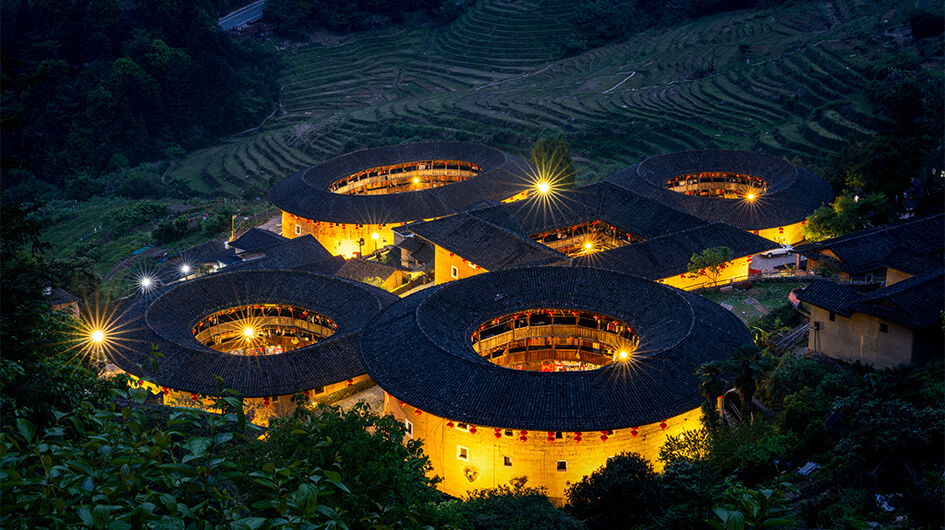 Tulou Night View
Your Journey’s Rewards:
Take an in-depth tour of the Tianluokeng Tulou Cluster, appreciate the architectural wisdom and clan-based living culture of Hakka tulou, and trace the migration and settlement history of early Hakka ancestors.
Educational Focus:
What Hakka culture is reflected in tulou architecture?
Takeaway:
Most tulou are round in shape, reflecting the clan-based living lifestyle of the Hakka people, and symbolizing family unity and mutual support. Tulou has become an important bond for overseas Chinese to connect with their cultural roots and revisit their cultural memories.
Thought Challenge:
Tulou has a unique architectural design. What practical functions does it serve?
After breakfast, check out from the hotel. Accompanied by your driver and guide, you will be transferred to the station or airport for your departure trip. Return home with warm memories, concluding the journey.
This tour is suitable for: Adoptive Family
What’s Included
- Experienced tour guides
- Entrance fee to all spots listed in the itinerary
- Well selected hotel accommodation
- Expert drivers and comfortable vehicles with air-conditioning
Hotel Options
| Location | Recommended Hotel |
|---|---|
| Quanzhou | Overseas Chinese Hotel |
| Xiamen | Hampton by Hilton Hubin South Road |
Wechat & WhatsApp: +86-13471279378