- Home
- City Tours
- Taiyuan Tours
- 6-Day Taiyuan Cultural Tour
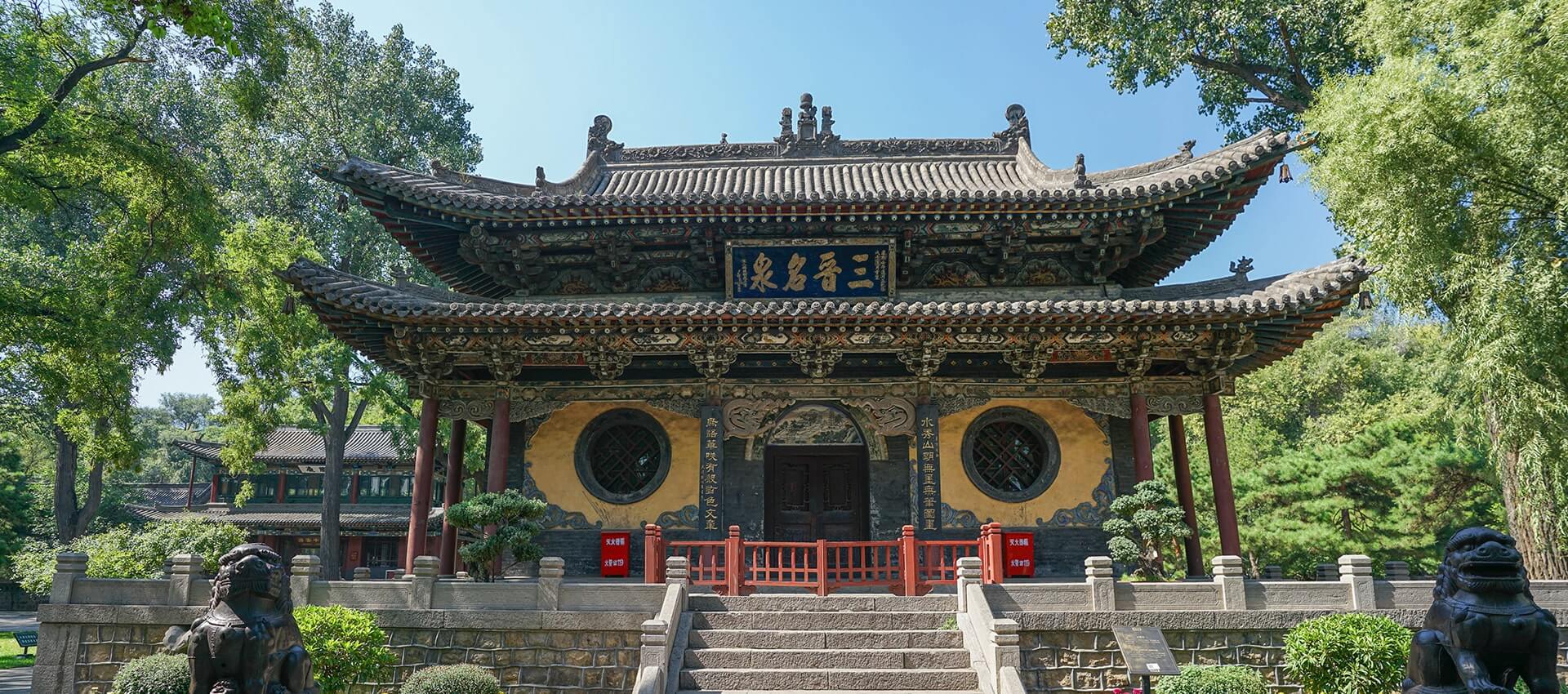
Taiyuan Cultural Tour
Embark on a 6-day Taiyuan journey and dive into its long-standing history and rich culture! You will admire time-honored ancient gardens and grotto art, gaze at precious tomb murals and century-old residences, and explore the wisdom of legendary local merchants. Witness digital restoration of cultural relics, experience traditional vinegar craftsmanship, and take a unique underground mine tour. Savor distinctive local treats and stroll historic streets—all to feel Taiyuan’s blend of ancient charm and vivid life!
Itinerary at a Glance
| Day | Location | Highlights |
|---|---|---|
| D1 | Taiyuan | Arrive, be picked up to check in, enjoy scenery, learn about local history and customs |
| D2 | Jinci Temple-Tianlongshan Grottoes-Tianlongshan Grottoes Museum-Liuxiang | Visit royal garden, see ancient sculptures/bridge; view grottoes, learn about digital Buddha restoration; experience food/folk customs, watch performances |
| D3 | Northern Qi Dynasty Mural Museum-Coal Museum of China | View tomb murals, learn about Silk Road culture/religious integration; take mine car underground, learn mining process/tech evolution |
| D4 | Shanxi Museum-Yingze Bridge-Shanxi Merchants Museum-Twin Pagoda Temple | Visit museum for relics/Shanxi history; walk on bridge; learn merchants' wisdom; admire pagodas/peony garden |
| D5 | Qiao Family Compound-Donghu Vinegar Garden | Visit compound for architecture/brick carvings; watch vinegar process, learn "vinegar freezing", make vinegar handicrafts, try vinegar ice cream |
| D6 | Taiyuan | Check out, take private car to airport/railway station |
Trip Highlights
- Admire ancient royal garden and Song Dynasty colored sculptures
- Learn about digital restoration of lost grotto Buddha statues
- Take mine car into underground to explore coal mining evolution
- Visit Qiao Family Compound to see Shanxi merchant architecture
- Make vinegar-related handicrafts and try unique vinegar ice cream
- Experience Taiyuan's food and folk customs on historic commercial street
Tour Essentials

Quality
No Shopping Traps

Group Type
Private

Tour Focus
Culture, Landmarks

Accommodation
Nights:5

Best Season
Spring, Summer, Autumn, Winter
Full itinerary for Taiyuan Cultural Tour
After you arrive in Taiyuan, we will meet you at the airport or railway station according to your itinerary, and take you to the hotel to check in. During the ride, you can enjoy Taiyuan's scenery. Our tour guide will also tell you about Taiyuan's history and customs to help you better get into your upcoming Taiyuan trip.
In the morning, first visit Jinci Temple, China's earliest existing royal sacrificial garden. Founded in the Western Zhou Dynasty, it was built to commemorate Tang Shuyu, the founding vassal of the Jin State. The 43 colored sculptures of maidens from the Song Dynasty in the Shengmu Hall, known as the "Venus of the East", vividly show the court life scenes of the Northern Song Dynasty. Yuzhao Feiliang(Flying Bridge over Fish ) Pond is China's earliest existing cross-shaped ancient bridge; its architectural concept of "building a bridge over the void as if flying" reflects the wisdom of ancient people. Nanlao Spring, the Zhou Cypress and the colored sculptures in the Shengmu Hall form the "Three Wonders of Jinci Temple". Among them, the Zhou Cypress, with a history of 3,000 years, is still lush and forms an interesting contrast with the ancient buildings.
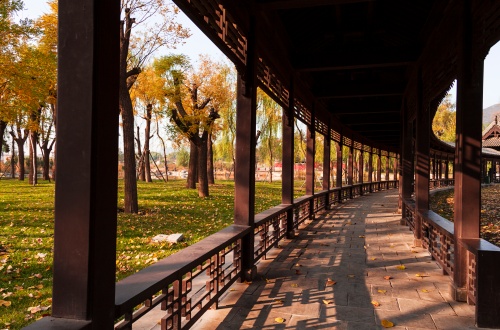 Jinci Temple Corridor
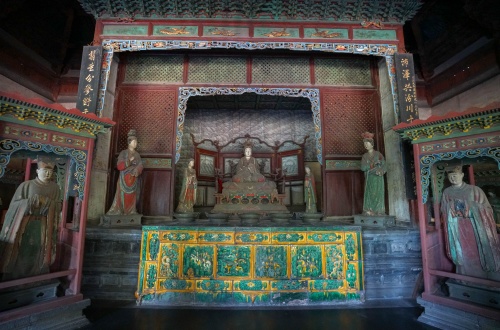 Shengmu Hall
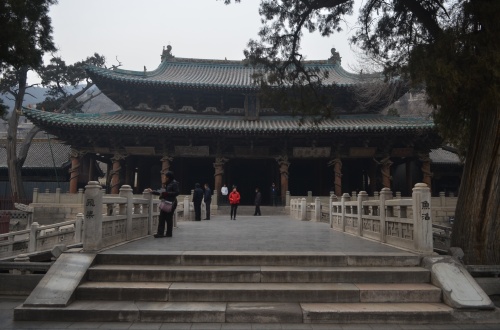 Yuzhao Feiliang
In the afternoon, go to Tianlongshan Grottoes, which were first chiseled in the Eastern Wei Dynasty (534-550 AD) and continued to be built through the Northern Qi, Sui and Tang dynasties. There are 25 existing grottoes and over 500 statues. Due to wars, the grottoes were stolen and damaged, and many Buddha statues have lost their original appearance. Fortunately, the Tianlongshan Grottoes Museum you will visit next has used digital technology to restore 45 Buddha statues lost overseas, allowing us to see the true appearance of the damaged and lost ones. The museum also displays grotto-chiseling tools and historical materials on Buddhist spread, witnessing cultural exchanges between China and foreign countries on the Silk Road.
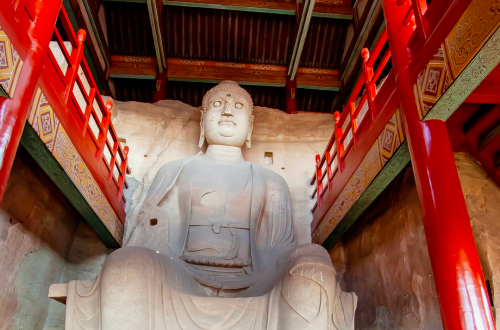 Giant Buddha State of the Cave 9
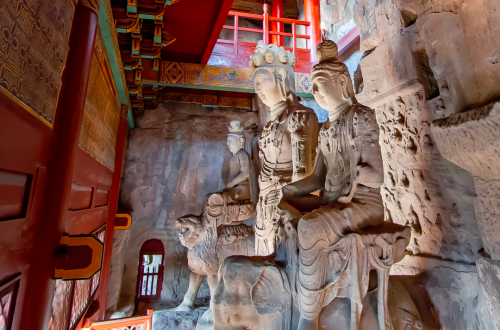 Three bodhisattva figures of Cave 9
In the evening, go to Liuxiang, Taiyuan's oldest commercial street, to experience the city's food and folk customs. Liuxiang took shape during the heyday of Shanxi merchants in the Ming and Qing dynasties. It still has many century-old shops, and also added intangible cultural heritage stores like traditional paper-cutting and shadow puppetry. This allows you to enjoy Taiyuan's most traditional food while watching the city's traditional folk performances.
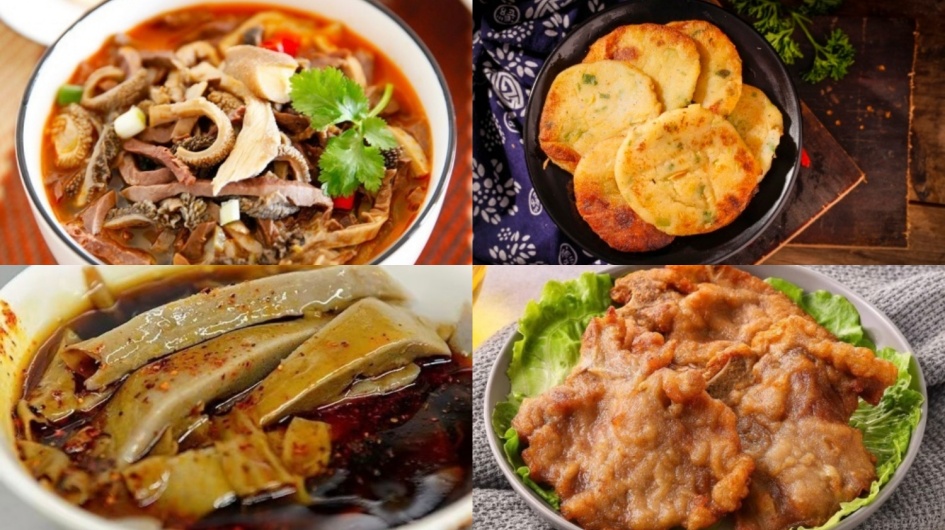 Delicous Liuxiang's foods
Your Journey's Rewards:
Look at the Song Dynasty colored maiden sculptures and the 3,000-year-old Zhou Cypress. Find out about the smart design of ancient Chinese cross-shaped bridges. Learn the story of how modern digital technology helps rebuild Buddha statues that were lost overseas. Walk along Liuxiang Commercial Street and try Shanxi snacks like knife-shaved noodles.
Educational Focus:
How does the digital restoration technology of Tianlongshan Grottoes Museum protect cultural heritage, while making up for the cultural relic losses caused by wars and supporting cultural inheritance?
Takeaway:
Through high-precision scanning, 3D modeling and other tech methods, the digital restoration technology of Tianlongshan Grottoes Museum collects data and rebuilds overseas lost statues, restoring their original shape and details accurately. This technology not only fills the gap left by war-caused statue losses and gives complete material evidence for studying grotto art and Buddhist culture from Eastern Wei to Tang Dynasty, but also breaks time and space limits. It lets damaged cultural relics be kept permanently in digital form, offers a referable tech plan for global cultural heritage protection and pushes the dynamic inheritance of cultural heritage in the digital age.
Thoughts Challenge:
When digital technology can restore cultural relics' appearance perfectly, does losing the original object still mean an irreplaceable cultural loss? Can tech restoration really make up for historical trauma?
In the morning, we visited the Northern Qi Dynasty Mural Museum, which is built on the original site of Xu Xianxiu's Tomb. The museum displays 330 square meters of authentic tomb murals from the Northern Qi Dynasty (550-577 AD). Among the murals, "The Banquet Illustration" fully presents the life of nobles. The pearl roundels on the figures' costumes clearly show Persian styles, serving as another strong evidence of cultural exchanges between China and the West along the Silk Road. The celestial chart on the tomb's dome combines Buddhist apsaras and Taoist feathered immortals. With accurately arranged constellations that reflect the astronomical knowledge of the time, it vividly demonstrates the historical feature of religious integration during the Northern Dynasties.
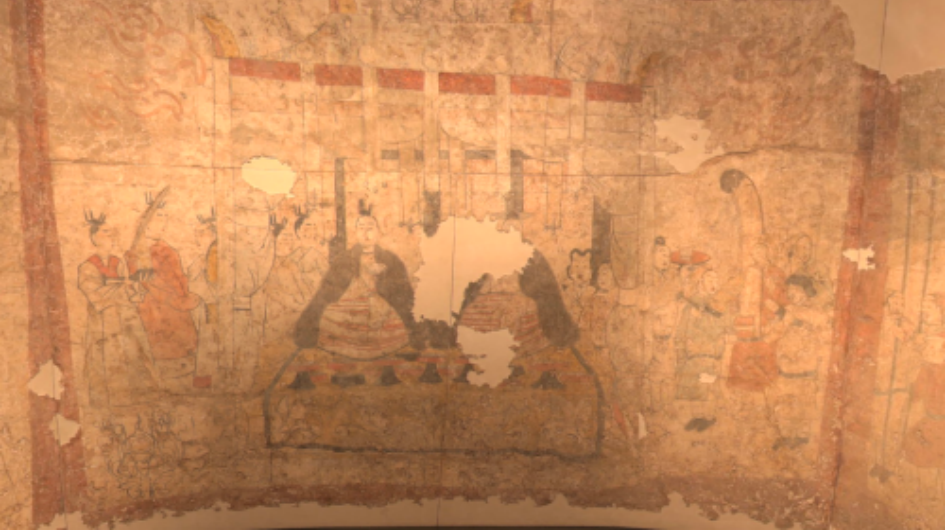 Hunting Sence
In the afternoon, we will visit the Coal Museum of China. It truly recreates coal mining scenes from the Ming Dynasty to the present day. You will take a mine car to go deep into the underground mine, and witness with your own eyes the entire coal mining process in Shanxi from ancient times to the present, as well as learn about the complete evolution of mining technology—from the ancient "room-and-pillar method" to the modern "fully mechanized mining method". The museum also houses ancient miners' tools, coal geological specimens, and historical photos. It shows in detail the whole process of coal formation, mining and utilization, and bears witness to the development history of China's coal industry.
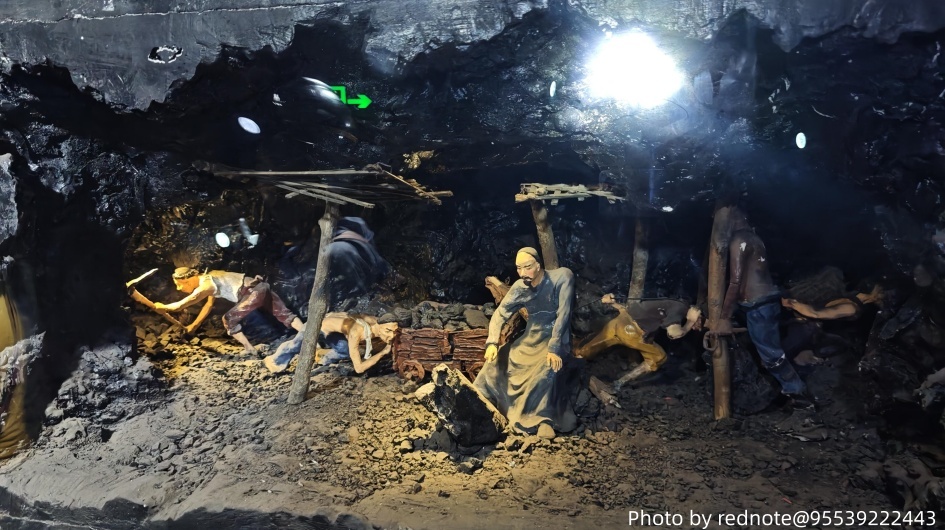 Ancient mining simulation model
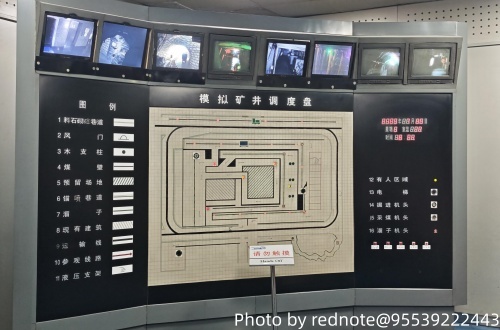 Coal mine simulation dispatch panel
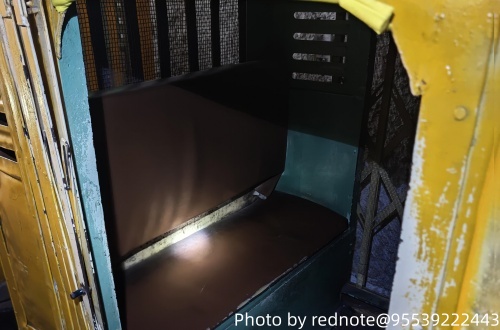 Mine car
Your Journey's Rewards:
View the original tomb murals showing the noble life of the Northern Qi Dynasty and cultural exchanges along the Silk Road. Appreciate the cosmic astronomical charts that combine Buddhist apsaras with Daoist immortals. Explore the simulated mine to experience the evolution of coal mining techniques from the Ming Dynasty to the present.
Educational Focus:
How did cultural exchanges along the Silk Road specifically influence the artistic expressions and religious integration in Northern Qi murals? What kind of social changes during that period do these interactions reflect?
Takeaway:
Pearl-roundel patterns in Northern Qi murals come straight from Persian Sasanian Dynasty art—this proves Shanxi had close trade with Central Asia in the mid-6th century. In astronomical charts, Buddhist apsaras and Daoist immortals show up together, which lets us see how different religions mixed in funeral rituals. Back then, people took in the ancient Greek-Indian astronomical knowledge system, and you can tell from how accurate the star charts are. Using mineral pigments not only shows great craft skills but also tells us there were cross-regional pigment trade networks. All these elements make a clear picture: the upper class took in foreign cultures actively and built a worldview through funeral art. They also give real proof to study how cultural identity formed in the late Northern Dynasties.
Thoughts Challenge:
Cultural integration of the elite class appears in the murals, but did common people have this diverse culture back then? Were there hidden power struggles between different beliefs in the religious images that seemed integrated?
First, we will visit the Shanxi Museum in the morning. Home to 400,000 precious cultural relics, the museum has exhibitions centered on "The Soul of Jin(Shanxi)". It uses a mix of archaeological finds and historical records to show clearly how Shanxi changed over history, from the Paleolithic Age to the Ming and Qing dynasties. Its most special collections are bronze wares, ceramics and murals. We will go for a walk on Yingze Bridge after our visit to the Shanxi Museum. Built over the Fenhe River, this bridge was the first one constructed there after the People's Republic of China was founded. It is also called "the First Bridge of North China".
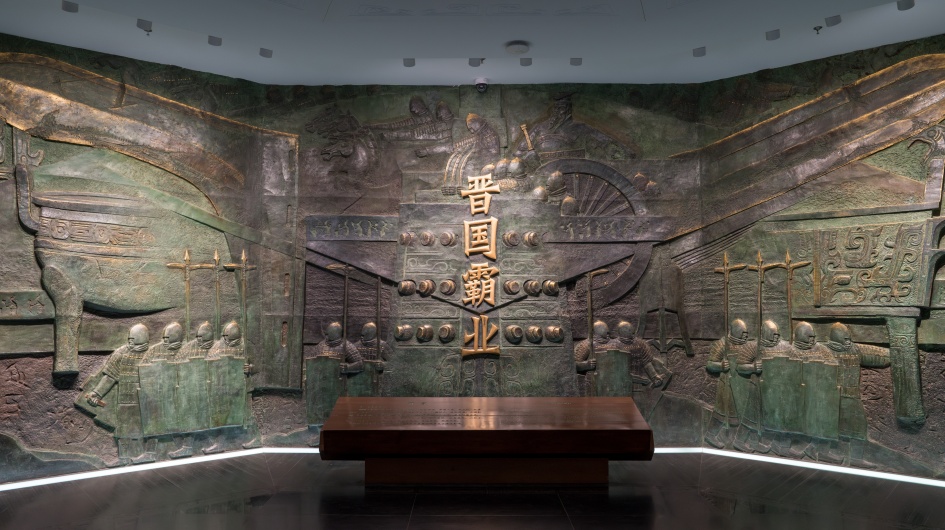 Achievements of the Jin Kingdom Hall
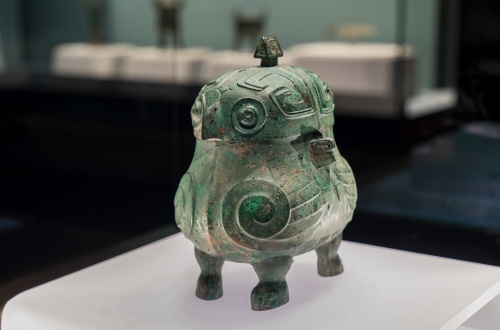 Owl Vessel
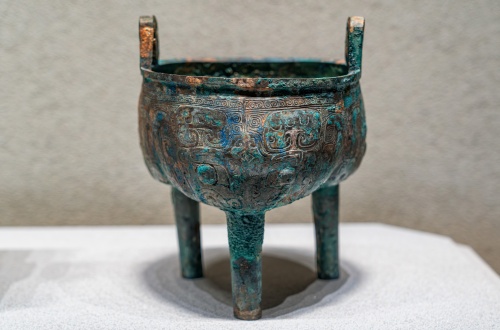 Bronze Cauldron
In the afternoon, we will visit the Shanxi Merchants Museum to learn about the Shanxi merchants—a unique group that played an extremely important role in China's thousand-year culture. Inside the museum, physical objects such as bank account books, armed escort boxes and weights are used to show in detail the business wisdom of the Jin merchants. Later, we will go to the Twin Pagoda Temple to admire the glazed-edge pagodas from the Ming Dynasty. As one of Taiyuan's landmarks, the two 54-meter-high pagodas tilt slightly toward the southeast, demonstrating ancient craftsmen's exquisite mastery of mechanics and geology. In addition, the peony garden in the temple grows the "Zixiaxian" peony variety dating back to the Ming Dynasty. Every spring when the flowers bloom, it attracts many visitors to stop and enjoy the scenery.
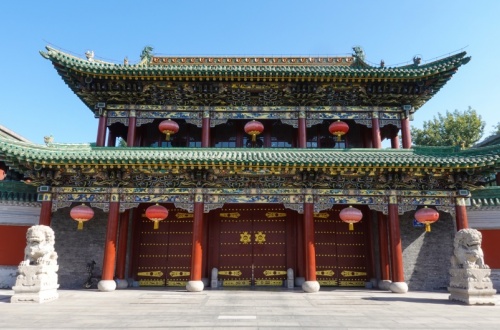 Shanxi Merchants Museum
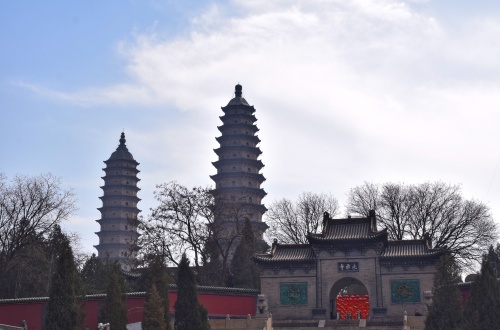 Twin Pagoda Temple
Your Journey's Rewards:
Look at precious bronze things. Walk on New China's first big bridge built over the Fenhe River. Get to know Shanxi merchants' business smarts through real things like draft bank account books and escort boxes. See the Ming Dynasty pagoda and peony garden.
Educational Focus:
As one of the most influential merchant groups in ancient China, how did the draft bank system of Shanxi merchants evolve into the prototype of modern banking? How did the concept of "integrity first, balancing justice and profit" in Shanxi merchant culture influence the development of modern Chinese commercial civilization?
Takeaway:
Shanxi merchants' draft bank system made China's first remittance system and branch operation model, and built a financial network that "connected the whole country through remittance". They used a partnership between owners and managers, an equity incentive system for employees, and strict house rules—these formed an enterprise management system with clear rights and duties. By putting Confucian ethics into business, Shanxi merchants stressed honest operation and balancing justice with profit, and set up a credit guarantee mechanism based on regional and family ties. These new methods not only helped cross-regional trade grow in the Ming and Qing dynasties, but also gave a basic system model for modern Chinese finance. The business ethics and management wisdom in Shanxi merchant culture have become a key part of Shanxi's deep commercial cultural heritage, and had a far-reaching effect on how Chinese commercial civilization developed.
Thoughts Challenge:
Why did the business wonders that Shanxi merchants created fade away little by little in modern times? Which of these experiences and lessons can still give useful ideas for today's business development?
In the morning, we will visit the Qiao Family Compound, which was first built during the Qianlong reign of the Qing Dynasty (1736-1795). The compound's six successive courtyards embody the typical Shanxi merchant architectural feature of "five inner courtyards, three outer courtyards and a through-tower courtyard". The brick carving "Hundred Longevity Characters" is engraved with 100 longevity characters in different styles, and the "Rhinoceros Gazing at the Moon" mirror is made of ironwood imported from Southeast Asia. These exquisite details reflect the Qiao family's (representing Shanxi merchants) life aesthetics, and the compound is known as "a pearl of northern residential architecture".
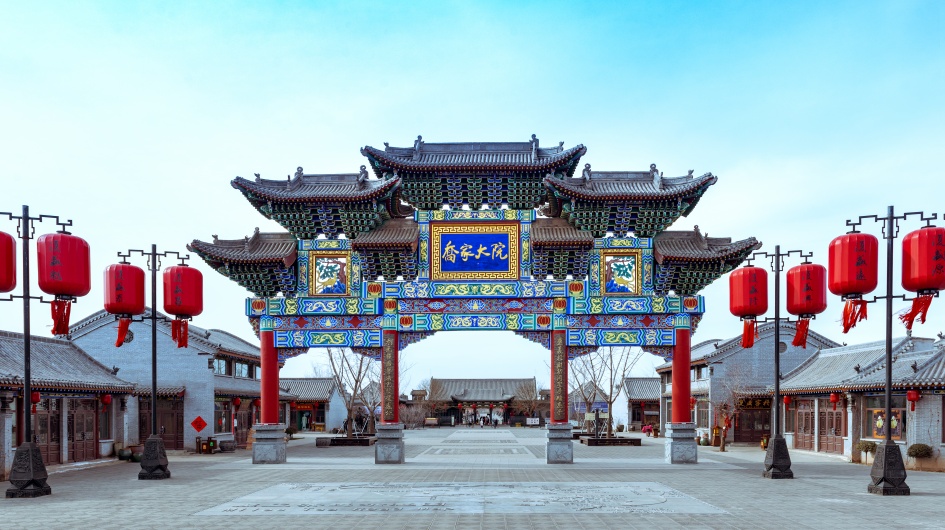 Qiao Family Compound
In the afternoon, we will visit Donghu Vinegar Garden—a traditional brewing base for Shanxi aged vinegar. It fully preserves the five classic craftsmanship steps of steaming, fermenting, smoking, dripping and aging. Here, you can watch the vinegar unstraining process of Shanxi aged vinegar and learn about the "vinegar freezing" extraction technique, which involves sun-drying the vinegar in summer and skimming ice from it in winter. After visiting the garden, we will also be guided by the staff to experience making vinegar-related handicrafts, such as vinegar-flavored chocolate and vinegar soap. If you like, you can also try the unique vinegar ice cream.
 A boy is inhaling the scent of vinegar.
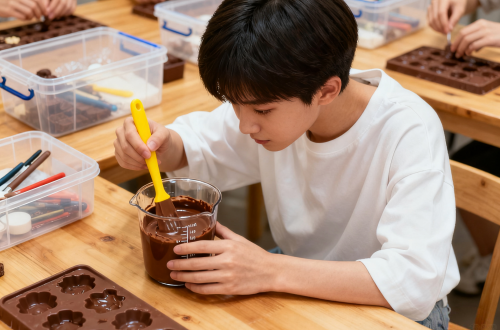 Making vinegar-flavored chocolate
Your Journey's Rewards:
Explore the Shanxi merchant architectural layout of the six-courtyard compound in Qiao Family Compound and its unique brick carvings. Visit the entire process of traditional old mature vinegar brewing, make vinegar-flavored handicrafts by hand, and taste the unique vinegar ice cream.
Educational Focus:
How does the traditional craft of "sun-drying in summer and fishing out ice in winter" for Shanxi aged vinegar reflect the scientific wisdom of ancient Chinese food fermentation? What insights does this unique production technique offer to the modern food industry?
Takeaway:
After being exposed to the sun in summer, Shanxi aged vinegar promotes the reproduction and metabolism of acetic acid bacteria in the vinegar grains, accelerating the process of ethanol oxidation into acetic acid. In winter, when ice forms, removing the ice actually concentrates the vinegar liquid through the principle of phase separation, increasing acetic acid concentration and removing impurities. This traditional craft follows natural climate rules, uses temperature changes to regulate the succession of microbial communities, and can form a stable system of flavor substances. Compared with liquid fermentation, the solid-state fermentation technology it adopts produces richer ester compounds, which is also the source of the unique flavor of Shanxi aged vinegar. This craft reflects the accurate control of microbial fermentation processes in ancient China, provides a classic example for the modern food industry to regulate microbial metabolism through natural methods, and has important reference value for the development of environmentally friendly food production technologies.
Thoughts Challenge:
Today, when industrial mass production is mainstream, how should this traditional brewing craft that relies on natural climate balance the relationship between large-scale production and flavor inheritance?
We will arrange a transfer for you on the trip's last day. According to your schedule, you will be taken to the airport or railway station by a private car. We hope these five days of traveling have helped you understand Taiyuan better.
This tour is suitable for: School, Family, Team Building, History Lovers
What's Included
- Air-conditioned vehicles
- Carefully selected comfortable accommodations
- All mentioned activities and entry fees included
- Daily breakfast and dinner provided
- Accompanied by expert local guides
- Accidental injury insurance fee
Recommended Hotels
| City | Deluxe | Comfortable |
|---|---|---|
| Taiyuan | Intercontinental Taiyuan Hotel | Shanxi Grand Hotel |
| World Trade Hotel | Coconut Crystal Hotel |
Wechat & WhatsApp: +86-13471279378