- Home
- City Tours
- Taiwan Tours
- 4-Day Taiwan Folk Culture Tour
4-Day Taiwan Folk Culture Tour
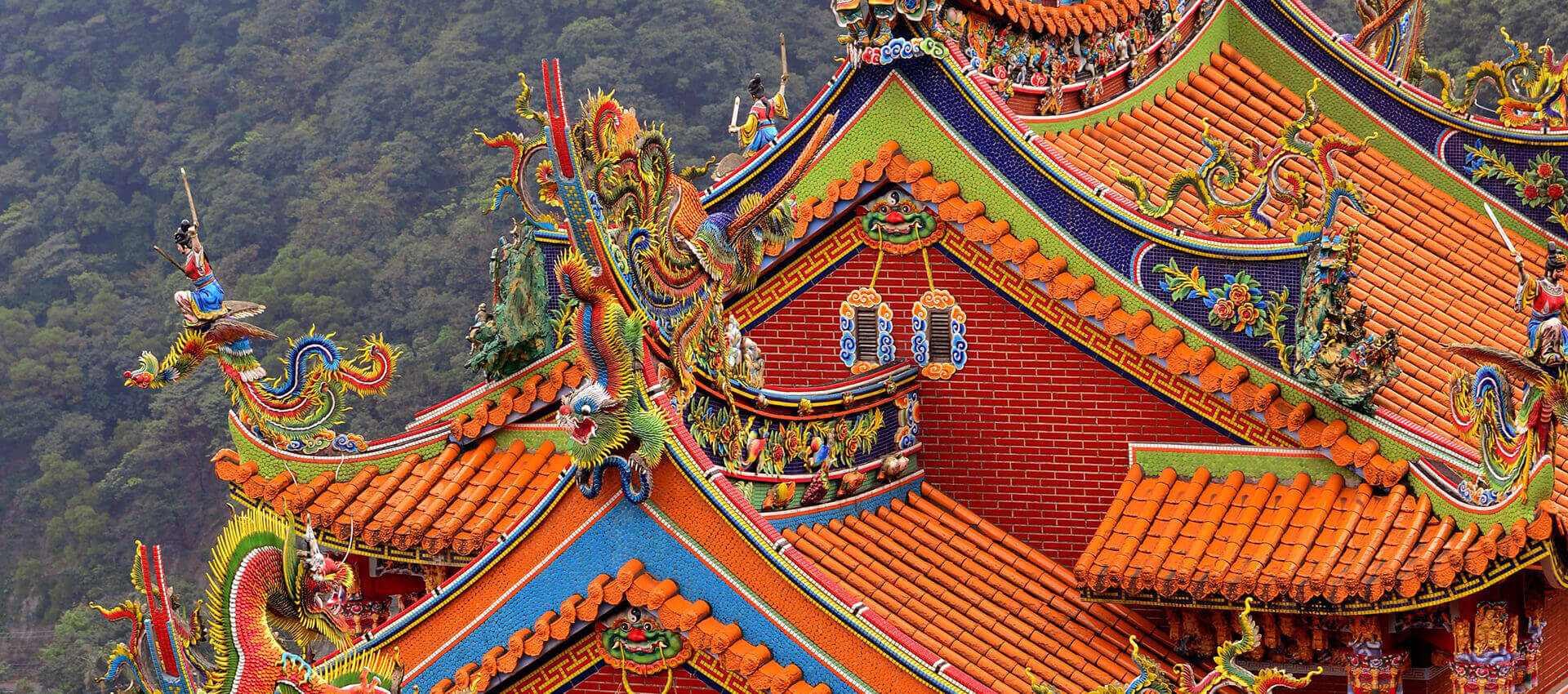
This 4-day journey starts with folk beliefs at Taipei's Longshan Temple, where you can touch the exquisite carvings on the beams and columns of Minnan-style architecture and experience the ancient ritual of divination with jiaobei blocks. Step into Sanxia Zushi Temple and an indigo dyeing workshop to feel the inheritance of craftsmanship and the shared cultural roots across the Taiwan Strait. Wander along Daxi Old Street to explore the secrets of woodcraft's continuity amid the tides of time. Finally, delve into the Atayal's Bulao Tribe to appreciate the gifts of the mountains and the indigenous people's survival wisdom. Every step connects culture, craftsmanship and nature, allowing you to understand Taiwan's folk heritage, the spirit of artisans and ecological philosophy through travel, embarking on a warm and in-depth exploration.
Itinerary at a Glance
| Day | Location | Highlights |
|---|---|---|
| D1 | Longshan Temple-Huaxi Street Night Market | Arrive, check into hotel, learn folk belief culture, try jiaobei divination, taste local snacks |
| D2 | Sanxia Qingshui Zushi Temple-Indigo Dyeing Workshop | Appreciate Minnan-style architecture, learn indigo making, experience stencil printing and dyeing |
| D3 | Daxi Old Street-Daxi Wood Art Eco-Museum | Learn woodworking history and materials, admire woodcraft, explore folk stories |
| D4 | Atayal Tribe-Return | Experience Atayal culture, listen to history, learn brewing techniques, taste characteristic dishes, pack and depart |
Trip Highlights
- Explore Minnan-style temples and try jiaobei divination
- Taste authentic snacks at Taipei's Huaxi Street Night Market
- Experience traditional indigo dyeing with natural materials
- Discover Daxi's woodcraft heritage at old street and eco-museum
- Immerse in Atayal culture: tribal cuisine and brewing techniques
- Trace cross-strait cultural roots through temple architecture and crafts
Tour Essentials

Quality
No Shopping Traps

Group Type
Private

Tour Focus
Folk Culture Experience

Accommodation
Nights:3

Best Season
Spring, Summer, Autumn, Winter
Full itinerary for 4-Day Taiwan Folk Culture Tour
After arriving at Taipei Taoyuan International Airport in the morning, our staff will take you to the hotel for check-in and rest. You can adjust your state and save energy for the afternoon's cultural and food tour to ensure a comfortable and smooth trip.
In the afternoon, you will visit Longshan Temple, where you can learn about Taipei's folk belief culture. Longshan Temple is a typical Minnan-style temple, with extremely elaborate and complex architecture and carvings that incorporate many allusions from ancient Chinese myths. It mainly enshrines Mazu, a goddess in charge of maritime safety. What's interesting is how people in Taipei ask questions to the gods: they throw two crescent-shaped wooden blocks called "jiao bei" to do so. If you're interested, you can also try this under the guide's instruction. In the evening, go to Huaxi Street Night Market to taste local specialty snacks and end the day's journey with a food experience.
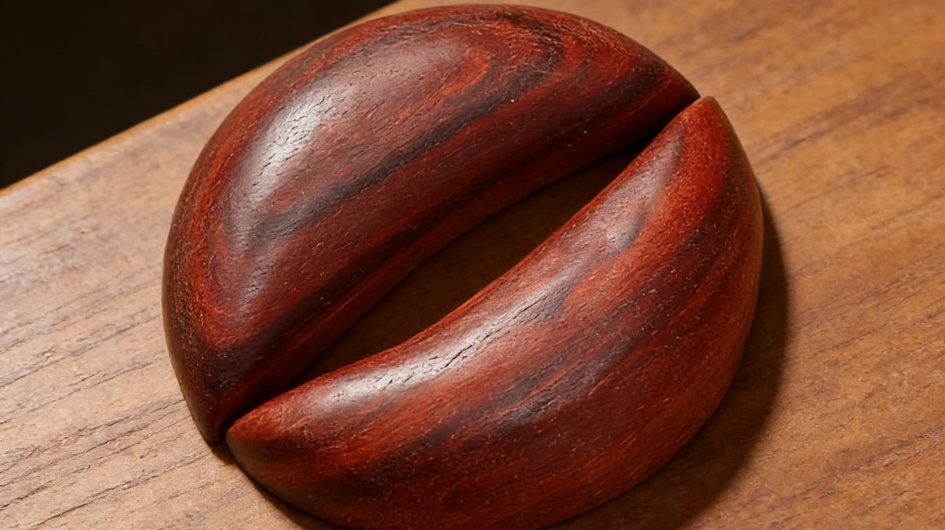 Jiaobei (a pair of wooden blocks used for divination)
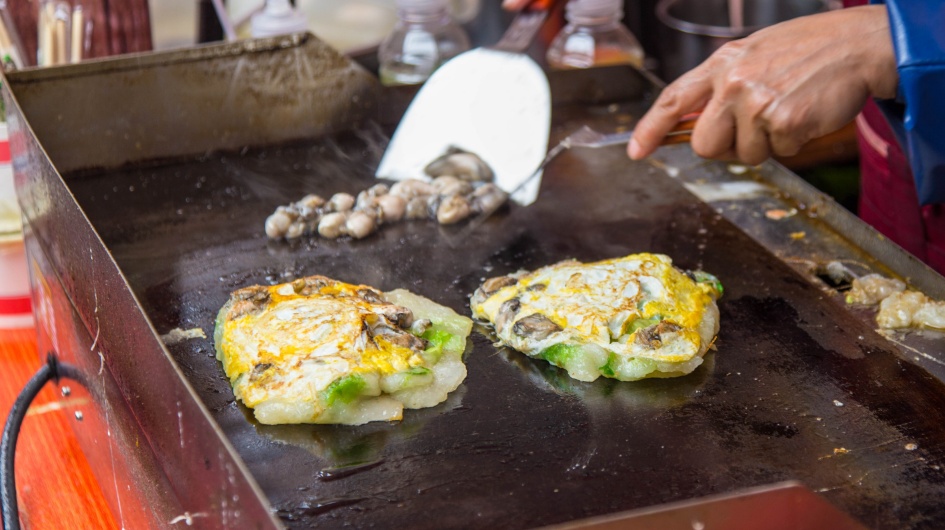 Taiwan's featured delicacy: Oyster Omelet
Your Journey's Rewards:
Experience Minnan temple culture, learn about Taipei's folk belief culture,try local snacks.
Educational Focus:
At Longshan Temple, when people use jiaobei (divination blocks) to ask the deity questions, what specific steps do they take to get the deity's 'response'?
Takeaway:
When using jiaobei (divination blocks), first hold the two crescent-shaped wooden blocks with both hands, clasp your palms together to pray, and state the matter you want to ask about. Gently toss the blocks to the ground. After they fall, if one lands face up and the other face down, this is called a "Sheng Bei" (holy block) and means the deity approves. If both end up face up, it is a "Xiao Bei" (smiling block), showing the deity's unclear response. Both blocks landing face down is a "Yin Bei" (yin block), which stands for the deity's disapproval. The result lets people figure out the deity's attitude.
Thoughts Challenge:
What kind of spiritual core of folk faith can be seen from the logic of using jiaobei (divination blocks)?
Visit Sanxia Qingshui Zushi (Divine Ancestor) Temple in New Taipei City in the morning. First built during the Qianlong era in 1769, this temple is a classic example of Minnan-style architecture closely blended with local beliefs. It is locally called the "Oriental Art Palace." Created by a hundred artisans, the temple has 130 columns made of Guanyin stone and granite, with open-carved designs depicting allusions from The Investiture of the Gods and scenes of "a hundred birds paying homage to the plum blossom." The main enshrined deity, Qingshui Zushi, crossed the sea with Minnan immigrants; the core belief of "charity and great love," along with the Quanzhou white stone used in the temple's construction, tells the story of the shared cultural roots between the two sides of the Taiwan Strait.
Visit a indigo dyeing workshop in the afternoon to explore this traditional craft, which dates back to the Pre-Qin period and was brought to Taiwan by early settlers. The workshop is closed on Mondays, and weekday groups of 20 or more must book in advance. Under the guidance of inheritors, learn the ancient secrets of making indigo: using "dajing" (indigofera tinctoria) as the raw material, and adding lime and maltose. Experience stencil printing by hand-scraping paste onto cloth. After printing a pattern, dip the fabric into dye. You can watch the color change from green to blue as it oxidizes. Finally, rinse away the paste to see your design. From gathering plants to revealing patterns, each step passes on the wisdom of early craftspeople. This hands-on practice lets you feel the environmental awareness and enduring vitality of this tradition.
 Indigo dyeing
Your Journey's Rewards:
Sanxia Qingshui Zushi Temple offers an experience of Minnan-style architecture and local beliefs, try the indigo dyeing craft to inherit the wisdom of early settlers.
Educational Focus:
In the indigo dyeing craft, how exactly does the traditional method of making indigo with "dajing" (indigofera tinctoria), lime and maltose turn the raw materials into dye?
Takeaway:
First, pick the leaves of "dajing" (indigofera tinctoria), chop them up, mix them with water and soak, letting the juice containing indigotin seep out. Adding lime can adjust the pH level and make indigotin settle; adding maltose provides a reducing environment, turning the settled indigotin into water-soluble leucoindigo. Then filter and let it stand—finally, you can make indigo dye that colors fabrics. No chemicals are added in the whole process; it all relies on the properties of natural raw materials to complete the transformation.
Thought Challenge:
What inspiration does the use of natural materials in traditional crafts provide for modern eco-friendly design?
Daxi Old Street is known for its exquisite woodworking craftsmanship. Since the Qing Dynasty, local woodworking guilds have existed; craftsmen not only made daily-use furniture but also created ritual wooden items like palanquins and shrines for temples, passing down their skills from generation to generation. During the Japanese colonial period, woodworking incorporated Japanese techniques, gradually forming a unique style. Later, industrial development impacted it, but the old street still retains many woodworking workshops and long-established stores, which is why Daxi woodworking has become a representative folk symbol of the area.
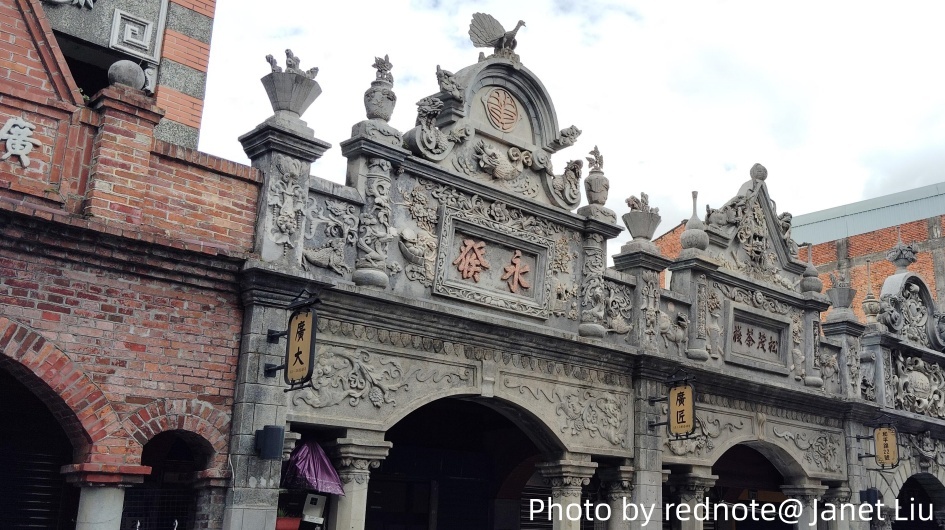 Daxi Old Street
In the afternoon, visit the Daxi Wood Art Eco-Museum, starting with the History Hall. There is an interactive wood art projection wall that helps visitors learn about the rise and fall of Daxi's forestry and camphor industries. You can also get a close look at Taishi chairs made with mortise-and-tenon joints and traditional woodworking tools. After that, head to the 624 Hall to explore the folk stories behind the birthday celebration of Guansheng Dijun at Daxi Puji Temple.
Your Journey's Rewards:
Learn about the wood materials and industrial history of Daxi, and admire exquisite woodcraft works at the Wood Art Eco-Museum.
Educational Focus:
What is the key reason why Daxi woodcraft has been passed down despite industrial impact?
Takeaway:
Daxi woodworking has been passed down, and its core relies on support from multiple aspects. Camphor wood and acacia wood from surrounding mountainous areas provide sufficient raw materials, laying a material foundation for the development of woodworking. Local woodworking guilds emerged during the Qing Dynasty, and craftsmen passed down their skills from generation to generation, preserving core techniques. The old street houses a large number of woodworking workshops and old stores, maintaining practical scenarios, while the Wood Art Eco-Museum also helps inherit culture through exhibitions, interactive installations and other methods. These factors together help woodworking withstand the impact of industrialization and become a local symbol.
Thoughts Challenge:
How can other traditional crafts learn from Daxi woodworking's inheritance experience?
Arrive at Atayal Tribe in Hanxi Village in the morning and start an in-depth experience of Atayal culture. Listen to the Atayal people explain the source of their ingredients and hunting history, and learn about their unique brewing techniques. For lunch, taste the tribe's characteristic dishes such as roasted bamboo chicken and Elaeocarpus wood shiitake mushrooms, and experience the Atayal people's cherishing and utilization of mountain forest resources through food.
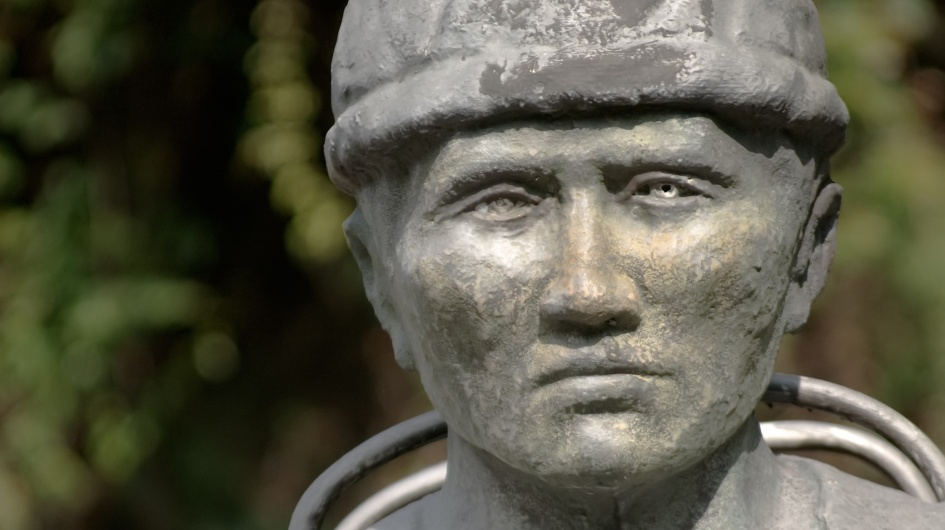 Atayal statue
Booking Notes:
The Atayal Tribe in Hanxi Village only accommodates 30 guests daily and generally requires reservations 1-2 months in advance. Please plan your schedule properly if you wish to join these experiences.
After a short break, pack up and get ready for the return journey. Set off with insights into Atayal culture, putting an end to this immersive experience.
Your Journey's Rewards:
Listen to the historical origins of the Atayal people, unlock traditional brewing techniques, taste mountain forest specialty foods, and comprehend the wisdom of harmonious coexistence with nature.
Educational Focus:
How have the Atayal people sustained the long-term coexistence of traditional crafts and mountain forest protection?
Takeaway:
The Atayal's traditional crafts and mountain forest protection coexist thanks to their reverence for nature and survival wisdom. Craft materials and food are sourced from mountain forests, yet they stick to "taking moderately" to avoid disrupting the ecological balance.Passing on brewing skills and special foods not only preserves cultural roots but also shares the importance of saving resources through practice, fostering a virtuous cycle of tradition and environmental protection.
Thought Challenge:
How can modern society balance the inheritance of traditional crafts and the protection of natural resources?
This tour is suitable for: School, Family, Team Building, Folk Cultre Lovers
What's Included
- Professional English-speaking tour guides
- Comfortable transportation with professional drivers
- Carefully selected transportation and accommodation
- Admission fees for all mentioned attractions included
- Airport pick-up and drop-off services provided
Wechat & WhatsApp: +86-13471279378