- Home
- City Tours
- Shandong Tours
- Shandong Food Tour
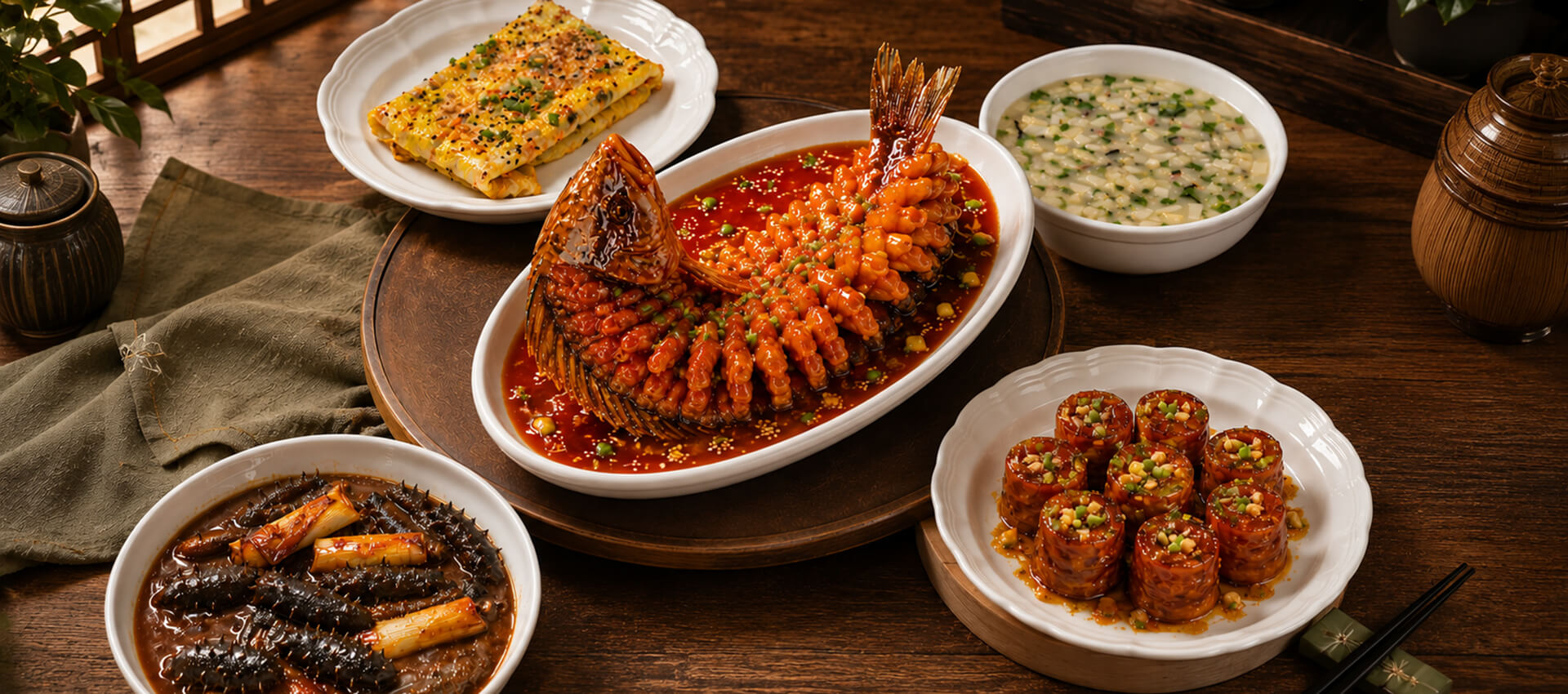
7-Day Shandong Food Tour
Shandong Cuisine, hailed as the leader among China’s Eight Major Cuisines, features the longest history and the richest variety of cooking techniques. This is a 7-Day Shandong Food Tour that deeply explores authentic Shandong delicacies and folk cultures in Jinan, Qufu, Tai’an, Weifang, Penglai, Yantai, Qingdao and more. During the trip, you will taste spring‑water‑style Shandong dishes, Mount Tai farmhouse specialties, Jiaodong seafood feasts and various local snacks.
You will visit iconic sites including Daming Lake, Mount Tai, Yangjiabu Folk Culture Village, the Eight Immortals Crossing the Sea Scenic Area and Badaguan. You can also wear Hanfu to experience Confucian culture at Nishan, try traditional handicrafts such as hand‑painted lacquer fan making, and learn about beer culture at the Tsingtao Beer Museum.
We thoughtfully arrange every detail to ensure you enjoy a comfortable and hassle‑free journey, with your travel experience as our top priority. The itinerary can also be flexibly adjusted according to your interests and preferences, and we are always committed to providing personalized and considerate travel services throughout your trip.
Itinerary at a Glance
| Day | Location | Highlights |
|---|---|---|
| D1 | Jinan | Arrive in Jinan; hotel check-in; taste classic Yellow River Carp |
| D2 | Jinan → Qufu → Tai’an | Visit Jinan’s springs & ancient towns; taste spring-water Shandong cuisine; experience Confucian culture in Hanfu; enjoy scallion-stuffed pancakes |
| D3 | Tai’an → Weifang | Visit Mount Tai with round-trip shuttle & cable car; taste farmhouse cuisine; experience hand-painted lacquer fan making; try Old Weixian Fried Meat |
| D4 | Weifang → Penglai → Yantai | Visit Eight Immortals Scenic Area; watch shadow puppet show; enjoy Penglai Eight-Immortals Seafood Feast; taste shrimp paste with steamed buns |
| D5 | Yantai → Qingdao | Tour Yantai’s coastal attractions; taste mackerel dumplings; experience coastal night scenery |
| D6 | Qingdao | Visit Qingdao landmarks; tour Tsingtao Beer Museum; enjoy seafood feast; explore night views of Olympic Sailing Center |
| D7 | Qingdao | Transfer to airport/train station; tour ends |
Trip Highlights
- Explore Jinan’s landmarks and taste classic spring‑style Shandong dishes
- Hike Mount Tai and enjoy authentic Mount Tai farmhouse cuisine
- Make hand‑painted lacquer fans in Weifang
- Visit the Eight Immortals Crossing the Sea Scenic Area and enjoy Jiaodong seafood feasts
- Tour the Tsingtao Beer Museum and taste fresh local beer
Tour Essentials

Quality
No Shopping Traps

Group Type
Private

Tour Focus
Food, Culture

Accommodation
Nights:6

Best Season
Spring, Summer, Autumn, Winter
Full itinerary for 7-Day Shandong Food Tour
Arrive in Jinan, the City of Springs, and transfer to your hotel with the escort of your driver and tour guide. After checking in, you are free to experience the laid-back urban atmosphere of Jinan. In the evening, taste the classic Shandong dish – Yellow River Carp. Crispy outside and tender inside with sweet-sour and savory flavors, it is one of the representative dishes for Shandong banquets.
After breakfast, visit Jinan’s landmark attractions: Daming Lake, Black Tiger Spring, Mingfu City and Baihuazhou, to experience the unique urban scenery where springs flow through the city. Every July to August, lotus flowers are in full bloom at Daming Lake. During the tour, you can also taste local snacks such as Tianmo (spiced savory porridge), Youxuan (crispy spiral pastries) and Bazirou (braised pork).
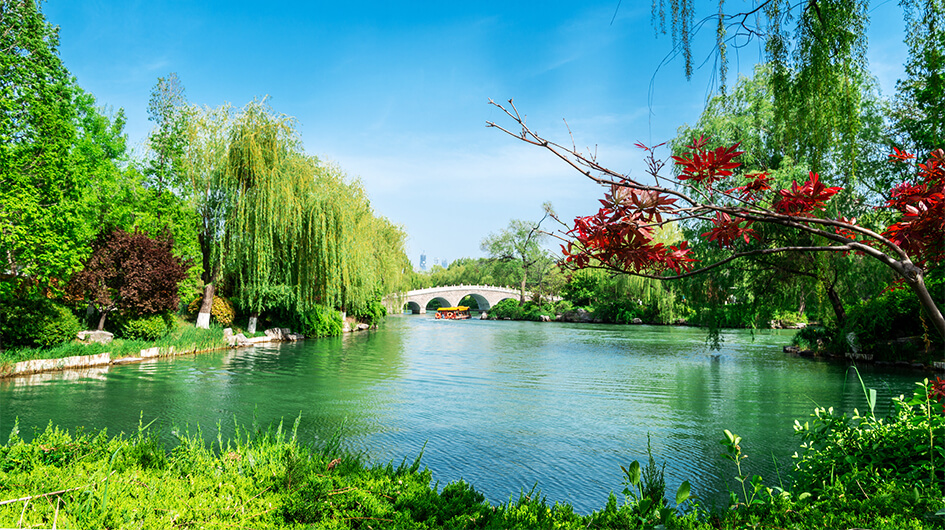 Daming Lake
For lunch, enjoy Spring-Water Shandong Cuisine at a local restaurant, featuring classic dishes including Milk-Soup Cattail Vegetable, spring-water tofu and spring-water-braised chicken.
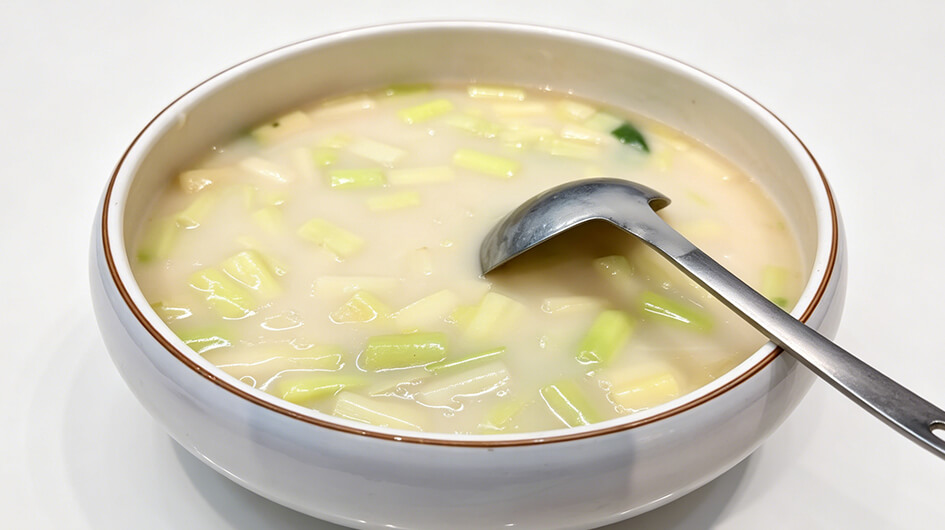 Milk-Soup Cattail Vegetable – "The Top Soup Dish of Jinan"
Later, travel to Nishan in Qufu, the birthplace of Confucius and the origin of Confucian culture. Upon arrival in Qufu, change into Hanfu, enter the Confucian Temple, visit buildings such as Dacheng Hall and Apricot Altar, listen to explanations of Confucian culture and learn about Confucius’ thoughts.
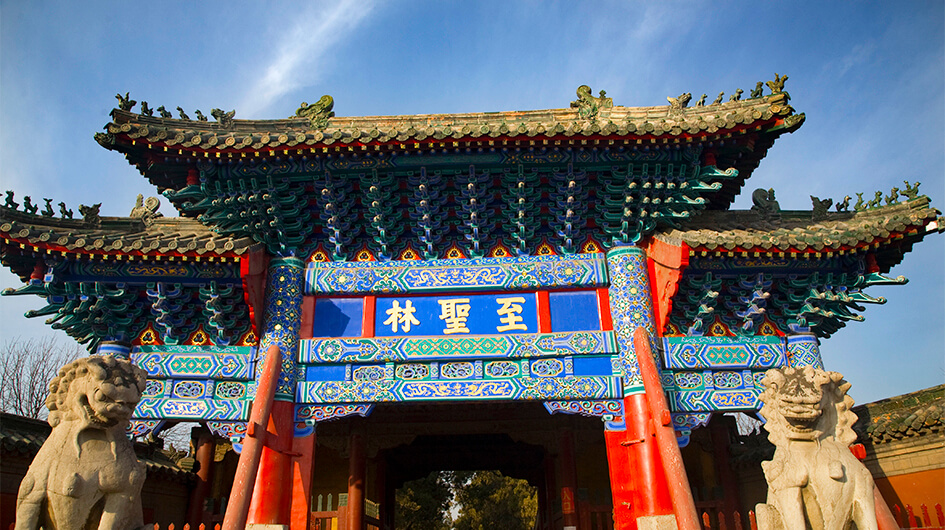 Confucian Temple
Afterwards, head to Tai’an. Taste the local specialty — scallion-stuffed multigrain pancakes served with sweet soybean paste and sesame salt. Experience local delicacies in Tai’an to bring the day’s journey to a perfect end.
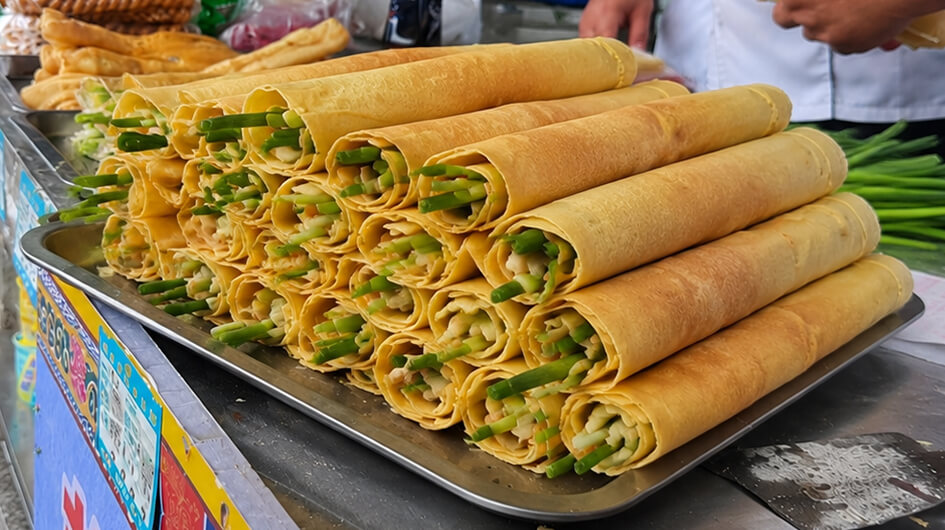 Scallion-Stuffed Multigrain Pancakes
Your Journey’s Rewards:
Savor authentic spring-water-style Shandong Cuisine in Jinan, the birthplace of Shandong Cuisine, and appreciate the unique charm of Jinan-style dishes. Experience Confucian culture at Nishan in Qufu and try the local specialty scallion-stuffed pancakes in Tai’an.
Educational Focus:
How is Jinan’s identity as the “City of Springs” reflected in Jinan-style dishes?
Takeaway:
Known as the “City of Springs”, Jinan boasts numerous springs with sweet-fresh, mineral-rich water. Spring water is used in many local dishes to enhance the natural freshness of ingredients, such as sweet-and-sour carp, spring-water tofu and milk-soup cattail vegetable.
Thought Challenge:
While inheriting spring-water cooking techniques, how do you think we can protect the spring-water ecosystem?
After breakfast, head to Mount Tai, the foremost of China’s Five Great Mountains. Take the scenic shuttle bus and round-trip cable car to easily reach attractions such as South Heavenly Gate, Heavenly Street and Jade Emperor Peak, overlooking the magnificent mountain scenery.
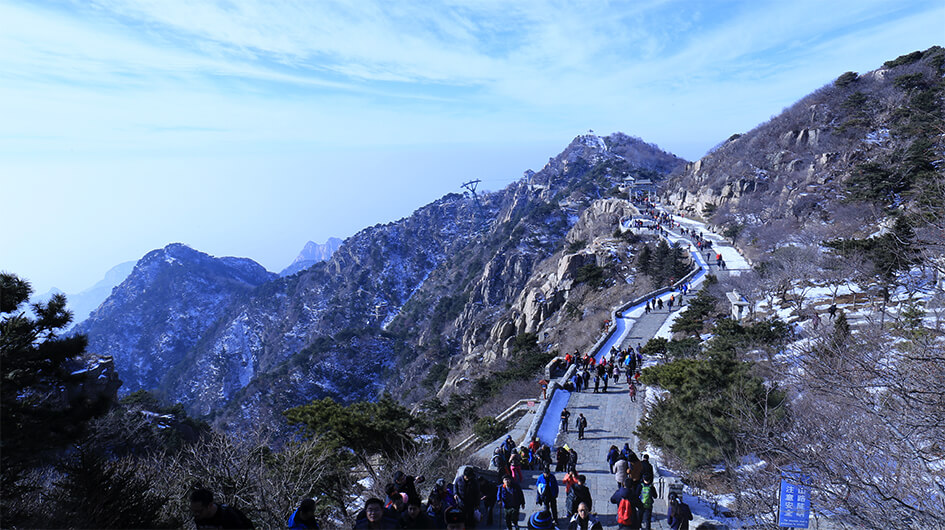 Mount Tai
At noon, dine at a local restaurant to enjoy a distinctive feast — Mount Tai Farmhouse Cuisine. Here you can taste local specialties made with fresh ingredients, including firewood-stewed chicken, tofu feast and pancakes.
In the afternoon, travel to Weifang, the World Capital of Kites. Follow your guide to tour Yangjiabu Folk Culture Village and learn about traditional folk arts such as wood-block New Year paintings and kite-making. Under professional instruction, you will experience hand-painted lacquer fan craftsmanship, creating a one-of-a-kind traditional lacquer fan to take home.
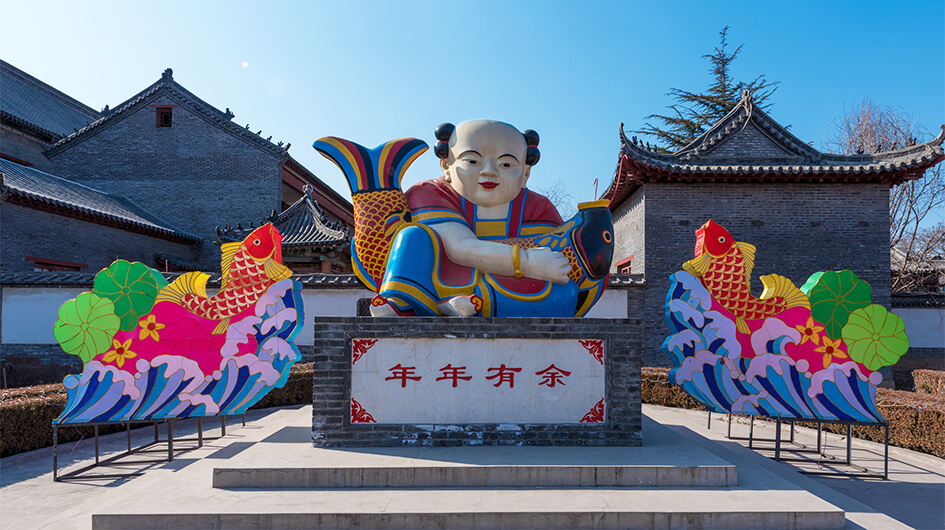 Yangjiabu Folk Culture Village
In the evening, try Weifang’s renowned local delicacy — Weixian Fried Meat. Premium meat strips are coated with batter and deep-fried, boasting golden crispy skin and tender, juicy meat inside. Served with special sauces, it delivers a unique flavor and is one of the most popular local foods.
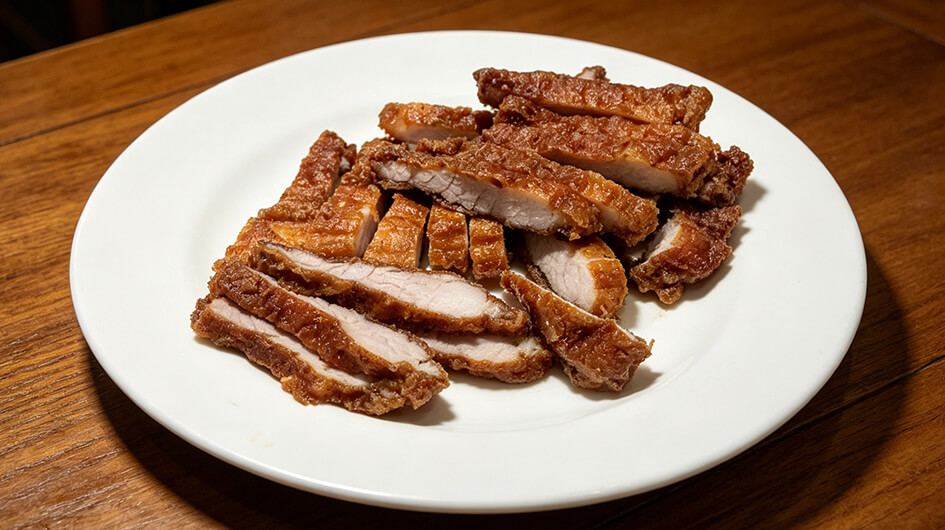 Weixian Fried Meat
Your Journey’s Rewards:
Admire breathtaking scenery and experience Mount Tai culture while enjoying simple-yet-fragrant Mount Tai Farmhouse Cuisine. Try the traditional handcraft of lacquer-fan making, and taste authentic Old Weixian Fried Meat to explore distinctive Weifang flavors.
Educational Focus:
How do the geographical environment and local produce of Mount Tai shape the regional food culture here?
Takeaway:
Located in mountainous terrain, Mount Tai is rich in vegetables, mushrooms and fish such as Mount Tai Chinese cabbage, pine mushrooms and Chilin fish. Local people adopt simple, low-oil cooking methods to preserve the natural freshness and aroma of ingredients.
Thought Challenge:
How should mountain culture, urban folk customs and characteristic delicacies be integrated to gain better recognition and affection from young people today?
Conclude your trip in Weifang and head to Penglai to visit the Eight Immortals Crossing the Sea Scenic Area, themed around the myth of the Eight Immortals crossing the sea. Here you may also watch a shadow puppet show, learning about the ancient legend through traditional shadow puppet art. If you visit in May, you can experience picking large cherries.
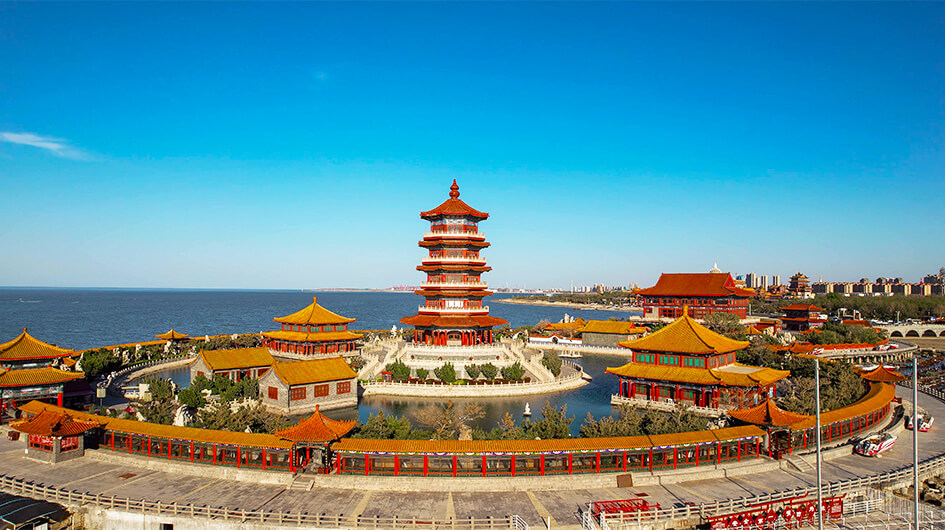 the Eight Immortals Crossing the Sea Scenic Area
For lunch, enjoy the Penglai Eight-Immortals Feast, a traditional famous local dish in Shandong belonging to Shandong Cuisine. Meticulously cooked with seafood and other ingredients, the dishes incorporate treasures of the Eight Immortals and the Ten Scenic Spots of Penglai into their design.
Arrive in Yantai in the evening. For dinner, taste shrimp paste with steamed buns, a classic traditional snack in Yantai combining specially-made local shrimp paste with baked buns for a fresh, savory and rich flavor.
Your Journey’s Rewards:
Visit the Eight Immortals Crossing the Sea Scenic Area, watch the Jiaodong Eight-Immortals shadow puppet show and learn about the ancient folk legend of the Eight Immortals crossing the sea. Taste the distinctive Penglai Eight-Immortals Feast and experience Jiaodong marine food culture.
Educational Focus:
As one major branch of Shandong Cuisine, what are the features of Jiaodong Cuisine?
Takeaway:
With a long coastline, the Jiaodong Peninsula abounds in seafood such as sea cucumber, abalone, conch and giant prawns. Therefore, Jiaodong Cuisine specializes in seafood cooking, especially small-sized seafood. It pursues original natural flavors with a relatively light and fresh taste.
Thought Challenge:
With the development of modern tourism, many restaurants adjust flavors to suit public tastes. How do you think traditional food culture can be preserved?
In the morning, visit Yantai Hill, which was once a foreign concession in Yantai. You may climb the tower for a bird’s-eye view of downtown Yantai and its coastline. Afterwards, wander along Chaoyang Street, a century-old street brimming with local life, where you can sample Yantai specialties such as seafood balls, fried pastries and desserts.
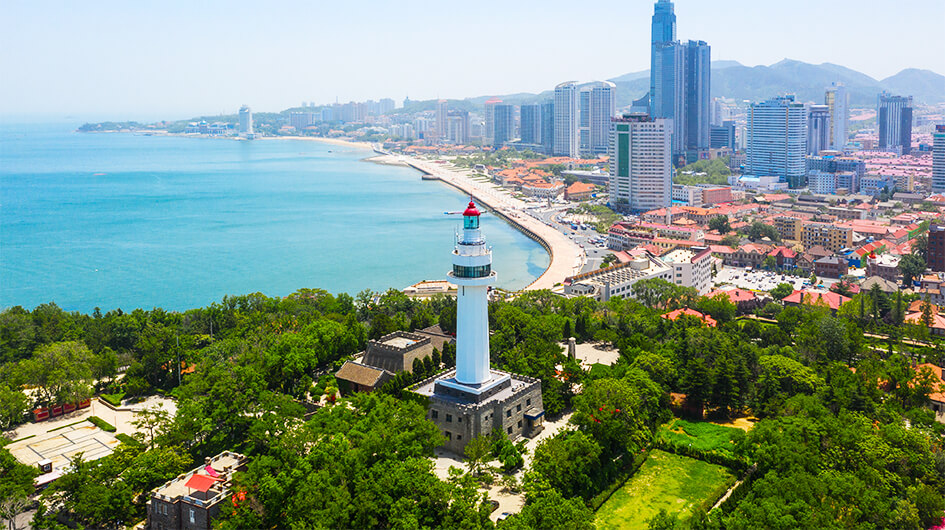 Yantai Hill
Next, tour the East Fort, which preserves relics including Krupp cannons, barracks and ammunition depots, to learn about Yantai’s coastal defense history. Then head to Fisherman’s Wharf to experience fishing-port culture and taste fresh street-style seafood such as conchs and small shellfish.
For lunch, enjoy mackerel dumplings, a highly representative local delicacy stuffed with tasty Spanish mackerel, much loved by both locals and tourists. Travel to Qingdao in the afternoon. If your trip is scheduled between mid-July and mid-August, you can have a glass of locally brewed fresh beer at the main venue of the Qingdao International Beer Festival and experience its lively atmosphere.
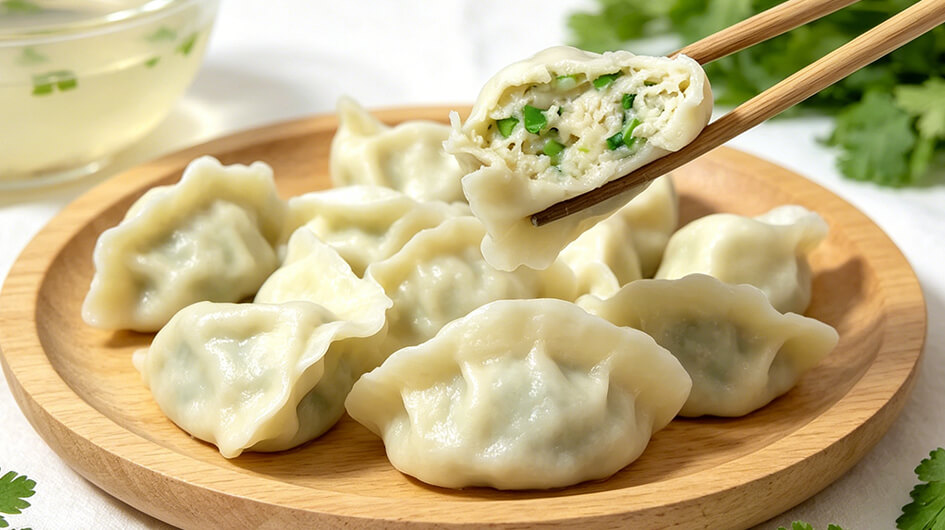 Mackerel Dumplings
For dinner, taste carefully selected local Qingdao dishes at a local restaurant. Featuring tofu, seafood and seasonal vegetables, these dishes fully present authentic flavors of Jiaodong-style Shandong Cuisine. Later, take a night tour of the Bright Moon Between Mountains and Sea Night City to experience Qingdao’s coastal night scenery and modern urban vitality.
Your Journey’s Rewards:
Continue tasting classic Jiaodong delicacies and experiencing authentic marine flavors.
Educational Focus:
Shandong Cuisine became a major imperial court cuisine during the Ming and Qing dynasties. What cooking techniques does it feature?
Takeaway:
Common cooking techniques of Shandong Cuisine include steaming, roasting, scallion-braising, stewing, quick-frying and deep-frying. It emphasizes knife skills, heat control and seasoning. Different techniques are applied to various dishes to achieve the best texture and flavor.
Thought Challenge:
Amid the summer boom of beer-themed cultural tourism, how can we balance commercial development with the inheritance of local marine food culture?
In the morning, visit Zhanqiao Pier in Qingdao and enjoy sea views from the pier. Then head to Liyuan Leisure Block, stroll among German-style buildings, explore unique boutique shops, and taste street-side snacks and desserts. Next, visit St. Michael’s Cathedral, a grand and elegant German-style Catholic church and an important landmark of Qingdao’s historic architecture.
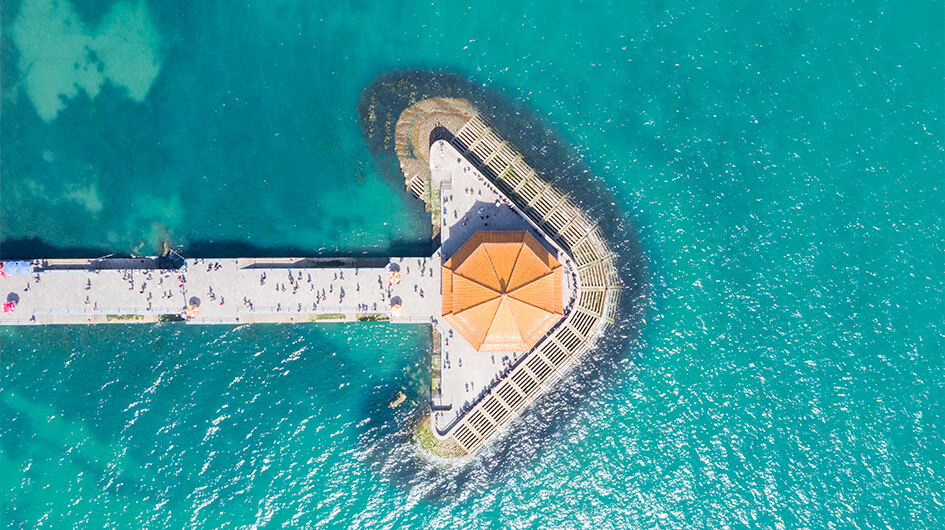 Zhanqiao Pier
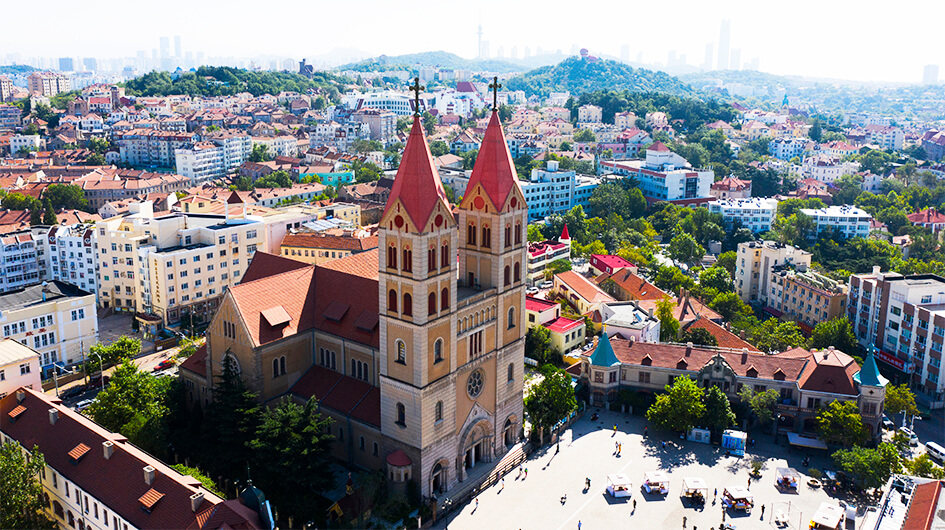 St. Michael's Cathedral
Proceed to Badaguan, a well-known historic district, to view numerous European-style villas of diverse designs. For lunch, taste authentic Jiaodong home-style seafood dishes, such as iron-pot-braised fish, clam chicken, handmade steamed buns and seafood congee.
In the afternoon, tour the Tsingtao Beer Museum to learn about the history and brewing techniques of Tsingtao Beer. You will get to sample Tsingtao Beer paired with traditional beer-companion snacks and experience genuine Tsingtao beer culture. In the evening, enjoy the local specialty steamed seafood pot.
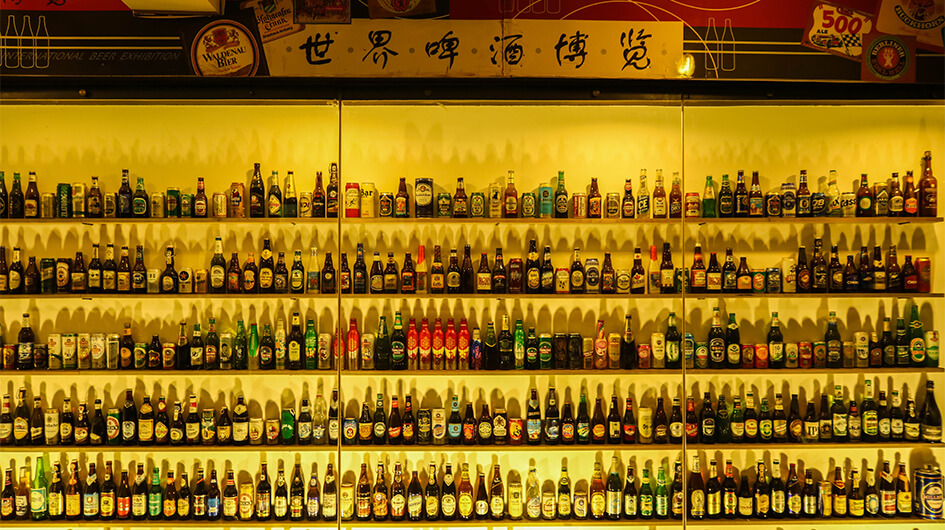 Tsingtao Beer Museum
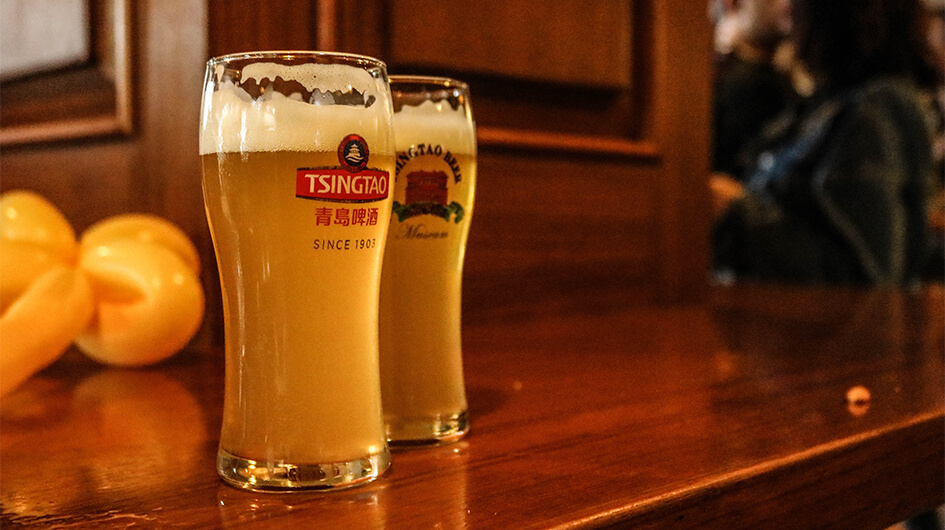 Tsingtao Beer
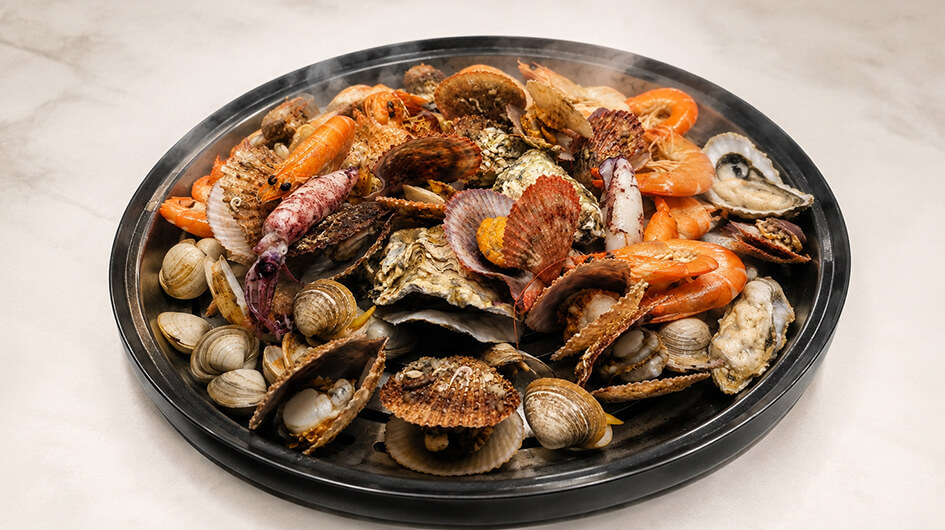 Steamed Seafood Pot
Take a night tour of the Olympic Sailing Center, overlook May Fourth Square, admire Qingdao’s urban light show, and experience the coastal night scenery and modern urban vitality.
Your Journey’s Rewards:
Visit the Tsingtao Beer Museum to learn about the development history and brewing techniques of China’s most iconic beer brand, and deeply experience Tsingtao beer culture.
Educational Focus:
How did Qingdao’s modern historical background shape the formation of its beer culture?
Takeaway:
In modern history, Qingdao was influenced by German architectural and brewing culture. Western beer-making techniques were gradually integrated into local life, forming the nationwide-famous Tsingtao beer culture today.
Thought Challenge:
As globalization continuously impacts food culture today, do you believe traditional regional cuisines such as Shandong Cuisine should focus more on preserving classic flavors or innovate by combining modern international tastes?
After breakfast, check out of your hotel. Your guide and driver will transfer you to the airport or station according to your flight or travel schedule, marking the end of your delightful Shandong food-themed tour.
This tour is suitable for: Food Lovers, School, Family,
What’s Included
- Experienced tour guides
- Entrance fee to all spots listed in the itinerary
- Well selected hotel accommodation
- Expert drivers and comfortable vehicles with air-conditioning
Hotel Options
- Jinan Hotel Accommodation: Liangyou Fulin Hotel
- Tai’an Hotel Accommodation: Lijing Plaza Hotel
- Weifang Hotel Accommodation: Holiday Inn Express Weifang Center
- Qingdao Hotel Accommodation: Holiday Inn Express Qingdao Jinshui
Wechat & WhatsApp: +86-13471279378