- Home
- City Tours
- Ningxia Tours
- 6-Day Ningxia Desert Hiking Study Tour
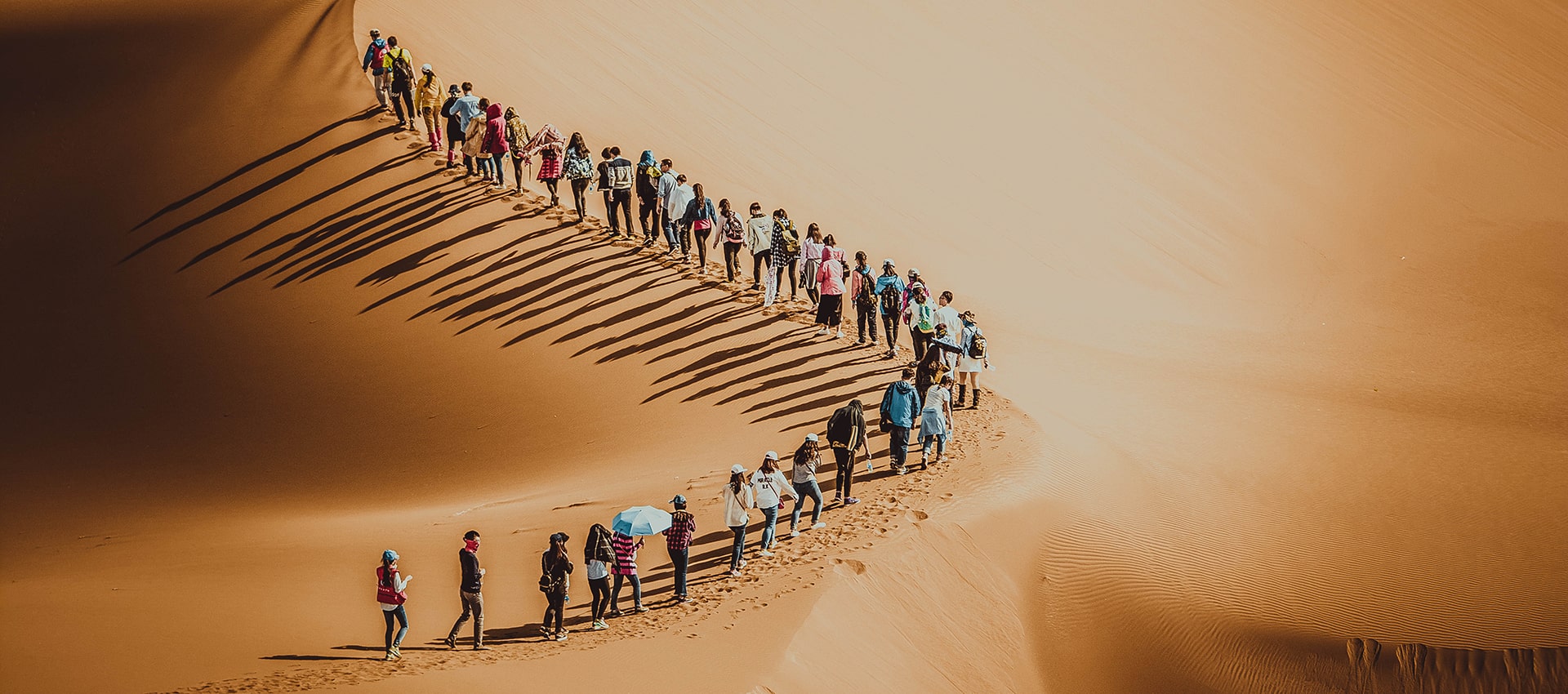
Ningxia Desert Hiking Study Tour
This 6-day Ningxia trip begins with a flight to the destination, and mixes cultural exploration with fun experiences all the way. You’ll get close to ancient relics, try traditional crafts by hand, and go into the desert for different exciting activities—like staying in special campsites, joining bonfire parties and star-gazing classes. There are also chances in the itinerary to explore local food freely. It lets you learn while having fun, and feel the place’s unique charm deeply.
Itinerary at a Glance
| Day | Location | Highlights |
|---|---|---|
| D1 | Yinchuan | Arrive by flight, be picked up by a dedicated person, check into the hotel |
| D2 | Helan Mountain Rock Carvings Scenic Area-Xixia Mausoleums National Heritage Park-Xixia Museum | Visit themed exhibition halls, learn rock carving meanings, experience rubbing; learn Xixia civilization history, try woodblock movable type printing |
| D3 | Yinchuan-Tengger Desert | Drive to desert, try desert activities (surf truck, camel riding, zip-lining, ATV, sand sliding); check into lotus tents, have BBQ, hold bonfire party, join star-gazing class |
| D4 | Zhongwei Shapotou Scenic Area-Yinchuan | Hike, observe and practice wheat straw grid sand control; try sand sliding, sheepskin rafting, camel riding, visit glass bridge; drive back to Yinchuan, optional night market exploration |
| D5 | Zhenbeibu Western Film Studio-Shuidonggou Scenic Area | Learn shadow puppetry origin, watch shows, try performance; do simulated archaeological digging with expert guidance |
| D6 | Yinchuan | Be taken to airport or high-speed train station by guide, depart |
Trip Highlights
- Hike in Shapotou Desert, observe and practice wheat straw grid sand control
- Experience rock carving rubbing and woodblock movable type printing
- Stay in desert lotus tent and join star-gazing class
- Try desert activities (camel riding, sand sliding, sheepskin rafting)
- Learn shadow puppetry and have a go at performance
- Do simulated archaeological digging in prehistoric site
Tour Essentials

Quality
No Shopping Traps

Group Type
Private

Tour Focus
Food, History

Accommodation
Nights:6

Best Season
Spring, Summer, Autumn, Winter
Full itinerary for Ningxia Desert Hiking Study Tour
Fly from the departure point to Yinchuan, and upon landing, be picked up by a dedicated person, then proceed to the hotel for check-in.
Head to Helan Mountain Rock Carvings Scenic Area and enter 5 themed exhibition halls. These halls cover three categories: world rock carvings, Chinese rock carvings and Helan Mountain rock carvings. Inside the halls, there are catalogs, rubbings, old photos of representative global rock carvings, as well as precious original rock carvings and replicas. With explanations from professionals, we will learn the meanings behind these rock carvings and experience rock carving rubbing. When we rub the patterns of ancient rock carvings, we can also deeply feel the prosperity of ancient civilizations thousands of years ago.
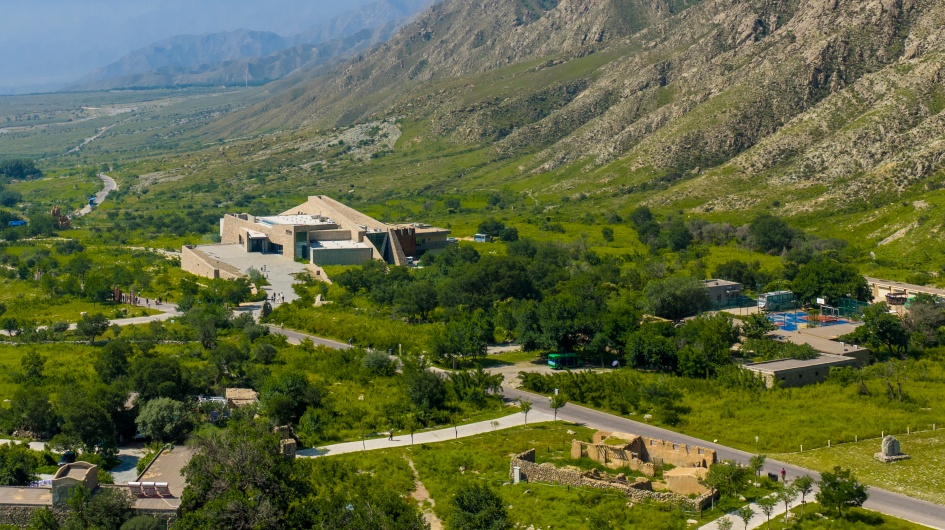 Helan Mountain Rock Carvings Scenic Area
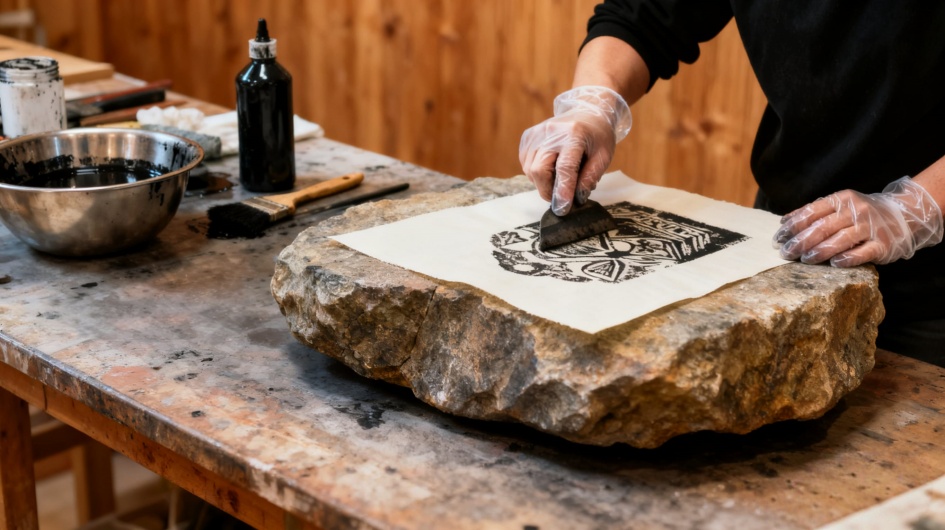 Rock carving rubbing
In the afternoon, go to the Xixia Mausoleums National Heritage Park. It is one of China's biggest existing imperial mausoleums with the most complete above-ground relics, and also the core heritage site of Xixia culture. The remaining mausoleum platforms and city walls tell the former dynasty's glory quietly. Step into the Xixia Museum. You can clearly sort out how Xixia civilization rose, prospered and declined through cultural relic exhibitions and historical timeline charts. After that, try woodblock movable type printing by hand with the teacher's help. Through your fingertips' touch, you'll feel the deep heritage of traditional Chinese culture and ancient people's wisdom.
 Tools of Movable Type Printing
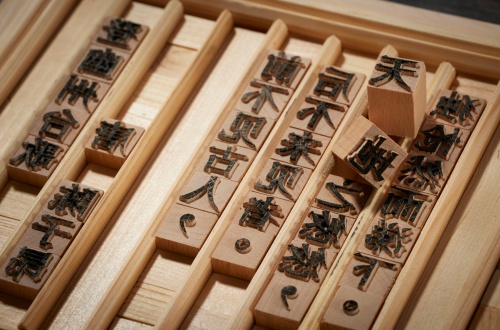 Arrange the wood blocks with carved characters in order
 Press the ink onto the wood block
 The final printed result
Your Journey's Rewards:
See global, Chinese and Helan Mountain rock carvings via exhibits. Link textbook knowledge to displays to know ethnic groups' shift from nomadism to settlement. Trace Xixia's history, explore its relics and try traditional woodblock printing.
Educational Focus:
How do Xixia Mausoleums' relics and Xixia Museum exhibits reflect the dynasty's social structure and culture?
Takeaway:
Xixia Mausoleums' platforms and walls show a strict hierarchical social structure—their large size and regular layout let people know about centralized imperial power and mature labor organization. Inscribed artifacts, daily utensils and other Xixia Museum relics show the dynasty's mix of Han culture and ethnic traditions; timeline charts make its political and economic development clear. These elements together show the Xixia Dynasty's united social operation and unique cultural identity, a key part of ancient Chinese multi-ethnic cultural exchanges.
Thoughts Challenge:
How could our understanding of ethnic regimes' role and ancient Chinese civilization's diversity change without preserved Xixia heritage?
Leave Yinchuan in the morning; it takes about 3 hours by car to reach the Tengger Desert in Zhongwei. Driving on the desert-crossing highway, rolling dunes rise and fall like still waves, vast desert connecting to the blue sky—endless sand everywhere, highway stretching far ahead. After arrival, enjoy fun desert activities: take a desert surf truck, walk on a camel, feel the excitement of camel riding and zip-lining, drive a beach ATV, and try sand sliding to fully enjoy the desert.
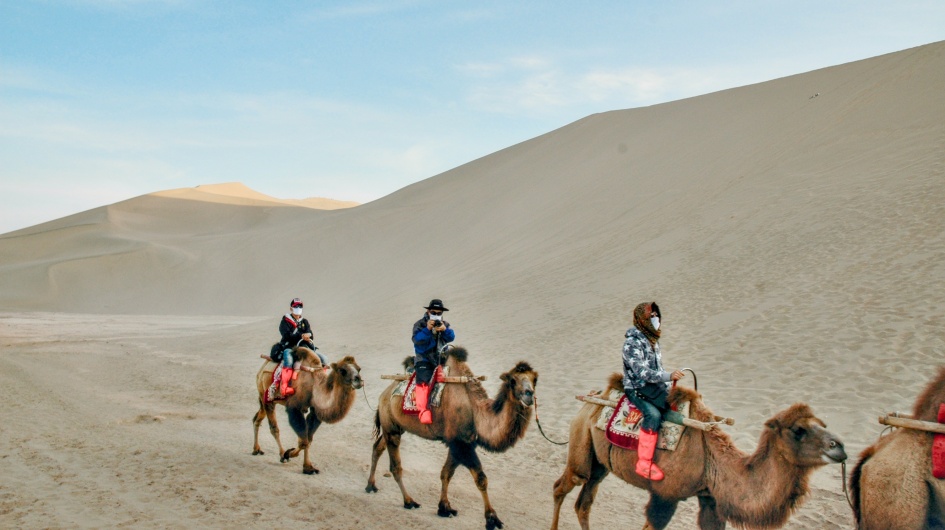 Camel riding
Grab your desert stuff, go to the campsite and check into the special lotus tents. Next, enjoy free sand sliding to the fullest, then have a fun desert BBQ in the evening. At night, students plan their own desert bonfire party programs; join the desert star class, watch stars with your eyes, learn about constellations and nebulae, take star photos with phones guided by teachers, and feel the universe's charm through real experiences.
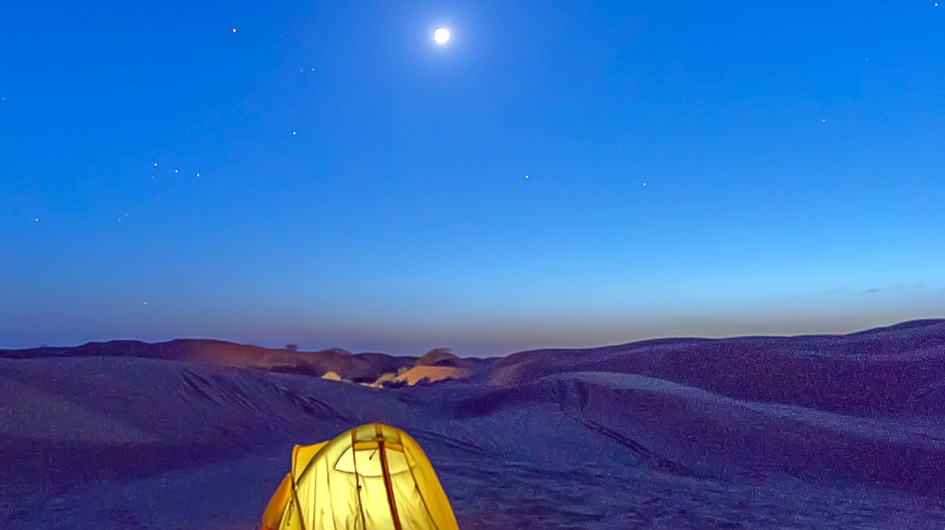 Watching stars
Your Journey's Rewards:
Discover broad desert scenes, try exciting activities, watch starry skies, learn astronomical facts, and share happy group moments.
Educational Focus:
How do you use both naked-eye watching and taking photos with your phone to find specific constellations correctly during the stargazing activity in the Tengger Desert? And how do you understand where they are in the celestial coordinate system and how they change with seasons?
Takeaway:
To find target constellations, first use your eyes to locate bright stars (like the North Star) for direction, then use a star chart. When taking photos with your phone, turn on professional mode—boost ISO, make exposure time longer to catch starlight, and don't let ground lights interfere. Also, you can learn why constellations' positions change with seasons: Earth's revolution shifts the observer's view, so different constellations show up in the night sky each season. This process helps you better understand how Earth's revolution connects to apparent celestial movement and builds a clear astronomical space idea.
Thoughts Challenge:
We use high technology to observe planets today, so how did ancient people figure out the universe's laws by watching the movements of stars?
Head to Zhongwei Shapotou Scenic Area by car in the morning. A spot from ancient poet Wang Wei's poem Straight desert smoke, round river sunset and one of China's top three singing sand places, it lets us hike in the desert. We'll closely see the world-famous sand control work – the "five-zone integrated sand control system" with wheat straw grids – and practice setting them up to help protect the environment. Later, we'll also try thrilling 90-meter vertical sand sliding, drift on the Yellow River via sheepskin raft, and ride camels to enjoy desert-oasis scenery. There's also a glass bridge over the Yellow River here; from it, you can see the rushing river, a spectacular, shocking view.
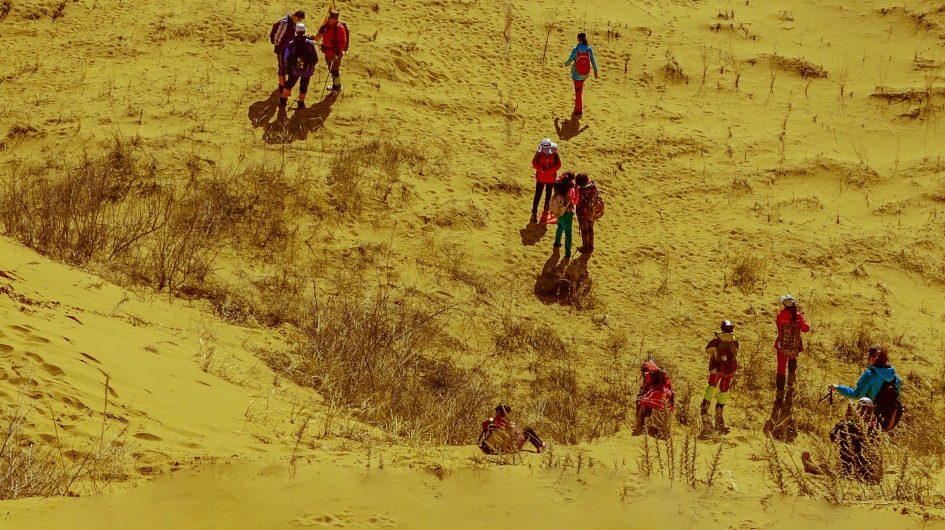 Observe desertification control at close range
Once the thrilling desert activities wrap up, we'll take a 3-hour drive back to Yinchuan city and relax at the hotel. If you're up for it, you can check out the night market near the city to explore Yinchuan's food on your own!
Your Journey's Rewards:
Enjoy sand sliding, sheepskin rafting on the Yellow River and other activities; visit Shapotou to see desert and Yellow River views from poems; watch and practice wheat straw grid sand control to join in environmental protection.
Educational Focus:
Within the Shapotou Scenic Area's "Five-Zone Integrated Sand Control System", how do wheat straw grids fix and block sand, and then adapt to the desert areas' ecological features?
Takeaway:
To make wheat straw grids, cut wheat straw to fixed lengths, bury them in sand in a grid—exposed parts form a grid structure. This design lowers near-surface wind speed and reduces shifting sand to block sand. Also, the grids catch rain, boost sand moisture, and help restore later vegetation. The tech fits deserts' dry, windy conditions, works with other protective belts in the system to build a full "fix-block-transport-guide-protect" sand control chain. It stops desert spread well, protects nearby farmland and transport facilities, and is a common way for people to use cheap, easy-to-get materials to adapt to and change fragile environments.
Thoughts Challenge:
Wheat straw grid sand control works well for fixing sand, but in long use, it may have issues like straw rotting and needing regular replacement. How to keep sand control effects, cut the tech's maintenance costs and resource use, and balance ecological protection and sustainability?
Go to Zhenbeibu Western Film Studio in the morning. It's one of China's top three film studios, has shot many award-winning films like Red Sorghum, A Chinese Odyssey, New Dragon Gate Inn, The Emperor's Guards and The Treasure Hunter, and is known as "China's films go to the world from here". Here, we'll follow the teacher to learn about shadow puppetry's origin over 2,000 years ago, and watch shows like The Three Attacks on the White Bone Demon and The Story of Nian. Most fun of all, after the show, students can group to try shadow puppet performance and feel this thousand-year-old art up close.
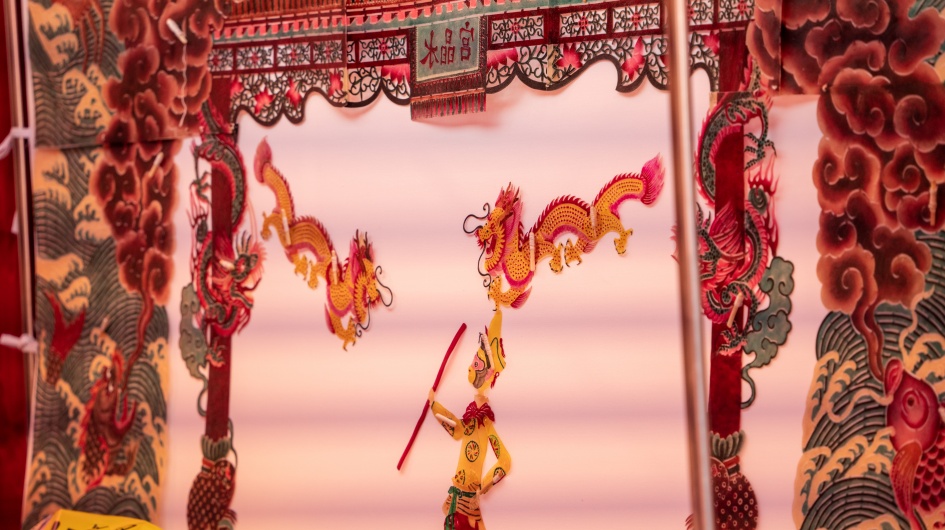 Shadow puppetry show
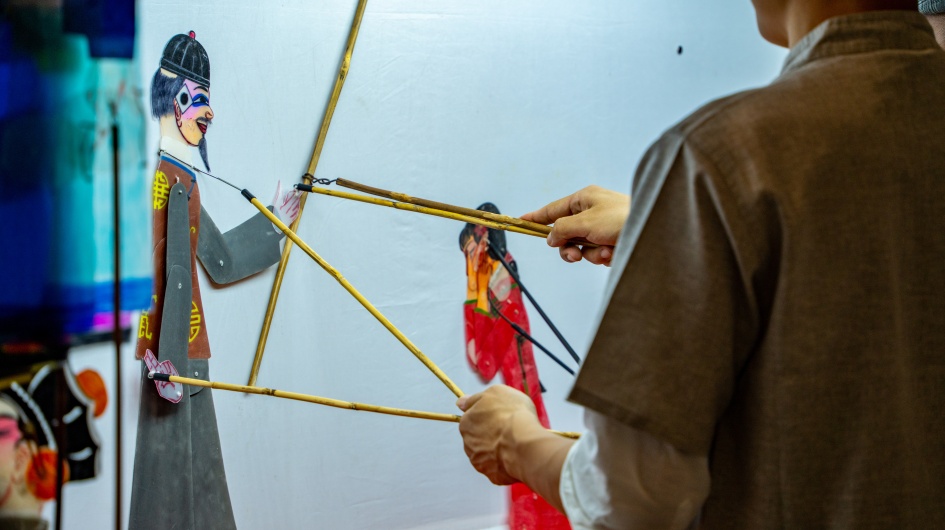 Try shadow puppet performance
After lunch, we'll drive 1 hour to Shuidonggou Scenic Area – it's called "the birthplace of China's prehistoric archaeology". This is China's earliest excavated Paleolithic site, and now the only well-preserved 3D military defense system of the Great Wall. We'll do archaeological digging in the simulated area here; professional experts will guide us, and we'll use given tools to dig out the "ancient civilization" hidden underground by ourselves.
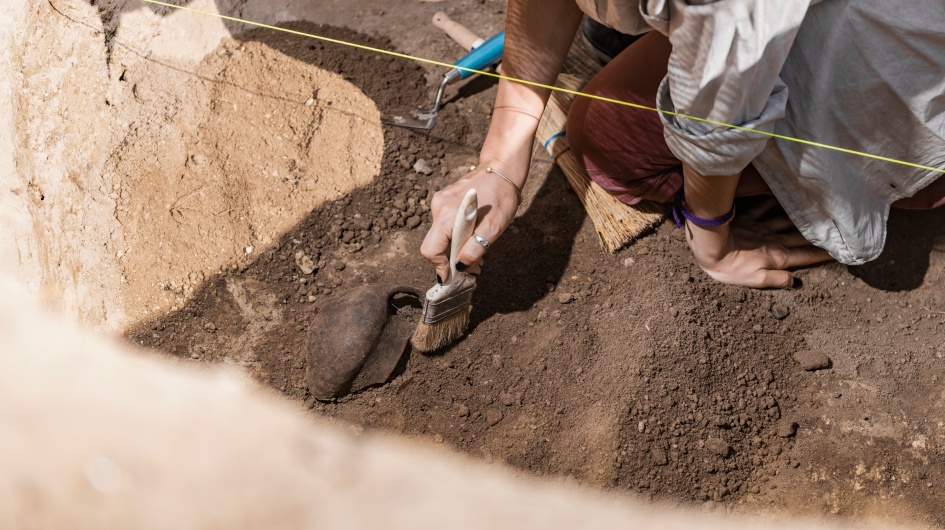 Archaeological digging
Your Journey's Rewards:
Visit Zhenbeibu Western Film Studio to learn Chinese film culture; study shadow puppetry, watch and try its performances; go to Shuidonggou Scenic Area for simulated archaeological digging and experience prehistoric civilization.
Educational Focus:
In the 2,000-year origin and development of shadow puppetry encountered at Zhenbeibu Western Film Studio, how did it evolve with the social and cultural backgrounds of different historical periods?
Takeaway:
Shadow puppetry started in the Western Han Dynasty, first used for rituals and court fun. With Buddhism spreading, it grew popular with common people in the Tang Dynasty, built a mature performance system in the Song Dynasty, and hit its peak in the Ming and Qing Dynasties. Early puppets had simple, plain designs; after the Ming and Qing Dynasties, they added local traits—Shaanxi ones are bold and exaggerated, Hebei ones delicate and fine. Its singing styles, like Qinqiang and Tangshan shadow puppet tunes, changed by region. The performance form went from one person operating to many working together, plus light effects. These key art features' evolution always tied to the time's social culture: Song Dynasty's citizen culture boom made its scenes more ordinary, Ming and Qing's commodity economy growth made its regional styles more varied. It's an art carrier of social culture in different historical times.
Thoughts Challenge:
Shadow puppetry has rich regional styles in its history. In modern culture, how can it add modern looks and tech while keeping each school's key art features, and stop regional traits from becoming more similar over time?
On the trip's last day, our guide will take you to the airport or high-speed train station based on your flight or train schedule. We hope this six-day desert trip helps you understand Ningxia, this ancient desert region, better!
This tour is suitable for: Students, Teachers, Schools, Educational Groups, Families, Educational Travelers, History Lovers
What's Included
- Professional English-speaking tour guide
- Comfortable air-conditioned coach
- Comfortable and cozy group accommodation
- All mentioned program fees included
- Breakfast and dinner provided
- Accident insurance coverage
Wechat & WhatsApp: +86-13471279378