- Home
- City Tours
- Nanjing Tours
- 5-Day Nanjing In-depth Cultural Tour
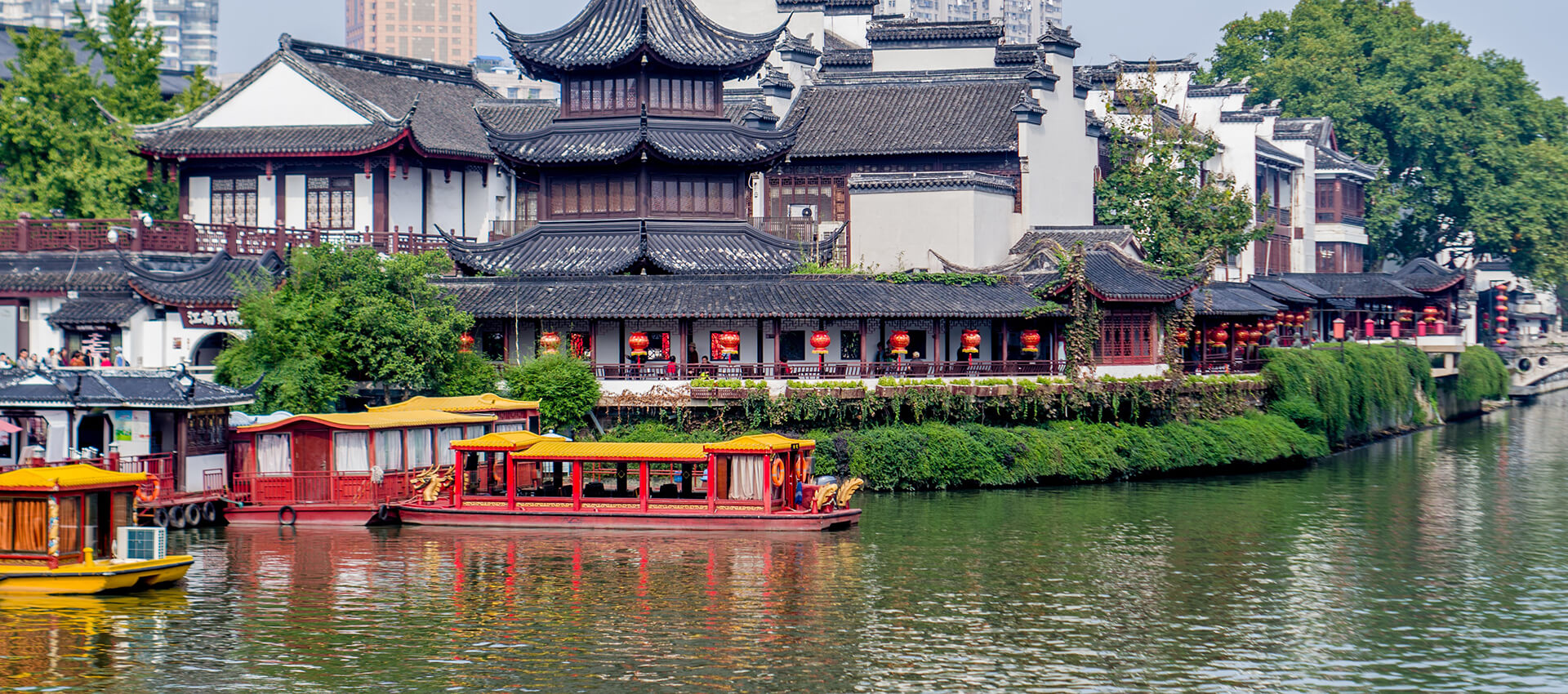
5-Day Nanjing In-depth Cultural Tour
Nanjing, an ancient capital with a millennium of accumulated history, embodies the misty charm of the Six Dynasties, the integrity of the Ming and Qing dynasties, and the elegance of the Republic of China era. This 4-day itinerary will take you on an immersive journey to unlock the allure of Jinling: listen to the echoes of history at the thousand-year-old Jiming Temple, touch the traces of time by climbing the Ming Dynasty City Wall, and feel the ideals of the democratic pioneers at the Sun Yat-sen Mausoleum. You can also experience the ingenuity of Qinhuai's intangible cultural heritage with your own hands, indulge in the Jiangnan night scenery during a night tour of the Qinhuai River, and explore the changes of the thousand-year official selection system at the Imperial Examination Museum. With culture as the thread throughout the journey, historical landmarks and cultural experiences are connected, allowing you to understand Nanjing's profound heritage while wandering.
Itinerary at a Glance
| Day | Location | Highlights |
|---|---|---|
| D1 | Nanjing | Arrive, be transferred to hotel for check-in, tour guide introduces Nanjing's folk culture and upcoming itinerary |
| D2 | Jiming Temple - Xuanwu Lake - Ming Dynasty City Wall | Climb pagoda for panoramic view, take boat tour, hike city wall, view barbican structure |
| D3 | Meiling Palace - Sun Yat-sen Mausoleum - Ming Xiaoling Mausoleum - Presidential Palace - Laomendong | Visit buildings, climb steps for bird's-eye view, explore historical materials, wander bluestone roads |
| D4 | Qinhuai ICH Inheritance and Learning Center - Confucius Temple - China Imperial Examination Museum - Qinhuai River | Experience paper-cutting and kite-making, learn about Confucianism and imperial examination system, take night tour |
| D5 | Nanjing | Pack luggage, be taken to airport/high-speed rail station and depart |
Trip Highlights
- Climb pagoda for panoramic view of lake and city scenery
- Take boat tour to enjoy Jiangnan's mountain-water scenery
- Hike Ming Dynasty City Wall to feel historical traces
- Experience hand-made paper-cutting and Jinling kite crafting
- Take night tour on Qinhuai River to admire lit-up Jiangnan scenery
- Explore ancient buildings and historical sites to learn cultural heritage
Tour Essentials

Quality
No Shopping Traps

Group Type
Private

Tour Focus
In-depth Culture Experience

Accommodation
Nights:4

Best Season
Spring, Summer, Autumn, Winter
Full itinerary for 5-Day Nanjing In-depth Cultural Tour
Once you arrive in Nanjing, you will be transferred to the hotel by our staff to check in. The tour guide will talk about Nanjing's folk culture and the plan for the next few days during the trip, which helps you learn about the city's history and culture. Please feel free to talk to the tour guide or our travel consultant if you have any questions.
First, visit Jiming Temple, known as "the first of the 480 temples of the Southern Dynasties". This thousand-year-old ancient temple, founded in the Western Jin Dynasty, holds the historical allusion of the Yanzhi Well. Climb the Medicine Buddha Pagoda to take in a panoramic view of Xuanwu Lake and the blend of ancient and modern scenery with the Zifeng Tower. Later, take a boat tour on Xuanwu Lake. This imperial garden lake of the Six Dynasties shimmers with rippling blue waves, with islets like Yingzhou Isle and Liangzhou Isle scattered across it. Willows sway gently along the shore, and as the boat glides on the lake, you can fully enjoy the Jiangnan scenery where mountains and water blend harmoniously.
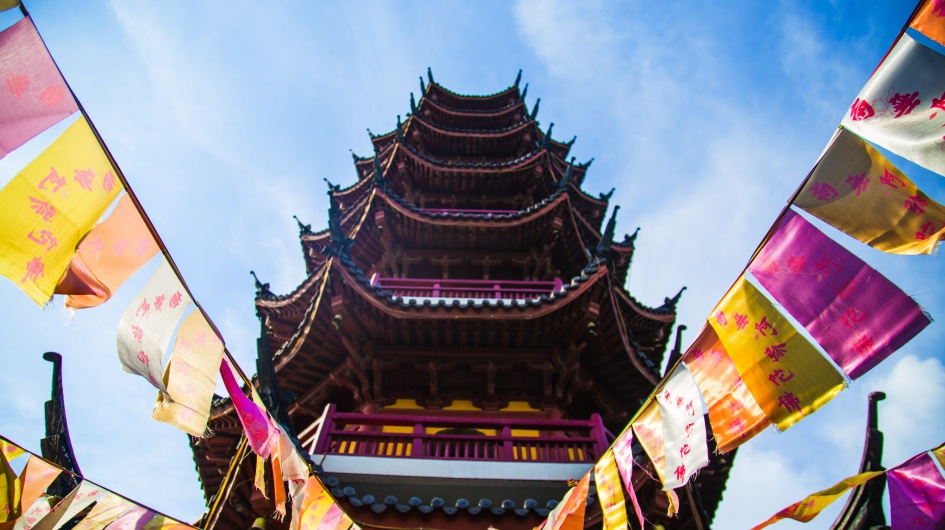 Medicine Buddha Pagoda
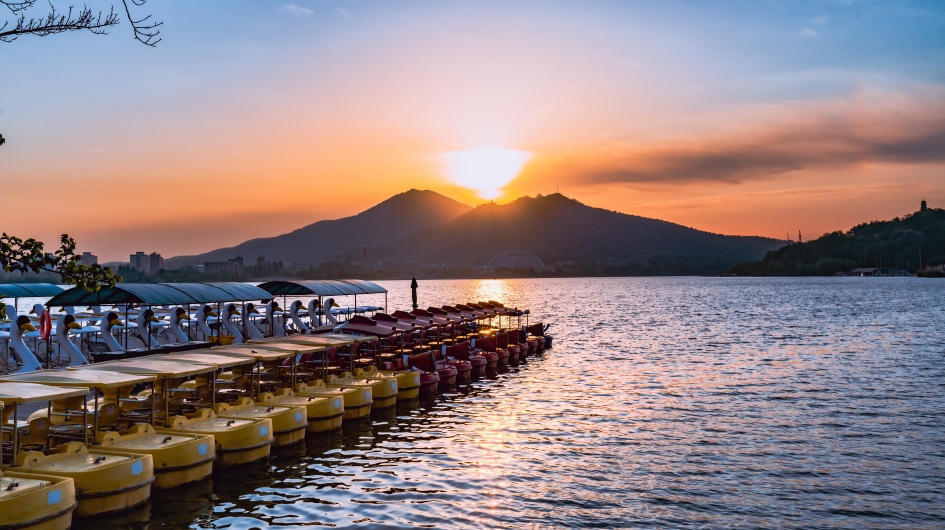 The boats of the Xuanwu Lake
Embark on a hiking tour of the Ming Dynasty City Wall from the lakeside of Xuanwu Gate. The stone bricks are engraved with traces of time. When you reach Zhonghua Gate, you can see the exquisite structure of this "No.1 Barbican in the World". Its three inner barbicans and 27 soldier-hiding caves form an "eye"-shaped defense system, embodying the military wisdom of "catching turtles in a jar". Standing on the city wall, you can not only look back at the misty waves of Xuanwu Lake but also feel the profound history of this place as the main battlefield of the Nanjing Defense War.
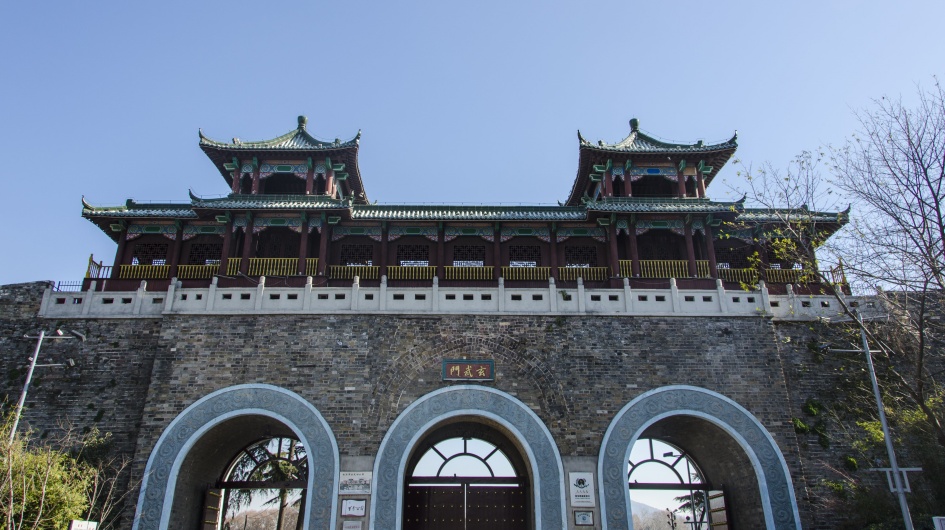 Xuanwu Gate
Your Journey's Rewards:
Wander around Jiming Temple to feel its ancient charm of a thousand years, stop by Xuanwu Lake to admire the graceful scenery of the Jiangnan region, step into Zhonghua Gate to explore the ingenuity in military defense, and touch the Ming City Wall to experience the profound weight of history.
Educational Focus:
As a carrier of history, how does the allusion of the Yanzhi Well in Jiming Temple record the historical memories from the Six Dynasties to the Ming and Qing dynasties, and how does it bear the cultural symbolic significance of this period?
Takeaway:
The allusion of the Yanzhi Well in Jiming Temple is an important entity that carries the historical memories and cultural symbols from the Six Dynasties to the Ming and Qing dynasties. According to legend, Emperor Chen Shubao of the Southern Dynasties once took refuge here with his concubines, and this well thus became a witness to the fall of the dynasty, being endowed with the historical symbolic meaning of a "well of national subjugation". Later literati often expressed their emotions through this well and wrote many poems chanting history, turning it from a real scenic spot into a cultural image. This well connects the changes of dynasties and the sentiments of literati, and is a small sample for interpreting the historical and cultural context of Nanjing.
Thoughts Challenge:
Why did ancient Chinese poets always like to use the technique of expressing emotions through objects in their poems?
First, visit the Meiling Palace. This building, combining Chinese and Western styles, is topped with green glazed tiles, each carved with exquisite phoenixes—there are nearly a thousand of them. When viewed from above, the plane trees along Lingyuan Road surround the palace like a necklace. Inside, the restored living scenes and the Victory Chapel fully showcase the style of the Republic of China period. Then, climb the Sun Yat-sen Mausoleum. Beyond its 392 steps, the Bo'ai Archway and the Stele Pavilion exude a solemn atmosphere; reaching the top offers a bird's-eye view of Nanjing. Finally, head to the Ming Xiaoling Mausoleum. The divine way lined with stone elephants and the light and shadow on the red walls tell the grandeur of this imperial mausoleum from the early Ming Dynasty.
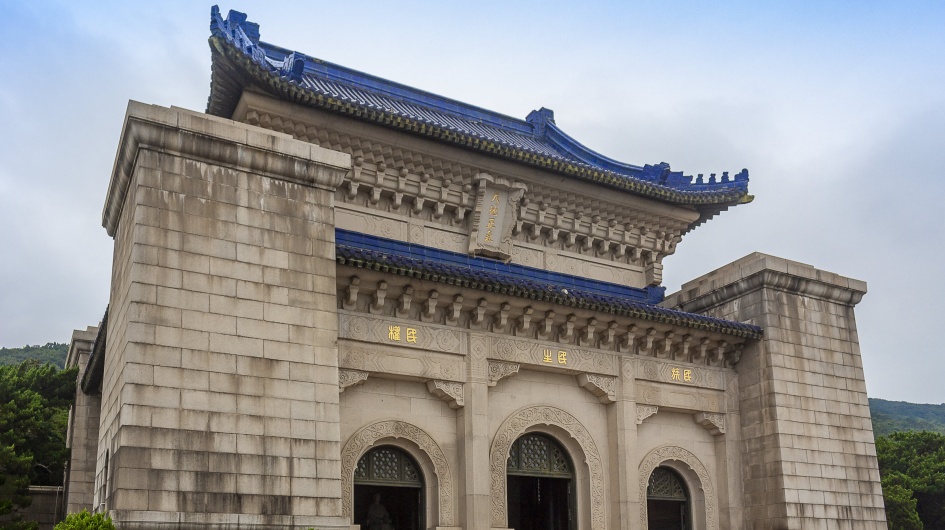 Sun Yat-sen Mausoleum
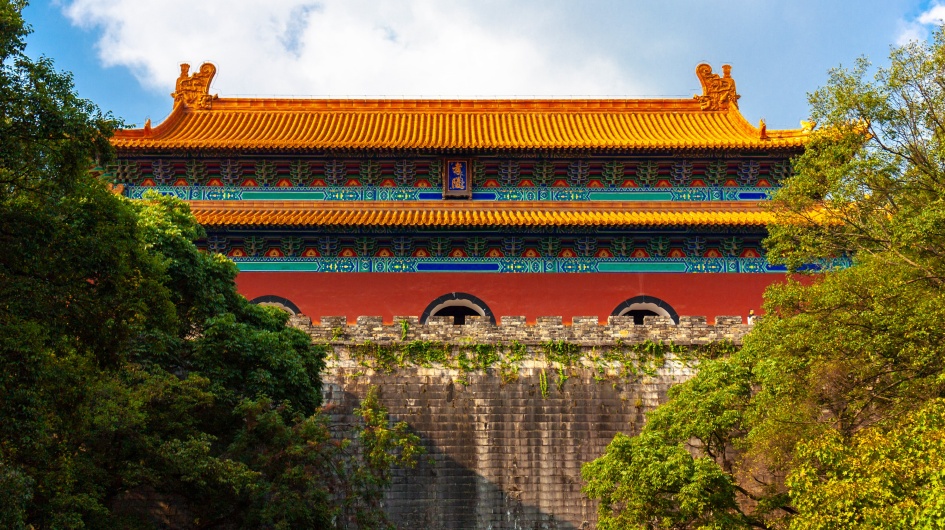 Ming Xiaoling Mausoleum
Step into the Presidential Palace, a place that has witnessed the ups and downs of modern China. Inside its Chinese-Western fusion buildings, precious historical materials and restored scenes outline the context of history. Later, wander around Laodongmen. On both sides of the bluestone roads are ancient-style residential houses and shops; the gray bricks and black tiles hold the charm of Jiangnan's market towns. You may accidentally encounter traditional crafts and authentic local flavors, and feel the lively daily atmosphere of old Nanjing.
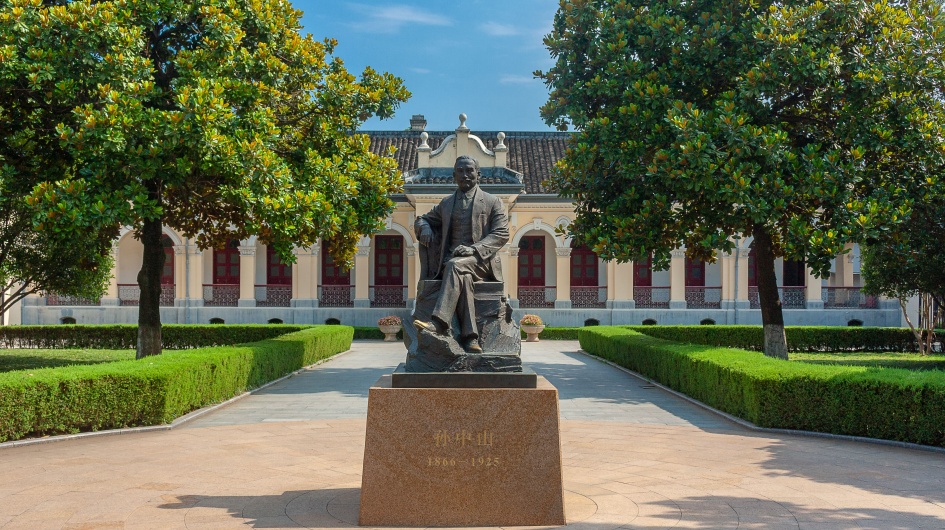 Presidential Palace
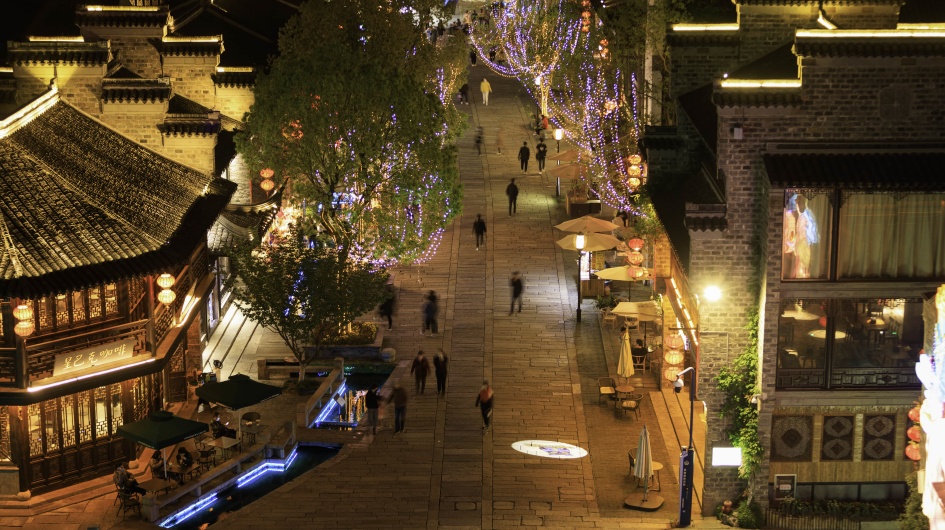 Laodongmen
Educational Focus:
How do the 392 steps of the Sun Yat-sen Mausoleum and the "Bo'ai" (Fraternity) spiritual symbol jointly carry Dr. Sun Yat-sen's ideological heritage and the historical aspirations of modern China?
Takeaway:
The 392 steps of the Sun Yat-sen Mausoleum are not just simple architectural components. Their number implicitly corresponds to China's 392 million population at that time, symbolizing the whole nation's common pursuit of democracy and republicanism. The design of the gentle slopes and platforms on both sides of the steps not only reflects the symmetrical aesthetics of architecture but also implies the gradual progress and hardships of the revolutionary road. The "Bo'ai" Archway at the top, with the core ideology engraved in regular script, echoes the records of Dr. Sun Yat-sen's historical achievements in the Stele Pavilion. It deeply integrates personal ideals, architectural art and the mission of the times, becoming a material carrier for conveying the spirit of democratic revolution and uniting national consensus, and clearly demonstrating the historical context of modern China's pursuit of independence and progress.
Thoughts Challenge:
When we perceive diverse cultures and spiritual symbols in buildings from different historical periods, how can we better balance the protection of historical heritage and the contemporary interpretation of its spiritual connotations in the present day?
Immerse yourself in the charm of traditional crafts at the Qinhuai Intangible Cultural Heritage (ICH) Inheritance and Learning Center. You can experience the delicate beauty of paper-cutting by hand, outlining the scenery of Jinling on small pieces of paper; or try making Jinling kites, crafting one by hand to feel the folk customs of Jinling. Various intangible cultural heritage projects in the center carry the cultural memories of old Nanjing, allowing people to connect with the traditional cultural context through hands-on experience and understand Nanjing's protection and development of the inheritance of intangible cultural heritage crafts.
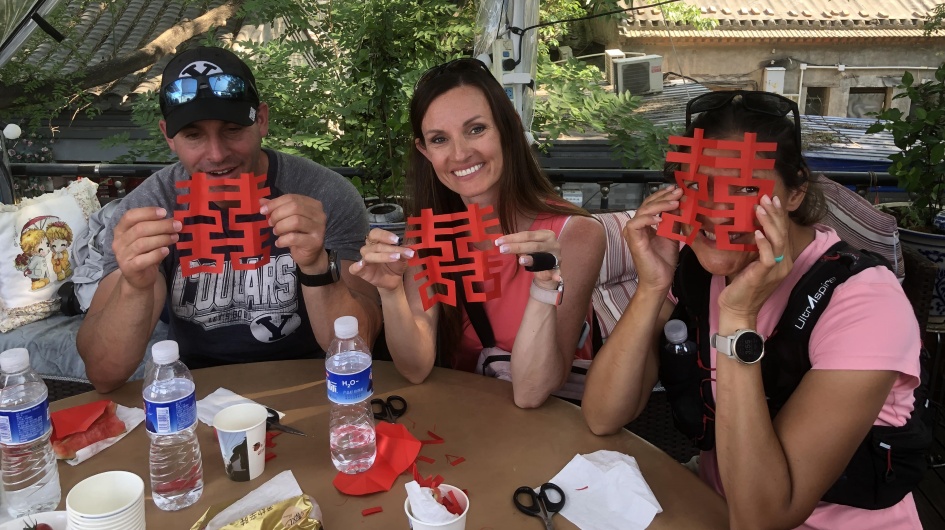 Paper-cutting
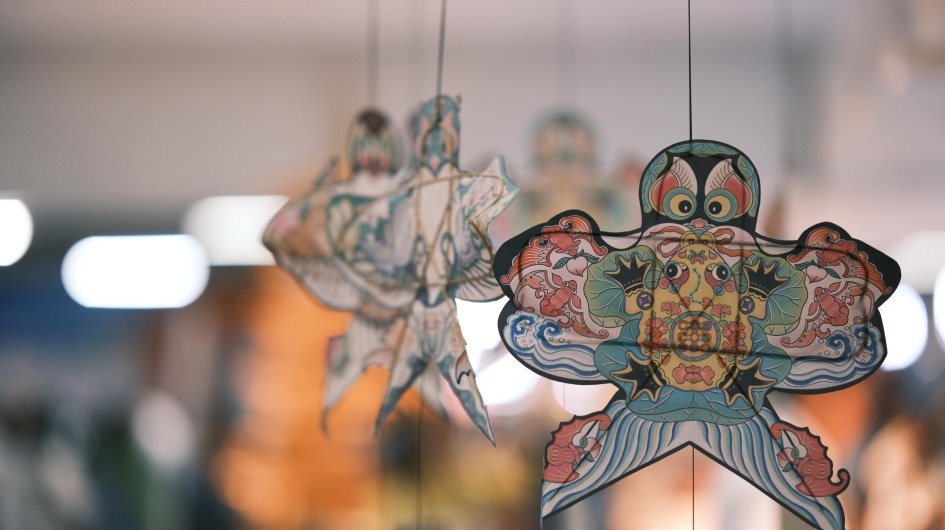 Jinling kites
First, visit the Confucius Temple, where you will deeply experience the profound influence of Confucius' Confucianism on Nanjing people. Then explore the China Imperial Examination Museum, learning about this system that has influenced Chinese society for 2,000 years through various cultural relics on display and feeling the thousand-year changes of the imperial examination system. After nightfall, take a night tour of the Qinhuai River: painted boats glide on the water, with bright lights on both banks, allowing you to admire this flowing scroll of Jiangnan scenery.
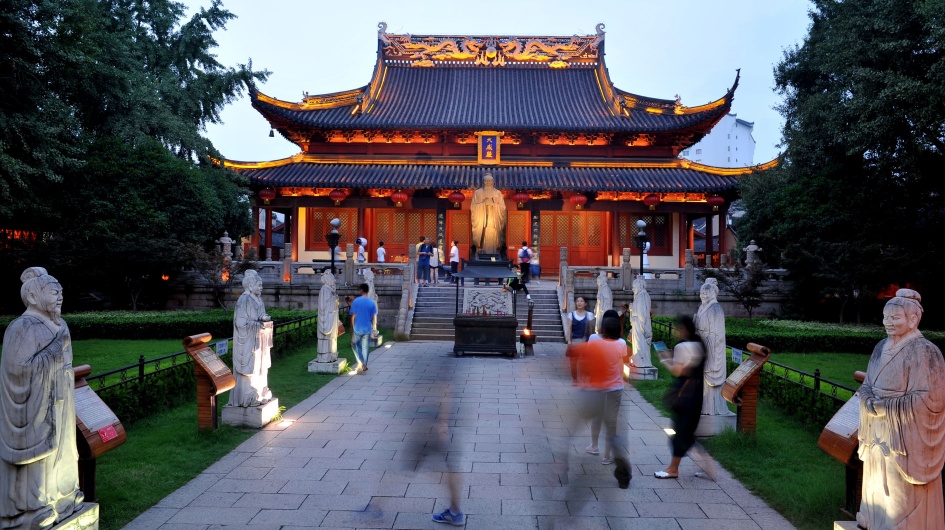 Confucius Temple
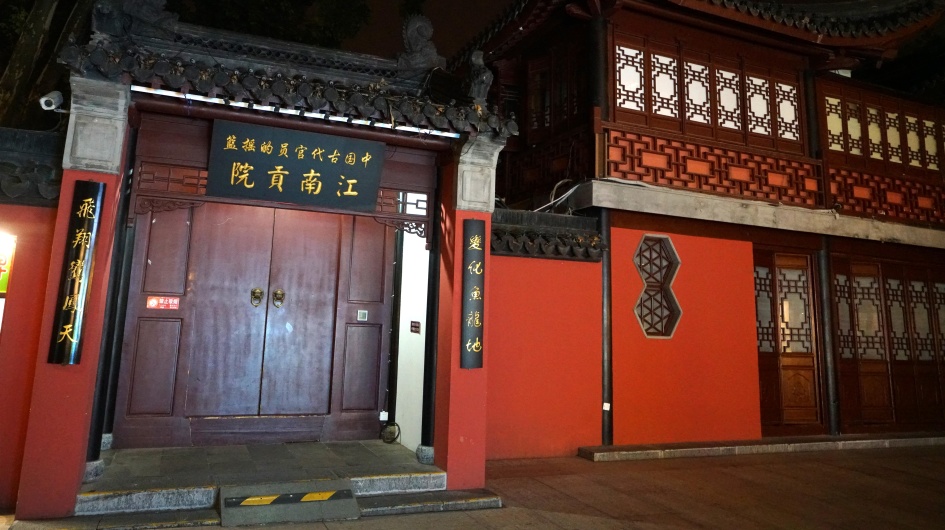 China Imperial Examination Museum
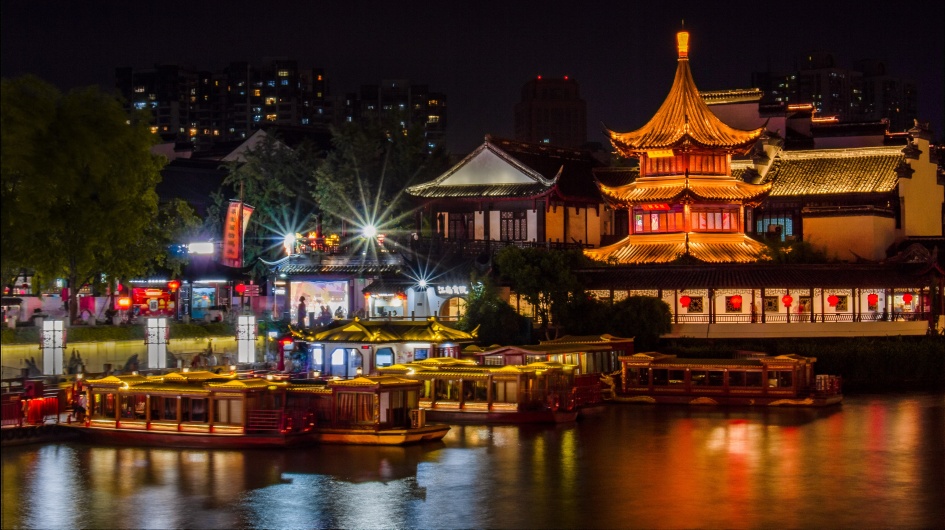 Qinhuai River at night
Your Journey's Rewards:
Experience the intangible cultural heritage crafts of Qinhuai, and feel the charm of paper-cutting and kite-making; visit the Confucius Temple to admire the ancient architecture and bustling atmosphere, explore the Imperial Examination Museum to recall the changes of the system, and take a night tour of the Qinhuai River to appreciate the Jiangnan scenery.
Educational Focus:
How do the architectural design and exhibition content of China Imperial Examination Museum work together to present the thousand-year development context and historical influence of the imperial examination system?
Takeaway:
China's Imperial Examination Museum uses layered ink-colored buildings to simulate the image of a "mountain of books", symbolizing the imperial examination system's emphasis on knowledge accumulation. The underground exhibition hall arranges exhibits along a timeline—from the reform of official selection during the initial stage of the imperial examination in the Sui and Tang dynasties, to the improvement of examination standards in the Song and Yuan dynasties, and then to the evolution of the eight-part essay for selecting scholars in the Ming and Qing dynasties—clearly presenting the development context of the system. At the same time, through physical objects such as candidates' exam papers and cheating tools, it shows the dual influence of the imperial examination: promoting the mobility of social classes and restricting thoughts. The architectural space and exhibition content echo each other, fully restoring the historical appearance of the imperial examination system.
Thoughts Challenge:
After learning at the Imperial Examination Museum that the imperial examination system both broke the monopoly of powerful families and restricted thoughts, how to objectively view the enlightenment of such historical systems with dual characteristics on contemporary talent selection?
The last day of your journey begins with packing your luggage and heading home. Our staff will take you to the airport/high-speed rail station according to your travel plan. We hope these four days of travel have allowed you to gain a deep understanding of the profound culture of Nanjing, an ancient city!
This tour is suitable for: School, Family, Nature and History Lovers
What's Included
- Professional English-speaking tour guide
- Comfortable transportation with professional driver
- Carefully selected comfortable accommodation
- Provides delicious breakfast and lunch
- Inclusive tickets for all attractions mentioned in the itinerary
Hotel Recommended
| City | Deluxe | Comfortable |
|---|---|---|
| Nanjing | Yishiyuan Hotel | Nanjing South Railway Station Xicheng Ali Hotel |
| Jinling Hotel | Wanhui City Hotel |
Note: Please feel free to contact our travel specialist if you prefer to stay at other hotels.
Wechat & WhatsApp: +86-13471279378