- Home
- City Tours
- Nanjing Tours
- 6-Day Nanjing Family Tour

6-Day Nanjing Family Tour
This 6-day Nanjing itinerary combines in-depth culture and immersive experience. It starts with an initial exploration of the city's atmosphere upon arrival, moves on to experiencing the integration of Buddhist culture and modern architecture at the Foding Palace of Niushou Mountain, and then uncovers the thousand-year history behind cultural relics at the Nanjing Museum. You will not only visit Hongshan Zoo to practice the "animal-centric" ecological concept, but also climb the Ming Dynasty City Wall and tour the Presidential Palace to connect with the city's past. Additionally, you can experience the ingenuity of intangible cultural heritage and take a painted boat to enjoy the night view of the Qinhuai River. The whole journey links history, nature, culture and folk customs, making the trip both knowledge-enriching and full of immersive local experiences.
Itinerary at a Glance
| Day | Location | Highlights |
|---|---|---|
| D1 | Nanjing | Arrive, check into city hotel, get itinerary intro; explore nearby streets, try local snacks if time permits |
| D2 | Niushou Mountain Cultural Tourism Zone (Foding Palace)-Jiming Temple-Xuanwu Lake | Tour Foding Palace (underground palace to top, admire relics, take in views, pick souvenirs); visit temple (get incense, pray, see core buildings); take lake boat tour, watch sunset |
| D3 | Nanjing Museum-Sun Yat-sen Mausoleum-Mei Ling Palace-Ming Xiaoling Mausoleum | Tour museum (view relics, take retro photos, use audio guides); climb mausoleum steps, admire architecture; visit palace, tour mausoleum (walk Sacred Way, see buildings) |
| D4 | Nanjing Hongshan Forest Zoo-Nanjing Ming Dynasty City Wall | Tour zoo (follow customized route, rent battery car if needed, have light meal); climb city wall (walk slowly, overlook views, see craftsmen marks); visit Zhonghua Gate barbican |
| D5 | Presidential Palace-Intangible Heritage (ICH) Experience Hall-Confucius Temple-Qinhuai River | Tour presidential palace by route; experience ICH (try projects, watch demos, hear stories); wander temple (take photos, try snacks); take night boat tour, listen to historical allusions |
| D6 | Nanjing | Check out, be sent to airport or high-speed rail station |
Trip Highlights
- Admire Buddha's relic and modern-Buddhist architecture at Niushou Mountain
- Take a boat tour on Xuanwu Lake and watch the sunset
- View treasure relics and take retro photos at Nanjing Museum
- Explore "animal-centric" zoo and ancient city wall defense design
- Try ICH projects and watch craft demos at ICH Experience Hall
- Take a night painted boat tour on Qinhuai River and hear historical allusions
Tour Essentials

Quality
No Shopping Traps

Group Type
Private

Tour Focus
Family Tour

Accommodation
Nights:5

Best Season
Spring, Summer, Autumn, Winter
Full itinerary for 6-Day Nanjing Family Tour
After arriving in Nanjing, it is recommended that you first go to a hotel in the city area to check in and rest. Along the way, the tour guide will explain the itinerary arrangements for the next few days to you. If time permits, after a brief rest, you can explore the nearby streets, try local snacks such as salted duck and duck blood soup, and experience the lively atmosphere of Nanjing.
After breakfast, head to Niushou Mountain Cultural Tourism Zone. First, take the scenic area shuttle bus to Foding Palace. Start the tour of Foding Palace from the underground palace and move upwards. Admire the stunning Thousand-Buddha Hall and the Sakyamuni Buddha's Parietal Bone Relic, and experience the integration of Buddhist culture and modern architecture. Look for the detailed features of the Buddha statues and learn about the historical background of Buddhism in modern China. Climb to the top of Foding Pagoda to enjoy the panoramic view of the mountain forest. At the exit, you can also choose themed cultural and creative products as souvenirs.
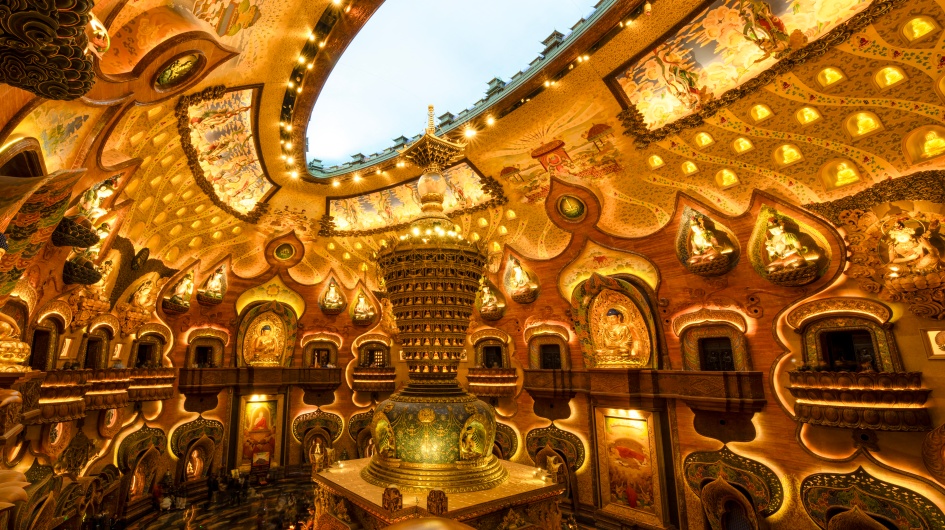 Foding Palace
In the afternoon, go to Jiming Temple of the Past Dynasties. You can receive three sticks of incense with your ticket; if you want, you can light the incense and pray under the guidance of tour guides or temple staff. Later, visit core buildings such as the Medicine Buddha Pagoda. The temple's red walls and yellow tiles exude a strong sense of Zen. Then walk to Xuanwu Lake and take a boat tour. Choose the short route from "Liangzhou Isle to Cuizhou Isle". The boat is equipped with sunshades and cushions, allowing the whole family to enjoy the beautiful scenery of the lake and mountains together. In the evening, watch the afterglow of the setting sun on the lake.
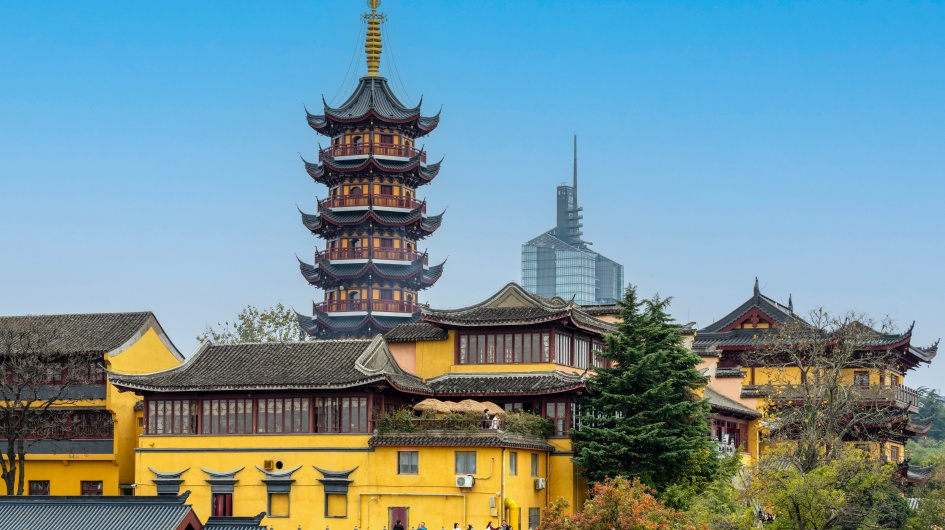 Jiming Temple
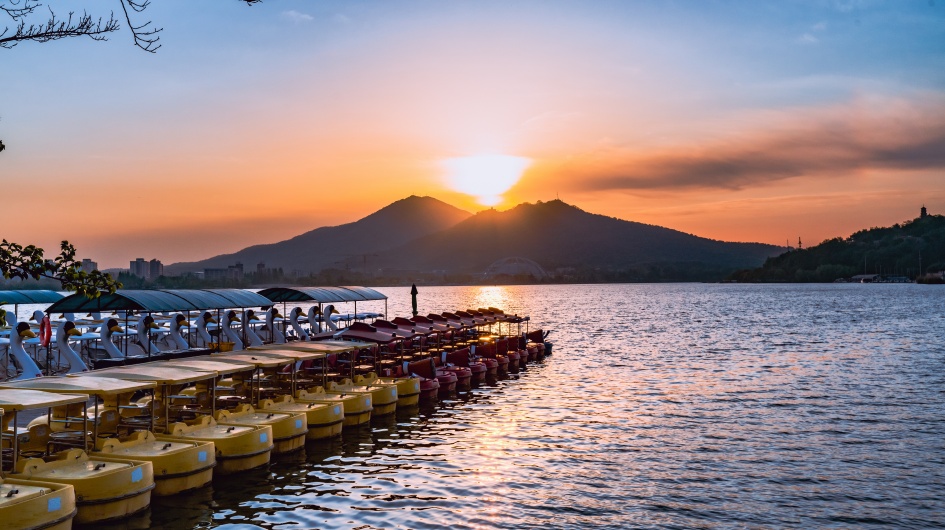 The boats of the Xuanwu Lake
Your Journey's Rewards:
Visit the Sarira and the Thousand Buddhas Hall in the Foding Palace to experience the integration of Buddhist culture and modern architecture; climb the Foding Pagoda to enjoy the mountain forest views; get a blessing experience at Jiming Temple; and take a boat tour on Xuanwu Lake to savor the lake scenery.
Educational Focus:
How is the symbiosis between religious spirit and modern architectural beauty achieved through the design and layout of Niushou Mountain's Foding Palace?
Takeaway:
The underground palace of Foding Palace uses a circular dome and light effects to simulate the Buddhist "mandala" cosmology. The arrangement of Buddha statues in the Thousand-Buddha Hall follows Buddhist rituals, while modern materials such as steel structures and glass curtain walls are used to resolve the contradiction between large-span spaces and the creation of a religious atmosphere. The enshrinement method of the Buddha's parietal bone sarira not only inherits the traditional Buddhist ritual logic of "hiding", but also meets the viewing needs of contemporary audiences through transparent display cabinets and lighting design, realizing the organic integration of the inheritance of religious spirit with contemporary architectural technology and aesthetics.
Thoughts Challenge:
How does the enshrinement of the Buddha's parietal bone sarira at Niushou Mountain combine traditional rituals with modern methods?
After breakfast, set off to visit the Nanjing Museum. First, enter the History Hall and get up close to the museum's treasures such as the Eastern Han Dynasty Jade Burial Suit Sewn with Silver Thread and the Bricks Inscribed with the Seven Sages of the Bamboo Grove, feeling the thousand years of history carried by the cultural relics. Then move to the Special Exhibition Hall to admire the exquisiteness of the Golden Cicada on Jade Leaf and the brilliance of the Glazed Archway of the Great Bao'en Temple. In the Republican-era Hall, you can take retro cheongsam photos at Dehe Photo Studio or sit for a while in the old teahouse. The free audio guides in the museum can help you gain a deeper understanding of the stories behind the exhibits and immerse yourself in the historical heritage.
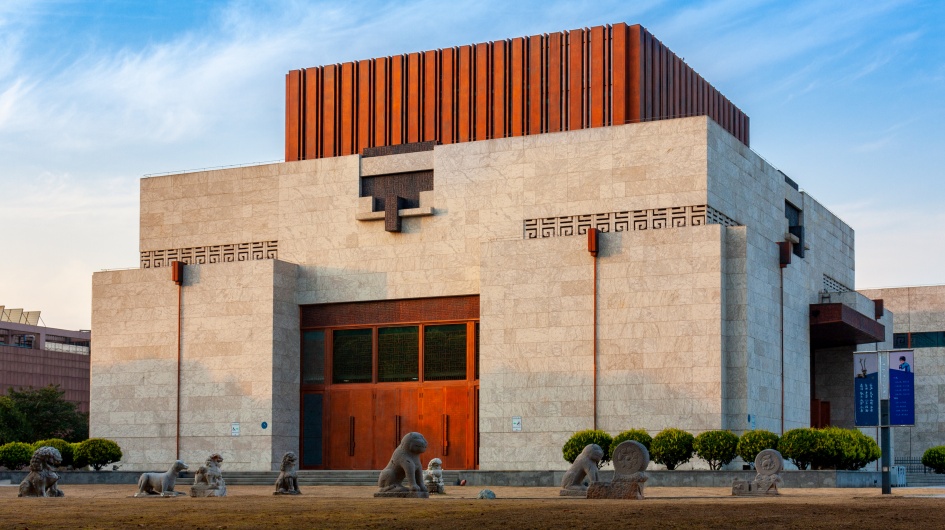 Nanjing Museum
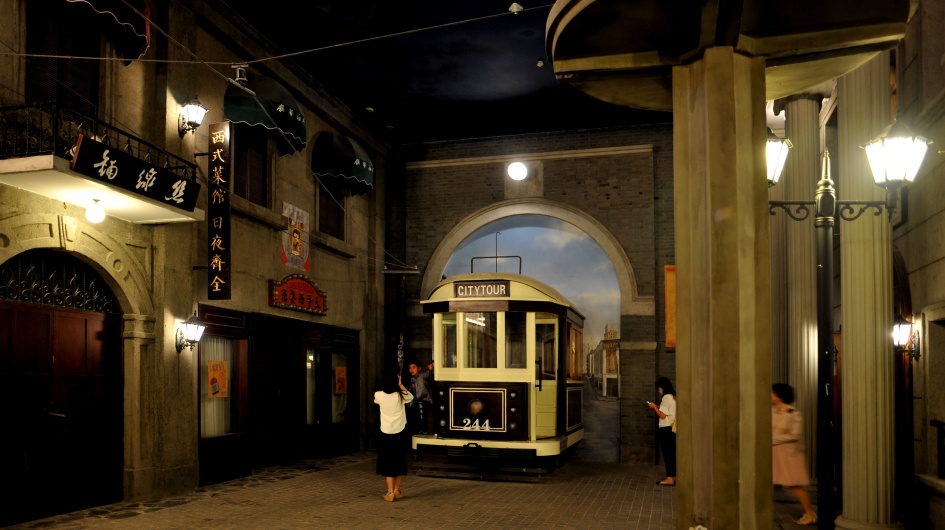 Republican-era Hall
In the afternoon, head to Sun Yat-sen Mausoleum. Climb the 392 steps to the Memorial Hall, appreciate the architectural ingenuity of its "Liberty Bell" shape, and learn about the great significance of Dr. Sun Yat-sen to China's revolution. Then walk to the Meiling Palace to visit the office and living scenes of the Republican era and admire the French-style architectural charm. Finally, go to the Ming Xiaoling Mausoleum, which is the joint mausoleum of Zhu Yuanzhang, the founding emperor of the Ming Dynasty, and Empress Ma (Xiaoci Gao Empress), and also the first mausoleum of the Ming Dynasty. Walk along the Sacred Way, and you can see 12 pairs of stone sculptures including lions and xiezhi (a mythical beast symbolizing justice), which are classic works of stone carvings in Ming Dynasty imperial mausoleums. Further ahead is the Fangcheng Minglou, whose roof is arch-shaped, a successful example of applying large-span brick arch technology to palace architecture.
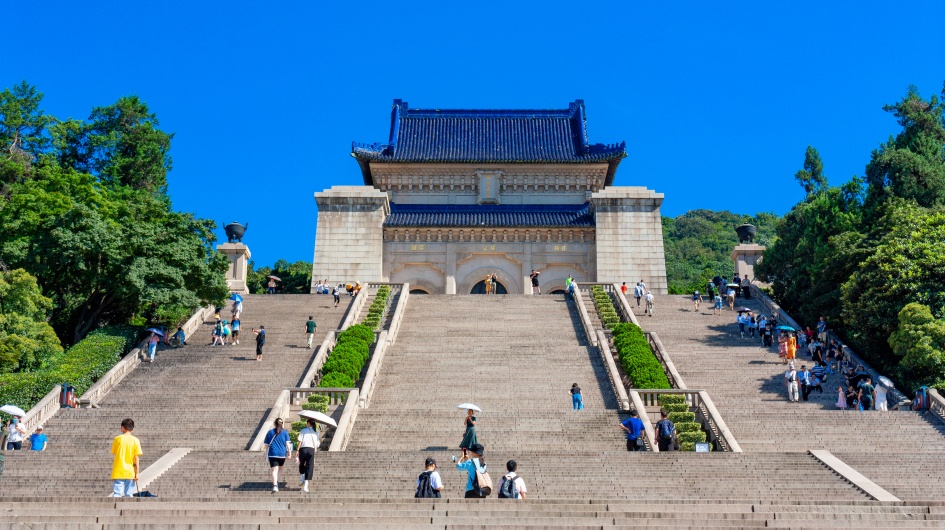 Sun Yat-sen Mausoleum
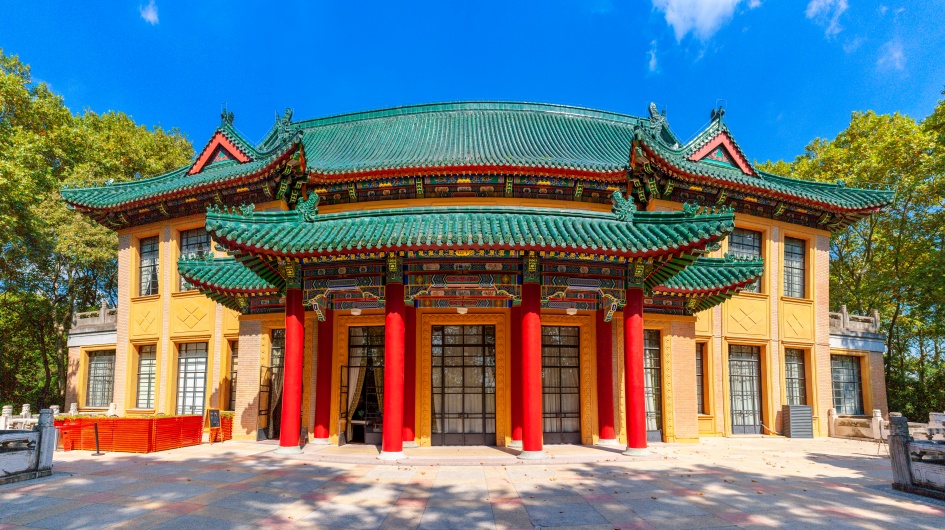 Meiling Palace
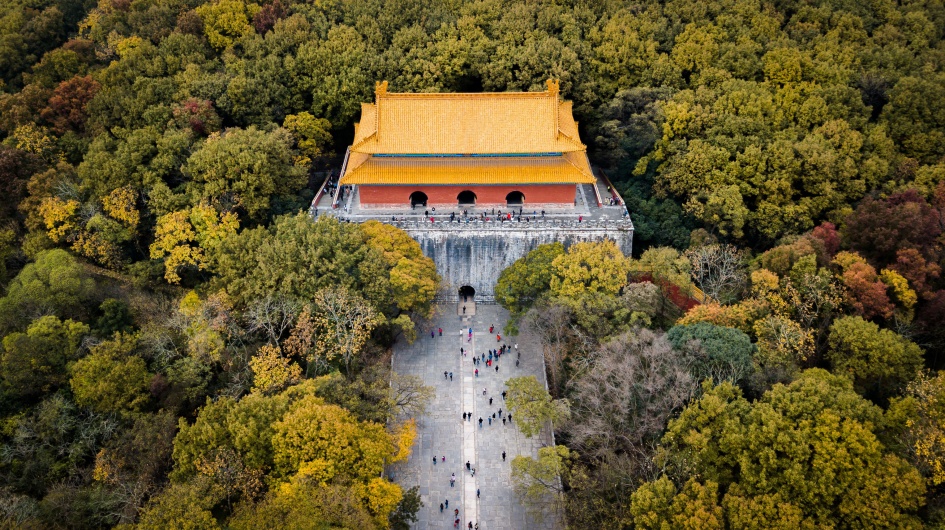 Fangcheng Minglou
Your Rewards:
Admire the treasure artifacts of Nanjing Museum and experience the Republican-era style; climb Sun Yat-sen Mausoleum to understand the ingenuity of its architecture and the significance of the revolution; visit the stone statues and Fangcheng Ming Tower of Ming Xiaoling Mausoleum to appreciate the architectural techniques of the Ming Dynasty.
Educational Focus:
How do the manufacturing techniques and usage specifications of the silver-threaded jade burial suit of the Eastern Han Dynasty in Nanjing Museum reflect the funeral system and social hierarchy of the Han Dynasty?
Takeaway:
The silver-threaded jade burial suit of the Eastern Han Dynasty was made by connecting thousands of Hetian jade pieces with silver threads. Its production required a large amount of human and material resources, and the craftsmanship was extremely complex. In terms of usage specifications, according to the "Book of the Later Han", jade burial suits were divided into three grades: gold-threaded, silver-threaded, and copper-threaded, corresponding to different ranks such as princes, marquises, and princesses. Emperors used gold-threaded ones, while silver-threaded ones were mostly used by royal princes or senior nobles. This regulation clearly reflected the Han Dynasty's funeral concept of "treating the deceased as the living". At the same time, through the differences in jade materials and thread types of jade burial suits, the social hierarchy was strengthened, making it an important material evidence for studying the ritual system, handicraft level, and social structure of the Han Dynasty.
Thoughts Challenge:
If we strip away the hierarchical symbols and funeral functions carried by the silver-threaded jade burial suit, and only look at its jade selection and craftsmanship techniques, does there exist a connectable cultural context between it and the inheritance and innovation of contemporary handcraft art?
After lunch, head to Nanjing Hongshan Forest Zoo, China's first zoo to abolish animal shows. It has always adhered to the "animal-centric" concept, allowing animals to freely exhibit their natural behaviors in environments that fit their habits, rather than being forced to entertain humans through training. The tour guide will arrange different routes based on your needs: if you want to see pandas first, enter through the North Gate; if golden snub-nosed monkeys are your priority, enter through the East Gate and go straight to the "Asian Primate Area". The zoo has many slopes, so you can rent a battery car if needed. There are various dining options inside, so you can grab a light meal nearby to recharge before continuing your visit.
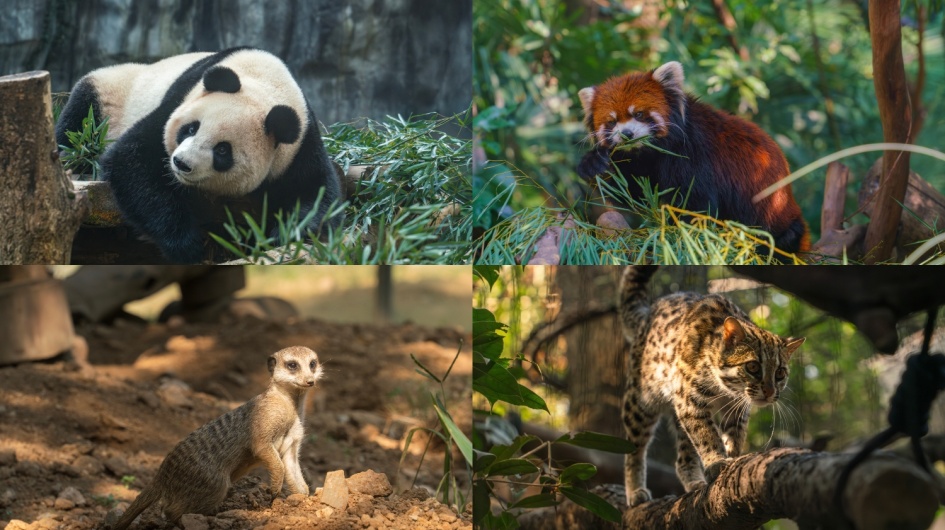 Cutie animals in the Nanjing Hongshan Forest Zoo
After lunch, climb the Nanjing Ming Dynasty City Wall from the Xuanwu Gate entrance. This 2.5-kilometer section of the city wall is well-preserved, with a gentle road surface and wooden resting benches every 100 meters, suitable for a slow walk. Along the way, lean on the crenels to overlook the sparkling Xuanwu Lake and the old urban area with gray bricks and black tiles, and you can also see the marks of Ming and Qing dynasty craftsmen left on the wall bricks. When you reach Zhonghua Gate, focus on visiting the barbican structure known as "trapping enemies in a jar". Its design of three barbican gates and 27 soldier-hiding caves intuitively demonstrates the ingenuity of ancient military defense systems. Touch the wall bricks up close to feel the profound historical weight carried by this 600-year-old city wall.
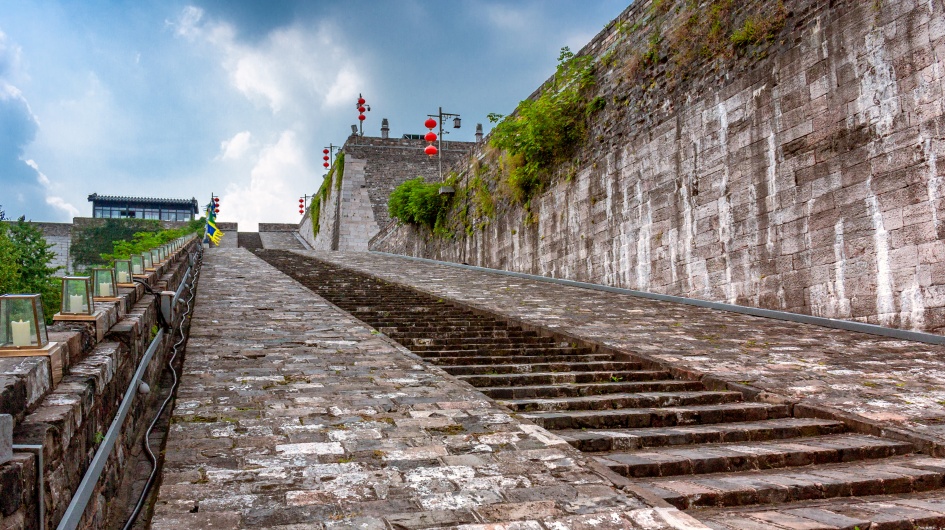 Zhonghua Gate
Your Journey's Rewards:
Watch animals in their natural state at Hongshan Zoo and learn about the "animal-centric" concept; climb the Ming Dynasty City Wall to enjoy views of the lake and the old city, and explore the defensive design of Zhonghua Gate's barbican.
Educational Focus:
How do Nanjing Hongshan Forest Zoo's measures of abolishing animal shows and creating habit-friendly environments reflect the transformation of modern zoos in terms of animal ethics and public education functions?
Takeaway:
Modern zoos are shifting from "entertainment and display" to "animal welfare and ecological education", and this transformation is reflected in this measure. Abolish animal shows, stop forcing animals to do things against their instincts through training, and let them return to their natural living state—this complies with the core principle of "respecting the inherent habits of species" in animal ethics. At the same time, create living environments that fit animals' natural habits, such as installing climbing facilities for primates and simulating original ecosystems. This not only reduces animals' stress responses, but also allows the public to see animals' real behaviors, replacing the one-sided understanding brought by shows.
Thoughts Challenge:
Some members of the public still think "zoos need shows to be entertaining"—so how should modern zoos further balance public expectations with animal ethics and the long-term goal of ecological education?
In the morning, prioritize a visit to the Presidential Palace. After entering, follow the "Central Area - Western Area - Eastern Area" route: In the Central Area, see the Republican-era President's Office and reception room, where wooden furniture and old telephones recreate historical scenes; in the Western Area, check in at the relics of the Taiping Heavenly Kingdom's Heavenly King's Mansion and feel the regime changes through the restored golden dragon throne; in the Eastern Area, visit the temporary exhibition hall, which usually displays modern documents and old photos. Later, go to the Intangible Cultural Heritage (ICH) Experience Hall, where you can pay to try various ICH projects with professional teachers' guidance. You can also watch demonstrations of velvet flower and Yunjin brocade making, and professional teachers will explain the stories of craftsmanship inheritance, allowing you to immerse yourself in the ingenuity of traditional crafts.
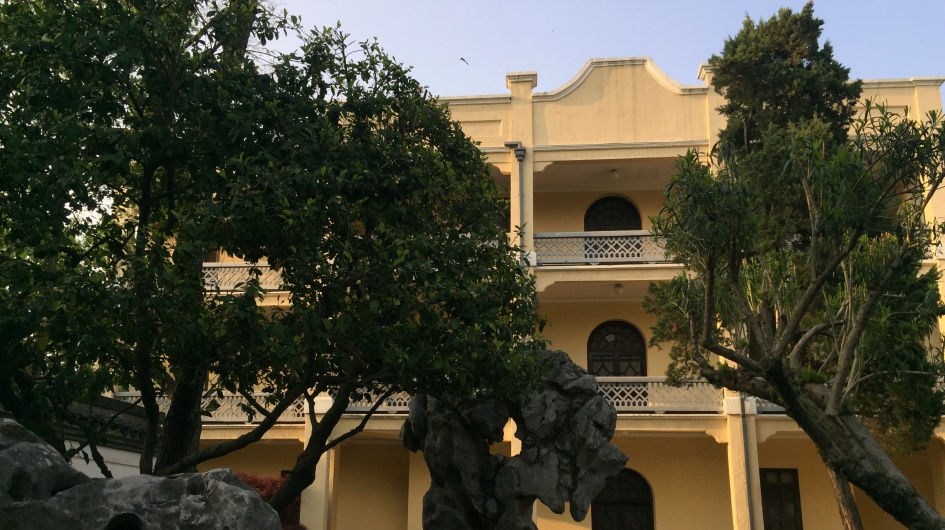 The Presidential Palace Library
In the afternoon, wander along the Confucius Temple. First, check in at the "Tianxia Wenshu" Archway and "Lingxing Gate"—choose a side angle for photos to avoid crowds. Walk to the "Qinhuai Style Snack City" and it is recommended to try local snacks such as duck blood vermicelli soup and beef potstickers. When night falls and the lanterns on both sides of the Qinhuai River are lit, board a painted boat from the Confucius Temple Cruise Terminal. Choose a window seat on the upper deck; along the way, you can enjoy the lit night views of attractions like Li Xiangjun's Former Residence and Wende Bridge, and listen to the radio explaining the historical allusions of the "Ten-Li Qinhuai River".
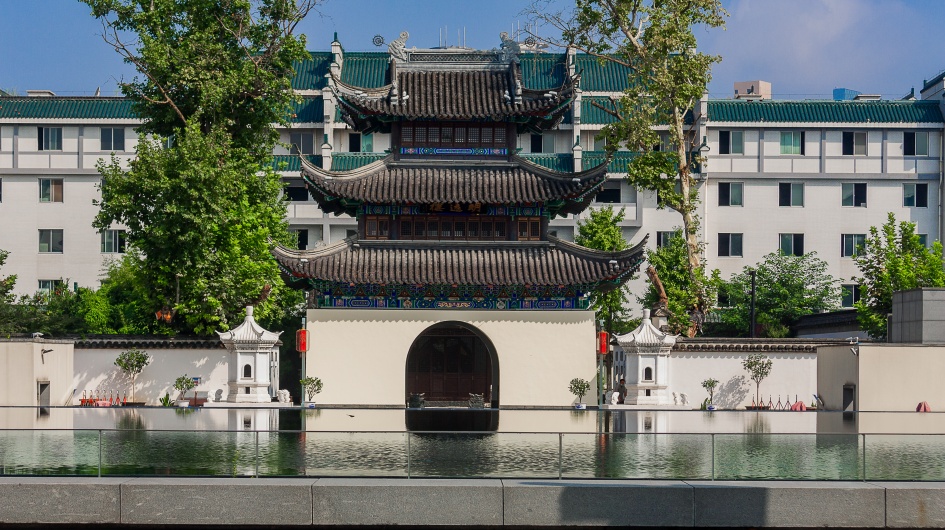 The Mingyuan Tower of Confusion Temple
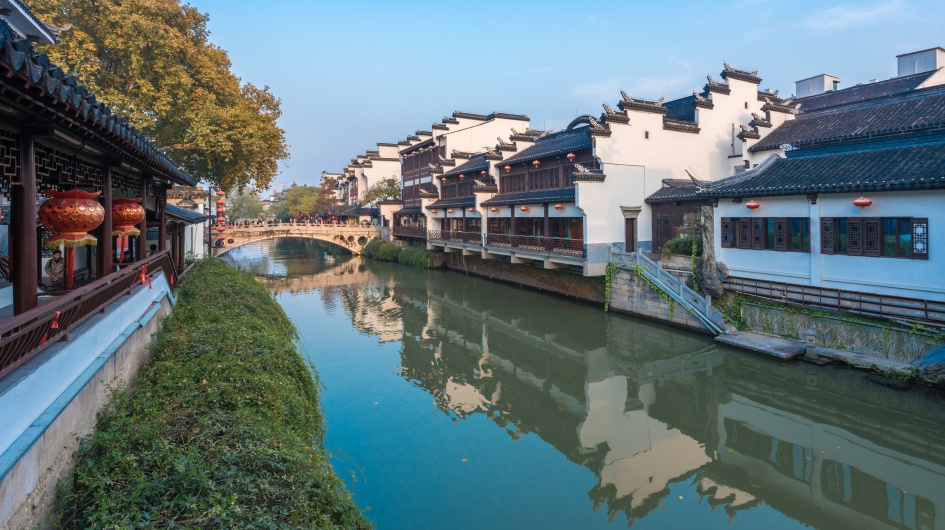 Qinhuai River
Your Journey's Rewards:
Visit the Presidential Palace to understand the changes of modern political regimes and recognize Nanjing's historical status; experience intangible cultural heritage (ICH) programs, appreciate velvet flowers and Yunjin brocade to taste the ingenuity of craftsmen; wander around Confucius Temple to try local snacks, and take a painted boat to enjoy the night view of the Qinhuai River.
Educational Focus:
What key role do intangible cultural heritage (ICH) experience halls play in the living inheritance of ICH crafts through models such as experience programs, craft demonstrations and inheritance story-telling?
Takeaway:
ICH experience halls are important carriers for the living inheritance of ICH crafts, and their diverse models provide key support for inheritance. Experience programs turn the public from "onlookers" into "participants", allowing them to have hands-on contact with ICH crafts under professional guidance and deepen their understanding of the craft process; craft demonstrations intuitively present the detailed craft of ICH, breaking the public's cognitive barriers to traditional crafts; inheritance story-telling endows crafts with cultural connotations, enabling the public to perceive the historical context and craftsmen's spirit behind them. This "experience + demonstration + story-telling" model not only stimulates the public's interest in ICH, but also injects new vitality into craft inheritance, effectively alleviating the problem of inheritance discontinuity faced by ICH and promoting the continuation and development of ICH in the contemporary era.
Thoughts Challenge:
When ICH experience halls need to balance the fun of public experience with the professionalism of craft inheritance, how to grasp the balance between the two and avoid weakening the cultural depth of ICH crafts themselves to cater to the public?
On the last day of the trip, we will send you to the airport or high-speed rail station according to your itinerary. We hope this Nanjing trip will bring you joy and help you gain knowledge!
This tour is suitable for: Family, Nature Lovers, History Lovers
What's Included
- Professional English-speaking tour guide
- Comfortable transportation with professional driver
- Carefully selected comfortable accommodation
- Breakfast and lunch provided
- Admission tickets for all mentioned scenic spots included
Hotel Recommended
| City | Deluxe | Comfortable |
|---|---|---|
| Nanjing | Yishiyuan Hotel | Nanjing South Railway Station Xicheng Ali Hotel |
| Jinling Hotel | Wanhui City Hotel |
Note: Please feel free to contact our travel specialist if you prefer to stay at other hotels.
Wechat & WhatsApp: +86-13471279378