- Home
- City Tours
- Nanjing Tours
- 4-Day Nanjing Essence Tour
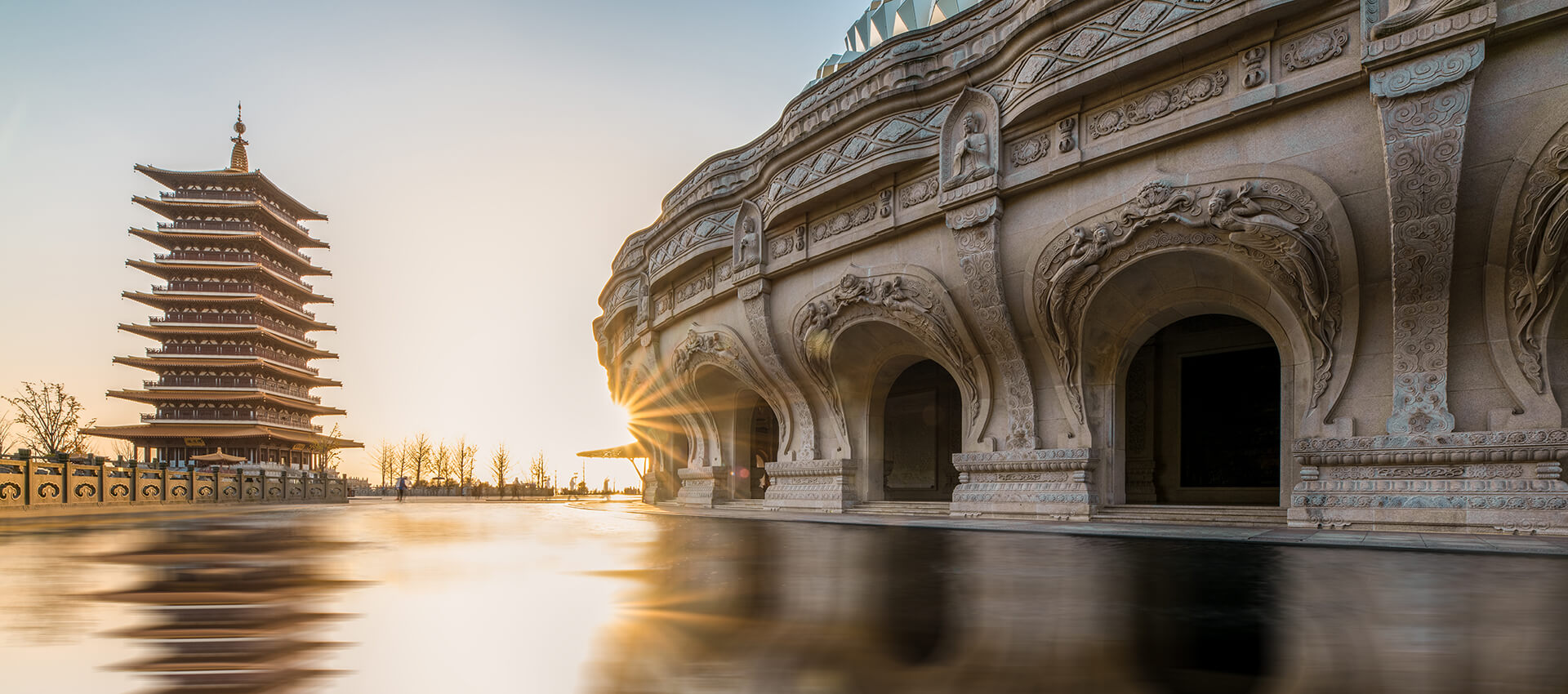
Nanjing Essence Tour
Welcome to start your Nanjing Essence Tour! Over these 4 days, you will immerse yourself in the charm of this ancient capital—from paying respect to sacred relics and appreciating Buddhist art at the Foding Palace of Niushou Mountain, to taking a night cruise on the Qinhuai River and listening to stories of the Six Dynasties. You can climb Linggu Pagoda to enjoy autumn scenery, visit Meiling Palace to experience the style of the Republic of China, stroll through Ming Xiaoling Mausoleum to explore imperial mausoleum rituals, and finally take a boat on Xuanwu Lake to embrace the integrated scenery of "mountains, waters, city and forests". The itinerary balances in-depth cultural experience with casual leisure, and is enriched by local food and souvenirs. May you gain plenty of wonderful memories!
Itinerary at a Glance
| Day | Location | Highlights |
|---|---|---|
| D1 | Nanjing | Arrive, be picked up to check into hotel, get itinerary explanation, explore freely, try braised salted duck |
| D2 | Niushou Mountain Cultural Tourism Zone (Foding Palace)-Confucius Temple-Qinhuai River | Visit underground palace, climb Foding Pagoda, stroll around, visit intangible heritage shops, take night cruise, taste snacks |
| D3 | Linggu Temple-Mei Ling Palace-Sycamore Avenue-Sun Yat-sen Mausoleum-Music Terrace-Liuhui Pavilion-Ming Xiaoling Mausoleum | Climb pagoda, try vegetarian noodles, visit palace, walk avenue, climb mausoleum, feed pigeons, visit pavilion, stroll mausoleum |
| D4 | Xuanwu Lake | Enter park, walk lakeside, take boat, enjoy views, be sent to airport/station |
Trip Highlights
- Visit underground palace and climb pagoda to enjoy Buddhist art
- Take painted boat for Qinhuai River night tour and listen to old stories
- Climb pagoda and stroll avenue to admire Zhongshan Mountain scenery
- Climb mausoleum, feed pigeons and visit pavilion for lake views
- Take boat on Xuanwu Lake to enjoy "mountains, waters, city and forests" views
Tour Essentials

Quality
No Shopping Traps

Group Type
Private

Tour Focus
Historical Culture, Nature Scenery

Accommodation
Nights:3

Best Season
Spring, Summer, Autumn
Full itinerary for Nanjing Essence Tour
After arriving in Nanjing, our staff will pick you up and take you to the hotel for check-in and rest. Along the way, the tour guide will explain your itinerary for the next three days. If you have any questions, please communicate with the tour guide or our travel consultant in a timely manner. There will be no arranged schedule for the day, but you can also explore Nanjing's scenery on your own. It is recommended that you try Nanjing braised salted duck, which has a delicious taste.
In the morning, first visit Niushou Mountain Cultural Tourism Zone. Enter through the West Gate, then take the scenic shuttle bus directly to the Foding Palace. First, collect the free shoe covers and enter the underground palace. The gilded reliefs in the Thousand-Buddha Hall on the B5 floor are particularly stunning under the lights; walk along the Ten-Thousand-Buddha Corridor, where the niches on the walls and light and shadow interweave into a solemn picture. Continue to the Sarira Hall, which enshrines the Buddha's parietal bone sarira (open on specific festivals), creating a solemn and sacred atmosphere. The internet-famous door platform on the B4 floor is a great spot for taking photos. After visiting the underground palace, you can climb the Foding Pagoda; from the 88-meter-high top, you can enjoy a 360° panoramic view of the mountains and the golden roof. Throughout the journey, you will be immersed in the charm of this "Buddhist art sanctuary".
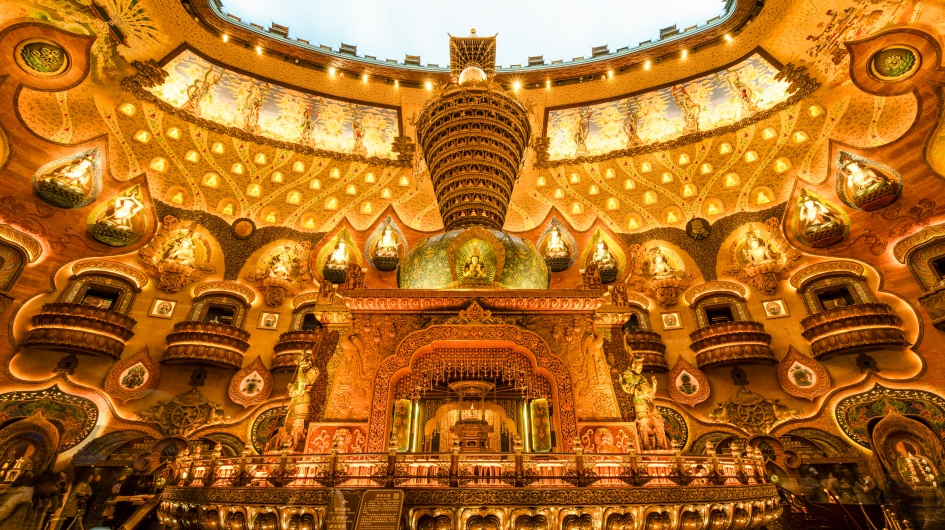 Foding Palace
In the afternoon, stroll around the Nanjing Confucius Temple, where ancient buildings with upturned eaves blend with the hustle and bustle of daily life. You can visit intangible cultural heritage shops to experience Nanjing's traditional craftsmanship. In the evening, take a painted boat for a night tour on the Qinhuai River. As the boat glides along, lanterns on both banks light up one after another, casting a hazy and charming glow on historical sites like Wuyi Lane and Zhuque Ferry. Inside the boat, listen to the boatwoman tell stories of the Six Dynasties; outside, watch other painted boats glide over the water and the reflections of bridges lie on the river surface. After disembarking, taste local snacks such as duck blood vermicelli soup and crab roe buns, admire the night view of the "Qinhuai Moon" by the Wende Bridge, and immerse yourself in the thousand-year-old charm of the "Ten-Li Qinhuai River".
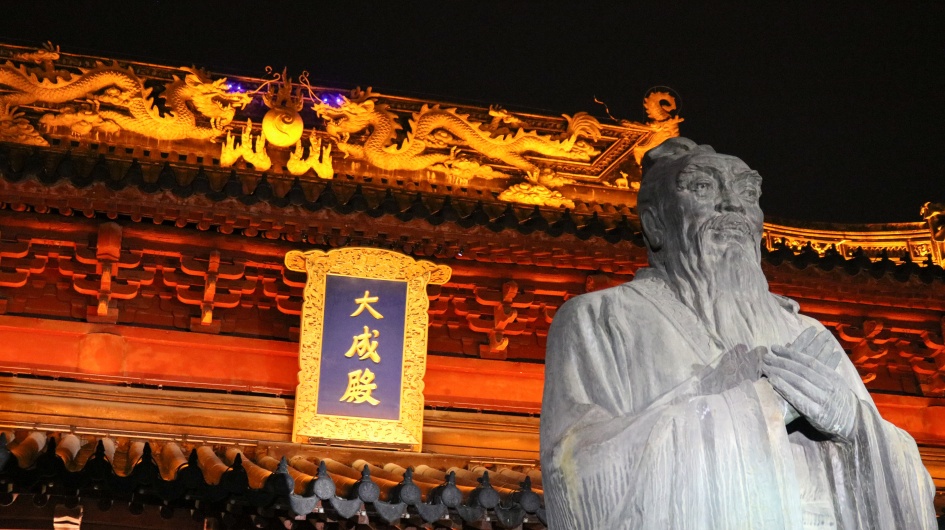 Confucius Temple
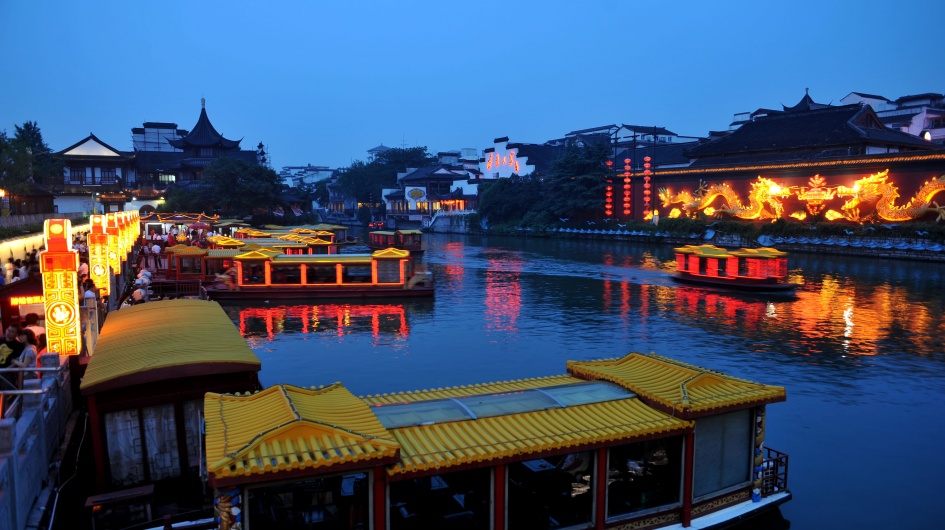 Qinhuai River
Your Journey's Rewards:
Admire the Buddhist art treasures in the Foding Palace and pay respect to the sacred relics to feel the solemn Zen atmosphere; stroll around the Confucius Temple to savor the intangible cultural heritage and take a night tour on the Qinhuai River to appreciate the charm of the Six Dynasties.
Educational Focus:
Why is the Buddha's parietal bone sarira enshrined in the Foding Palace regarded as the supreme sacred relic in Buddhism? What are the manifestations of its historical spread and cultural value?
Takeaway:
The Buddha's parietal bone sarira is the remaining parietal bone relic of Sakyamuni after his nirvana. As the only one of its kind existing in the world, it is the supreme sacred relic of Buddhism. From the perspective of Buddhist doctrines, it symbolizes the Buddha's wisdom and compassion. "Seeing the sarira is like seeing the Buddha's true form," and it carries the core significance of faith inheritance. Having gone through 2,500 years of spread, it finally settled in Niushou Mountain, serving as a material witness to the spread of Buddhist culture. Its unique honeycomb-like shape and the characteristic of containing sarira particles further endow it with both religious sanctity and historical evidential value.
Thought Challenge:
When the thousand-year sacredness of the Buddha's parietal bone sarira intersects with modern internet-famous check-in culture at the Foding Palace, how can we safeguard the authentic value of cultural heritage in the context of online attention?
Arrive at Linggu Temple early in the morning. Climb the 9-story Linggu Pagoda to overlook the forest with intertwined green and yellow hues. The ancient walls of the Beamless Hall paired with red maples create a highly picturesque scene; you can try the 10-yuan vegetarian noodles to recharge your energy. Then head to the Meiling Palace— the light and shadow on the spiral staircase of the yellow villa are absolutely stunning, and the interior furnishings restore the style of the Republic of China era. Step into the Sycamore Avenue right after exiting the Meiling Palace; in autumn, the interlaced branches form an archway, and sunlight filters through the leaves, casting dappled light. Walking here, you can casually capture the romantic moments of falling leaves, fully showcasing the charm of Zhongshan Mountain.
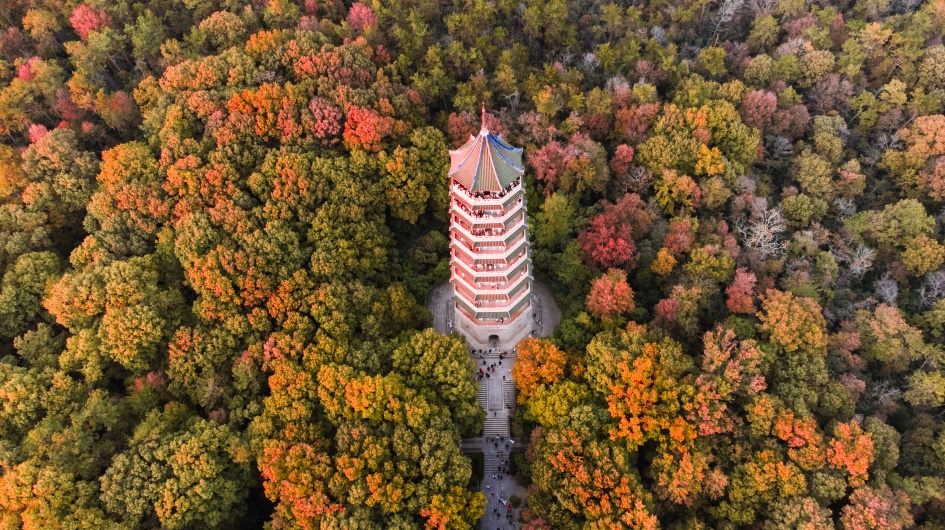 Linggu Pagoda
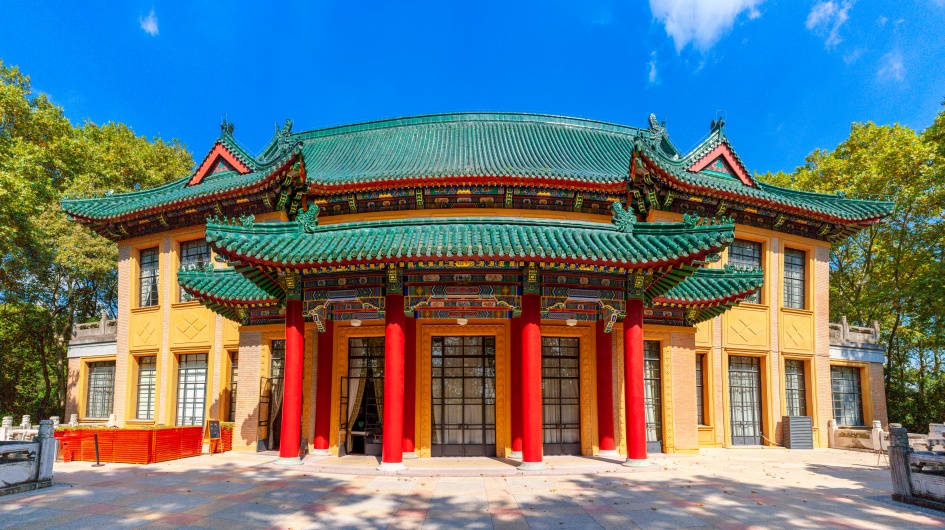 Meiling Palace
In the afternoon, climb the Sun Yat-sen Mausoleum. The 392 steps rise gradually, and you can take a panoramic photo of the steps from the platform in the middle section. After reaching the top, the "Bo'ai" (Fraternity) Memorial Archway and the scenery of Zhongshan Mountain come into full view. Walk to the Music Terrace, buy a pack of pigeon feed, and wait for the flock of pigeons to circle around— you can take amazing backlit photos with light streaking through your hair. Next, go to Liuhui Pavilion and watch the lake reflect the red pillars, white pavilion, and layered forests, like a natural scroll painting. Finally, visit the Ming Xiaoling Mausoleum. Enter through Gate 5 and stroll along the Shxiang (stone elephant) Path; the golden sycamores and stone beasts complement each other, and the red walls of the Ming Tower paired with fallen leaves add a stronger sense of historical depth, allowing you to immerse yourself in the grandeur of the imperial mausoleums of the Ming and Qing dynasties.
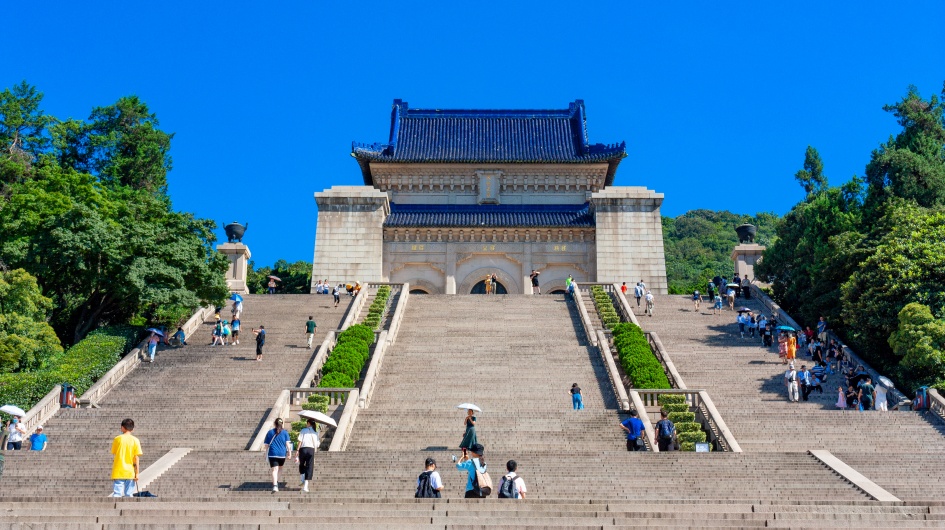 Sun Yat-sen Mausoleum
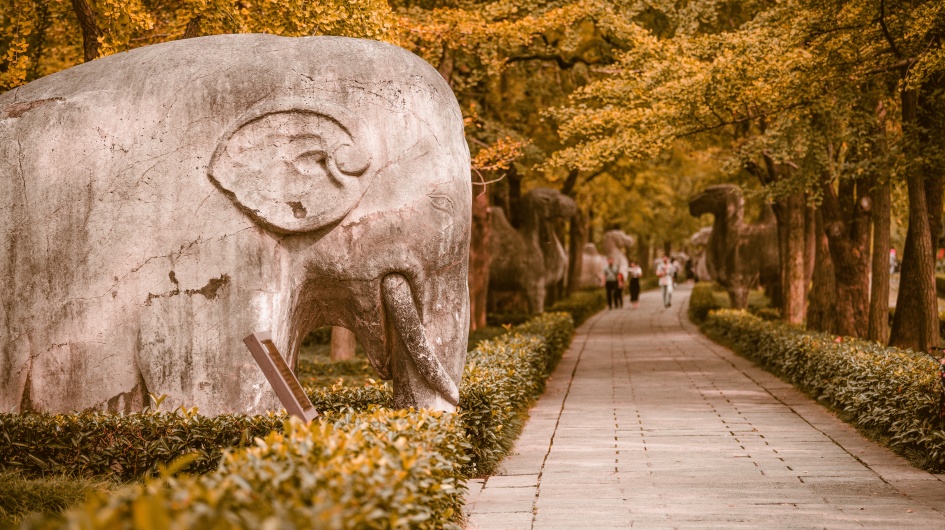 The Shixiang Path of Ming Xiaoling Mausoleum
Your Journey's Rewards:
Climb Linggu Pagoda to admire the forest sea and red maples, explore Mei Ling Palace to savor the style of the Republic of China, and stroll along Sycamore Avenue to enjoy autumn charm; climb Sun Yat-sen Mausoleum to understand the spirit of "Bo'ai" (Fraternity), visit Ming Xiaoling Mausoleum to feel the grandeur of imperial mausoleums, and appreciate the lake scenery and mountain views at Liuhui Pavilion.
Educational Focus:
As a representative of the imperial mausoleums of the Ming and Qing dynasties, what ritual connotations and symbolic meanings are embodied in the design layout and stone beast arrangements of the Stone Elephant Road in the Ming Xiaoling Mausoleum?
Takeaway:
The design of the Sacred Way of Ming Xiaoling Mausoleum strictly follows the ritual system of imperial mausoleums in the Ming and Qing dynasties. Along the two sides of the 615-meter-long Sacred Way, six types of stone beasts—lions, xiezhi, camels, elephants, qilin and horses—are arranged in order, with two pairs of each (in standing and lying postures respectively). These designs contain hidden ritual connotations: lions symbolize imperial majesty, xiezhi represent impartial law enforcement, camels and elephants reflect the vastness of the territory, qilin imply the benevolence of the emperor and empress, and horses are associated with the emperor's military campaigns and travels. On the whole, it not only demonstrates the supremacy of imperial power but also embodies the expectation for national stability, serving as a concrete manifestation of ritual culture.
Thought Challenge:
With the development of tourism commercialization, how to balance the appreciation of natural landscapes and the in-depth understanding of the historical ritual culture carried by mausoleums?
Enter Xuanwu Lake Park through Xuanwu Gate, walk along the lakeside path to enjoy the scenery, and finally head to the boat dock to take a boat, getting close to the lake views. You can cruise near Yingzhou Isle—see the trees on the shore and the distant Purple Mountain form a stunning backdrop, and the golden ginkgo avenue on Liangzhou Isle shines brightly in autumn. You can also look into the distance at the ancient outline of the Taicheng section of the Ming City Wall, and enjoy a leisurely time.
After the boat trip, if time permits, you can pick souvenirs like Yunjin brocade or rain flower stones in the cultural and creative shops near Xuanwu Gate, or taste Nanjing's local food one last time to keep memories of Jinling. Finally, we will take you to the airport/station for your return trip. With beautiful memories, you will end this essence tour of Nanjing.
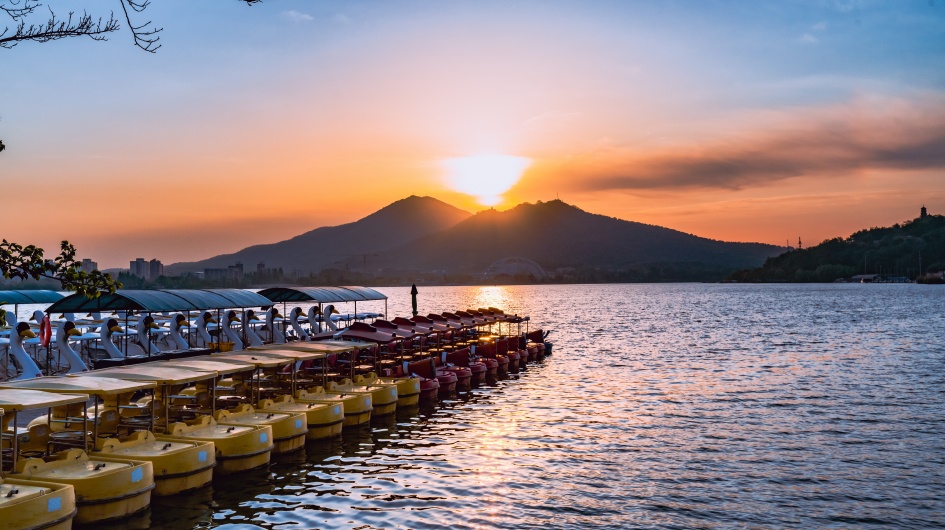 Xuanwu Lake boat dock
Your Journey's Rewards:
Take a boat on Xuanwu Lake to admire the integrated scenery of "mountains, waters, city and forests", taste Nanjing's featured food to regain energy, return with various beautiful memories of Nanjing.
Educational Focus:
As an important water body in Nanjing, what impacts do the historical evolution of Xuanwu Lake's water system and contemporary ecological management measures have on the city's development?
Takeaway:
Xuanwu Lake's water system has a long history. Its early form was the ancient "Houhu Lake" (Back Lake); dredging and regulation began during the Eastern Wu Dynasty, and it became a royal garden lake during the Ming and Qing dynasties, serving both water storage and navigation functions. With urban development, this water system once faced problems of pollution and ecological degradation.
In modern times, measures such as controlling pollution sources and intercepting sewage have been taken to reduce domestic and industrial sewage entering the lake. Aquatic plants are planted to build ecological buffer zones, and filter-feeding fish are released to regulate the water body. Meanwhile, internal and external water systems are connected to promote water circulation. These measures have improved water quality, restored waterfowl habitats, maintained the city's ecological pattern of "mountains, waters, city and forests", provided an ecological barrier for the city, guaranteed leisure spaces for citizens, and achieved the unification of ecological and social benefits.
Thought Challenge:
During the ecological management of Xuanwu Lake, how to coordinate the dynamic balance between the development of tourism activities such as boat trips and the ecological protection of the water body, and prevent the achievements of ecological improvement from being damaged due to tourism development?
This tour is suitable for: Family, Team Building, History Lovers, Nature Scenery Lovers, Phtography
What's Included
- Professional English-speaking tour guide
- Comfortable transportation with professional driver
- Carefully selected comfortable accommodation
- Breakfast and lunch provided
- Admission tickets for all mentioned scenic spots included
Hotel Recommended
| City | Deluxe | Comfortable |
|---|---|---|
| Nanjing | Yishiyuan Hotel | Nanjing South Railway Station Xicheng Ali Hotel |
| Jinling Hotel | Wanhui City Hotel |
Note: Please feel free to contact our travel specialist if you prefer to stay at other hotels.
Wechat & WhatsApp: +86-13471279378