- Home
- City Tours
- Nanjing Tours
- 5-Day Nanjing Educational Tour
Nanjing Educational Tour
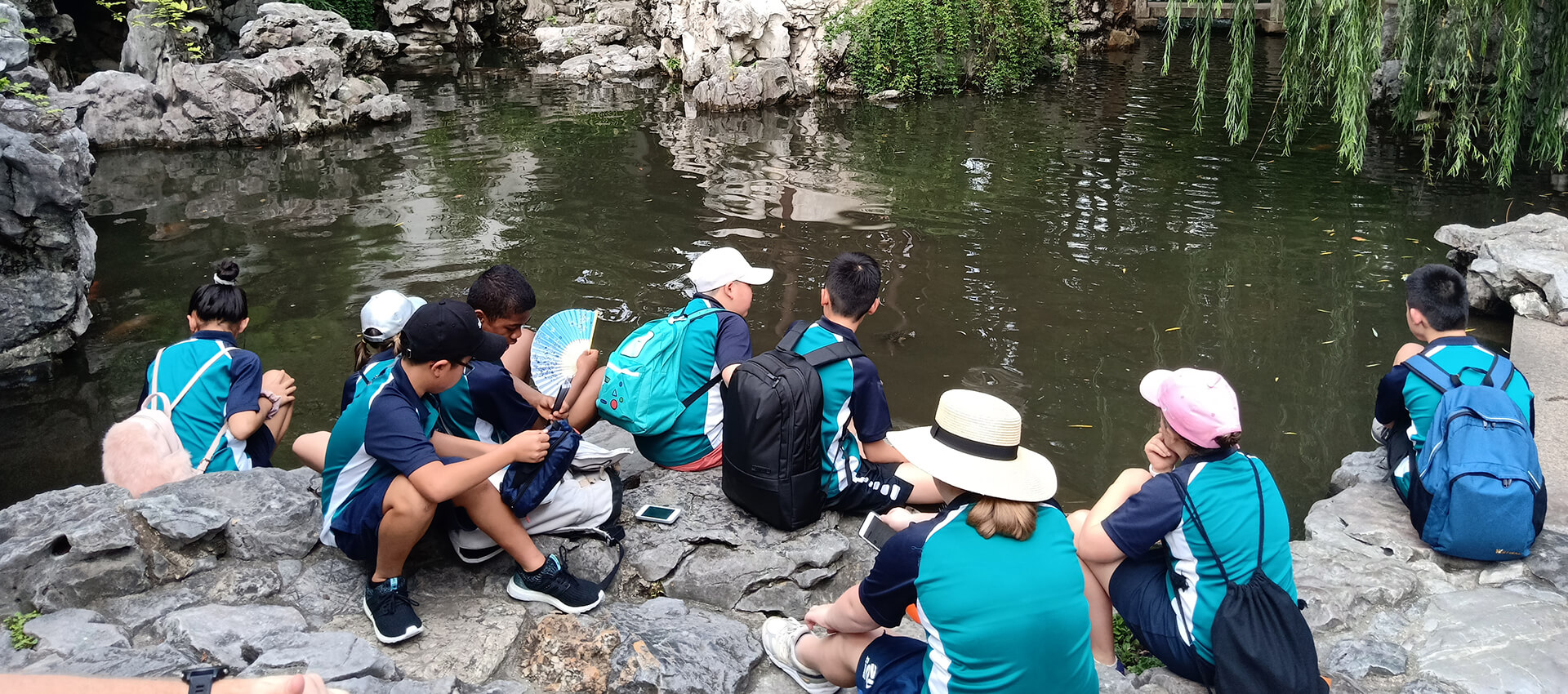
A cultural journey through the millennia in Jinling (Nanjing) is about to begin! Centered on historical exploration and cultural experience, this itinerary will take you on an immersive journey to touch Nanjing's diverse heritage — from ancient Zen spaces to the elegance of Jiangnan gardens, from the layout of imperial mausoleums to the defensive wisdom of ancient city walls. You will also get to experience intangible cultural heritage (ICH) techniques with your own hands and decode the historical secrets behind cultural relics. As you walk, you'll understand Nanjing's past and present, and gain a threefold enrichment of knowledge, experience and reflection.
Itinerary at a Glance
| Day | Location | Highlights |
|---|---|---|
| D1 | Nanjing | Receive airport pickup, listen to Nanjing's history and itinerary intro, check into hotel for rest |
| D2 | Jiming Temple-Xuanwu Lake-Nanjing Museum-Qinhuai Intangible Cultural Heritage (ICH) Inheritance and Learning Center | Feel Zen atmosphere, pray, overlook city; take cruise to enjoy scenery; visit museum to know Jianghuai civilization; experience intangible cultural heritage projects |
| D3 | Linggu Temple-Meiling Palace-Sun Yat-sen Mausoleum-Liuhui Pavilion-Ming Xiaoling Mausoleum | Explore ancient architecture, savor vegetarian noodles; admire building and relics to know Republican era; hike steps, feel great man's spirit, overlook city; stroll to enjoy tranquility; walk sacred way, interpret mausoleum scale and feng shui |
| D4 | Nanjing City Wall Museum-Zhonghua Gate City Wall-Zhan Garden-Confucius Temple-Qinhuai River | Learn about city wall via exhibits; hike wall, observe structure, enjoy light and shadow show if available; appreciate garden, know Taiping Rebellion history; feel Confucian culture; take night cruise, listen to stories |
| D5 | Niushou Mountain Cultural Tourism Zone (Foding Palace) | Visit palace to admire relic, feel Buddhism solemnity; wander garden to experience nature-religion coexistence; be taken to airport/railway station to depart |
Trip Highlights
- Feel Zen atmosphere and pray in ancient temples
- Take cruise on lake to enjoy integrated scenery of mountains, water and city
- Experience intangible cultural heritage projects like kite-making and knot-weaving
- Hike steps of mausoleum to feel great man's spirit and overlook city
- Explore ancient city wall and enjoy light and shadow show if available
- Take night cruise on river to listen to stories and savor poetic scenery
Tour Essentials

Quality
No Shopping Traps

Group Type
Private

Tour Focus
ICH Culture, Education

Accommodation
Nights:4

Best Season
Spring, Summer, Autumn, Winter
Full itinerary for Nanjing Educational Tour
Upon your arrival in Nanjing, a dedicated staff member will provide airport pickup service. During the journey, the tour guide will share Nanjing's historical culture and the itinerary for the next few days to help you get to know this ancient city. After assisting with your luggage, you will be escorted to the hotel for rest.
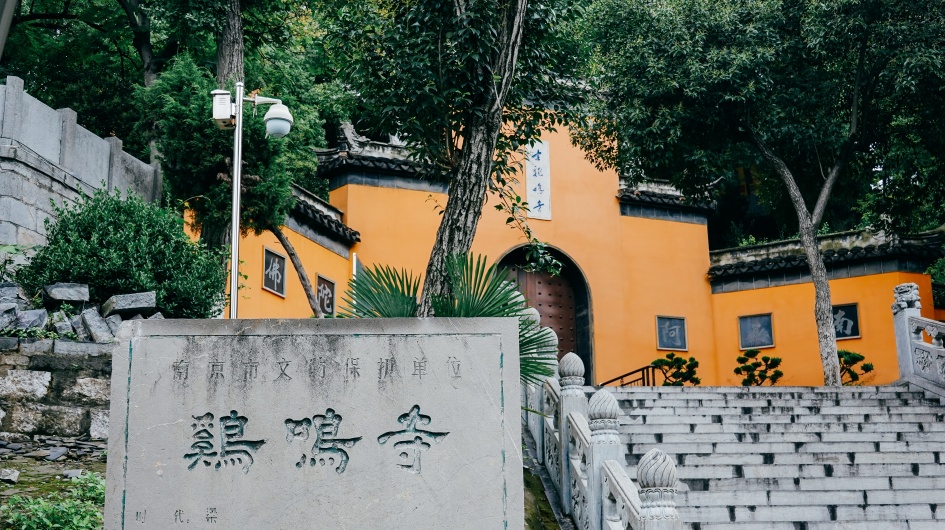
In the morning, first visit Jiming Temple, known as "the first temple of the Southern Dynasties". Feel the thousand-year-old Zen atmosphere among its red walls and dark tiles. You can receive incense and candles with your ticket for prayer, and the Medicine Buddha Pagoda in the temple is an excellent spot to overlook the city scenery. Then take a boat trip on Xuanwu Lake, rippling on this "pearl of Jinling". Enjoy the cherry blossoms on Yingzhou Island, the historical relics on Liangzhou Island along the way, and gaze at the unique scene where Zifeng Tower and the Ming Dynasty City Wall appear in the same frame, immersively experiencing the Jinling scenery that combines "mountains, water, city and forests".
 Jiming Temple
 Xuanwu Lake boat trip
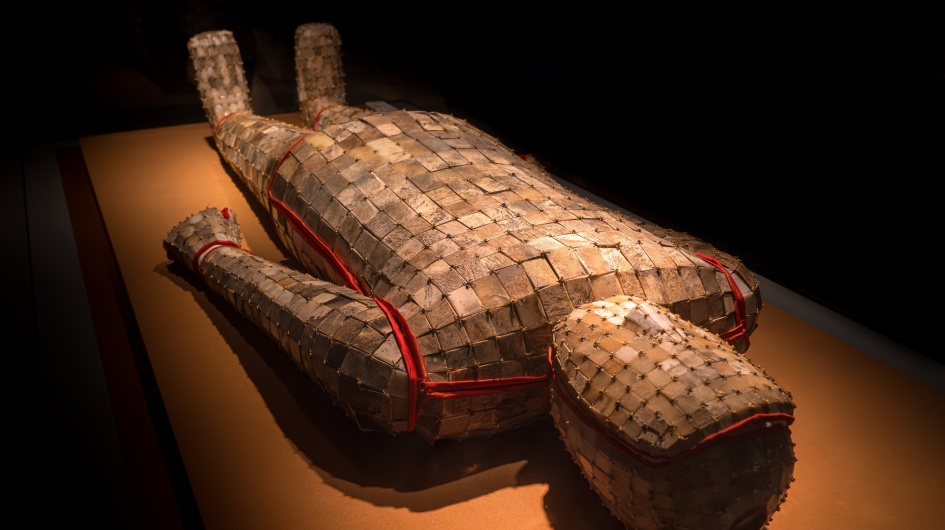
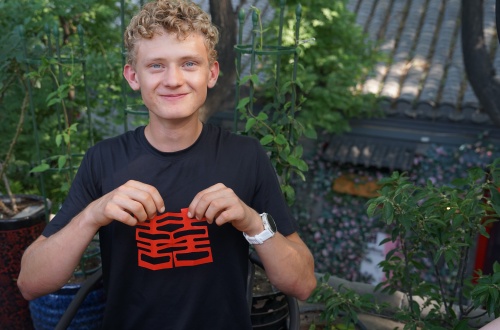
In the afternoon, walk into Nanjing Museum, one of China's top three museums. Focus on visiting national treasures such as the Jade Burial Suit Sewn with Gold Thread and the Bricks Inscribed with the Seven Sages of the Bamboo Grove in the History Hall, and understand the Jianghuai civilization through the flow of time. Later, go to Qinhuai Intangible Cultural Heritage (ICH) Inheritance and Learning Center. Under the guidance of the craftsman workshop, freely choose to experience intangible cultural heritage projects: feel the combination of bamboo strips and colored paper when making kites, convey auspicious meanings by weaving Jinling knotting, carve craftsmanship with your fingers when making shadow puppet micro-sculptures, and appreciate the folk charm by cutting red paper window decorations, touching the warmth of intangible cultural heritage with your own hands.
 The Jade Burial Suit Sewn with Gold Thread
 Paper-cutting
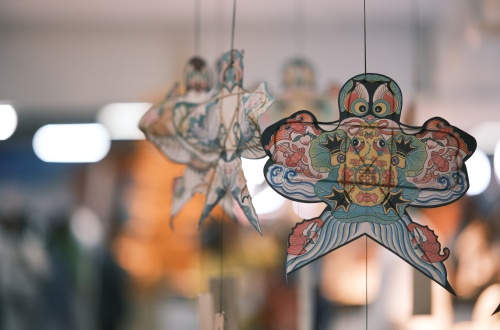 Jinling kites
Your Journey's Rewards:
Gain the Zen experience of a thousand-year-old ancient temple, admire the integrated scenery of mountains, water, city and forests at Xuanwu Lake; understand the context of Jianghuai civilization, and master multiple intangible cultural heritage skills with your own hands.
Educational Focus:
What functions did the Jade Shroud Sewn with Gold Thread exhibited in the History Hall of Nanjing Museum serve in the ancient funeral system, and what social background do its production techniques and usage specifications reflect?
Takeaway:
The Jade Shroud Sewn with Gold Thread mainly undertook dual functions of "preserving the corpse from decay" and "symbolizing hierarchy" in the ancient funeral system. The ancients believed that jade possessed the characteristic of "being warm and lustrous", which could isolate the corpse from the external environment to achieve the funeral ideal of "immortality", hence wrapping the body with connected jade pieces. Its use strictly followed the ritual system of the Han Dynasty—only emperors, vassal kings and other highest-ranking nobles were eligible to use the gold-threaded jade shroud, marquises used silver-threaded ones, and ministers used copper-threaded ones. The choice of gold thread directly reflected the user's social status and power hierarchy. In terms of production techniques, the jade shroud required multiple processes such as jade selection, cutting, drilling and polishing, while the gold thread needed to accurately connect thousands of jade pieces. This reflects the superb jade processing and metal forging technologies of the Han Dynasty, as well as the refined division of labor in handicrafts and the maturity of the ritual system at that time, serving as important material evidence for the study of Han Dynasty's funeral culture, hierarchical system and handicraft development.
Thoughts Challenge:
How should we balance the interpretation of historical value and the cognitive differences of contemporary equality concepts when researching and exhibiting the ancient funeral culture represented by the "immortality" funeral concept and hierarchical order embodied in the Jade Shroud Sewn with Gold Thread in modern society?
In the morning, first visit Linggu Temple. Explore the architectural wonder of the Beamless Hall, climb Linggu Pagoda to overlook the panoramic view of Zhong Mountain, and savor the fresh and fragrant vegetarian noodles while experiencing the integration of Zen and nature. Then head to Meiling Palace, step into this Republican-era building that combines Chinese and Western styles, admire the restored interior living scenes and precious cultural relics, and understand the romance and past events in the turbulent Republican era.
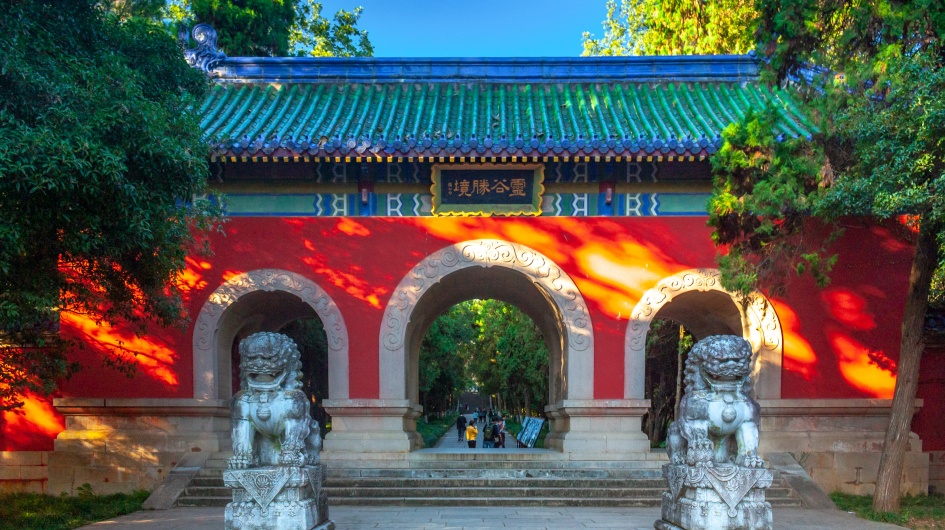 Linggu Temple
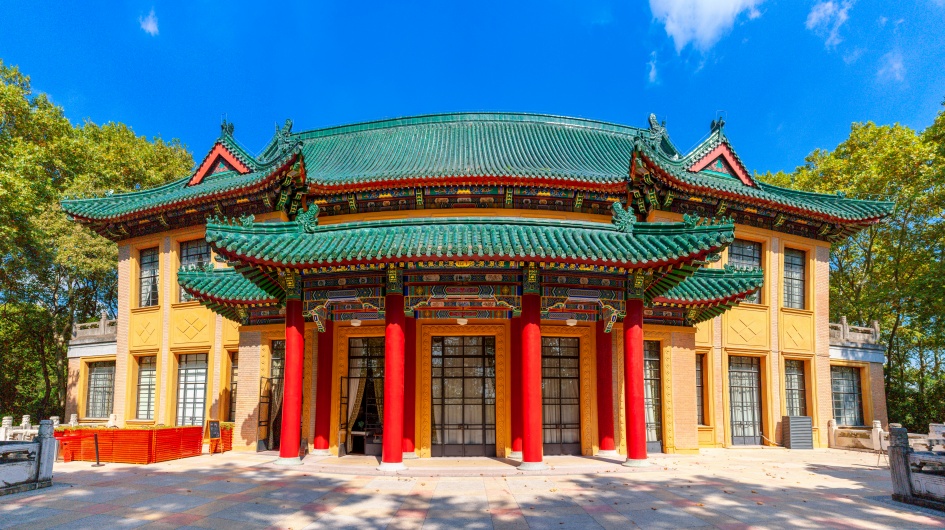 Meiling Palace
In the afternoon, hike up the 392 steps of Sun Yat-sen Mausoleum, feel the great man's spirit under the Bo'ai Archway, and lean on the railing to gaze at the magnificent layout of Nanjing City after reaching the top. Then stroll around Liuhui Pavilion, watch the clear water reflecting the vermilion-lacquered corridor pillars, listen to the birds singing in the forest, and enjoy a moment of tranquility. Finally, visit Ming Xiaoling Mausoleum, walk along the ancient sacred way of Shixiang Path, and interpret the grand scale and feng shui wisdom of the mausoleum of the founding emperor of the Ming Dynasty.
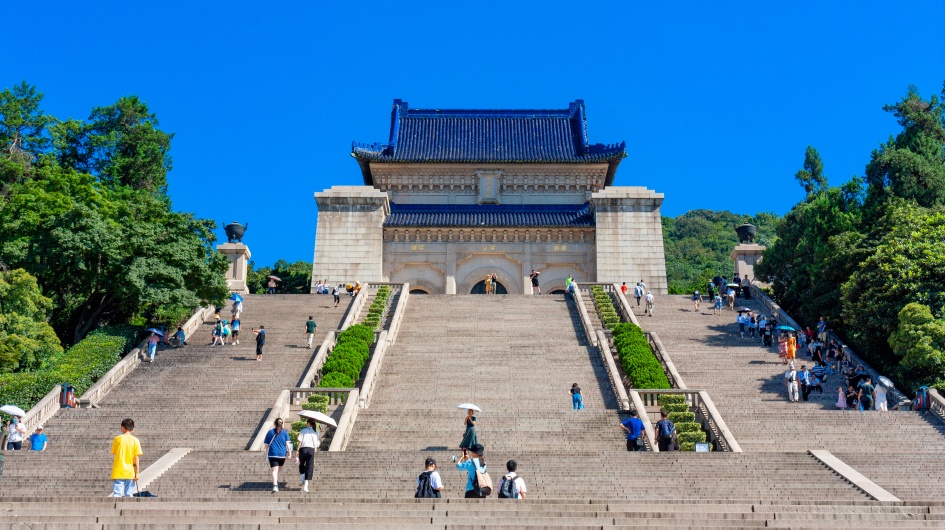 Sun Yat-sen Mausoleum
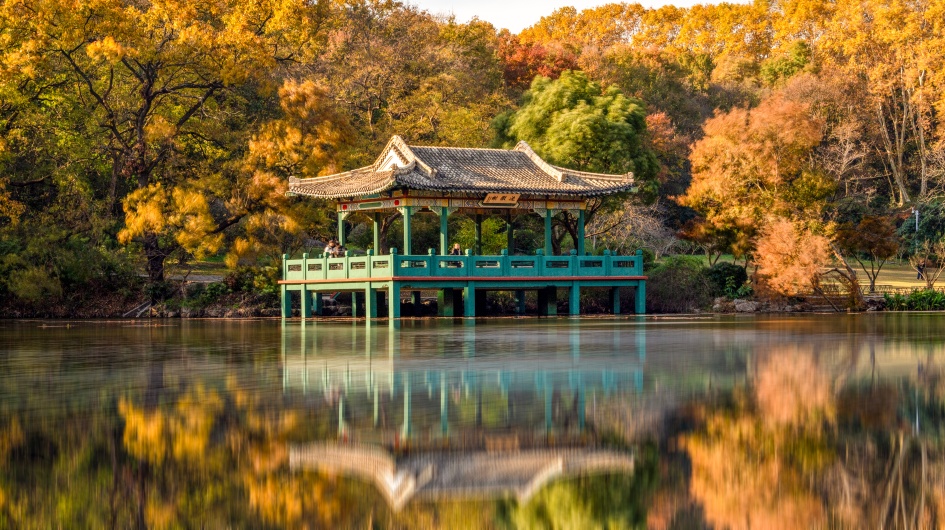 Liuhui Pavilion
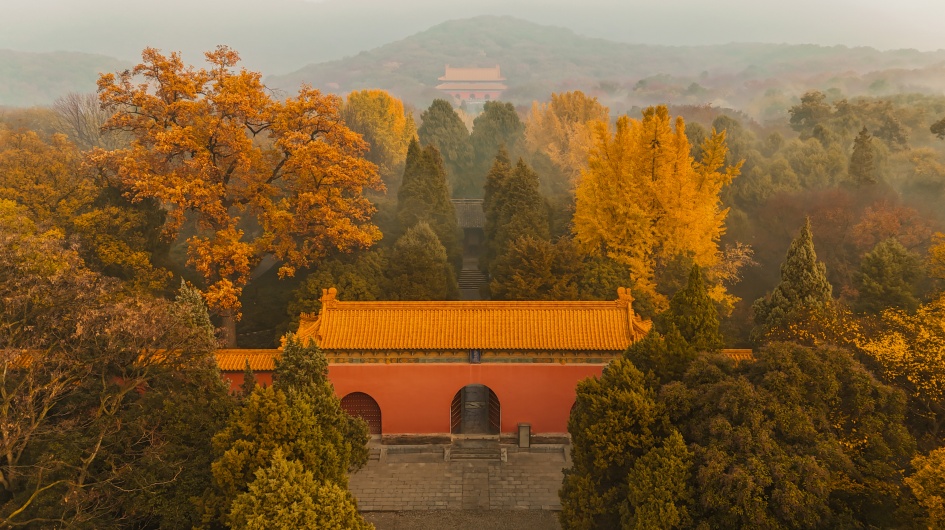 Ming Xiaoling Mausoleum
Your Journey's Rewards:
Explore ancient architectural wonders and feel the integration of Zen and nature; understand the past events of the Republican era and perceive the great man's spirit; interpret the mausoleum's regulations and enjoy natural tranquility.
Educational Focus:
What feng shui concepts and symbolic meanings of imperial power in Ming Dynasty imperial mausoleums are represented by the layout of the sacred way and the architectural regulations of Ming Xiaoling Mausoleum?
Takeaway:
The sacred way is winding rather than straight, which not only conforms to the feng shui principle of "curvature brings harmony" but also forms a layout of "backing onto mountains and facing water" by leveraging the terrain of Zhongshan Mountain. It incorporates natural landscapes into the mausoleum system, achieving the funeral ideal of "harmony between heaven and humanity". In addition, the stone sculptures (shixiang sheng) on both sides of the sacred way each have symbolic meanings—for example, male lions represent majesty and stone elephants stand for stability. These sculptures not only showcase the imperial etiquette during the emperor's lifetime but also imply the eternal stability of the country. This architectural design that materializes feng shui theory and imperial power thought is a concentrated manifestation of Ming Dynasty's ritual culture and funeral concepts, and also a typical example for studying the imperial mausoleum system in ancient China.
Thoughts Challenge:
In the contemporary protection and exhibition of cultural heritage, how can we help modern audiences correctly understand the historical logic behind the feng shui wisdom and imperial power order embodied in Ming Xiaoling Mausoleum?
In the morning, at Nanjing City Wall Museum, learn about the wall's construction techniques and defense system through cultural relics and digital exhibitions, and understand the "historical records on city bricks". Then hike along the Zhonghua Gate City Wall, climb the "No.1 Barbican in the World", touch the weathered traces of the Ming Dynasty city bricks, observe the military structure of the triple barbican, and personally experience the knowledge gained from the museum in real historical relics. If you happen to be there during the performance time, you can also enjoy the "Xinyin · Zhonghua Gate" light and shadow show, feeling the collision between technology and history.
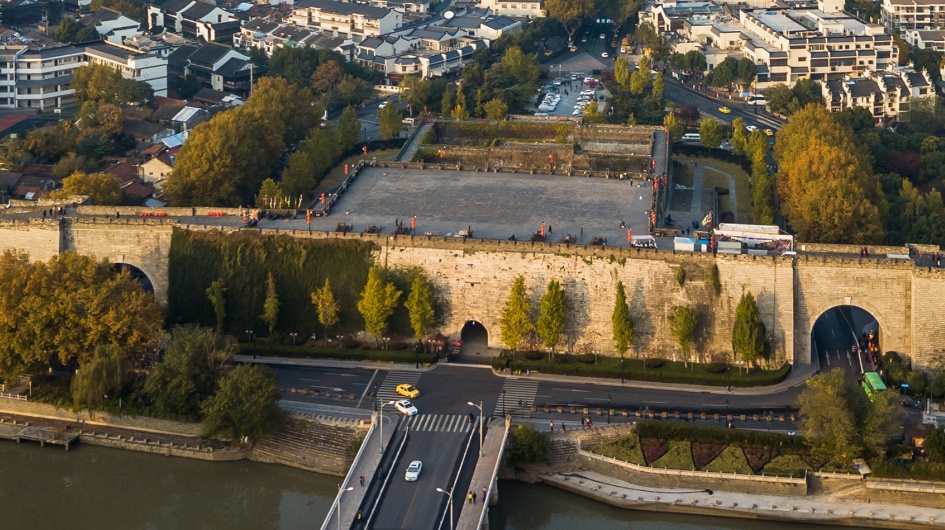 Zhonghua Gate City Wall
In the afternoon, visit Zhan Garden. Known as the "Kingdom of Rockeries", this famous Jiangnan garden features winding rockeries piled up with Taihu stones such as "Xianren Peak". The "Guangxie Waterfall Stone" landscape creates the artistic conception of "clear springs flowing over stones" through light and shadow. It also houses the Taiping Rebellion History Museum, displaying the imperial jade seal, sacred treasure coins and documents of the Taiping Heavenly Kingdom, and restoring the historical style of the Taiping Rebellion period through the reconstructed scene of the Loyal Prince's Mansion. Later, wander around Confucius Temple, feel the Confucian cultural atmosphere at Lingxing Gate and Dacheng Hall. In the evening, take a Qinhuai River cruise at night, watch the lanterns light up between the vermilion buildings and dark tiles on both banks, listen to the boatwomen tell the stories of the "Ten-Mile Qinhuai River", and taste the poetry of the "land of gold and powder in the Six Dynasties" amid the oar sounds and light reflections.
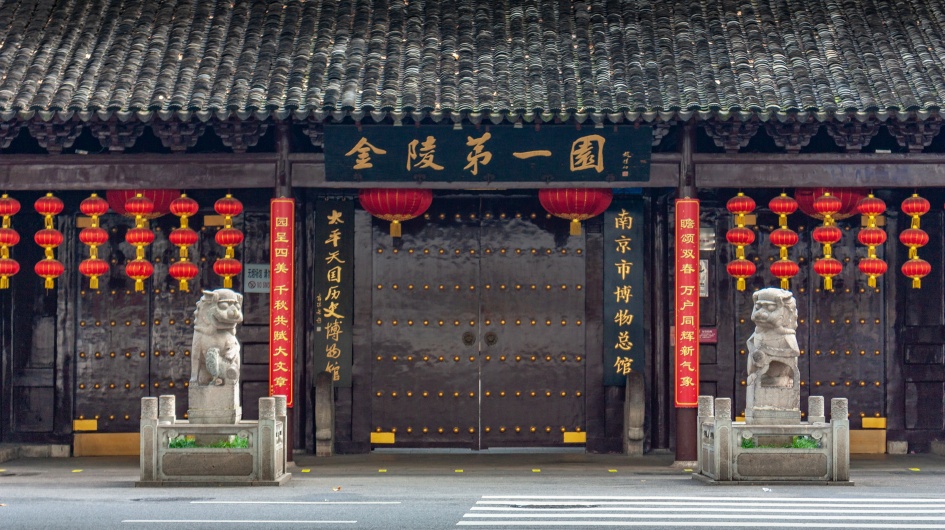 Zhan Garden
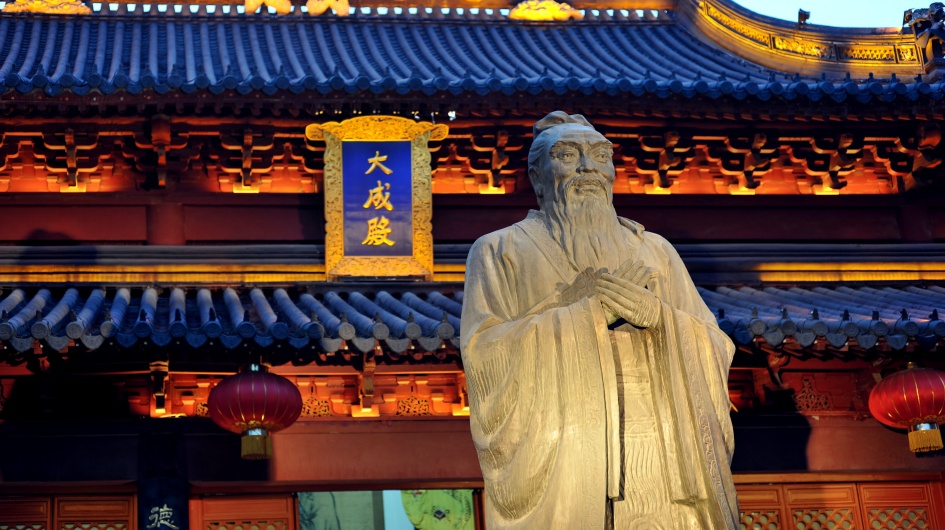 Confucius Temple
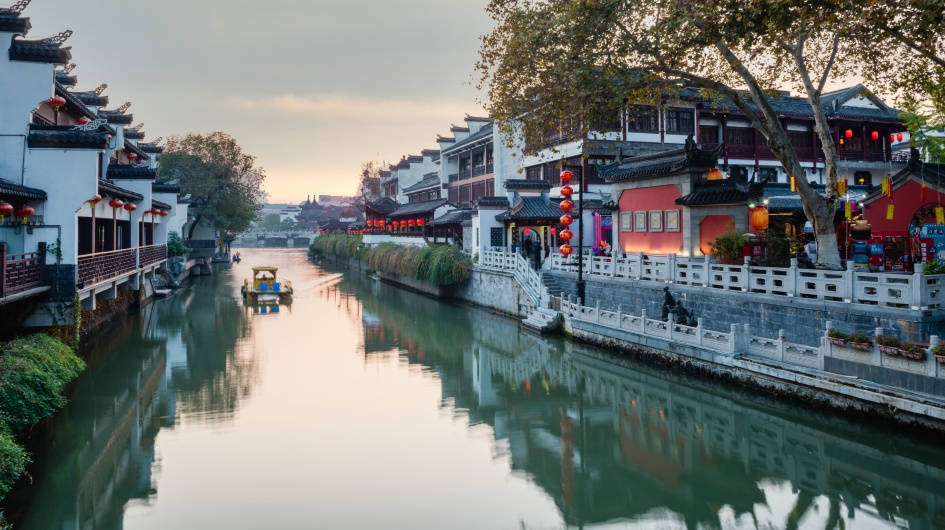 Qinhuai River
Your Journey's Rewards:
Gain insight into the construction and defense wisdom of the Ming Dynasty city wall, learn about the history of the Taiping Heavenly Kingdom; feel the artistic conception of Jiangnan gardens and savor the poetry of the Qinhuai River night cruise.
Educational Focus:
What historical characteristics and contemporary impacts of the Taiping Rebellion are reflected in the exhibits of the Taiping Heavenly Kingdom History Museum in Zhan Garden?
Takeaway:
The main highlights of the museum's exhibits include the imperial jade seal of the Taiping Heavenly Kingdom, sacred treasure coins, and the reconstructed Loyal Prince's Mansion. The imperial jade seal, a symbol of power, is inscribed with the words "Heavenly Father, Heavenly Elder Brother, Heavenly King, Taiping Heavenly Kingdom", embodying the movement's characteristic of relying on religion to establish political legitimacy. The sacred treasure coins, featuring a unified currency system, represent an important attempt by the Taiping Heavenly Kingdom to break the Qing Dynasty's currency system and reform social economy. The reconstructed scene of the Loyal Prince's Mansion restores the living and working environments of the Taiping Heavenly Kingdom's senior leadership, and the office layout reflects the feudalization tendency of the regime in the later stage of the movement. These exhibits connect the context of the movement from religious mobilization to political power construction, confirming its historical characteristics as an anti-feudal and anti-aggression peasant movement that also had feudal and religious drawbacks due to class limitations, providing material support for the study of the movement.
Thoughts Challenge:
When we appreciate the elegance of the Jiangnan garden in Zhan Garden while learning about the turbulent history of the Taiping Heavenly Kingdom through the museum, how should we understand the symbiotic significance of the two experiences—"poetic aesthetics" and "historical heaviness"—within the same space?
In the morning, head to Niushou Mountain Cultural Tourism Zone, a "Buddhist sacred land" that interprets thousands of years of faith through modern architecture. Step into the Foding Palace, gaze up at the bright starry sky on the dome, admire the enshrined Sakyamuni's parietal bone relic, and feel the solemnity of Buddhism in the Grand Zen Realm. Wander around the landscape garden in the Foding Front Courtyard, watch the stone bridges reflecting in the water and the lush vegetation, and experience the harmonious coexistence of nature and religious culture. In the afternoon, according to the departure time of your flight or train, you will be taken to the airport or railway station in advance, concluding the fulfilling Nanjing educational tour and returning with abundant knowledge and memories.
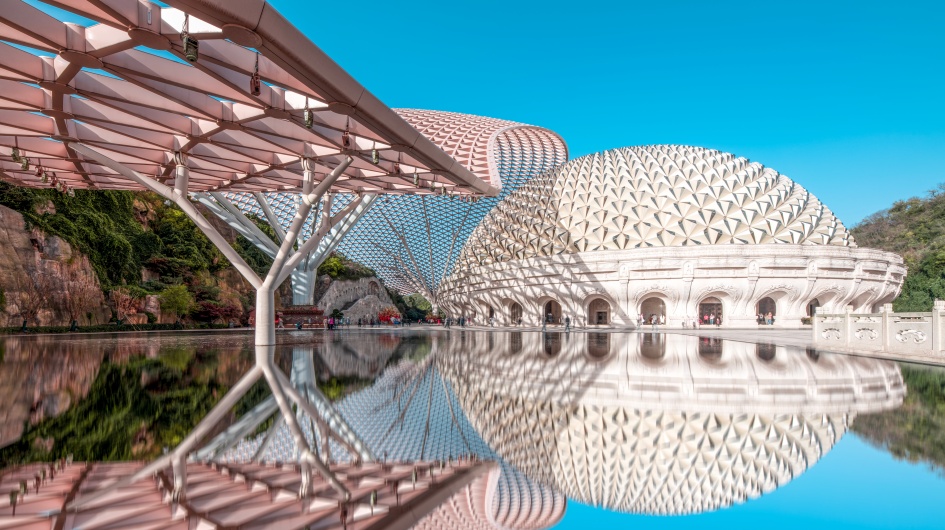 Outside of Foding Palace
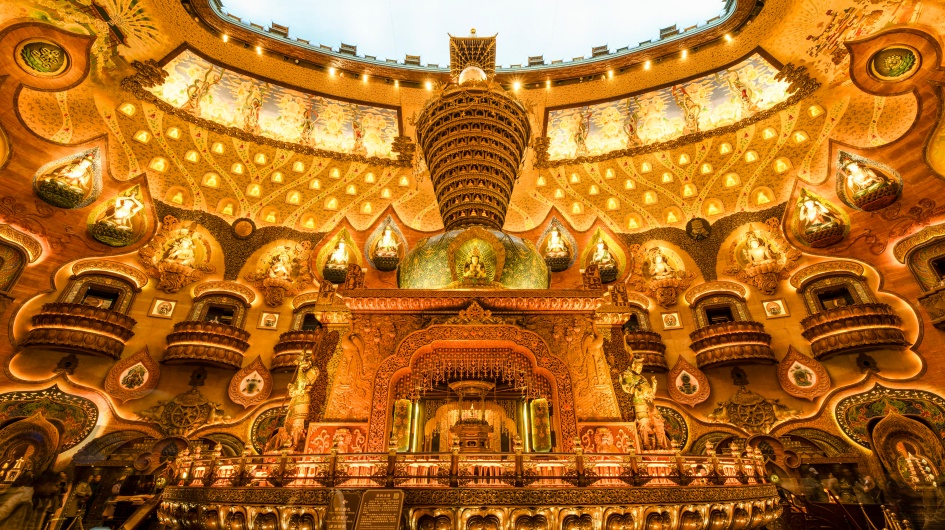 Inside of Foding Palace
Your Journey's Rewards:
Feel the solemnity of Buddhism in Foding Palace and realize the coexistence of nature and religion; gain cultural knowledge of Nanjing and keep precious memories of the journey.
Educational Focus:
Why is such an "extremely luxurious" Buddhist palace as Foding Palace built on Niushou Mountain? What historical and cultural backgrounds stand behind its construction?
Takeaway:
The construction of Foding Palace is not simply for pursuing "luxury", but based on multiple backgrounds including the enshrinement of Buddhist relics and cultural inheritance. In 2010, Sakyamuni's parietal bone relic was grandly rediscovered in Nanjing. As the supreme relic of Buddhism, it required a place of enshrinement that matched its status and had both solemnity and safety. The construction of Foding Palace is a solemn enshrinement of the relic and carries the faith of Buddhist believers. As a "Buddhist capital", Nanjing has a thousand-year history of Buddhist inheritance, and Niushou Mountain has been a Buddhist sacred land since the Tang Dynasty. Building the palace here is not only a continuation of the local Buddhist cultural context, but also an attempt to activate traditional culture in a modern form.
Thoughts Challenge:
While the "high-standard" construction of Foding Palace meets the needs of relic enshrinement and cultural communication, how to respond to some discussions on the "cost of religious buildings" and balance the relationship between its spiritual value and social perception?
This tour is suitable for: School, Family, ICH Lovers, History Lovers, Nature Scenery Phtography
What's Included
- Professional English-speaking tour guide
- Comfortable transportation with professional driver
- Carefully selected comfortable accommodation
- Breakfast and lunch provided
- Admission tickets for all mentioned scenic spots included
Hotel Recommended
| City | Deluxe | Comfortable |
|---|---|---|
| Nanjing | Yishiyuan Hotel | Nanjing South Railway Station Xicheng Ali Hotel |
| Jinling Hotel | Wanhui City Hotel |
Note: Please feel free to contact our travel specialist if you prefer to stay at other hotels.
Wechat & WhatsApp: +86-13471279378