- Home
- China School Tours
- Travel Articles
- China School Trip Safety Guide for School Leaders
China School Trip Safety Guide for Teachers and Schools
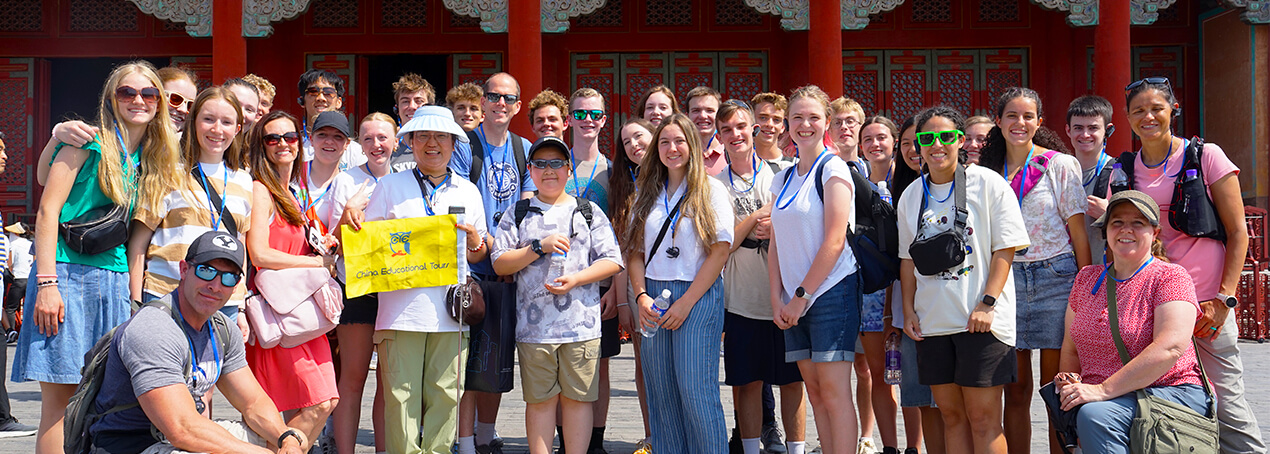
If you would like to learn more about general travel safety in China, you can refer to our article: Is It Safe To Travel To China?. For schools organising a study-tour to China, safety is far more than simply asking “Is this country safe?”
For schools, travel safety is not merely a matter of choosing a safe country or city. It covers multiple dimensions including transportation, accommodation, catering, student management, visas and travel documents, insurance, and emergency response. For international student groups in particular, school administrators and group leaders also need to take practical factors into account, such as students’ age groups, dietary requirements, health conditions, and language communication.
Based on the real-world work of school teachers and travel coordinators, this article outlines the safety measures that should be considered and implemented in advance when organising school study-tours to China.
Is China Safe for School Groups?
Yes, with sound planning and professional management, China can serve as a safe and education-enriching destination for school group trips. This is a question we frequently hear from teachers and school-trip organisers, and our responses draw on our years of practical experience hosting international school groups.
From the standpoint of school-group travel, China’s safety advantages are mainly reflected in public security, transportation infrastructure, hotel management and tourism service systems. Major cities such as Beijing, Shanghai and Guangzhou boast well-developed public-safety frameworks. High-speed railways and domestic flights connect key tourist cities, and formal hotels, restaurants and popular scenic spots all implement corresponding safety-management protocols. These conditions lay a solid foundation for international students to study, sightsee and experience local culture in China.
Nevertheless, schools should not judge whether a trip is appropriate for students merely by answering whether a country is safe. For school groups, what counts more is whether destinations, transportation, accommodation, activities and student supervision have been properly planned.
Drawing on these practical aspects, the following outlines key safety considerations for school groups travelling in China, as well as how to mitigate travel risks through thoughtful planning and management.
Pre-departure Preparation
School travel safety management should begin before departure. Schools should confirm key information about students and accompanying teachers in advance and communicate important travel arrangements with the local travel team.
Student Numbers, Ages and Destinations
Before finalising the itinerary, schools should confirm the total number of students, their age range, the number of accompanying teachers, and the cities and destinations to be visited. This information directly affects hotel room allocation, vehicle capacity, the level of student supervision required, activity selection and the amount of free time that can be provided.
Passports and Visas
Before departing for the study tour, all students and accompanying staff should confirm that they have valid travel documents and check the visa or visa-exemption requirements for travelling to China in advance. Students should be reminded to keep their travel documents safe, or designated staff should be assigned to manage them.
Health, Allergies and Medication Information
Schools should identify in advance any health conditions, food allergies, special dietary requirements or regular medications that may affect students during the trip. This information should be provided in advance to the teachers responsible for supervising students, as well as the local travel team and restaurants where necessary.
Insurance and Emergency Contacts
Travel insurance is essential. Schools should confirm that all students and accompanying staff have appropriate travel insurance and understand the medical and emergency-assistance coverage provided by their policies. Schools should also maintain up-to-date emergency contact information for students, parents or guardians, teachers and school representatives. The necessary contact details for the school's designated representative should also be provided to the local travel partner so that communication can be maintained promptly in an emergency.
Parental Consent and School Approval
Before departure, schools should complete their required internal approval and safeguarding procedures, including parental or guardian consent forms, health information forms, emergency contact details, and the school's internal travel approval or risk assessment.
Schools should also brief students and parents in advance on the itinerary, accommodation, transportation, expected student behaviour, communication arrangements, and what to do if a student becomes separated from the group or feels unwell.
Roles and Responsibilities
Clearly defining the responsibilities of all parties is an important foundation for school travel safety management. While the local travel partner provides on-the-ground support, it does not replace the school’s responsibility for day-to-day student supervision and safeguarding.
What Are Teachers Responsible For?
Teachers are primarily responsible for student supervision and safety management throughout the trip, including:
- Conducting regular headcounts and monitoring student attendance
- Supervising student behaviour and free-time activities
- Managing hotel room arrangements and supervising students at night
- Monitoring students’ health and medication needs
- Communicating with parents or guardians when necessary
- Handling student-related issues in accordance with the school’s own safety and safeguarding policies
What Is the Group Leader Responsible For?
If the school appoints a dedicated group leader or trip coordinator, their main responsibility may be to coordinate communication between the school and the local travel team.
The group leader can assist with managing the daily itinerary, confirming itinerary changes, communicating important information to teachers and students, and ensuring that the agreed safety and management procedures are followed.
What Are Local Guides and the Ground Team Responsible For?
The local English-speaking guide and ground team are primarily responsible for local itinerary execution and coordination, including:
- Coordinating transportation and local services
- Managing sightseeing schedules and itinerary arrangements
- Assisting with hotel and restaurant arrangements
- Providing information about local destinations
- Assisting with communication with local service providers
- Helping contact medical institutions or other local support services when necessary
Drivers are primarily responsible for vehicle operation and transportation safety and should not be regarded as responsible for students’ day-to-day supervision.
Who Makes Decisions When an Incident Occurs?
If an incident concerns an individual student’s health, welfare or safety, the school should generally make decisions concerning the student in accordance with its own safeguarding and emergency procedures.
The local travel team is responsible for providing local information and resources and assisting with transportation, medical services and communication with relevant local organisations.
For example, if a student becomes seriously unwell, the teacher or designated school representative should first assess the student’s needs in accordance with the school’s emergency procedures. The local team can then assist with contacting a medical institution, arranging transportation to the hospital and providing necessary language support.
If a major incident affects the entire group, the school and local travel team should communicate promptly and determine the safest and most practical response based on the circumstances, such as adjusting activities, changing transportation arrangements or temporarily cancelling part of the itinerary.
Group Supervision, Headcounts and Student Buddy Systems
Group supervision is essential for school trips. Schools are recommended to set clear group-management rules prior to departure, rather than dealing with problems only after students become separated.
Using the Buddy System
Assign students to fixed pairs or groups of three so they keep track of one another’s whereabouts throughout the tour.
The buddy system is especially applicable in public areas and when using public transport. Simple and clear rules shall be established: do not leave the group on your own; do not let your buddy go off unaccompanied; notify teachers immediately if your buddy goes missing.
Regular Headcounts
For larger groups, teachers and tour guides may divide responsibilities to conduct headcounts by subgroups. Avoid taking attendance merely once at the start of the day. It is more practical to carry out headcounts at the following checkpoints:
- After leaving the hotel
- Before and after boarding vehicles
- Upon completion of activities at scenic sites
- Before boarding trains or flights
- At the end of free-time periods
- After returning to the hotel
Defined Assembly Points
Meeting times and locations should be as specific as possible. Instead of saying “Meet at the scenic-site entrance in one hour”, agree in advance on instructions such as: “Assemble at the designated spot beside the East-Gate Visitor Centre of the scenic site at 3:30 p.m.” For large-scale scenic areas, students should be informed of the meeting-point location beforehand and save relevant information on their mobile phones.
Coach, Train, Flight and Road Safety for Student Groups
Transport safety is of utmost importance for school groups. When arranging transport, teachers or group leaders need to take safety, compliance and convenience into consideration.
Private Coach
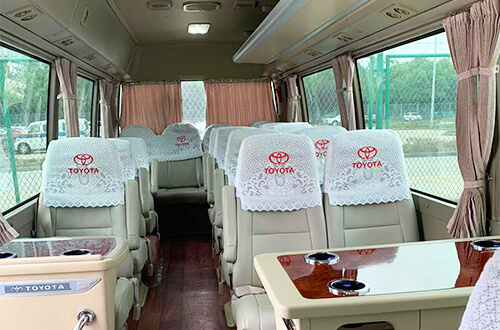 Safe and comfortable private transportation for school groups
For school groups, it is more practical to use licensed tour vehicles operated by professional drivers. Schools should verify the following:
- The vehicle is suitable for the size of the group
- Seat belts are fitted in the vehicle
- The vehicle is in good working condition
- The driver holds appropriate qualifications
- Reasonable daily driving hours are maintained
- Headcounts are performed as students board and alight
High-Speed Rail
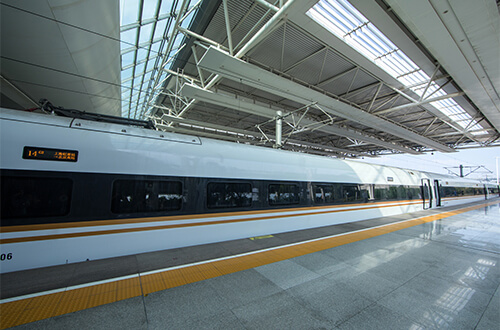 High-Speed Rail
China’s high-speed rail is a popular inter-city travel option for school groups. For groups travelling by high-speed train, safety priorities lie not with complex operational procedures, but with time-keeping and group management. Schools should confirm in advance:
- All participants carry valid travel documents
- Arrival at the train station well ahead of departure
- Pre-checking of waiting rooms and ticket gates
- Teachers or group leaders keep track of the total number of students
- Group assembly upon arrival at the destination station
Major railway stations cover large areas. Since international students may be unfamiliar with Chinese-language signage, students should not be expected to find platforms or ticket gates on their own.
Flights
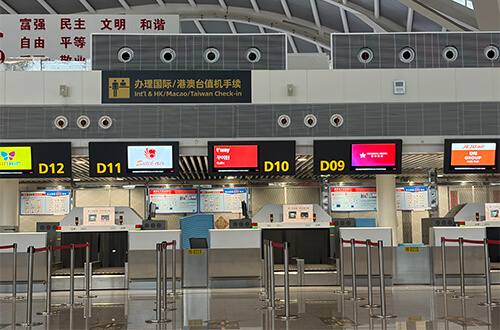 Airport
Domestic flights also require advance group-management planning. Special attention should be paid to luggage, travel documents and boarding times. Schools may ask students in advance to keep passports or other travel documents in a designated secure place, or have these documents centrally managed by teachers or group leaders. Students should also be reminded not to wander away from the group at the airport.
Metro and Public Transportation
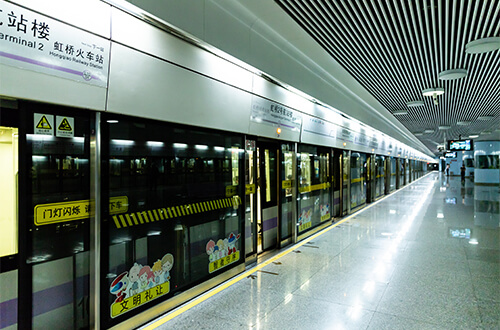 Metro Platform
Metro rides may be included in school itineraries for major cities such as Beijing, Shanghai, Guangzhou and Shenzhen. Carriages are heavily crowded during peak hours, so groups are advised against travelling separately at the busiest times. If metro travel is necessary, confirm the alighting stop and assembly zone beforehand.
Hotel Safety and Rooming Considerations
When selecting hotels, schools should prioritise licensed hotels with convenient transport links and room layouts suitable for group management. Beyond this, proper room allocation and overnight supervision must also be implemented.
Rooming
Room assignments should preferably be finalised before departure. Schools may prepare a rooming list in advance and clearly specify:
- Which students will share each room
- Which teachers are responsible for specific floors or student zones
- Students are prohibited from changing rooms without permission
- Whether leaving rooms is permitted during nighttime hours
- How to contact teachers in case of emergencies
Night-time Movement
If the itinerary includes evening visits, performances or night-time excursions, students must be supervised jointly by teachers and the local ground team, rather than being allowed to move around an unfamiliar city independently. Upon returning to the hotel each day, carry out a brief room check or headcount to confirm that all students are back in their rooms.
Food Hygiene, Allergies and Drinking Water
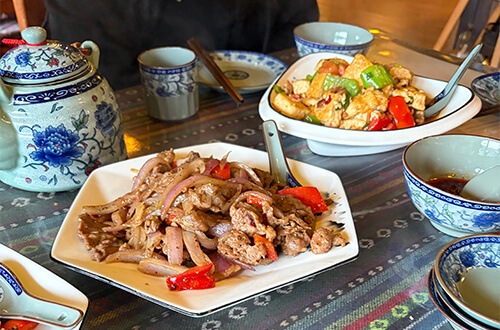 Chinese Cuisine
Food-related safety is an area that international school groups particularly need to prepare for in advance. Priority should be given to licensed restaurants, which are subject to relatively strict food-safety supervision. Points requiring advance attention are set out below.
Food Allergies
For students with food allergies, schools shall provide clear allergy information prior to departure. Simply stating “Student is allergic to nuts” is insufficient. A more practical approach is to specify:
- The food items that trigger the allergy
- The severity of the allergy
- Whether cross-contamination needs to be avoided
- Whether the student carries prescription medication
- The contact person in the event of an allergic reaction
This information should be shared with supervising teachers, the travel agency and restaurants alike. For students with severe allergies, both teachers and the students themselves must be clear about which foods to avoid.
Meals
Group meals for school trips can be pre-arranged according to students’ ages, eating habits and special requirements. International students may be briefed beforehand on common cooking practices of Chinese cuisine, for example:
- Dishes are usually shared among multiple diners
- Soy sauce, sesame, peanuts and other seasonings may be used in dishes
- Some dishes can be spicy
- Tastes vary noticeably across different regions
Drinking Water
Upon first arriving in China, international students are advised to drink bottled water or reliably treated potable water provided by hotels and formal dining establishments. Schools may also remind students to bring reusable water bottles and schedule sufficient drinking breaks on hot days or days with extensive outdoor activities.
Phones, Internet and Group Communication

When travelling in China, mobile-phone communication should be integrated into the school’s safety plan instead of being treated as an ad-hoc concern. Before departure, schools should confirm that students:
- Have fully functional mobile phones
- Possess a suitable mobile-data plan
- Have saved contact details for teachers, group leaders and local tour guides
- Understand how to get in touch with the group
- Know what to do if their mobile phone runs out of battery
Younger students may be required to carry emergency contact information provided by teachers or group leaders at all times. In addition, schools should familiarise themselves with local internet and mobile-phone conditions in China ahead of time, and prepare appropriate communication solutions based on practical requirements.
Health, Medication and When a Student Becomes Unwell
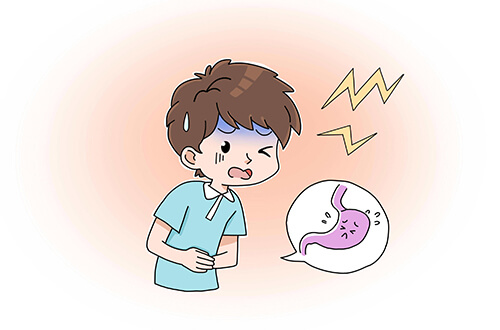
The most common health issues during student travel are not necessarily serious accidents. They may include fever, stomach discomfort, dehydration, motion sickness, fatigue or minor injuries. Therefore, schools are strongly advised to collect essential student health and emergency-contact information prior to departure, and manage such records in accordance with the school’s own safeguarding and medical procedures.
For students taking regular long-term medication:
- Medicines shall be properly managed following school regulations
- Both the student and the supervising teacher shall be aware of medication schedules
- All medication must be kept in its original packaging with accompanying instructions
- Students must not take other peers’ medicines without authorisation
If a student falls ill during the tour, local medical institutions may be contacted as appropriate. Teachers shall take responsibility for accompanying the student and maintaining communication with the school. The travel team may offer support such as hospital referrals, arranging local transport and providing interpretation assistance. In case of a medical emergency, local public emergency services should be contacted first, rather than waiting for the travel agency to respond.
In China, key public emergency telephone numbers are:
- 120: Medical emergency services
- 110: Police
- 119: Fire-fighting services
Schools should also verify medical-coverage and emergency-assistance provisions under the travel insurance policy before departure.
How Does China Educational Tours Ensure Safety for School Trips
In addition to supporting schools in designing and delivering itineraries, China Educational Tours screens and manages partner suppliers to ensure that transportation, accommodation, catering, activities and all other components satisfy safety standards for student groups.
Supplier Vetting: We work with suppliers who hold valid qualifications and comply with relevant regulatory requirements. Core suppliers are subject to regular reviews, and necessary inspections take place during group travel.
Transportation Safety: Regularly maintained tour vehicles are used, with essential equipment such as seatbelts in full working order. Drivers must hold valid driving licences, have professional driving experience, and adhere to legal driving-time and rest-time rules.
Accommodation Safety: Priority is given to hotels that meet fire-protection and safety regulations. Student and teacher rooms are placed on the same or adjacent floors wherever feasible. Emergency exits and fire-fighting facilities are confirmed to function properly.
Catering and Allergy Management: We select restaurants complying with food-safety standards, gather information on students’ food allergies, special diets, and cultural or religious dietary requirements, and arrange suitable dining venues accordingly.
Activity Safety: All activities undergo necessary safety assessments before being added to itineraries. Outdoor and experiential activities are led by qualified staff with adequate safety equipment available. Activities will be promptly adjusted or cancelled if weather or on-site conditions present safety risks.
Incident Reporting: In case of an accident or identification of major safety hazards, partner suppliers must report immediately to the China Educational Tours operations team for coordinated follow-up response.
For school groups, the safety of a study-tour to China cannot be reduced to a simple statement that “China is safe”. What truly determines whether a study tour is safe is whether the school has put clear arrangements in place for student supervision, transportation, accommodation, catering, communication and emergency response before departure, and consistently enforces these arrangements throughout the trip.
If you are planning a school trip to China, please provide in advance the student age range, group size, intended destination cities, activity types, and any special dietary or medical requirements. Based on this information, China Educational Tours can assist schools in designing arrangements for transportation, accommodation, activities and student supervision, enabling the trip to meet educational goals while being practically workable for school-group implementation.