- Home
- City Tours
- Guangdong Tours
- 14-Day Guangdong Root-Seeking Tour
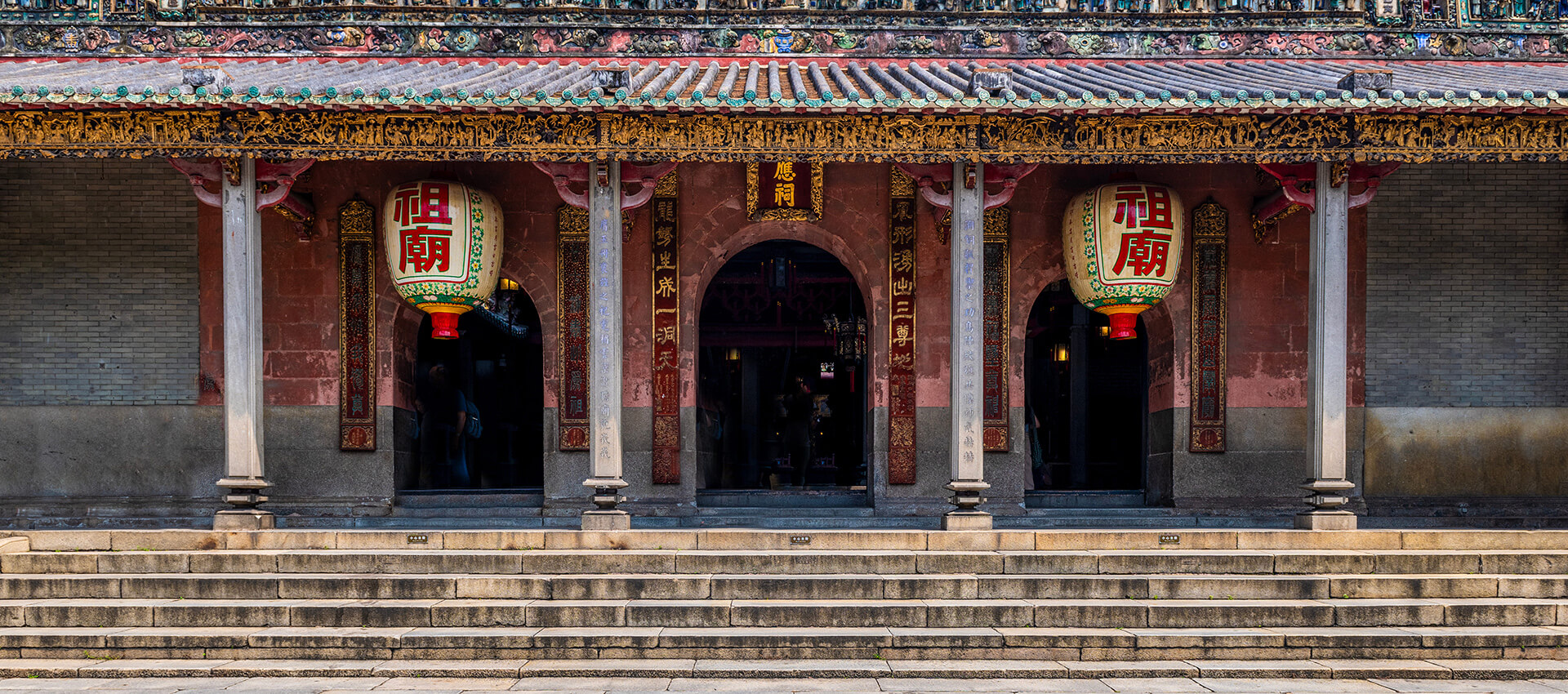
14-Day Guangdong Root-Seeking Tour
Embark on this 14-day private tour. Trace your roots across Guangdong. See the real Lingnan culture. We build each route around your needs. The trip fits your pace and what you expect. You will visit Beijing's royal landmarks. Take a night cruise on the Pearl River. See the old Diaolou buildings. Learn about Hakka and Chaoshan folk life. Try pottery. Join a Kung Fu tea ceremony. Pick up local crafts. Taste real regional food. Walk through ancient towns and cultural streets. We provide bilingual guides. Good hotels. Safe cars with skilled drivers. Most scheduled activities are covered. Our team handles all the details. Just enjoy the trip – a meaningful, easy root‑seeking journey made for you. Whether you care about culture, history, family stories, or daily life, this tour is built around you.
Itinerary at a Glance
| Day | Location | Highlights |
|---|---|---|
| D1 | Beijing | Check in; visit Tiananmen Square & Palace Museum |
| D2 | Beijing | Visit Summer Palace; tour Mutianyu Great Wall |
| D3 | Beijing - Guangzhou | Check in; cruise Pearl River; taste local snacks |
| D4 | Guangzhou | Visit museums; appreciate architecture; experience local culture |
| D5 | Guangzhou - Foshan | Watch lion dance; learn Wing Chun; taste local food |
| D6 | Foshan | Visit Lingnan garden; explore ceramic kiln |
| D7 | Foshan - Jiangmen | Learn overseas Chinese history; taste local food |
| D8 | Jiangmen | Root-seeking tour; worship ancestors; taste local dishes |
| D9 | Jiangmen | Visit diaolou; explore ancient town; taste local food |
| D10 | Jiangmen - Meizhou | Learn Hakka culture; visit Dragon House |
| D11 | Chaozhou | Visit museums; appreciate ceramic inlay; tour old streets |
| D12 | Chaozhou | Visit archways & temple; experience Kung Fu Tea |
| D13 | Chaozhou | Experience intangible heritage; watch Yingge Dance |
| D14 | Chaozhou - Shantou | Visit arcade district; taste local food; depart |
Trip Highlights
- Explore classic imperial sites in Beijing
- Cruise the Pearl River and taste local snacks
- Experience Lingnan culture and traditional crafts
- Visit overseas Chinese heritage and diaolou buildings
- Learn Hakka culture and clan history
- Enjoy Chaozhou folk art and local life
Tour Essentials

Quality
No Shopping Traps

Group Type
Private

Tour Focus
Root-seeking, Guangdong Culture

Accommodation
Nights:13

Best Season
Spring, Summer, Autumn, Winter
Full itinerary for 14-Day Guangdong Root-Seeking Tour
On arrival in Beijing, you will be met and transferred to your hotel for a short break. Visit Tiananmen Square to see the Monument to the People's Heroes and feel the solemn atmosphere of the capital city. Enter the Palace Museum and walk along its central axis to explore key halls such as the Hall of Supreme Harmony, the Hall of Central Harmony and the Hall of Preserving Harmony. Take in the royal buildings and cultural relics of the Ming and Qing dynasties, and learn about early Beijing's past.
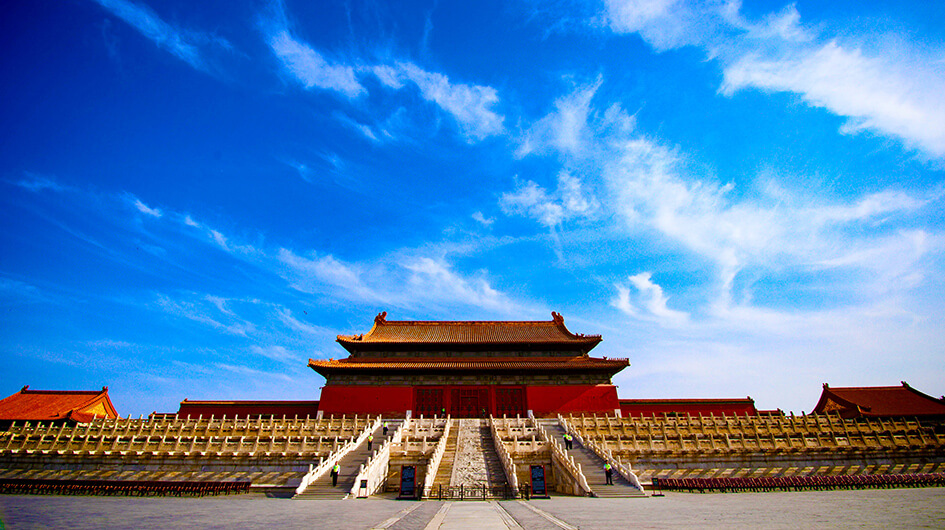 Palace Museum
Your Journey's Rewards:
Experience the solemn capital, view royal architecture, explore old relics, and join with China's long history and culture.
Educational Focus:
What cultural ideas can be seen in the Forbidden City's central axis?
Takeaway:
The Palace Museum follows a north-south central axis and symmetrical design. It shows the ancient idea of "valuing the center" in traditional rituals. It stands for the highest imperial power and social order, and also shows ancient ideas of harmony, order and unity. It is a fine example of Chinese ritual culture and building wisdom.
Thought Challenge:
How can we pass down this special Eastern building wisdom?
Visit the Summer Palace. Enter by North Ruyi Gate, walk past Back Hill and Back Lake, and enjoy quiet garden views. Experience royal garden art mixed with the style of Jiangnan water towns. Walk through the Garden of Harmonious Pleasures and feel its gentle beauty.
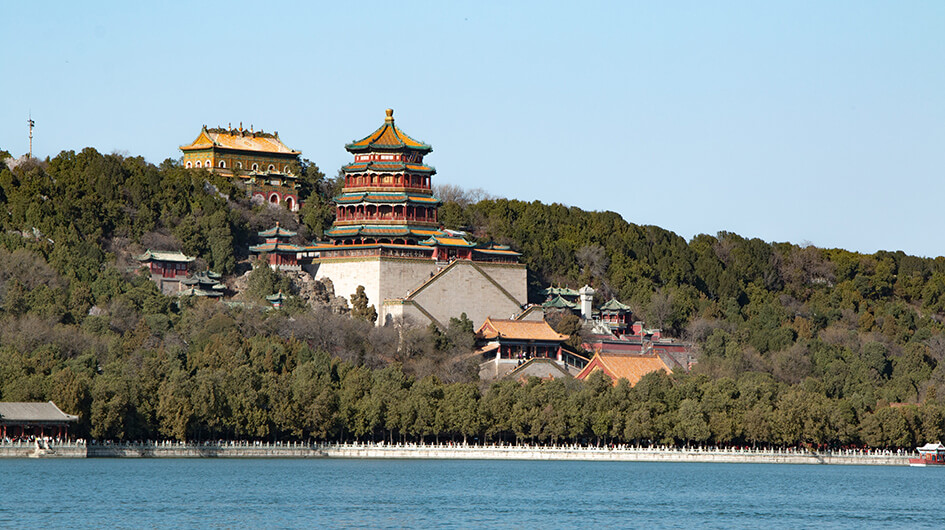 Summer Palace
Visit the Mutianyu Great Wall. Ride the cable car to the wall, wander from Tower 14 to Tower 20, and take in the winding wall across the mountains. Visit Hero Stone, watch spring flowers near the wall, and sense the glory of Chinese architecture.
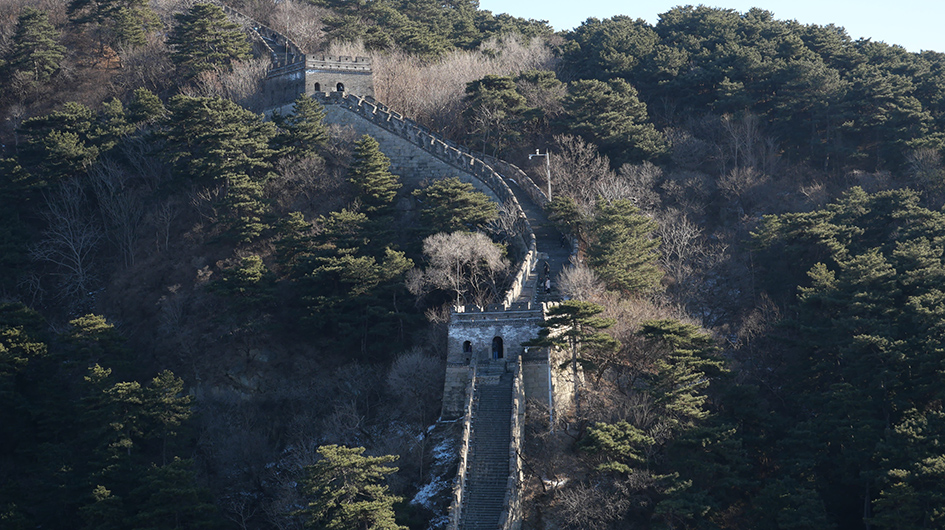 Mutianyu Great Wall
Your Journey's Rewards:
Appreciate garden views, study Chinese gardening, sightsee the Great Wall, and grasp the art of Chinese structures.
Educational Focus:
How does the Summer Palace join royal majesty with Jiangnan water town beauty?
Takeaway:
The Summer Palace gets its royal dignity from wide northern landscapes. It uses small bridges, streams and winding pavilions from Jiangnan to add soft beauty. Views and buildings go well together, giving it both beauty and power. Open space and careful details are well balanced in its layout to form a unique garden style.
Thought Challenge:
How can this creative spirit be used in today's modern design?
You will fly from Beijing to Guangzhou, check in at your hotel and take a short rest. Evening brings a cruise to watch night scenery along the Pearl River. After that, you can walk along Huifu East Road, eat wonton noodles and rice noodle rolls, and feel the food culture of old Guangdong.
Your Journey's Rewards:
Eat local snacks with Lingnan tastes, and take a cruise to enjoy night views of the city.
Educational Focus:
Why is the night view of the Pearl River seen as a symbol of Guangzhou?
Takeaway:
The Pearl River runs past key local landmarks including Canton Tower, Haixinsha and Zhujiang New Town. Bright lights mirror across the water, highlighting the city's long history and modern growth. Natural landscapes blend with modern structures, creating stunning night scenes that highlight Guangzhou's unique appeal.
Thought Challenge:
How might cities preserve local cultural features alongside modern nightscape design?
Visit the Guangzhou Overseas Chinese Museum to see displays about overseas Chinese history and qiaopi relics. Learn about the hard trips of overseas Chinese, their love for their homeland, and stories of family migration. Then visit Chen Clan Academy to see the delicate "Three Carvings and Two Sculptures" of Lingnan buildings.
Walk around Yongqing Fang and Xiguan Mansion. Visit the Cantonese Opera Art Museum, watch shows and see old relics to feel intangible cultural heritage. Look around creative shops and feel the new life of the old town, where traditional Xiguan culture meets modern trends.
Your Journey's Rewards:
Discover overseas Chinese tales, admire local architecture and culture, try Cantonese opera and traditional crafts, and sense the fresh vitality of the old town.
Educational Focus:
Why do "Three Carvings and Two Sculptures" stand for typical Lingnan architectural features?
Takeaway:
Folk traditions and lucky cultures shape these delicate crafts. Skilled local craftsmen show their talent, and wishes of Lingnan people are stored in them. Beautiful and practical decorations match buildings well, so they become key art of Lingnan architecture.
Thought Challenge:
How can young people care about traditional handicrafts today?
Travel from Guangzhou to Foshan and visit Foshan Ancestral Temple. Watch a lion dance and feel the lively spirit of Lingnan folk culture. Then visit Wong Fei-hung Memorial Hall to learn about his life and martial arts, and touch the start of Foshan's martial arts history.
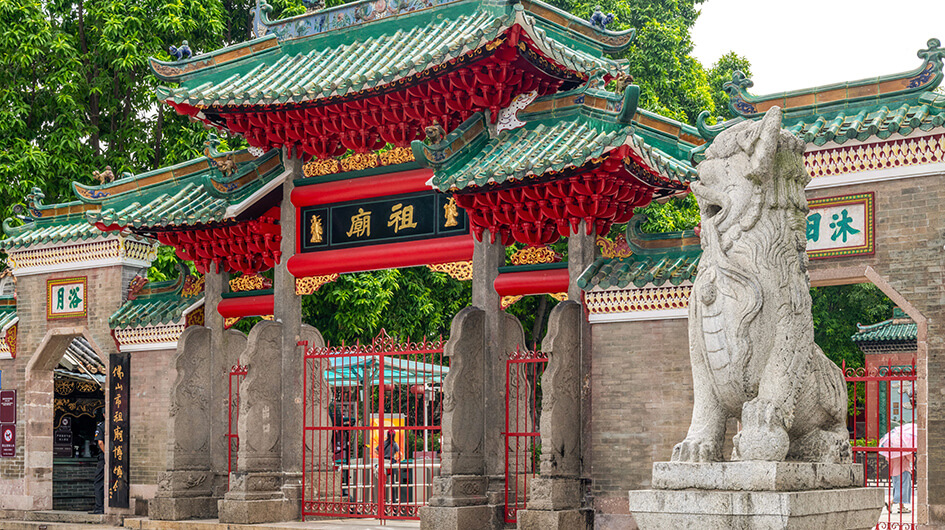 Foshan Ancestral Temple
Go to a local martial arts center and learn basic Wing Chun moves from a master to experience Chinese martial arts. In the evening, visit Lingnan Xintiandi, walk old lanes at night, try Shunde double-skin milk and fried milk, and experience Lingnan night life.
Your Journey's Rewards:
Enjoy lion dance performances, pick up basic Wing Chun moves, and savor local delicacies.
Educational Focus:
How has the belief of virtue before martial skills shaped generations of martial arts practitioners?
Takeaway:
Martial arts stands for spirit instead of mere fighting techniques. Wong Fei-hung used medicine and martial arts to help others, and kindness is thus shown. Exhibits in the hall tell the mission of martial arts: virtue carries more weight than skills.
Thought Challenge:
How can the idea of virtue before skill guide our modern life?
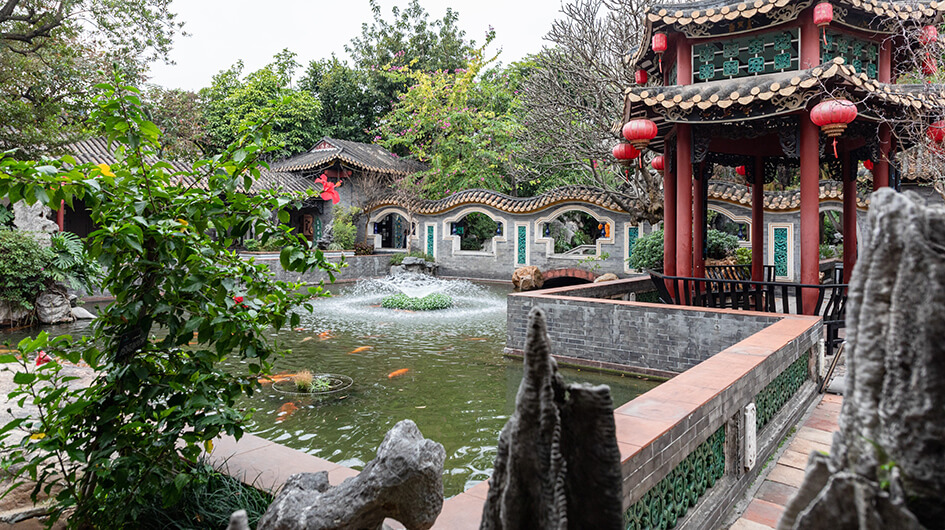
Visit Qinghui Garden, one of the four famous Lingnan gardens. Walk among pavilions, terraces, rockeries and ponds, enjoy its careful layout, experience "one step, one view" garden design, and learn about the Long family and Lingnan culture.
Visit Ancient Nanfeng Kiln, home to the world's oldest working wood-fired dragon kiln. Learn about the thousand-year history and firing skills of Shiwan pottery, and feel the meaning of "Shiwan wares are best under heaven".
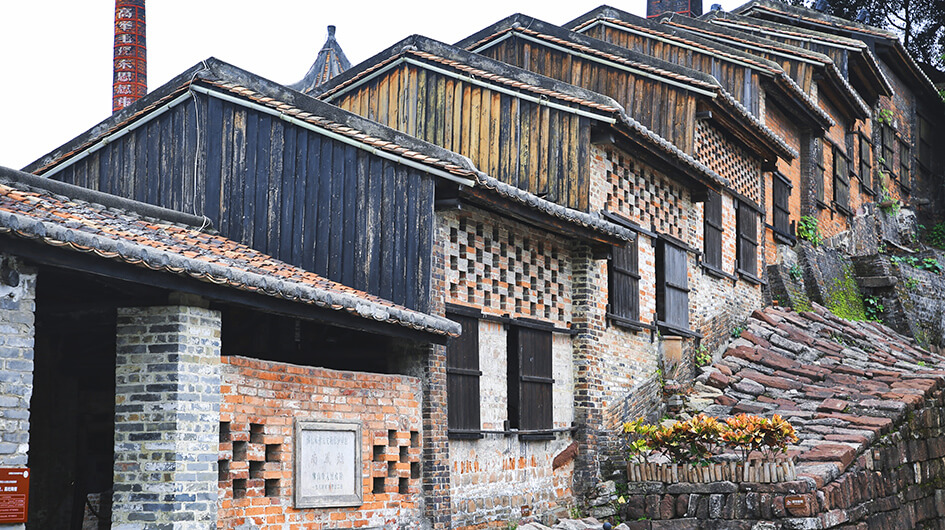 Nanfeng Kiln
Your Journey's Rewards:
Enjoy Lingnan garden beauty, try pottery making, and understand Lingnan culture and craft spirit.
Educational Focus:
Why have Nanfeng Ancient Kiln's firing skills lasted more than 1,000 years?
Takeaway:
These skills are passed down and improved over time, keeping the kiln alive for centuries. Wood firing and delicate handwork are used in Shiwan pottery, requiring much patience and concentration.Intangible cultural heritage lives on because people devote themselves to passing it down through real practice.
Thought Challenge:
How can we protect valuable traditional skills in daily life?
Travel from Foshan to Jiangmen and visit the Chinese Overseas Chinese Museum. See displays such as "Roots in Hometown", learn about the hard trips of Jiangmen overseas Chinese in Southeast Asia and other countries through relics and records, and find the roots of overseas Chinese culture.
Walk along Changdi Cultural Street, see century-old arcade buildings, visit old houses in Qimingli, feel the long history of Jiangmen as a top hometown of overseas Chinese, and taste local food such as Jiangmen fish cakes and yellow clams.
Your Journey's Rewards:
Explore heritage sites in the hometown of overseas Chinese, try local food, and learn about the spirit of overseas Chinese and Jiangmen culture.
Educational Focus:
What spirit can we get from the history of Jiangmen overseas Chinese?
Takeaway:
Hard times in Southeast Asia were faced by Jiangmen overseas Chinese, yet they held their dreams and never forgot their roots. They worked abroad with deep love for home. This spirit and love are precious treasures of local culture.
Thought Challenge:
How can we share the spirit of overseas Chinese with more people?
A special root-seeking tour in Jiangmen will be arranged based on your family tree and ancestral hall records. You will visit villages and old places linked to your ancestors, enjoy hometown views, learn about your family's past and changes, and talk with clan relatives if possible.
You will be taken to your family ancestral hall for worship to experience traditional clan culture, then enjoy local dishes to remember hometown flavors.
Note: Tell us any places you want to visit, and we will make a personal route for you to know clan culture more deeply.
Your Journey's Rewards:
Tour ancestral villages and ancient spots, know family stories, connect with clansmen, eat local dishes, and honor ancestors in the clan hall.
Educational Focus:
What family feelings and culture do ancestral hall ceremonies carry?
Takeaway:
Ancestral hall ceremonies help people remember and honor ancestors, and show clan culture in real ways. These activities pass family values, love and beliefs through generations, bring people a sense of belonging, help them understand their ancestors' spirit, and keep family roots and values alive.
Thought Challenge:
How can we pass down clan culture while living in the modern world?
Visit diaolou buildings in Zili Village. Walk through fields to see 15 special diaolou. Climb Mingshi Lou to overlook the village, and learn about local defense design and overseas Chinese family stories.
Then visit Li Garden, a private overseas Chinese house where Chinese and Western design mix perfectly.
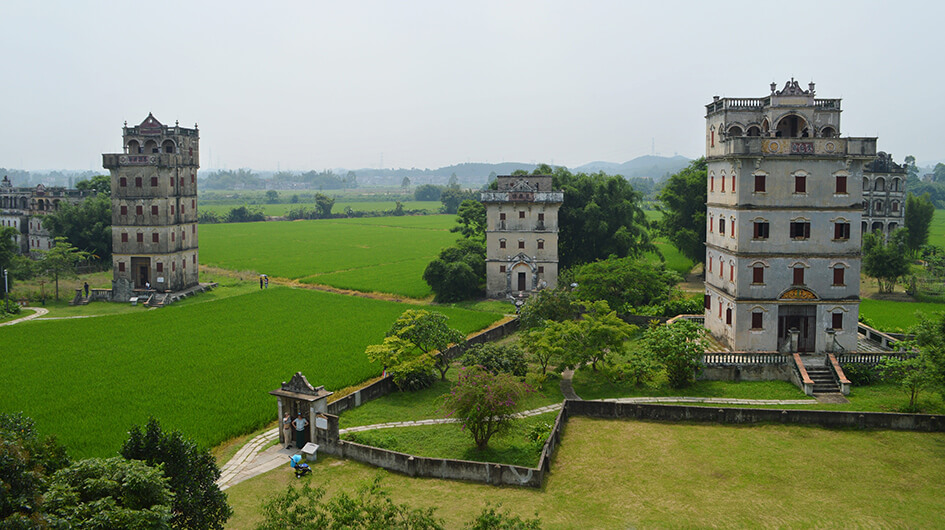 Diaolou buildings
Go to Chikan Ancient Town. Walk old arcade streets, visit overseas Chinese clan halls and qiaopi displays to feel real hometown culture. Try local dishes like eel rice and tofu snacks, and enjoy real local traditional life.
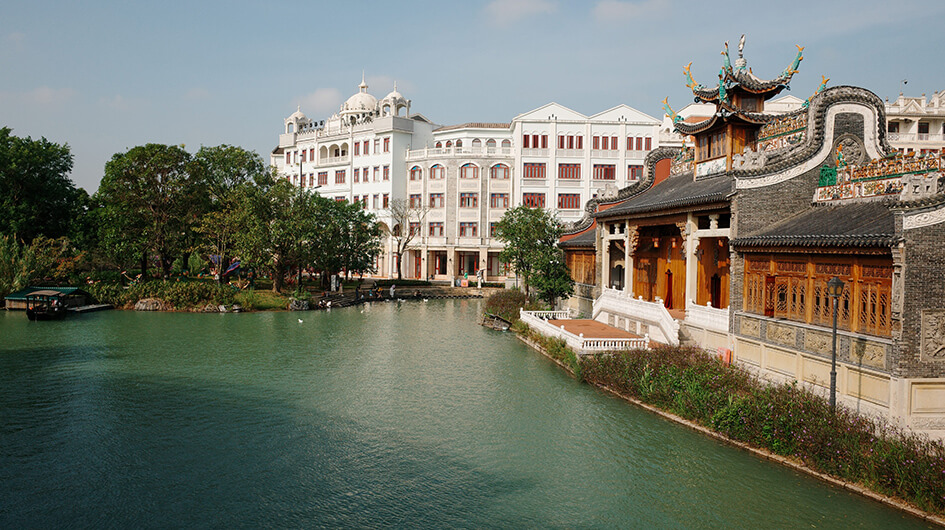 Chikan Ancient Town
Your Journey's Rewards:
View ancient buildings in Qiaoxiang, know their hard overseas stories, eat local food, and feel the mixed Sino-Western Lingnan Qiaoxiang culture.
Educational Focus:
Why are Chinese and Western styles combined in Kaiping Diaolou?
Takeaway:
Qiaoxiang history gives birth to this style. Many people went overseas and brought back Western architectural ideas. Local homes and diaolou were combined with these ideas for safety and tradition. A unique and practical local architectural style is thus formed.
Thought Challenge:
How can we save disappearing Qiaoxiang buildings and their memories?
Take a high-speed train from Jiangmen to Meizhou. After arrival, check into your hotel and rest briefly. Then visit Meizhou Hakka Museum to see displays about Hakka migration, customs and buildings, learn how the Hakka people formed and developed, and find the roots of Hakka culture.
Visit Renhou Wen Clan Ancestral Hall, a huge Hakka Dragon House with more than 500 years of history. Enjoy its layout: pond in front, house at back, symmetrical central axis, and learn about Hakka clan culture and living wisdom.
Your Journey's Rewards:
Know Hakka migration history and traditions, appreciate ancient Dragon House design, and grasp rich Hakka clan culture.
Educational Focus:
What living ideas does the special layout of Hakka Dragon Houses hold?
Takeaway:
Big families can live together well thanks to the neat symmetrical layout. Pond in front and house at back meet daily needs, improve the environment and provide group safety. Built for clan life, these buildings strengthen family ties, fit old living conditions, and carry special Hakka building wisdom.
Thought Challenge:
How can old clan buildings fit into today's modern life?
Take a high-speed train from Meizhou to Chaozhou. Check into your hotel and rest briefly. Then visit Chaozhou Museum to see displays about local history, ceramics and old crafts, and learn why Chaozhou is the birthplace of Chao culture.
Visit Qinglong Temple to enjoy its fine ceramic inlay art. Then visit Xu Fu Ma Mansion, a classic Chaoshan house. Walk along Jiajia Alley and visit old sites such as Da Fu Di and Ru Lin Di. Look at the buildings and feel the atmosphere of old Chaozhou.
Your Journey's Rewards:
Experience Chaozhou's deep culture, enjoy ceramic inlay and old buildings, walk Ming and Qing old streets, and feel local life.
Educational Focus:
How has Qinglong Temple's ceramic inlay art lasted hundreds of years in Chaozhou?
Takeaway:
Ceramic inlay is beautiful and strong. Chaozhou's coastal weather is wet, and normal paintings fade easily, but ceramic pieces are water-proof and keep color. Local clay and firing skills provide good materials and skill. The craft needs different workers, and people love its bright lucky colors, so it has been passed down.
Thought Challenge:
How can we get young people to learn traditional crafts like ceramic inlay?
Walk along Chaozhou Paifang Street to see 23 Ming and Qing stone archways and read their stories. Then visit Kaiyuan Temple, the oldest Buddhist temple in eastern Guangdong. Enjoy its buildings and relics from Tang to Ming and Qing, and feel the peace of this thousand-year-old temple.
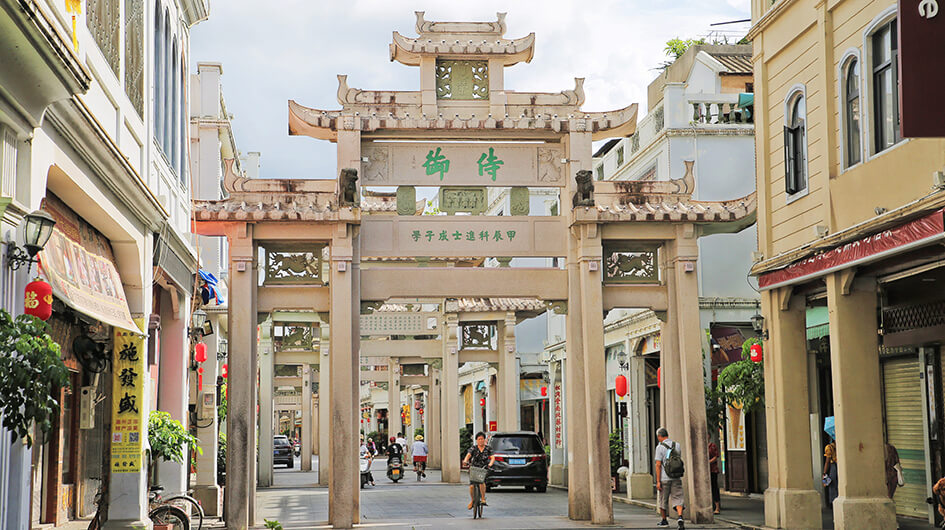 Chaozhou Paifang Street
Visit Guangji Bridge, one of China's four great ancient bridges. See its special open-close boat bridge structure and intangible cultural heritage displays. Then go to a teahouse, sit by the window, drink tea, learn Chaozhou Kung Fu Tea skills, and feel the grace of Chaoshan tea culture.
 Guangji Bridge
Your Journey's Rewards:
Roam Paifang Street to uncover local tales, find tranquility at Kaiyuan Temple, observe Guangji Bridge's movable structure, and discover Chaozhou Kung Fu Tea culture.
Educational Focus:
What purpose does the movable design of Guangji Bridge serve?
Takeaway:
Eighteen linked wooden boats form the bridge's central section. These floating units may be split apart for large vessels or flood conditions. Such practical layout serves foot traffic and river travel, reflecting clever design from ancient craftsmen.
Thought Challenge:
How can flexible thinking help us solve life's difficulties?
Visit Chaoxiang Intangible Cultural Heritage Base to try 24 Solar Terms Drum and feel this old art mixing drum music and solar terms. Then go to Chaoshan Yingge Dance Hall to watch a Yingge Dance show and enjoy the strong moves of this Chaoshan folk dance.
At the Yingge Dance Hall, drink tea and learn the cultural meaning behind Yingge Dance. You can also wear costumes to take photos and deeply experience Chaoshan culture. You can wander Chaozhou's old town at night and feel the lively streets and classic old-city vibe.
Your Journey's Rewards:
Play the 24 Solar Terms Drum, enjoy Yingge Dance, take photos in traditional costumes, and tour Chaozhou old town after dark.
Educational Focus:
Why does Yingge Dance look so powerful?
Takeaway:
Yingge Dance tells the story of Liangshan heroes. Strong beats go with painted dancers who hold sticks and perform powerfully. This style matches the bold character of Chaoshan people. Long ago, villages used it for festivals, health and community spirit, and it has been passed down with full energy.
Thought Challenge:
How can young people keep the energy of old folk art like Yingge Dance?
Travel from Chaozhou to Shantou. Visit Little Park Arcade District, walk century-old arcade streets mixing Chinese and Western styles. Visit Laoma Palace and Nansheng Department Store to feel Shantou's history as a busy trading port. Taste local food: Laoma Palace rice dumplings and braised goose. Pack your luggage; your root-seeking tour ends here. Get ready to go back home.
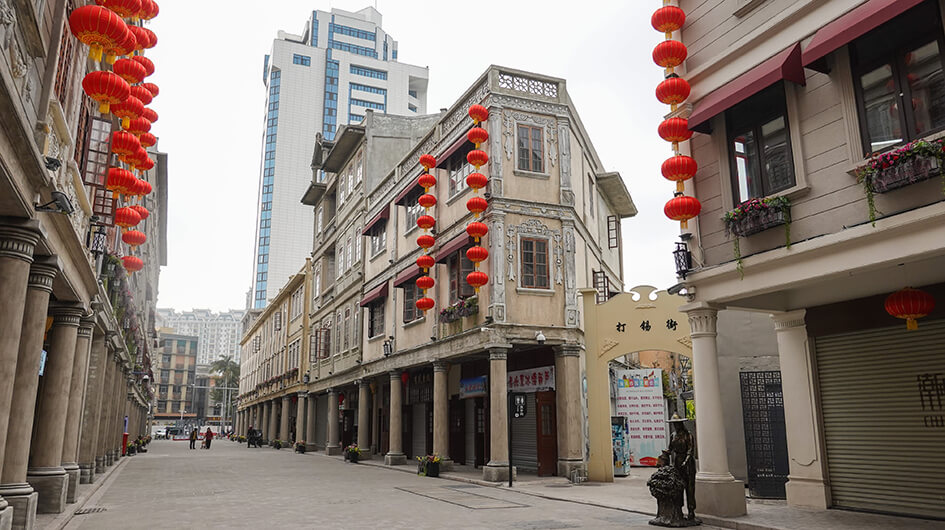 Little Park Arcade District
Your Journey's Rewards:
Walk old arcade streets, enjoy mixed Chinese-Western buildings, visit old sites, and taste local food in Shantou.
Educational Focus:
Why mix Eastern and Western styles in Shantou's arcade buildings?
Takeaway:
Foreign trade was opened early in Shantou as a trading port.Many Chaoshan people left from here to work abroad, saw Western buildings, and mixed Western details with local arcade structures. Shops were downstairs and homes upstairs; covered paths protected people from sun and rain. These buildings carry the story of overseas Chinese and cultural mixing.
Thought Challenge:
How can we use the spirit of cultural mixing in today's architecture? It symbolizes supreme imperial power and social order, as well as ancient people's pursuit of harmony, order and unity in aesthetics and philosophy. It is a typical example of China's traditional ritual culture and architectural wisdom.
Thought Challenge:
How can we pass on this unique Eastern architectural wisdom?
This tour is suitable for: Root-seeking travelers, Lingnan culture lovers, Kung Fu lovers, craft & food lovers.
What's Included
- Professional bilingual tour guide
- Well-selected comfortable accommodation
- Comfortable transportation & professional driver
- Brunch provided
- All listed items included (except optional experiences)
Recommended Hotel
| City | Deluxe | Comfortable |
|---|---|---|
| Beijing | Hilton Beijing Wangfujing | Holiday Inn Express BEIJING DOWNTOWN by IHG |
| Guangzhou | Guili Hotel | Guangzhou Hotel |
| Foshan | InterContinental Foshan | Victoria Hotel |
| Jiangmen | Jiangmen Gladden Hotel | Heyi Light Luxury Hotel |
| Meizhou | Howard Johnson Changsheng Plaza Meizhou | Lavende Hotel |
| Chaozhou | Han Ting Bie Yuan Resort Hotel | Chaozhou Hotel |
Wechat & WhatsApp: +86-13471279378