- Home
- City Tours
- Guangdong Tours
- 5-Day Guangdong Dragon Boat Festival Tour
5-Day Guangdong Dragon Boat Festival Tour
Itinerary at a Glance
| Day | Location | Highlights |
|---|---|---|
| D1 | Guangzhou | Check in |
| D2 | Guangzhou | Visit Yongqing Fang, Bruce Lee's Former Residence and Diejiao Village; watch dragon boat races |
| D3 | Guangzhou | Have morning tea at Taotaoju; visit Canton Tower, Shamian Island and Chen Clan Academy; taste Cantonese snacks at Shangxiajiu Pedestrian Street |
| D4 | Foshan | Visit Foshan Ancestral Temple, Lingnan Tiandi and Nanfeng Ancient Kiln; watch lion dance performances |
| D5 | Guangzhou | Departure; tour ends |
Trip Highlights
- Wander around Yongqing Fang and admire Lingnan arcaded buildings
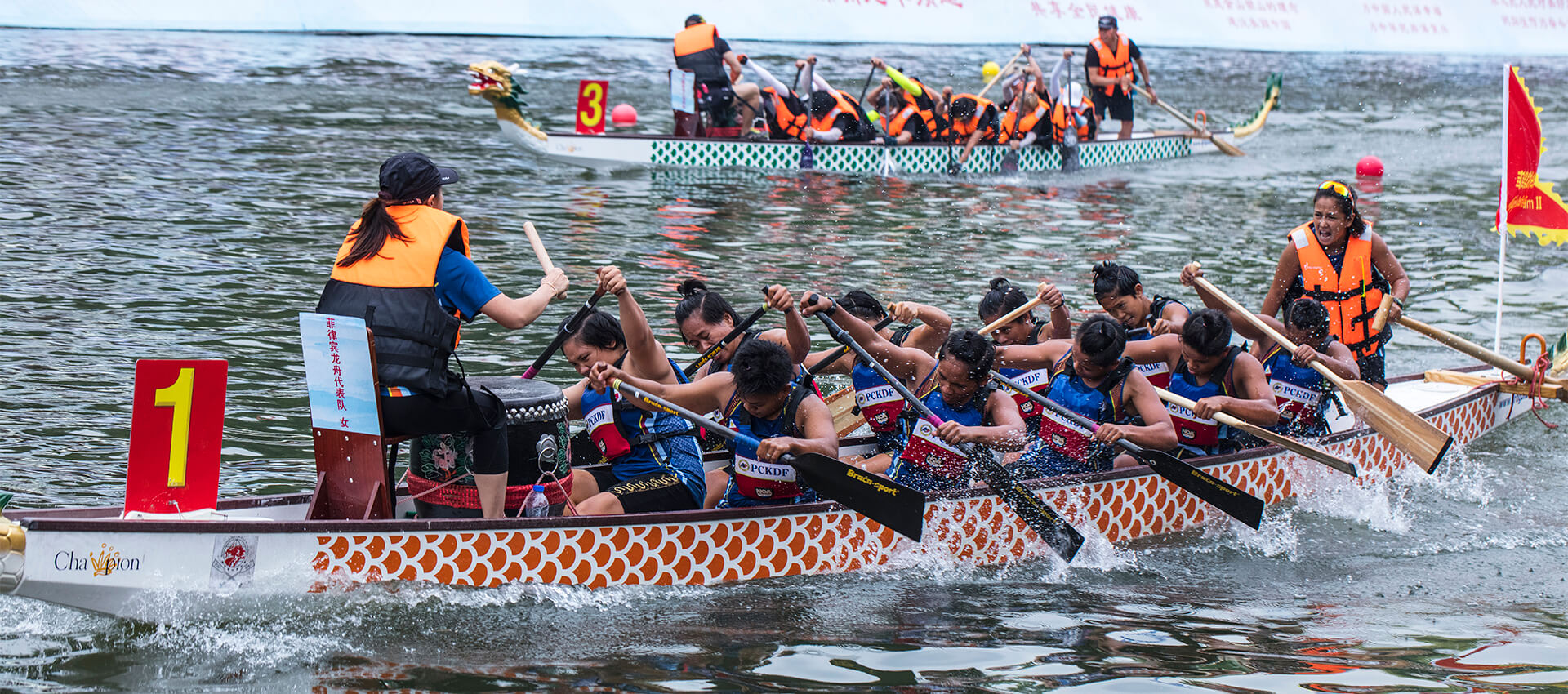
- Watch the thrilling dragon boat races in Diejiao Village
- Taste Cantonese morning tea with Dragon Boat Festival zongzi
- Enjoy the spectacular lion dance performance at Foshan Ancestral Temple
- Stroll through Shamian Island and appreciate European-style historical buildings
Tour Essentials

Quality
No Shopping Traps

Group Type
Private

Tour Focus
Culture, Architecture

Accommodation
Nights:4

Best Season
Summer
Full itinerary for 5-Day Guangdong Dragon Boat Festival Tour
Upon arrival in Guangzhou, you will be transferred to hotel by driver for check-in, after which you may enjoy free time.
First, head to Yongqing Fang, you can wander along the arcaded streets and alleys, and admire the colorful Manchu windows and the exquisite craftsmanship of the wooden slatted doors. You can explore the intangible cultural heritage (ICH) studios in the ICH block and view traditional craft works such as Cantonese embroidery, Cantonese porcelain painting, ivory carving, olive stone carving, and lion dance puppet making. Then proceed to Bruce Lee's Former Residence, which houses a special exhibition on Bruce Lee, recreating his life and acting career through holographic projections, cultural relic displays and other means.
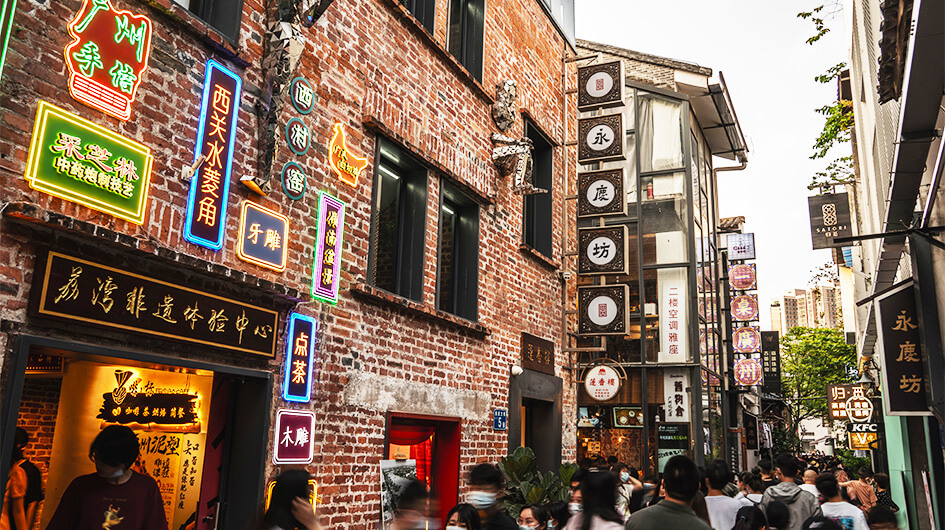 ICH Block of Yongqing Fang
Watching dragon boat races is a traditional custom of the Dragon Boat Festival in Guangdong. In the afternoon, you will go to Diejiao Village to watch the dragon boat races. You can pick a spot to wait for the dragon boats to pass by and watch them drift along the narrow waterways—it’s an exhilarating sight. The dragon boats navigate various curved sections along the way, which is a great test of the athletes’ skills and team coordination, creating a thrilling and intense atmosphere on site.
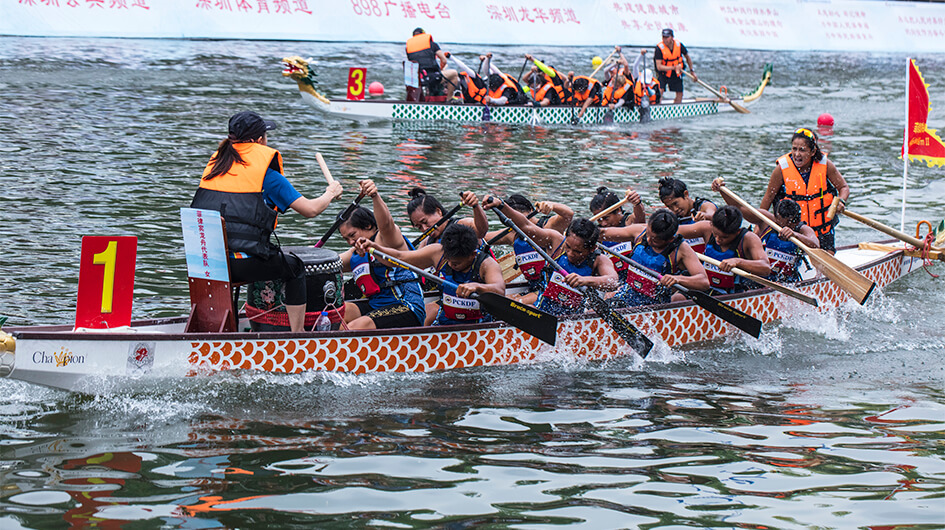 Watch Dragon Boat Races
Your Journey’s Rewards:
Explore Yongqing Fang to experience Lingnan Dragon Boat Festival folk customs, visit Bruce Lee's Former Residence to learn about his life, and watch the Dragon Boat Festival dragon boat races in Diejiao Village to experience this grand traditional folk event of the festival.
Educational Focus:
Why is the Dragon Boat Festival dragon boat culture of Diejiao Village a precious part of Lingnan intangible cultural heritage?
Takeaway:
The Pearl River Delta is rich in water systems and crisscrossed by rivers. The ancient ancestors relied on wooden boats for travel and transportation, and also held special dragon boat sacrificial activities to express gratitude to the river water and yearning for a better life. This later gradually evolved into a dragon boat racing culture, a process that embodies the advocacy of collective consciousness.
Thought Challenge:
Young people nowadays are not very familiar with Dragon Boat Festival traditions such as dragon boat races. How can the inheritance of these festival folk customs be achieved?
In the morning, head to Taotaoju for morning tea, a perfect place to experience the life of old Guangzhou and taste authentic Cantonese morning tea. Sample Cantonese dim sums here such as har gow (shrimp dumplings), siu mai (pork dumplings) and glutinous rice chicken. Zongzi (sticky rice dumplings) are a must-try, a Dragon Boat Festival tradition. Savor the dim sums with tea and chat joyfully with your family or your friends.
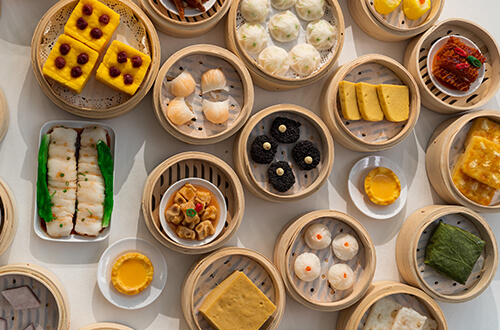 Various Cantonese Dim Sums
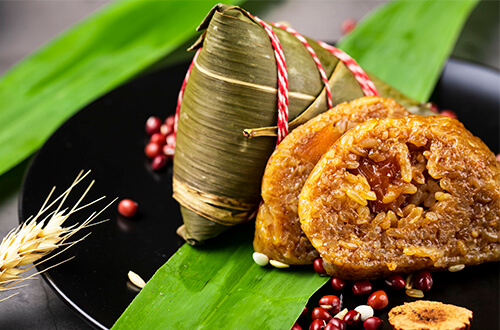 Taste Zongzi for the Dragon Boat Festival
After the morning tea, proceed to the Canton Tower. Standing at a total height of 600 meters, its unique structure has earned it 30 major awards. Step onto the observation deck of the tower to overlook the stunning panoramic views of the whole city. Then move on to Shamian Island, once a French and British concession, where you can see European-style buildings of various styles.
 Canton Tower
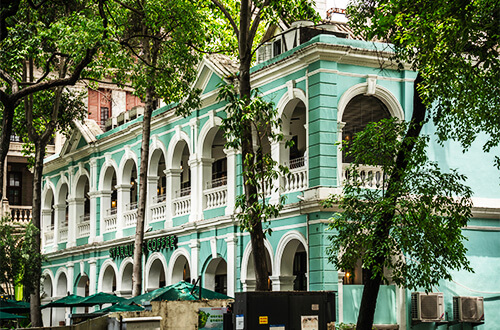 European-style Architecture on Shamian Island
Next, visit the Chen Clan Academy, the largest existing ancestral hall of the Qing Dynasty in Guangdong. Its decorative crafts including wood carvings and stone carvings are exquisitely made. In the evening, explore the Cantonese traditional delicacies in the alleys of Shangxiajiu Pedestrian Street, such as poached chicken, wonton noodles and double-skin milk.
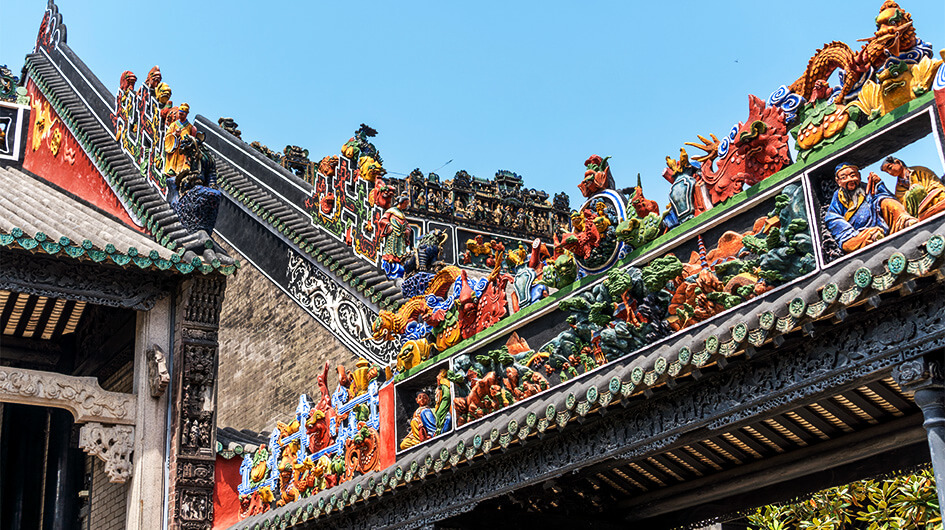 Exquisite Sculptures of Chen Clan Academy
Your Journey’s Rewards:
Have morning tea and taste Dragon Boat Festival zongzi at Taotaoju to experience Cantonese morning tea culture. Wander around Shamian Island to see historical buildings, visit the Chen Clan Academy to admire Lingnan architecture, and stroll along Shangxiajiu Pedestrian Street to taste authentic local delicacies.
Educational Focus:
Why is the Chen Clan Academy a representative work of Lingnan traditional architecture?
Takeaway:
The Chen Clan Academy integrates traditional crafts such as wood carving, brick carving and stone carving. It features exquisite decorations and a neat layout, fully embodying the architectural characteristics and artistic charm of the Lingnan region.
Thought Challenge:
How to protect the historical and cultural value of Lingnan ancient buildings while developing tourism?
In the morning, you set off for Foshan and first visit the Ancestral Temple. Besides admiring this exquisite Lingnan architectural work, you can watch lion dance performances at fixed times. You will see the performers wearing lion costumes and completing high-difficulty moves such as the green plucking and leaping—this is a can’t-miss highlight of the local Dragon Boat Festival.
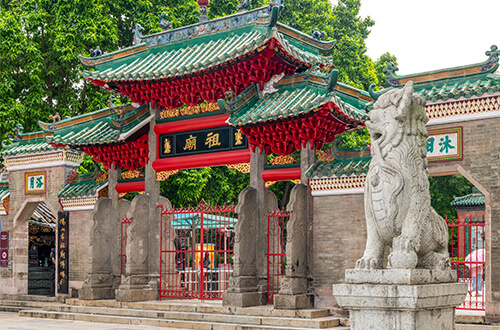 Foshan Ancestral Temple
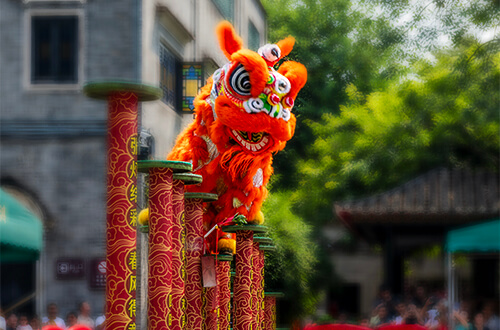 Watch Lion Dance Performance
Next, you head to Lingnan Tiandi, where a large number of Lingnan buildings are preserved, and there are also coffee shops, ceramic art stores and cultural and creative shops along the streets. After the visit, you go to Nanfeng Ancient Kiln, the best-preserved traditional wood-fired dragon kiln in the world. Here you can watch the kiln masters firing ceramic blanks with pine firewood with your own eyes, and ceramic art masters demonstrating micro-sculpture skills on site. Finally, you return to Guangzhou.
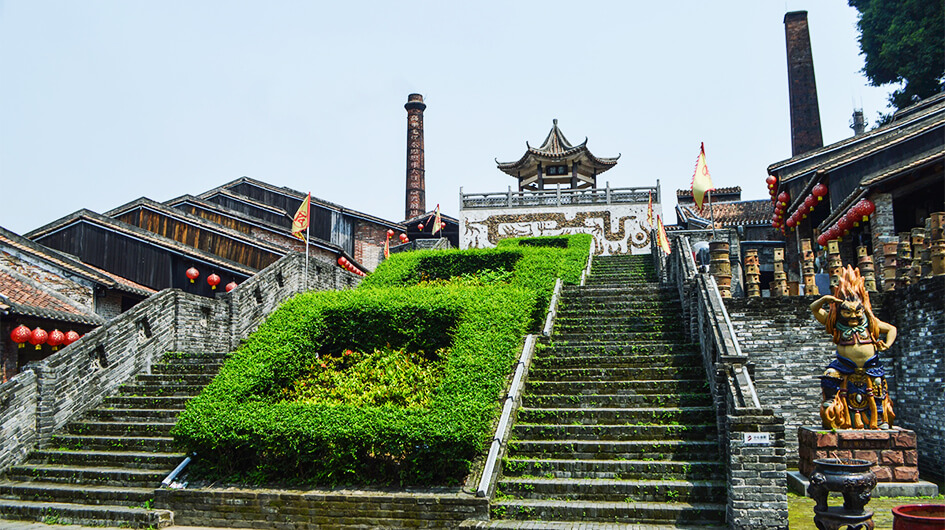 Nanfeng Ancient Kiln
Your Journey’s Rewards:
Watch the lion dance performance at the Ancestral Temple and get a close-up view of the high-difficulty lion dance moves. Visit Nanfeng Ancient Kiln to learn about the traditional wood-fired ceramic making culture.
Educational Focus:
What are the differences between lion dances in northern and southern China?
Takeaway:
In terms of appearance, the head of the northern lion is relatively simple and looks just like a real lion. The head of the southern lion is modeled on opera facial masks, with bright colors and exquisite craftsmanship. In terms of performance style, the northern lion focuses on imitating the movements of real lions, while the southern lion combines its movements with martial arts, boasting a rich variety of moves including rousing, greeting guests and leaping in surprise. As a folk culture of Lingnan, the lion dance holds an important position in Guangdong. It can be seen at every festive celebration or major event.
Thought Challenge:
How can the lion dance culture be inherited and promoted?
After breakfast at the hotel, pack your luggage and make sure nothing is left behind. Finally, a driver will take you to the airport or train station for your departure.
This tour is suitable for: School, Family, Team Building, Culture Enthusiasts
What’s Included
- Experienced tour guides
- Entrance fee to all spots listed in the itinerary
- Well selected hotel accommodation
- Expert drivers and comfortable vehicles with air-conditioning
Hotel Options
- Guangzhou Hotel Accommodation: Guangzhou Hotel
- Foshan Hotel Accommodation: Canton First Estate
Wechat & WhatsApp: +86-13471279378