- Home
- City Tours
- Datong Tours
- 5-Day Datong & Wutai Mountain Tour
5-Day Datong & Wutai Mountain Tour
Itinerary at a Glance
| Day | Location | Highlights |
|---|---|---|
| D1 | Datong | Arrive in Datong; hotel check-in |
| D2 | Datong | Visit Yungang Grottoes to admire Northern Wei stone carvings; appreciate Nine-Dragon Screen’s glazed craftsmanship; explore Huayan Temple to feel Liao-Jin Buddhist culture |
| D3 | Datong - Shuozhou - Wutai Mountain | Marvel at the Hanging Monastery’s cliff-side wooden architecture; tour Yingxian Wooden Pagoda to appreciate ancient wood-structural ingenuity; transfer to Wutai Mountain |
| D4 | Wutai Mountain | Visit Pusading Monastery; visit Shuxiang Temple & Luohou Temple to explore Buddhist relics; enjoy natural scenery at South Platform |
| D5 | Wutai Mountain | Worship at Dailuo Peak Monastery’s Five Manjushri Hall; visit Foguang Temple to view Tang Dynasty artworks; transfer to airport/railway station; tour ends |
Trip Highlights
- Explore Yungang Grottoes to see Northern Wei Buddhist stone carvings
- Visit Hanging Monastery to admire cliff-side wooden architecture
- Explore Buddhist temples in Wutai Mountain
- See Yingxian Wooden Pagoda to appreciate ancient wood structure
Tour Essentials

Quality
No Shopping Traps

Group Type
Private

Tour Focus
Architecture, Culture

Accommodation
Nights:4

Best Season
Spring, Summer, Autumn, Winter
Full itinerary for 5-Day Datong & Wutai Mountain Tour
After arriving in Datong, proceed to the hotel to check in. You can take a rest, wander around the area near the hotel to explore Datong's local cuisine, or purchase some daily necessities you may need.
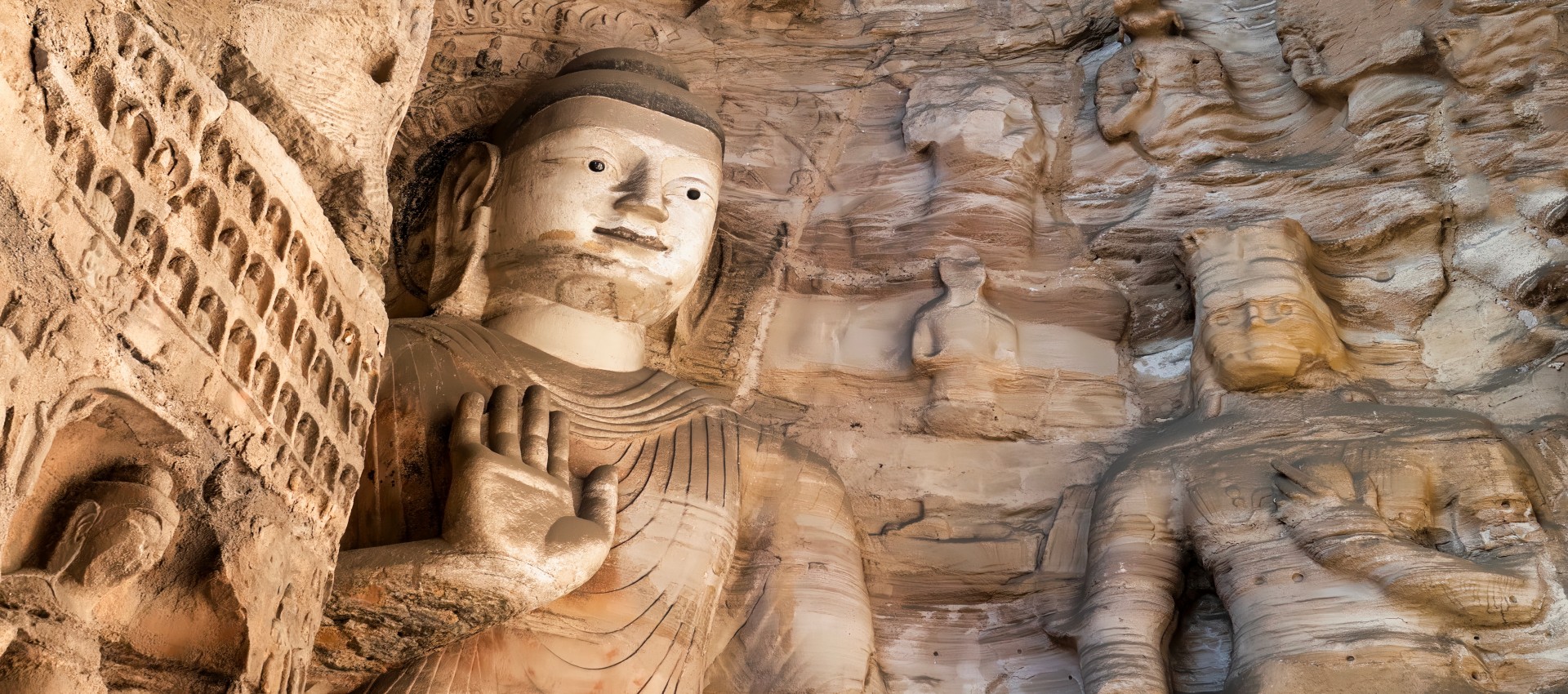
Wake up early and have breakfast at the hotel. Then set off for Yungang Grottoes, known as a treasure trove for appreciating Buddhist art. First, visit the Tanyao Five Caves, where you can see five majestic giant Buddha statues. After that, head to Cave 20 to view the Open-Air Giant Buddha. Due to the collapse of the front wall, the main statue of sitting Buddha Sakyamuni is exposed. Standing at 13.7 meters tall, it exudes an imposing grandeur. Additionally, you can follow a tour guide to explore many other caves and learn about ethnic integration and cultural exchanges during the Northern Wei Dynasty.
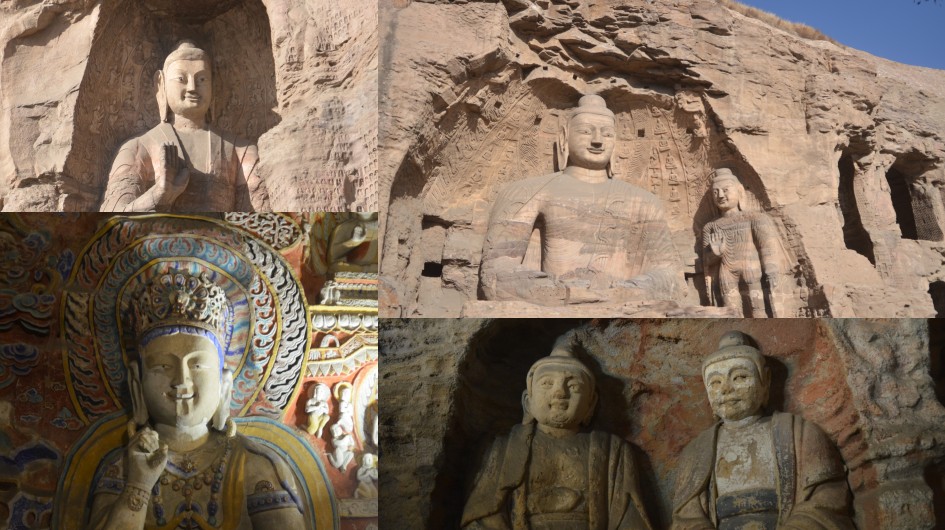 Visiting the Yungang Grottoes
After lunch, visit the Nine-Dragon Screen—the largest existing glazed screen wall in China. You can observe the nine colored glazed dragons up close; they are exquisitely carved, vividly lifelike, and showcase royal grandeur.
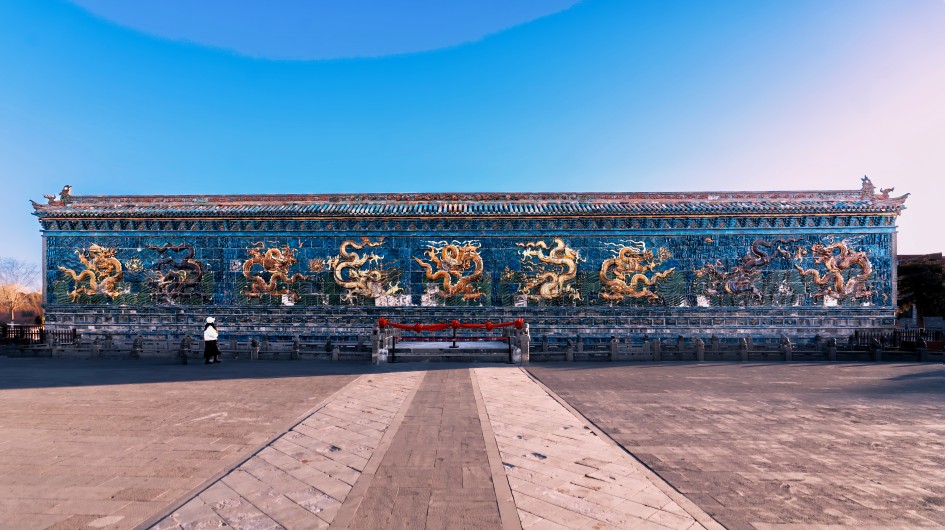 Nine-Dragon Screen
Next, proceed to Huayan Temple, the largest and best-preserved Liao-Jin Dynasty Buddhist temple extant in China. Inside the temple, visit structures such as the Mahavira Hall and Huayan Pagoda. You can also admire precious artworks including Liao Dynasty painted sculptures and Ming Dynasty murals, while gaining insights into ancient Chinese history and culture.
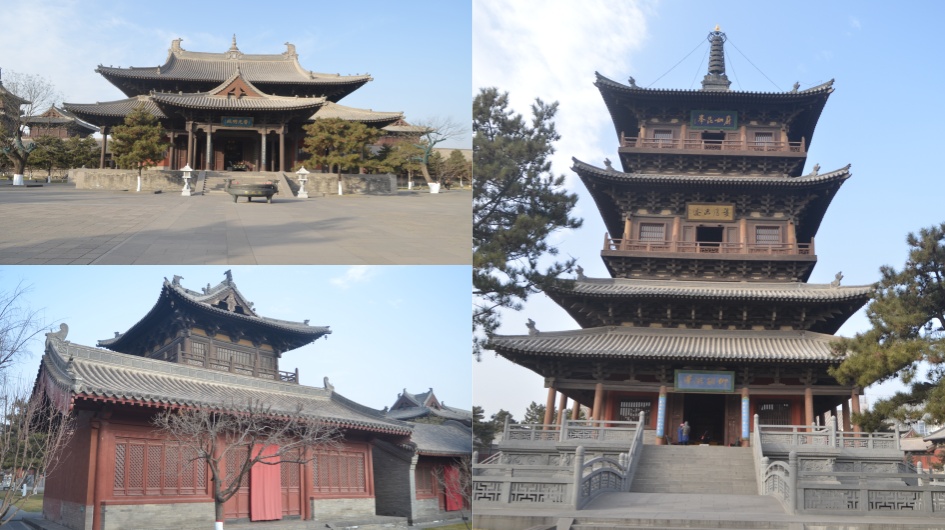 Visiting Huayan Temple
Your Journey’s Rewards:
Visit Yungang Grottoes to appreciate exquisite carving techniques and explore diverse cultural integration. Admire the serene and beautiful carved colored dragons on the Nine-Dragon Screen, and experience the ancient history and culture within Huayan Temple.
Educational Focus:
What are the architectural characteristics of Huayan Temple?
Takeaway:
Huayan Temple’s architecture features distinct Khitan ethnic (a nomadic ethnic group that founded the Liao Dynasty, with unique customs like worshiping the east) styles, and it is a rare wooden-structured Buddhist temple that retains the Khitan tradition of being built facing east. However, during its construction, Han craftsmen from regions like You and Ji were mostly employed. As a result, while the main structure embodies simplicity and grandeur, the detailed designs are flexible and delicate, with elaborate and magnificent decorations.
Thought Challenge:
What does the cultural integration phenomenon at Yungang Grottoes illustrate?
Set off in the morning to explore a marvelous building constructed on a cliff—the Hanging Monastery. It is the earliest existing wooden-structured building complex built on sheer cliff faces in the world. Climb a 300-meter steep staircase to reach the temple, where you can enjoy a broad view of the surrounding mountains. Follow a tour guide to visit the internal statues and cultural relics, and experience the integration of diverse cultures.
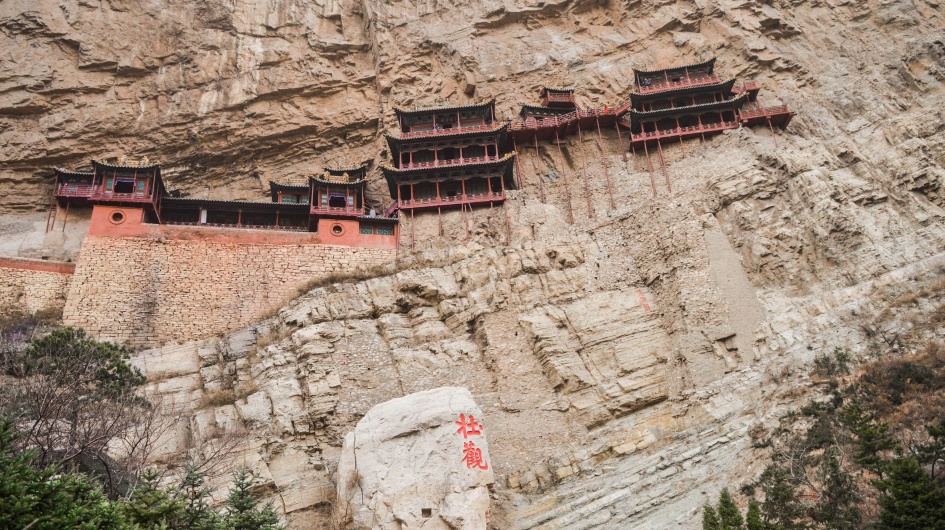 Hanging Monastery
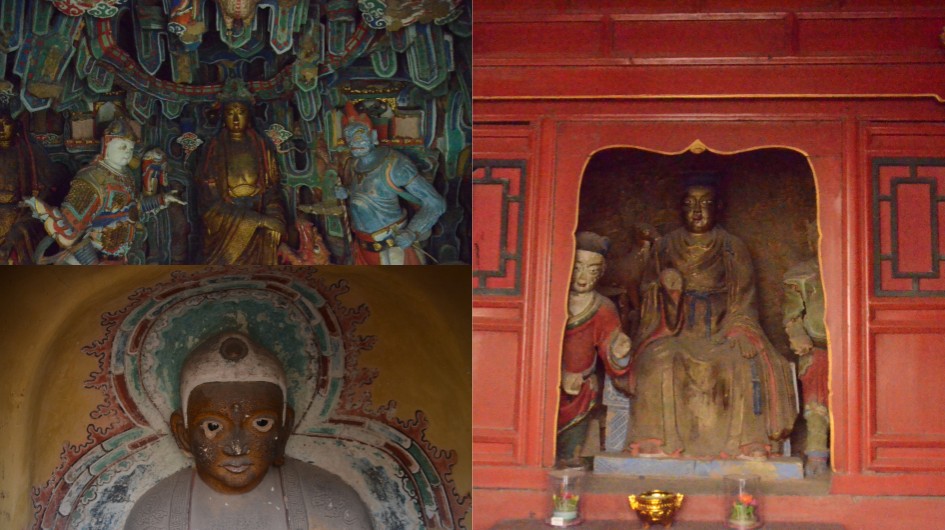 Visiting the Interior of the Hanging Monastery
Arrive at the Yingxian Wooden Pagoda, an ancient wooden Buddhist pagoda and one of the three most amazing pagodas in the world. Admire the pagoda’s exterior and listen to the tour guide explain its unique structure. Then go inside to visit the Buddha statues and cultural relics from the Liao Dynasty, and feel the charm of Buddhist culture. After the visit, depart for Wutai Mountain.
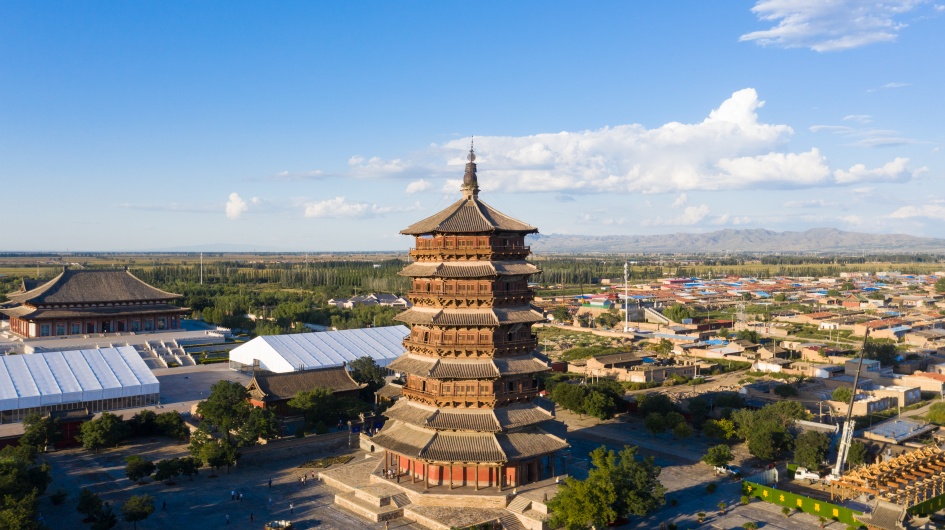 Yingxian Wooden Pagoda
Your Journey’s Rewards:
Admire architectural wonders such as the Hanging Monastery and Yingxian Wooden Pagoda, learn about their architectural structures, and explore Buddhist culture by visiting the internal cultural relics.
Educational Focus:
Only a few wooden poles can be seen supporting the bottom of the Hanging Monastery—how did ancient craftsmen achieve this?
Takeaway:
Ancient craftsmen inserted wooden beams deeply into the rocks. These beams were soaked in tung oil in advance for anti-corrosion purposes, and their placement was carefully calculated to ensure they could support the entire Hanging Monastery. Some wooden pillars serve as load-bearing supports, while others are used to balance the height of the pavilions.
Thought Challenge:
Why was it necessary to build the temple on a sheer cliff?
First, head to Pusading Monastery—an imperial resort for emperors of the Qing Dynasty. To reach the monastery, you need to climb 108 stone steps; once at the top, you can overlook the panoramic view of Taihuai Town, where Wutai Mountain is located. Next, proceed to Shuxiang Temple, which enshrines the largest statue of Manjushri Bodhisattva in Wutai Mountain, standing 9.87 meters tall. The suspended sculptural group "Five Hundred Arhats Crossing the River" inside the temple is vivid and lifelike.
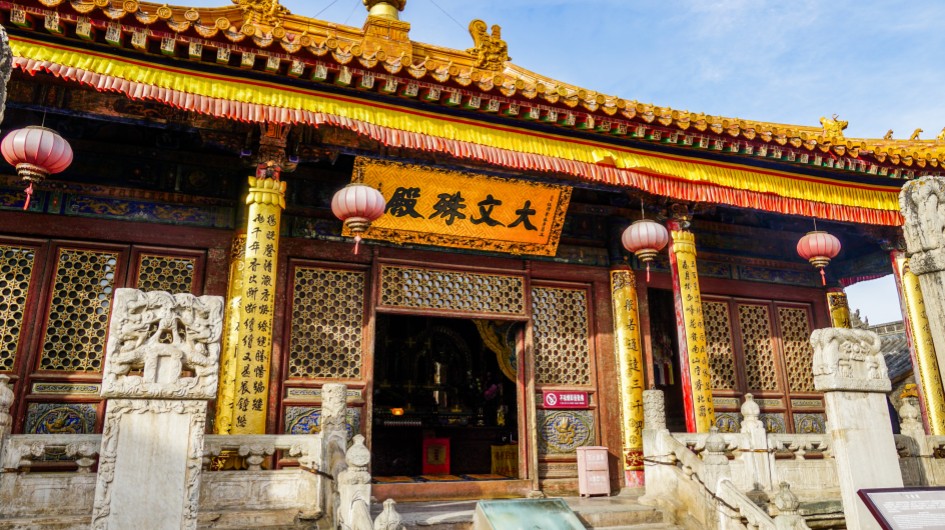 Pusading Monastery
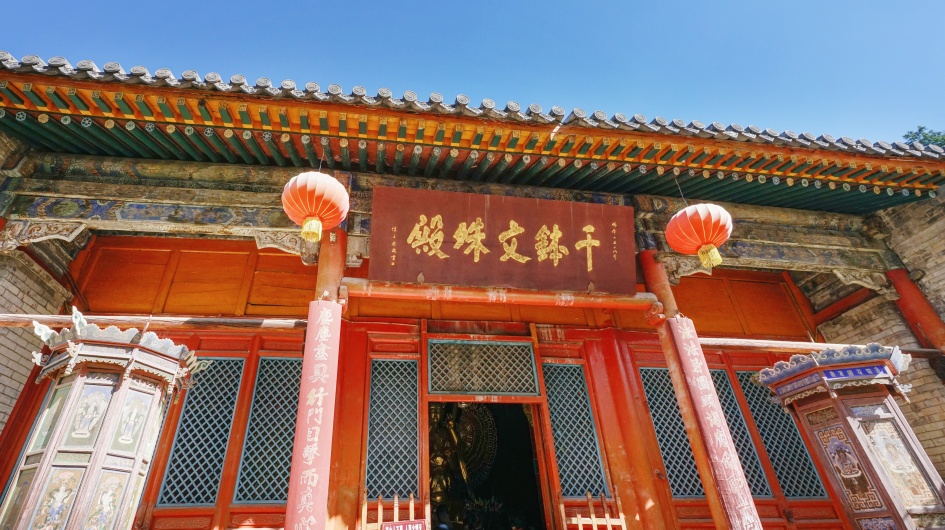 Shuxiang Temple
Then visit Luohou Temple. The "Blossom to Reveal Buddha" device in the rear hall is one of the famous attractions in Wutai Mountain, and the ingenious combination of machinery and art is amazing. If time permits, you can visit more scenic spots in Wutai Mountain, including Wuye Temple, Xiantong Temple and Tayuan Temple. After the visit, take a sightseeing bus to the South Platform of Wutai Mountain, where you can enjoy the magnificent natural scenery of Wutai Mountain.
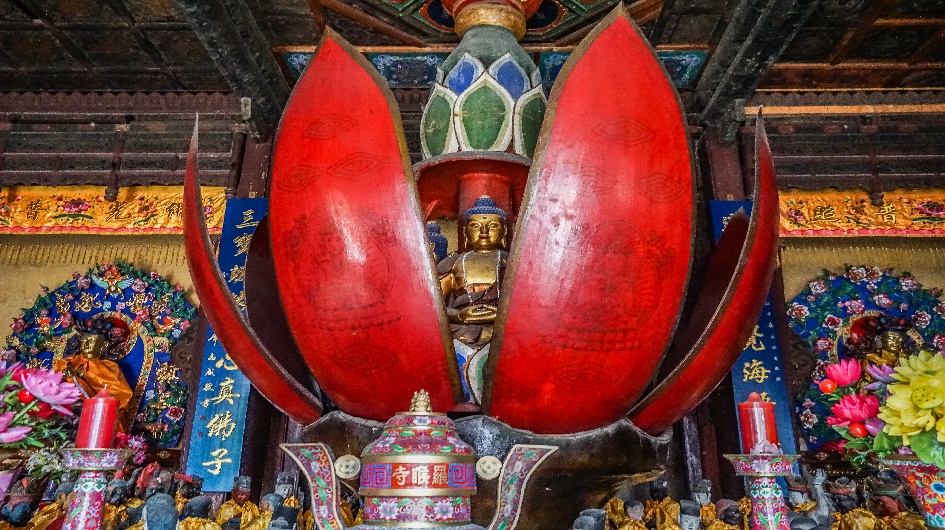 "Blossom to Reveal Buddha" in Luohou Temple
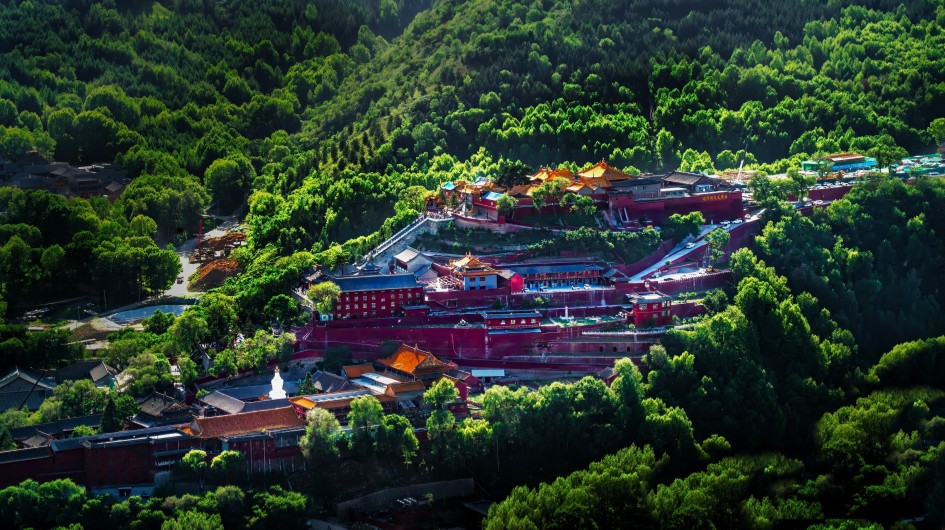 The Scenery of Wutai Mountain
Your Journey’s Rewards:
Explore Wutai Mountain, admire the beautiful natural scenery while experiencing the profound Buddhist culture, and feel the spiritual purification brought by the atmosphere of Buddhist culture.
Educational Focus:
What important significance did Wutai Mountain hold in ancient China?
Takeaway:
Emperors of successive dynasties regarded Wutai Mountain as a royal Buddhist sanctuary. Many emperors came to Wutai Mountain for worship, ordered the construction of monasteries and held Buddhist rituals. Wutai Mountain thus became a link for the central government to maintain national unity and integrate cultures.
Thought Challenge:
What protective measures can be taken to preserve the historical buildings of Wutai Mountain?
In the morning, continue your exploration of Wutai Mountain. Your first stop is Dailuo Peak Monastery, where you can visit attractions such as the Heavenly King Hall, Mahavira Hall, and the Five Manjushri Hall, and pay homage to the Five-Directional Manjushri Bodhisattvas to pray for blessings. Then proceed to Foguang Temple—a Tang Dynasty building. You can go inside to view the Tang Dynasty sculptures, Tang Dynasty murals, and inscriptions; through these artworks, you can learn about some historical stories of the Tang Dynasty.
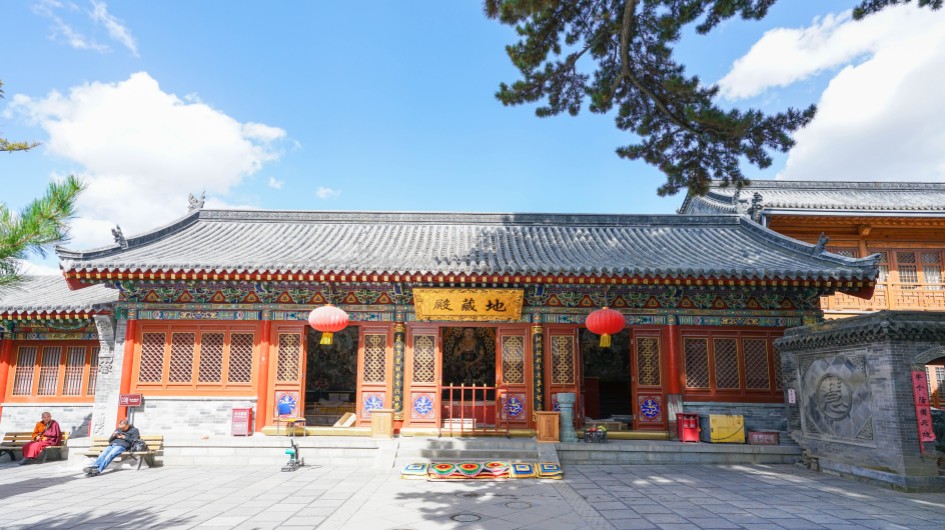 Dailuo Peak Monastery
After concluding the visit, depart for the airport or railway station according to your schedule, say goodbye to your tour guide and driver, and this trip comes to an end.
Your Journey’s Rewards:
Continue your exploration of Wutai Mountain. Unlike yesterday, you will explore the history and culture of the Tang Dynasty as well as some precious Tang Dynasty artworks at Foguang Temple.
Educational Focus:
Why is it necessary to restore the historical relics of Wutai Mountain, and what important significance does this hold?
Takeaway:
The historical relics of Wutai Mountain provide unique testimony for studying the development history of Chinese Buddhism, the relationship between Buddhism and various dynasties and emperors in China’s feudal society, as well as the development of politics, culture, and history in China’s feudal society.
Thought Challenge:
With the increasing popularity of Wutai Mountain, the number of tourists has also grown. How to solve problems such as traffic congestion and tourist carrying capacity?
This tour is suitable for: School, Family, Team Building
What’s Included
- Experienced tour guides
- Entrance fee to all spots listed in the itinerary
- Well selected hotel accommodation
- Expert drivers and comfortable vehicles with air-conditioning
Hotel Options
- Datong Hotel Accommodation: Jianguo Hidden Hotel
- Wutai Mountain Hotel Accommodation: Wanhao Hotel
Wechat & WhatsApp: +86-13471279378