- Home
- City Tours
- Chengdu Tours
- 5-Day Panda Conservation Educational Tour
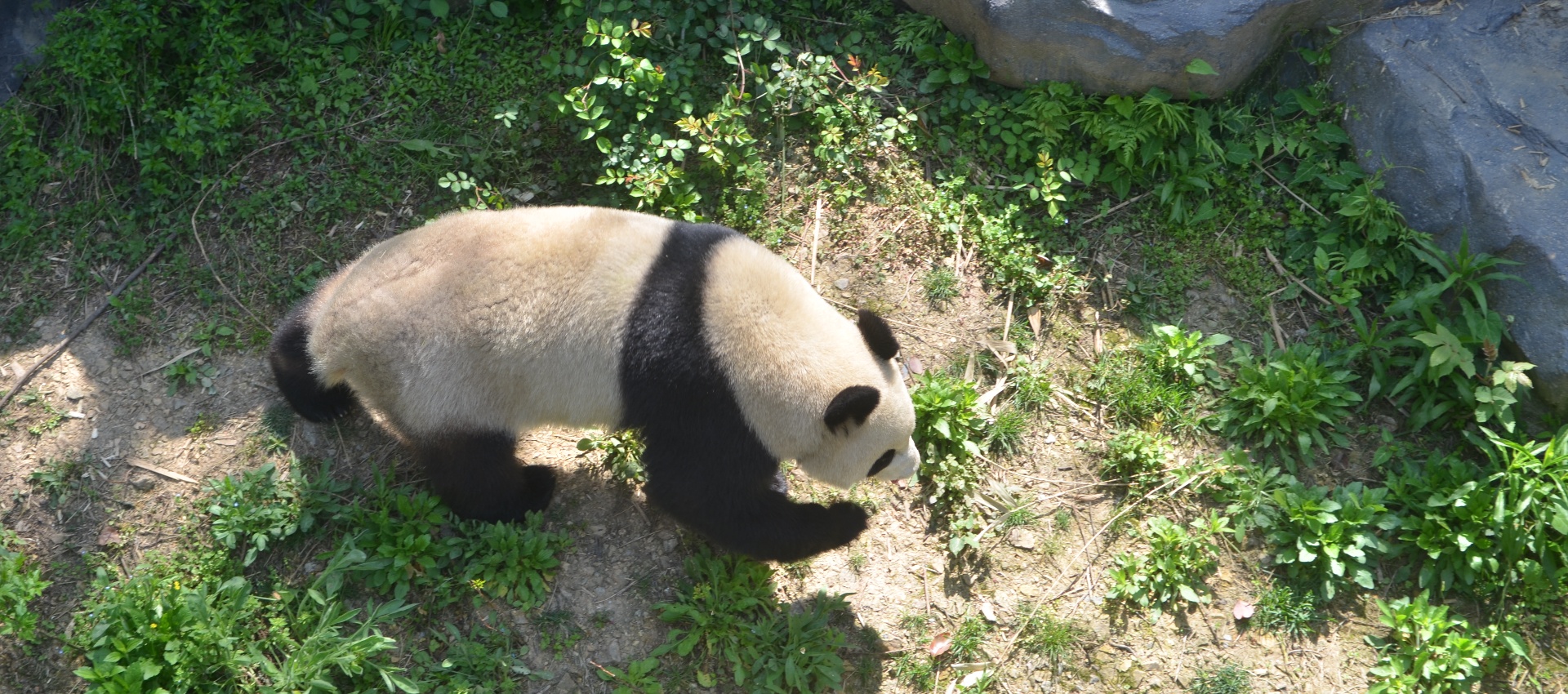
Panda Conservation Educational Tour
Itinerary at a Glance
| Day | Location | Highlights |
|---|---|---|
| D1 | Chengdu | Arrive; check-in |
| D2 | Dujiangyan Panda Base, Chongzhou Red Panda Camp | Learn panda PAE coding; do enrichment experiment; feed/interact with red pandas |
| D3 | Giant Panda National Forest Park | Explore panda habitat; learn about "umbrella species"; deploy infrared cameras; clean mountain |
| D4 | Wolong China Giant Panda Garden | Experience panda caregiver work; make panda buns; observe bamboo leaves microscopically; communicate with breeders |
| D5 | Wolong China Giant Panda Garden - Departure | Display panda posters; share protection commitments; receive certification; tour ends |
Trip Highlights
- Practice PAE coding to study captive giant panda behavior patterns
- Feed pandas to explore panda activity characteristics
- Survey habitats to understand umbrella species' ecological significance
- Install infrared cameras to learn wildlife monitoring techniques
- Prepare bamboo materials and make panda buns to experience panda caretaking
- Attend breeder talks to deepen knowledge of panda nutrition management
Tour Essentials

Quality
No Shopping Traps

Group Type
Private

Tour Focus
Panda Conservation

Accommodation
Nights:4

Best Season
Spring, Summer, Autumn, Winter
Full itinerary for Panda Conservation Educational Tour
Upon arrival in Chengdu, transportation to the hotel is provided by a designated driver. After checking in, rest is recommended to recharge energy for the upcoming journey.
Gather early in the morning and go to Dujiangyan Panda Base to start a professional scientific expedition. Upon arrival, students will begin training on giant panda behavior, gaining in-depth understanding of the PAE (Posture, Activity, Environment) behavior coding system through vivid cases. They will learn to identify coding rules for core behaviors of giant pandas such as resting, moving, and feeding. Subsequently, groups will enter the observation area, use the learned coding methods to record real-time behavioral data of captive giant pandas, and complete relevant records. Then, participate in the "Indoor and Outdoor Enrichment Research Experiment": under the guidance of researchers, understand the importance of enrichment for pandas' mental health, help arrange enrichment toys (such as hanging bamboo puzzle feeders) by hand, observe pandas' reactions to new environmental elements, record behavioral change data, and deeply comprehend the practical significance of animal welfare protection.
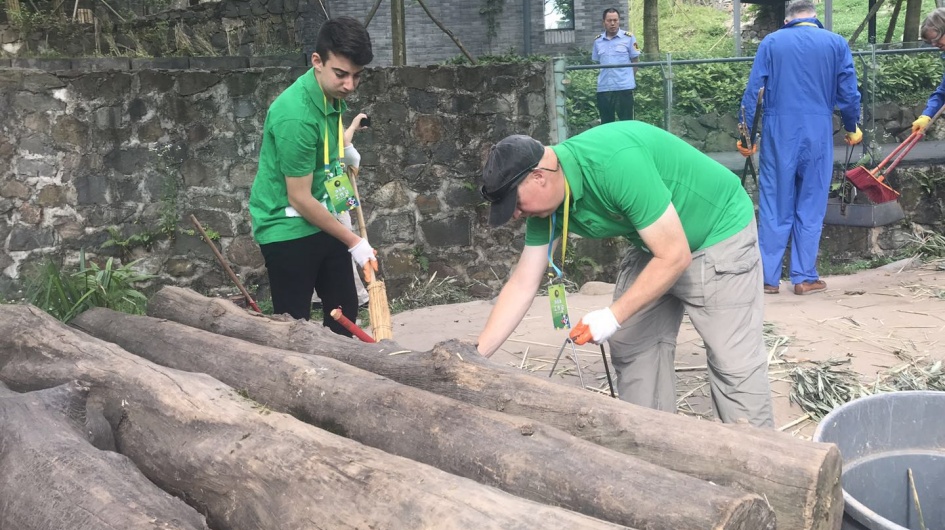 Clean the Panda Enclosures
In the afternoon, depart for Chongzhou Red Panda Camp to start an intimate interaction research with red pandas. In the panda safety interaction area, under the full accompaniment of staff, participate in red panda feeding activities, where students can observe their cute postures during feeding at close range. Then, interact closely with pandas under professional guidance, record the interaction behaviors of red pandas at the same time, and complete the popular science research questionnaire.
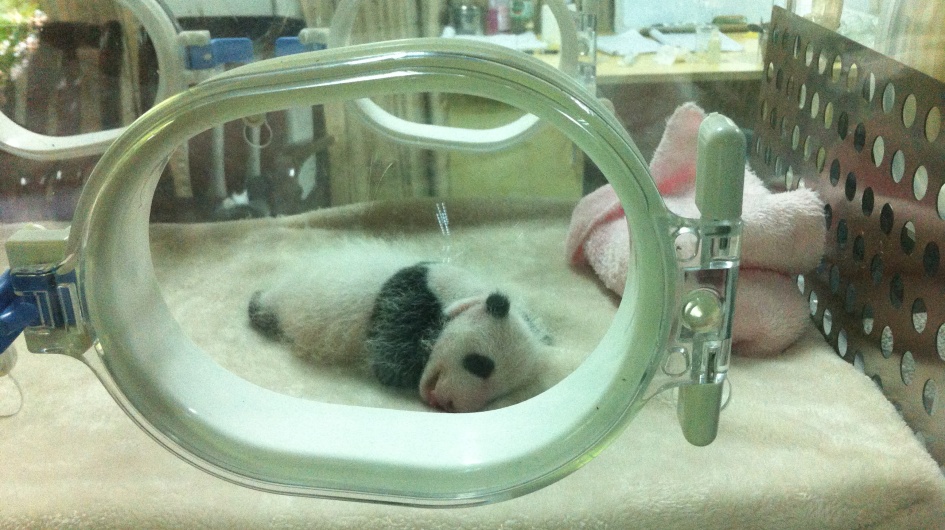 Observe Panda Cubs
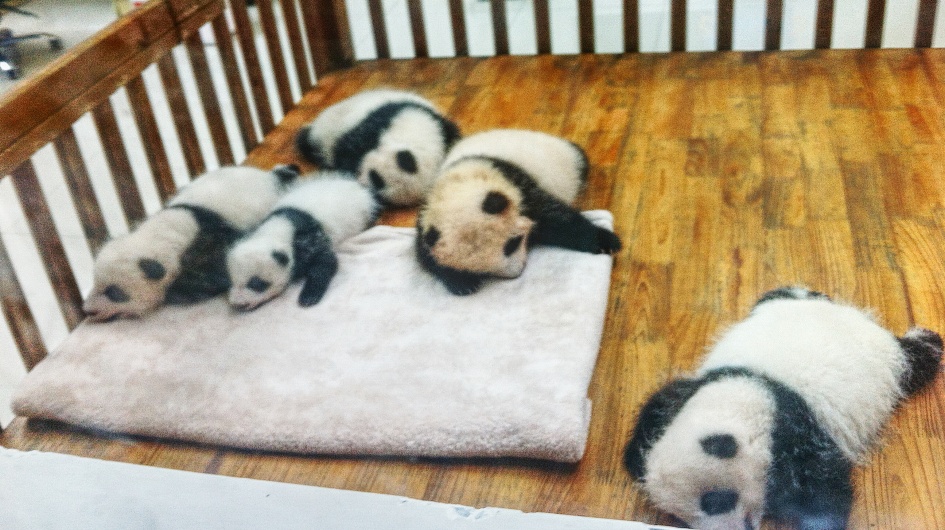 Interact with Red Pandas
Return to the urban area for dinner, then gather to watch a classic giant panda documentary to intuitively experience the living environment and life status of wild giant pandas. Afterwards, sort out panda data, summarize the morning's panda behavior observation data, and students can sit together to share and discuss. Finally, carry out the preliminary planning of panda handwritten newspaper layout: students discuss the theme sections of the handwritten newspaper in groups, determine the preliminary layout framework, and prepare for subsequent creation.
Your Journey’s Rewards:
Through visiting Dujiangyan Panda Base and Chongzhou Red Panda Camp, understand the behavioral characteristics of captive giant pandas and red pandas. During the exploration, master the PAE coding method for recording giant panda behaviors, experience the practical application of enrichment measures in animal welfare protection, and explore the differences in activity patterns between giant pandas and red pandas through close interaction with red pandas.
Educational Focus:
Why do captive giant pandas need "enrichment"?
Takeaway:
The living environment of captive giant pandas is relatively monotonous and boring. To improve the deficiencies of the captive environment, professional institutions adopt various enrichment measures to simulate the wild natural environment as much as possible, so as to meet the physiological and psychological needs of giant pandas. This helps reduce stress and abnormal behaviors caused by captivity, improve their health level and quality of life, and allow them to fully display their natural instincts and live a healthier, happier, and more interesting life.
Thought Challenge:
In the process of panda science popularization education and scientific research, how to balance the protection of animals' living habits with the needs of human interaction and scientific research?
After breakfast, head to the Giant Panda National Forest Park. Led by rangers, venture into the primeval forest giant panda reserve to conduct a scientific investigation of giant panda habitats from an ecological perspective. Observe the associated species of giant pandas in various ways, as well as the life of giant pandas after their release into the wild. Along the way, instructors will focus on explaining the concept of "umbrella species," while students discuss the important significance of umbrella species for protecting giant pandas and maintaining ecological balance.
In the afternoon, start scientific expedition practice activities. First, under professional guidance, learn about the working principles of infrared cameras, site selection techniques, and data recovery methods. Work in groups to complete the field deployment of infrared cameras to collect basic data for subsequent wildlife monitoring. Through on-site installation of infrared cameras in the wild, observe the life of giant pandas after their release into the wild. Students can also communicate with wildlife protectors to learn more knowledge about wildlife protection and feel the hardships and responsibilities of wildlife protection work. Finally, carry out a mountain forest cleanup campaign: work in groups to clean up plastic garbage and other pollutants around the trails, and practice the concept of ecological protection through practical actions.
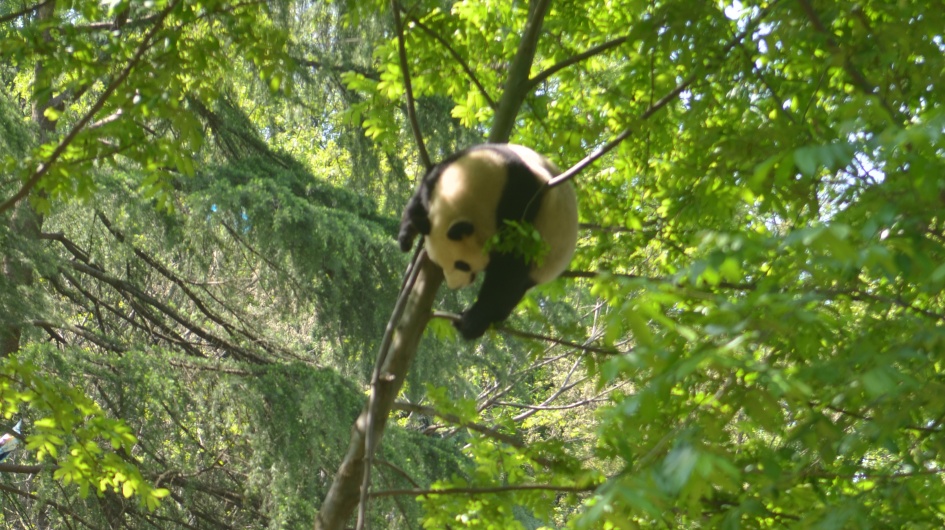 Observe the Life of Giant Pandas After Wild Release
In the evening, hold a giant panda scientific expedition reading session. Students sit together to share and discuss the natural notes they have recorded, and jointly create giant panda handwritten newspapers based on the content of the notes.
Your Journey’s Rewards:
Students conduct scientific investigations of giant panda habitats from an ecological perspective. By installing infrared cameras on-site in the wild and observing the associated species of giant pandas and the life of giant pandas after their release into the wild in various ways, they enrich their knowledge about giant pandas.
Educational Focus:
What important role do umbrella species play in protecting the ecosystem of giant panda reserves?
Takeaway:
While protecting giant pandas, umbrella species can also provide protection for other species in the reserve. Giant pandas are regarded as the "flagship species" for global biodiversity conservation and a symbol of world nature conservation. If protecting giant pandas is compared to holding up an "umbrella" in nature, under the "big umbrella" of the Giant Panda National Park, more than 8,000 species of wild animals and plants, such as snow leopards, Sichuan golden monkeys, green-tailed monals, crested ibises, yew, and dove trees, can live in peace.
Thought Challenge:
In the protection of giant panda habitats, how to coordinate the development of local communities and ecological environment protection?
In the morning, head to Wolong China Giant Panda Garden to start the giant panda caregiver experience journey. Under the guidance of base staff, participate in bamboo material preparation work: learn to select bamboo suitable for giant pandas to eat and understand the differences in bamboo material needs among pandas of different age groups. Then, work in groups to interview base staff, gaining an in-depth understanding of the details of daily panda feeding management and key research focuses.
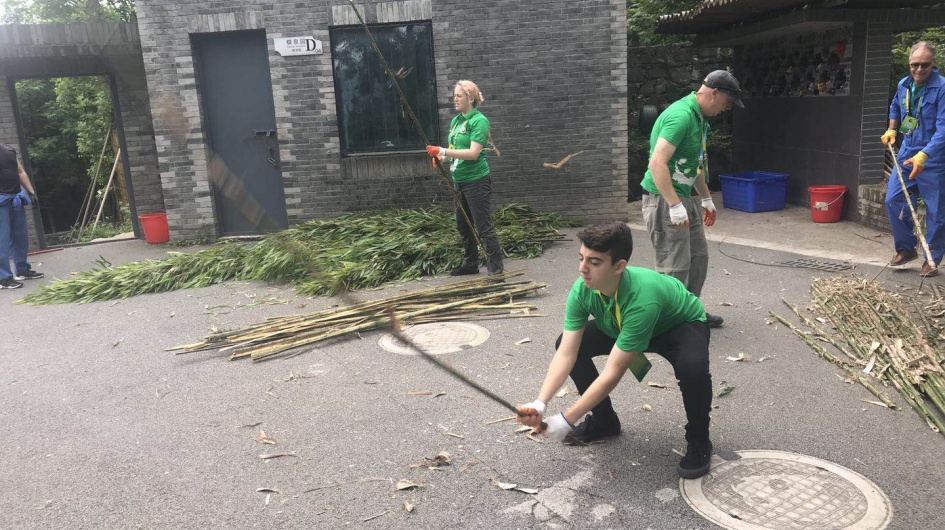 Students Preparing Bamboo Materials
In the afternoon, students can experience making panda buns: weigh raw materials such as grains and vegetables according to scientific formulas, make panda supplementary food by hand, and understand the importance of buns for panda nutrition supplementation. Then, observe the microcosm of bamboo leaves through a microscope, compare the structural characteristics of leaves from different bamboo species, and gain an in-depth understanding of pandas' preferences in bamboo selection and their digestive adaptations.
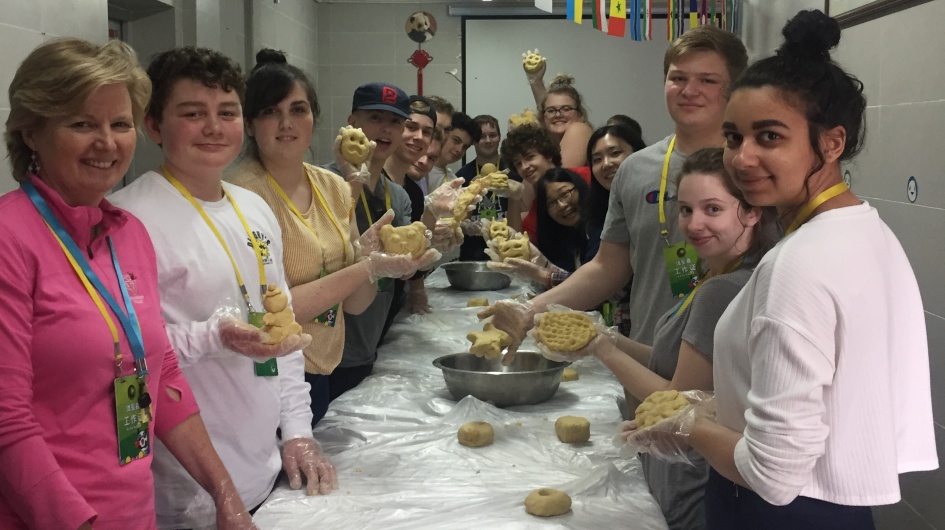 Students Are Making Panda Buns
After dinner, students can have face-to-face communication with giant panda breeders, who will answer questions raised by students during the past few days of panda scientific expeditions. Then, conduct an assessment of research results: students display their observation records and research findings, consolidate the knowledge learned through interaction, and improve their teamwork skills.
Your Journey’s Rewards:
At Wolong China Giant Panda Garden, students can personally experience the daily work of giant panda caregivers and nutritionists, and gain an in-depth understanding of the daily feeding management and scientific research priorities of giant pandas.
Educational Focus:
What are the eating habits of pandas?
Takeaway:
Bamboo is crucial for the growth, health, and normal reproduction of giant pandas. The diet of giant pandas varies with mountain systems and seasons: they feed on different types of bamboo or different parts of the same bamboo in different seasons. They love to eat various types of bamboo shoots in spring and summer, mainly feed on bamboo leaves in autumn, and take bamboo stems as their main food in winter. In addition to mainly feeding on bamboo, captive giant pandas also need a small amount of concentrated feed (such as homemade buns), fruits, as well as vitamin and trace element additives. This is mainly because captive pandas cannot forage freely, leading to insufficient or unbalanced nutrient intake.
Thought Challenge:
In panda science popularization work, how to better integrate practical experience with theoretical knowledge to enhance the public's awareness of giant panda protection?
In the morning, students start the research achievement display session. First, they showcase the giant panda handwritten newspapers they created, presenting research results on giant panda behavior, habitat protection, scientific feeding, and other aspects through a combination of pictures and texts, and learn from each other through observation. Subsequently, students share their expectations and commitments regarding giant panda protection. They receive the officially certified "Giant Panda Scientific Expedition and Conservation Research Certificate" issued by base staff to members participating in this research activity. After the event, they return home with full gains and a sense of responsibility for giant panda protection.
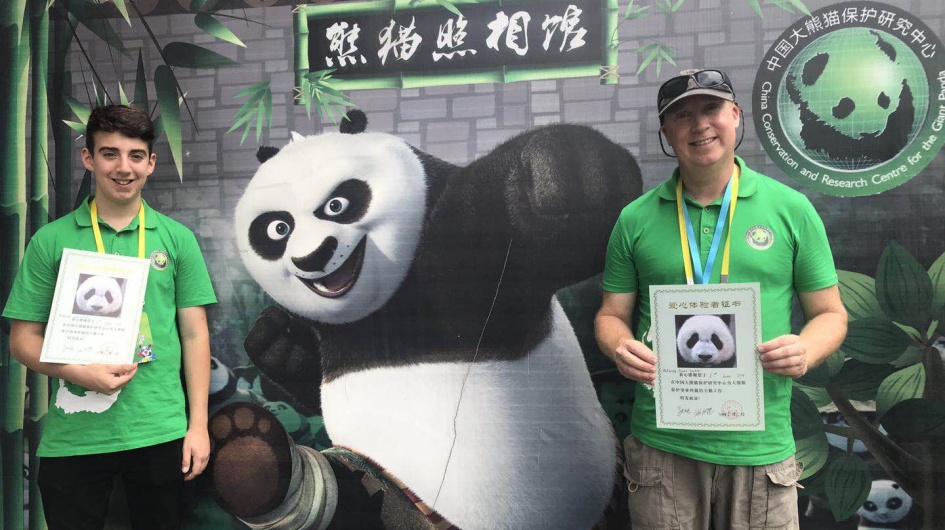 Receive the Giant Panda Honorary Certificate
This tour is suitable for: Students, Teachers, Schools, Educational Groups, Families, Educational Travelers
What’s Included
- Experienced tour guides
- Entrance fee to all spots listed in the itinerary
- Well selected hotel accommodation
- Expert drivers and comfortable vehicles with air-conditioning
Hotel Options
- Chengdu Recommended Hotels: Holiday Inn Express Chengdu Wuhou
Wechat & WhatsApp: +86-13471279378