- Home
- City Tours
- Chengdu Tours
- 7-Day Railway Educational Tour
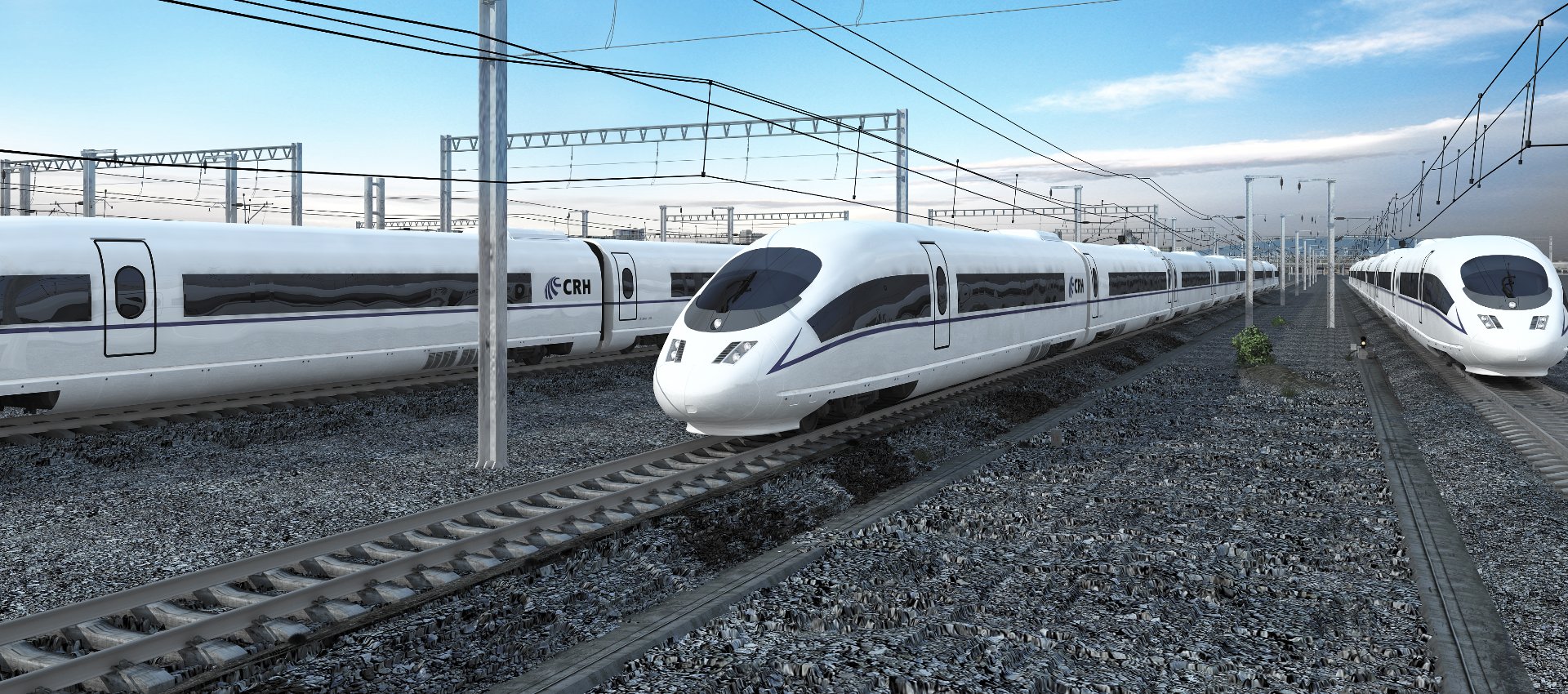
China Railway Educational Tour
Itinerary at a Glance
| Day | Location | Highlights |
|---|---|---|
| D1 | Chengdu (Airport, Hotel) | Arrive; check in |
| D2 | Chengdu Greenway (Jincheng Lake-Zhonghe Wetland), Train Art Gallery | Cycle 5km on greenway; learn train knowledge; assemble train models |
| D3 | Jiayang·Cyathea Lake Base, Jiayang Small Train, Mine Tunnel | Ride narrow-gauge steam train; learn railway/steam engine history; experience mine tunnel |
| D4 | Emei Locomotive Base, Chengdu EMU Depot, Catering Center | Observe locomotive/EMU maintenance; learn EMU structure; know EMU meal production |
| D5 | Chengdu Panda Base | Attend volunteer training; make panda buns; watch panda documentary; get certificate |
| D6 | Wuhou Temple, Teahouse, Kuanzhai Alleys | Learn Three Kingdoms culture; taste tea; paint Sichuan Opera masks; try shadow puppetry |
| D7 | Chengdu | Tour ends |
Trip Highlights
- Ride the Jiayang Small Train and learn the principles of steam locomotives
- Visit Emei Maintenance Base and Chengdu EMU Depot to learn railway operation and maintenance knowledge
- Join panda volunteer experience to get close to giant pandas, understand their living habits
- Visit Wuhou Temple to feel profound Three Kingdoms culture
- Learn Sichuan opera mask-painting and shadow puppetry to experience folk art
Tour Essentials

Quality
No Shopping Traps

Group Type
Private

Tour Focus
Railway Heritage, Culture

Accommodation
Nights:6

Best Season
Spring, Summer, Autumn, Winter
Full itinerary for China Railway Educational Tour
After arriving in Chengdu, you will be picked up by a driver and taken to the pre-booked hotel. Once you have completed the check-in process, you can take a good rest or go to the daily necessities store near the hotel to buy daily supplies.
After breakfast, students will start the greenway cycling experience under professional guidance. The route is approximately 5 kilometers long, from Jincheng Lake to Zhonghe Wetland Park. Along the way, students can enjoy urban landscapes and immerse themselves in Chengdu’s ecological environment while cycling. Through the guide’s explanations, they will understand the important significance of the greenway to the natural ecology and urban life, and comprehend the value of green travel for the construction of a low-carbon city.
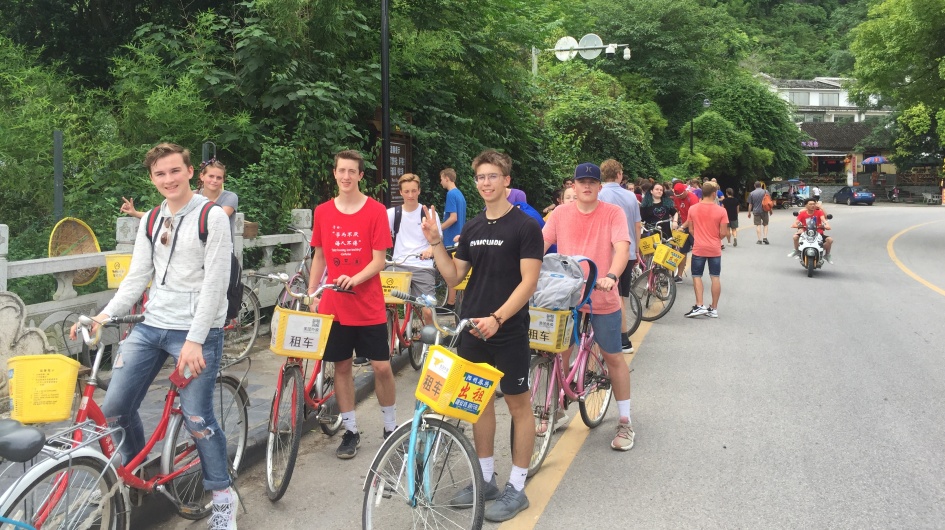 Students Are Cycling on the Greenway
In the afternoon, students will depart for the Train Art Gallery. Inside the gallery, they can participate in a "Train Knowledge Mini-Class" to learn about trains. They will also have the opportunity to experience assembling train models, which helps them gain a deeper understanding of train structures and related knowledge.
Your Journey’s Rewards:
By cycling on the greenway, students understand the important significance of the greenway to the natural ecology and urban life, and comprehend the value of green travel for the construction of a low-carbon city. At the Train Art Gallery, they learn train knowledge and experience assembling train models, thus gaining an in-depth understanding of train structures and relevant information.
Educational Focus:
How do trains make turns?
Takeaway:
There is a raised flange on the inner side of train wheels. When a train enters a curve, the diameter of the outer wheel in contact with the track is larger than that of the inner wheel, creating a natural differential speed. This allows the wheel set to smoothly turn along the curve. The train’s bogie also plays a key role: it is connected to the carriage via a turntable and shock absorbers, which helps the wheels flexibly adjust their angle on the track and enables the train to pass through curves more smoothly. Turnouts are the key equipment for guiding trains to turn. Controlled by a switch machine, the switch rails of the turnout can switch positions to guide the train from one track to another.
Thought Challenge:
How do trains brake?
Gather in the morning and depart by bus to the Jiayang·Cyathea Lake Study Tour Base. On the way, listen to the guide explain today’s schedule and precautions. After arriving, have lunch.
In the afternoon, experience the Jiayang Small Train. It is the only remaining narrow-gauge passenger steam train in the world, with a gauge of only 76 cm—about half the gauge of ordinary trains—and is known as a "one-of-a-kind landscape of the Industrial Revolution". Through visits and learning, understand the development history of railway tracks, the birth of steam engines, the characteristics of steam engines and their power principles, etc. Additionally, go deep into the 100-meter mine tunnel to experience the working environment of miners firsthand and learn about the mystery of coal formation hundreds of millions of years ago.
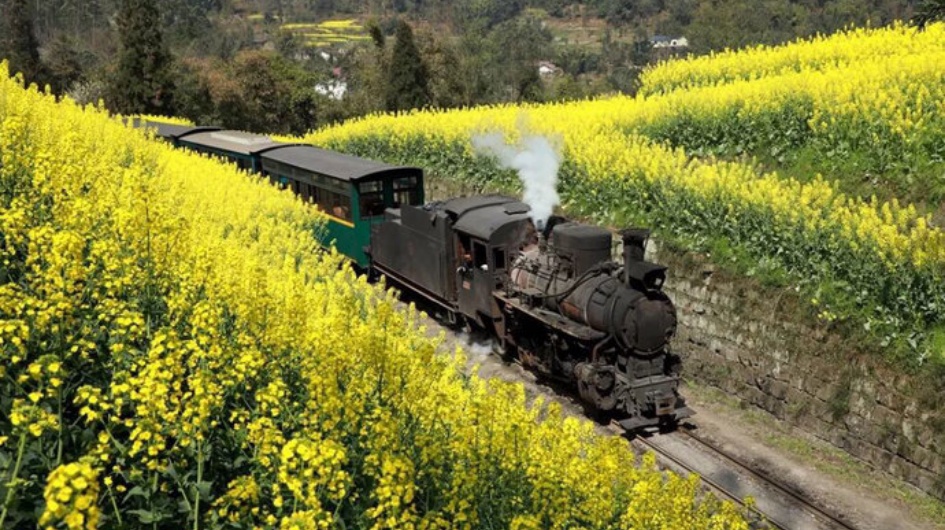 Ride the Jiayang Small Train
Your Journey’s Rewards:
Through in-depth exploration of the Jiayang Small Train, learn about the development history of railway tracks, the birth of steam engines, the characteristics of steam engines and their power principles, etc., and feel the symbiotic relationship between railway technology and the coal mining industry during the Industrial Revolution.
Educational Focus:
With steam trains having been discontinued, how should the Jiayang Small Train be maintained?
Takeaway:
As an operational narrow-gauge passenger steam train, the Jiayang Small Train has many parts that cannot be purchased on the market. The wear and replacement of core components have become a critical issue affecting the lifespan of the steam train. By applying modern industrial principles, professionals in the small train maintenance team have designed and modified many parts by themselves. It is precisely because of their persistence that these steam cylinders still maintain such strong vitality today.
Thought Challenge:
As a "living fossil of the Industrial Revolution", how should the Jiayang Small Train balance the preservation of the original operating state of the steam locomotive (such as coal-fired steam power) with the requirements of ecological environmental protection in the process of heritage protection and activated utilization?
After breakfast in the morning, proceed to the Emei Maintenance Base. This base mainly undertakes tasks such as intermediate maintenance of various AC/DC diesel locomotives and intermediate maintenance of railway rescue cranes for China Railway Chengdu Group Co., Ltd. By visiting the diesel locomotive maintenance base and observing the locomotive maintenance process, students will learn railway science and technology knowledge. Then, take a bus to Chengdu Electric Multiple Unit (EMU) Depot. This depot is responsible for the third, fourth, and fifth-level maintenance tasks of "Harmony" EMUs in the southwest region, and is the 6th EMU maintenance base in China that has been completed and put into operation with advanced EMU maintenance capabilities.
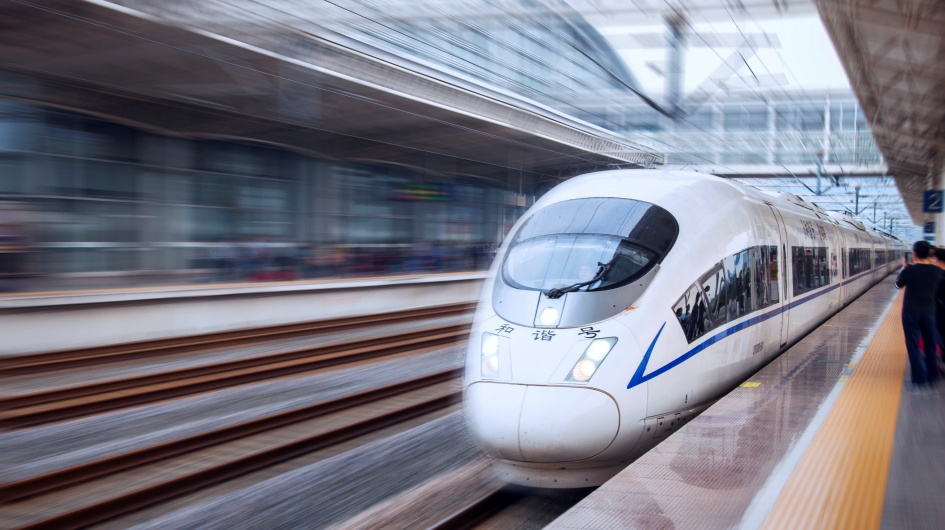 Harmony EMU
Head to the "Chuanzhiwei Catering Distribution Center of Chengdu Passenger Transport Section" for lunch, and learn about the mechanized production process and hygiene assurance of EMU boxed meals. Afterwards, visit the sand table in the comprehensive building of Chengdu EMU Depot to understand the overall situation of the depot through the sand table. Then, visit the "Harmony" EMU maintenance workshop of the depot. In the third-level maintenance garage, inspect the internal structure, maintenance technology, and maintenance process of EMUs; in the bogie garage, watch the disassembly and assembly of EMU bogies to gain an in-depth understanding of the "Harmony" EMU. Then enter the operation workshop to learn about the daily maintenance of EMUs and have close contact with high-speed rail, one of China's "Four New Inventions".
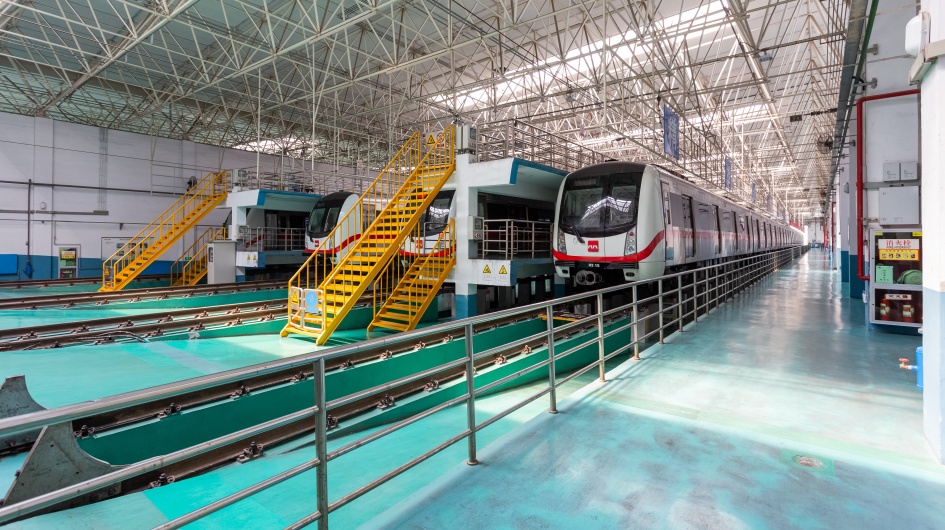 Visit the Maintenance Workshop
Your Journey’s Rewards:
By observing locomotive maintenance, students learn railway science and technology knowledge. During the visit, they gain an understanding of the internal structure, maintenance technology, and maintenance process of EMUs.
Educational Focus:
What is the basic process of EMU maintenance?
Takeaway:
The basic process of EMU maintenance includes plan formulation, maintenance preparation, maintenance implementation, and acceptance and delivery. First, based on operational needs and maintenance cycles, an EMU maintenance plan is formulated to clarify the maintenance content and schedule. Second, complete maintenance preparation work, including material preparation, equipment debugging, and personnel organization, to ensure that the resources required for maintenance are fully prepared. Third, carry out maintenance implementation in accordance with the maintenance plan and standards, including fault detection, repair and replacement, cleaning and maintenance, etc. Finally, conduct acceptance and delivery of the EMUs that have completed maintenance to ensure they meet the requirements for safe operation.
Thought Challenge:
In the development process of the railway industry, how to balance the pursuit of high speed and efficiency with the demand for energy conservation and environmental protection?
Gather in the morning to attend an activity training session, where students will learn about the activity process and precautions. Afterwards, go to the giant panda living area to visit areas such as panda enclosures and activity grounds, observe the status and behavioral habits of giant pandas of different age groups, and understand the importance of environmental arrangement for the healthy life of giant pandas. Then, watch the close interaction between breeders and giant pandas, and learn knowledge about the daily care of giant pandas.
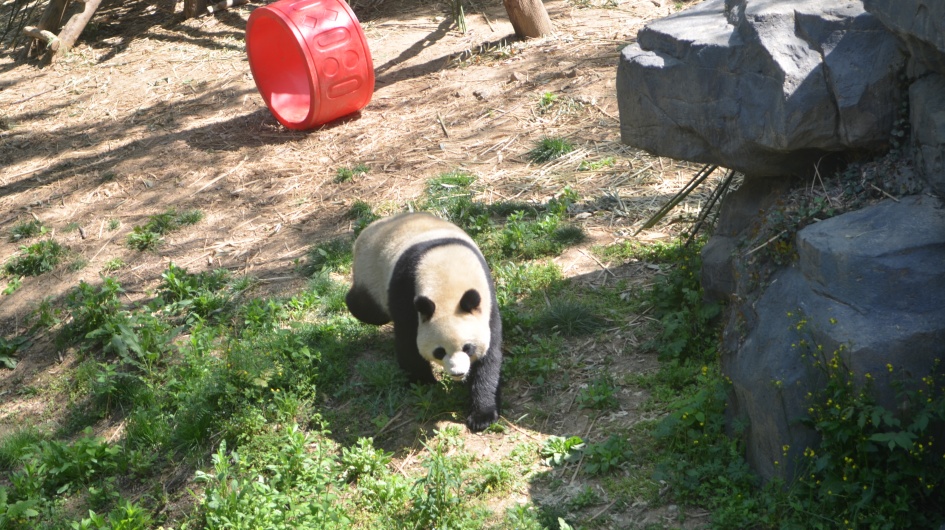 Panda Behavior Observation
In the afternoon, students will experience making giant pandas' supplementary food—steamed corn buns (Wo Wo Tou) with their own hands. First, listen to explanations from professionals to learn about the formula and production method of steamed corn buns, then make the buns under professional guidance. After the production is completed, the staff will check the qualification of the buns, and the qualified ones will be used for feeding pandas later. After the experience, students will watch a giant panda documentary to learn about the living conditions and habitat status of wild giant pandas as well as global giant panda conservation cooperation cases, further enhancing their awareness of endangered species protection.
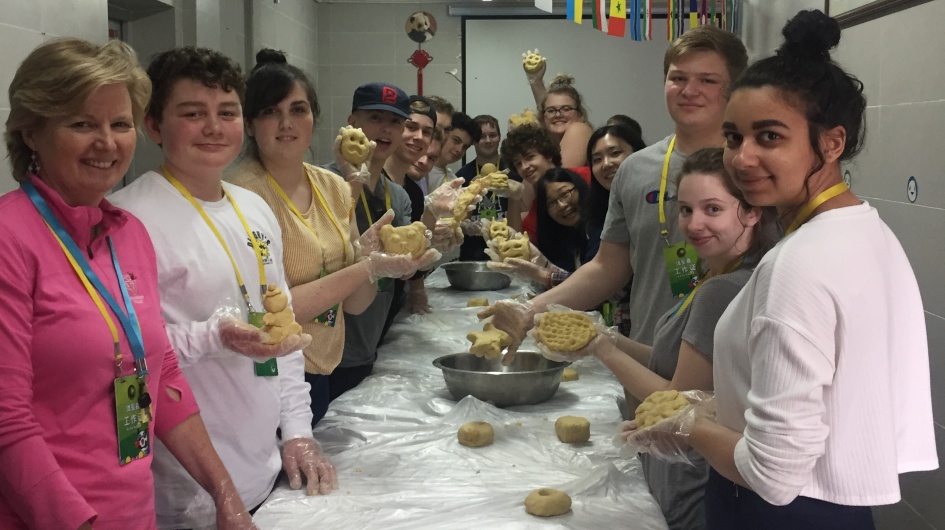 Students Are Making Panda Buns
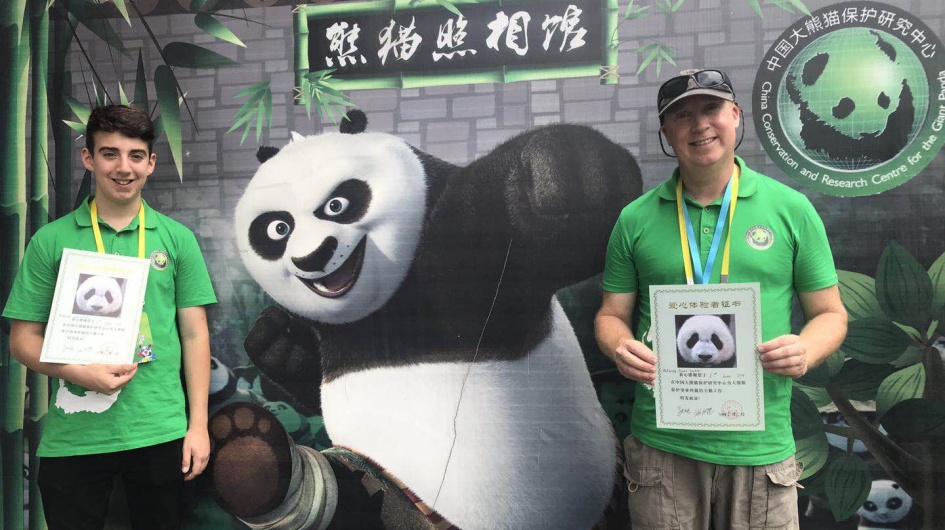 Receive the Giant Panda Honorary Certificate
Your Journey’s Rewards:
Students participated in the giant panda volunteer experience and went through the whole-process activities including professional training, park visit, and steamed corn bun making, which allowed them to have an in-depth understanding of the conservation work scene at the Chengdu Research Base of Giant Panda Breeding. This not only improved students' knowledge of giant panda conservation, but also enhanced their awareness of species protection.
Educational Focus:
Why do giant pandas need to eat steamed corn buns (Wo Wo Tou)?
Takeaway:
The main ingredients of giant pandas' steamed corn buns include soybean flour, corn flour, millet flour, rice flour, eggs, and oats. These ingredients provide rich vitamins for giant pandas. For elderly giant pandas, young giant pandas, and those in need of conditioning, the staff will also add calcium hydrogen phosphate and ground calcium carbonate to the ingredients of the steamed corn buns to supplement calcium for them.
Thought Challenge:
What are the feeding methods of giant pandas?
In the morning, students arrive at Wuhou Temple to start a study tour of the Three Kingdoms culture. First, they visit the main hall of Wuhou Shrine, observe the exhibits of replica weapons and documents from the Three Kingdoms period displayed in the hall, and listen to the cultural connotations behind classic historical stories such as "Three Visits to the Thatched Cottage" and "Empty Fort Strategy". After the visit, they head to a local teahouse for tea. In the teahouse, students taste tea, watch wonderful tea ceremony performances, and experience Chengdu's tea culture. After the tea-tasting experience, they go to Kuanzhai Alleys. Students stroll along Kuan Alley, admire the Western Sichuan-style residential buildings with architectural styles of the late Qing Dynasty and early Republic of China, and learn about the history of Kuanzhai Alleys. Here, students can taste Chengdu's characteristic snacks and experience Chengdu's food culture.
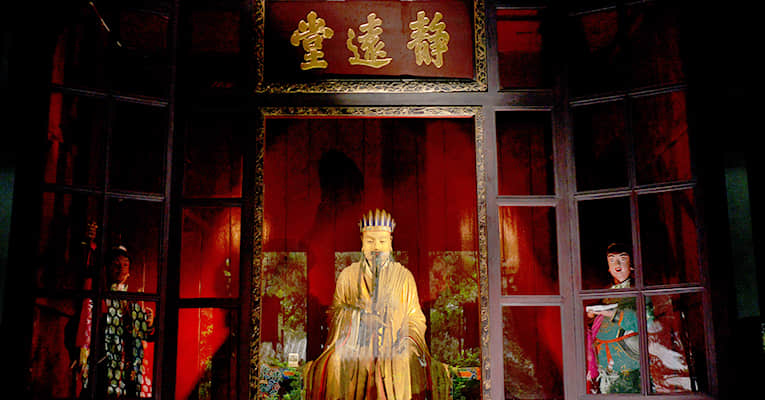 Visit Wuhou Temple
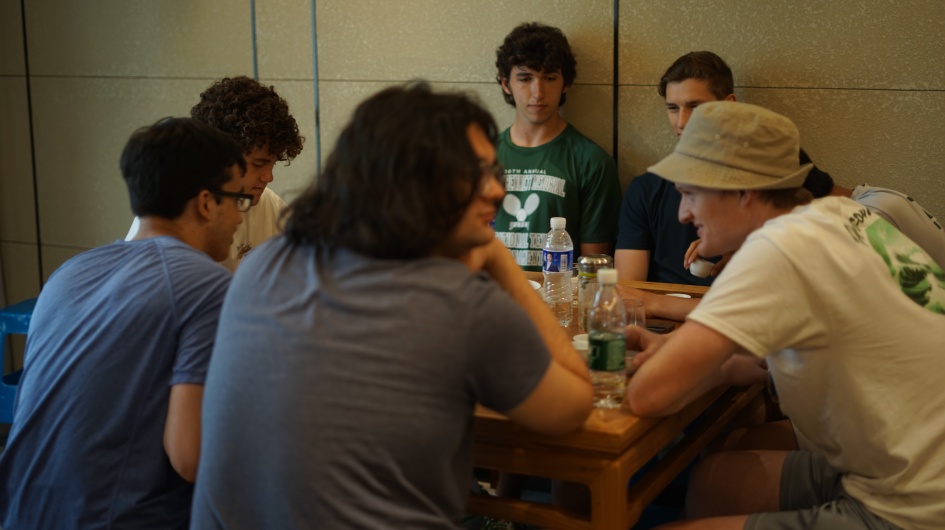 Students Tasting Tea
In the afternoon, students first participate in the Sichuan Opera facial makeup painting activity. They learn about the implied meanings of colors and the characteristics of patterns, then receive blank facial makeup bases, pigments and brushes, and paint their exclusive Sichuan Opera facial makeup under guidance, personally experiencing the beauty of facial makeup art. Next, students will learn shadow puppetry (hand shadow play). They watch shadow puppetry artists demonstrate simple hand shadow shapes, listen to explanations about the light and shadow principles and movement techniques of shadow puppetry, and then have a hands-on experience of shadow puppetry themselves, appreciating the fun of this traditional folk art. In the evening, students can choose to watch a Sichuan Opera face-changing performance, feeling the shock and magic of the Sichuan Opera face-changing art.
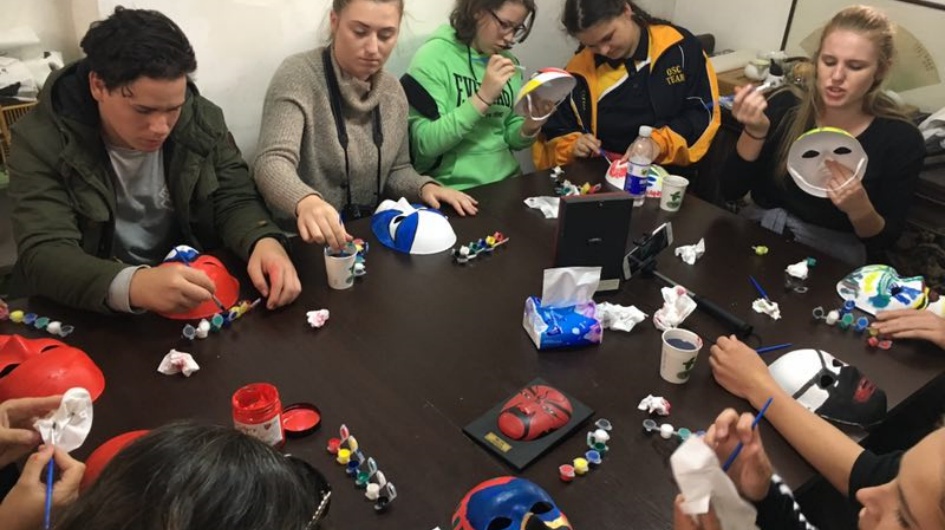 Experiencing Sichuan Opera Mask-Painting
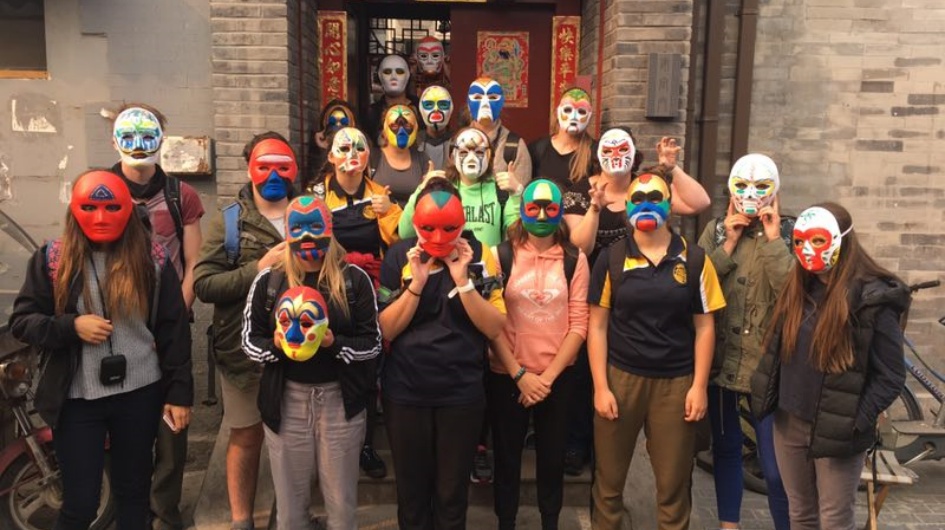 Students' Sichuan Opera Mask Works
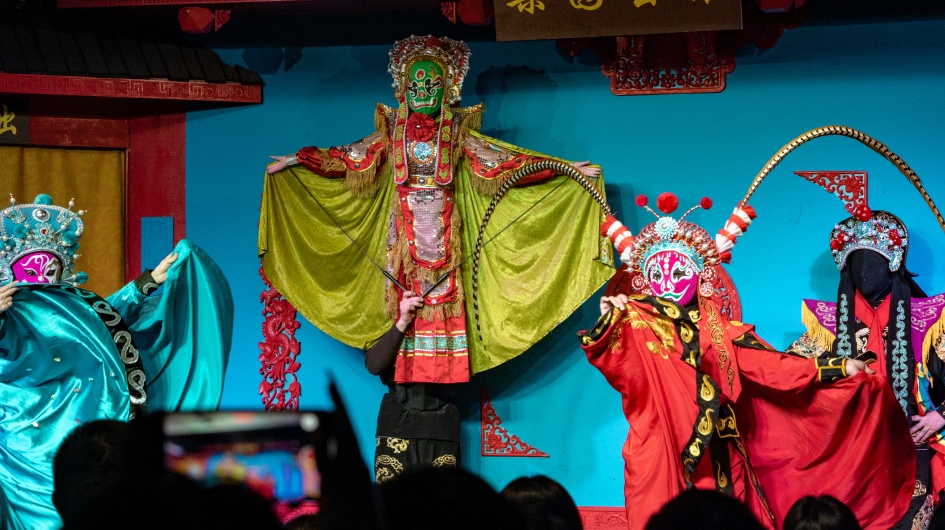 Watching the Face-Changing Performance
Your Journey’s Rewards:
By visiting Wuhou Temple, Kuanzhai Alleys and local teahouses, students experience Chengdu's historical culture. Through learning to paint Sichuan Opera facial makeup, experiencing shadow puppetry and watching Sichuan Opera face-changing performances, they gain an in-depth understanding of the unique charm of Sichuan's intangible cultural heritage.
Educational Focus:
What is the principle of "che lian" (face-pulling) in Sichuan Opera face-changing?
Takeaway:
For "che lian" (face-pulling) in Sichuan Opera, facial makeup is painted on pieces of silk, cut out in advance, and a silk thread is attached to each facial makeup. Then, several pieces of facial makeup are stacked one on top of another and pasted on the face. Each facial makeup has a specific silk thread, which is tied to a convenient and unobtrusive part of the costume. As needed during the performance, under the cover of dance movements, the facial makeup is quickly pulled off one by one, changing the color of the face to red, green, blue, black, etc. Different mask colors can express emotions such as joy, disgust, anger or sadness.
Thought Challenge:
In the inheritance of intangible cultural heritages such as Sichuan Opera facial makeup, shadow puppetry and face-changing, how to balance the preservation of traditional techniques and adaptation to modern aesthetic innovation?
At the end of the itinerary, students will be picked up by a driver and taken to the airport, returning to their hometowns with a wealth of knowledge and experience.
This tour is suitable for: Students, Teachers, Schools, Educational Groups, Families, Educational Travelers
What’s Included
- Experienced tour guides
- Entrance fee to all spots listed in the itinerary
- Well selected hotel accommodation
- Expert drivers and comfortable vehicles with air-conditioning
Hotel Options:
- Chengdu Recommended Hotels: Holiday Inn Express Chengdu Wuhou
Wechat & WhatsApp: +86-13471279378